
Wholesale Leather Belts: Sourcing Bulk & Duty-Free Advantages

For bulk importers and private-label buyers, sourcing wholesale leather belts isn’t just about unit price—it’s about balancing quality assurance, compliance transparency, and duty efficiency across global trade routes. Cambodia, for instance, combines ISO‑aligned production and verified audits under the ILO–IFC Better Factories program, while offering capacities exceeding one million belts per month—helping wholesalers secure volume consistency without escalating […]
Custom Leather Belt Manufacturing: The 2026 OEM/ODM Sourcing Guide
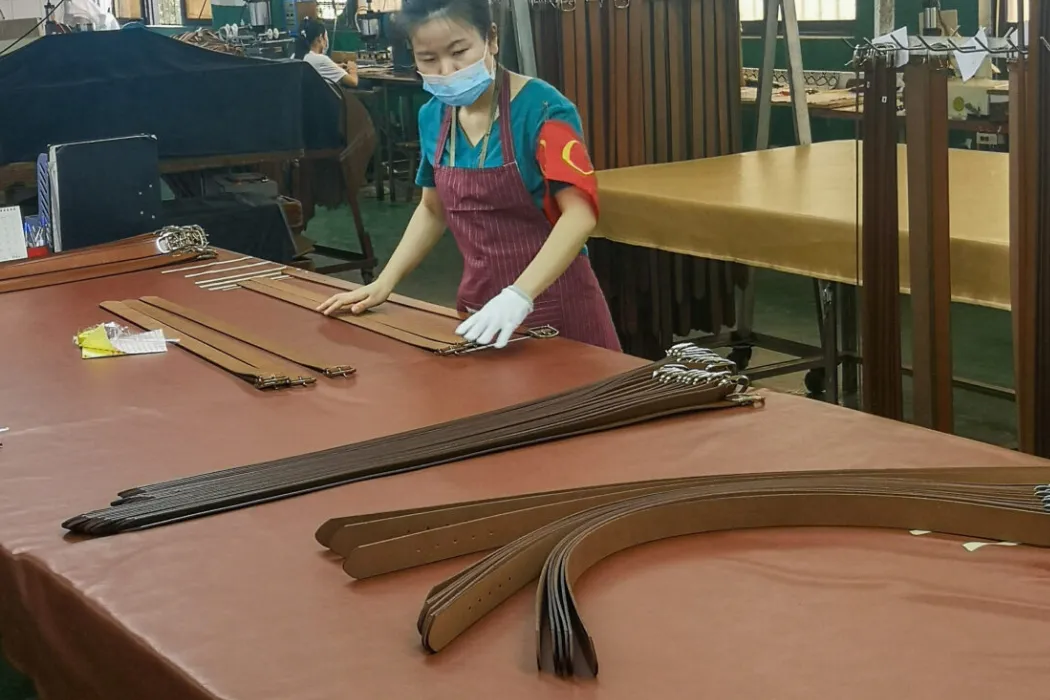
Choosing the right custom leather belt manufacturer in 2026 demands more than a price comparison—it’s about vetting technical precision, capacity, and compliance. As B2B buyers navigate OEM and ODM sourcing options, the difference between consistent global output and costly rework often lies in the details: tensile strength ≥ 20 N/mm² under ISO 3376 : 2020, breaking strength ≥ 400 N per DEAS 7.8, and certified defect […]
Custom Belt Buckles: Sourcing, Mold Making & Plating Guide
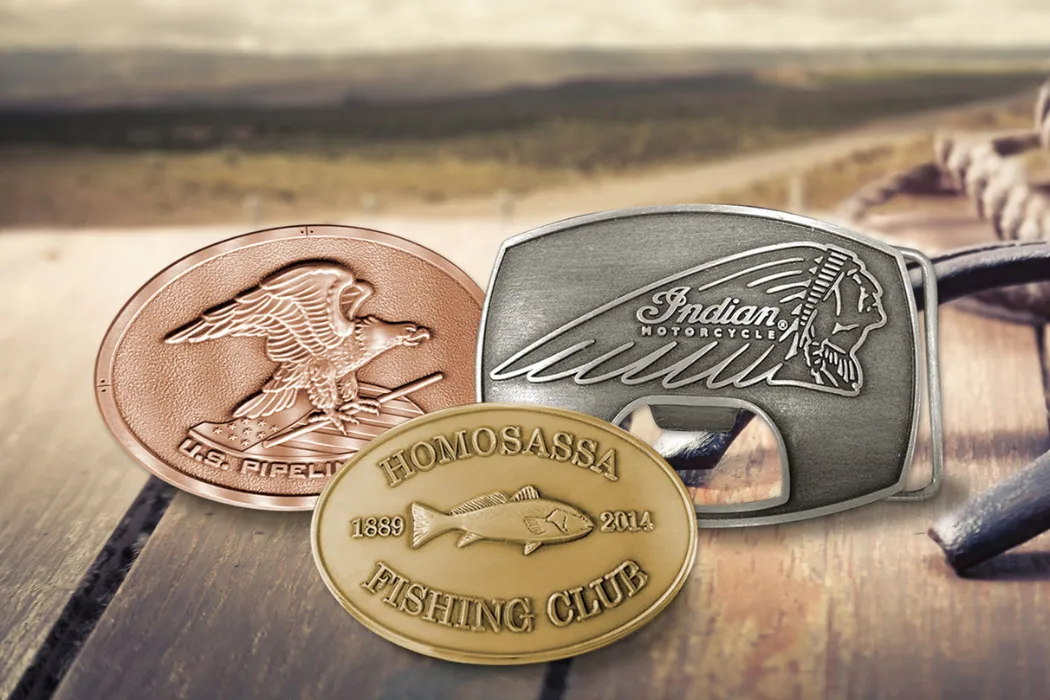
For manufacturers and sourcing managers, the quality of a custom belt buckle can determine whether a product line succeeds or fails. A single weak link — such as a buckle that breaks under a 45 N–53 N release force or corrodes after a 96‑hour salt‑spray test — can undermine the reliability of an entire collection. As the […]
Vegetable Tanned Leather Belts: The Traditional Craft in 2026

In a market increasingly shaped by sustainability benchmarks and supply chain transparency, understanding the specifications behind Vegetable Tanned Leather Belts has become essential for B2B buyers and manufacturers. Unlike chrome-tanned leather, which completes within a day, vegetable tanning takes 6–8 weeks or longer—producing denser, moldable leather that meets ES 6817:2021 mechanical benchmarks such as a shrinkage […]
Sustainable Leather Belts: Recycled, Vegan & Chrome-Free Solutions

Buyers across the leather goods supply chain are under growing pressure to source belts that align with measurable sustainability standards—not just marketing claims. With brands demanding LWG‑certified tanneries and consumers questioning the eco‑validity of “vegan” leather, procurement teams now face complex decisions balancing compliance, durability, and carbon performance. A typical PU‑based vegan belt produces around 15.8 kg CO₂e per m², […]
Corporate Leather Gifts: Custom Belts for Employee & Client Gifting
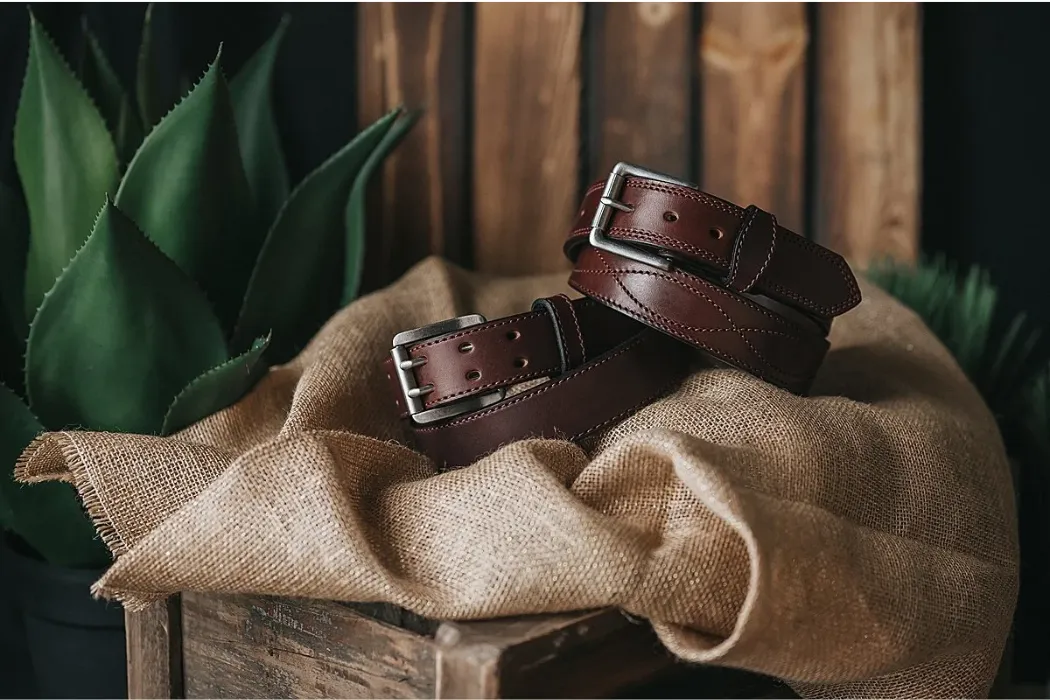
Corporate gifting is no longer about generic tokens—it’s about presenting something that feels both personal and enduring. For HR leaders, procurement specialists, and brand managers seeking meaningful ways to recognize teams or impress clients, corporate and promotional leather belts stand out. Offering full-grain quality that lasts over a decade and the ability to develop a […]
Freight Forwarding 101: Managing Ocean vs. Air Shipments for Leather Goods

Logistics Strategy for Leather is a strategic triangulation between Transit Time, Cost Efficiency, and Preservation. Air Freight is billed by chargeable weight (kg) and is optimized for high-value, urgent replenishment; Ocean Freight is billed by CBM (Cubic Meter) for bulk volume but introduces extreme Humidity Risk. For genuine leather products, controlling the container’s Micro-climate to […]
How to Choose the Right Private Label Leather Belt Manufacturer: Tips Guide
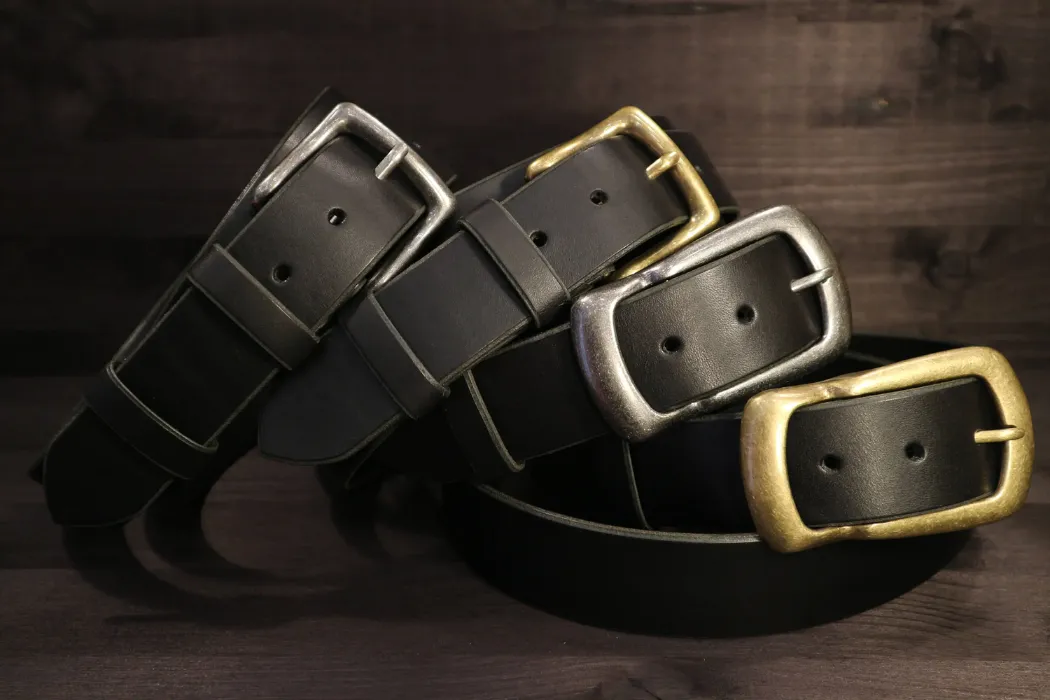
Supplier Vetting Protocol is a multi-dimensional assessment process designed to verify a potential manufacturing partner’s Capacity, Compliance, and Solvency. Choosing the right private label manufacturer goes beyond comparing EXW Price; it critically involves evaluating their Vertical Integration (control over raw material sources), Geopolitical Advantage (duty-free eligibility), and Quality Control Systems (adherence to AQL 2.5 standards). […]
Laser Engraving vs. Hot Stamping: Which Logo Method Lasts Longer on Belts?
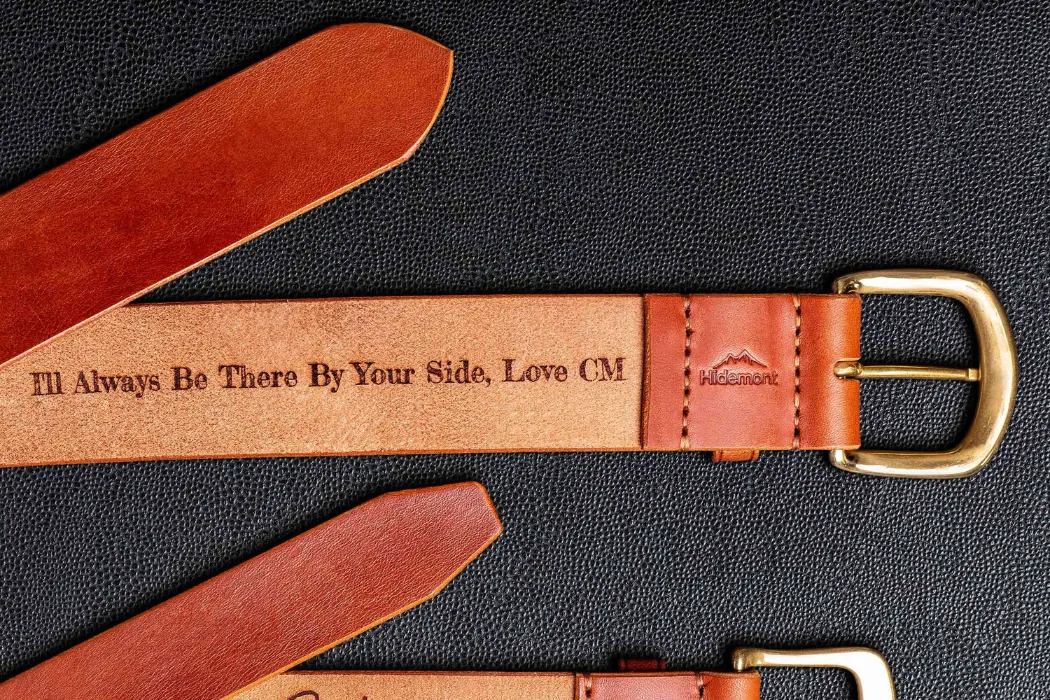
Leather Branding Strategy classifies logo application into two distinct physical paths: Laser Engraving, a subtractive manufacturing process that utilizes high-energy beams to ablate the surface grain; and Hot Stamping (Thermal Compression), a forming process that uses heated brass molds and high pressure to permanently deform collagen fibers. For private label belts requiring heirloom durability, Hot […]
YKK vs. SBS Zippers: A Cost-Benefit Analysis for Mid-Range vs. Luxury Handbags
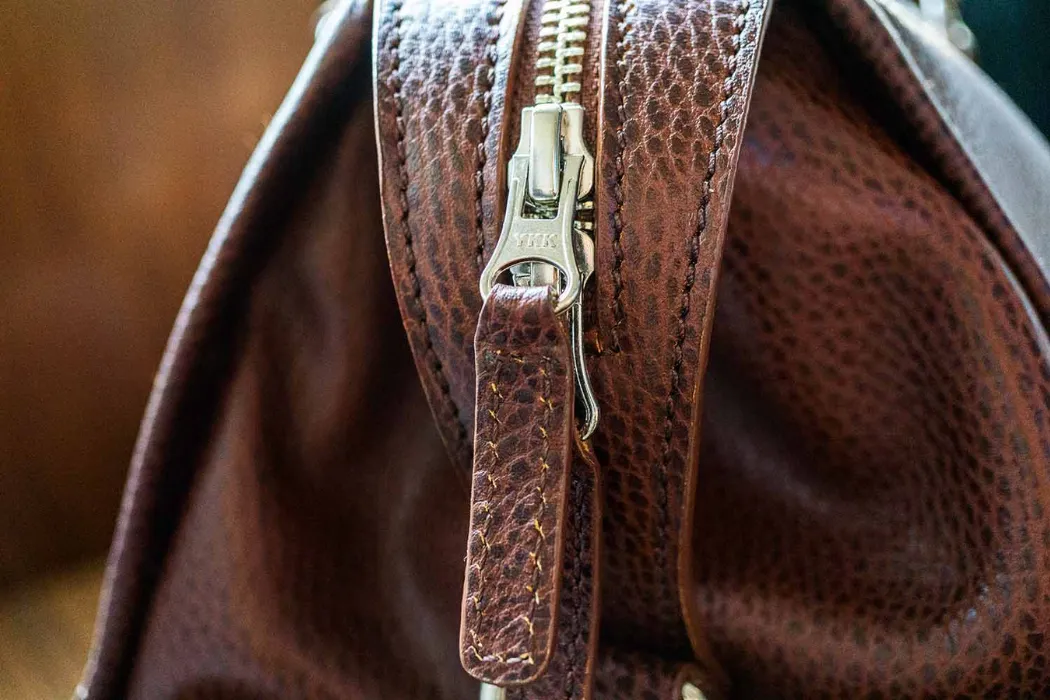
Zipper Sourcing Strategy is dominated by a global duopoly: YKK (Yoshida Kogyo Kabushiki), controlling ~40% of the market as the synonym for reliability and the standard for mid-to-high-end brands; and SBS (Fujian SBS Zipper), the largest publicly traded zipper manufacturer in China, known for cost-efficiency and rapid response. For handbag brands, selecting YKK is purchasing […]
Sourcing Men’s Suspenders: Critical Stress Tests for Elastic and Leather Components
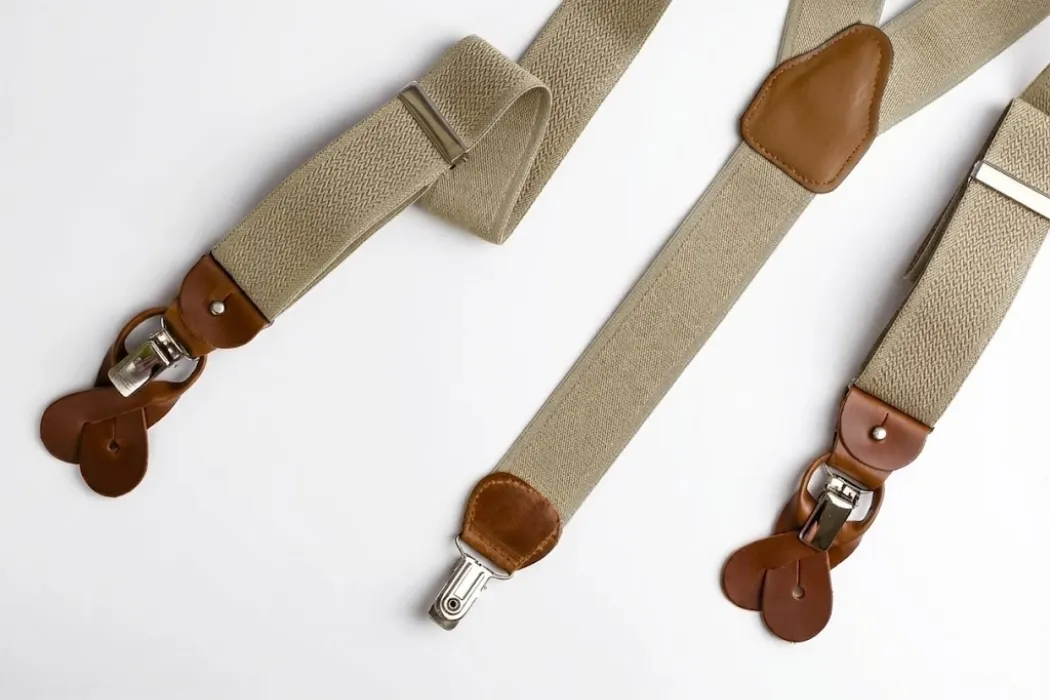
Suspender Quality Assurance is a standardized physical testing protocol used to evaluate the mechanical integrity of a suspension system. Core test metrics include: Elastic Modulus Recovery (passing threshold >90% recovery after 10,000 cycles), Buttonhole Tear Strength (must exceed 300 Newtons), and Hardware Bite Force. Passing these stress tests is the only viable pathway to reducing […]
Private Label Belt Manufacturing: Custom Tooling vs. Stock Hardware – A Sourcing Guide
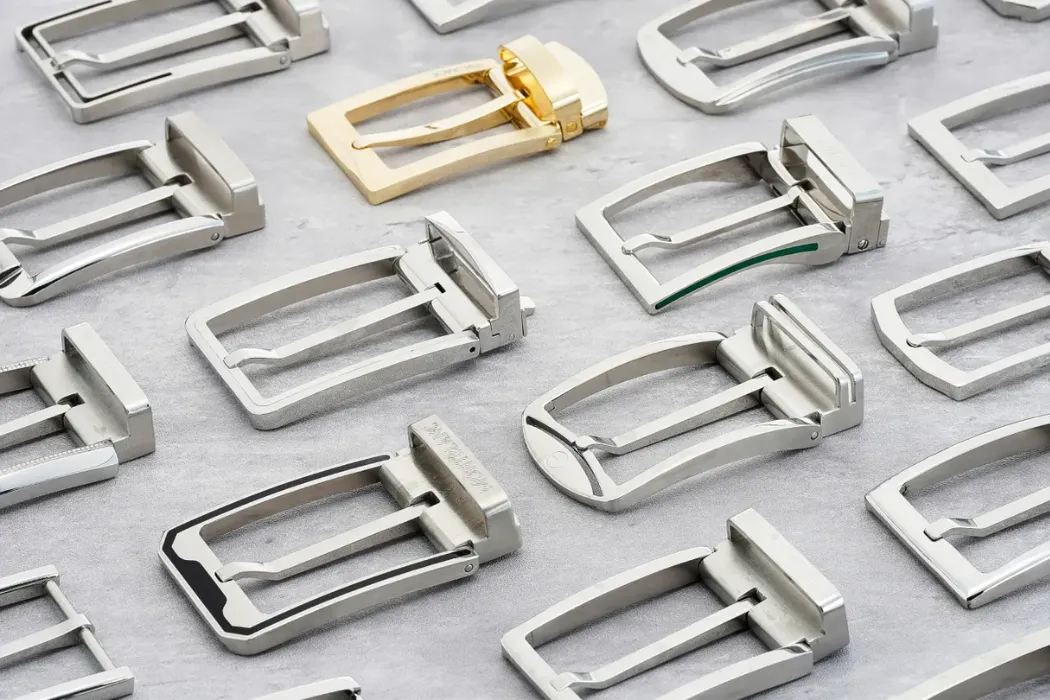
Buckle Sourcing Strategy classifies hardware procurement into two distinct paths: Stock Hardware utilizes existing “Open Molds” owned by the factory, offering zero tooling fees and rapid lead times but lacking market exclusivity. Custom Tooling involves engineering proprietary molds, requiring an upfront NRE (Non-Recurring Engineering) investment of $300–$800, but delivering 100% design control and brand defensibility. […]