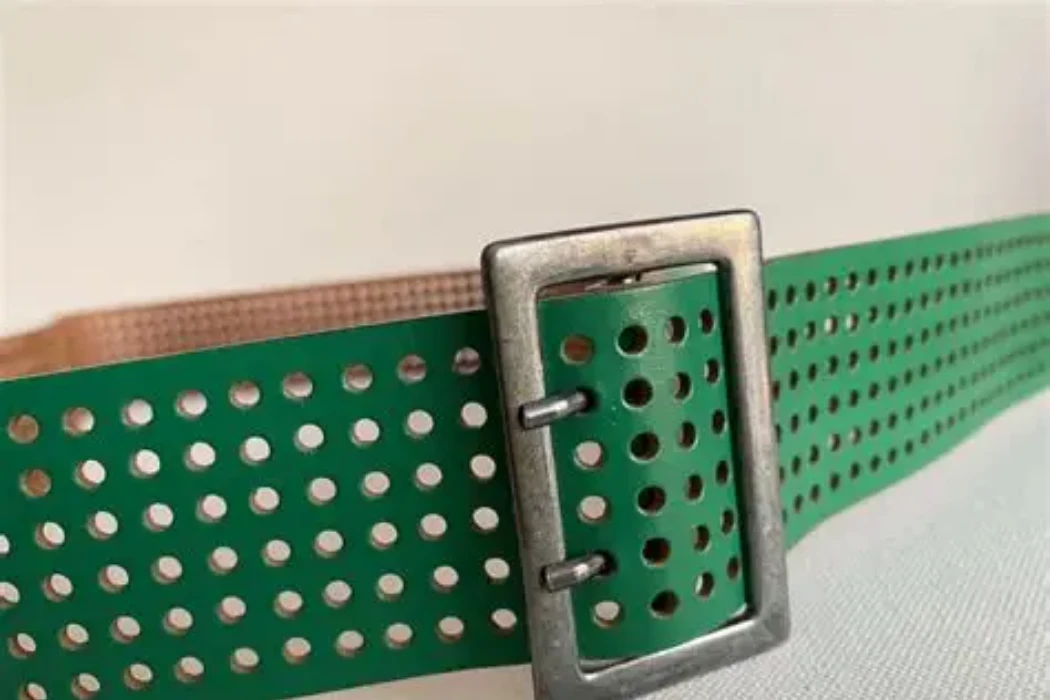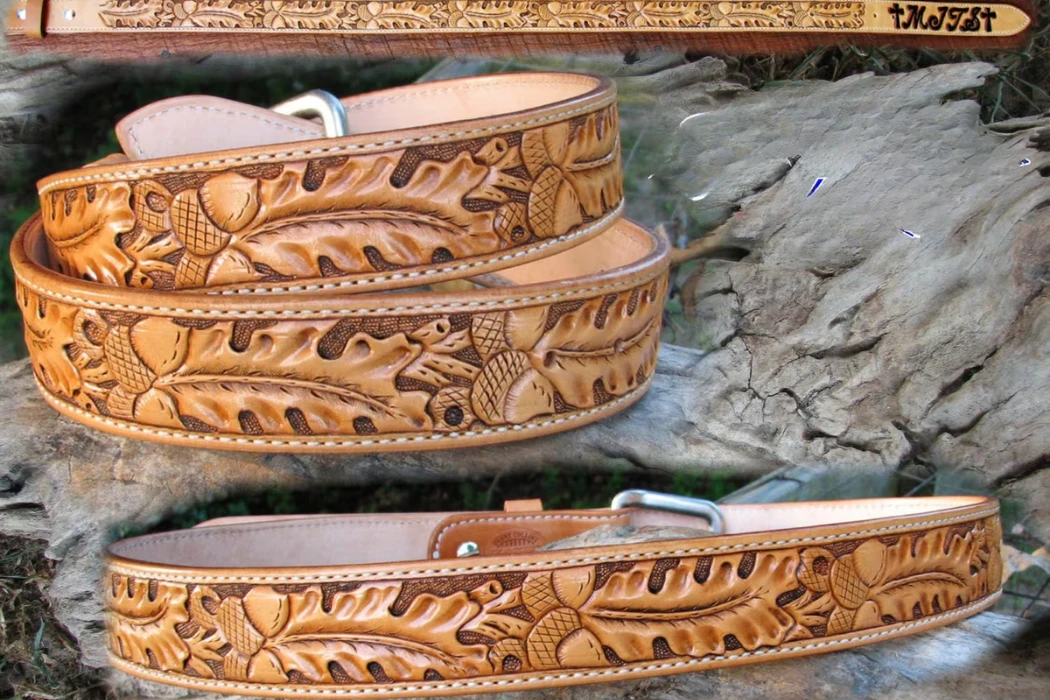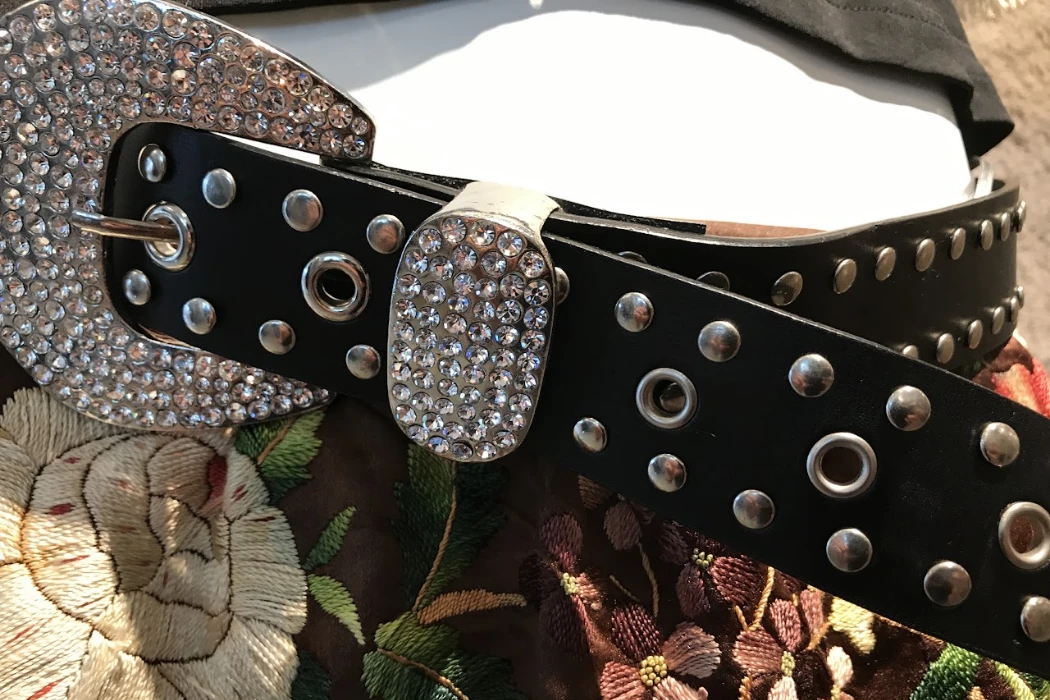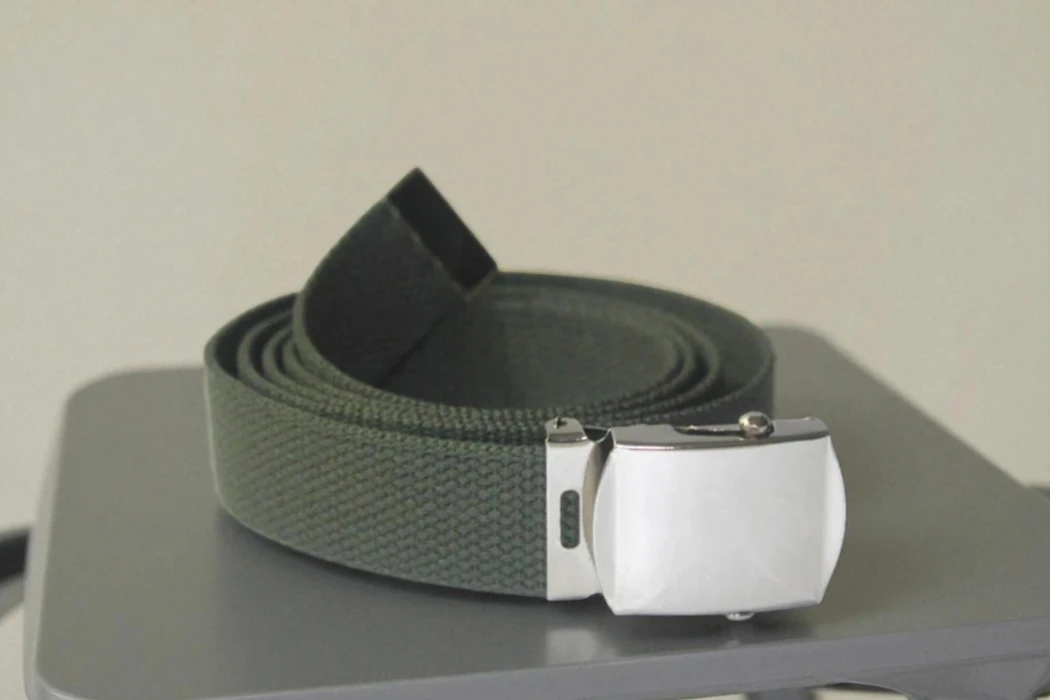
Private-label belt production turns a brand’s product brief into repeatable specifications, approved samples and a controlled production order. The difficult handover is between a sample that looks right and a batch that uses the same materials, sizing and construction.
This guide sets out the decisions for a first leather or PU belt program, including the OEM/ODM choice, a production-ready tech pack, sample approval, costs, quality and reorders. It covers fashion accessories rather than safety or load-bearing equipment.
Choose a development model before requesting a quote
With an OEM arrangement, the buyer normally supplies a design and the manufacturer develops or produces against it. An ODM arrangement normally starts from a supplier-developed design that can be adapted. Suppliers use these terms differently, so the scope of work should identify exactly who develops the pattern, buckle, construction and artwork.
| Decision | Buyer-led custom design | Adapted supplier design |
|---|---|---|
| Starting material | Your drawings, construction brief or reference sample | A selected design with an agreed list of changes |
| Development work | Resolve dimensions, materials, tooling and feasibility | Verify the existing construction and test changes |
| Commercial questions | Who owns new patterns and tools? What revisions are included? | Which features are shared with other customers? Is exclusivity available? |
| Approval | Approve the full specification and sample | Approve the adapted specification and sample, not just a logo proof |
Neither acronym automatically transfers intellectual property or removes the buyer’s compliance responsibilities. Write down ownership, permitted use and any exclusivity in the agreement. An existing design can reduce some development work, but it still needs to match the intended materials and application.
Define a manageable first assortment
Start with a clear use case: a formal dress accessory, a casual leather belt, a reversible fashion belt or a PU collection at a defined retail position. List what must remain consistent across the range and what changes by SKU. Different buckles, widths, finishes and packaging can create separate development and purchasing work even when the total quantity looks simple.
Hoplok’s confirmed minimum order quantities are 300 pieces for leather belts and 1,000 for PU belts. Confirm the proposed style, color and size allocation in the quotation; these figures do not establish a per-color rule or an automatic mixed-style allowance.
Before adding more colors, review material availability, the expected size distribution and how a later reorder will be matched. A smaller design range with clear replenishment specifications can be easier to control than many lightly defined variants.
Turn design intent into a complete tech pack
The tech pack is the agreed record for production. A photo shows appearance; it does not establish the hidden layers, measured length or buckle attachment. Use drawings and reference samples together.
| Tech-pack section | Include | Why it matters |
|---|---|---|
| Product and revision | Style code, date, revision owner and approved changes | Prevents a supplier from producing an obsolete version |
| Dimensions and sizing | Width, thickness, measurement datum, hole positions, size chart and tolerances | A size label alone cannot define actual fit |
| Material layers | Outer strap, lining, reinforcement and finish references | Controls the complete construction |
| Hardware | Drawing or component code, base material, finish, fit and attachment | Links appearance to function |
| Workmanship | Stitching, edges, folds, keeper, tip and finish criteria | Makes sample comments reproducible |
| Branding and packing | Artwork, location, orientation, method, labels and pack specification | Prevents production from guessing at final presentation |
| Acceptance | Visual references, performance tests, inspection and approval process | Defines how the order will be released |
For natural leather, identify the layer and finish rather than relying solely on “genuine leather.” For PU, identify the coating and backing construction. An embossed crocodile pattern on bovine leather or PU is different from an exotic animal skin; name the actual material accurately.
Approve samples through a documented sequence
First resolve structure and fit: strap dimensions, buckle clearance, keeper position and the way the belt closes. Then confirm material, finish, logo and packaging. Some projects can combine these decisions; others require several revisions. There is no compulsory three-round sequence that fits every order.
- Send one consolidated comment sheet for each sample revision.
- Separate required corrections from optional design changes.
- Record any temporary sample materials and what must replace them in production.
- Approve a final reference sample alongside the matching tech-pack revision.
- Agree which changes require another sample or test before production proceeds.
A “golden sample” is an approved physical reference, not a substitute for written dimensions or test criteria. Retain matching references with the buyer and factory so that surface appearance and construction are judged against the same standard.
Build a schedule around approvals and material readiness
Hoplok’s belt sample lead time is 2–3 weeks, and its bulk production lead time is 60–90 days. The order confirmation should state the conditions that start each period and whether material development, new hardware or additional sample revisions change the schedule.
Keep factory completion separate from delivery to your warehouse. Add the agreed inspection, packing, freight and import steps to the launch plan. A brief logo proof or a digital rendering is not a completed physical sample.
Hoplok operates HongDing belt factory in Dongguan, China and Hongcen Max belt factory in Cambodia, alongside its Cambodia bag factory and ProPelli finishing facility. ProPelli receives crust leather from partner tanneries and specializes in belt leather and other leather finishing. Its current LWG Gold rating applies to that facility and should not be represented as product certification for every finished belt.
Compare costs without confusing factory price and retail margin
Ask for the material, hardware, conversion, packing, testing and development assumptions behind the quote. List one-time tooling charges separately. Specify the delivery basis and destination so that freight, clearance and applicable import costs can be added without duplication.
For pricing arithmetic, gross margin is (selling price − cost of goods sold) ÷ selling price. Markup uses cost as its denominator instead. Doubling a $10 cost to a $20 selling price gives a 50% gross margin before other expenses. Neither calculation establishes an appropriate target for your business.
Use a realistic cost definition for the channel, including the product costs that belong in it. Budget selling expenses and returns separately. See the belt manufacturing cost guide for a specification-based quote comparison.
Plan inspection before the factory starts
Specify incoming-material checks, construction checks during production and the final release process. Include the tests relevant to the destination and product. A third-party social audit, environmental rating and finished-product laboratory result answer different questions.
If using acceptance sampling, agree on the plan and defect classes with the inspection provider. AQL is an input to a sampling scheme, not a claim that every accepted lot contains fewer than a fixed percentage of defects. The ISO 2859-1 overview describes its role in lot-by-lot inspection. Document what happens after failure, including segregation, corrective work and reinspection.
Prepare repeat orders while approving the first one
Record the approved material supplier references, finish standards, buckle tooling, logo files and packing artwork. Keep change history accessible to both teams. On a reorder, confirm that the material and hardware remain available before treating the previous sample as a current production commitment.
Send your product brief, quantities, size mix, target market and required date to Hoplok. Our custom belt page sets out the product scope for discussing your private-label program.