
Perforated and Brogue Leather Belts: Pattern, Punching and Quality Specs
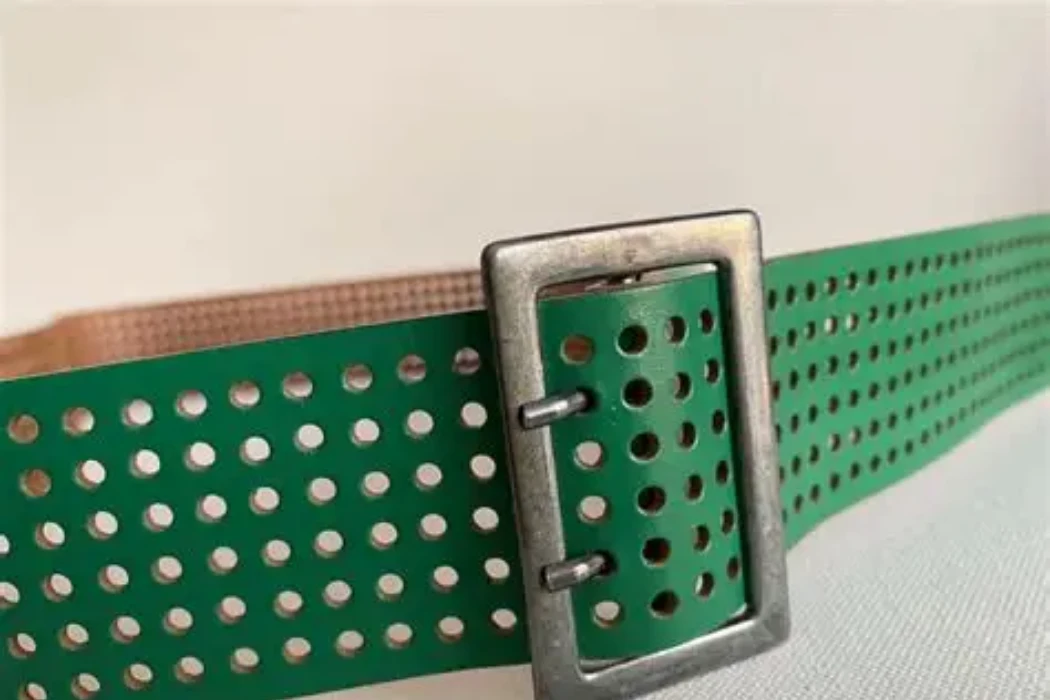
Punching a single row of holes into a leather belt sounds simple, but it is one of the most precision-driven steps in belt embellishment craftsmanship. A crooked hole, a torn edge, or an inconsistent pitch can turn a premium brogue design into a rejected batch. For B2B buyers sourcing custom belts, understanding how CNC punching […]
Tooled Leather Belts: Hand-Carved vs. Stamped Floral Patterns for Bulk Orders
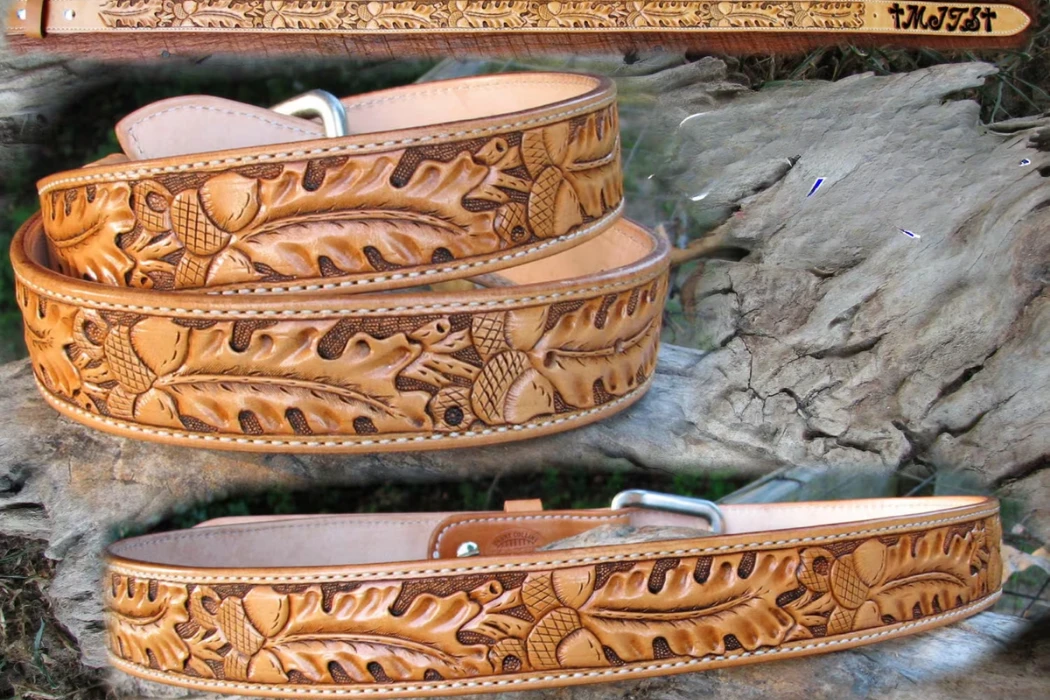
Floral decoration gives a leather belt character, but the production route should match the design and order. Hand carving builds a pattern through individual cuts and tool impressions. Machine stamping or embossing transfers a pattern from a die, plate or roller. Both require suitable material and controlled finishing. The choice affects development, repeatability, labour and […]
Studded and Rhinestone Belt Manufacturing: 5 Buyer Checks
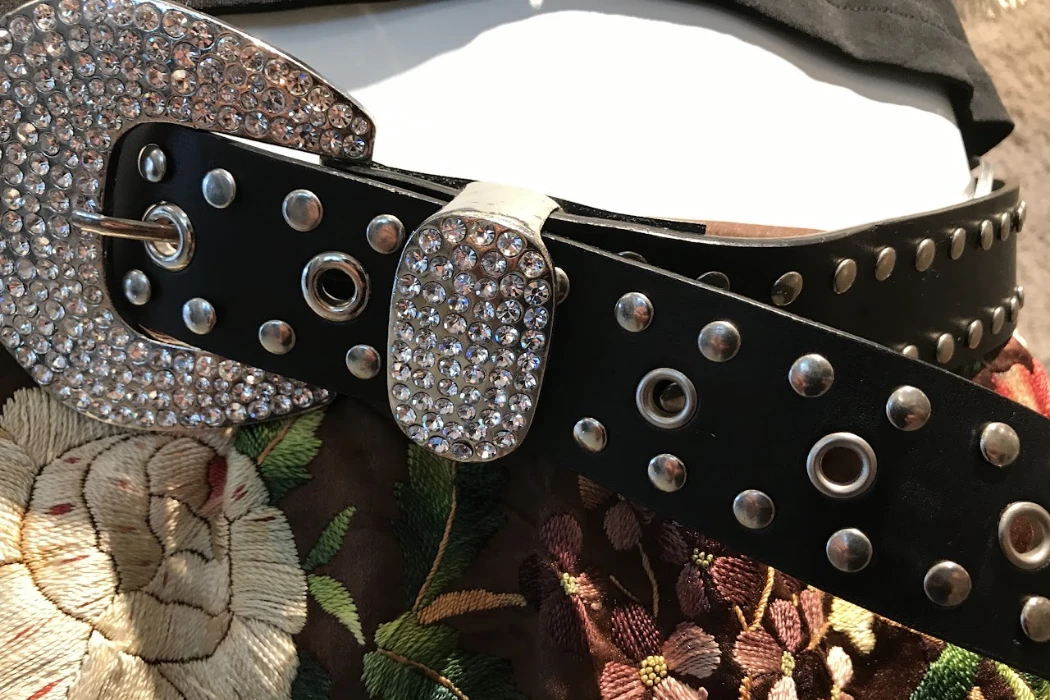
Studded and rhinestone belts need the decoration, strap and attachment method to work as one assembly. Hardware can loosen when the material, layout or setting is unsuitable, but neither prong count nor leather thickness alone predicts retention. This guide covers five manufacturing decisions: hardware selection, stone attachment, strap construction, testing and production control. Use the […]
Belt Embellishment Guide: Surface Effects, Hardware and Quality Checks
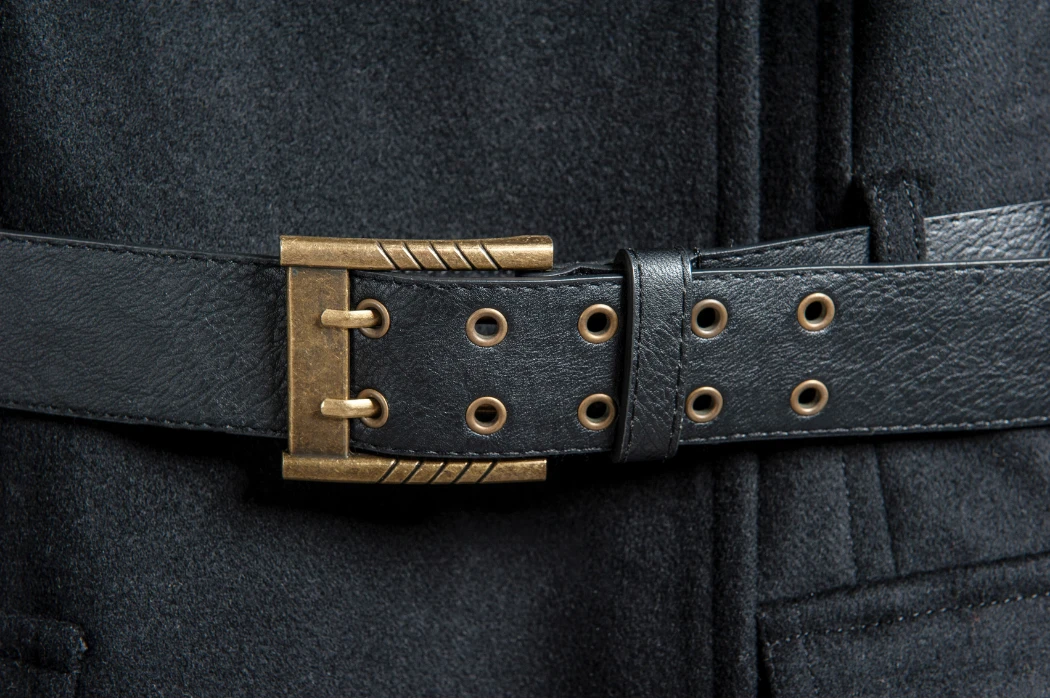
A plain leather strap turns into a brand statement the moment embellishment enters the picture. Studs, embossed logos, hand-burnished edges, and hardware finishes turn a basic strap into a recognizable product line. Fashion brands that work with a custom leather belt manufacturer rely on these details to separate a generic accessory from a signature piece […]
Leather Belt Manufacturing in Cambodia: A Buyer’s Guide
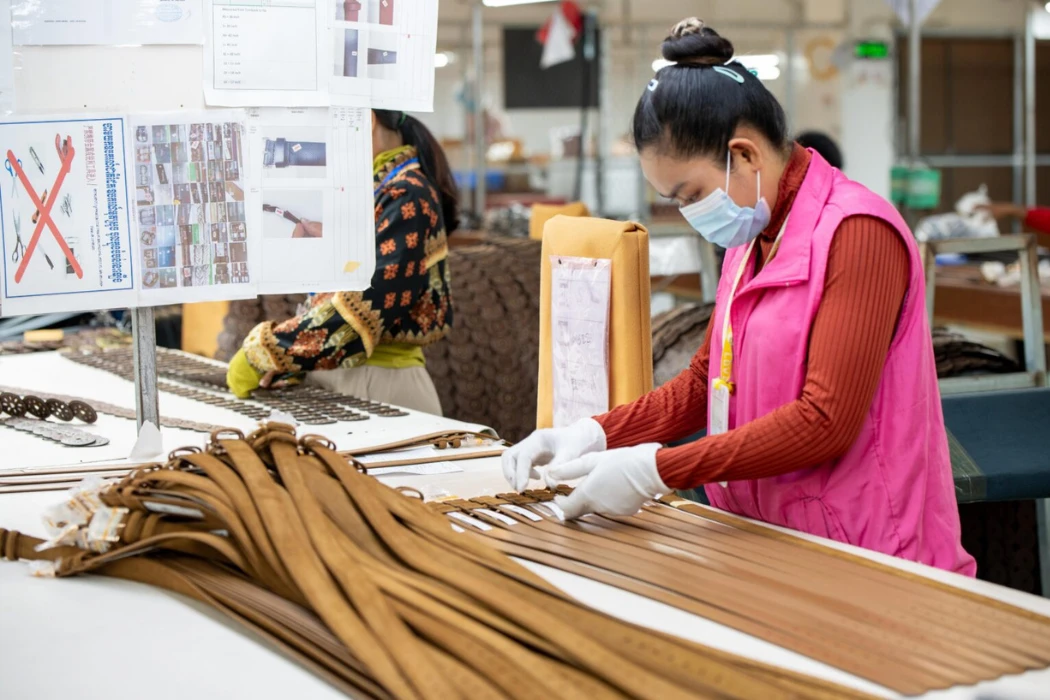
Explore Hoplok’s Cambodia belt and leather finishing operations. Plan material sourcing, samples, quantities, inspection and shipment requirements.