How to Manufacture Leather Belts in Cambodia: A Technical Guide for Global Brands

Finding a reliable location to manufacture leather belts challenges many global fashion brands today. Supply chain managers constantly balance strict quality demands against rising production costs and complex import taxes. You need a solution that delivers premium craftsmanship without destroying your profit margins. Because of this, the global leather goods industry is shifting rapidly.

Cambodia now stands out as a leading manufacturing hub for high-quality leather belts. Modern facilities in this region combine massive production scale with advanced leather finishing techniques. This guide breaks down exactly how engineers transform raw animal hides into durable, retail-ready leather belts.

We will explore the exact technical processes, quality control standards, and raw material choices that separate premium belts from cheap alternatives. You will learn the facts behind duty-free trade benefits and see real production data. Let us dive into the manufacturing floor and see how top-tier leather belts come to life.

how to manufacture leather belts in cambodia

Why Do Global Brands Move Belt Production to Cambodia?

Global brands move belt production to Cambodia because it offers major duty-free trade benefits. This lowers costs when shipping products to the USA and Europe. Also, modern facilities in Cambodia now handle large-scale orders with high quality. They combine an affordable labor force with advanced machines. This means brands save money without losing the strong, premium feel of their leather belts.

Duty-Free Trade Benefits and Tariffs

When retail brands plan their budgets, taxes and tariffs usually eat up a huge chunk of the money.

  • Global trade rules constantly change, so buyers need safe and predictable options. Cambodia provides this safety net.
  • Brands save a lot of money because Cambodia enjoys the Generalized System of Preferences (GSP). This specific program allows duty-free exports to the United States and many other Western countries.
  • Also, shipping leather goods to Europe benefits from the Everything But Arms (EBA) agreement. This special deal cuts import taxes down to exactly 0%.
  • Avoiding steep trade war tariffs makes production costs much more predictable and stable over the long term.

Smart buyers use these exact tax breaks to keep retail prices low and keep their profit margins very high.

Modern Vertical Integration Capabilities

Today, Cambodian factories do much more than just basic stitching and cutting.

  • In the past, companies had to buy finished leather from one country and ship it to another country for sewing. Now, true vertical integration changes the game completely.
  • Many modern facilities process raw crusts directly from global tanneries inside their own walls.
  • Advanced machines allow factories to finish 20,000 to 50,000 square feet of leather every single day.
  • Engineers control the entire process from dyeing the raw hide to attaching the final brass or stainless steel buckle. They use heavy drums to tumble the leather and large presses to add texture.

Keeping all these complex steps under one roof stops shipping delays and ensures the final belt looks absolutely perfect.

Scalable Labor and Output Volume

Big fashion brands need thousands of belts ready at the exact same time for seasonal launches.

  • You cannot rely on a small workshop when you need to supply hundreds of retail stores globally.
  • A massive workforce of highly skilled workers easily handles these huge bulk orders without breaking a sweat.
  • Top industrial facilities push out 600,000 to 800,000 PU belts and 200,000 to 300,000 genuine leather belts every single month.
  • Furthermore, fast sample teams build a brand new belt prototype in just 15 to 20 days. They test the leather, cut the pattern, and send the sample to the buyer fast.

This massive production scale helps global brands fill their store shelves worldwide without ever running out of stock.

Manufacturing Metric Cambodia Facilities Traditional Hubs
EU/US Import Tariffs 0% (via EBA/GSP) Up to 20% or higher
Monthly Output Capacity 200,000 to 800,000+ Belts Limited by smaller labor pools
Supply Chain Structure Fully Vertically Integrated Often fragmented and outsourced
Sample Turnaround Time 15 to 20 days 30 to 45 days

What Raw Materials Make a Durable Leather Belt?

what raw materials make a durable leather belt

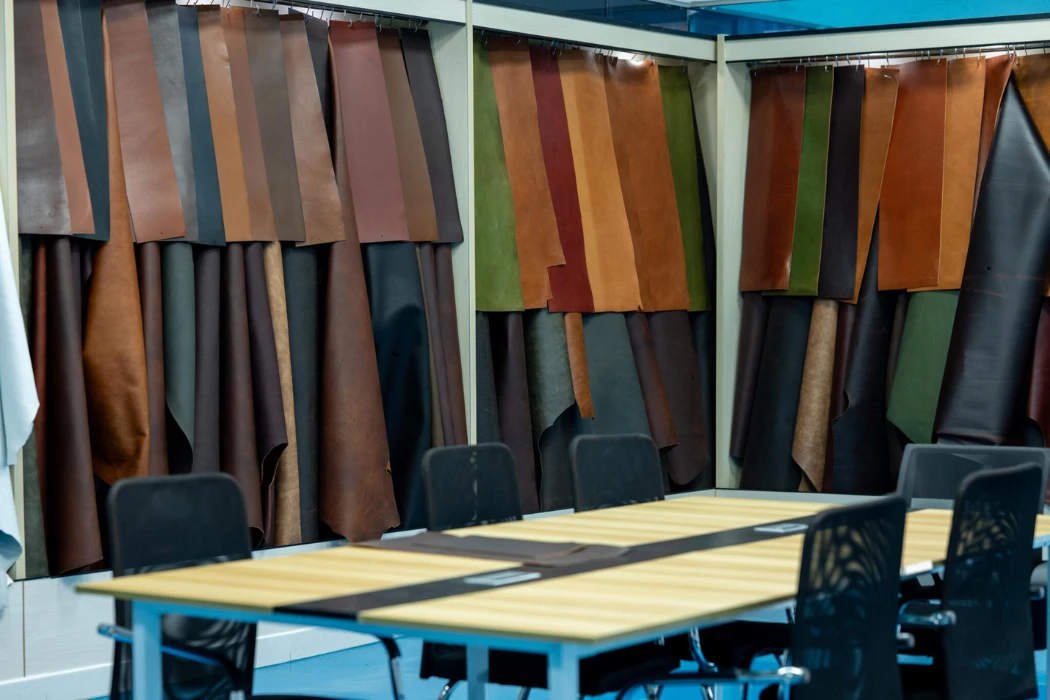
A durable leather belt starts with the right foundation. The best belts use thick full-grain cowhide because it naturally resists stretching and cracking. Factories also use top-grain leather for a smoother finish or high-quality PU leather for budget-friendly vegan options. Finally, strong metal hardware, like solid brass or stainless steel, ensures the buckle will not snap under daily pressure.

Full-Grain vs. Top-Grain Cowhide

When engineers select raw hides, they look closely at the very top layer of the cow’s skin.

  • Full-grain cow leather is the absolute strongest natural material available. It keeps the natural skin grain completely intact, so it ages beautifully and resists tearing over time.
  • Top-grain leather is gently sanded down to remove deep scars and animal blemishes. This process makes the leather slightly thinner but creates a very smooth, consistent surface.
  • Vegetable-tanned leather uses natural tree bark and plant extracts to color the hide. This eco-friendly process creates a stiff, durable strap that holds its exact shape forever.
  • Factories often select thick leather hides measuring up to 3.5mm to 4.0mm for heavy-duty men’s belts, especially for wide 38MM or 45MM buckle styles.

Picking the exact right grain layer completely changes how the belt bends and how long it survives in the real world.

High-Quality PU and Vegan Alternatives

Many global retail brands now want belts made without animal products to meet changing customer demands.

  • PU (Polyurethane) leather provides a highly flexible and affordable option. Modern PU manufacturing perfectly copies the look of natural pebble grain, Saffiano, or crocodile texture.
  • Vegan leather uses plant-based materials, natural fibers, or recycled plastics. This creates a highly pliable leather strap without harming any animals during the process.
  • Split grain leather uses the fuzzy bottom layer of the cow hide. Engineers coat it with a synthetic top layer to make it look shiny and feel smooth.
  • Bonded leather takes leftover leather scraps, grinds them into a powder, and glues them together. It works perfectly for cheap, fast-fashion dress belts.

These synthetic and recycled alternatives allow brands to sell trendy, colorful belts rapidly at much lower retail prices.

Stainless Steel and Brass Hardware Selection

A heavy-duty leather strap becomes completely useless if the metal buckle breaks after just a few weeks of use.

  • Stainless steel hardware provides maximum protection against rust and daily wear. It works perfectly for belts worn constantly in wet or humid climates.
  • Solid brass buckles offer a heavy, premium feel. They naturally develop a unique, darker patina color over years of heavy use.
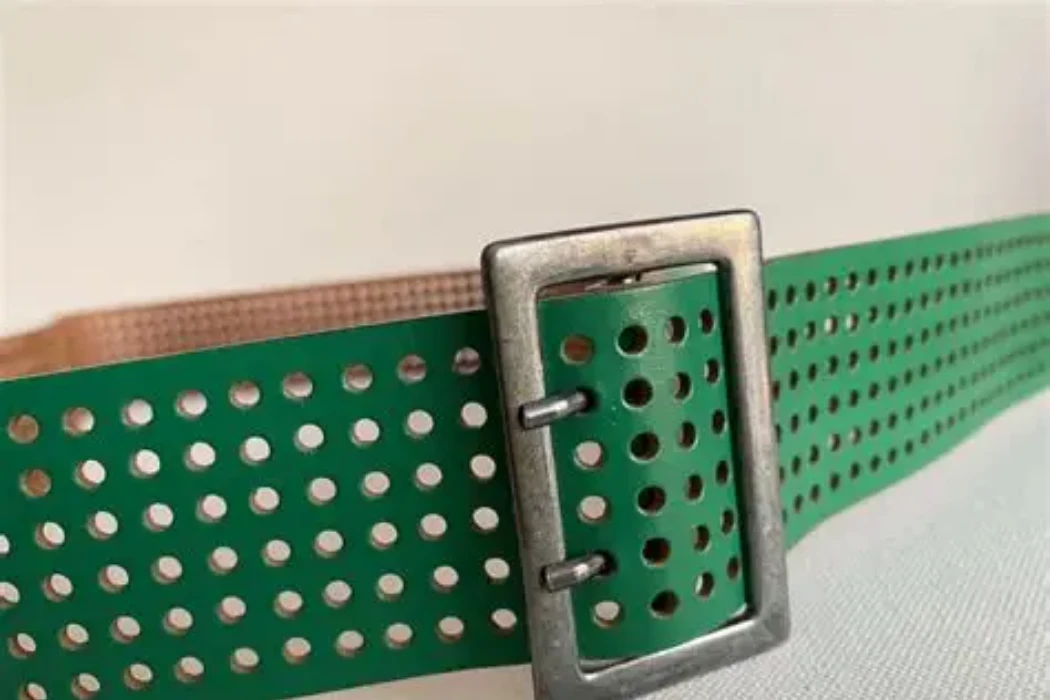
  • Metal roller buckles feature a small spinning metal tube on the front. This tube allows the thick leather strap to slide easily and stops the leather from tearing around the holes.
  • Engineers often punch a stainless steel hole to properly center the buckle pin and add strap rivet reinforcement so the buckle never pulls off the leather.

Investing in max quality hardware buckles ensures the entire belt unit stays securely locked together for many years.

How Is a Leather Belt Actually Made on the Factory Floor?

how is a leather belt actually made on the factory floor

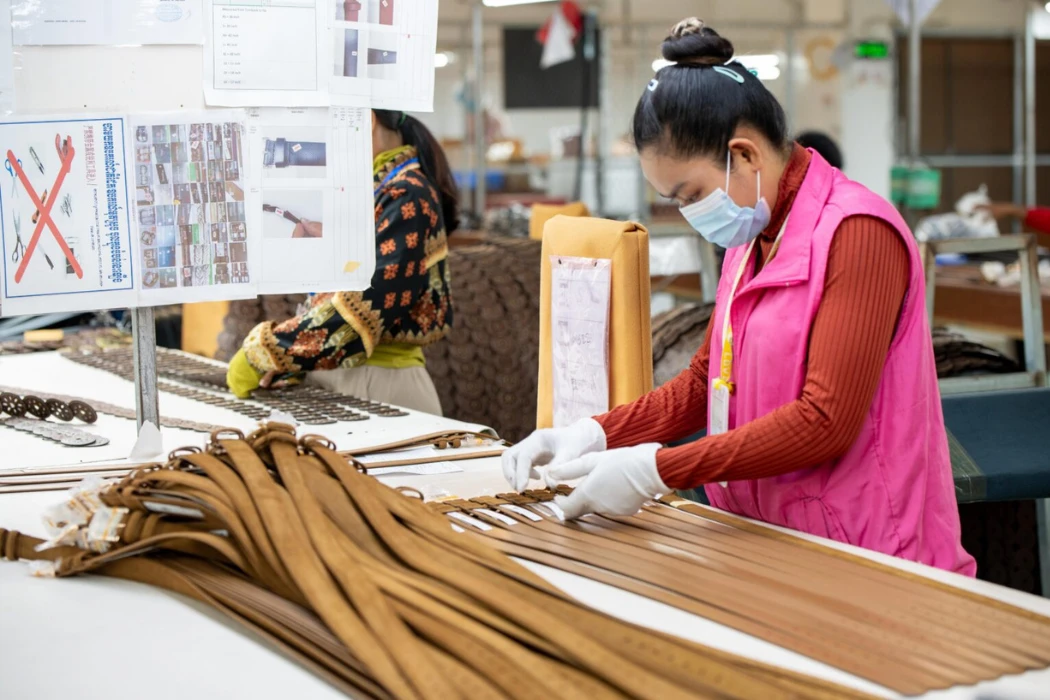
Making a leather belt takes careful steps, not just simple cutting. Engineers first select thick hides and cut them in exact straight lines. Then, machines thin the edges down so they fold easily. Workers stitch the layers together, smooth out the rough edges, and attach the metal buckle tightly. Every step requires heavy machines and skilled hands working together.

Precision Cutting and Grain Alignment

The whole process starts with a massive piece of natural cowhide.

  • Engineers lay out the flat hide to check for bad spots, like natural imperfections or grain issues, to meet strict quality standards.
  • They align the cutting tools exactly with the natural grain direction of the skin. This crucial step stops the final belt from stretching out of shape.
  • Heavy machines slice the leather into perfectly straight strips to ensure accurate cutting and minimize waste.
  • Factories cut these raw strips into specific standard widths, ranging from narrow 15MM women’s dress belts to wide 49MM casual belts.

Cutting the leather the right way keeps the belt strong and stable from the very first day.

Edge Skiving and Burnishing Processes

Thick leather feels tough, but it needs smooth edges so it does not fray or scratch your skin.

  • A special skiving machine shaves the leather down to make the ends very thin. This lets the strap fold perfectly and flatly around the buckle.
  • Workers apply hot wax, edge paint, or stain to the raw edges to seal them tight and add a finished color.
  • Fast spinning wheels burnish the edges until they shine beautifully and feel completely smooth to the touch.
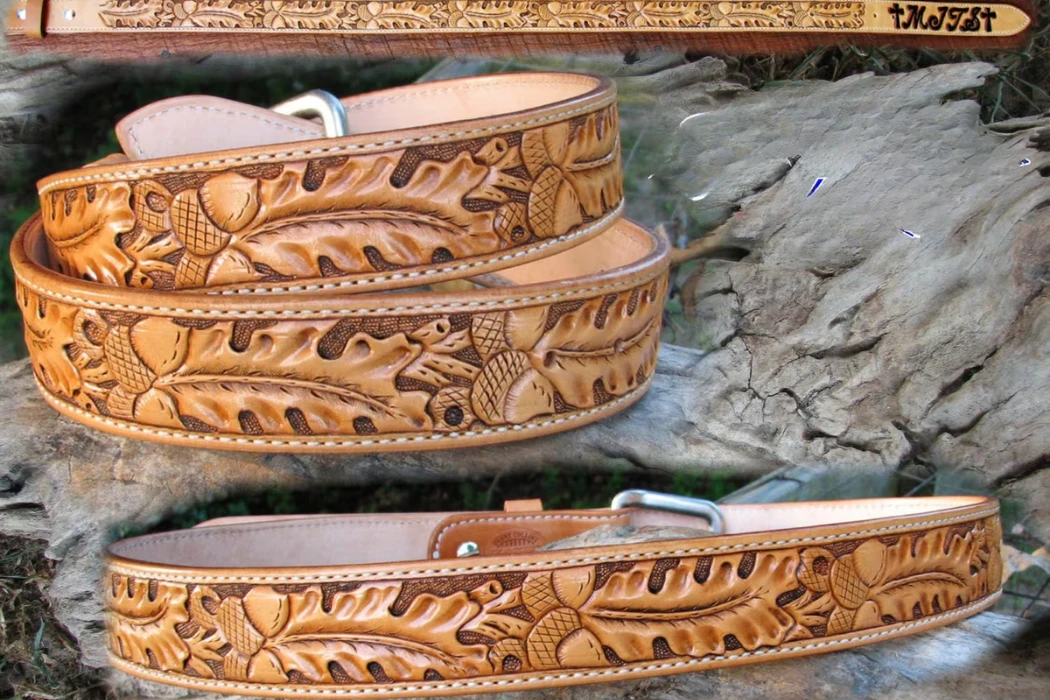
  • Sometimes, engineers use heavy hand-boarding techniques in two directions to soften the strap and give it a vintage, broken-in feel.

This careful edge work stops the leather layers from peeling apart after years of heavy daily use.

Stitching, Assembly, and Buckle Attachment

Now, the separate prepared pieces must come together into a final, wearable product.

  • Machines sew strong, straight stitches along the sides to hold the layers together securely, while monitors check the overall seam strength.
  • Workers punch accurate, evenly spaced holes at the tail end of the strap so the belt fits correctly around the waist.
  • They attach the heavy hardware, like metal roller buckles or clasps, using thick rivets and sturdy snaps.
  • Finally, quality control teams test the buckle manually to ensure it fastens securely and works smoothly without getting stuck.

Connecting everything tightly with high-quality hardware ensures the belt survives daily wear and tear.

Belt Category Size Range (Inches) Size Range (CM) Common Factory Widths
Women’s Belts 26″ to 46″ (XS to 3XL) 67 cm to 117 cm 15MM to 38MM
Men’s Belts 28″ to 50″ (XXXS to XXL) 72 cm to 127 cm 30MM to 49MM
Boys’ Belts 21″ to 31″ (2XS to XL) 54 cm to 80 cm 25MM

Which Finishing Techniques Create Custom Vintage Looks?

which finishing techniques create custom vintage looks

Engineers create custom vintage looks by applying specific oils, waxes, and tumbling techniques to raw crusts. Modern facilities process 20,000 to 50,000 square feet of leather daily using these exact methods. They use heavy drums and direct heat to build unique styles like pull-up, crazy horse, and crackled leather. This gives the belt a worn, classic feel from the very first day you wear it.

Oil Tanned and Pull-Up Effects

Adding special oils completely transforms how the leather flexes and changes color over time.

  • Technicians manually add oil and wax to the raw leather crust to create a distinct pull-up effect.
  • When you bend pull-up leather, the trapped oils move around inside the hide and make the folded area look slightly lighter.
  • This process gives the belt strap a rich, deep color that develops a natural patina as it ages.
  • Workers also use a large dip dye machine to soak the leather evenly from the front to the rear.

Using oil tanning makes the leather highly water-resistant and keeps the strap from drying out or cracking.

Crazy Horse and Vintage Washes

Brands love the crazy horse finish because it naturally looks old, scratched, and heavily used right out of the box.

  • Master technicians specially treat the leather surface to create this rugged crazy horse effect.
  • They also place the thick leather hides inside large spinning drums to tumble them repeatedly.
  • Tumbling physically softens the leather and easily creates a highly sought-after vintage or broken-in appearance.
  • Sometimes, workers hand-board the strap in two different directions and apply slight burnishing to complete the vintage look.

These aggressive physical treatments ensure no two belts ever look exactly the same on the retail shelf.

Heat Polishing and Film Glazing

Sometimes a vintage belt still needs a smooth, protected surface so the color does not rub off onto your clothes.

  • Engineers use massive industrial machines to add a protective glaze to the leather using a thin film.
  • They also use large spinning rollers to apply direct heat to the leather to polish it.
  • This intense heat polishing locks in the applied stains and creates a very clean, smooth finish.
  • Workers might manually spray the hides or use automated spraying machines to ensure the protective glaze goes on perfectly even.

Locking the final finish with heat and glaze protects the vintage details so the belt easily survives years of daily use.

How Do Engineers Test and Inspect Belt Quality?

Engineers test belt quality by checking everything from the raw leather to the final stitched product. They look for natural flaws before cutting. Then, they pull the belts to check their strength and rub them to ensure the color stays on. This testing guarantees the belt survives daily wear and tear.

Raw Hide Flaw and Grain Inspections

Quality control always begins before anyone cuts the leather.

  • Inspectors check the raw leather for natural imperfections like deep scars or bad grain patterns.
  • They feel the texture to confirm it is real leather and meets strict quality standards.
  • Workers also examine the hardware, ensuring the buckles and clasps have a perfect finish without scratches.
  • If the belt has a lining, they assess its durability and color fastness.

Catching bad materials early stops factories from making weak belts.

Tensile Strength and Stretch Testing

A belt must hold your pants up without breaking or stretching out of shape.

  • Engineers use heavy machines to run tensile strength tests on the finished straps.
  • These machines pull the leather hard to test its resistance to wear and extreme stretching.
  • Inspectors also verify the dimension accuracy to ensure the belt’s length and width match the exact specs.
  • They test the overall functionality to make sure the buckle fastens smoothly and securely.

Surviving these stress tests proves the belt can handle heavy daily use.

Dry and Wet Rub Fastness Checks

No one wants their new leather belt to stain their white shirt.

  • Testers perform a dry rub fastness test by rubbing dry cloth against the dyed leather.
  • They also do a wet rub fastness test using a damp cloth to see if water makes the dye bleed.
  • Workers check the stitching quality for consistency, proper alignment, and tight seam strength.
  • Factories establish Total Quality Management (TQM) systems, like ISO9001, to keep testing standards high.

These color and finish tests keep your clothes clean and the belt looking brand new.

Testing Stage Specific Test Purpose of Inspection
Raw Material Grain & Texture Inspection Remove weak or scarred hides before cutting.
Production Dimension Accuracy Verify exact widths from 15MM to 49MM.
Finished Goods Tensile Strength Testing Ensure the strap resists snapping or stretching.
Finished Goods Wet/Dry Rub Fastness Prevent dye bleeding onto clothing during use.

Are Modern Belt Factories Meeting Environmental Rules?

are modern belt factories meeting environmental rules

Modern belt factories meet strict environmental rules by upgrading their daily operations. They partner directly with certified tanneries to reduce pollution from the start. They also control chemical waste and filter water right on the factory floor. This ensures the final belts comply with global safety laws and help keep the earth clean.

Partnering with LWG Certified Tanneries

Sourcing raw leather from responsible tanneries solves the biggest environmental problems early on.

  • Factories buy raw crusts only from suppliers holding a strict Leather Working Group (LWG) certification.
  • This global group actively grades tanneries on how well they manage energy, water usage, and physical waste.
  • Buying from regulated countries like Italy, Argentina, and Brazil ensures the animal hides come from safe sources.
  • Following these strict guidelines stops illegal deforestation and protects local water supplies from heavy tannery runoff.

Choosing the right tannery forces the entire supply chain to act responsibly from day one.

Managing Chemical and Water Usage

Leather finishing requires heavy liquid dyes and oils, so factories must handle them very carefully.

  • Engineers lock all strong finishing chemicals and heavy waxes inside a dedicated, safe chemical warehouse.
  • They use automated spray machines to apply exactly the right amount of color and avoid messy spills.
  • Factories also use eco-friendly vegetable-tanned leather methods to cut down on harsh metal tanning chemicals completely.
  • Modern facilities capture and filter dirty water before it ever leaves the factory grounds.

Controlling these liquids tightly keeps dangerous industrial waste out of local rivers and farming soil.

Meeting Global REACH and CPSIA Standards

Governments around the world pass strict laws to keep toxic chemicals out of consumer fashion products.

  • Factories run chemical tests to meet the strict European REACH compliance standards for all leather goods.
  • They also test children’s belts and everyday fashion items to pass the heavy American CPSIA laws.
  • Managers check the finished products against specific restricted substance lists to ensure absolute consumer safety.
  • Passing these detailed tests proves the leather holds no dangerous lead, cadmium, or toxic synthetic dyes.

Following these legal standards guarantees the leather belt remains completely safe for anyone to wear daily.

FAQ (People Also Ask)

How long does it take to manufacture a bulk order of leather belts?

It usually takes about 60 to 90 days to complete a bulk order. Before bulk production starts, factories spend about 15 to 20 days making the first physical samples. This exact timeline depends heavily on the complexity of your design and the materials you choose.

What is the difference between PU leather and genuine leather belts?

Genuine leather comes directly from real animal hides, like cowhide or buffalo. It lasts longer and develops a natural patina over time. PU leather is a highly flexible, synthetic material. PU costs less and perfectly copies the look of real leather, but it does not age the same way.

Can I customize the metal buckle on a wholesale belt order?

Yes, you can fully customize the metal hardware on your belts. Factories let you choose specific mechanisms like a classic pin, a metal roller buckle, or a modern ratchet system. You can also select heavy-duty materials like solid brass or stainless steel.

Why is full-grain leather considered the best for belts?

Full-grain leather is the strongest part of the animal hide because it uses the very top layer of the skin. Factories do not sand or buff this top layer down. This leaves the natural skin fibers completely intact, making the belt highly resistant to tearing.

Do Cambodian factories require massive minimum order quantities?

No, modern Cambodian facilities offer flexible minimum order quantities. This flexible volume scale helps new brands test their designs without taking on massive inventory risks. Buyers still get to use professional-grade manufacturing and strict quality systems for smaller orders.

How do factories package leather belts for international shipping?

Factories pack the finished belts exactly according to the client’s specific retail requirements. Workers carefully attach the correct woven labels, custom hang tags, and retail barcodes to each individual belt. Then, they pack them securely into boxes for international shipping.

What does LWG certification mean for leather goods?

The Leather Working Group (LWG) is a global organization that grades leather tanneries. When a factory buys from an LWG certified tannery, it means the supplier manages its water, energy, and chemical waste responsibly. This certification proves the leather is eco-friendly and safely produced.

Conclusion

Manufacturing a durable leather belt requires exact engineering, from selecting the right full-grain hide to applying heat-polished finishes. Factories must control chemical usage tightly and manage massive daily outputs to meet strict global retail standards. When you understand these technical steps, you can easily source premium belts that last for years. For global brands seeking these exact high standards and duty-free benefits, Hoplok Leather Goods provides a proven manufacturing solution. With vertically integrated facilities in Cambodia, Hoplok delivers premium, fully customized leather belts built to scale.

About The Author
Ready to bring your leather goods to life?

Hoplok Leather is a vertically integrated OEM/ODM factory with over 1.5 million units of monthly capacity.
Explore our manufacturing capabilities:

Ready To Start Your Leather Journey With Us?

Begin your journey with Hoplok Leather now. We can assist in wholesale or custom leather goods at the most competitive prices to enhance your brand.

Get a Quick Quote

Send us a message if you have any questions or request a quote. We will be back to you ASAP!