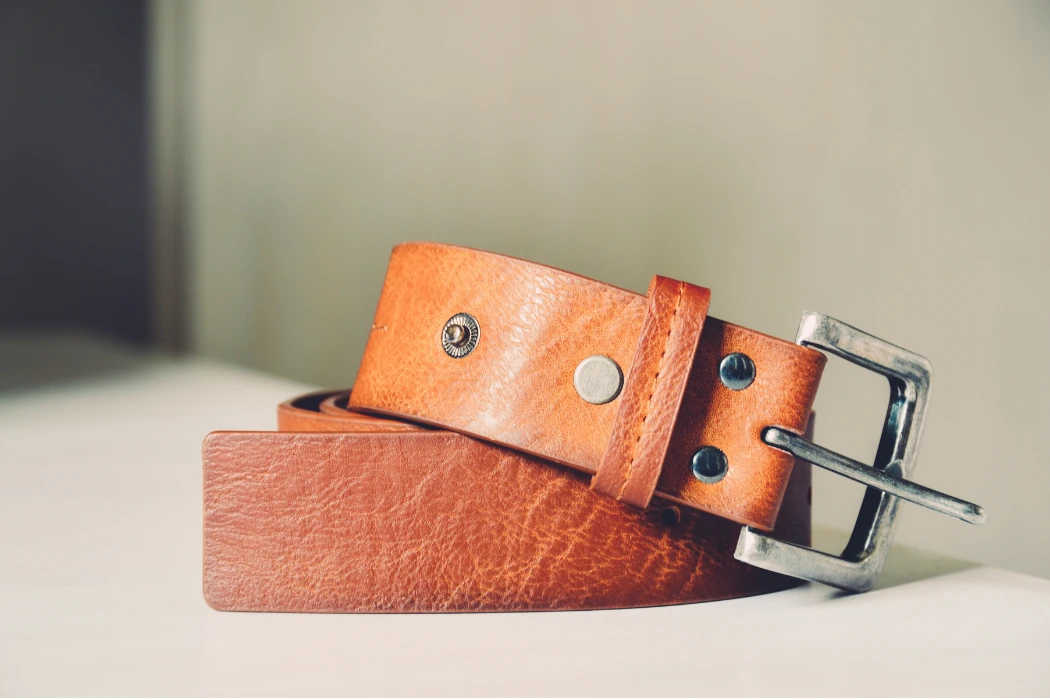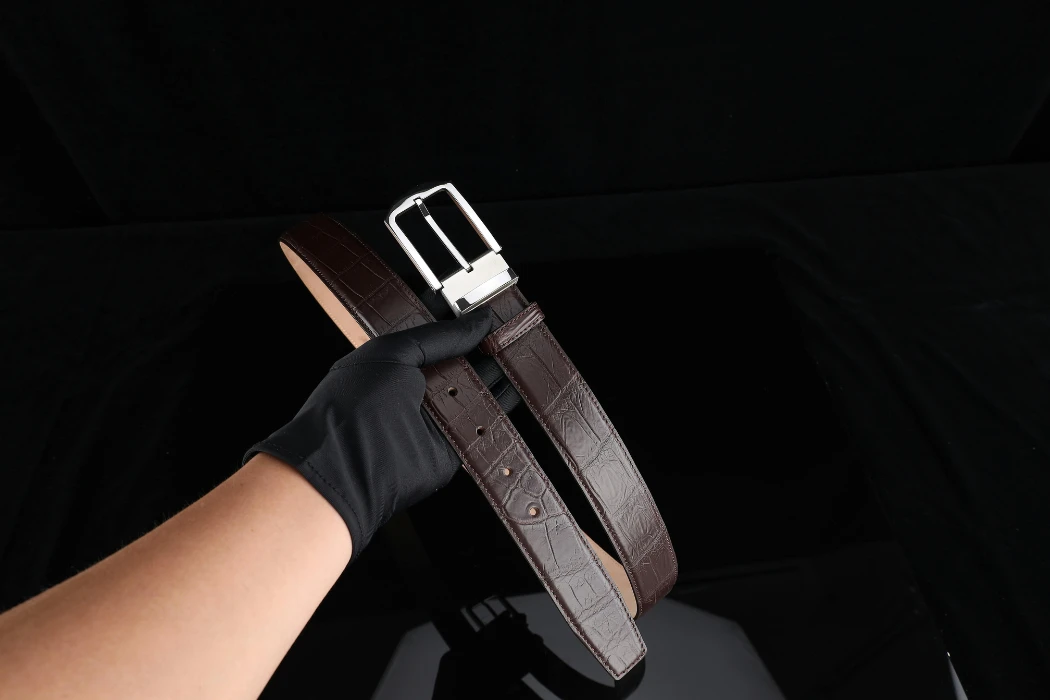
Securing shelf space in major department stores requires much more than just a good design. Retail buyers receive hundreds of product pitches every single month. So, you need a smart strategy to stand out. It is not just about showing a beautiful leather belt. You must prove that your collection will sell quickly and generate strong profits for the store.
Buyers look for a data-backed assortment strategy, strict safety compliance, and reliable profit margins. They want to see a clear mix of everyday basic belts and trendy fashion belts. Also, they demand proof that your products pass all legal chemical tests. If your wholesale pricing does not give them a high retail margin, they will simply reject the pitch.
We will break down exactly how to structure a complete belt collection for retail success. Then, we will explain how to calculate costs and price your items correctly. Finally, we will show you how to pass strict vendor compliance audits to keep retail buyers happy and secure long-term orders.
What Makes a Winning Core Belt Assortment?
A winning belt assortment needs a smart mix of everyday basics and seasonal fashion pieces. You must balance classic colors with trend-driven designs. Because basic belts drive steady daily sales, they should make up the majority of your collection. Then, you add fashion belts to catch the customer’s eye. This strategy keeps inventory moving quickly and protects the store’s profit margins.
Balancing Basic and Fashion Belts
Building a retail collection requires strict financial discipline. Buyers will not commit their open-to-buy budget to high-risk trends alone.
- Core basics should represent 70% to 80% of your total belt inventory to ensure consistent turnover.
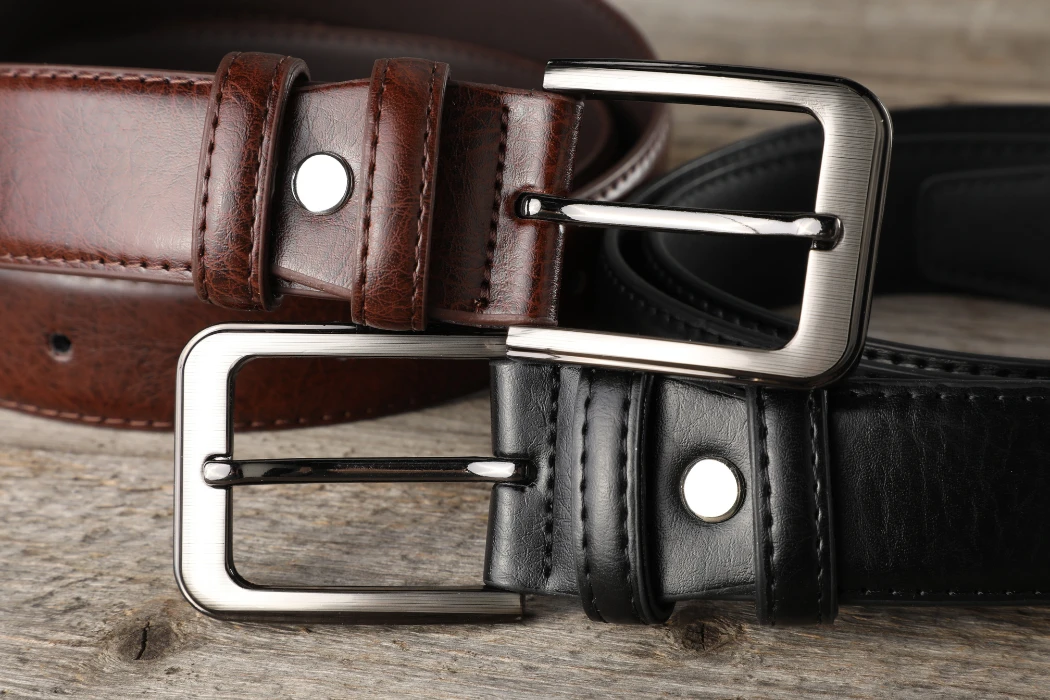
- Basic styles feature classic, versatile colors like black, dark brown, and tan that match everyday dress shoes.
- Fashion belts should fill the remaining 20% to 30% to attract seasonal shoppers looking for a statement piece.
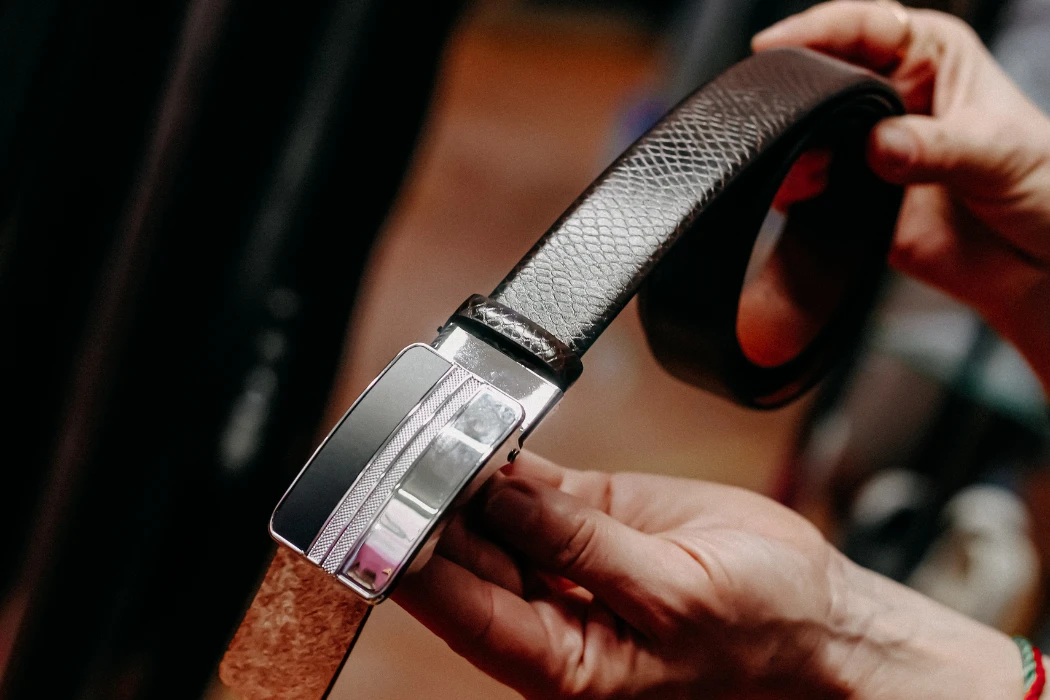
- Trend pieces often use eye-catching textures like crocodile embossing, braided constructions, or bright metallic foil finishes.
- Buyers rely on basics to pay the bills, but they use fashion belts to bring foot traffic into the accessories department.
So, you secure reliable weekly revenue with basic styles, but you create visual excitement on the floor with fashion pieces.
Planning the Standard Size Run
Ordering the correct size distribution is critical for retail success. Leftover extreme sizes quickly kill your profit margins because they sit on clearance racks for months.
- Standard men’s dress and casual belts usually range from size 32 to 44, measuring in total inches.
- The absolute highest sales volume for men sits right in the middle at sizes 34, 36, and 38.
- Women’s belts typically follow letter sizing, commonly ranging from XS to XL to cover waist and hip styling.
- A standard wholesale pre-pack often includes a ratio like 1-2-2-1 for sizes S-M-L-XL to match average consumer body types.
- You must provide an extended size option, like big and tall up to size 50, only if the specific department store requests it.
Therefore, you must deeply analyze past sales data. This ensures you buy the exact sizes that fit your target retail customer.
Selecting Retail-Ready Materials
The raw material you choose directly dictates your final retail price point. You must engineer the belt’s construction to match the department store’s target retail price.
- Full-grain cow leather offers the highest quality and usually requires a heavy thickness of 3.0mm to 3.5mm for durability.
- Top-grain leather provides a smooth, refined finish and works perfectly for mid-tier $40 to $60 retail belts.
- Split leather with a durable polyurethane coating creates a budget-friendly option for the fast-moving $20 to $30 price range.
- Bonded leather helps hit the absolute lowest price points, but it features a much shorter lifespan under daily wear.
- You must also select strong hardware, utilizing solid brass or zinc alloy buckles that pass a 90-minute salt spray test for rust resistance.
Ultimately, you must match the leather grade and hardware quality to the exact price your department store shopper expects to pay.
| Belt Category | Inventory Share | Typical Colors / Styles | Retail Shelf Life |
|---|---|---|---|
| Core Basics | 70% – 80% | Black, Dark Brown, Tan, Smooth Finish | 12 to 24 Months |
| Seasonal Fashion | 20% – 30% | Metallics, Neons, Crocodile Embossed | 3 to 6 Months |
How Do You Price Belts for Retail Margins?
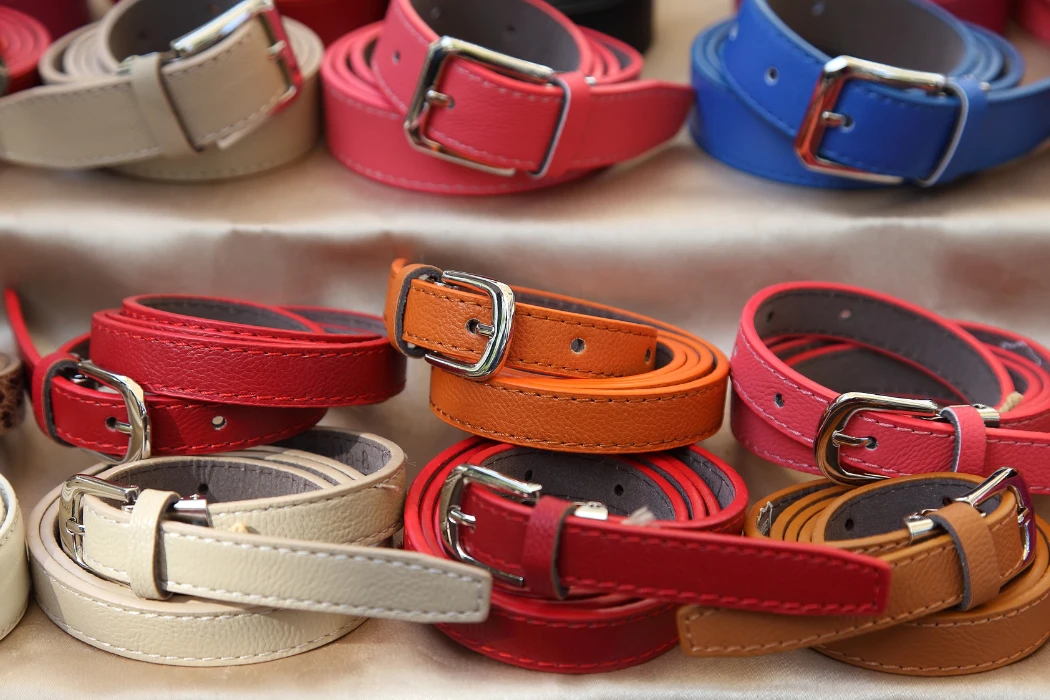
You must price belts backward starting from the final retail tag. Department stores require massive profit margins to cover their high operating costs. If your wholesale price is too high, buyers will reject your line instantly. So, you must accurately calculate your manufacturing and shipping costs to ensure both you and the retailer make money.
Understanding Department Store Markups
Retail buyers use strict markup formulas to hit their department’s revenue goals.
- Major department stores typically demand a retail markup between 60% and 75% on leather accessories.
- This means if a belt retails for $50.00, the store expects to buy it from you for only $12.50 to $20.00.
- Buyers also factor in a 10% to 15% markdown allowance to cover seasonal sales and clearance discounts.
- Many retailers enforce a strict IMU (Initial Markup) requirement that you must meet before they even look at your physical samples.
Therefore, you must intimately know the store’s margin requirements before you design or present a single belt.
Calculating Landed Costs Effectively
To offer a profitable wholesale price, you must know your exact landed cost.
- First, calculate the FOB (Free On Board) cost, which includes the raw leather, hardware, and factory labor.
- Then, add ocean or air freight costs, which usually add $0.50 to $1.50 per belt depending on the shipping method.
- Next, you must include import duties, which vary drastically based on the HTS (Harmonized Tariff Schedule) code and the country of origin.
- For example, shipping belts from a tax-free hub like Cambodia instead of China can save you 10% to 20% in tariff fees alone.
- Finally, factor in the cost of floor-ready packaging, including UPC barcodes, specific brand hangtags, and plastic polybags.
By calculating every single hidden fee, you protect your own profit while offering the buyer a highly competitive wholesale price.
Hitting Sweet-Spot Price Points
Consumers have strong psychological price limits when shopping for accessories in department stores.
- Entry-level PU (polyurethane) or split leather belts perform best at the $19.99 to $29.99 sweet spot.
- Mid-tier genuine top-grain leather belts hit peak sales volume when priced firmly between $35.00 and $48.00.
- Premium full-grain belts for high-end department stores can command a retail price of $65.00 to $95.00.
- You must also leave room for promotional pricing, because department stores often run “Buy One, Get One 50% Off” accessory sales.
- Buyers heavily favor wholesale prices that allow them to use psychological retail pricing, like ending the tag at .99 or .50.
Because buyers build their entire floor plan around these exact price tiers, your belts must seamlessly fit into one of these defined buckets.
Which Retail Compliance Standards Must You Meet?
Retail buyers will instantly cancel orders if your belts fail compliance testing. You must pass strict chemical limits, ethical factory audits, and precise packaging rules. Because department stores face massive legal fines for non-compliance, they shift all the risk onto the manufacturer. So, you must deeply understand these three major compliance pillars before you ship your very first box.
Chemical Testing and Safety Rules
Governments strictly regulate the dangerous chemicals used to tan leather and plate metal buckles.
- REACH (Europe) restricts harmful substances like hexavalent chromium, limiting it to under 3.0 mg/kg in leather goods.
- CPSIA (USA) strictly limits lead content in metal buckles, requiring surface coatings to hold less than 90 parts per million (ppm).
- California Proposition 65 requires warning labels if the belt contains restricted chemicals like phthalates or cadmium.
- Azo dyes are heavily restricted globally, meaning you must use safe colorants for dyed leather and painted edges.
- You must provide a passing test report from a certified third-party lab like SGS or Intertek for every single production batch.
If a belt fails these chemical tests at the border, customs will destroy the shipment, and the retailer will heavily fine you.
Passing Factory Social Audits
Major department stores completely refuse to buy from factories that treat workers poorly or harm the environment.
- BSCI (Business Social Compliance Initiative) audits thoroughly check for fair wages, safe working hours, and absolutely zero child labor.
- SMETA (Sedex Members Ethical Trade Audit) is another major standard that reviews health, safety, and ethical business practices.
- Leather sourcing also faces extreme scrutiny, so buyers highly prefer leather from LWG (Leather Working Group) certified tanneries.
- Retailers often send their own third-party auditors to physically inspect the factory floor for proper ventilation and fire safety exits.
- Without these updated audit reports on file, large retailers like Macy’s or Walmart will immediately block your vendor account.
Therefore, ethical manufacturing is no longer just a nice bonus; it is a strict legal requirement to enter the retail market.
Managing Barcodes and Floor-Ready Packaging
Department stores expect belts to arrive completely ready for the sales floor without needing any extra work from their staff.
- Every belt requires a specific UPC (Universal Product Code) barcode sticker that must scan perfectly on the very first try.
- You must attach retail-specific brand hangtags in the exact location requested, often exactly 2 inches from the buckle.
- Retailers frequently demand specific plastic hangers or hooks that fit their exact display rack dimensions.
- Shipping cartons must follow strict weight limits, usually capped at a maximum of 40 lbs (18 kg) to protect warehouse workers.
- Shipping labels must meet exact routing guides, displaying specific details like the PO number, department number, and store location.
Because retail warehouses move extremely fast, any small packaging mistake will trigger a financial “chargeback,” which instantly cuts into your profit margin.
| Compliance Area | Key Standard / Regulation | Primary Focus | Typical Requirement |
|---|---|---|---|
| Chemical Safety | REACH / CPSIA | Toxins in Leather & Metal | < 90 ppm Lead, < 3.0 mg/kg Chromium VI |
| Social & Ethical | BSCI / SMETA | Worker Rights & Safety | Fair Wages, No Child Labor, Fire Safety |
| Environmental | LWG Certification | Tannery Pollution Control | Proper Waste & Water Management |
How Do You Design a Belt Line Review Presentation?
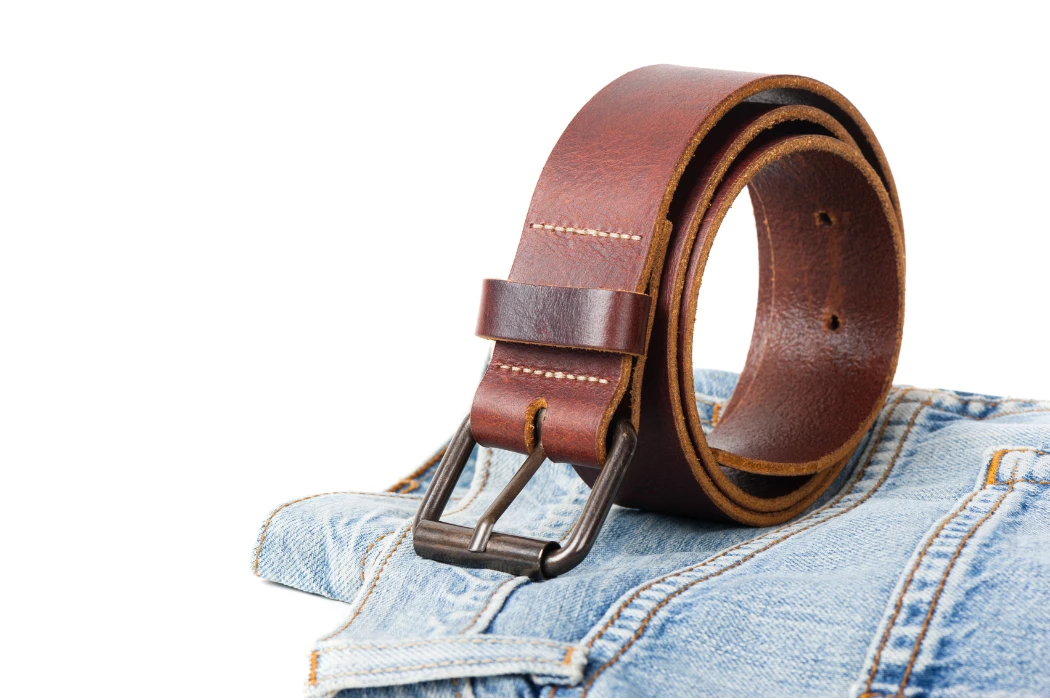
A successful line review presentation must visually prove that your belts align with the store’s seasonal strategy. You must present a clear, data-driven story instead of just throwing random samples on a table. Buyers need to see professional trend boards, exact hardware specifications, and flawless physical prototypes. By organizing your presentation logically, you make it incredibly easy for the buyer to say yes and write the purchase order.
Building Trend Boards and Color Stories
Buyers plan their entire floor space around specific seasonal themes and color palettes.
- Create dedicated mood boards that explicitly link your belt designs to current global apparel and footwear trends.
- Group belts into distinct color stories, typically offering 3 to 5 colorways per core style.
- Use the exact Pantone Color Codes to show buyers how your belts will seamlessly match their upcoming handbag inventory.
- Include digital 3D CAD renderings alongside flat sketches to clearly communicate the proportions of the strap and buckle.
- Provide a visual assortment map showing exactly how the belts will hang together on a standard 4-foot retail fixture or T-stand display.
Therefore, a cohesive visual story proves you understand the buyer’s overarching merchandising strategy for the upcoming season.
Showcasing Hardware and Leather Finishes
Belts are highly tactile products, so you must clearly organize and explain your material choices.
- Present a dedicated hardware tray featuring raw buckles in various finishes, such as brushed nickel, antique brass, and polished gunmetal.
- Include physical leather swatches cut into standard 4-inch by 4-inch squares so buyers can easily feel the grain and thickness.
- Clearly label every single material option with its exact technical spec, like 2.8mm full-grain pull-up leather or vegan PU with a Saffiano texture.
- Showcase specific leather finishing techniques, such as hand-burnished edges, oil-tanned distressing, cracked vintage effects, or deeply debossed logos.
- Always bring a backup ring of alternative leather colors, just in case the buyer wants to swap a colorway on the spot.
By providing organized physical components, you allow the buyer to actively participate in customizing the final product for their store.
Presenting Physical Samples
The physical prototype is the final test that will either secure the bulk order or ruin the pitch entirely.
- Never present a messy bag of belts; always lay samples out perfectly straight on a clean, well-lit presentation table.
- Ensure every physical sample is a perfect size 34 or size 36, which represents the standard visual proportion for men’s belts.
- Attach professional sample tags directly to the buckle detailing the FOB price, suggested retail price, landed cost, and minimum order quantity (MOQ).
- Double-check that all moving parts function smoothly, ensuring the buckle prong easily slips through the punched sizing holes without catching.
- If pitching a reversible belt, physically demonstrate the twisting mechanism to prove it withstands a minimum of 5,000 rotation cycles.
Ultimately, a flawless physical sample instantly builds trust in your factory’s ability to execute high-quality bulk production without defects.
Why Do Replenishment Programs Drive Profit?
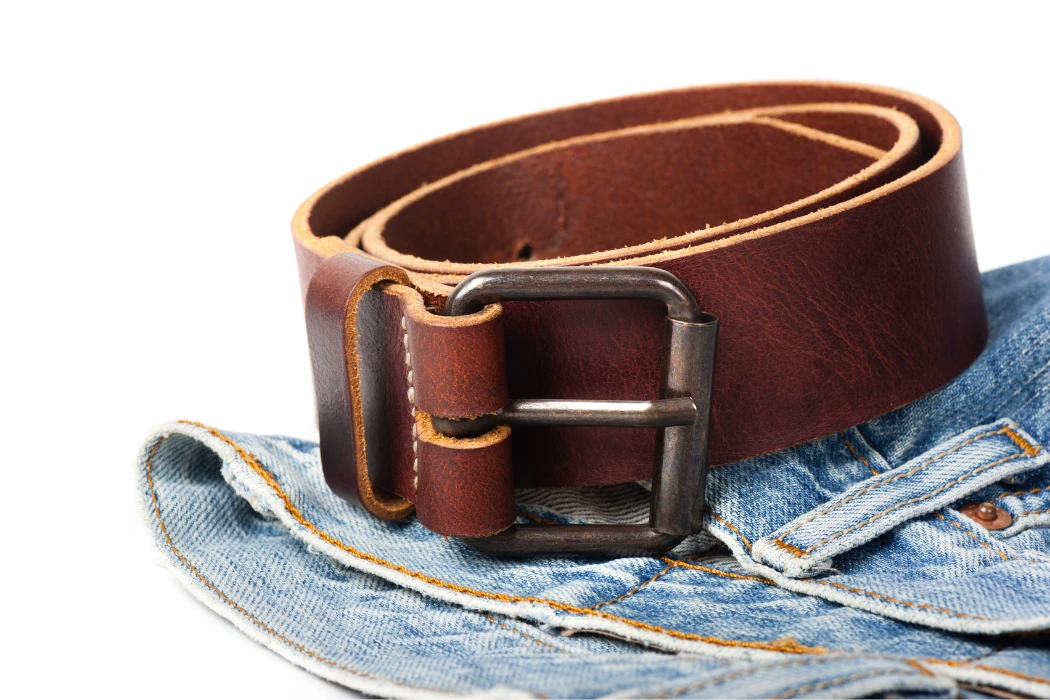
Replenishment programs, also known as “Never-Out-Of-Stock” (NOOS) basics, generate the highest consistent profit margins for department stores. Once a classic belt is approved, the buyer sets up an automated reordering system. This process eliminates seasonal markdowns, reduces design costs, and guarantees steady cash flow for both the manufacturer and the retailer year-round.
Setting Up Never-Out-Of-Stock (NOOS) Basics
Buyers deeply rely on NOOS programs to stabilize their entire departmental budget.
- NOOS programs focus exclusively on timeless items, like a 35mm reversible black-to-brown leather belt.
- These styles do not require seasonal redesigns, which saves massive amounts of money on R&D and new tooling molds.
- Retailers use EDI (Electronic Data Interchange) systems to automatically trigger a new purchase order when store inventory drops below a set level.
- Because these belts never go out of style, the store almost never takes a profit-killing markdown or clearance discount on them.
- Securing just one NOOS belt placement can guarantee consistent monthly factory orders for 3 to 5 years.
Therefore, establishing a strong NOOS program is the ultimate financial goal for any long-term retail partnership.
Aligning Factory Lead Times
Automated reordering only works smoothly if your factory can manufacture and ship products incredibly fast.
- Department stores penalize late shipments with severe vendor chargebacks, taking money directly from your invoice.
- You must maintain a robust raw material inventory, holding steady stocks of pre-dyed leather crusts and molded buckles.
- Your factory needs the strict operational capacity to process and ship a replenishment order in just 15 to 20 days.
- Some manufacturers utilize dual-country production, splitting urgent replenishment orders and slower seasonal orders across different facilities.
- You must also guarantee absolute consistency, ensuring a belt produced in 2024 matches the exact color standard of a belt from 2022.
By mastering rapid and consistent lead times, you protect the buyer from dreaded out-of-stock scenarios.
Analyzing Sell-Through Data
Successful vendors actively manage their own inventory data rather than waiting for the retail buyer to call.
- You must constantly request and analyze the retailer’s weekly sell-through reports (STR).
- Track sales velocity down to the specific store location and SKU size level.
- If you notice sizes 36 and 38 selling twice as fast, proactively recommend adjusting the size ratio on the next PO.
- Identify slow-moving inventory early and suggest strategic store transfers instead of waiting for a permanent markdown.
- Use this exact data during your next line review to justify wholesale price increases or secure shelf space for new styles.
When you act as a true data partner, the buyer will view you as an essential asset rather than a replaceable supplier.
Frequently Asked Questions
How many belt styles should I present to a buyer?
You should present a tightly curated collection of 15 to 25 styles. Overwhelming the buyer causes decision fatigue. Focus on showing 70% proven basics and 30% eye-catching trend pieces.
What is the standard markup for leather belts in retail?
Department stores typically demand a retail markup between 60% and 75%. If a belt retails for $50.00, your wholesale price should be approximately $12.50 to $20.00 to meet their financial goals.
What are the most popular belt sizes for men and women?
For men, sizes 34, 36, and 38 represent the absolute highest sales volume. For women, standard sizes range from XS to XL, with sizes M and L moving the fastest on the retail floor.
Do department stores require specific belt hangers?
Yes, major retailers require strict floor-ready packaging. You must often source exact plastic hanger molds and attach UPC barcodes precisely where the routing guide requests.
How do you test leather belts for durability?
Belts undergo strict third-party testing at labs like SGS. Tests include colorfastness rubbing tests, tensile strength pulling, and 90-minute salt spray tests for buckle rust resistance.
How long does a bulk belt production run take?
A reliable factory can produce bulk belt orders in an average of 15 to 20 days, provided the raw leather hides and metal hardware are already held in stock.
Building a Strong Retail Manufacturing Partnership
Pitching belts to major department stores requires mastering compliance, calculating landed costs accurately, and executing flawless Never-Out-Of-Stock programs. Buyers demand perfect physical samples and aggressive retail margins to approve your line. For brands seeking a global partner capable of meeting these exact standards, Hoplok Leather Goods provides the ultimate manufacturing solution. With fully integrated factories in China and Cambodia, in-house leather tanning, and strict ISO/BSCI compliance, Hoplok delivers the scalable capacity and rapid lead times necessary to dominate the retail accessories floor.