Scaling a belt brand means turning approved styles into repeatable orders. Retail and wholesale customers need clear product specifications, stable size definitions, feasible delivery commitments and a process for resolving quality or supply changes.
Build the operating plan around the actual collection and target market. Define materials, permitted variation, inspections and applicable product requirements. Consistent control matters, but neither a certificate nor an approved sample guarantees that every future belt will be identical or never fail.
This guide focuses on the production and documentation needed to scale a collection. For the sales presentation itself, use the separate department-store belt assortment guide.
What Do Retail Buyers Look For In Leather Belt Collections?
Buyers evaluate how the product fits their customer, price architecture and supply requirements. Provide the approved specification, size range, order terms and relevant evidence. Distinguish your brand’s wholesale offer from the manufacturer’s MOQ and capacity.
The Need for Material Consistency
Agree physical references and tolerances for color, grain, thickness, finish and hand feel. Natural variation may be acceptable within defined limits. Record the approved batch and any material substitutions so repeat orders can be evaluated consistently.
Compliance and Safety Regulations
Identify the product’s destination, intended age group and materials before deciding the test scope. CPSIA lead requirements for children’s products should not be presented as a universal adult-belt rule. REACH assessment is substance- and application-specific. Obtain relevant reports and the retailer’s approval requirements.
| Market Review | Question | Evidence |
|---|---|---|
| US | Is the belt a children’s product, and which rules apply? | Applicable component tests and required documentation |
| EU | Which restrictions apply to the selected leather and hardware? | Material-specific assessment and reports |
| Retailer | Are additional tests or approvals required? | Current vendor requirements and accepted reports |
Volume Capabilities and Margins
Set the wholesale price using the actual retailer terms and your delivered cost, not a universal retail margin. Hoplok’s stated monthly belt capacity is 200,000–300,000 genuine leather belts and 600,000–800,000 PU belts. Confirm available capacity for the specification and release schedule rather than treating the range as a guaranteed slot.
How Do You Choose The Right Leather For Wholesale Belts?
Compare material samples on appearance, construction, test performance and cost. A retail price tier does not require one leather grade, and a material name does not establish thickness or service life. Keep the approved material code consistent across the BOM, catalog and repeat orders.
Understanding Full-Grain and Top-Grain Leathers
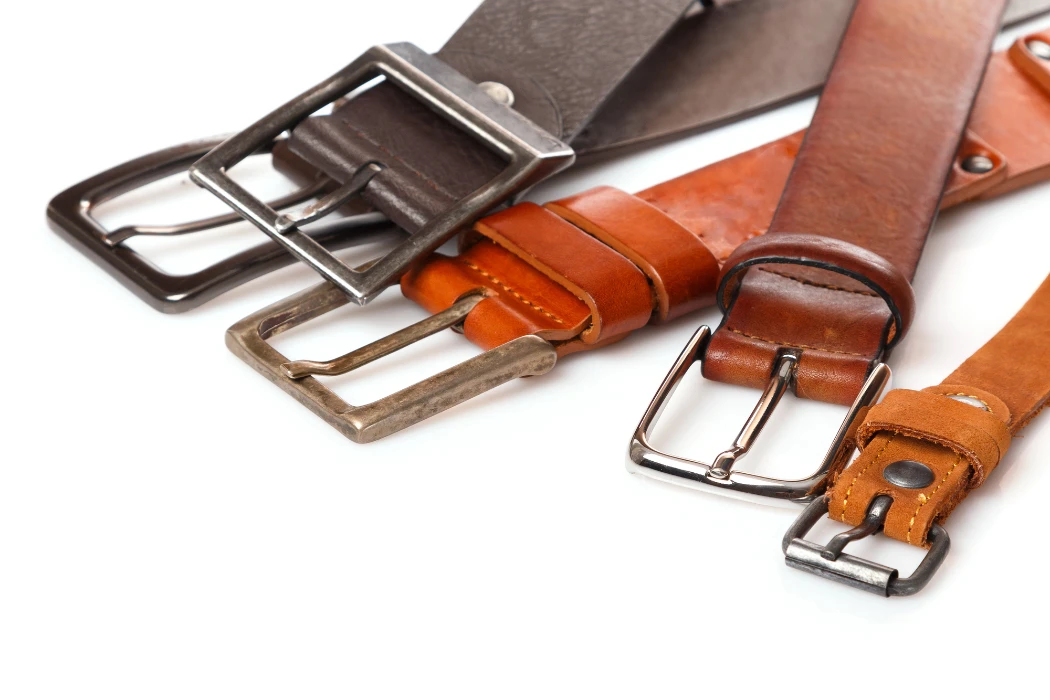
Full-grain retains the natural grain surface; grain leather may also have a corrected surface. Neither term means the belt uses the entire unsplit hide. Specify the actual layer, thickness, finish and assembly, and evaluate the sample against the collection requirements.
Exploring PU and Vegan Alternatives for Mass Retail
PU materials can support different colors and textures, but their backing, coating and construction must be specified. A vegan claim concerns animal-derived inputs and needs a full component review. Bonded leather contains leather fibers and should not be grouped as an animal-free material or assumed environmentally preferable.
Popular Finishes: Pull-Up, Crazy Horse, and Oil-Tanned
Pull-up, waxed and oiled finishes may change appearance with bending or rubbing. Approve the actual finish and acceptable variation rather than inferring water resistance or tannage from a trade name. Check rub fastness and other relevant properties for the chosen material.
What Are The Standard Belt Sizes For Global Markets?
Develop a size chart for the target customer and wearing position. State the nominal fastening measurement, adjustment range and total strap length separately. Brand-specific letter sizes and exact inch/centimeter conversions need to remain consistent from sampling through retail labeling.
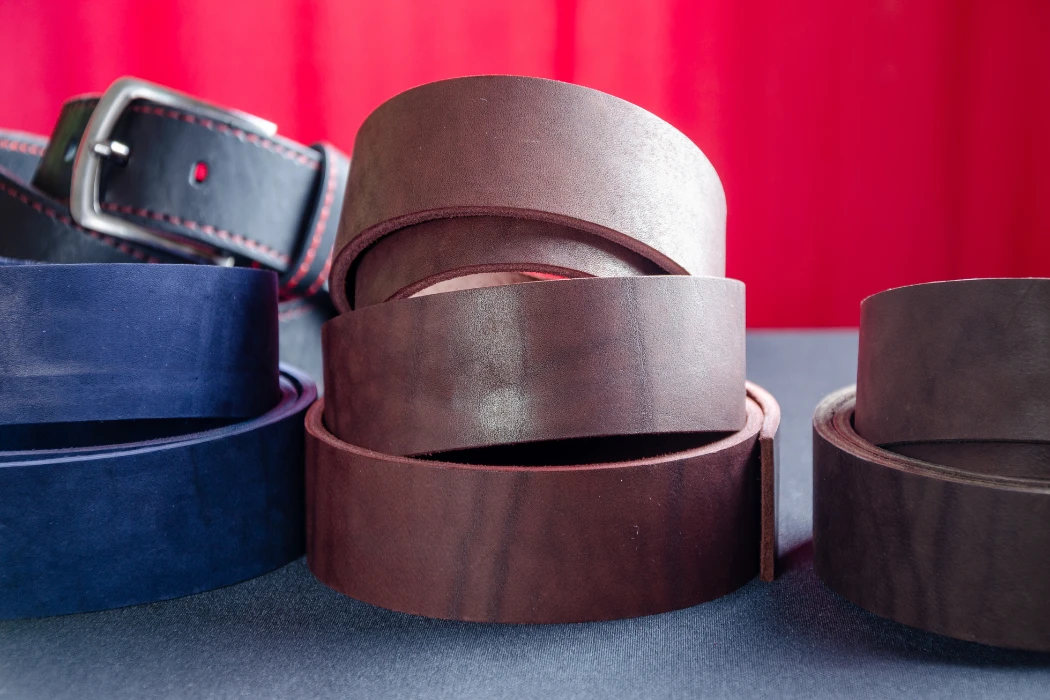
Developing Men’s Belt Size Ranges
Use target-market fit and sales data to choose a size curve. Define the buckle or strap anchor and selected hole used for each size. A rule such as “two inches above trouser size” is not reliable across all garment sizing and belt conventions.
Structuring Women’s Belt Sizing
State whether each style sits at the waist, high waist or hips. Validate the fastening range and tail behavior for each size. A single S/M/L table should not automatically cover different wearing positions or buckle designs.
Kids and Youth Belt Sizing Strategies
For children’s products, review age suitability, dimensions, adjustability and hardware function with the product-safety requirements. Age alone does not determine a fixed waist measurement.
| Size-Chart Field | Definition Needed |
|---|---|
| Nominal size | Anchor and fastening point |
| Adjustment range | First and last usable position |
| Finished length | End points and buckle inclusion |
| Width and thickness | Finished assembly or component measurement |
| Units | Consistent conversion and rounding |
How Can Custom Hardware And Buckles Elevate Your Brand?
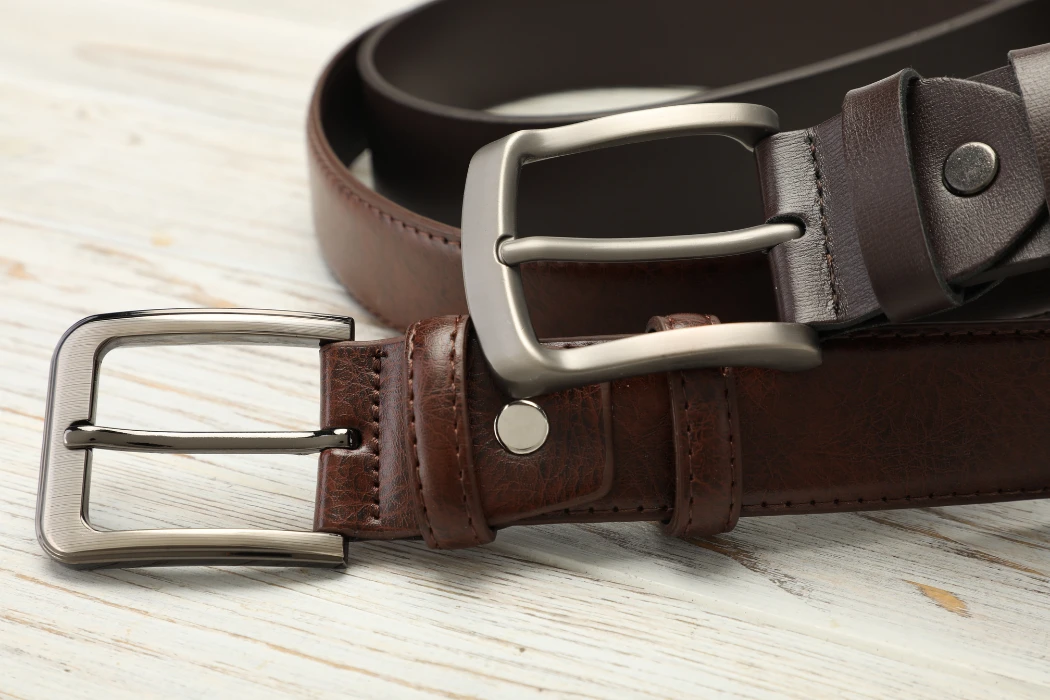
Hardware affects both appearance and function. Specify the buckle material, finish, dimensions and attachment, then approve it in the assembled belt. A custom design does not itself guarantee mechanical reliability.
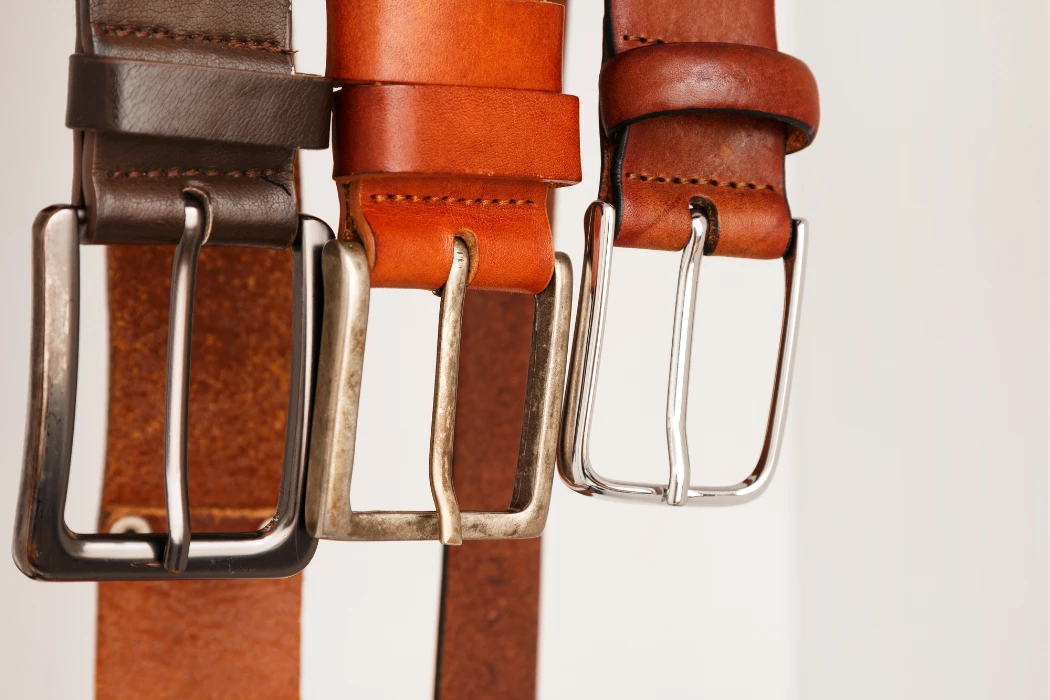
Selecting Metals: Stainless Steel vs Brass
Compare the selected alloys, geometry, finish and weight instead of assigning universal superiority to a metal family. Check corrosion, surface condition and strength to the buyer’s requirements. This guidance concerns fashion accessories, not load-bearing safety or specialist work equipment.
Buckle Types: Roller, Ratchet, and Classic Pin
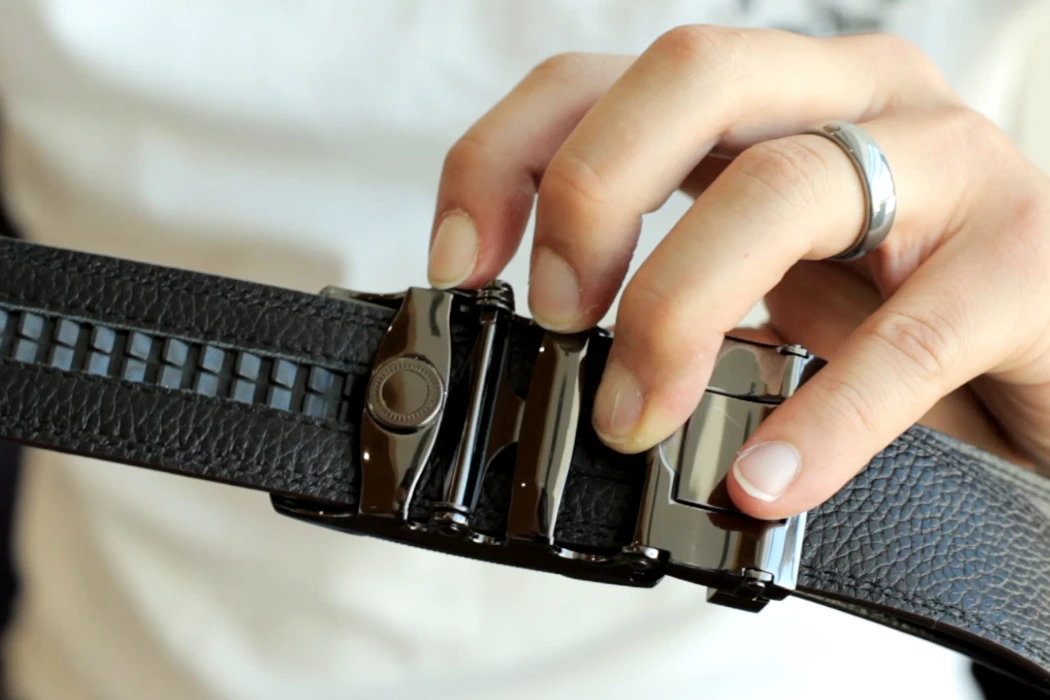
A pin buckle needs compatible holes and prong geometry; a roller can change friction as the strap passes around it; a ratchet requires a compatible track and release mechanism. Test adjustment, release and attachment on the actual belt rather than assuming a mechanism suits every material.
Logo Application: Embossing, Debossing, and Laser Engraving
Approve the artwork, position and appearance on the selected leather or hardware. Embossing, debossing, engraving and applied marks behave differently under wear. Validate the required durability and avoid describing every technique as permanently unworn.
Why Is Quality Control Critical For Bulk Belt Orders?
An agreed control plan lets the team identify deviations and act before they affect more units. Connect incoming inspection, first-piece approval, in-line checks and final inspection to the same specification and sample. Inspection reduces risk; it does not guarantee that every unit is defect-free.
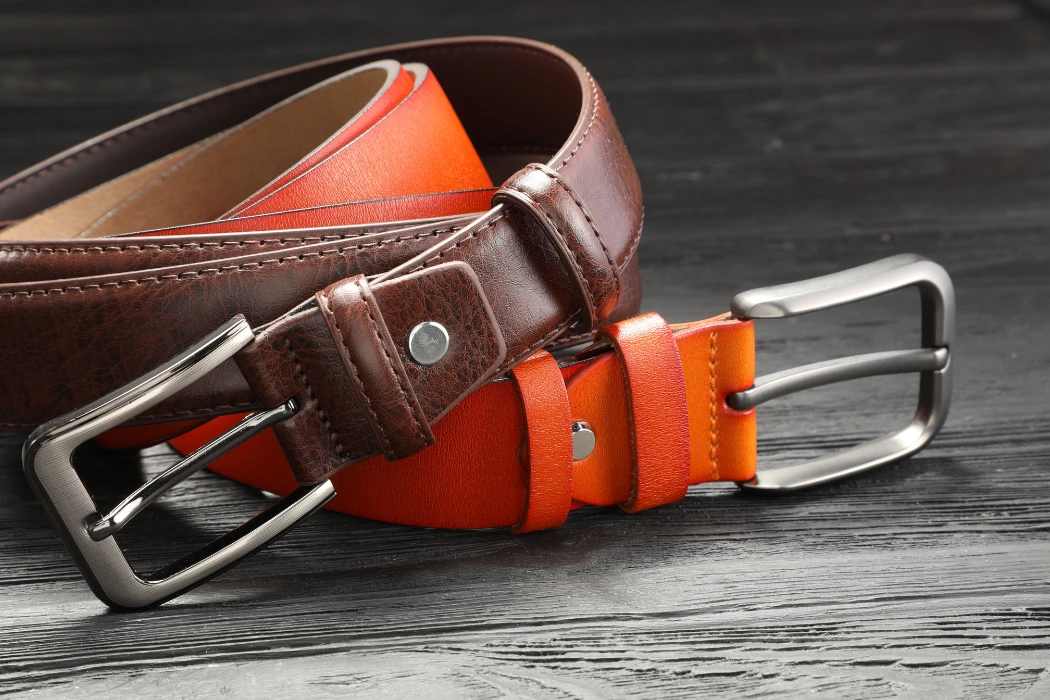
Raw Material and Hardware Inspection
Check incoming batches against the approved material, thickness tolerance, color reference and hardware specification. Use the relevant reports for properties that cannot be judged visually, and keep material identities connected to the production order.
Production Monitoring and Edge Finishing
Check dimensions, stitching, buckle attachment and edge appearance against agreed tolerances. Approve any process or material change before using it in the order. Record defects and corrective work so repeat production uses the resolved method.
Final Product Testing: Durability and Tensile Strength
Agree relevant strap, attachment, flexing, rub-fastness and buckle-function methods, conditioning and acceptance criteria. Report results for the tested construction under the stated conditions; they do not prove unlimited loads or guarantee a service life.
| Stage | Control | Record |
|---|---|---|
| Incoming materials | Identity, appearance and specified properties | Batch inspection and reports |
| Production | Dimensions, workmanship and attachment | First-piece and in-line checks |
| Release | Agreed final inspection and required tests | Disposition and approval record |
Are Factory Certifications Important For Pitching Big Retailers?
Requirements vary by retailer. Obtain the current supplier-approval criteria and check the named site, scope and validity of any document. Separate management-system certification, social audits, leather-processing certification and product tests. None substitutes for all the others.
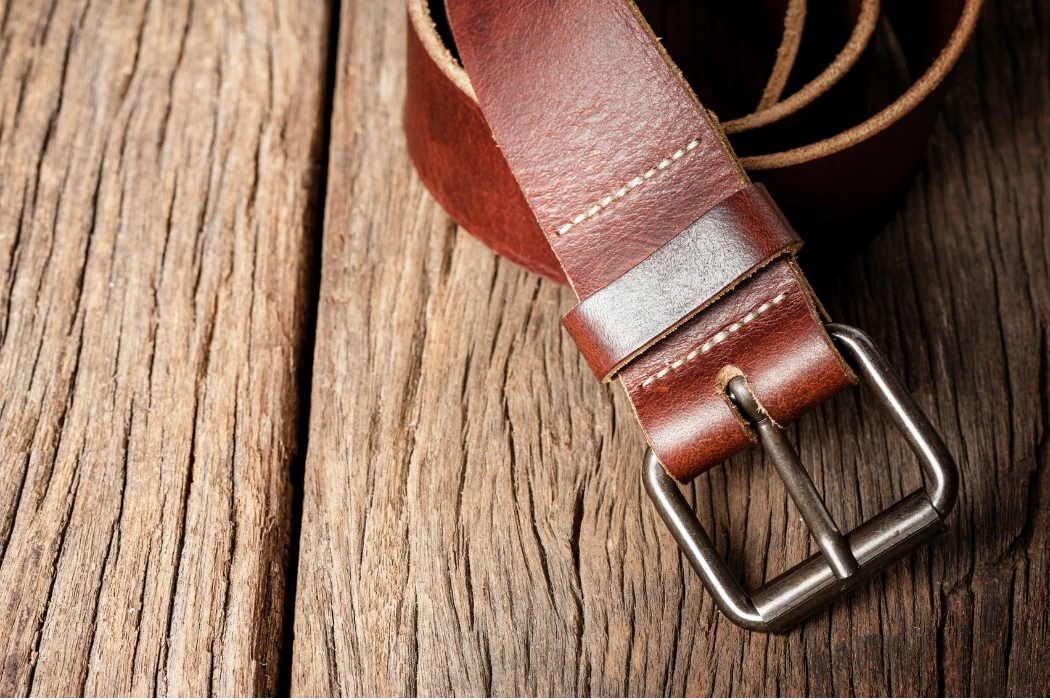
Environmental Responsibility and LWG Scope
Use LWG documentation within the certified operation’s scope and keep it connected to the selected material. A site rating is not a whole-product environmental claim. Hoplok’s ProPelli leather finishing operation holds valid LWG Gold status; confirm the relevant material records and tests for the order.
Social Compliance: BSCI and SMETA Audits
Where requested, provide the retailer-accepted report for the actual manufacturing site and address corrective actions. Social audits evaluate specified conditions and evidence; they do not provide blanket legal immunity for the buyer or guarantee future conduct.
Quality Assurance through ISO 9001
If the retailer requests a quality-management certificate, check its holder, site, scope and validity. A management-system certificate does not guarantee a defect-free shipment. Confirm which documents are actually available from the proposed factory before using them in the pitch.
How Do Trade Shows Help You Acquire Wholesale Buyers?
Trade meetings allow buyers to review samples and discuss the commercial and production plan. Select events based on the target buyer and product category, then prepare a consistent line sheet, sample set and follow-up process. Attendance does not guarantee orders.
Targeting the Right Shows (MAGIC, PLMA, APLF)
Review the current organizer information for buyer profile, category coverage, exhibitor eligibility, dates and costs. Choose the event that fits the collection and sales strategy rather than assuming every fashion or private-label show reaches the same belt buyers.
Preparing Physical Samples and Tech Packs
Bring labeled samples and a line sheet with material, size/color options, price basis, minimums and delivery assumptions. Keep the detailed factory tech pack available for development questions. Use the retailer’s actual margin requirement when discussing the commercial proposal.
Managing Lead Times and Buyer Follow-Ups
For Hoplok belts, plan sampling at 2–3 weeks and bulk production at 60–90 days, then confirm the specific schedule. After a meeting, record requested changes, quotation assumptions and document requirements before issuing a revised offer.
Frequently Asked Questions (FAQ)
The answers below distinguish product development, retail selling and factory commitments.
How do you pitch a belt brand to a retailer?
Show the customer fit, assortment role, approved samples, clear commercial terms and feasible delivery plan. Provide the relevant quality and compliance evidence requested by that retailer.
What is the best markup for wholesale leather belts?
There is no universal markup. Calculate the brand’s delivered cost and required contribution, then compare the retailer’s stated margin and deduction terms. Define the denominator when discussing margin versus markup.
How many belt sizes should a brand offer?
Choose a size curve using target-customer fit and demand evidence. Define measurement points and the usable adjustment range; adding every possible size without a supply plan can create unnecessary stock.
What is the difference between genuine and full-grain leather belts?
“Genuine leather” is a broad material description. Full-grain identifies retention of the natural grain surface. Ask for the specific layer, thickness, finish and construction rather than treating the words as a universal durability ranking.
Do wholesale buyers require sustainable leather?
Ask which sourcing or environmental requirements the retailer applies. Provide evidence for the specific claim, material and site; a broad “sustainable” description or certification logo alone is insufficient.
How long does bulk leather belt manufacturing take?
Hoplok plans bulk production at 60–90 days, subject to the approved specification, materials and schedule. Confirm transport and retailer receiving separately.
Conclusion
Scale the approved collection through consistent specifications, size definitions, change control and a realistic production plan. Hoplok can review custom belt requirements against available materials and capacity. MOQ is 300 genuine leather belts or 1,000 PU belts; agree style and color allocation in the quotation.