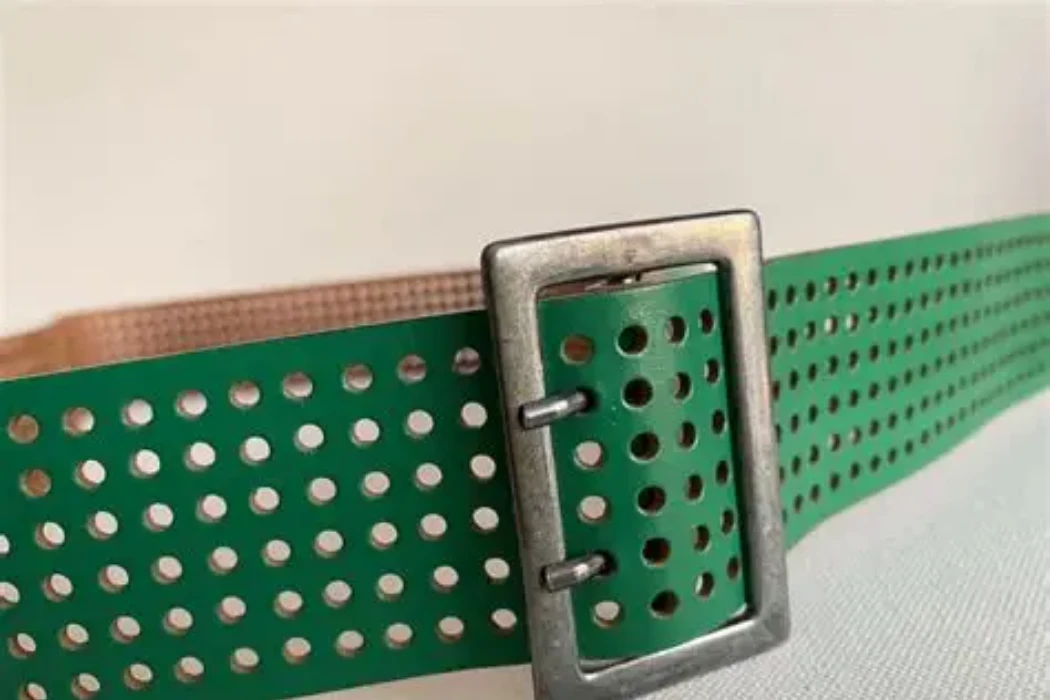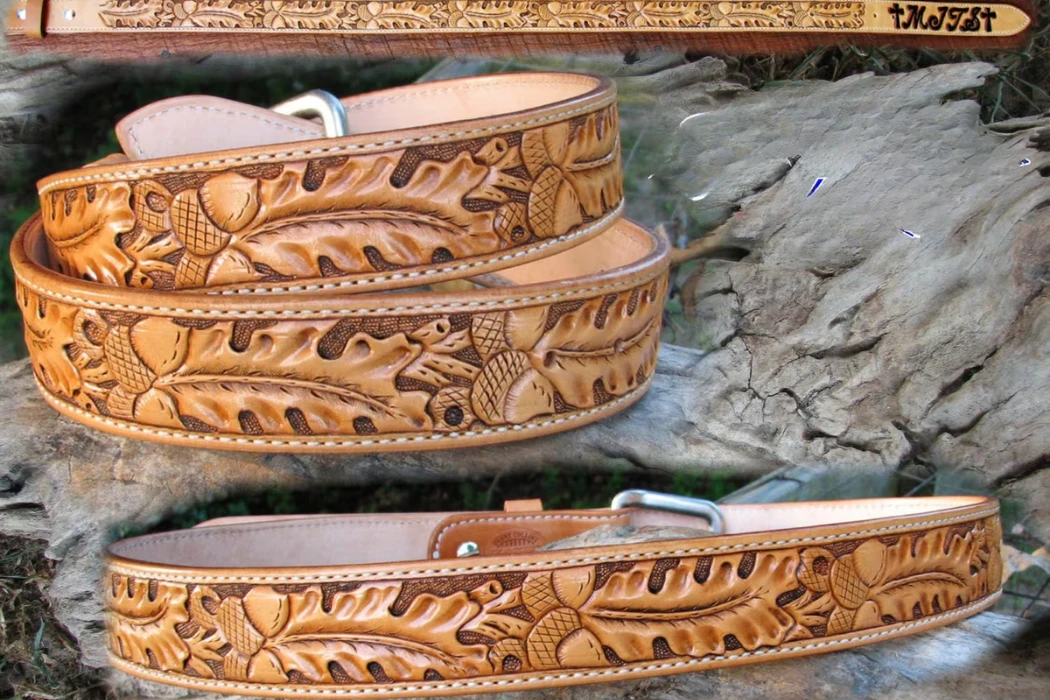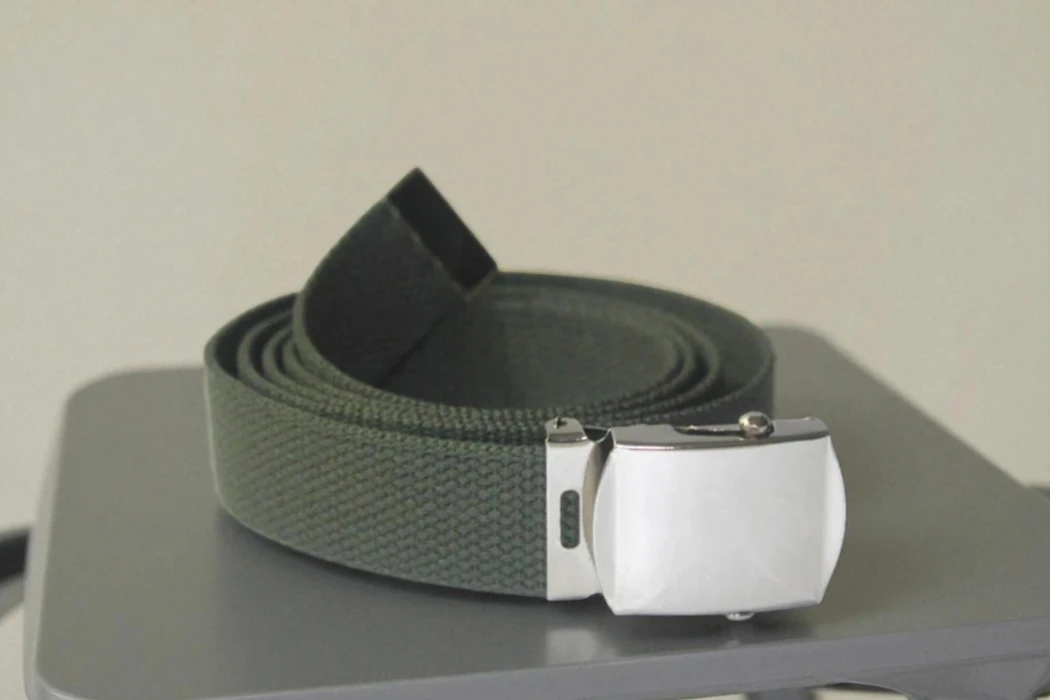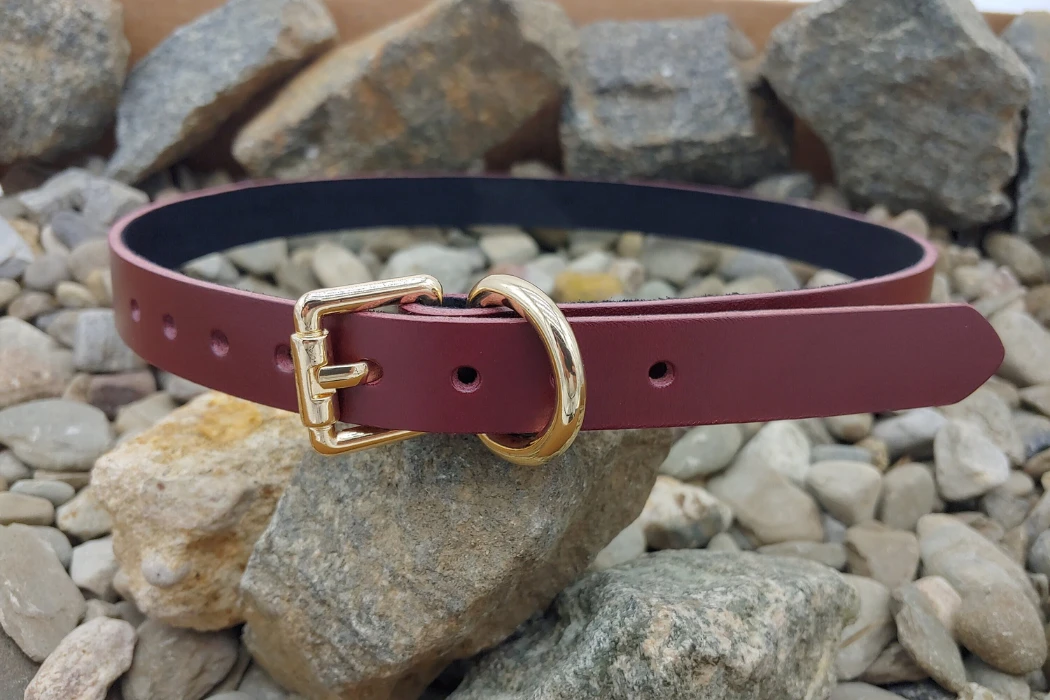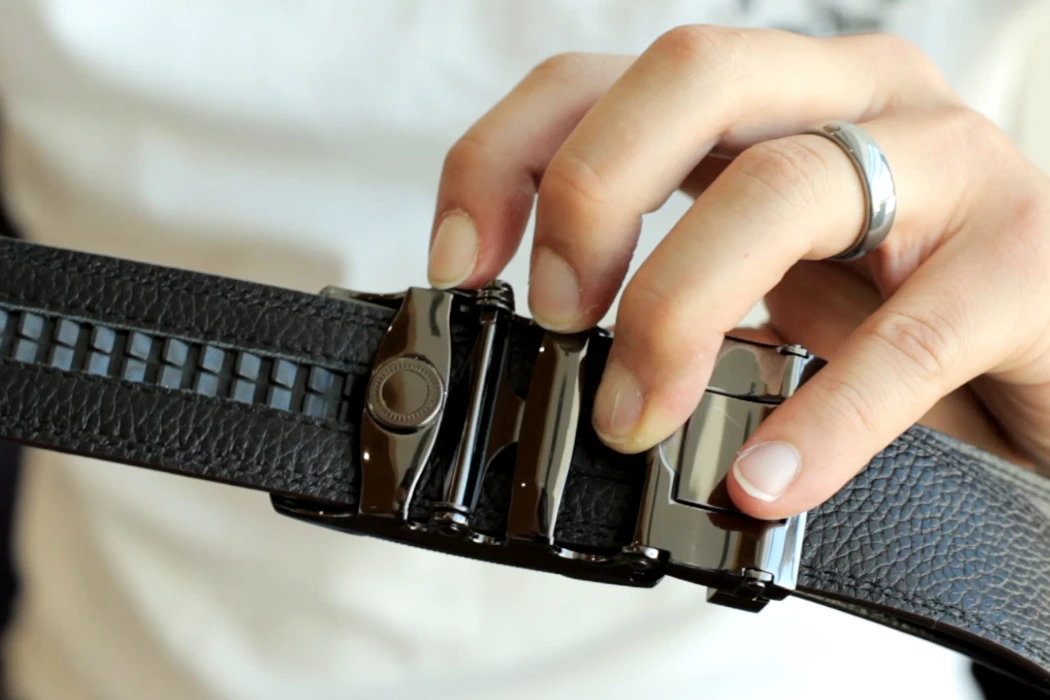
In a world focused on sustainability, “eco leather” has become a major buzzword. You see it everywhere, from high-fashion runways to everyday accessories, as brands use the term to signal a commitment to the planet. But what does it actually mean? The truth is, “eco leather” is a very broad and often confusing term. It can refer to a wide range of materials, some made from real animal hides and others from plants or even recycled plastics.
“Eco leather” is not a material composition on its own. Sellers may use it for animal leather, leather-fiber composites or synthetic alternatives with an environmental claim. The meaning also depends on the market and any standard cited: Italy’s UNI 11427 addresses leather with reduced environmental impact. Ask what the material contains and what specific claim the supplier can substantiate; “eco” does not establish that it is vegan, plastic-free, biodegradable or lower impact overall.
This guide explains the material categories behind the term, how to compare their production and performance, and what evidence a brand should request before approving a product description. Treat a name such as “plant-based” as the beginning of the enquiry, not a complete environmental assessment.
What is Eco Leather? A Clear Definition
For procurement, separate the material description from the environmental claim. “Cowhide leather with a specified finish” or “PU-coated textile with declared recycled content” identifies more than “eco leather.” Then establish the claim’s scope, comparison and evidence. No single loose marketing usage should be assumed to apply in every country.

A Nuanced Definition
In a supplier catalogue, “eco leather” can cover very different offers. The examples below illustrate why the underlying composition must be identified before comparing price or performance:
- A cowhide belt whose supplier provides evidence for a defined leather-production claim.
- A handbag made with a pineapple-leaf-fiber composite that also contains other constituents.
- A wallet using a coated textile with a documented recycled component.
State both the substrate and the evidence-backed attribute. A renewable or recycled ingredient does not describe the complete finished material.
Why the Market and Standard Matter
The term should not be treated as having one universal marketing definition. UNI 11427:2022 sets environmental-process and product requirements for leather described as reduced-impact or ecological leather. For US marketing, the FTC Green Guides caution against broad, unqualified environmental-benefit claims. Check the intended market before approving wording.
What is eco leather made of?
The actual material may be tanned animal hide, bonded leather fibers, a coated textile containing agricultural inputs, or another engineered alternative. Ask for the composition of the whole sheet, including backing, binders and surface coatings, as well as the finished product’s other components.
Industry vs. Marketing
Do not infer composition from whether the seller supplies furniture or fashion. Request the technical data sheet and a sample, identify the manufacturer and article code, and confirm what the proposed environmental wording means for that specific material.
How Material Claims and Alternatives Have Developed
Leather-making processes and leather alternatives have developed along different paths. Vegetable tanning is an established leather process; newer composites may use agricultural residues, polymers or mycelium. Their history does not prove their environmental performance. For a current sourcing decision, use the producer’s latest article data and availability.

From Ancient Roots to Modern Movements
Vegetable tanning uses plant tannins to stabilize animal hide. It remains a tanning process with chemical, water and energy inputs. Its long history should not be used as evidence that it is automatically non-toxic or preferable to every other tannage.
Examples of Development to Investigate
Three distinct areas are useful to separate when reviewing supplier proposals:
- Leather-process improvements: Water, energy, chemical management and waste treatment can be assessed at the responsible facility.
- Agricultural-fiber composites: Products such as Piñatex combine a named plant input with other materials; review the specific collection’s composition.
- Mycelium and other engineered materials: Review the producer’s current technical and supply information rather than assuming a development announcement means commercial availability.
Cultural and Industry Shifts
Some collections prioritize animal-free inputs; others prioritize material durability, traceability or a particular environmental measure. State which objective the material choice is intended to meet and how it will be assessed.
Chemical compliance and environmental benefit are separate questions. REACH restrictions can apply to substances in articles; meeting an applicable restriction does not establish that a product has a low overall footprint.
Types of Eco Leather: From Real to Plant-Based Alternatives
The main categories to distinguish are tanned animal leather, bonded or reconstituted leather-fiber material, plant-containing coated textiles, and other engineered alternatives. Each has a different composition and production route. None earns an automatic environmental ranking from its category name.

Animal Leather with a Defined Environmental Claim
Animal leather can be vegetable-, chrome- or otherwise tanned. Plant tannins do not make every stage chemical-free, and chrome tanning should not be confused with intentionally using chromium(VI). Leather Naturally distinguishes the tanning systems and chromium forms. Compare facility controls and the actual article; do not infer a complete environmental result from tannage alone.
Recycled and Byproduct Leather
An intact hide and a sheet made from leather scraps are different materials. Bonded material combines leather fibers or particles with binders, while a tanned fish skin remains animal leather. Ask for composition and processing details. An agricultural ingredient used in a tanning agent does not mean the finished leather is made from that plant.
Plant-Containing Leather Alternatives
Plant-containing alternatives can replace part of the input with agricultural fibers or residues. They may also contain synthetic or bio-based polymers and a textile backing. Verify animal-free status and environmental claims for the complete article rather than assuming them from the plant name.
Examples that illustrate different compositions include:
- Piñatex: Ananas Anam describes pineapple-leaf-fiber-based materials with other constituents and collection-specific coatings. Its FAQ distinguishes the base from the coating; the finished article is not simply a pineapple leaf.
- Desserto: The producer markets a cactus-based material alternative. Request the exact article’s composition, backing and technical sheet before making a cactus-content or plastic-free claim.
- Apple-containing materials: Ask who makes the offered article and how much apple-derived input it contains, including the binder and coating. A fruit-derived name is not a complete bill of materials.
- Mycelium materials: MycoWorks describes Fine Mycelium and Reishi. Confirm the currently supplied construction, finishing and commercial availability directly; it is not animal hide and should not be treated as ordinary leather.
Synthetic and Other Engineered Alternatives
A synthetic offer may contain virgin or recycled polymers, sometimes combined with renewable inputs. Modern Meadow describes INNOVERA, formerly BIO-VERA, as using plant-based proteins, biopolymers and recycled rubber. That is a material-specific description, not proof that all engineered alternatives are lab-grown collagen or molecularly identical to animal leather.
Material Categories and Evidence to Request
| Type | Source | Environmental evidence to request | Performance evidence |
|---|---|---|---|
| Animal leather with a specific claim | Animal Hide | Defined process/product scope and comparison | Article and finished-product tests |
| Bonded leather-fiber material | Leather Scraps | Declared recycled content and complete composition | Flexing, bonding and wear in intended construction |
| Plant-containing composite | Named plant input plus other constituents | Whole-article composition and substantiated claim | Relevant article-specific test data |
| Other engineered alternative | Producer-specific formulation | Study scope and end-of-life evidence | Current material and application tests |
How is Eco Leather Made? Production Processes Explained
Production depends on the actual substrate. Animal hide requires tanning and finishing; plant-containing composites may combine fibers or particles with binders, backings and coatings. An engineered material can follow a different route again. Request the process description for the named article before claiming reduced water or chemical use.

Animal-Leather Production
For animal leather, review the relevant stages and responsible facilities:
- Sourcing Hides: The process starts with animal hides, which are typically byproducts of the meat industry.
- Preparation: The hide is prepared for tanning through the producer’s specified process. This stage should not be described as using only natural cleaning methods without evidence.
- Tanning: Vegetable tanning uses plant tannins; other systems use different tanning agents. Time and resource use depend on the actual process.
- Finishing: Dyes, coatings, oils or waxes may be applied according to the article specification. Vegetable tanning does not require every finish to be natural.
Producing Plant-Containing Alternatives
Plant-containing composites differ between producers. A useful purchasing enquiry follows each stage rather than assuming all materials use the same pulp-to-sheet recipe:
- Input: Identify the plant-derived feedstock and whether it is a residue, crop or other input.
- Processing: Ask how fibers, particles or other components are prepared and what additional materials are used.
- Binding and backing: Identify polymers, textile supports and their declared composition.
- Coating: Confirm the surface chemistry, care instructions and contribution to the finished article’s performance and end-of-life claims.
Innovations in Production
New processes can change material properties or resource requirements. To evaluate them, request the current technical sheet, sample and evidence for the specific claimed improvement.
A “water-saving” process claim needs a baseline, boundaries and measurement basis. A new bio-based ingredient also needs a clear description of the finished material. Research into proteins or mycelium should not be turned into a general claim that commercially supplied alternatives are identical to animal leather or have a negligible footprint.
Eco Leather vs. Traditional Leather: Key Differences
“Eco leather” and “traditional leather” do not define two consistently comparable materials. A fair comparison identifies each article, its production route and the function it must perform. Assess environmental evidence and product performance separately.

Materials and Environmental Footprint
Compare the actual production systems, including upstream inputs, processing, energy and waste handling. A material marketed as eco leather may use a conventional tannage, and a chrome-tanned article may come from a well-controlled facility. Neither label establishes the result of a life-cycle comparison.
Plant-containing alternatives also require full-composition and process information. Renewable content is one attribute; it does not prove biodegradability, recyclability or a lower impact in every category.
Ethics, Appearance, and Feel
Animal-free composition may be a brand requirement, but it should be substantiated independently from environmental claims. Appearance and hand-feel depend on the supplied material and finish. Both animal leathers and alternatives can have smooth, textured or coated surfaces; tannage alone does not fix how natural a surface looks.
Cost and Lifespan
Compare quotations for materials that meet the same functional specification. Price can reflect volume, usable yield, finishing, logistics and supply availability, not simply the presence of an environmental claim.
Do not promise decades of service from the “eco” label or assume chrome-tanned leather has a shorter life. Evaluate the actual finish and construction through relevant testing and realistic use expectations.
Comparison Table
| Metric | Offer marketed as “eco leather” | Comparison article |
|---|---|---|
| Composition/process | Identify the actual substrate and process | Identify the actual substrate and process |
| Environmental Impact | Require a defined claim and supporting evidence | Use the same assessment basis |
| Aging | Evaluate the actual surface and finish | Evaluate under comparable use conditions |
| Cost | Obtain a current specification-matched quote | Compare the same delivery and quantity scope |
Eco Leather vs. Faux Leather and Vegan Leather: Clarifying the Confusion
Faux leather describes a material made to resemble leather. A vegan claim concerns animal-derived inputs. An eco claim concerns an environmental attribute. These concepts can overlap, but one does not prove another. Identify each claim separately in the product specification.

Defining Faux and Vegan Leather
PU- or PVC-coated textiles are common leather-look alternatives. A vegan claim should cover the relevant material or product scope, including adhesives and other components where applicable. Faux appearance alone does not establish an independently verified vegan claim or an environmental benefit.
Key Differences
The main difference is the focus.
- Faux/vegan: Distinguish a leather-look description from a substantiated claim about animal-derived inputs.
- Environmental claim: Identify the specific attribute, such as a verified recycled-content percentage, and its scope.
Understanding the Overlap
A material can meet a defined animal-free requirement and also support a specific environmental claim, but both need evidence. An animal leather can support a substantiated process or content claim while remaining animal-derived.
For example, a cactus-containing composite may include polymers, and a recycled PU textile may use documented recovered inputs. A vegetable-tanned cowhide remains animal leather. None of these descriptions alone establishes an overall environmental winner.
The Environmental Impact of Eco Leather: Is It Truly Sustainable?
A credible sustainability comparison requires identified materials, a functional basis and appropriate evidence. Do not assume that plant inputs, vegetable tanning or a certification logo guarantee a low-impact finished product. Review what is actually covered and what remains outside the evidence.
Positive Aspects
Potential improvements should be expressed as specific, measurable attributes:
- Process changes: Document any claimed reduction in chemicals, water or energy against an identified baseline.
- End of life: State the test conditions, timescale and relevant disposal route for biodegradability or compostability claims.
- Recovered inputs: Verify the amount and origin of agricultural residues or recycled material in the finished article.
Challenges and Greenwashing
Greenwashing risk increases when a narrow attribute is presented as a complete environmental benefit. A recycled component does not describe the whole product or prove that it is recyclable. Likewise, a biodegradable base does not establish that a coated composite will biodegrade under ordinary disposal conditions.
Life Cycle Analysis and Certifications
To truly understand a material’s impact, you have to look at its entire life cycle. This includes everything from how raw materials are sourced to how the final product will be disposed of.
For an LWG claim, verify the named facility, scope and certificate validity through LWG’s certification information. For another scheme, check the actual certified article or operation and the permitted wording. Certification is evidence within its scope, not a guarantee of every product-level environmental benefit. Compare life-cycle studies only when their assumptions and boundaries are compatible.
Pros and Cons of Eco Leather
Potential advantages include documented recovered or renewable inputs and production improvements. Trade-offs can include availability, processing compatibility, cost or end-of-life limitations. “Eco leather” does not establish that a material is hypoallergenic or suitable for every skin-contact use.

Advantages
Benefits worth evaluating include:
- Defined environmental improvement: A supported change in an identified impact or input, with the comparison stated.
- Composition fit: Verified animal-free content where that is part of the collection brief.
- Supply information: Traceable article data that helps support accurate product descriptions.
For a brand, the strongest material story is one that can be linked to the supplied article and repeated accurately on a hangtag, product page or buyer specification.
Disadvantages
However, there are a few trade-offs to consider when choosing eco leather.
- Cost: Obtain current material and finished-product quotations rather than assuming an eco label always raises the price.
- Performance uncertainty: A new or unfamiliar material needs application testing before bulk approval.
- Availability: Confirm orderable grades, colors, minimums and continuity of supply; a prototype announcement is not a production commitment.
Pros and Cons Summary Table
| Pros | Cons | |
|---|---|---|
| Eco Leather | Potential verified input or process improvements | Evidence gaps, application limits, supply and end-of-life questions |
Durability, Care, and Maintenance of Eco Leather
Durability and care depend on the exact material and finish. The term “eco leather” does not support a service-life estimate or a universal cleaning method. Ask for the producer’s instructions and validate the assembled product for its intended use.

How Long Does Eco Leather Last?
There is no reliable years-of-life range for this mixed category. Coating, substrate, seams, flexing, moisture exposure and user care all matter. Compare relevant test evidence and samples, while recognizing that an accelerated test does not directly convert into a fixed number of years in use.
Care and Cleaning Tips
How do you care for eco leather? The method depends on the material.
- Animal leather: Follow the maker’s instructions for that finish. Conditioners can change color or surface appearance and are not appropriate for every coated or napped leather.
- Plant-containing or synthetic materials: Use the named producer’s care method. For example, Ananas Anam gives different care guidance for Piñatex collections; do not transfer one collection’s method to every alternative.
Store products according to their maker’s instructions, avoiding prolonged heat, damp conditions and direct sunlight where these can damage the material. Test any approved cleaner in an inconspicuous area first.
Common Issues and Prevention
Inspect the actual sample for finish change, surface cracking, peeling, transfer and seam behavior. Agree the relevant checks before production and record the approved care instructions. “Natural dye” or “recycled” does not by itself predict which failure mode will occur.
The Future of Eco Leather: Innovations and Trends
Follow current material developments through named producers and their latest technical information. The useful questions for a buyer are whether an article is commercially available, compatible with the design and supported by evidence—not whether a broad market forecast is large.

Emerging Technologies
Mycelium-based and protein-containing alternatives use different structures and processing routes. Recycled polymers offer another approach. Compare each offered grade’s composition, coating, backing and performance rather than treating them as one interchangeable material class.
Market Predictions and Challenges
Before adopting a new article, confirm the minimum order, sampling route, production status, available colors and continuity plan. Assess the risk of a discontinued material or changed specification.
Frequently Asked Questions (FAQs)
The answers below distinguish material identity from environmental claims. In every case, use the actual technical sheet and finished-product requirements rather than the eco label alone.
Is eco-leather real leather?
It can be animal leather, depending on the seller’s usage and the applicable standard. It can also be used loosely for an imitation material. Request the composition; Italy’s UNI 11427 concerns reduced-impact leather rather than a generic name for plant-based textiles.
What are the benefits of eco-leather?
A particular article may support a defined benefit, such as verified recycled content or a documented process improvement. The term alone proves neither a lower overall footprint nor animal-free composition.
Does eco-leather stretch?
Stretch depends on the substrate, backing, construction and loading direction. Test the actual article and complete product; there is no dependable eco-versus-traditional stretch rule.
Does eco-leather last long?
The label does not establish a lifespan. Ask for relevant performance data and inspect the finished construction under the intended conditions of use.
Is eco-leather waterproof?
Not necessarily. Water resistance and waterproofness need to be specified and demonstrated for the material and, where claimed, the complete product including seams and edges. A plant or cork ingredient alone does not establish a waterproof bag or belt.
What is Italian eco-leather?
Check whether the supplier is referring to leather under UNI 11427 or using a loose marketing term. The Italian standard sets requirements for reduced-impact leather; it should not be equated automatically with AppleSkin, grape-based composites or any synthetic material.
What is the best eco-friendly leather?
Choose the material that meets the product’s function and has evidence for the specific environmental objective. Compare like-for-like performance, production information and end-of-life claims. There is no universally best option across all applications.
Conclusion
“Eco leather” is useful only when it leads to a precise description and a supported claim. Identify the substrate, coating and backing, check the relevant evidence, and approve the material in the complete product. This gives a buyer a sounder basis for comparison than an undefined green label.
For a custom fashion-belt project, provide Hoplok with the proposed material article, design, quantity and destination. The team can assess material suitability and production feasibility for the specification. Availability of a named experimental or branded alternative must be confirmed separately. Contact Hoplok to discuss the sample and evidence needed for your collection.
Discuss Your Material and Product Brief
Share the material specification, intended use and environmental claim you need to support. Hoplok can review the project requirements and confirm which materials and manufacturing options are available before sampling.