A department-store belt pitch should answer four questions: who will buy the range, which gap it fills, whether its commercial terms work, and how the brand will deliver and replenish it. Bring a focused assortment, labeled samples and evidence relevant to the buyer’s own requirements.
Use available sales and customer evidence to explain the mix of core and seasonal styles. Present material specifications, proposed pricing and delivery terms separately from the compliance documentation. None of these alone guarantees listing approval or sales.
The sections below cover assortment, commercial calculations, vendor requirements, sample presentation and replenishment. Treat the pitch as a proposal for the specific retailer, not a universal recipe for winning shelf space.
What Makes a Winning Core Belt Assortment?
A core range can support repeat purchasing, while seasonal pieces introduce new colors or constructions. Set the balance using the retailer’s customer, existing assortment and sell-through data. No fixed basics-to-fashion ratio guarantees turnover or margin.
Balancing Basic and Fashion Belts
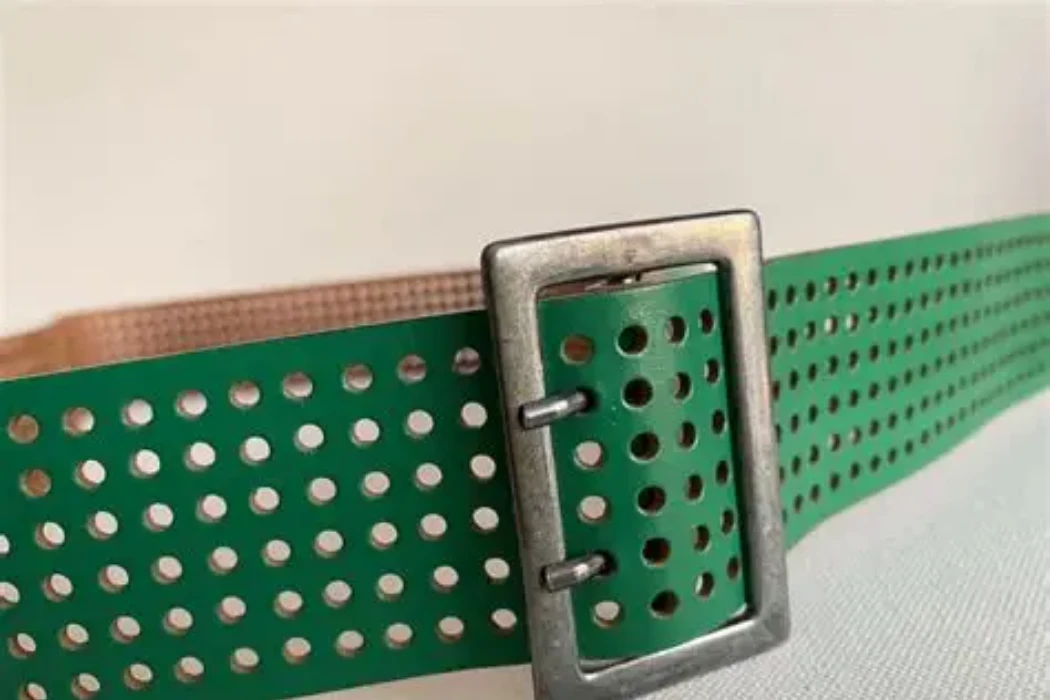
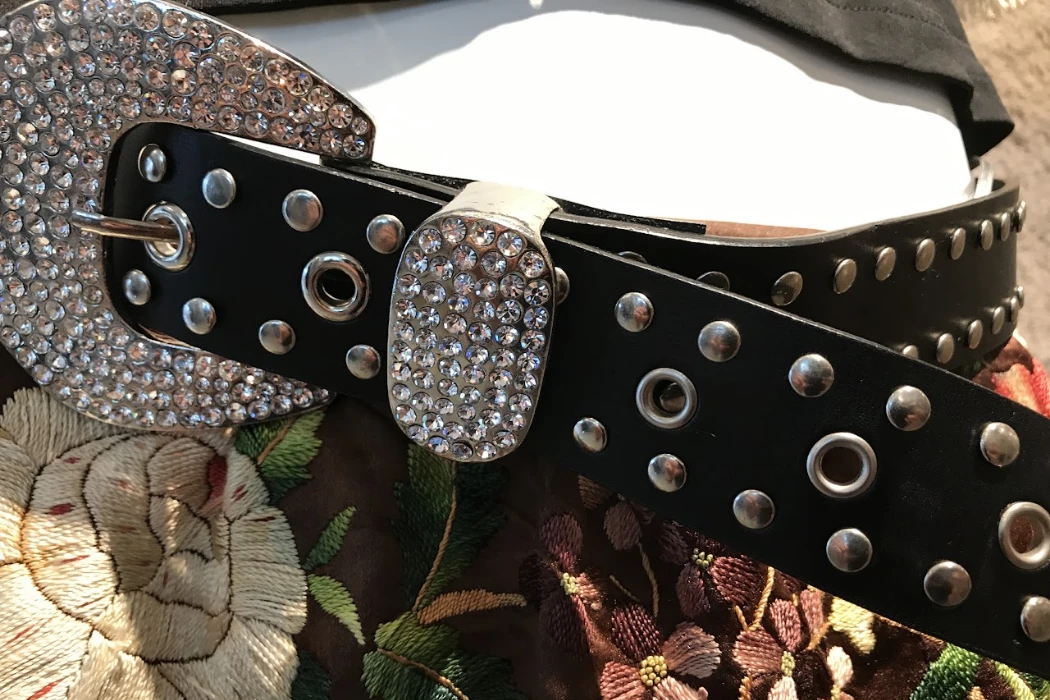
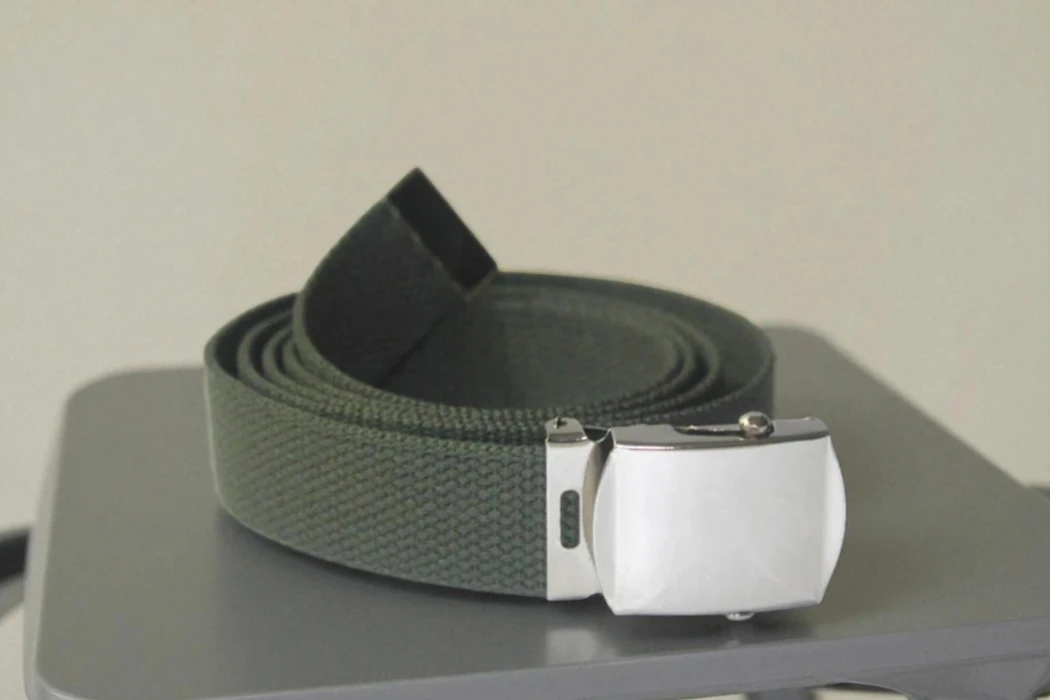
Show which styles are intended for continuing replenishment and which are seasonal commitments. Explain each using the target customer, color story, price and forecast. Classic black or brown belts may be useful core options; embossed, braided or metallic designs should earn their place through the collection brief rather than a fixed inventory percentage.
Planning the Standard Size Run
Use the retailer’s customer and sales data to propose a size curve. State the measurement anchor and fastening range; a nominal belt size is not necessarily the total strap length. Label any proposed pack ratio as a forecast to test, and review extended sizes against customer demand rather than assuming they belong only in a special request.
Selecting Retail-Ready Materials
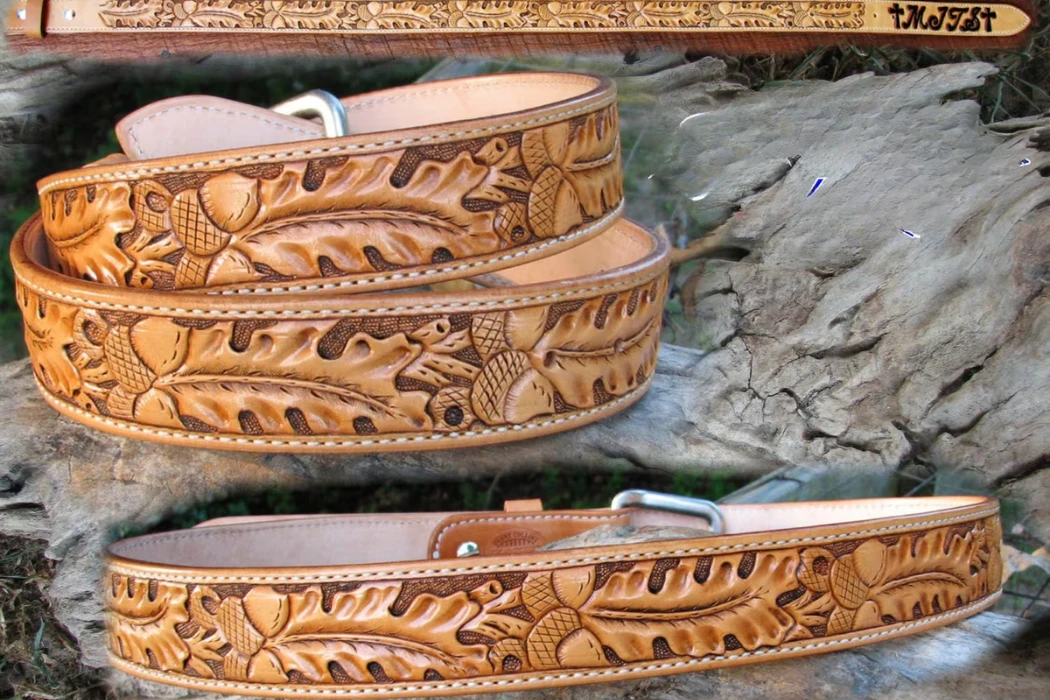
Compare full-grain, corrected-grain, coated split and PU constructions against the desired appearance, price and required tests. Specify thickness, finish, lining and buckle attachment separately. There is no fixed retail-price band or lifespan for each material. Hardware corrosion and strength criteria must be agreed for the actual assembly.
| Assortment Group | Planning Basis | Review Trigger |
|---|---|---|
| Core styles | Retailer demand, available replenishment and size curve | Sell-through, returns and stock cover |
| Seasonal styles | Specific customer or styling opportunity | Order window, markdown exposure and remaining stock |
How Do You Price Belts for Retail Margins?
Start with the proposed retail price and the retailer’s required commercial terms, then check whether the brand can supply profitably at the resulting wholesale price. Include deductions, promotional participation, returns and logistics where applicable. Keep gross margin, markup on cost and initial markup terminology explicit.
Understanding Department Store Markups
Gross margin at retail is (retail price − purchase cost) ÷ retail price; markup on cost uses purchase cost as the denominator. Ask which calculation the buyer uses.
Illustrative example: a $50 retail price and $20 purchase cost give 60% gross margin before other expenses. The markup on that $20 cost is 150%. This is arithmetic, not a statement of any department store’s requirement. Confirm markdown and allowance terms separately.
Calculating Landed Costs Effectively
Build from the actual quoted delivery basis and named place. Include freight, insurance where applicable, customs charges, brokerage, local handling, packaging and any other costs the brand bears. Confirm product classification and manufacturing origin with the importer’s customs adviser. Cambodia is not a universally tax-free sourcing location, and routing goods through a country does not itself change origin.
Hitting Sweet-Spot Price Points
Use the retailer’s current price architecture and customer evidence to propose opening, core and premium price points. Compare those prices with the delivered cost and agreed deductions. A leather grade or psychological price ending does not establish peak sales volume, and promotional scenarios should be modeled using the retailer’s actual proposal.
Which Retail Compliance Standards Must You Meet?
Request the retailer’s current vendor manual and identify the rules applicable to the product’s destination, materials and intended age group. Separate product legal requirements, retailer-specific tests, site audits and packaging instructions. Document responsibilities and approval dates; a defect or missing report does not have one universal consequence across all retailers.
Chemical Testing and Safety Rules
Build the test scope from the actual product and destination. For the US, CPSC distinguishes the 100 ppm total-lead limit for accessible children’s-product components from the 90 ppm limit for applicable paint and surface coatings; these should not be presented as a blanket adult-belt rule. California Proposition 65 concerns exposure warnings, rather than a warning triggered simply by detecting any listed chemical.
For EU sales, assess the relevant REACH restrictions for the leather, dyes and hardware with the testing laboratory or compliance adviser. Agree report scope, sampling, test methods and the retailer’s release process rather than asserting that every batch worldwide needs the same laboratory report.
Passing Factory Social Audits
Ask which audit scheme and reporting period the retailer accepts, which site will produce the goods and whether corrective actions remain open. BSCI and SMETA are social-audit frameworks, not universal product certificates or legal permission to sell. LWG evidence addresses its stated leather-processing scope and does not automatically approve the belt assembly factory or final product.
Managing Barcodes and Floor-Ready Packaging
Confirm the retailer’s exact barcode, tag, hanger, pack ratio, carton weight and routing-label requirements. Check a physical packed sample and label scan before releasing packaging. Use the retailer’s current instructions for tag position and carton limits; no universal 2-inch position or 40-pound limit applies to every account. Record any chargeback rules in the commercial review.
| Requirement Area | Evidence to Obtain | Scope to Check |
|---|---|---|
| Product safety | Applicable chemical and physical reports | Product, market, age group and tested components |
| Factory audits | Retailer-accepted site reports and corrective actions | Named production site and report date |
| Leather sourcing | Relevant supplier and site documentation | Actual leather source and certification scope |
| Packaging and routing | Approved packed sample and vendor manual | SKU labels, cartons and destination requirements |
How Do You Design a Belt Line Review Presentation?
Organize the presentation around the retailer’s assortment decision: customer, collection role, materials, pricing, size curve and delivery. Use a clear line sheet and physical samples with matching identifiers. A polished presentation helps evaluation; it does not demonstrate future sales or defect-free production.
Building Trend Boards and Color Stories
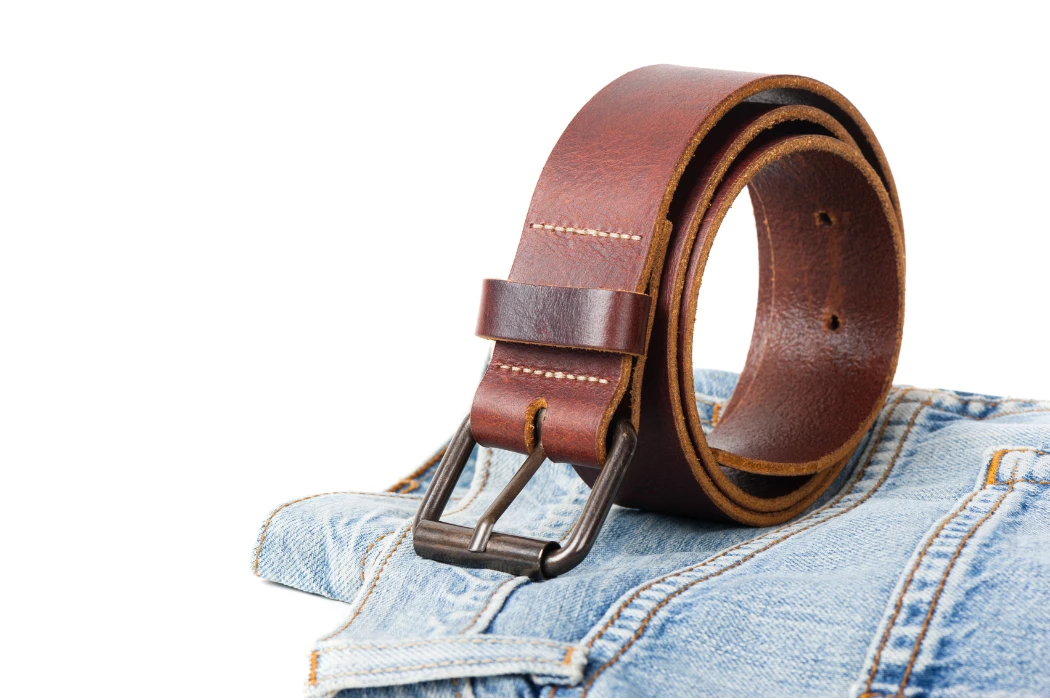
Connect the proposed colors and finishes to the retailer’s brief. Show the range together, identify core and seasonal options, and propose a display using the actual fixture dimensions where available. Color codes support communication, but physical references and approved tolerances are needed for matching across materials.
Showcasing Hardware and Leather Finishes
Label leather swatches and hardware with their specification and corresponding style code. Include thickness, finish and any permitted appearance variation. Present alternatives as options requiring cost, test and sample review; a color change during a meeting should not silently alter the approved production BOM.
Presenting Physical Samples
Present clean, functional samples in the agreed sample size and identify their approval status. Provide prices, size ranges and delivery assumptions on the line sheet. Demonstrate fastening and, for a reversible belt, the turning mechanism. A few manual rotations do not prove a cycle-test result; provide the relevant test report separately.
Why Do Replenishment Programs Drive Profit?
A replenishment program can support continuing sales of an established style, but it also creates forecasting and stock commitments. It does not eliminate markdowns, guarantee profit or ensure a fixed number of years of orders. Define the demand signal, purchase commitment and service expectations before reserving materials or finished stock.
Setting Up Never-Out-Of-Stock (NOOS) Basics
Identify the exact styles and size/color variants covered, then agree forecasts, firm releases, review intervals and responsibility for unused stock. Keep the retailer’s ordering systems separate from the factory’s service scope. For a Hoplok program, use the agreed ordering and communication process; EDI, VMI and customer ERP/API integration are outside Hoplok’s offered capabilities.
Aligning Factory Lead Times
Hoplok bulk production is planned at 60–90 days. Build stock and reorder timing around that confirmed manufacturing schedule plus transport and receiving time. Agree whether any materials or finished goods are reserved and who owns them. An order cannot be assumed to transfer immediately between countries; capacity and approvals must be checked.
Analyzing Sell-Through Data
Where the retailer shares sales information, review it by style, color, size and location together with available stock and returns. Recommend a changed size ratio only when the data supports it. Record the difference between a forecast recommendation and an authorized purchase order.
Frequently Asked Questions
Use the retailer’s own brief and vendor requirements to resolve the details below.
How many belt styles should I present to a buyer?
Present enough styles to show a coherent assortment and meet the buyer’s brief, with credible prices, samples and supply plans for each. A fixed style count or inventory ratio is not a substitute for explaining each item’s role.
What is the standard markup for leather belts in retail?
There is no universal markup. Confirm whether the buyer means gross margin on retail, markup on cost or another metric, then apply its actual deductions and promotion assumptions to the proposal.
What are the most popular belt sizes for men and women?
Use customer and retailer sales data for the target market. Define measurements and wearing position for every size; claims about universally best-selling inch or letter sizes need evidence.
Do department stores require specific belt hangers?
Some retailers specify hangers and other floor-ready packaging. Obtain the current vendor manual and approve a packed sample before ordering the packaging quantity.
How do you test leather belts for durability?
Agree relevant flexing, rub-fastness, strap and attachment-strength, buckle-operation and corrosion checks. The test method, conditioning and acceptance criteria must fit the construction; there is no universal salt-spray duration for every belt buckle.
How long does a bulk belt production run take?
For Hoplok, plan around 60–90 days for bulk production and confirm the order-specific schedule. Belt sampling is planned at 2–3 weeks; shipping and retailer receiving need separate allowances.
Building a Strong Retail Manufacturing Partnership
A useful department-store pitch combines an evidence-based assortment proposal with clear commercial terms and a realistic delivery plan. For custom leather belts, Hoplok can review the specifications, quantities and test requirements. Its four factories in China and Cambodia total 19,000 m²; ProPelli performs leather finishing on externally sourced crust. Agree production and documentation responsibilities before making commitments to the retailer.