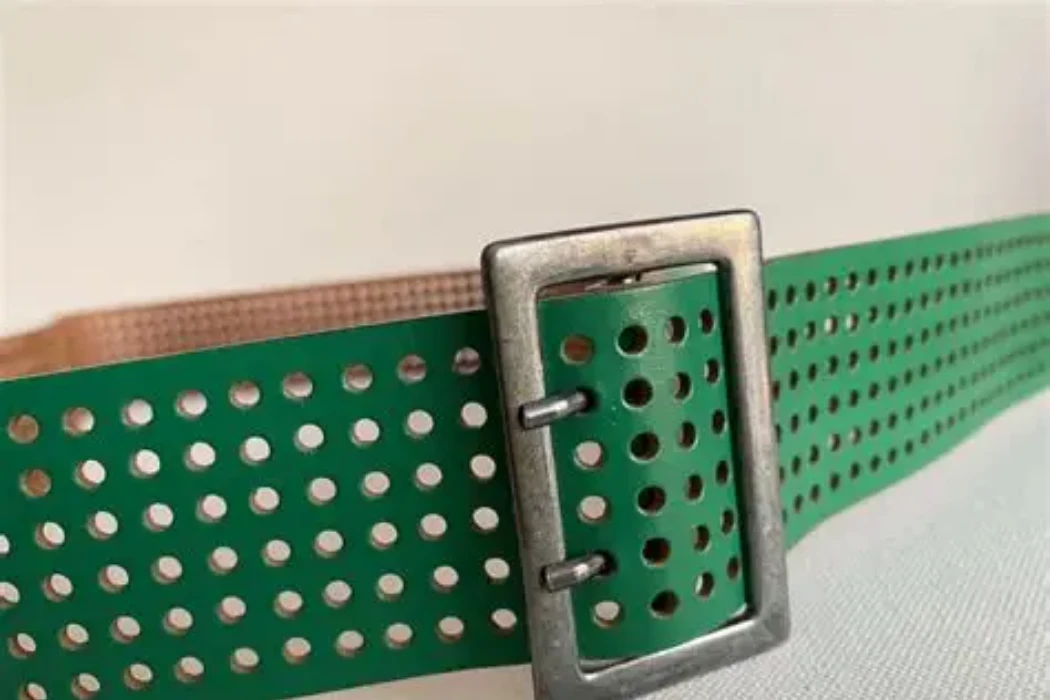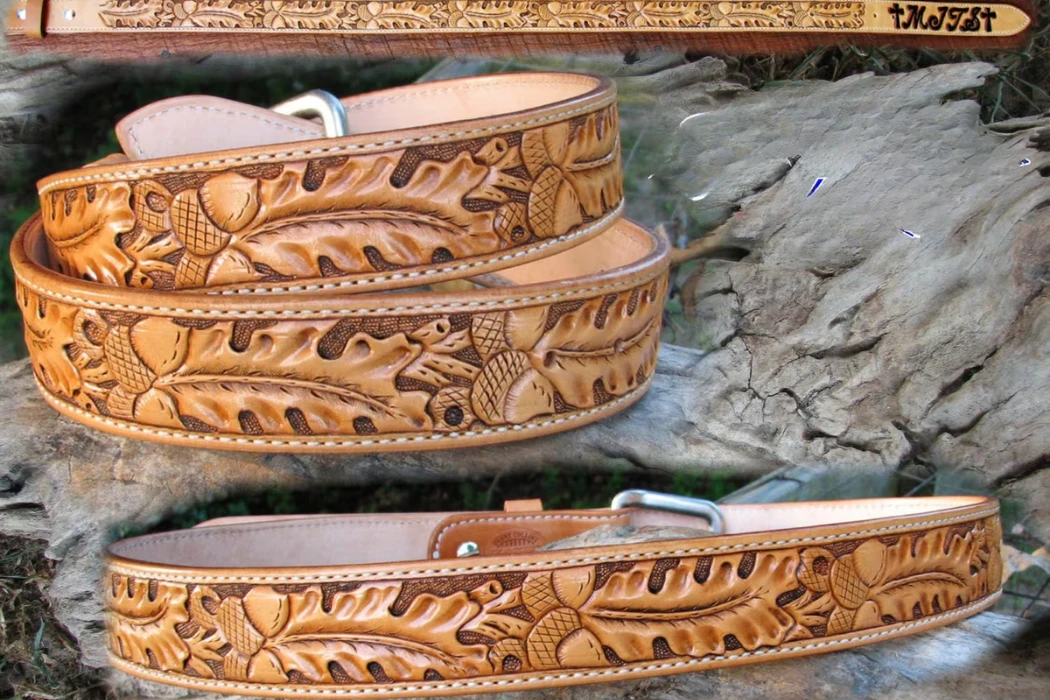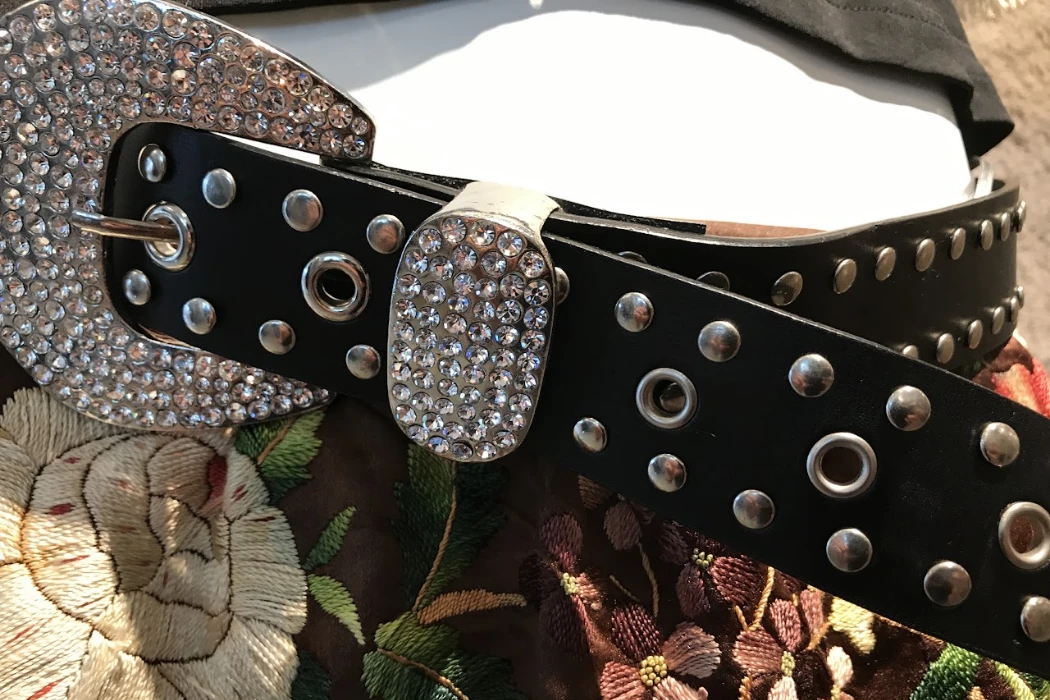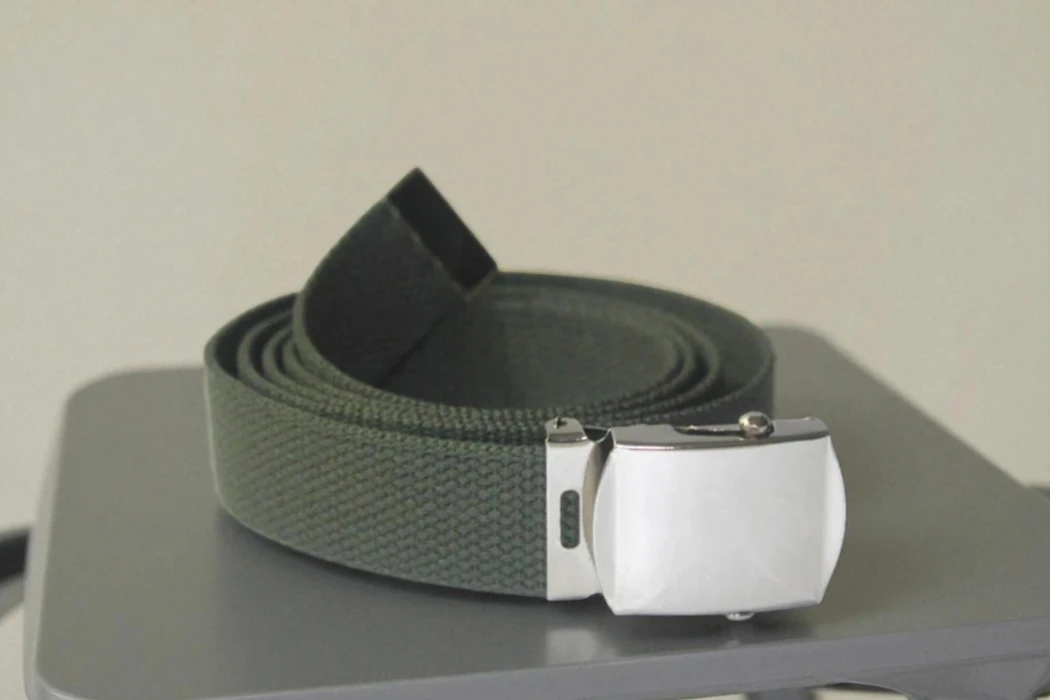
A wholesale belt catalog should let a retailer identify the style, choose sizes and colors, understand the order terms and know when goods can ship. Digital platforms such as Faire and JOOR complement physical samples and trade meetings; accurate product data matters in each channel.
What exactly do wholesale buyers look for before placing a large order? They need clear standardized sizing, exact technical material specifications, and highly reliable production lead times. Buyers cannot feel the leather quality through a computer screen. So, you must provide complete technical transparency to build immediate trust and reduce their purchasing risk.
Prepare the collection through five workstreams: sizing, material descriptions, finish presentation, quality evidence and supply terms. Keep the brand’s retailer-facing minimum order separate from the factory’s production MOQ. JOOR describes its line sheets as a brand-to-retailer finished-goods workflow, rather than a listing service for manufacturing capacity.
What Belt Sizes and Demographics Should You Include?
Build the size range around the intended customer and wearing position. A focused men’s, women’s or youth collection does not need to cover every demographic. For each SKU, state the measurement origin, fastening position, usable adjustment range and total strap length separately. Letter sizes are brand-specific.
Men’s Size Standardization
Choose a size curve using customer fit information and retailer feedback. Define whether the nominal size measures from the buckle prong or another agreed anchor to the center hole. Show inches and centimeters consistently; do not describe total strap length as waist size or assume a universal S/M/L conversion.
Women’s Size Ranges
State whether a style is designed for the waist, high waist or hips. Provide the actual fastening range for every size and show how the belt is worn in the product photographs. A single letter-size table should not be reused across styles with different wearing positions without fit validation.
Kids and Youth Options
For a youth line, define the intended age group and validate dimensions and buckle operation for that design. Age alone does not predict an individual child’s waist measurement. Review product safety and labeling obligations for the destination before adding children’s products.
| Catalog Field | What to Publish | What to Verify |
|---|---|---|
| Nominal size | Brand size label and defined measurement | Measurement anchor on the approved sample |
| Adjustment range | First-to-last usable fastening positions | Hole spacing and buckle operation |
| Style fit | Waist, hip or other intended position | Fit sample and clear wearing image |
| Units | Consistent inches and centimeters | Conversion and rounding policy |
How Do You Choose the Right Belt Materials for Wholesale Buyers?
Describe the material accurately and connect it to the target appearance, cost and required performance. Do not infer durability or environmental benefit from a category name. The catalog, sample label and factory bill of materials should describe the same construction.
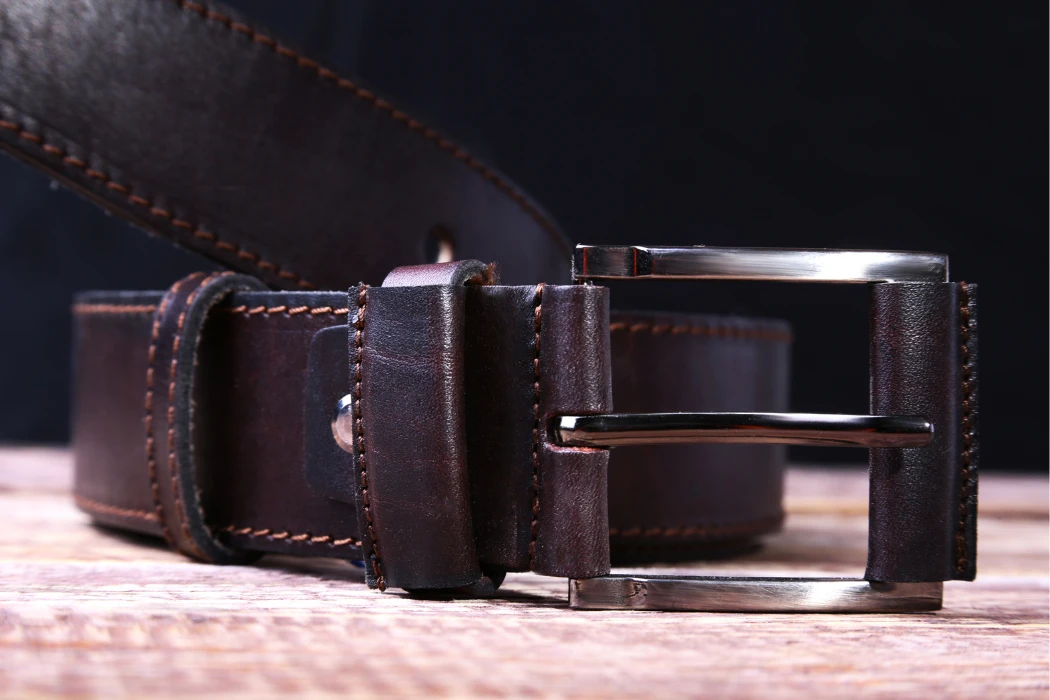
Premium Full-Grain and Top-Grain Leather
- Full-grain: Retains the natural grain surface; thickness, finish and hide selection remain separate specifications.
- Corrected grain: Has a modified surface. Describe the finish and construction rather than assigning a fixed price or performance tier.
- Split leather: Comes from below the grain surface and may be suede or coated. “Genuine leather” alone does not identify split leather.
- Suede and tannage: Identify the actual suede substrate and tannage where relevant. Vegetable tanning uses plant-derived tanning agents but is not chemical-free or automatically more sustainable.
Cost-Effective PU and Vegan Alternatives
PU materials, bonded leather and corrected-grain leather are different categories. PU commonly uses a polymer surface over a backing; bonded material contains leather fibers and binders; corrected grain remains hide-derived leather. Obtain the composition for the specific material, including backing, lining and adhesives. A “vegan” claim needs evidence that the relevant product components are animal-free, while recycled content and environmental claims require their own support.
Hardware Selection for Physical Durability
Specify buckle base metal, finish, dimensions and attachment. Brass, zinc alloy and stainless steel can each be used in suitable constructions; alloy, geometry and finish matter more than a blanket ranking. Check the assembled belt for smooth fastening, edge condition and the agreed strength and corrosion requirements. Reinforce holes only where the selected construction and sample evaluation justify it.
Which Surface Finishes Attract Retail Buyers?
Select finishes that fit the retailer’s customer and price architecture. Show the actual finish clearly in photographs and physical swatches. A useful catalog explains how the surface looks and behaves rather than promising that a particular texture will secure reorders.
Classic Smooth and Pebbled Textures
Smooth, pebbled and cross-hatch surfaces can be produced through different finishing routes. Request a description of the selected material and surface treatment rather than assuming every pebble grain is embossed or every smooth leather is heat-polished. For aniline-style finishes, disclose visible natural variation. Any water, stain or abrasion claim needs evidence for the actual finish.
Vintage Oil Tanned and Crazy Horse Effects
Waxed or oiled pull-up effects can change appearance when bent or rubbed. Photograph that behavior and approve a physical reference for shade variation, surface marking and hand feel. Tumbled or intentionally distressed finishes also need clear appearance boundaries. Trade names such as “crazy horse” do not alone establish tannage, substrate or water resistance.
Specialty Finishes like Braided or Metallic
Braids change strap flexibility and fit; metallic films and coatings add an adhesion and flexing consideration. Approve the actual construction and size rather than a universal width. Crocodile- or snake-effect embossing should be clearly described as an imitation texture on the stated substrate. Hoplok does not offer genuine crocodile, python or other exotic skins.
How Do Quality Control Standards Impact Your Wholesale Success?
Provide a documented inspection and test plan tied to the approved sample. Distinguish dimensional checks, appearance criteria and laboratory performance tests. A passed sample does not establish that every later unit is identical or that a product will last a fixed number of years.
Raw Material and Hardware Inspection
Record the leather or PU specification, thickness tolerance, color reference and hardware details. Inspect incoming batches according to the agreed plan and keep their identifiers linked to production. Rub fastness, finish adhesion and other properties require the appropriate test evidence; a visual check alone does not establish them.
Dimension Accuracy and Seam Strength
Define separate tolerances for length, width, thickness and hole position rather than one tolerance for every dimension. Measure finished belts from the agreed anchor. Specify the buckle attachment and seam test method, load and failure criteria with the buyer; no universal 5kg pull requirement applies to every fashion belt.
Testing for Rub Fastness and Durability
Agree the rub, flexing and strength methods, specimen conditioning, number of cycles or applied load, and acceptance criteria before sampling. Use the same conditions when comparing materials. A laboratory cycle count cannot simply be translated into years of consumer wear.
| Check | Specification to Agree | Evidence |
|---|---|---|
| Dimensions | Measurement points and individual tolerances | Inspection record against approved sample |
| Attachment strength | Method, load and failure definition | Test of representative finished construction |
| Rub fastness | Wet/dry conditions, cycles and grading | Report for the selected finish |
| Flexing | Conditioning, cycles and permitted damage | Results and photographs of tested samples |
What Production and Supply Chain Details Do Buyers Need?
Publish the wholesale ordering terms a retailer actually uses: opening and reorder minimums, case packs, size/color variants, available stock or preorder window, and shipment timing. Maintain the separate factory production plan behind those commitments. Platform account features and current listing rules should be checked before launch.
Setting Realistic Minimum Order Quantities (MOQs)
For Hoplok production, MOQ is 300 genuine leather belts or 1,000 PU belts; confirm style and color allocation in the quotation. These are manufacturing minimums, not the minimum a retailer must buy from your brand. Set the retailer-facing minimum and case pack around your stock, fulfillment cost and commercial plan, and display them clearly.
Defining Lead Times for Samples and Bulk
Hoplok belt sampling is planned at 2–3 weeks and bulk production at 60–90 days, subject to the agreed brief, approvals and material readiness. Add time for review, transport and receiving to build the retail delivery window. Advertise in-stock and made-to-order availability separately, and update the listing when the confirmed schedule changes.
Showcasing Compliance and Certifications
Map the required documents to the market, age group, materials and retailer. An LWG site audit is not a finished-belt chemical certificate, and social audit reports are different from product testing. Verify each certificate’s entity, site, scope and validity before sharing it. The LWG certification guidance makes clear that final-product restricted-substance failures are still possible.
Share the documents requested by the buyer through an appropriate channel and confirm the platform’s current upload options. There is no universal rule that every Faire or JOOR belt listing must display an ISO certificate.
| Milestone | Planning Basis | Brand Action |
|---|---|---|
| Belt sample | Hoplok: 2–3 weeks | Approve specification and sample |
| Materials and tooling | Order-specific schedule | Confirm availability and commercial terms |
| Bulk production | Hoplok: 60–90 days | Confirm order and inspection plan |
| Transport and retail release | Route and fulfillment plan | Publish an achievable shipment window |
Frequently Asked Questions About Wholesale Belts
Keep the retailer’s ordering workflow separate from factory sourcing when preparing the final catalog.
What is a line sheet for belt collections?
A line sheet presents styles, images, materials, size/color variants, prices, ordering minimums and availability. Use consistent SKU identifiers so the retailer can build an order without guessing which option the price covers.
How do you price leather belts for wholesale?
Calculate delivered product and fulfillment costs, then include the brand’s required contribution and the retailer’s intended margin. Account for discounts, platform charges and returns under the actual commercial terms. Multiplying factory cost by a fixed factor does not guarantee profitability.
Do B2B platforms require product barcodes?
Check the current platform fields and the retailer’s vendor requirements. A SKU identifies your product internally; a UPC/EAN is a separate standardized identifier where required. Confirm which codes are needed for each style, color and size before printing labels.
What certifications do international belt buyers look for?
Requirements vary by retailer and product. Ask for the applicable chemical test scope, site audits and sourcing evidence. Confirm the document holder and scope; a factory management certificate cannot replace a product-specific legal assessment.
How many belt styles should you launch with?
Choose a range you can fund, photograph, sample and replenish accurately. Each extra color and size multiplies SKUs. Start with the retailer’s customer and assortment gap, then verify that every published option has a credible supply plan.
Can you sell custom embossed belts on Faire?
Check the current platform product and customization rules for the intended offer. State what can be customized, how artwork is approved, the order minimum and delivery implications. A logo file alone does not establish that an order is ready for production.
Are vegan leather belts popular on wholesale platforms?
Validate demand for the target retailer rather than assuming a platform-wide sales trend. Describe the actual composition and substantiate any vegan, recycled or environmental claim.
To develop the underlying custom belt collection with Hoplok, provide the approved size chart, materials, finishes, quantities and tests. The brand remains responsible for its platform listing, retailer ordering terms and inventory commitments.