Global fashion brands face a massive problem today. Supply chain delays and unpredictable consumer trends often leave retail shelves empty or warehouses overflowing with unsold products. Traditional manufacturing forces buyers to guess what customers will buy months in advance. When these guesses fail, brands lose money on discounted leather bags and belts.
A Vendor Managed Inventory (VMI) model solves this exact problem by shifting inventory control from the retail buyer directly to the leather manufacturer. In this setup, the factory monitors the brand’s store sales data in real time. The factory then automatically produces and ships the exact quantities of leather accessories right when the brand needs them. This keeps store inventory levels perfectly balanced.
This system works incredibly well for custom leather goods, but it requires strong technical integration. To make this rapid response possible, factories must constantly prepare raw materials, such as processing 20,000 to 50,000 square feet of leather crusts daily. Let us explore the precise mechanics behind this manufacturing model and how it transforms modern retail supply chains.
What Is a Vendor Managed Inventory Model in Leather Manufacturing?
A Vendor Managed Inventory (VMI) model is a supply chain strategy where the leather manufacturer controls a brand’s inventory. Rather than placing blind bulk orders based on seasonal guesses, the retail brand lets the factory monitor actual store sales. The factory then produces and ships new leather belts and bags exactly when the stores need them. This strategy stops warehouses from overflowing and prevents popular items from selling out.
The Basic Mechanics of VMI
The system operates through a seamless and constant flow of data between the retail store and the factory floor.
- Retailers share their daily sales numbers directly with the manufacturing facility through secure software.
- Production teams analyze this information to see exactly which leather bags or wallets sell the fastest.
- The factory then automatically starts cutting and sewing new items to replace only the products that just sold.
This constant data exchange means the factory builds only the exact items that customers actually want to buy today.
| Supply Chain Feature | Traditional Inventory Sourcing | Vendor Managed Inventory (VMI) |
|---|---|---|
| Order Trigger | Brand guesses demand months in advance | Factory reacts to real-time daily sales data |
| Lead Time | Long planning and production cycles | Rapid and continuous replenishment |
| Warehouse Costs | High costs from storing excess unsold goods | Low costs because goods ship only when needed |
| Stockout Risk | High risk during sudden shifts in fashion trends | Very low risk due to constant factory monitoring |
Shifting Control from Buyer to Manufacturer
To make this strategy succeed, the retail buyer must trust the factory to manage the daily production schedules.
- Brand buyers stop writing massive and risky purchase orders six months before a season begins.
- The factory takes charge of buying raw hides from tanneries so materials always sit ready on the shelves.
- Factory managers look at the agreed stock limits and decide exactly when to assemble the final products.
The brand can then focus all its energy on marketing and designing because the manufacturer handles the complex supply chain math.
Key Metrics for Leather Goods VMI
Factories track very specific numbers to keep the leather production lines moving quickly and smoothly.
- Production planners watch daily sell-through rates to spot sudden customer interest in specific leather textures or colors.
- Facilities prepare huge volumes of raw materials, ensuring they can easily handle capacities like 600,000 to 800,000 units per month when demand spikes.
- Shipping teams carefully measure ocean and air transit times so new boxes arrive right before the store shelves look empty.
Tracking these exact numbers stops unexpected delays and keeps the entire leather manufacturing process highly efficient and reliable.
How Does VMI Reduce Lead Times for Leather Belts and Bags?
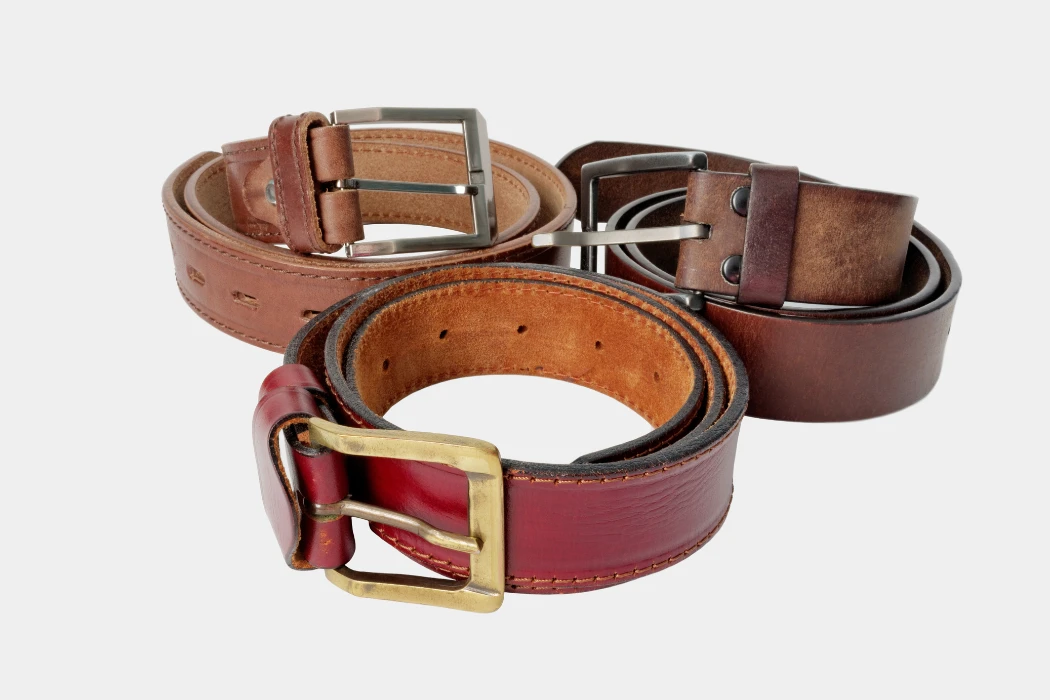
A Vendor Managed Inventory (VMI) system dramatically cuts delivery times by eliminating administrative delays and material sourcing waits. Rather than waiting for a retail buyer to issue a formal purchase order, the factory uses real-time sales data to trigger immediate production. Because the facility already holds the necessary leather hides and metal hardware in stock, workers can begin cutting and sewing immediately. This proactive approach shrinks the waiting period from several months to just a few weeks.
Predicting Seasonal Material Needs
Accurate forecasting allows facilities to prepare for massive demand spikes long before they happen.
- Software analyzes historical sales data to project exactly how many black or brown belts consumers will buy during upcoming holiday seasons.
- Production teams use these forecasts to secure raw hides from global tanneries months in advance.
- Early preparation allows manufacturing facilities to easily manage sudden bulk orders, maintaining steady production speeds of 15 to 20 days.
By accurately predicting future needs, factories completely prevent the long delays usually caused by unexpected material shortages.
Pre-positioning Raw Materials (Crusts and Hardware)
Having physical materials ready on the factory floor serves as the biggest secret to fast manufacturing.
- Facilities operate specialized in-house finishing units to process raw crusts directly from countries like Italy, Argentina, or Brazil.
- Workers apply custom finishes—like vintage oil or crazy horse effects—at a rapid pace of 20,000 to 50,000 square feet per day.
- Warehouses store thousands of standard metal roller buckles, YKK metal zippers, and magnetic clasps directly next to the sewing lines.
Keeping fully treated leather and hardware in the exact same building eliminates weeks of shipping time from third-party component suppliers.
Standardizing Core Product Lines
Factories heavily speed up the sewing process by focusing on consistent and proven product structures.
- Engineers create permanent paper patterns and cutting molds for top-selling items like classic crossbody bags or reversible dress belts.
- Workers memorize the exact assembly steps, straight stitches, and rivet reinforcements needed for these popular core designs.
- When brands request minor design changes, specialized sample rooms execute the new prototypes in a lightning-fast 2 to 7 days.
Standardizing the core bag and belt construction means workers never waste time trying to figure out how to build the product.
| Production Stage | Standard Sourcing Lead Time | VMI Model Lead Time |
|---|---|---|
| Order Processing & Approval | 14 to 30 days | Automated (0 days) |
| Material Sourcing & Tanning | 30 to 45 days | Pre-stocked in-house (0 days) |
| Cutting, Sewing & Assembly | 20 to 30 days | 15 to 20 days |
| Total Average Lead Time | 64 to 105 days | 15 to 20 days |
Which Inventory Tracking Methods Work Best for Leather Goods?
To manage a Vendor Managed Inventory (VMI) system successfully, manufacturers rely on automated digital tracking rather than manual counting. The best methods include Electronic Data Interchange (EDI), real-time Point of Sale (POS) connections, and advanced barcode scanning. These technologies allow the leather factory to instantly see exactly what sells in a retail store. This instant visibility prevents data errors and ensures the factory always ships the correct leather bags or belts.
EDI (Electronic Data Interchange) Integration
EDI serves as the digital backbone that connects a fashion brand’s computer directly to the manufacturer’s system.
- This technology translates purchase orders, shipping notices, and invoices into a standard language that both computer networks understand.
- It automatically alerts the factory when a warehouse dips below its minimum required stock level for fast-moving items like classic trifold wallets.
- Using EDI removes human data entry, which traditionally causes up to 80% of shipping and ordering mistakes.
Because EDI eliminates manual emails and spreadsheets, the leather factory can process replenishment requests instantly and flawlessly.
Real-Time POS Data Sharing
Point of Sale (POS) data sharing gives the factory a live view of what happens at the retail cash register.
- When a customer buys a braided leather belt in a store, the cash register sends that exact barcode scan directly to the factory.
- Production managers watch these live sales trends to see exactly which colors or sizes sell out the fastest.
- If a specific vintage brown crossbody bag suddenly becomes popular, the factory can adjust the cutting molds that exact same day.
This live connection stops factories from guessing what to make, so they only consume valuable leather crusts for items that actually sell.
Barcode and SKU Management at the Tannery Level
Inventory tracking must start long before the leather becomes a finished bag or belt.
- Facilities assign unique barcodes to incoming raw hides from countries like Italy and Argentina so they can track every single batch.
- Workers scan these tags as the leather moves through specialized in-house finishing machines that apply crazy horse or metallic foil effects.
- This strict SKU management helps quality control teams quickly identify the exact origin of the leather if a defect appears later.
Tracking materials from the raw crust to the final packaged belt guarantees absolute quality control and prevents material shortages during massive production runs.
Can Dual-Country Manufacturing Improve VMI Efficiency?
A dual-country manufacturing footprint drastically improves the reliability of a Vendor Managed Inventory (VMI) system. By operating factories in two different nations, manufacturers can balance complex design work with massive production volumes. This setup protects the supply chain from local disruptions and unexpected international tariffs. When one region faces shipping delays, the other facility can instantly step in to keep the retail shelves perfectly stocked.
Balancing High-Volume Production with Development
Splitting operations across two countries allows facilities to handle both delicate designs and massive orders perfectly.
- Engineers use advanced facilities in countries like China to handle complex product development, 3D imagery, and fast sampling.
- Mass production lines in countries like Cambodia take over the bulk manufacturing of simple items like basic PU leather belts.
- This dual system efficiently supports massive workforces of up to 4,500 skilled workers spread across 30,000 to 50,000 square meters of manufacturing space.
Assigning specific tasks to different countries ensures that complex custom leather bags and simple volume belts both finish on time.
Tariff Mitigation and Regional Shipping
Operating across borders gives brands a powerful shield against sudden international trade taxes.
- Factories can legally shift production between facilities to avoid sudden tariff hikes on imported leather goods.
- Logistics teams calculate the cheapest and fastest shipping routes from multiple ports to global destinations like the USA and Europe.
- This flexibility guarantees that retail brands maintain their profit margins even when international trade laws change overnight.
A multi-country strategy ensures that supply chain costs remain completely stable and predictable for global fashion brands.
Material Staging Across Borders
VMI models thrive when manufacturers position raw materials strategically across different international borders.
- Managers store complex metal hardware and delicate lining fabrics in their primary development hubs.
- Facilities ship thousands of raw crusts to specialized in-house tanneries located in high-volume production countries.
- These in-house tanneries then process massive batches of leather, pushing out up to 50,000 square feet daily to feed the nearby sewing lines.
Staging materials exactly where they are needed prevents cross-border shipping delays and keeps the sewing machines running continuously.
| Supply Chain Risk Factor | Single-Country Setup | Dual-Country VMI Setup |
|---|---|---|
| Tariff Increases | High financial impact on brand profits | Production shifts to avoid penalty taxes |
| Local Port Strikes | Halts all global shipping completely | Reroutes shipments through second country |
| Volume Scaling | Limited by local workforce size | Balances capacity across multiple factories |
| Product Development | Slows down bulk production lines | Separates R&D from high-volume assembly |
Why Do Large Fashion Retailers Rely on VMI for Leather Accessories?
Large fashion retailers use Vendor Managed Inventory (VMI) because it prevents lost sales and eliminates severe storage waste. Instead of managing massive and expensive warehouses, brands let the leather factory balance the stock based on live cash register data. This smart system keeps popular leather bags on the shelves and stops unpopular belts from piling up in backrooms. Ultimately, VMI protects a retail brand’s profit margins.
Eliminating Out-of-Stock Scenarios
Running out of a best-selling item destroys retail profits and pushes customers toward competitors.
- VMI systems trigger rapid 15 to 20 day production cycles just before store shelves empty out completely.
- Factories automatically prioritize the manufacturing of fast-moving items like genuine leather crossbody bags.
- Production managers adjust their daily sewing schedules to ensure a steady, uninterrupted supply line.
Keeping popular leather items constantly available ensures the retail store never misses a single potential sale.
Lowering Warehouse Holding Costs
Storing excess inventory costs global retailers millions of dollars in wasted space every single year.
- Brands stop renting massive warehouse spaces because they no longer need to hold dead, unsold stock.
- The manufacturing facility holds raw materials like crusts and hardware instead of finished, packaged goods.
- Shipping departments send small, frequent batches directly to regional distribution centers right when needed.
Because the manufacturer holds the physical inventory risk, the retail brand dramatically increases its overall cash flow.
Scaling Production for Seasonal Peaks
Holiday shopping seasons require massive and sudden manufacturing power to meet global consumer demand.
- Advanced facilities easily ramp up their daily output to handle massive capacities of 600,000 to 800,000 units per month.
- Pre-stocked metal hardware and treated crusts completely prevent sudden component shortages during November and December rushes.
- Production managers securely allocate hundreds of skilled workers strictly to the highest-demand holiday items.
Relying on a massive, prepared facility means retail brands survive the chaotic holiday rush without any supply chain panic.
Frequently Asked Questions (People Also Ask)
What is the main disadvantage of a VMI system?
VMI requires total data transparency between businesses. Brands must share their live sales data with the factory. This process requires strict cybersecurity systems and immense trust between the buyer and the manufacturer.
Do manufacturers charge extra for VMI services?
Typically, the unit cost of the leather goods remains the same. However, the factory usually requires a long-term contract to justify holding massive amounts of raw leather on their own financial balance sheet.
How much inventory does a VMI supplier hold?
Factories hold mostly raw materials rather than finished goods. A strong facility will keep enough raw stock to process 20,000 to 50,000 square feet of leather daily for immediate cutting and sewing.
What types of leather products fit best in a VMI model?
Core, evergreen products work best for this system. Classic black leather belts, minimalist wallets, and standard tote bags feature predictable sales patterns. This predictable demand makes them perfect for automated factory replenishment.
How do VMI models handle sudden trend changes?
Fast sample rooms can execute new design prototypes in just 2 to 7 days. If a new texture suddenly becomes popular, the in-house tannery quickly adjusts the finish, and bulk production shifts immediately.
Can small brands use Vendor Managed Inventory?
Most VMI programs require high minimum sales volumes to operate efficiently. Small brands with unpredictable sales usually struggle to meet the strict data requirements and steady order flow needed for automated manufacturing.
Conclusion
Transitioning to a Vendor Managed Inventory system completely transforms how fashion brands operate today. It eliminates warehouse waste, prevents costly stockouts, and drastically slashes product delivery times. However, executing this automated strategy requires a manufacturing partner with massive production capacity, secure data integration, and total supply chain control. For global brands seeking these exact technical standards, Hoplok Leather provides the ultimate turnkey solution. By combining powerful dual-country manufacturing in China and Cambodia with highly specialized in-house leather tanning, Hoplok delivers flawless VMI programs that scale perfectly with your retail growth.