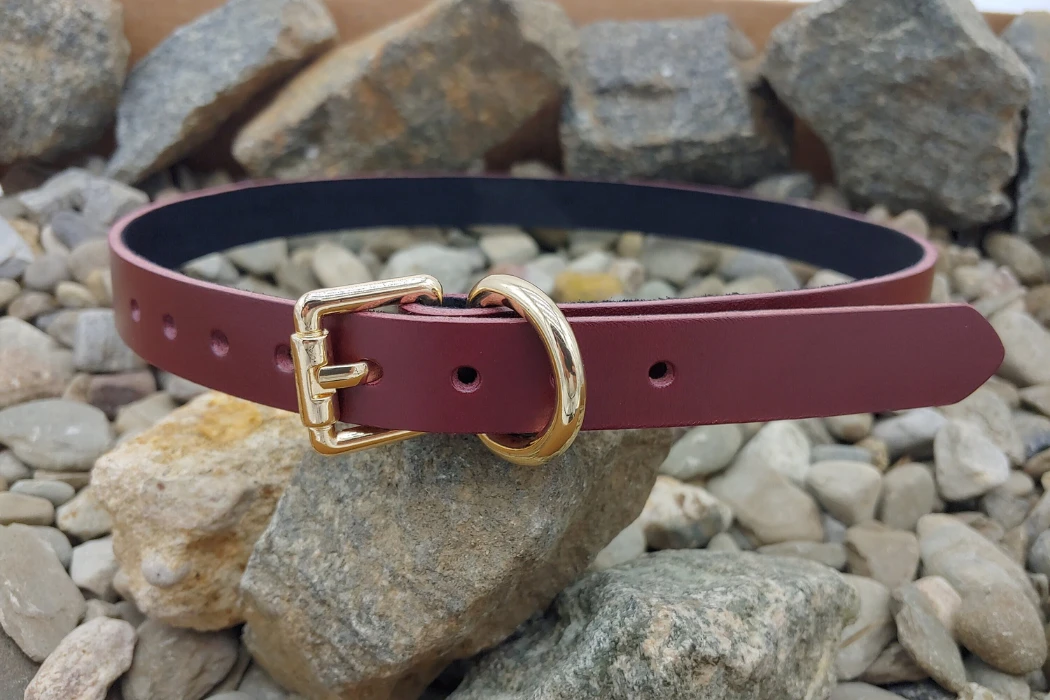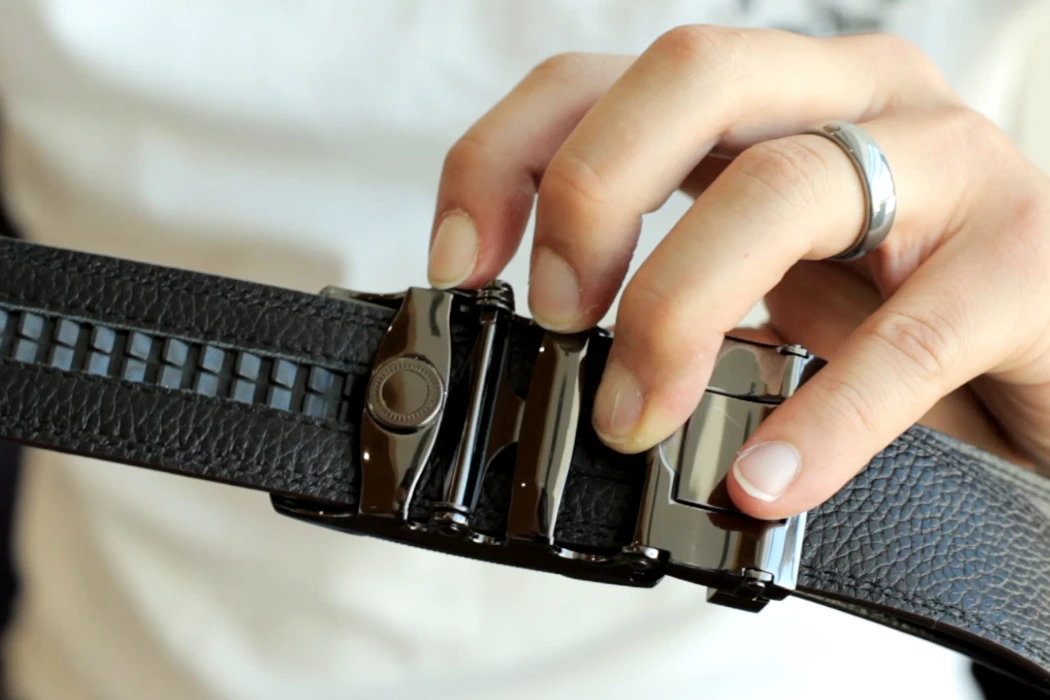
When a brand designs a custom leather belt, the factory needs specific metal tools and molds to make it real. These molds stamp the leather, cast the buckles, and cut the precise shapes. But a common problem arises during production. Brands often wonder who actually owns these expensive tools after the bill is paid.
In OEM manufacturing, distinguish physical tool ownership, the right to use the tool, and intellectual property in the design. Payment alone does not reliably establish all three. Put the agreed ownership, permitted use, storage and return terms in writing before authorizing development.
Unclear tooling terms can complicate a supplier change or a dispute over design use. The sections below identify the tool types, quotation fields and lifecycle records that help a brand manage its custom belt program.
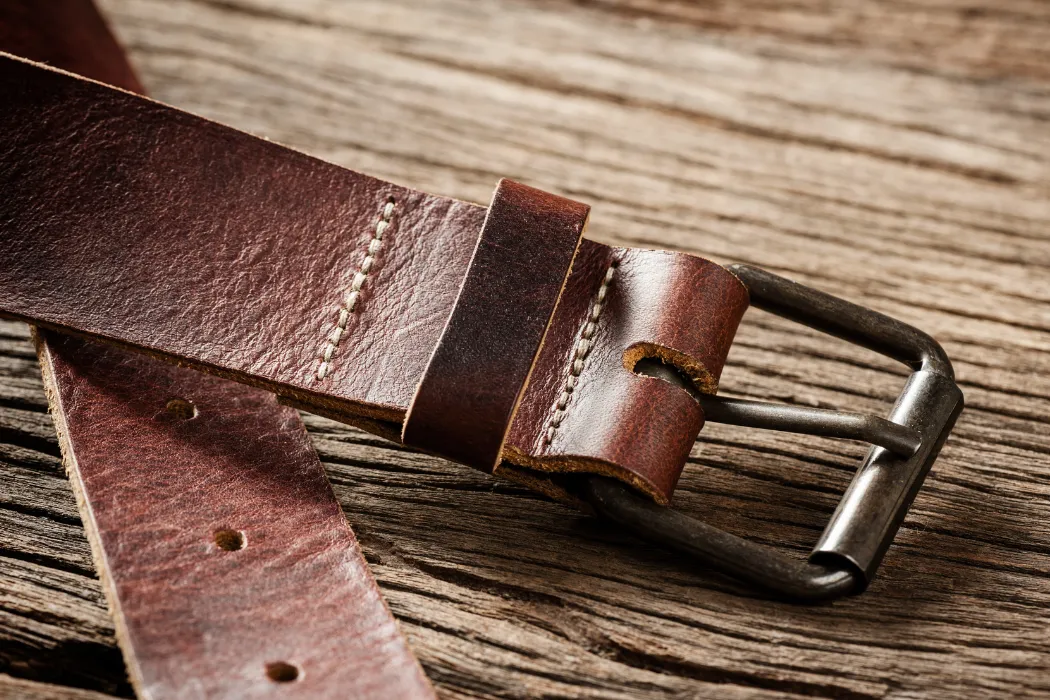
What Are the Different Types of Molds Used in Belt Manufacturing?
A custom belt may need buckle-production tooling, logo or texture plates, and cutting dies. Not every hardware design uses the same manufacturing route. Ask the hardware supplier to identify the process and tool set before comparing development fees.
Buckle Casting Molds
Some buckle designs use casting or die-casting tooling; others may involve forming, machining or multiple operations. Tool material is separate from the metal used for the finished buckle. Request the process, number of tools or cavities, trial-sample scope, development timing and separate cost rather than assuming that a “brass buckle” means a brass mold.
Leather Embossing Plates
Logo and texture plates press a design into leather. Confirm the plate material, artwork size and intended leather finish. Heat, pressure and dwell time need sample trials; one temperature range does not suit every leather or guarantee a permanent impression. Request a separate plate quotation.
Cutting Dies
Cutting dies can define a strap tip, slot or other repeated shape. Their suitability depends on the leather stack, press and cutting design. Record the approved shape and revision, and ask how sharpening or replacement will be handled. Neither a fixed price per die nor a universal number of cuts should be assumed.
Who Actually Owns the Custom Tooling in an OEM Agreement?
Ownership and use rights should be expressly agreed with the contracting entities, including any separate toolmaker or hardware subcontractor. The invoice should identify what is being paid for; the agreement should state when title transfers and whether any outstanding charges affect release.
The “Paid by Buyer” Standard
Where the buyer is intended to own the tool, record that arrangement directly. Identify the tool, owner, custodian and location; state permitted use, restrictions on duplication or third-party production, and the conditions for return. Confirm payment milestones in the quotation. Full payment is not a substitute for these terms.
If development costs are shared or recovered through unit prices, define the consequences. The agreement should specify ownership, exclusivity, any volume commitment, the amortization method and the payment needed to transfer or release tooling. Shared funding does not automatically mean joint ownership or a standard exclusivity period.
Factory-Owned Open Molds
An existing open tool may reduce development work, but confirm its owner, permitted use, availability and any charge. A standard buckle may be available to other buyers unless exclusivity is separately agreed. Existing tooling can still require sample approval or modification before the order.
| Funding Arrangement | Ownership Question | Commercial Term to Record |
|---|---|---|
| Buyer-funded | When does title transfer and who holds the tool? | Payment, use restrictions and retrieval conditions |
| Shared or amortized | Who owns each tool during and after cost recovery? | Volume commitment, reconciliation and buyout terms |
| Existing open tool | What use is permitted and is exclusivity available? | Access, availability and any modification charge |
How Can Brands Protect Their Custom Mold Designs?
Tool custody and design rights need separate treatment. Limit access to development files, identify authorized subcontractors and use written restrictions appropriate to the project. Confirm the legal framework with counsel familiar with the relevant manufacturing and sales jurisdictions.
Signing Non-Disclosure, Non-Use Agreements (NNN)
An agreement may cover confidentiality, authorized use and restrictions on circumvention, but its title alone does not establish enforceability or complete protection. Define the protected information, permitted recipients, use, duration and remedies. WIPO’s trade-secret guidance explains the importance of secrecy and reasonable protective measures; a signed document is only one part of those measures.
Physical Mold Retrieval Clauses
Specify the release trigger, notice, deadline, authorized recipient, condition report, packaging and freight responsibility. Address outstanding charges and access to tooling held by a subcontractor. Check whether the receiving factory can use the tooling; owning a tool does not guarantee compatibility or an uninterrupted transfer.
Adding Unique Identification Marks
Use a tool register with photographs, serial numbers, drawing revisions and custody records. Marks can help identify assets, but they do not physically prevent copying or unauthorized production. Confirm any additional machining or marking cost before approval.
What Are the Typical Costs and Lifespans of Belt Molds?
Tooling cost and service life depend on the production process, tool material, complexity, maintenance and accepted part quality. Obtain a project-specific quotation and record any warranted life and its conditions. Avoid treating unverified price ranges or cycle counts as an industry standard.
Zinc Alloy Buckle Molds
For a zinc-alloy buckle, ask the supplier to describe the selected manufacturing process, tool material and cavity configuration. The quote should state trial parts, revisions and maintenance responsibilities. Any quoted tool life needs a defined cycle or shot basis and acceptance conditions.
Brass Buckle Molds
Confirm how the brass buckle will be produced before pricing its tools. Casting, forming and machining can require different equipment and development work. Compare the complete tooling and part quotation; a brass finished part does not establish that the tooling itself is brass or that it lasts longer than a zinc-buckle tool.
Steel Embossing Plates
An embossing plate should be approved for the required detail and finish on the actual leather. Record cleaning, storage and replacement criteria based on loss of definition or damage. A universal number of presses cannot establish its usable life.
| Tooling Item | Quote Separately | Lifecycle Evidence |
|---|---|---|
| Buckle tooling | Process, cavities, trials and revisions | Maintenance log and any supplier-warranted life |
| Logo or texture plate | Material, size and artwork detail | Approved impression and condition checks |
| Cutting die | Shape, dimensions and approved revision | Sharpening, damage and dimensional checks |
How Should You Handle Mold Maintenance and Replacement?
Agree who inspects, maintains and stores each tool, including periods without production. Record the work performed and the tool’s condition before repeat orders so replacement needs are visible before the production slot.
Routine Cleaning and Storage Procedures
Follow the toolmaker’s cleaning and storage instructions for the actual tool and process. Record the storage location and protection method. Avoid assuming that ultrasonic cleaning, a particular oil or one humidity limit is suitable for every tool. Ask for condition photographs when tooling has been idle.
Defining Wear and Tear Responsibilities
Separate routine maintenance, damage caused by misuse, normal wear and buyer-requested design changes. The agreement should state who pays for each, how a repair or replacement is approved, and how it affects delivery. Free replacement after a given cycle count is a warranty term to negotiate, not an automatic industry entitlement.
End-of-Life Mold Destruction
Agree whether retired tooling will be returned, retained or destroyed, and identify who may authorize the action. If destruction is required, specify suitable evidence and disposal responsibility. Include relevant copies, inserts and controlled design files in the retirement review; destroying one physical tool does not eliminate every means of reproducing the design.
Frequently Asked Questions
These questions identify matters to resolve in the tooling agreement. The legal outcome depends on the contract and applicable law.
Can a factory refuse to return my mold?
A dispute may arise over ownership, unpaid charges, custody or release terms. It is inaccurate to assume that making the tool gives the factory a universal right to keep it. Record ownership and return conditions in advance and obtain jurisdiction-specific advice if a dispute occurs.
Do I have to pay for mold maintenance?
That depends on the agreed scope. Identify which cleaning, storage, repair and replacement work is included in the original charge and what requires a new quotation, particularly during long inactive periods.
How long does it take to make a custom buckle mold?
Ask for a tool-development schedule that includes design approval, toolmaking, trial parts and corrections. Timing depends on the process and complexity. Do not equate toolmaking alone with the lead time for an approved belt sample or bulk production.
What happens to my molds if I change suppliers?
Apply the agreed transfer procedure, including ownership evidence, condition inspection, outstanding charges, packing and freight. Confirm the receiving supplier’s compatibility and trial requirements before scheduling production.
Is it cheaper to use open molds instead of custom ones?
Existing tooling may avoid some new development costs, but compare the actual quotation and any modification fees. Check availability and use rights; an open tool is not necessarily free or exclusive.
Should I trademark my custom buckle design?
Ask an IP adviser which rights may fit the design, such as an industrial design registration, design patent or trademark where eligible. These rights have different requirements and territorial scope. WIPO notes that novelty and filing timing can matter, so assess protection before public disclosure rather than assuming one registration protects every shape everywhere.
Conclusion
For each custom belt tool, keep an approved drawing, separate quotation, ownership and custody record, permitted-use terms and a maintenance and retrieval procedure. These records support purchasing decisions and supplier transitions.
For a Hoplok custom leather belt project, discuss the proposed buckle, artwork and quantity before authorizing tool development. Confirm tooling fees, ownership, storage and any transfer obligations in the project agreement.