Sourcing leather goods in Italy starts with identifying the kind of business you need: a contract manufacturer, a leather supplier, a branded-goods wholesaler or a brand-owned workshop. These are different buying routes. A luxury label’s own atelier can be a useful construction reference without being available to manufacture another brand’s collection.
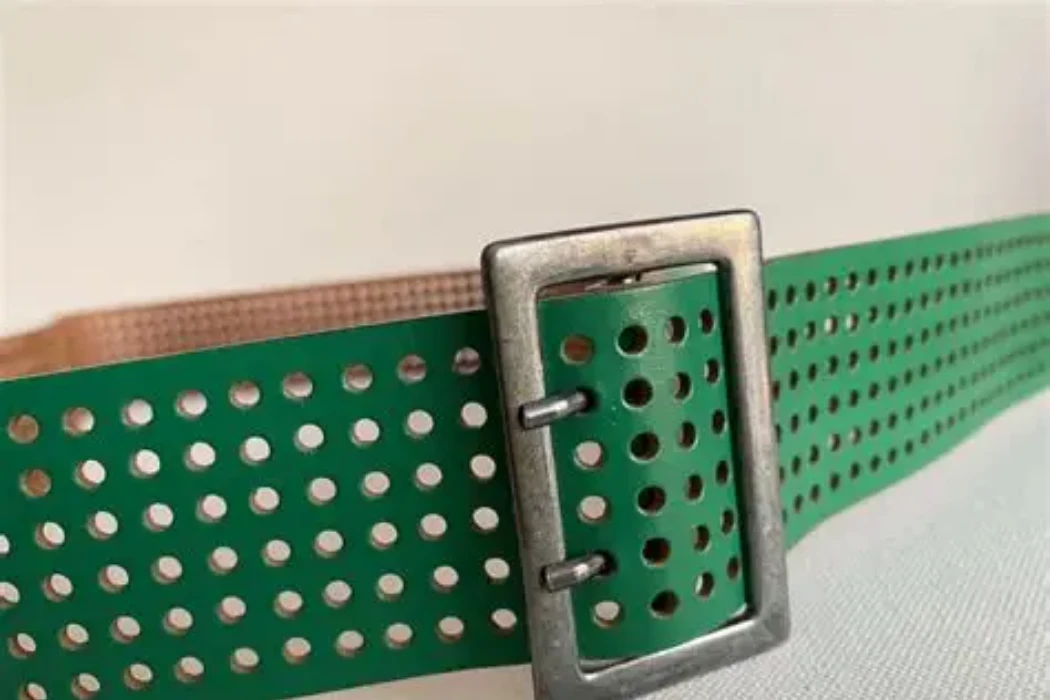
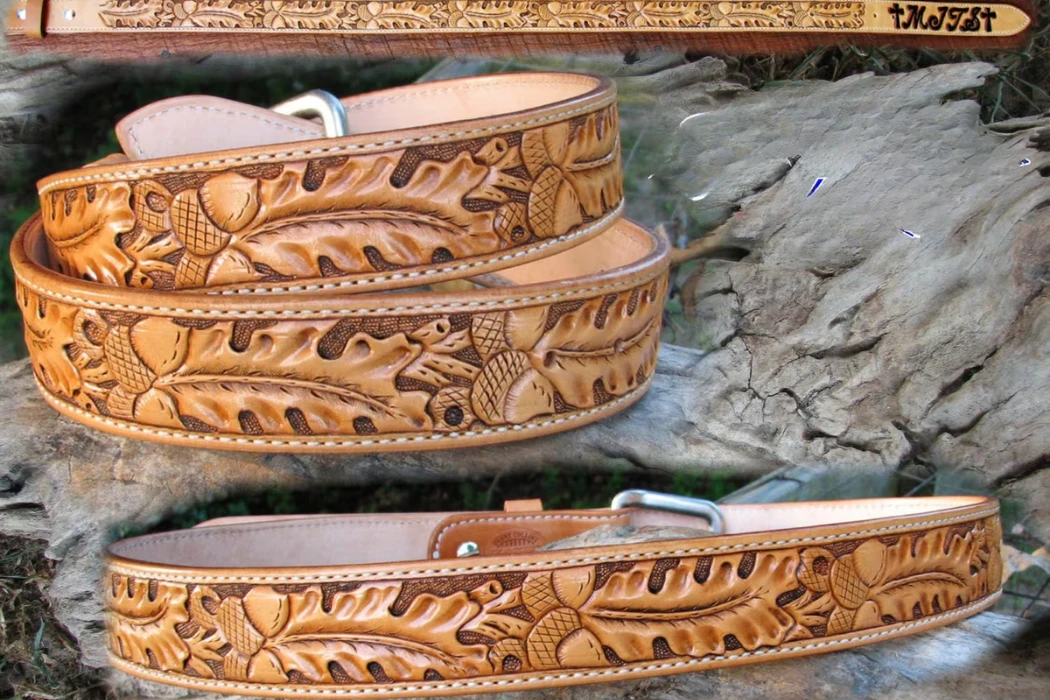
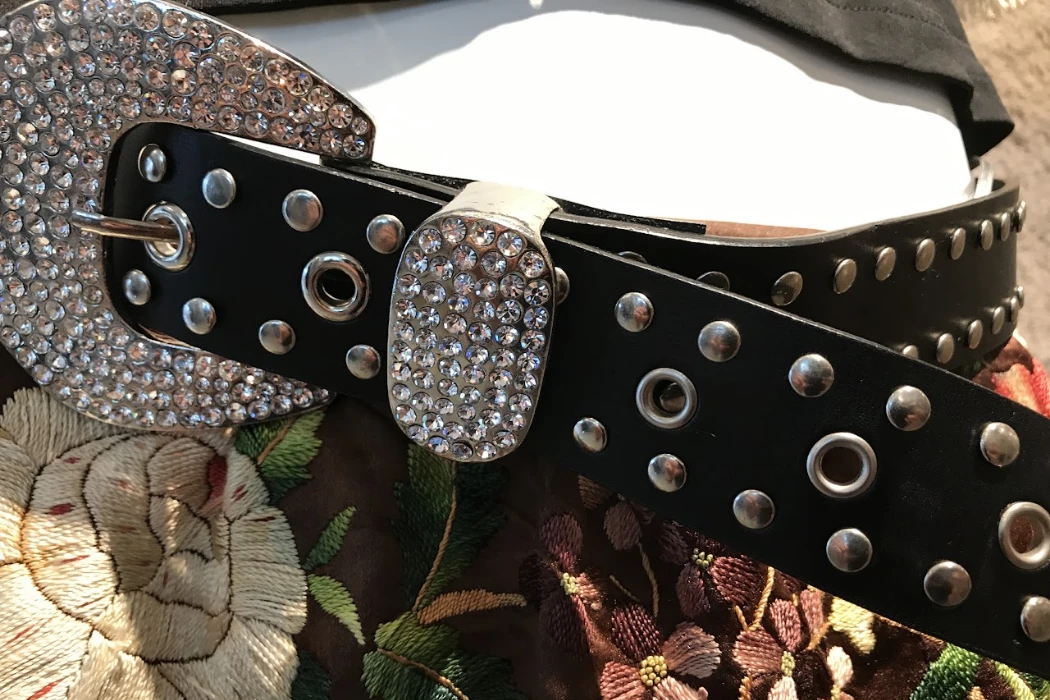
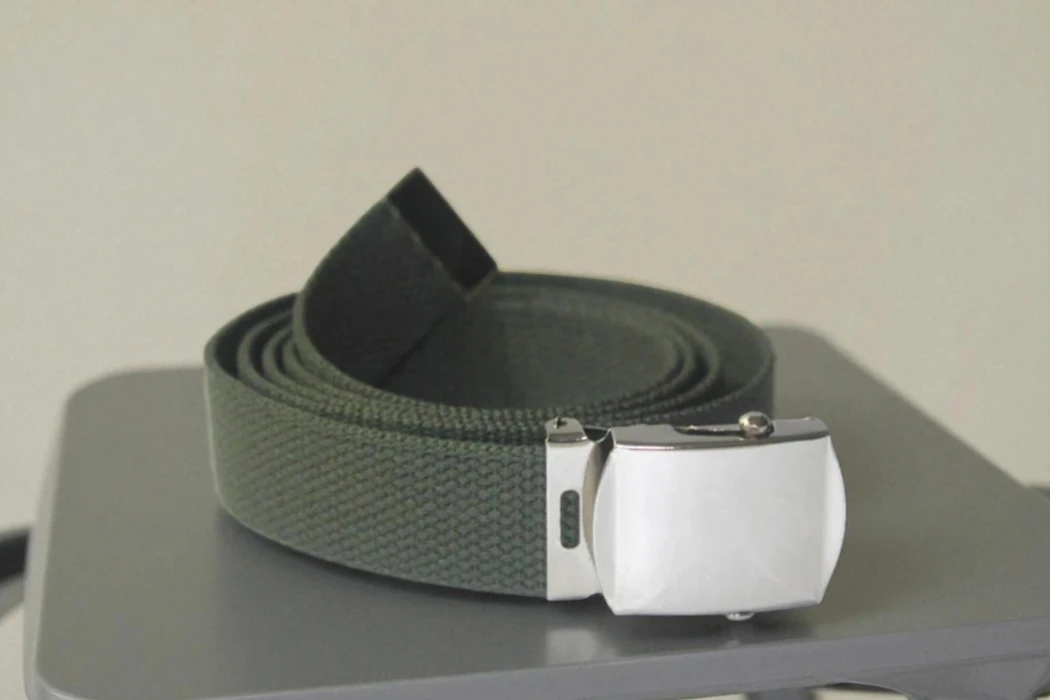
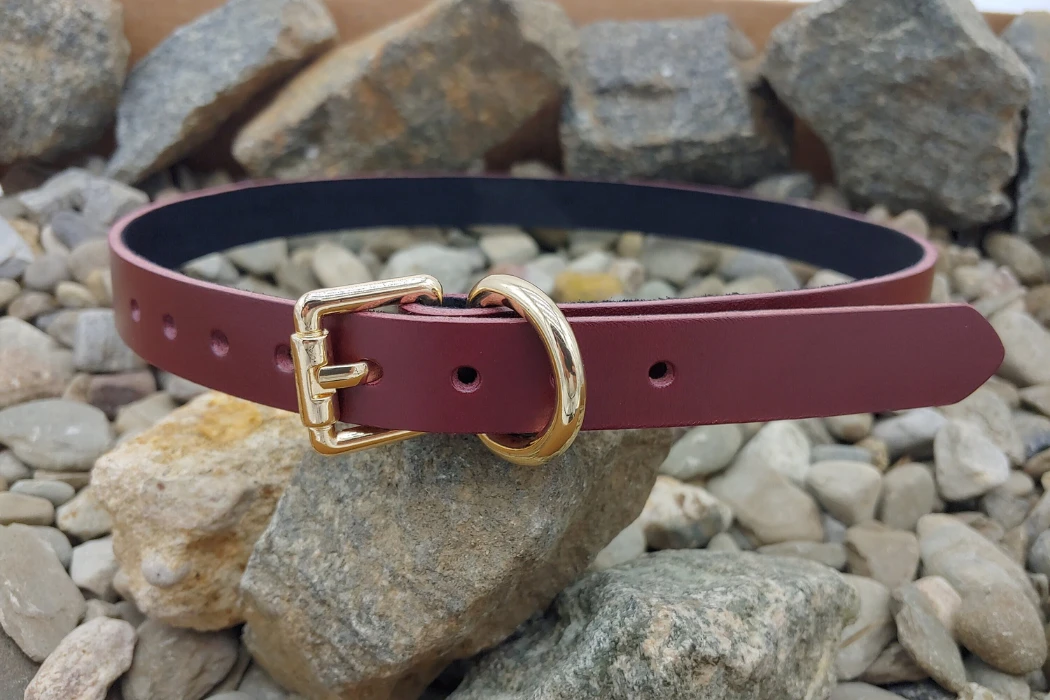
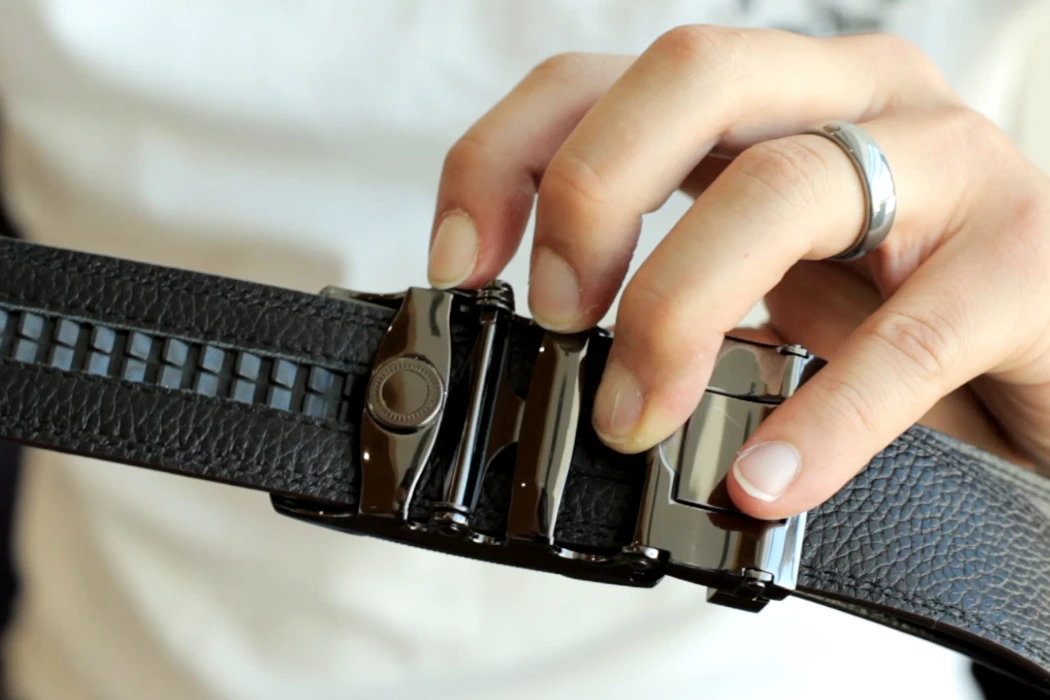
This guide examines 20 Italian leather-goods companies and ateliers, separates documented manufacturing services from brand references, and sets out the questions to resolve before a purchase order. It is a research list, not an audited ranking. The photographs illustrate product types; they do not document visits to the companies listed.
What Should You Verify About an Italian Leather Goods Manufacturer?

Start with evidence from the proposed production site and the category you intend to buy. A company’s heritage, showroom or Italian address does not establish its capacity, product origin, delivery record or ability to take private-label orders. Ask which stages it performs and which it subcontracts.
Craftsmanship and production controls
Inspect a relevant sample for edge consistency, seams, lining fit, strap attachments and hardware operation. Discuss how those details are controlled in production, including material inspection, approved components, reference samples and treatment of nonconforming work.
- Ask for the legal entity and address that will accept the order, and the sites that will make it.
- Request examples comparable to your intended construction rather than unrelated luxury products.
- Where the supplier offers delivery or quality statistics, request the period, definitions and supporting records.
Documents to review early
Match each document to the named facility, scope and validity period. A management-system certificate, social-audit report and product test answer different questions; none establishes that a supplier is suitable for every order. Obtain the buyer’s actual document requirements before commissioning additional audits.
Which Evaluation Criteria Should Buyers Use?

Compare manufacturers against one controlled brief: drawings, dimensions and tolerances, leather and lining references, component requirements, quantities, packing and delivery destination. Have each supplier state exclusions and assumptions so its quotation can be compared on the same basis.
Category fit before quotation
A handbag project may depend on pattern development, lining assembly and handle reinforcement. A belt project may depend on strap construction, buckle compatibility and adjustment geometry. Both can require careful edge work. Review the actual design rather than assigning one process exclusively to a category.
- Identify the leather layer, finish, thickness and acceptable natural variation.
- Confirm development responsibility, sample revisions and ownership of the patterns.
- Check whether custom colors or hardware introduce separate minimums and lead times.
Commercial and quality proof points
Request tooling, sampling, material, production and packaging charges as separate items where relevant. Agree the inspection method, defect definitions and acceptance criteria. A pilot order can reveal manufacturing issues, but one approved sample or small run does not prove the performance of all future deliveries.
How Can Buyers Evaluate Leather-Goods Workmanship?

Translate the desired appearance into inspectable requirements. Identify where the leather is split or skived, which areas need reinforcement, how the lining is attached, and what the finished edges should look like. Stitch density, coating layers and curing conditions should suit the actual materials and construction.
People, tools and process records
Ask who develops the pattern and who approves changes. Review cutting accuracy, seam placement and component fit on the sample. A documented process is useful when it reflects the work actually performed; a machine list alone does not establish workmanship.
- Mark critical dimensions and compare them with the approved sample.
- Define the edge appearance and relevant adhesion or flexing checks with the supplier and laboratory.
- Evaluate strap and hardware attachments as assembled, using an agreed test appropriate to the intended use.
Controlling sample changes
Keep each revision identifiable. Record approved colors, lining, reinforcement and hardware, including any alternatives. Resolve changes before bulk release and state which reference takes precedence if a drawing and physical sample differ.
How Should Buyers Check Sustainability and Social-Audit Claims?

Evaluate a claim at the level it describes: a material, a facility, a management system or the finished product. Country of manufacture and a natural-looking finish are not evidence of a lower environmental impact. Request the underlying records and compare like-for-like boundaries.
Documents and their scope
LWG certification applies to the audited facility, not individual products. Review the current supplier listing and permitted wording. An ISO 14001 certificate concerns the defined environmental management system; it does not certify that every product is environmentally preferable. Sedex states that SMETA is an audit methodology, not a certification or pass/fail scheme. Review findings and corrective actions rather than accepting a logo as clearance.
- Identify the material producer and the connection between its records and the material being purchased.
- Check the relevant social-audit scope, date and open corrective actions.
- Substantiate recycled-content, organic, recyclability or other environmental claims separately before using them in product copy.
Material and product requirements
Chrome-free or metal-free terminology needs an identified material specification and suitable evidence. It does not establish skin safety or replace the chemical requirements applicable to the finished article. Select materials against the design and destination requirements, then agree the relevant tests.
How Do Customization and Private-Label Projects Affect Development?

An existing pattern, available leather or stock hardware can reduce the number of items requiring development. The effect on price, minimums and timing must come from the supplier’s quotation. Confirm permission to use any existing design and distinguish wholesale purchases of branded goods from manufacturing under your own label.
Branding and construction changes
Approve logo artwork, size, location and application on the selected material. For foil, debossing or metal components, assess the finish on an actual sample. New pockets, linings or dimensions may require pattern changes and another fit review.
- Record artwork ownership and any tooling charges.
- Approve component colors together instead of relying only on color names.
- Confirm the sample stages required after a material or construction change.
Managing availability
Ask how long the selected material and component references remain available, and who holds any reserved stock. Agree written approval for substitutions. An available stock color today does not establish an unrestricted reorder supply.
How Should You Compare Italian and Overseas Manufacturing?

Compare complete proposals for the same specification and quantity. Production location may affect travel, freight, customs, communication and the supplier network, but it does not establish a universal ranking for cost, quality or development speed.
When an Italian proposal fits
Review the proposed site’s category experience, access for development visits, subcontracting arrangements and origin evidence. If Italian origin is part of the product brief, confirm the applicable origin and labeling requirements with qualified advisers rather than relying on the company’s headquarters address.
When an overseas proposal fits
Assess the same sample, quality, capacity and documentation criteria. Add freight, duties, taxes, inspection and inventory assumptions to the comparison. Costs depend on the actual route and order; they should not be estimated from a fixed Italy-versus-Asia discount.
Transferring a developed design
Moving a design between factories requires permission to use the patterns and tooling, a controlled specification, local component confirmation and fresh samples. Similar equipment or a copied process document does not guarantee an identical result.
Can the Supplier Support Your Order Size?

Ask whether the proposed program fits the manufacturer’s current production model. Some businesses focus on larger luxury-brand contracts, while others offer development or private-label services for selected clients. There is no verified minimum-order range that applies to all Italian workshops.
For established brands
Discuss allocation, production milestones, inspection access and packing responsibilities. If labeling, RFID or other retailer services are needed, confirm the exact work and data format in scope. Do not infer system integration from the ability to attach a label.
For smaller brands
Separate the cost of development from the minimum production order. Ask which materials and components are already available and whether the supplier accepts your initial quantity. A small pilot should have explicit specifications, payment terms and an agreed route to reorder.
20 Italian Leather Goods Companies: Service Leads and Brand Ateliers

These 20 entries cover several different business models. The numbering is for navigation, not quality ranking. Effebi, A.L.B.A., SAPAF and Selor have public information describing work for other brands or private-label clients. The other entries are primarily brand or atelier references in the sources reviewed; do not assume that their retail or bespoke channels accept OEM orders.
1. Gucci ArtLab
- Business type: Brand-owned development facility
- Location reference: Florence/Scandicci area, Tuscany
- Category: Leather-goods and footwear prototyping and sampling
- Buying relevance: Gucci describes ArtLab as an internal prototyping and sampling center. Use it to understand the brand’s development model; the source does not offer open private-label manufacturing.
2. Prada Group Ateliers
- Business type: Brand-owned production network
- Location reference: Multiple Italian sites
- Category: Leather goods, including bags and small accessories
- Buying relevance: The Group identifies leather-goods sites separately from footwear and apparel sites. Confirm the category of each location rather than assigning all regions the same capability. Its industrial network is not an open supplier directory for third-party brands.
3. Bottega Veneta Atelier
- Business type: Brand-owned atelier
- Location reference: Montebello Vicentino, Veneto
- Category: Leather-goods craftsmanship and training
- Buying relevance: The brand identifies its principal atelier and related training locations. This is a brand-production reference, not evidence that it accepts another label’s orders or achieves a particular defect rate.
4. Ferragamo
- Business type: Luxury leather-goods brand
- Location reference: Italy; confirm the relevant facility separately
- Category: Handbags, belts, wallets and other leather accessories
- Buying relevance: The official category description supports its leather-goods range. Use it as a brand-category reference; request a separate written offer if a manufacturing service is proposed.
5. Tod’s Group
- Business type: Brand-owned production and supplier network
- Location reference: Italy, including Tuscany and Marche
- Category: Footwear, leather goods and accessories
- Buying relevance: The 2023 annual report distinguishes group facilities from specialized external workshops. It is evidence of that reported production model, not a current capacity offer or proof that a brand buyer can access the same workshops.
6. Furla — Progetto Italia
- Business type: Brand production and development hub
- Location reference: Tavarnelle Val di Pesa, Florence
- Category: Handbag development, production and education
- Buying relevance: Furla places the hub in Chianti at Tavarnelle Val di Pesa. Udine is associated with the architectural studio in its description, not the hub’s location. Treat this as Furla’s facility rather than an advertised private-label service.
7. Valextra
- Business type: Leather-goods brand
- Location reference: Milan headquarters; Italian partner network
- Category: Bags and leather accessories
- Buying relevance: Valextra describes a Milan base and production partners in several Italian regions. Its public craftsmanship information can guide design research; it does not give third-party manufacturing terms.
8. Serapian — Villa Mozart
- Business type: Brand bespoke atelier
- Location reference: Milan, Lombardy
- Category: Bags and bespoke leather goods
- Buying relevance: The official Villa Mozart page identifies a bespoke atelier. A bespoke purchase through a brand differs from commissioning a collection under your own trademark; confirm the service before making a sourcing assumption.
9. Il Bisonte
- Business type: Leather-goods brand
- Location reference: Florence and Tuscany
- Category: Bags and leather accessories
- Buying relevance: The company describes Tuscan production and vegetable-tanned leather. Use the current product specification for any material or origin claim; the company profile does not establish private-label availability.
10. The Bridge
- Business type: Leather-goods brand
- Location reference: Florence/Tuscany heritage
- Category: Bags and accessories
- Buying relevance: The brand describes its Tuscan leather-working heritage and vegetable-tanned leather aesthetic. Wholesale access, where offered, should be distinguished from manufacturing another brand’s designs.
11. Coccinelle
- Business type: Handbag and accessories brand
- Location reference: Parma atelier, Emilia-Romagna
- Category: Handbag design and leather-goods development
- Buying relevance: Its official craftsmanship page describes design, cutting, assembly and sewing in its atelier context. Buyers can use this as a development reference, then define the lining, seams and hardware requirements for their own product.
12. BRIC’S Milano
- Business type: Travel-goods brand
- Location reference: Olgiate Comasco, Lombardy
- Category: Luggage, travel bags and accessories
- Buying relevance: Review individual products to distinguish leather, leather trim and other materials. A travel-goods brand’s Italian address is not proof that every product is Italian-made or that a private-label program is available.
13. Campomaggi & Caterina Lucchi
- Business type: Leather-goods brand group
- Location reference: Cesena, Emilia-Romagna
- Category: Branded bags and accessories
- Buying relevance: The company’s own profile describes its bag lines and Cesena production center. Review its own branded collections as a product reference and confirm the available commercial route directly.
14. Cuoieria Fiorentina
- Business type: Leather-goods brand
- Location reference: Reggello, Florence
- Category: Bags, belts, wallets and accessories
- Buying relevance: The official catalog and company address support this category and location. Confirm any wholesale or manufacturing enquiry directly, with its scope and origin tied to the specific products.
15. Ghibli S.r.l.
- Business type: Specialist leather-goods brand
- Location reference: Fucecchio, Tuscany
- Category: Bags and accessories, including exotic-leather collections
- Buying relevance: Its official catalog includes real python products. This is a separate specialist reference, not an offering from Hoplok: Hoplok does not supply real crocodile or python leather goods. Any supplier’s private-label scope requires direct confirmation.
16. Effebi — Gruppo Florence
- Business type: Manufacturing service lead
- Location reference: Tuscany
- Category: Bag development and production for fashion brands
- Buying relevance: Gruppo Florence describes Effebi’s work for designer labels. Ask whether it accepts your category and order size, who handles development and which production site will execute the order. No current minimum or lead time is stated here.
17. A.L.B.A. — Gruppo Florence
- Business type: Manufacturing service lead
- Location reference: Calenzano, Tuscany
- Category: Handbags and small leather goods
- Buying relevance: The company describes work for luxury brands; the Group’s 2023 announcement identifies its Calenzano base and small-leather-goods specialization. Confirm the present product scope, development arrangement and availability in a direct enquiry.
18. SAPAF 1954 / Sapaf Atelier
- Business type: Explicit private-label service
- Location reference: Scandicci, Tuscany
- Category: Development and production of leather-goods collections
- Buying relevance: SAPAF explicitly advertises private-label research, design, development and production for clients with a registered brand and distribution network. Confirm its client criteria, category fit, sampling charges, minimums and schedule for your project.
19. Giudi
- Business type: Leather-goods brand
- Location reference: Morrovalle, Marche
- Category: Bags and accessories
- Buying relevance: The company and official store information identify a Morrovalle business and factory store. For a belt or other custom project, confirm the relevant department and whether it accepts third-party manufacturing orders.
20. Selor Group
- Business type: Third-party manufacturing service
- Location reference: Modena base; Italy and China production described
- Category: Belts and small leather goods
- Buying relevance: Selor explicitly describes third-party production and an additional Chinese production base. Confirm the country and facility for your order; an Italian business address does not mean every Selor production option is made in Italy.
Summary Table — Buying Route at a Glance
| Company / atelier | Role in this shortlist | Main enquiry |
|---|---|---|
| Gucci ArtLab | Brand-owned development facility | Branded-product or research route; OEM availability unverified |
| Prada Group Ateliers | Brand-owned production network | Branded-product or research route; OEM availability unverified |
| Bottega Veneta Atelier | Brand-owned atelier | Branded-product or research route; OEM availability unverified |
| Ferragamo | Luxury leather-goods brand | Branded-product or research route; OEM availability unverified |
| Tod’s Group | Brand-owned production and supplier network | Branded-product or research route; OEM availability unverified |
| Furla — Progetto Italia | Brand production and development hub | Branded-product or research route; OEM availability unverified |
| Valextra | Leather-goods brand | Branded-product or research route; OEM availability unverified |
| Serapian — Villa Mozart | Brand bespoke atelier | Branded-product or research route; OEM availability unverified |
| Il Bisonte | Leather-goods brand | Branded-product or research route; OEM availability unverified |
| The Bridge | Leather-goods brand | Branded-product or research route; OEM availability unverified |
| Coccinelle | Handbag and accessories brand | Branded-product or research route; OEM availability unverified |
| BRIC’S Milano | Travel-goods brand | Branded-product or research route; OEM availability unverified |
| Campomaggi & Caterina Lucchi | Leather-goods brand group | Branded-product or research route; OEM availability unverified |
| Cuoieria Fiorentina | Leather-goods brand | Branded-product or research route; OEM availability unverified |
| Ghibli S.r.l. | Specialist leather-goods brand | Branded-product or research route; OEM availability unverified |
| Effebi — Gruppo Florence | Manufacturing service lead | Client criteria, category, order size and production site |
| A.L.B.A. — Gruppo Florence | Manufacturing service lead | Client criteria, category, order size and production site |
| SAPAF 1954 / Sapaf Atelier | Explicit private-label service | Client criteria, category, order size and production site |
| Giudi | Leather-goods brand | Branded-product or research route; OEM availability unverified |
| Selor Group | Third-party manufacturing service | Client criteria, category, order size and production site |
For any manufacturing enquiry, obtain a written response covering the order, proposed site, development responsibility and commercial terms. Company websites are evidence of advertised services, not an independent factory audit.
How to Select the Right Manufacturer for Your Brand

Turn the shortlist into a comparable development exercise. Send the same brief, select candidates whose stated service fits it, then evaluate quotations and samples against agreed criteria. Keep your original design files controlled and share only what is needed at each stage.
Make the brief actionable
Include dimensions, tolerances, leather construction and finish, lining, reinforcement, logo placement, component references and packaging. State the intended market and any buyer-required tests. Ask the manufacturer to identify unclear or conflicting instructions before it prepares the sample.
- Approve the sample revision and any test reports before bulk release.
- Record confirmed order quantities, style/color allocation and the production schedule.
- Assign responsibility for materials, tooling, inspections, packing and shipment.
Document commercial responsibilities
Agree ownership and permitted use of patterns, tooling and artwork, confidentiality, approval steps, quality remedies and delivery terms. Use appropriate legal advice for enforceable rights and origin claims. No single NDA, registration or sample prevents every dispute.
Discuss an Overseas Manufacturing Option with Hoplok
Hoplok manufactures leather goods in China and Cambodia. For a custom bag project, genuine-leather MOQ is 200 units and PU MOQ is 1,000. Belt MOQ is 300 genuine-leather or 1,000 PU units; wallet MOQ is 300 genuine-leather or 1,000 PU units. Confirm style and color allocation in the quotation.
Development and factory scope
Belt sampling takes 2–3 weeks and bag sampling 3–4 weeks; bulk production takes 60–90 days. Agree the sample brief, materials, revisions and approval milestones for the order. Hoplok’s four factories total 19,000 m². ProPelli is a leather finishing operation working on externally sourced crust, not a raw-hide tannery; its current LWG Gold rating applies to that facility.
- Send the tech pack, quantities, desired materials and destination.
- Review the proposed construction, component availability and sample requirements.
- Approve the order-specific specification and test plan before production.
FAQ
Which Italian region should I investigate for handbags?
Tuscany has documented leather-goods production sites and service providers, including those listed here. Other regions also have relevant businesses. Select by the proposed facility’s actual category and service, not by assuming one regional address guarantees superior performance.
How do Italian minimums and prices compare with overseas options?
Obtain quotations for the same design, materials and quantities. Identify sampling, tooling, transport, duties and inventory assumptions. The public sources reviewed do not support one minimum-order band or a fixed price advantage for either region.
Which audits and tests will my retailer require?
Ask the retailer for its current product and supplier requirements. Identify the relevant chemical, physical, labeling and social-audit evidence for the product and destination. LWG, a management-system certificate and a SMETA report have different scopes and do not replace finished-product checks.
Can I request chrome-free or metal-free leather?
Ask for the material producer’s specification and evidence for the term used. Confirm finish, color, construction and the required product tests. Neither description alone establishes skin safety or environmental superiority.
How should patterns and logo hardware be protected?
Record ownership, confidentiality, permitted use and storage or return responsibilities in the agreement. Keep revisions and tooling identifiable. Discuss registrations and enforceability with qualified counsel where appropriate.
Are small private-label orders available?
Availability depends on the supplier and project. Confirm material and hardware minimums, sample costs and production allocation directly. A brand’s retail shop, factory store or bespoke service does not by itself establish a private-label manufacturing offer.
Conclusion
Use the list to identify the right buying route, then qualify the proposed manufacturer with a defined brief, relevant evidence and an approved sample. Keep product origin, facility location and service availability separate in the decision. Compare each offer against the same requirements before placing an order.
For a China or Cambodia alternative, send Hoplok your bag manufacturing brief, quantities and destination. Confirm the materials, development scope, quotation and production calendar for the proposed project.