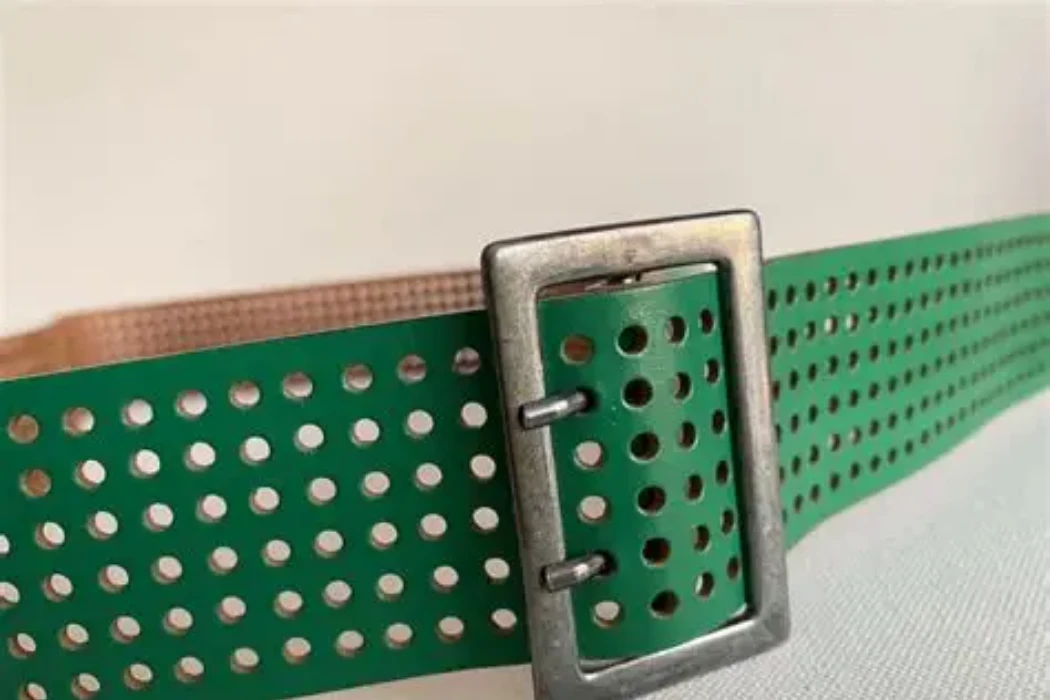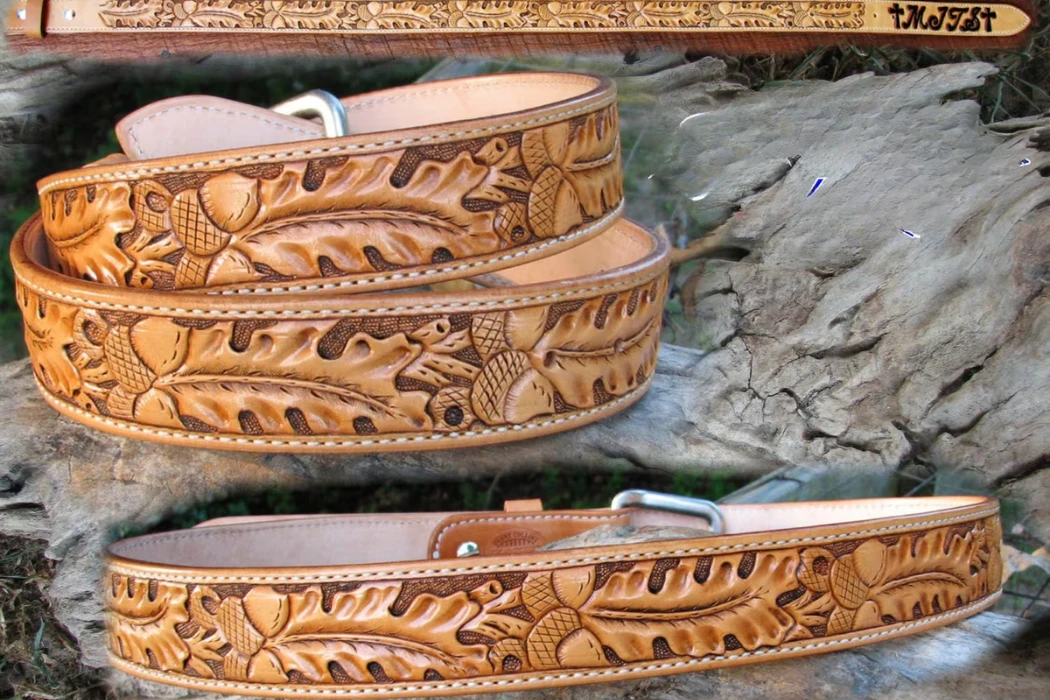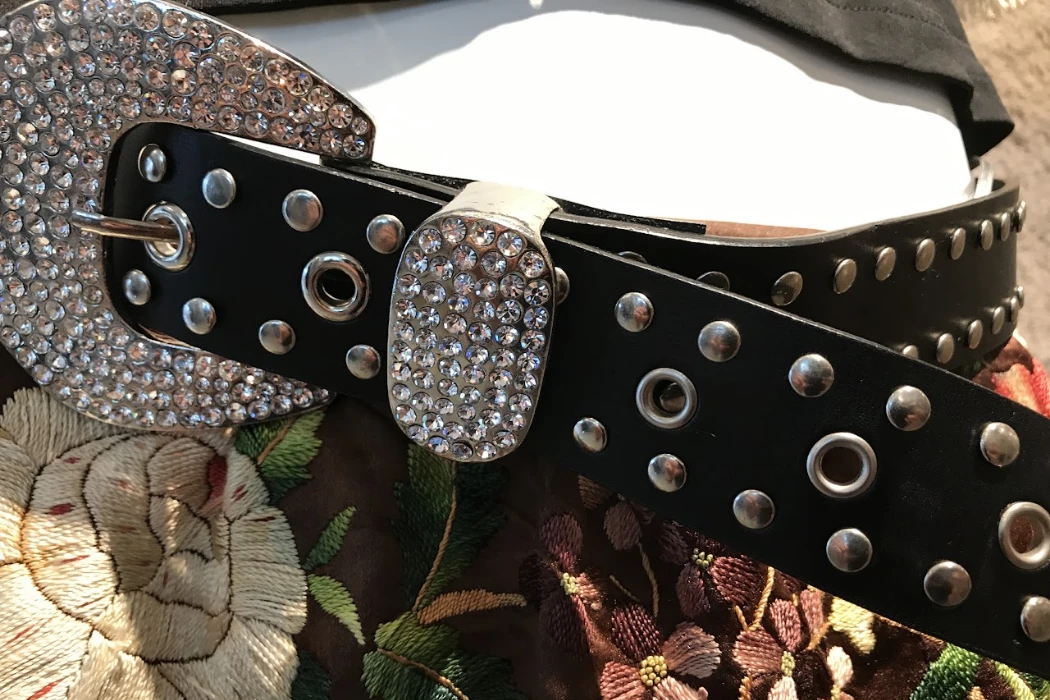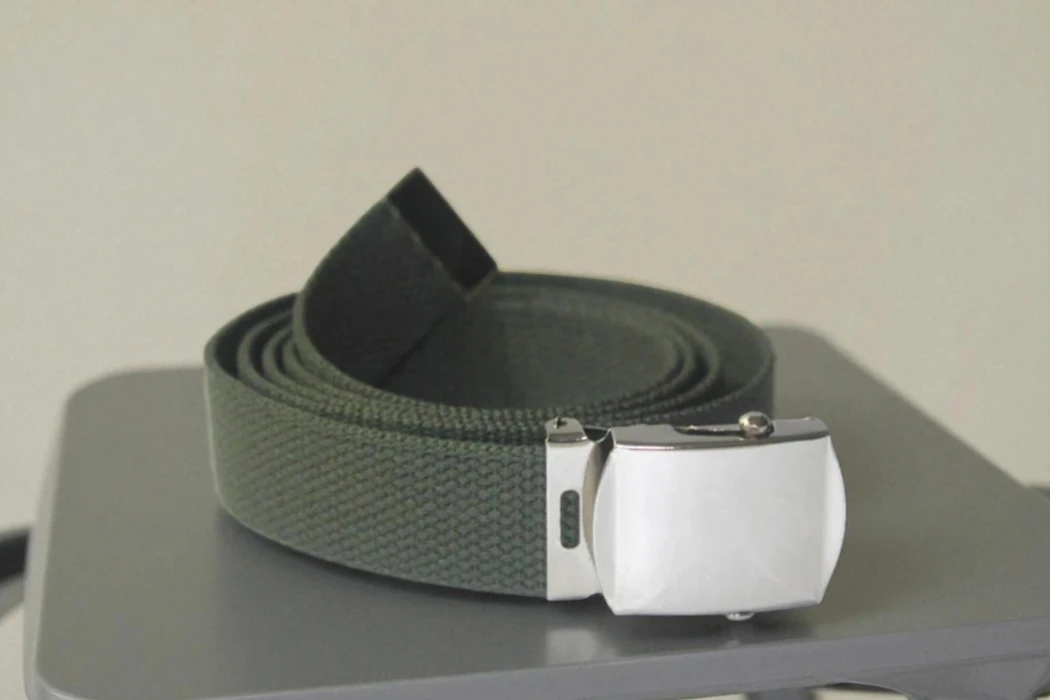
Volume tier pricing helps brands compare quotations for custom leather belts. Larger orders can spread setup costs across more units, but a lower price depends on the material, style mix, release schedule and supplier quotation. A quantity increase alone does not guarantee a discount.
To negotiate effectively, understand how a manufacturer builds the order cost. Consolidated hardware, realistic forecasts and shared leather finishes can create savings. Ask the factory to show which costs change at each quoted quantity and which remain fixed.
A useful negotiation separates genuine production savings from changes to the specification. The sections below explain how to compare quantity breaks, repeat-order commitments and component choices without assuming a universal discount schedule.
What Drives the Base Cost of a Custom Leather Belt?
The base cost of a custom leather belt depends on three main things. First, the type and origin of the leather determine the raw material price. Second, the hardware choices, like custom buckles versus standard metals, add to the cost. Finally, the complexity of the cutting, stitching, and edge finishing requires different levels of labor. When you understand these parts, you can control your total expenses better.
Leather Quality and Sourcing
Leather can be a major cost driver. Review its share in the specific bill of materials.
- Full-grain leather retains the natural grain surface. Hide selection, tannage, finish, thickness and cutting yield determine whether it suits the design and budget.
- PU materials can offer a consistent appearance at a competitive price; compare the specified backing, coating and performance alongside genuine leather options.
- Country of origin alone does not establish leather quality or price. Compare delivered quotations for equivalent specifications and traceability requirements.
So, choosing the right material balance is the fastest way to hit your target budget.
Hardware and Buckle Selection
Hardware can be a significant expense. Its share varies with the buckle design, material, finish and order quantity.
- Standard buckles made from zinc alloy are inexpensive and readily available in the market.
- Custom buckles may require dedicated tooling. Obtain a separate tooling quotation covering ownership, revisions, maintenance and any agreed amortization.
- High-end materials like solid brass will significantly increase the unit price compared to standard metals.
Because custom molds cost extra money upfront, using standard hardware designs helps keep your initial costs very low.
Cutting and Stitching Labor
Every extra detail you add to a belt design increases the time workers spend making it.
- Simple straps can reduce operations, but cutting, hole punching, edge treatment and inspection still need to be costed.
- Belts with painted edges take much longer because the worker must apply multiple layers of paint and wait for them to dry.
- Adding heavy-duty stitching or braided details slows down production line speeds.
Then, keeping the design simple and clean will directly reduce the labor costs per unit.
| Belt Component | Quotation Item | Main Cost Driver |
|---|---|---|
| Leather / Raw Material | Request the quoted amount | Hide origin, material grade (PU vs. Full-Grain). |
| Hardware (Buckles, Rivets) | Request the quoted amount | Custom metal molds, solid brass vs. zinc alloy. |
| Labor and Edge Finishing | Request the quoted amount | Hand-painted edges, intricate stitching, or braiding. |
| Packaging and Logistics | Request the quoted amount | Custom printed boxes, hang tags, and shipping materials. |
How Do Factories Set Volume Pricing Tiers?
Factories may set quantity breaks around material purchasing, setup allocation and production scheduling. Compare the same approved specification at each quantity; a larger total order split across many colors or styles may not achieve the same saving as one continuous run.
The Impact of Minimum Order Quantities (MOQ)
Minimum Order Quantities exist because preparing a factory line for a new design costs significant time and money.
- Before production, confirm whether the design needs a new cutting die or can use existing tooling.
- Workers need to set up and check sewing equipment for the approved material and construction. Ask whether this is included in the unit price or quoted separately.
- Illustrative calculation, not a Hoplok fee: allocating a $300 setup charge across 300 pieces adds $1.00 per piece.
- Using that same hypothetical $300 charge across 10,000 pieces gives $0.03 per piece. This calculation isolates setup allocation; it does not predict the final unit quotation.
Higher quantities spread setup costs; they do not remove the work or automatically eliminate a separately quoted tooling fee.
Material Purchasing Thresholds
Material purchasing arrangements differ by manufacturer. Hoplok also operates ProPelli, which finishes externally sourced crust leather; it does not perform tanning from raw hides.
- Genuine leather is commonly quoted by area. Compare the same specification, usable yield and delivery basis at each purchasing quantity.
- Ask the material supplier to quote the required leather specification at the actual purchasing quantities.
- A consolidated leather purchase may qualify for a different price, subject to grade, finish, availability and payment terms.
- For hardware, compare the same buckle and plating specification at each quantity break rather than assuming the size of the discount.
Translate any material saving into a revised belt quotation, checking whether freight, waste allowances or storage charges offset it.
Production Line Efficiency
Fast, uninterrupted manufacturing is the ultimate secret to unlocking the lowest possible labor costs.
- For example, changing from a 35mm stitched belt to a 25mm braided style requires different setup and processing steps.
- A line change can require machine setup, material handling and first-piece checks, even when the new style shares some components.
- A continuous style run can reduce the frequency of changeovers; the saving depends on the schedule and construction.
- As workers repeat the same cutting, edging, and sewing motions, their daily speed increases significantly.
Operational efficiency can lower costs. The quotation should show how any saving is shared with the buyer.
| Illustrative Quote Quantities (Pieces) | Discount to Confirm | Potential Cost Driver |
|---|---|---|
| 300 – 1,000 | Base Price | Confirm material-specific MOQ and setup charges. |
| 1,001 – 5,000 | Supplier quotation required | Better material purchasing power and reduced setup penalty. |
| 5,001 – 10,000 | Supplier quotation required | Highly efficient production line runs and lower labor costs. |
| 10,000+ | Custom Negotiated | Ask for an itemized quotation and release schedule. |
Why Does Order Frequency Change Your Price?
Order frequency gives the factory planning information. A credible release schedule may support better material purchasing or capacity allocation, but a forecast is not the same as a binding order. Specify the committed quantity, shipment dates and treatment of unused materials before negotiating a repeat-order price.
Predictable Factory Scheduling
Regular orders allow factory managers to build highly efficient production calendars.
- Factories hate empty assembly lines because they still must pay workers their daily wages even when machines stop.
- For a proposed recurring program, ask which capacity the factory can reserve and whether that reservation requires a firm purchase order or deposit.
- A team familiar with a style may need fewer setup corrections, but production-time savings must be demonstrated for that program.
Ask whether the proposed schedule creates a measurable saving and how it affects the quotation.
Raw Material Stockpiling
Frequent orders also change how the factory buys and stores your leather and hardware.
- Without regular orders, a factory buys exactly enough zinc alloy buckles for one small batch, paying a higher premium price.
- A repeat-order agreement can support a consolidated hardware purchase when stock ownership, storage and cancellation responsibilities are defined.
- Advance purchases may reduce exposure to later price changes, while creating storage, financing and obsolescence costs.
A price is fixed only for the quantities and period stated in the agreement, subject to its adjustment clauses.
Long-Term Partnership Value
Long-term purchasing relationships can improve planning, but priority and commercial benefits need to be agreed rather than assumed.
- A factory views a predictable client as a very low-risk investment for their business.
- Ask for a repeat-order quotation showing any negotiated saving; there is no universal margin concession.
- For Hoplok, plan bulk production around 60–90 days and obtain an order-specific schedule. Repeat ordering does not guarantee a shorter lead time.
Building this mutual trust turns your frequent orders into a powerful negotiation tool for better pricing tiers.
Can Component Standardization Lower Belt Costs?
Sharing compatible buckles, leather finishes and packaging can combine purchases and reduce development work. Ask the supplier to quote the shared-component option against the original specification before deciding whether the saving justifies it.
Sharing Buckles Across Multiple Styles
Designing several belt styles around a single hardware choice is a highly effective cost-saving strategy.
- Instead of buying 500 unique buckles for four different belts, you buy 2,000 identical buckles.
- Confirm the hardware supplier’s minimum quantity and price break for the selected buckle.
- Sharing an existing buckle can avoid additional tooling, provided the same design is suitable and the tooling may be reused under the ownership agreement.
Compare the consolidated hardware quotation with the separate-style quotations, including any inventory commitment.
Using Common Leather Finishes
Using common finishes can consolidate purchases. Confirm whether the proposed volume changes the quoted price for that specific material.
- If you choose a standard smooth black PU leather for three different belt designs, the factory buys one massive roll.
- Ask the PU supplier to price the required meterage, usable width and color split; compare total consumption and cutting yield as well as price per meter.
- For genuine leather, a shared finish may combine purchasing volumes, subject to the supplier accepting the same grade and shade range for all styles.
Consistent core colors may simplify purchasing and scheduling. Confirm which styles can actually share a quantity tier.
Streamlining Packaging Needs
Many brands forget that custom boxes and labels add unnecessary expenses to small orders.
- Compare packaging quotations at the actual release quantities; setup and printing choices can affect smaller orders.
- A shared box design may combine packaging quantities, provided it protects and presents every included belt correctly.
- You can also standardize your woven labels and paper hang tags to hit bulk printing minimums quickly.
Packaging standardization may reduce variation and setup costs. Include shipping volume and protective performance in the comparison.
What Are the Best Negotiation Tactics for Buyers?
Negotiating with a belt factory works best when the quote reflects a clear specification, realistic forecast and agreed delivery schedule. Use those details to compare offers and identify feasible savings.
Sharing Clear Target Prices
Telling the factory your exact budget upfront saves weeks of useless back-and-forth emails.
- Provide a target price together with the intended material, retail positioning and required tests. Ask the factory to identify specification choices that fit the budget.
- Compare the proposed alternatives through samples; a lower material price may change appearance, feel or test performance.
- Request a cost explanation so contingencies and exclusions are visible in the quotation.
A target price is a discussion starting point. It does not establish that the approved specification can be made at that cost.
Committing to Annual Volumes
Factories care much more about your yearly total than your first single order.
- A first order may carry development and setup costs that differ from an established repeat program.
- If you propose a yearly volume agreement, distinguish committed releases from non-binding forecasts.
- Ask whether annual volume can support a price tier on smaller releases, and document minimum releases, end-of-period reconciliation and cancellation terms.
The agreement should state who pays any setup or reserved-material cost if the forecast volume is not reached.
Offering Flexible Delivery Dates
Allowing a factory to produce your belts during their slow season creates massive pricing leverage.
- Belt factories experience extreme rush periods before major holidays when everyone needs fast shipping.
- Offer flexibility within the agreed production window. Hoplok bulk production is planned at 60–90 days; confirm materials, approvals and shipping separately.
- Any scheduling-related saving should appear in a written quotation rather than an assumed percentage.
Ultimately, trading your timeline flexibility for a lower unit price is the smartest negotiation tactic you can use.
Frequently Asked Questions
What is a reasonable target price for genuine leather belts?
A reasonable target requires a quotation for the selected hide, thickness, buckle, construction, packaging, quantity and delivery basis. A generic price range cannot establish what that specification will cost.
How much volume discount should I expect at 1,000 pieces?
There is no universal discount at 1,000 pieces. Ask for comparable quotes at your realistic release quantities. Hoplok MOQ is 300 pieces for genuine leather belts and 1,000 pieces for PU belts; confirm style and color allocation in the quotation.
Do factories charge for belt samples before volume orders?
Sample fees and any credit against a bulk order are commercial terms to confirm in writing. Hoplok belt sampling takes about 2–3 weeks, subject to the development brief and material readiness.
Can I split my volume tier across different belt sizes?
A size split may share a pricing tier if the material, hardware and construction remain compatible. Confirm the size ratio and cutting consumption; longer straps can change material yield.
Why do PU belts have different volume tiers than full-grain leather?
PU materials are supplied in sheets or rolls, while genuine leather is cut from hides. Their purchasing units, usable areas and cutting yields differ, so each needs its own cost calculation. Neither has zero cutting waste.
How does the production time scale with larger volume orders?
A larger order may improve line efficiency but also require more materials and capacity. Hoplok bulk production is planned at 60–90 days; confirm each order rather than extrapolating from piece count.
Scaling Your Custom Belt Production
Use a consistent specification, written quantity breaks and realistic release commitments to negotiate belt pricing. Hoplok operates four factories across China and Cambodia totaling 19,000 m², including ProPelli leather finishing. Send your specification, quantity and delivery requirement for a review of feasible material and production options.