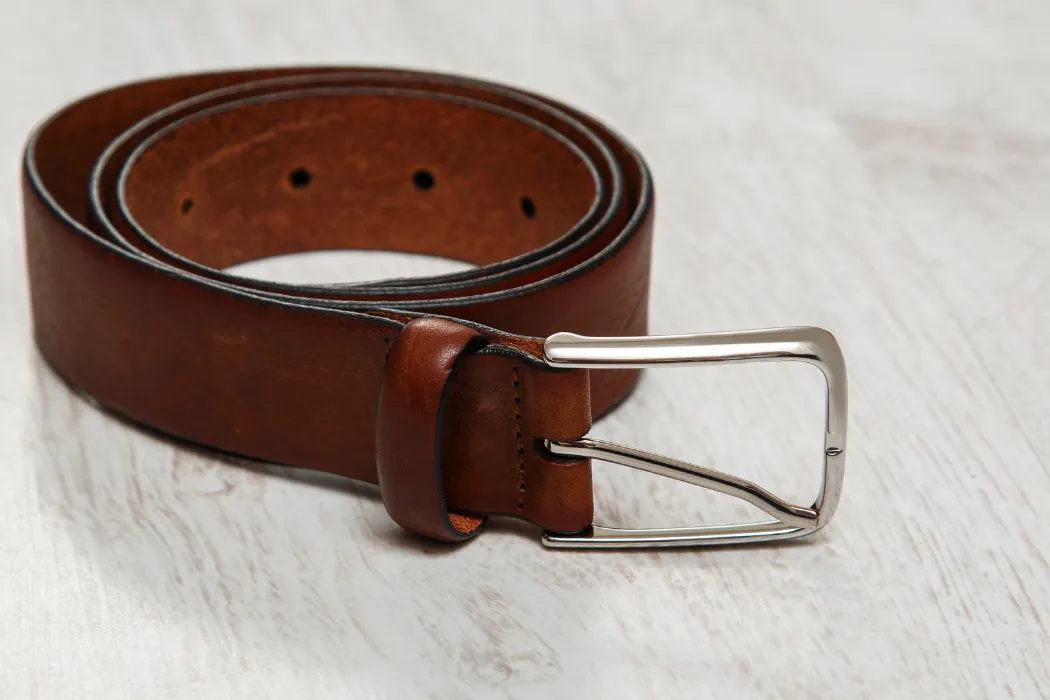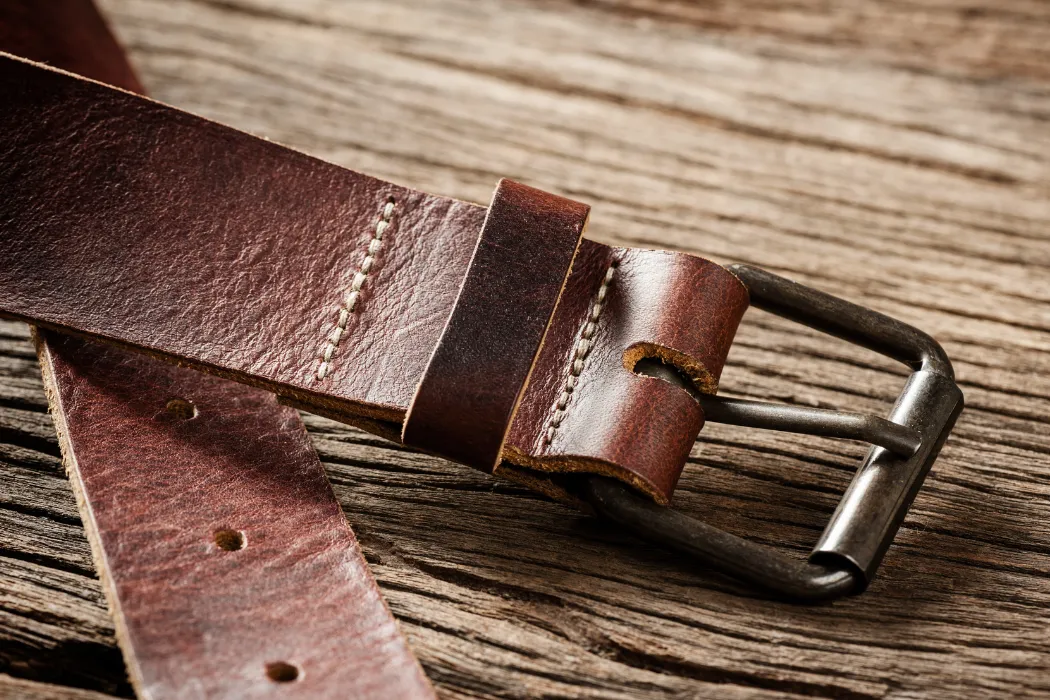
Generally, a high-quality leather handbag wins on long-term longevity, often lasting 20 to 30 years or more while developing a desirable patina. However, premium nylon handbags (specifically those made from high-denier ballistic nylon) offer superior immediate resilience against rain, stains, and surface abrasion. The choice comes down to structural integrity versus environmental adaptability: leather is built to hold its shape for decades, while nylon is engineered to shrug off the elements.
Why do some urban commuters swear by their Prada nylon backpacks, while traditional executives trust nothing but a full-grain leather briefcase? It is not just a matter of style preference; it is a choice based on material physics. One material is an organic, self-healing skin, while the other is a synthetic polymer designed for war zones and parachutes.
This article dives deep into the molecular structure, tear strength, and maintenance costs of both materials. We will move beyond marketing terms to help you choose the right bag based on real-world use cases, whether you need a “forever” heirloom or a “go-anywhere” workhorse.
What Determines the Structural Durability of Each Material?
The structural durability of any bag depends entirely on fiber density. Leather relies on a natural, tightly interwoven network of collagen fibers, giving it immense tensile strength and resistance to puncture. Nylon relies on the density of its synthetic weave, measured in Denier (D). While a low-denier nylon (like a 200D lining) is fragile, a high-density 1050D Ballistic Nylon is engineered to be nearly indestructible, rivaling or exceeding leather in tear resistance.
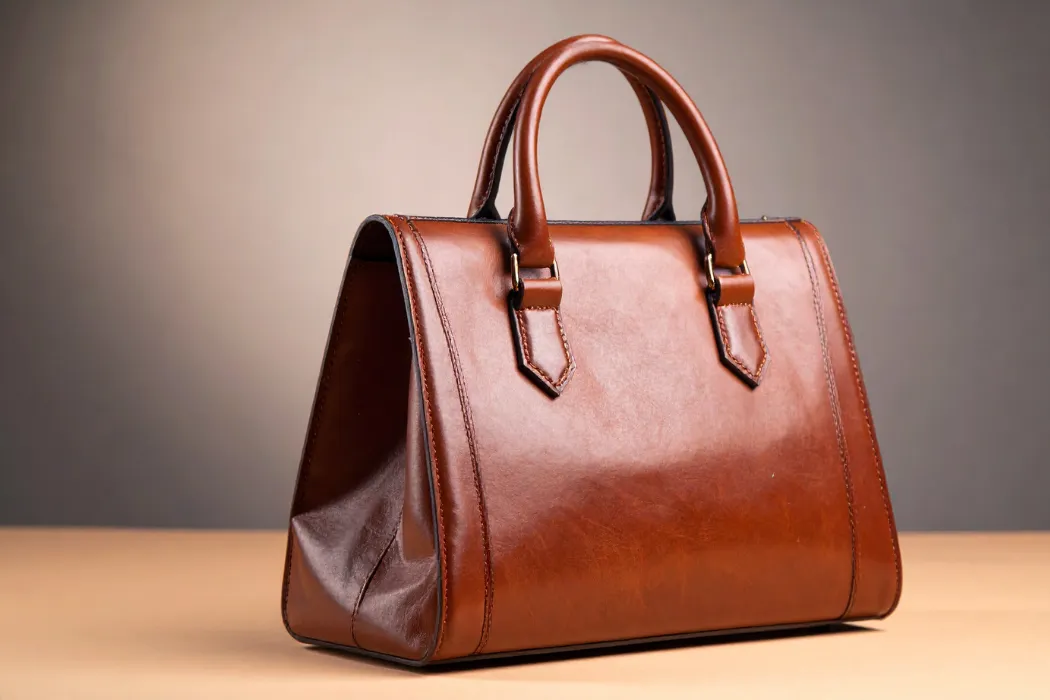
Leather: The Power of the Collagen Matrix
Leather is unique because its structure is random and three-dimensional. A Full-Grain hide consists of millions of microscopic collagen fibers woven together by nature. This “collagen matrix” provides multidirectional strength.
- Load Bearing: Because the fibers are interlocked, leather has exceptional tensile strength. You can load a leather tote with heavy books or a laptop, and the handle attachment points will distribute that stress across the hide without ripping.
- Puncture Resistance: It is very difficult to poke a hole through thick, full-grain leather. The fibers tighten around the object, preventing the hole from expanding.
Nylon: Why “Denier” Count is Everything
Nylon is a synthetic polymer (plastic) spun into thread and woven. Its durability is strictly mathematical, defined by its Denier (D)—the mass in grams of 9,000 meters of the fiber. Higher numbers mean thicker, stronger fibers.
- Fashion Nylon (400D – 700D): This is what you find on most standard “designer” nylon bags. It is smooth, shiny, and lightweight, but can be prone to snagging or tearing at the seams if overloaded.
- Ballistic Nylon (1050D – 1680D): Originally developed for anti-fragmentation armor in WWII, this specific basket-weave nylon is incredibly abrasion-resistant and tough. A bag made of 1680D Ballistic Nylon is effectively “bombproof” for daily commuting, though it lacks the refined drape of fashion nylon.
Manufacturer’s Insight (Hoplok): Sourcing the “right grade” is the most common mistake brands make. At Hoplok, we not only produce leather at our ProPelli tannery, but we also source technical textiles. We often see brands choose a cheap 200D nylon for a backpack to save costs, only to have the zipper stitch-lines tear out after a month. For a durable nylon bag, we insist on a minimum of 800D with a PU backing for structure, ensuring it holds stitches as securely as our bullhide leather.
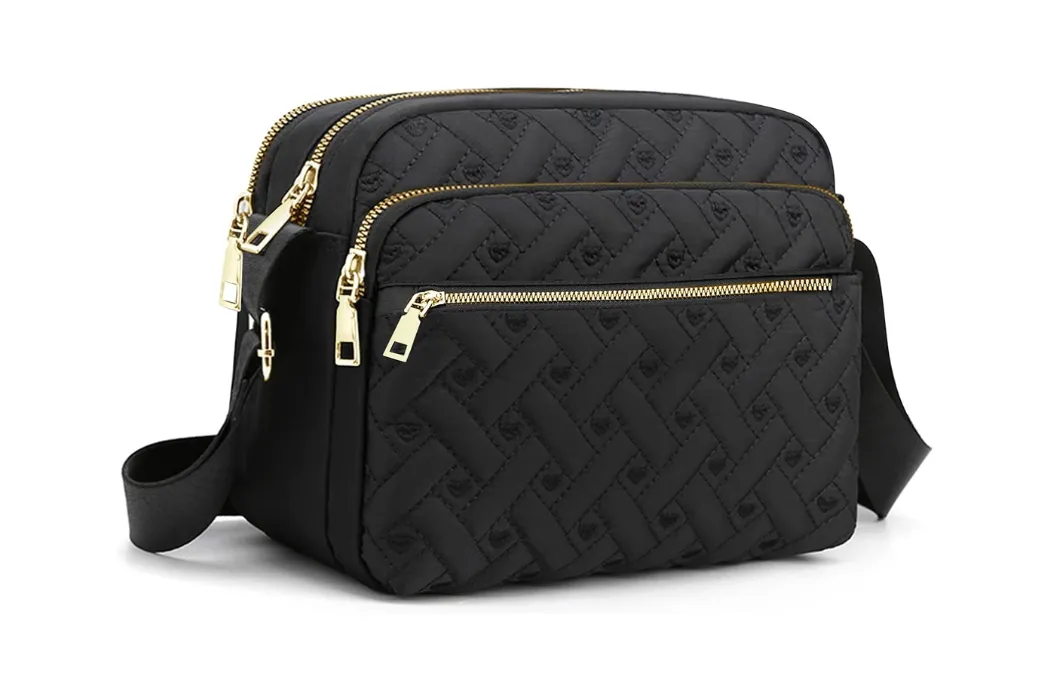
How Do They Handle Elements and Abrasion?
When facing the elements, premium nylon handbags generally win on immediate resilience. As a synthetic polymer, nylon is naturally hydrophobic (water-repelling) and highly stain-resistant. Leather, being an organic skin, is hydrophilic (water-loving); without constant protective coatings, rain can cause it to stiffen, spot, or develop mold. However, in terms of raw abrasion resistance, thick full-grain leather often outperforms standard nylon when dragged against rough surfaces like concrete, though high-denier ballistic nylon is engineered to rival this toughness.
Water Resistance: The Sponge vs. The Shield
The fundamental difference lies in porosity.
- Leather (The Sponge): Unfinished or aniline leather has open pores. When exposed to rain, it acts like a sponge, absorbing water which displaces the natural oils. As it dries, the fibers contract, leading to stiffness and permanent “water spotting.” Even a treated leather bag requires immediate attention if it gets soaked to prevent irreversible damage.
- Nylon (The Shield): Nylon fibers are solid plastic filaments. They cannot absorb water. Rain simply beads up and rolls off the surface. While water might seep through the stitching seams during a downpour, the material itself is impervious to water damage, making it the worry-free choice for travel in wet climates.
Stain Resistance: Oil vs. Coffee
Daily life involves spills, and the two materials react very differently.
- Oil & Grease: This is leather’s kryptonite. Leather absorbs oil instantly, creating a dark, permanent stain that is nearly impossible to remove without professional help. Nylon, being synthetic, resists oil absorption, allowing you to wipe away salad dressing or lotion with simple dish soap and water.
- Liquid Spills (Coffee/Wine): On nylon, these liquids sit on the surface due to surface tension. On leather, they can stain if not wiped away within seconds. Furthermore, acidic spills (like wine or juice) can etch the finish of leather, leaving a permanent mark.
Environmental Resistance Matrix
This table compares how each material reacts to common environmental stressors, helping brands choose the right material for their target environment.
| Stressor | Full-Grain Leather | Ballistic Nylon (1050D) | Winner |
|---|---|---|---|
| Rain / Water | Absorbs, stiffens, water-spots. | Repels water, quick-drying. | Nylon |
| Oil / Grease | Absorbs instantly (Permanent stain). | Resists absorption (Wipes clean). | Nylon |
| UV Sunlight | Develops Patina (Darkens). | Fades, fibers become brittle over time. | Leather |
| Concrete Abrasion | Scuffs (Surface damage only). | Frays, potential for tearing. | Leather |
| Mold / Mildew | High Risk (Organic food source). | Low Risk (Inorganic). | Nylon |
Which Material Ages Better: Patina or Degradation?
This is the single most significant differentiator between the two materials. High-quality leather ages; nylon degrades. Full-grain leather is organic; it absorbs oils, sunlight, and friction to develop a patina—a rich, glossy sheen that beautifies the bag over time. In contrast, nylon is synthetic. Exposure to UV light and friction causes it to fade, pill, and fray. A 10-year-old leather bag looks “vintage” and valuable; a 10-year-old nylon bag simply looks “worn out” and broken.
The “Heirloom” Quality of Leather
Why are leather bags the only ones passed down as heirlooms? It comes down to the self-healing nature of the collagen matrix. When you scratch a high-quality aniline leather bag, you haven’t compromised its structure. You’ve merely displaced the oils.
Over time, simply rubbing that scratch with your thumb or applying conditioner will redistribute the oils, darkening the scratch and blending it into the surface. This accumulation of scratches, sun exposure, and handling creates a unique, multi-dimensional color depth (patina) that cannot be replicated in a factory. It is the visual proof of the bag’s longevity.
The “Disposable” Nature of Nylon Aging
Nylon does not have this capacity for improvement. Its aging process is strictly subtractive.
- UV Fading: Sunlight attacks the chemical bonds in the dye. A black nylon bag will slowly turn a dull, reddish-grey after a few years of sun exposure. This color change is irreversible.
- Pilling and Fraying: Constant friction (like rubbing against a coat) breaks the microscopic synthetic fibers on the surface of the nylon weave. These broken fibers tangle together to form small fuzzballs (pills) or loose threads, making the bag look shabby.
- Delamination: Most “waterproof” nylon bags have a PU (polyurethane) backing coated on the inside. After 5-7 years, this internal coating often dries out and begins to flake off like dandruff, ruining the interior contents.
Repairability: Can You Fix a Tear?
From a manufacturing standpoint, leather is infinitely more repairable. Because it is a solid skin, a cobbler can patch a hole, restitch a handle, or completely re-dye a faded corner, extending the bag’s life by decades.
Nylon is a woven grid. If a sharp object tears a hole in a nylon bag, the tension in the weave is released, and the hole will structurally expand (unravel). You cannot “patch” it invisibly; any repair will look like a patch. Once the fabric is torn or the backing delaminates, the bag has reached the end of its useful life.
Manufacturer’s Insight: We often advise brands: If you are selling a “lifetime guarantee,” use leather. If you are selling a “5-year warranty,” nylon is acceptable. The physics of woven plastic simply cannot support a multi-generational lifespan.
What Are the Maintenance Requirements for Each?
Leather is a high-maintenance material that demands a strict regimen of cleaning and conditioning every 3-6 months to prevent structural failure like dry-rotting or cracking. In contrast, nylon is a low-maintenance synthetic that typically requires only a simple wipe-down with mild soap to remove surface dirt. For consumers with a busy lifestyle, the “grab-and-go” nature of nylon is a significant functional advantage over the “ritual” required to keep leather alive.
The Leather Ritual: Clean, Condition, Protect
Owning a leather bag is a commitment. Because it is an organic skin, it loses natural oils over time. If these oils are not replenished, the collagen fibers shrink and snap (crack). To maintain a 20-year lifespan, the user must invest both time and money.
- The Routine: A leather bag must be brushed free of dust weekly and deep-cleaned with saddle soap and conditioned every 3 to 6 months.
- The Consequence of Neglect: A leather bag that is ignored will not just look bad; it will structurally fail. Without conditioner, the handles will crack and break within 2-3 years, reducing its lifespan by over 80%.
The Nylon Convenience: Wipe and Go
Nylon requires virtually no “care” to maintain its structure, only cleaning to maintain its appearance. This makes it the ideal material for diaper bags, gym bags, or travel totes.
- No Conditioning: Being plastic, nylon does not dry out. It never needs oiling.
- Easy Cleaning: If a bottle of milk or shampoo spills inside a nylon bag, it can be turned inside out and washed with dish soap and water. The same spill in a leather bag would likely be a permanent disaster, soaking into the lining and leather and causing rot or odor.
Maintenance & Care Comparison
This table breaks down the “hidden cost” of ownership for both materials.
| Maintenance Activity | Leather Handbag | Nylon Handbag |
|---|---|---|
| Cleaning Method | Specialized Saddle Soap & soft cloths. | Warm water & mild dish soap. |
| Required Frequency | Every 3-6 Months (Mandatory). | As needed (for aesthetics only). |
| Cost of Care Products | High ($30-$50/year for quality creams). | Zero (Household items). |
| Consequence of Neglect | Structural Failure (Cracking, handles breaking). | Aesthetic only (Looks dirty). |
Which Material is Right for Your Brand’s Collection?
Brands should select materials based primarily on target price point and use case. For a luxury business or evening line targeting a $300+ retail price, leather provides the necessary perceived value, patina potential, and high resale retention. For a casual, travel, or athletic line targeting a $50-$200 price point, nylon offers superior functionality, lower manufacturing costs, and the lightweight performance customers demand. A successful collection often utilizes both, but for different SKUs.
Scenario A: The Daily Commuter / Tech Bag
For a product designed to carry a 15-inch laptop, charger, gym clothes, and a water bottle, durability means “resistance to elements and weight.”
- Recommendation: 1680D Ballistic Nylon or a Hybrid Construction (Nylon body with Leather trim).
- Why: A pure leather bag of this size would weigh over 3.5 lbs empty. A nylon version weighs 1.2 lbs. The nylon body repels rain during a commute, while leather handles provide a comfortable, premium touch-point that reinforces the high-stress lifting area. This hybrid approach allows brands to command a higher price point ($150 – $250) while maintaining functional superiority.
Scenario B: The Boardroom / Statement Piece
For a briefcase, tote, or evening bag intended for professional settings, durability means “maintenance of structure and aesthetic.”
- Recommendation: Full-Grain or Top-Grain Leather (often vegetable-tanned).
- Why: Nylon lacks the rigidity to stand upright on a conference table; it slouches. Leather communicates authority and permanence. The customer is buying an asset that will look better in 5 years than it does today. The higher manufacturing cost is justified by the 3x to 4x higher retail markup potential compared to nylon.
Material Selection Guide for Brand Managers
Use this matrix to align your material sourcing with your target demographic.
| Target Audience | Recommended Material | Key Selling Point | Typical Lifespan |
|---|---|---|---|
| Executive / Professional | Full-Grain Leather | Status, Structure, Patina | 20+ Years |
| Digital Nomad / Commuter | Ballistic Nylon (1050D+) | Lightweight, Waterproof, Tech Protection | 5 – 10 Years |
| Fashionista / Trend | Fashion Nylon (Re-Nylon) | Designer Aesthetic, Color Pop | 3 – 5 Years |
| Parent / Traveler | High-Density Nylon or PU | Wipeable, Stain Resistant, Light | 3 – 5 Years |
Frequently Asked Questions
1. Is nylon cheaper than leather?
Generally, yes. Manufacturing a nylon bag typically costs significantly less in raw materials and labor than a full-grain leather bag. However, luxury brands challenge this rule. A high-end designer nylon bag can retail for over $1,500, a price driven by brand equity and marketing rather than the raw material cost.
2. Can nylon bags look professional?
Absolutely. The key is structure and finish. A slouchy, thin nylon bag looks casual. However, a structured, high-density Ballistic Nylon briefcase or laptop tote, often finished with leather trim and high-quality hardware, is the standard for modern business travel and tech professionals. It conveys a sleek, utilitarian competence.
3. Does leather scratch easily?
Yes, natural full-grain leather scratches. However, there is a critical difference: unlike plastic or nylon where a scratch is permanent damage, leather scratches often “heal” with conditioning or blend into the patina, adding character. Treated leathers (like Saffiano) resist scratching but feel less natural.
4. Is nylon waterproof?
Nylon is water-resistant, not fully waterproof. The synthetic fabric itself sheds water and does not absorb it. However, water can still enter through the stitch holes and zippers during a heavy downpour unless the bag has taped seams (which is rare in fashion bags). It performs far better than untreated leather but isn’t a submarine.
5. Why are Prada nylon bags so expensive?
You are paying for the brand heritage and the proprietary Re-Nylon technology (regenerated ocean plastic), not just the raw nylon. While the material is exceptionally durable and high-quality, the price tag is a reflection of luxury positioning and the iconic status of the design, rather than the manufacturing cost.
6. Which is better for a diaper bag?
Nylon is superior. Diaper bags face milk spills, food stains, and need to be lightweight. High-quality nylon can be wiped clean instantly with a damp cloth or even washed. A leather bag would absorb liquids, odors, and stains, making it impractical and heavy for this specific high-mess use case.
Conclusion: The Intersection of Function and Luxury
In the debate of nylon vs. leather, there is no single winner, only the right tool for the job. Leather wins on longevity and aesthetics; a full-grain bag is a 20-year investment that grows more beautiful with age through patina. Nylon wins on performance and maintenance; a ballistic nylon bag is a 5-10 year workhorse that shrugs off rain, spills, and weight without requiring a care ritual.
For modern fashion brands, the most successful strategy is often not to choose one over the other, but to combine them. A “Hybrid” bag—featuring a waterproof nylon body for functionality and full-grain leather handles for tactile luxury and structural reinforcement—often offers the highest value proposition to the consumer.
To win in a competitive market, you must provide the correct material solution for your specific customer avatar. Hoplok Leather holds a unique competitive advantage with a dual supply chain. We produce premium hides at our own ProPelli tannery, and we have deep sourcing networks for high-tech 1680D Ballistic Nylon. We can help you design and manufacture a collection that leverages the best properties of both materials. Contact Hoplok Leather today to get material samples and a manufacturing proposal for your next series.