A custom belt tech pack may contain confidential drawings, material references, artwork and supplier information. Before sharing it, identify which parts need protection, who must receive them and the permitted purpose of use.
Combine appropriate agreements, relevant IP filings and practical access controls. These measures reduce risk and support enforcement; no agreement or file-sharing method provides complete protection. Have qualified counsel assess the countries and parties involved.
This guide covers the decisions to make before quotation, tooling and production. Separate ownership of drawings, designs, manufacturing know-how and physical tooling, and record how each may be used.
Why Are Leather Belt Tech Packs Vulnerable to IP Theft?
Detailed drawings and specifications may make a design easier to reproduce, but sensitivity varies. Identify genuinely confidential information and share only what is needed at each stage. Do not assume every ordinary material dimension or stitch choice is an exclusive IP right.
Custom Buckle Molds and Hardware Designs
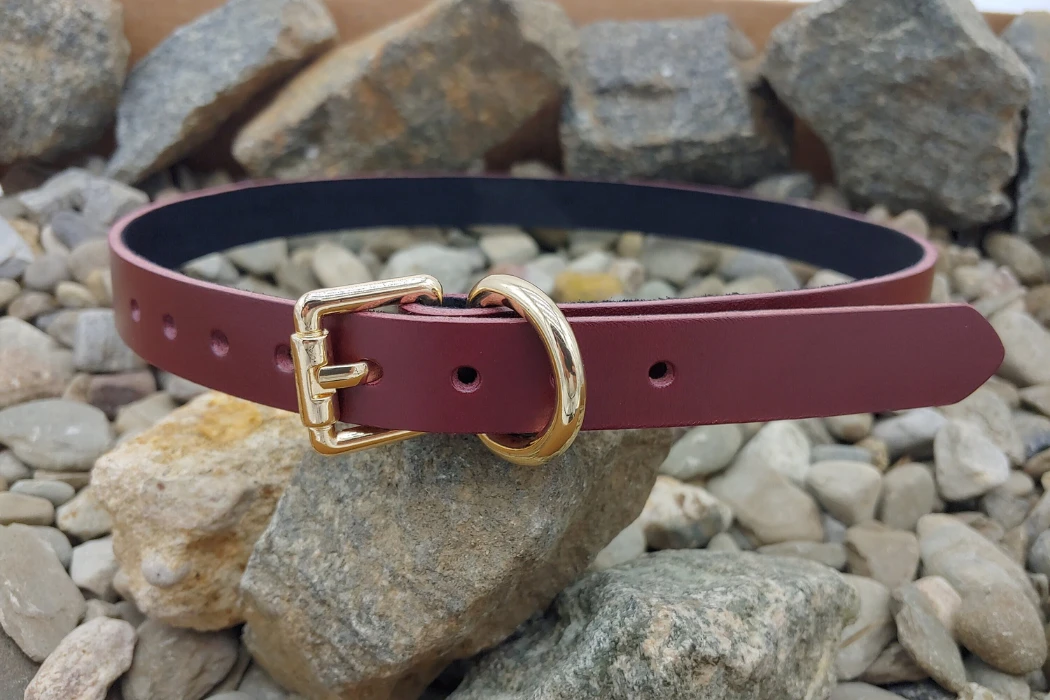
Define ownership and permitted use of the design files and physical tooling separately. Record the tooling holder, approved subcontractors, authorized production, maintenance, storage and return or disposal terms. A tooling invoice alone does not settle every IP issue.
Proprietary Leather Finishing Techniques
Distinguish the brand’s confidential recipe or development data from a supplier’s pre-existing know-how and a general finish description. Agree who owns project-specific results and who needs process access. A Pantone reference alone does not disclose a complete dye or finishing formulation.
Unique Stitching and Edge Burnishing Specs
Mark confidential construction details and identify the permitted purpose of use. Confirm that the specification contains enough information for quality production. Standard manufacturing practices are not automatically exclusive merely because they appear in a tech pack.
What Essential Legal Agreements Do You Need Before Sourcing?
Have counsel review confidentiality, use restrictions, subcontracting, ownership and remedies for the actual transaction. “Asia” is not one legal jurisdiction. Contract wording and enforceability matter more than whether the document is titled NDA or NNN.
NNN Agreements (Non-Disclosure, Non-Use, Non-Circumvention) vs. NDAs
An agreement may address disclosure, permitted use and specified non-circumvention obligations. NDAs can also contain use restrictions; they are not limited to public disclosure to the press. WIPO’s trade-secret guidance discusses confidentiality terms alongside access and management controls.
| Issue | What to define |
|---|---|
| Confidentiality | Covered information, exclusions and recipients |
| Permitted use | Quotation, development and authorized production |
| Subcontracting | Approval and obligations of recipients |
| Ownership | Existing rights, new work and tooling |
| End of relationship | Return/deletion, retained records and continuing obligations |
Jurisdiction Clauses and Local Law Enforcement
Counsel should assess governing law, dispute forum, language, service, interim remedies and enforceability for the parties and asset locations. Do not assume a foreign-law contract is automatically ignored or that a local-law penalty guarantees recovery. Align the dispute terms with the actual supply arrangement.
How Can You Compartmentalize Belt Manufacturing to Protect Secrets?
Limit access to the information each participant needs, while preserving manufacturing and quality coordination. Splitting suppliers is one possible control, but it can introduce cost, communication and traceability issues. It does not guarantee that a product cannot be copied.
Splitting Hardware Procurement from Leather Sourcing
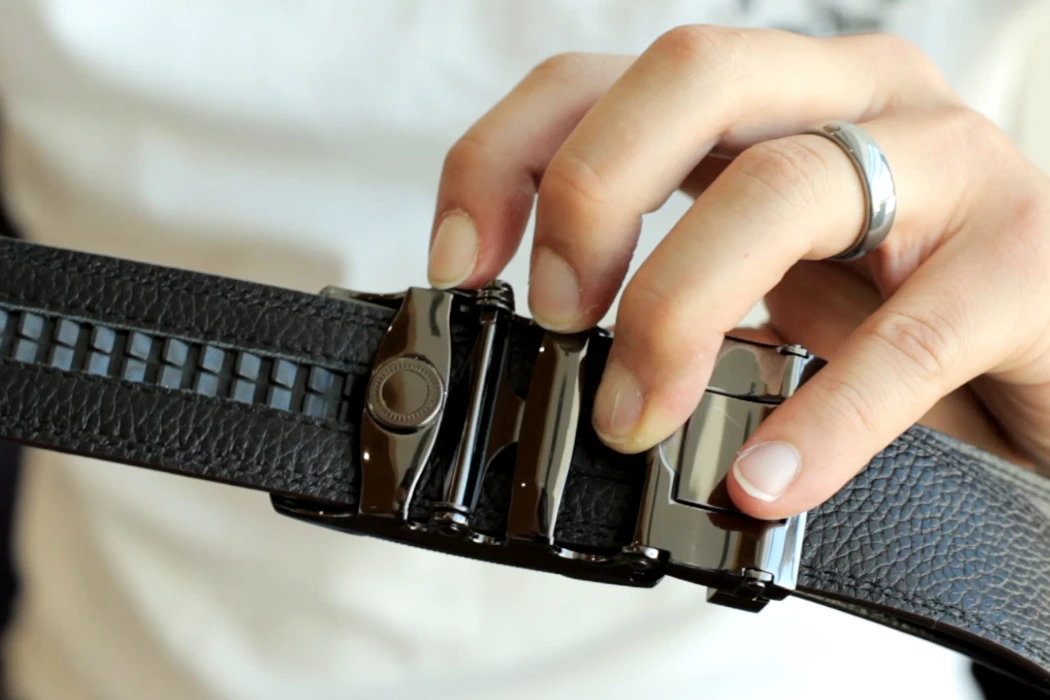
For sensitive hardware, consider separating quotation artwork, tooling files and assembly instructions. Document which party receives each version and how approved components reach assembly. A single coordinated supplier can also use access controls; supplier count alone does not establish security.
Using Different Facilities for Assembly and Leather Finishing
Agree how material references and process information are shared between finishing and assembly. Keep confidential recipes restricted where feasible, but provide the assembly team with necessary handling, quality and traceability information. ProPelli’s finishing role does not make it a raw-hide tannery.
Do Trademarks and Design Patents Work for Leather Belts?
Trade marks, designs, patents, contracts and trade-secret protection address different interests. Rights and remedies depend on the jurisdiction, eligibility and circumstances. Plan filings and disclosures with counsel before committing to a launch or tooling program.
Registering Your Brand Logo and Debossing Marks
Choose the goods and territories relevant to the brand. Under the WIPO Nice Classification, belts as clothing fall in Class 25; clothing buckles are addressed in Class 26. Class 18 should not be prescribed for every leather belt merely because it is made of leather. Confirm the filing description and any additional classes with counsel.
Protecting Unique Belt Buckle Shapes
A distinctive appearance may be eligible for design protection, while a technical invention raises different patent questions. Eligibility and disclosure/grace-period rules vary. WIPO’s design FAQ explains why timing and territory matter. A registration does not guarantee automatic customs seizure.
| Protection route | Question for counsel |
|---|---|
| Trade mark | Which sign, goods and territories need coverage? |
| Registered design/design patent | Does the appearance qualify and when must filing occur? |
| Technical patent | Does a mechanical invention meet the applicable criteria? |
| Trade secret | Is the information secret and reasonably protected? |
How Should You Send Tech Packs Safely to Belt Manufacturers?
Use an agreed sharing process with named recipients, version control and appropriate access permissions. Share a limited quotation pack first where practical, then release production files when needed under the agreed terms.
Watermarking CAD Drawings and 3D Renders
A watermark can identify the owner, recipient and confidential status of a reference document. It does not prevent copying or reliably protect editable geometry. Keep original files controlled and provide the format needed for the approved stage.
Redacting Sensitive Supplier Information
Remove irrelevant internal pricing and contacts from a quotation copy, but preserve information needed for traceability, safety and accurate sourcing. Use controlled material codes where appropriate and define who can access the underlying records.
Using Secure Digital Transfer Platforms
Choose access controls, authentication, expiry and logging appropriate to the information. Verify what the platform actually restricts. Expiring a link does not delete downloaded files or prevent photographs, screenshots or every form of copying.
Frequently Asked Questions
These answers identify issues to resolve in the sourcing agreement and disclosure plan; country-specific terms require review for the actual transaction.
Can a factory legally sell my rejected belt inventory?
Ownership, contract terms and applicable rights determine the answer. Agree the handling of rejected, excess and branded stock, including approved rework, return or disposal. The absence of a document titled NNN does not automatically authorize resale.
How do I protect my custom leather Pantone colors?
A color reference is different from a confidential formulation or a protectable brand identifier. Define the confidential information and permitted use, and obtain advice if exclusivity over a color or finish is important.
Are my buckle 3D files safe with overseas mold makers?
Assess the recipient, permitted use and access controls before release. Share the required files under appropriate terms and document approved subcontractors. Watermarks and filings reduce particular risks but cannot guarantee file security.
What happens if a supplier copies my braided belt design?
Preserve the relevant files, approvals, contracts and evidence of the suspected use. Have counsel evaluate rights, jurisdiction and available remedies before alleging infringement or choosing enforcement steps.
Do Chinese and Cambodian IP laws protect foreign buyers?
The available protection depends on the applicable law, rights and facts. Registered rights and confidential information may involve different routes; do not assume every right requires the same filing or that foreign buyers have no protection without an NNN.
Should I register my trademark before getting belt samples?
Plan clearance and filings early with counsel for the relevant goods and territories. Consider the disclosure needed for sampling and use appropriate confidentiality measures while the filing strategy is resolved.
Secure Your Custom Belt Production Today
Before sending the production pack, agree recipients, permitted use, ownership and the handling of tooling and branded stock. For Hoplok custom belt projects, discuss the required confidentiality and file-sharing terms before disclosure. Document the agreed arrangements as part of development and production approval.