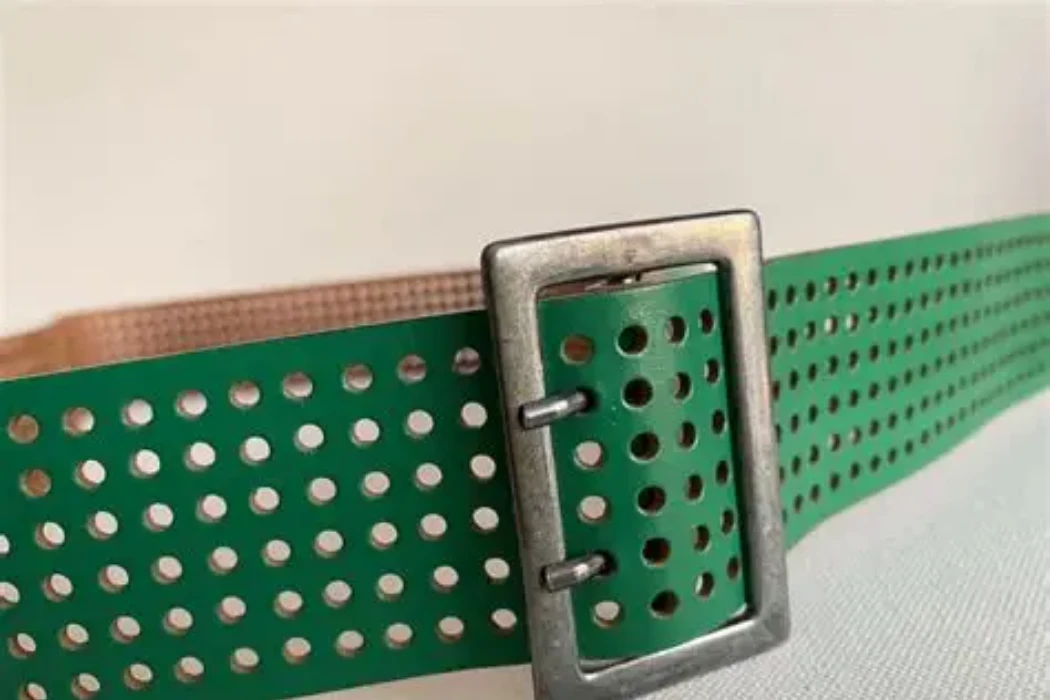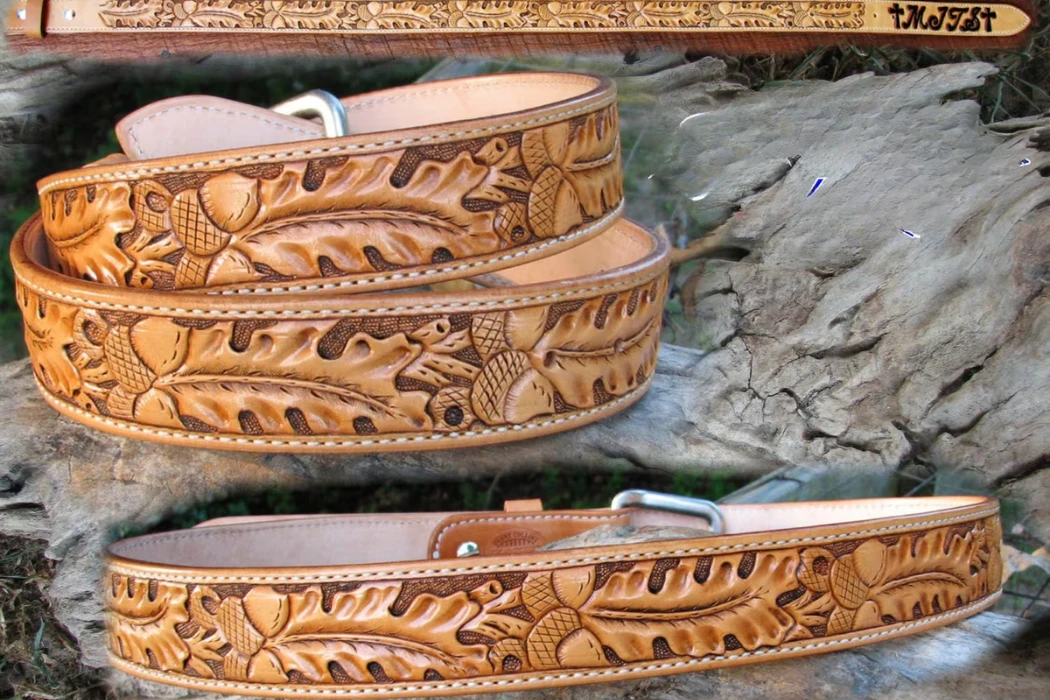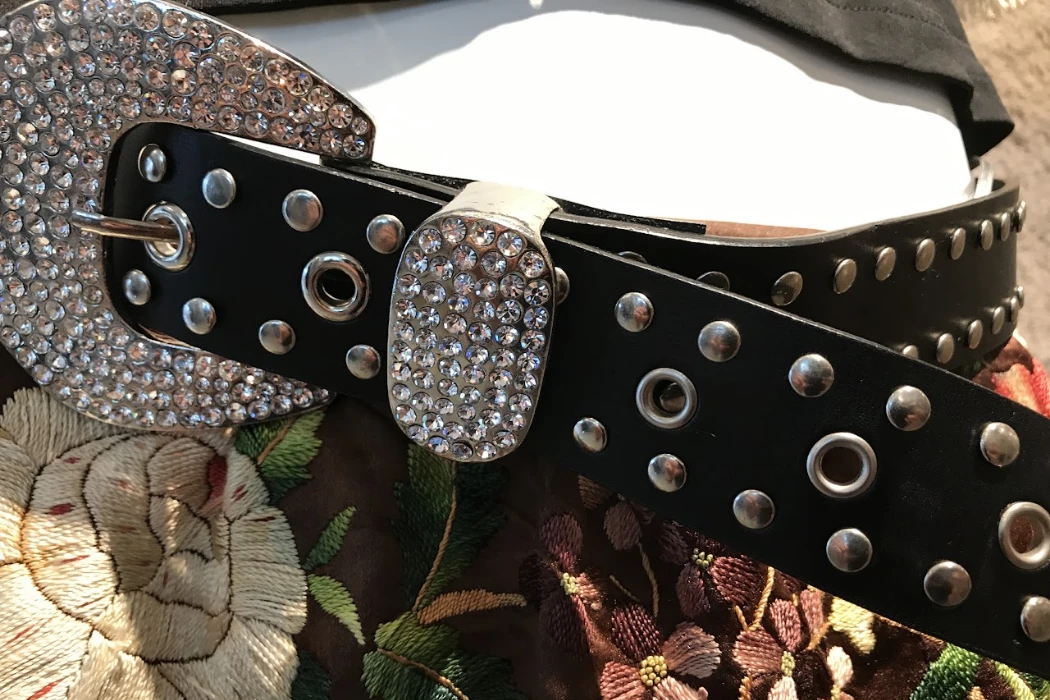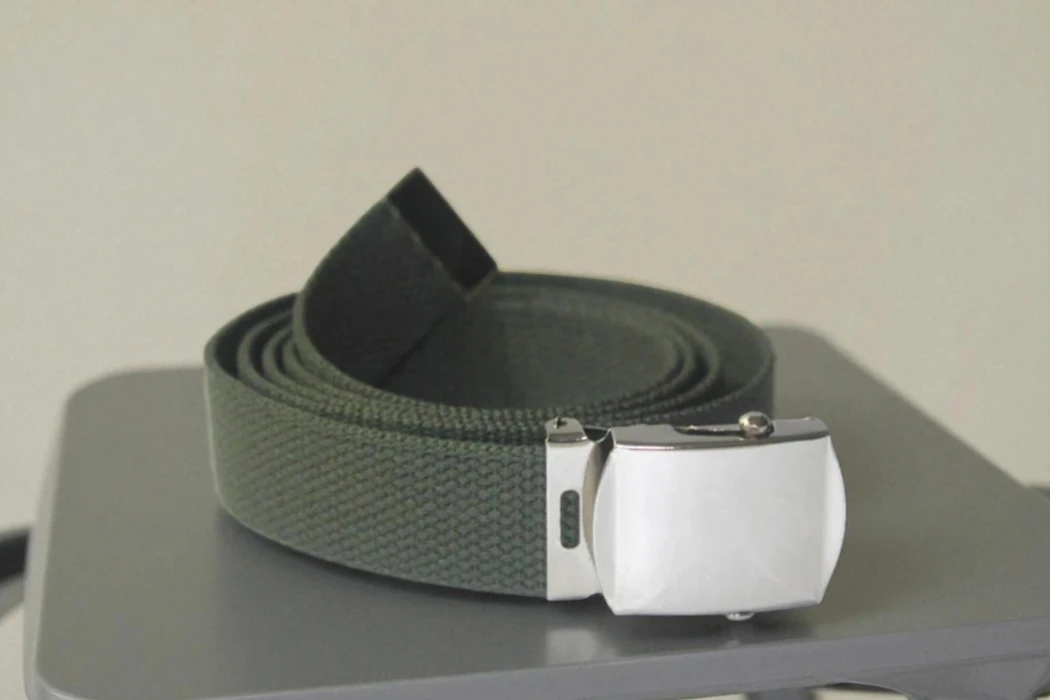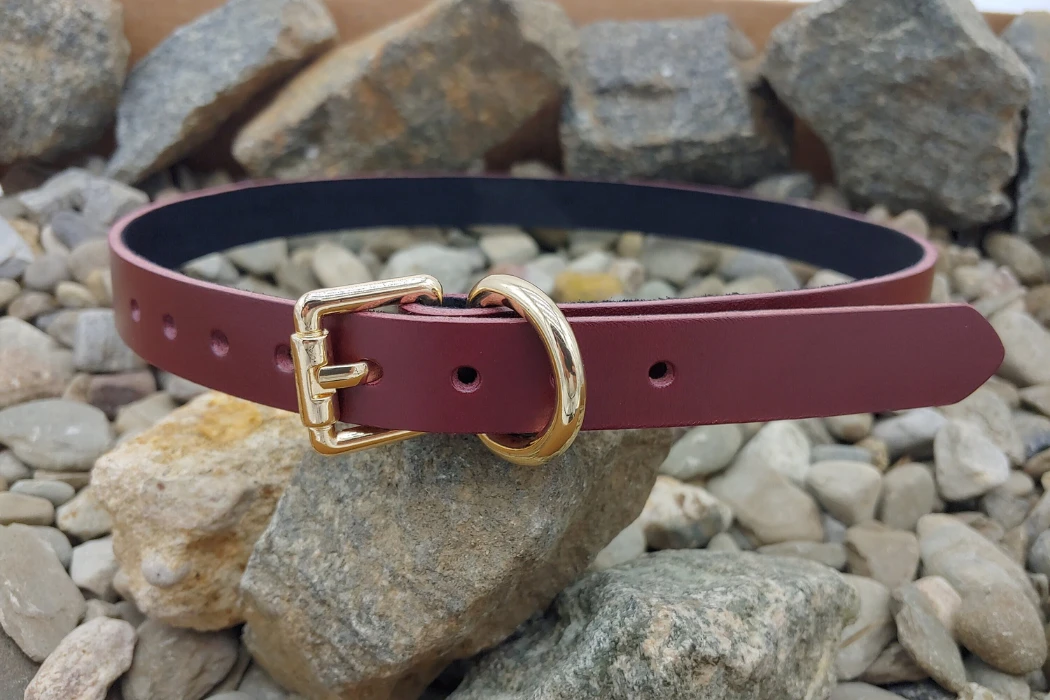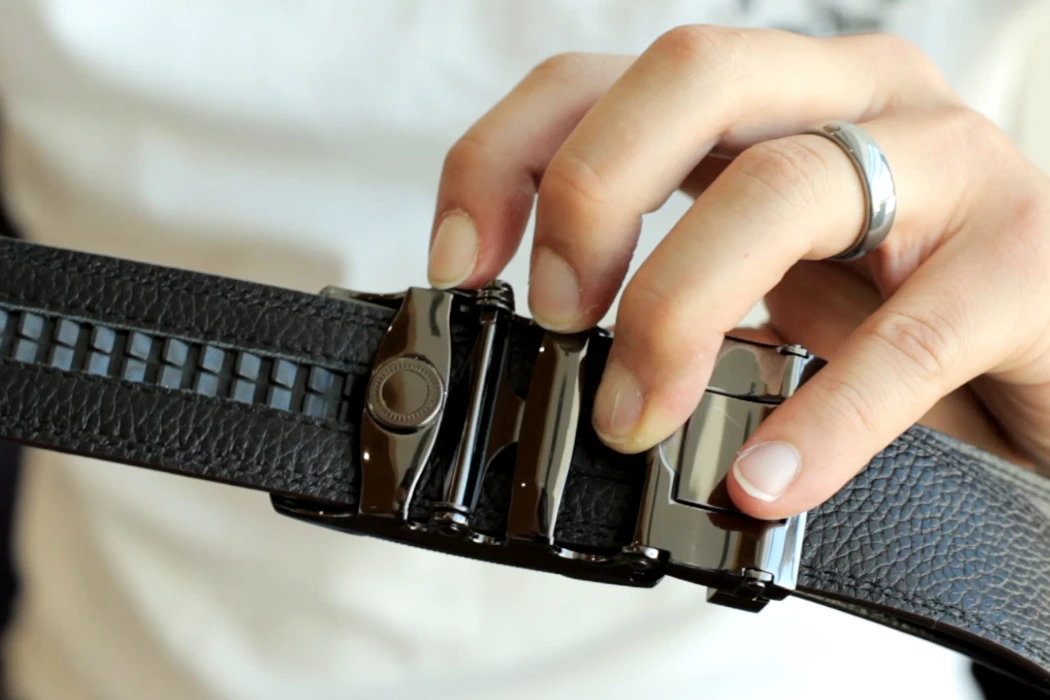
A leather belt quote is useful only when the material, construction, quantity and delivery basis are clear. Two suppliers can quote the same drawing and still price different products: one may include a leather lining and custom buckle, while the other includes a coated lining and stock hardware.
Build the comparison around a bill of materials (BOM), then separate production costs from the costs of getting saleable goods into your warehouse. This guide combines the material, cutting-yield, tooling and private-label cost questions into one worksheet. It does not present unverified factory prices as market benchmarks.
Start with a quote that describes the same belt
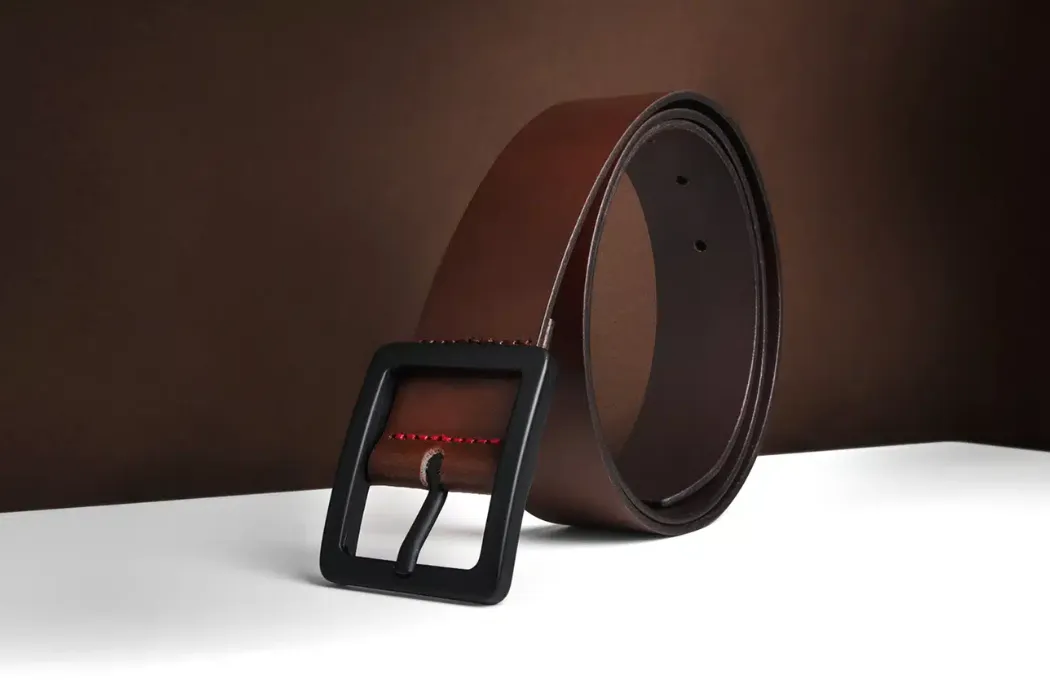
Send each supplier the same dated specification and size distribution. The request should identify the outer strap, backing or lining, any reinforcement, buckle material and finish, edge construction, logo method and packaging. “Genuine leather” alone does not identify the leather layer, surface treatment or complete belt construction. PU is a synthetic material, not a grade of animal leather.
| Cost line | What the quote should identify | What to compare |
|---|---|---|
| Leather or PU | Material reference, thickness, finish, unit of purchase and consumption | Same approved construction and quality allowance |
| Lining and reinforcement | Separate material descriptions and quantities | Whether they are included rather than hidden inside “leather cost” |
| Hardware | Base metal, dimensions, finish, attachment and tooling | Finished component price and testing requirements |
| Conversion | Cutting, skiving, stitching, edges, logo and assembly | The actual operations needed for the approved sample |
| Quality and packing | Inspection, agreed testing, retail pack and export carton | Included services and separately charged work |
| One-time development | Patterns, dies, buckle tooling and samples | Ownership, revision charges and treatment on repeat orders |
Ask the supplier to flag any exception before comparing totals. A lower price obtained by changing a lining or omitting a test is a specification change, not a saving on an equivalent product.
Calculate leather consumption from yield, not a fixed waste percentage
Long belt straps constrain the cutting layout. Hide shape, usable length, natural marks, stretch direction, strap width and the agreed appearance standard all affect how much material can become acceptable parts. A material name alone cannot establish a universal yield. Coated splits are also different from reconstituted leather sheets; they should not be grouped as one identical input.
For a defined order, calculate purchased area = net usable part area ÷ usable yield. Keep all area units consistent and include the lining separately when it is made from another material. Ask the factory which losses are already included so that wastage is not charged twice.
Here is an arithmetic illustration, not a Hoplok quotation or a promised factory yield. Assume the net parts need 0.30 square feet per belt and the purchased material costs $5 per square foot:
| Assumed yield | Purchased area per belt | Material cost per belt |
|---|---|---|
| 70% | 0.30 ÷ 0.70 = 0.429 sq ft | About $2.14 |
| 85% | 0.30 ÷ 0.85 = 0.353 sq ft | About $1.76 |
In this example the 70% yield needs about 21.4% more purchased material than the 85% yield. The practical question is whether the better yield can be achieved without accepting unsuitable strap sections or changing the design.
Separate hardware cost from the investment in tooling
A buckle price depends on its size, weight, alloy, manufacturing route, finish and inspection requirements. Brass, stainless steel and zinc alloy can all be specified for fashion accessories. Neither weight nor the alloy name establishes a lifetime, corrosion result or plating quality on its own. Request a sample of the finished component rather than judging an unplated casting.
Tooling is a separate commercial item. Record the die or mold identifier, approved drawing, ownership, maintenance, storage and repeat-order charges. Paying a tooling fee should not leave those terms implicit.
To allocate a hypothetical $300 development fee, dividing by 300 belts adds $1 per belt; dividing by 3,000 adds $0.10. That calculation says nothing about the remaining material and labor costs. A larger order does not automatically halve the entire unit price, and a material MOQ may still apply to each chosen component.
Price the finishing work that the sample actually needs
Edge preparation, drying, sanding, stitching and logo application can create meaningful differences in conversion cost. More paint layers are not automatically better: coating compatibility, preparation and curing matter. A burnished edge and a painted edge are different design choices, not a universal quality ranking.
For a useful engineering discussion, ask for two approved constructions with the differences identified. For example, compare a simple stitched perimeter with a decorative stitch pattern, or a stock buckle with a custom design. Agree on how the revised sample will be checked before accepting the lower-cost version.
- Keep strap and buckle fit, edge comfort and attachment strength in the acceptance requirements.
- Separate a cosmetic preference from a functional requirement.
- Check whether a changed finish affects logo adhesion, color transfer or packaging.
- Do not substitute an unapproved lining, adhesive or metal finish after price approval.
Include packaging, testing and delivery without double counting
A retail box changes more than material cost. It can add packing operations and change the number of belts in a shipping carton. Compare the actual packed dimensions and the packing method, including protection against buckle-to-leather contact.
Agree on the destination and product-specific testing plan. List the tested materials, finished components, sampling basis, laboratory charges and responsibility for retesting after a material change. A facility audit is not a substitute for product evidence, and no single testing allowance covers every market.
For internal planning, start with the supplier price on its stated delivery basis, then add costs not already included: freight, insurance, clearance, applicable duties and fees, inland delivery and receiving inspection. Keep recoverable taxes separate from permanent product cost. Country of manufacture alone does not establish a zero duty rate; the importer should confirm the classification, origin and current measures for the shipment.
Use confirmed Hoplok quantities and lead times in the budget
Hoplok’s minimum order quantities are 300 pieces for leather belts and 1,000 for PU belts. Confirm the proposed style, color and size allocation in the quotation. Belt sampling takes 2–3 weeks; bulk production lead time is 60–90 days. The order schedule should record its starting conditions, approvals and freight time separately.
Hoplok has belt factories in Dongguan, China and Cambodia. ProPelli is a leather finishing facility in Cambodia that works on crust leather received from partner tanneries. It holds a current LWG Gold rating. In-house finishing supports coordination of surface specifications; it does not eliminate upstream material purchasing or imply automatic tariff savings.
Questions to resolve before accepting the price
Why is there no single standard factory price?
Length distribution, materials, construction, hardware, finish, quantity and packaging change consumption and work. A priced sample specification gives a more useful basis than a broad online range.
Can I reduce cost without changing the leather?
Start by reviewing tooling reuse, unnecessary decorative operations, packaging volume and the size assortment. Ask for the saving and sample impact separately. Keep agreed product requirements intact.
Does a higher retail price prove better construction?
No. Retail price includes a brand’s selling costs and commercial decisions. Request construction details and test evidence rather than deriving factory quality or profit from a price tag.
Send the drawing, size mix, material references, target quantity, destination and required launch date to Hoplok. For the production scope, see our custom belt manufacturing page.