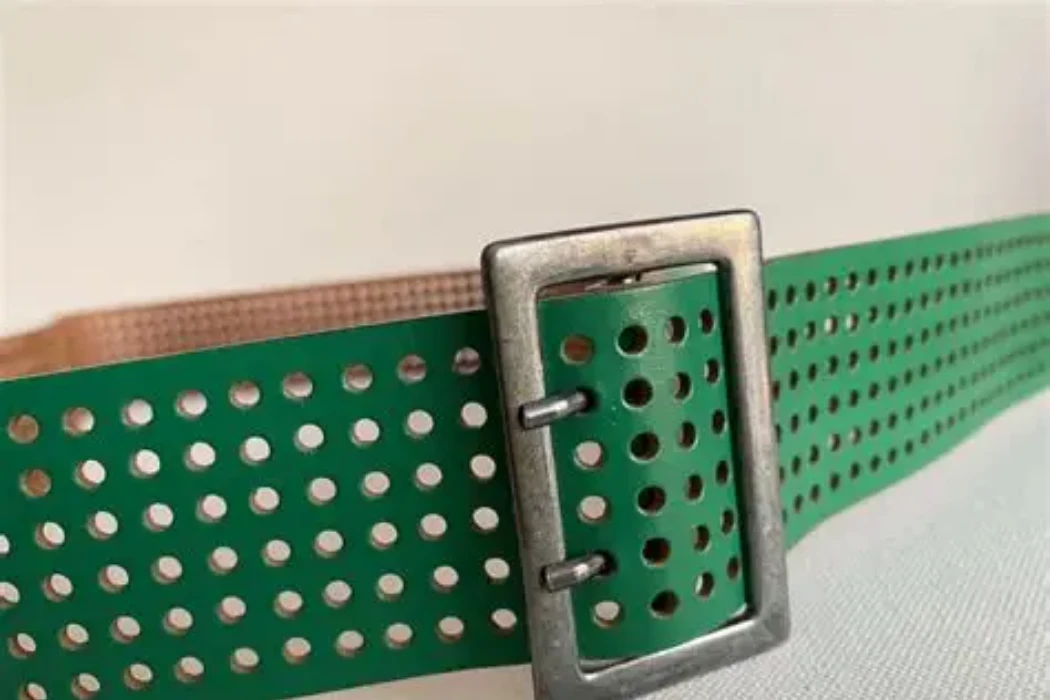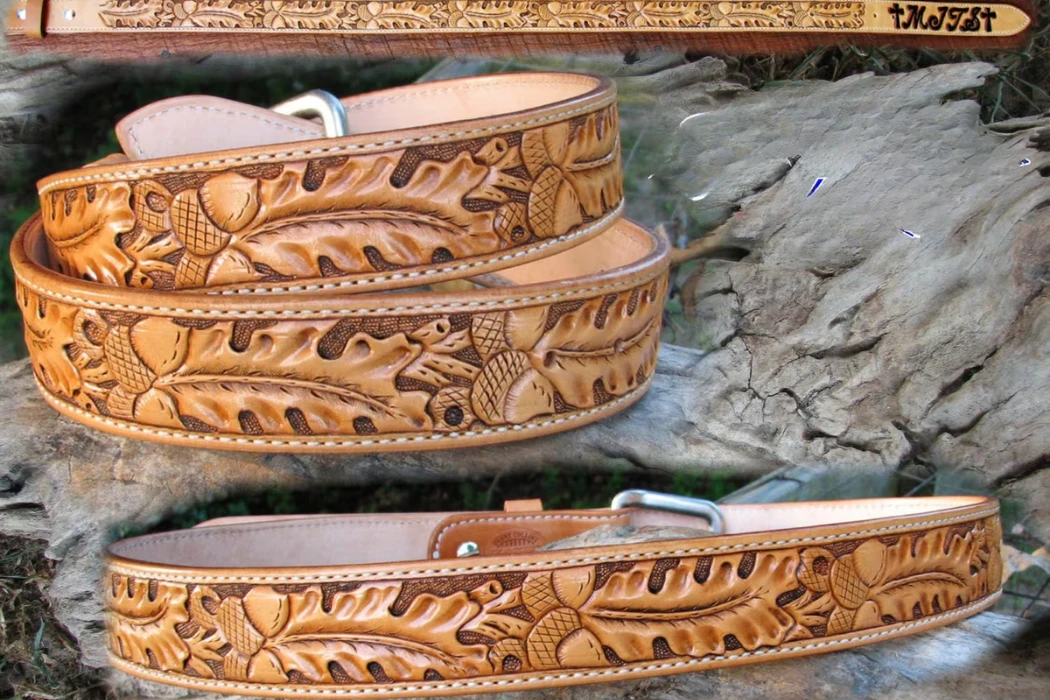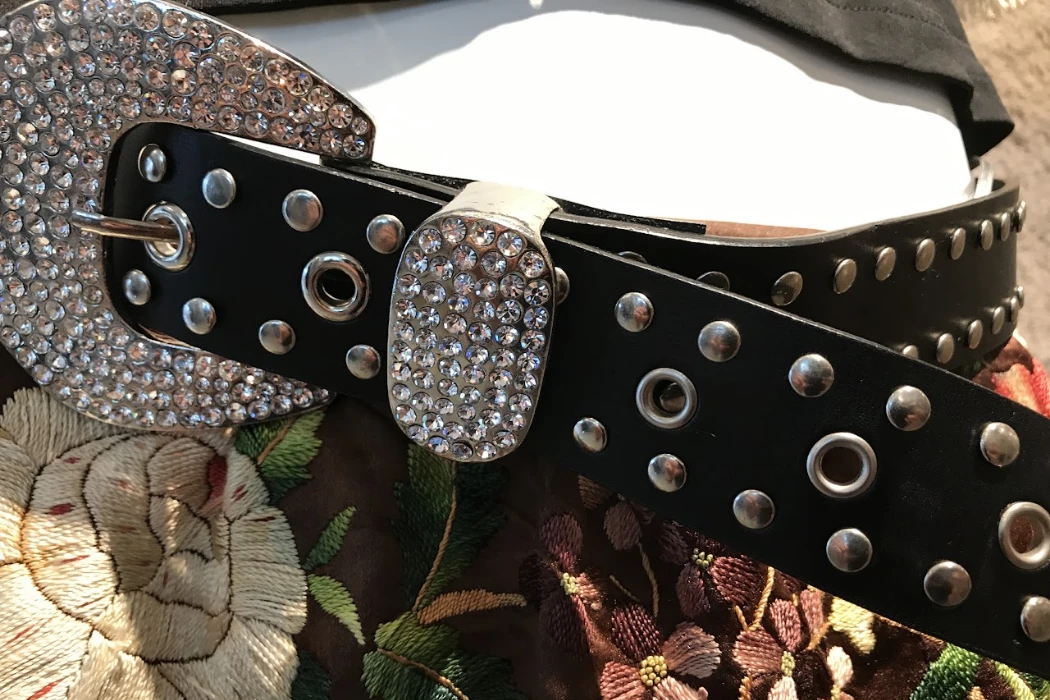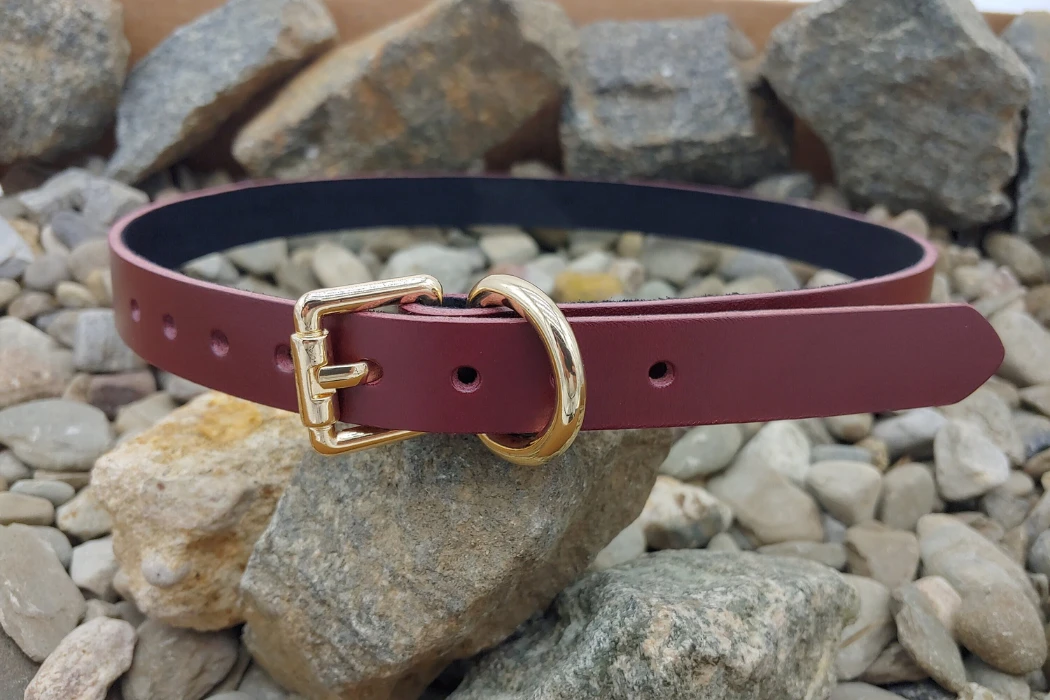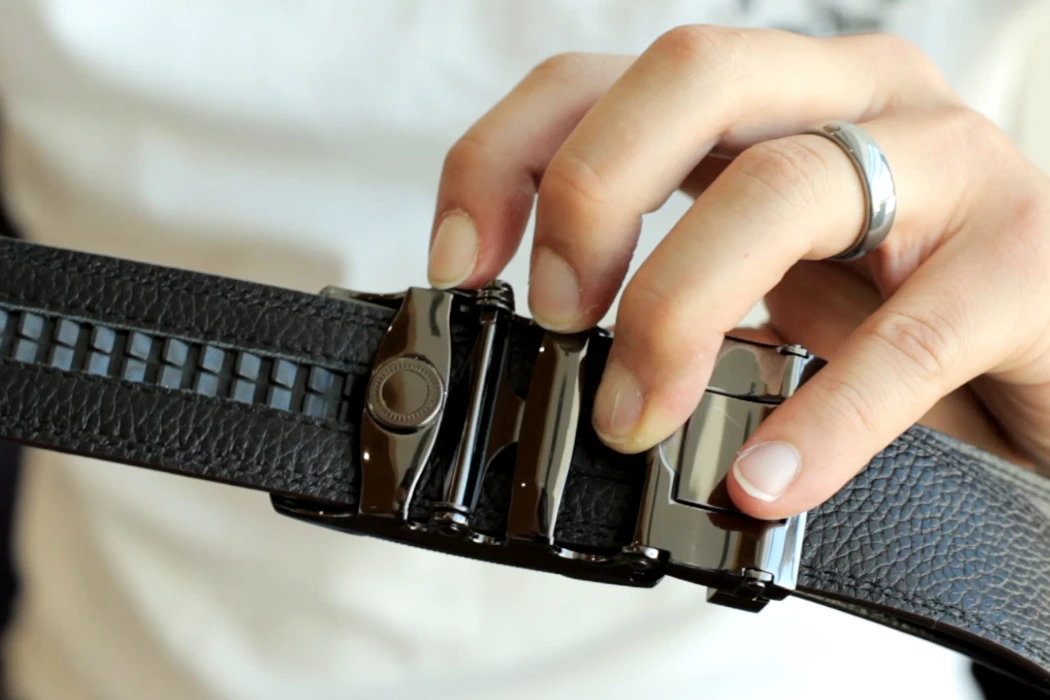
Women’s fashion belt development starts with wearing position, silhouette, fastening range and the intended collection. Buyers need clear material, color and hardware specifications so approved designs can be sampled and produced consistently.
This guide connects design decisions for women’s belts to fit trials, material approval, color evaluation and finished-product checks. It focuses on evidence needed for a purchase order rather than market-size forecasts or universal performance numbers.
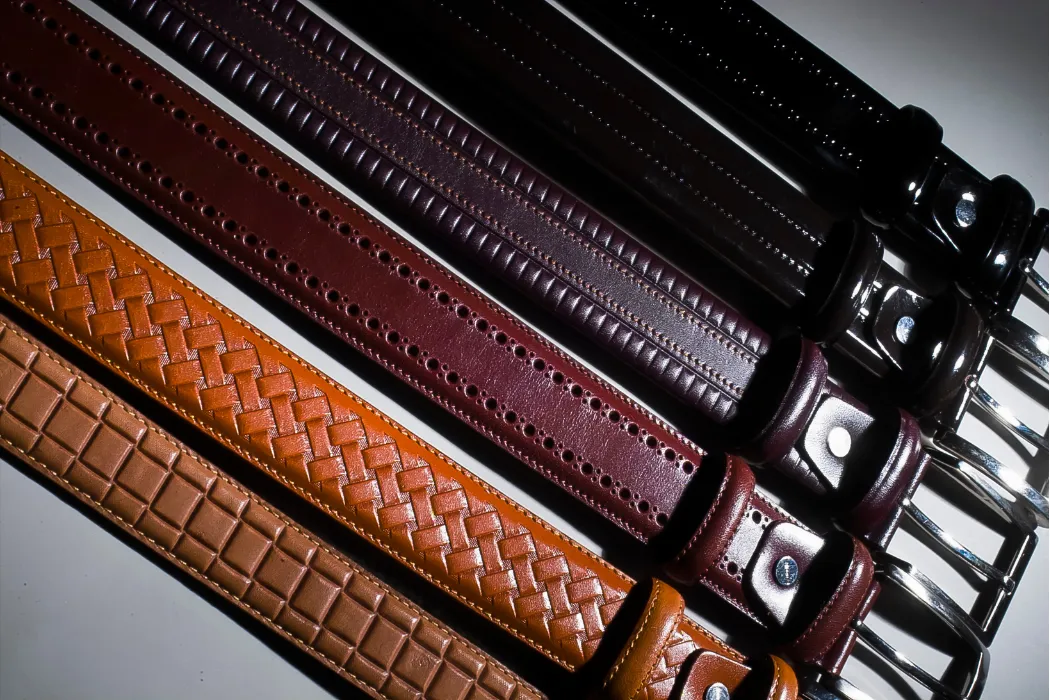
How to forecast upcoming trends in women’s leather accessories?
Use the brand’s sales, returns, customer feedback and target-market research to form a seasonal design brief. Distinguish observed demand from a design hypothesis and test new styles before committing the full assortment.
Core principles of forecasting women’s leather accessory trends
Compare signals at the product level: wearing position, width, buckle scale, color and texture. A handbag search trend does not automatically predict demand for a belt. Record the market, time period and source of any trend data used in quantity planning.
Data-driven tools and technologies guiding leather trend forecasting
Search and sales tools can help organize evidence, while drawings and samples test whether a concept is practical. Use a technology only where it answers a development question. AI forecasts, RFID or 3D prototypes do not establish demand, sustainability or Hoplok production capability.
Turning Trend Evidence into a Development Brief
Turn a proposed direction into a limited, reviewable brief: target customer, style role, reference image, expected price and quantity assumption. Validate the assumption with the buyer’s own market evidence. Keep material availability and sampling time visible when deciding the launch plan.
What are the manufacturing challenges for high-waist vs. hip belts?
Wearing position changes the fit, fastening range and shape required. A high-waist style is not automatically longer or stiffer than a hip style. Evaluate each on the intended garments and target fit range before approving the pattern.
Structural and Design Differences Between High-Waist and Hip Belts
Compare straight and contoured patterns where appropriate. Check gaping, twisting, pressure points, buckle position and tail behavior when worn. The same letter size should not be assumed to fit both positions.
Material Specifications and Production Adjustments
Agree the leather and finished assembly thickness, flexibility, lining and reinforcement for each style. Sample the full size range where fit risk warrants it, and set material requirements from the intended fashion-belt use.
How can brands utilize jewelry-grade hardware as a selling point?
Treat “jewelry-grade” as a descriptive marketing phrase that needs a concrete specification, not a recognized guarantee. Identify the base alloy, finish, dimensions and approved appearance; support any corrosion or durability claim with relevant testing.
| Hardware field | Evidence to approve |
|---|---|
| Base material | Actual alloy/component specification |
| Appearance | Color, gloss, texture and physical sample |
| Function | Fit, fastening and attachment checks |
| Performance | Applicable test method and acceptance criteria |
The Appeal of Jewelry-Grade Hardware in Leather Accessories
Hardware can create a collection’s visual identity through proportion, surface and detail. Approve those features on a physical component and assembled belt. Country-of-origin language such as “Italian metal” does not identify an alloy or prove a higher performance level.
Material Specifications and Brand Integration Strategies
Choose the fastening geometry and attachment for the actual strap. Check edges, moving parts and surface contact areas, and define relevant chemical and performance requirements for the destination. A screw or rivet does not automatically reduce maintenance cost or make the product safely user-repairable.
Custom Leather Belts, Perfected for Your Brand
Develop custom women’s leather belts with a defined material, fit range, hardware reference and approval plan. Hoplok can review feasibility and confirm the sample and production schedule.
Explore Custom Belts →
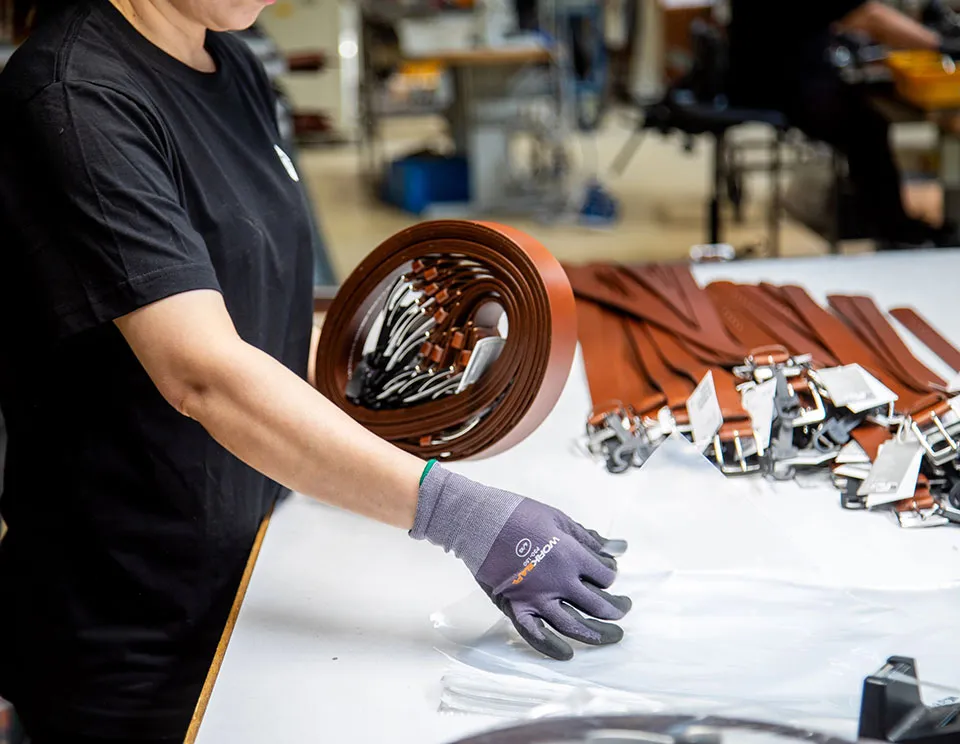
What are the technical hurdles of color-matching vibrant fashion shades?
Color approval needs a physical reference, agreed viewing conditions and an appropriate measurement method. Texture, gloss and substrate differences can affect the match. A numerical color-difference formula is not itself an acceptance tolerance.
Understanding Metamerism and Material Variability
Two samples may appear to match under one light and differ under another, a phenomenon called metamerism. Review the selected leather, edge finish and hardware under the agreed lighting conditions. X-Rite’s color guidance explains why lighting changes matter to saturated-color comparisons.
Measurement Standards and Tolerance Control in Production
Agree the instrument settings, measurement geometry, illuminant, observer, color-difference formula and numerical tolerance with the supplier or laboratory. Supplement readings with visual approval, especially for textured or metallic surfaces, and confirm the color-development workflow for the selected leather finish.
Color Approval Records
Keep the approved master and batch references identifiable. Review color alongside gloss and texture rather than relying on a single number. Record whether the target is an exact match or a coordinated appearance across different materials.
How to design thin “skinny” belts without sacrificing tensile strength?
“Skinny” usually describes a narrow visual profile; specify width and thickness separately. The selected material stack, holes, edge treatment and buckle attachment determine the performance that needs to be validated.
Balancing Skinny Aesthetics with Structural Integrity
Compare the actual leather and possible lining or reinforcement on a sample. Check whether the narrow strap remains comfortable, stable and compatible with the buckle. Material names alone cannot guarantee strength or justify excluding every split-leather construction.
Testing Standards and Engineering Reinforcements
Ask the laboratory to select applicable thickness, tensile, tear and finished-attachment tests and agree the acceptance criteria. Test the complete design where a material coupon does not represent the failure point. Reinforcement placement and bonding need sample approval; no universal ounce range or breaking load defines all skinny belts.
How should buyers evaluate hair-on and metallic belt textures?
Hair-on and metallic finishes offer different visual effects. Choose their assortment role using the buyer’s actual demand and price plan; neither a lack of public statistics nor broad leather-market figures proves that a texture is popular or niche.
Understanding Haircalf and Metallic Leather Textures in Women’s Fashion
Specify the actual species and hair-on material rather than relying only on a trade label. For metallic leather, identify the base and surface treatment. Approve appearance, directional variation and handling requirements on the selected sample.
Production and Validation of Special Textures
Discuss material availability and development feasibility for the proposed texture. Select relevant surface wear, rub-transfer, adhesion or hair-retention checks with the supplier and laboratory. A special finish is not automatically outside leather testing methods.
Assortment and Sample Approval
Review the texture on the assembled belt, including folds, edges, holes and buckle contact. Approve the allowed variation with reference photographs and samples. Do not turn a sample’s decorative effect into an untested durability or sales claim.
How to ensure color fastness in brightly dyed leather goods?
Select color-fastness checks for the actual exposure expected in use, including relevant dry/wet rubbing or other agreed conditions. Color saturation alone does not determine whether a leather will transfer dye.
| Review area | Specification requirement |
|---|---|
| Rubbing | Method, wet/dry condition, cycles and ratings |
| Other exposure | Relevant light, perspiration or cleaning method |
| Acceptance | Separate appearance change and staining limits |
| Evidence | Material/color identity and report conditions |
Principles and Importance of Color Fastness in Brightly Dyed Leather
Color change and transfer to adjacent materials are different outcomes and should be assessed separately. Test the selected finish and color, including surfaces that contact clothing. Do not assume that a passing result for one color covers every colorway or finish.
Testing Standards and Performance Targets for Bright Leather Colors
ISO 11640:2018 specifies assessment of leather surface behavior under rubbing with wool felt. Agree the applicable edition, conditions, cycles and acceptance ratings with the laboratory; it does not establish a universal grade-four requirement for all belts. Choose separate methods for other claimed exposures rather than calling every leather test a laundering test.
What are the standard ladies’ belt sizes from XS to 3XL?
Build a brand-specific size chart for the wearing position. XS through 3XL are labels whose physical ranges must be defined; total strap length is not the same as nominal fastening size.
Understanding Women’s Belt Size Conventions
Identify the buckle or strap anchor and the fastening point used for nominal size. Show first and last usable positions, total length and any overlap or tying allowance separately. Use the same convention in the drawing, fit sample and retail size chart.
Detailed Size Ranges from XS to 3XL
Set the size ranges from target-customer fit evidence and validate the extremes. Use a master unit and documented conversion, rounding and tolerances. Do not publish a universal XS–3XL chart based on another brand’s proprietary measurements.
| Size-chart column | What to record |
|---|---|
| Label | XS–3XL or the chosen brand system |
| Wearing position | Waist, high waist or hip |
| Nominal measurement | Named anchor and fastening position |
| Usable range | Minimum and maximum fastening measurements |
| Total length | Defined endpoints, separate from fit |
How can international design teams help brands compete globally?
Coordinate design, sourcing and quality teams through clear approval responsibilities and one controlled specification. Regional input can inform fit and assortment choices, while samples determine whether those choices work in production.
Global Standardization and Collaborative Design Practices
Use a shared revision log, consistent measurement units, material codes and approved references. Record which team approves design, fit, color and testing, and resolve conflicting comments before releasing the specification.
Technical Evaluation, Compliance, and Competitive Benchmarking
Confirm requirements for the destination, intended age group and materials with the responsible buyer or adviser. Maintain a product-specific test and document plan, with clear responsibility for submitting and approving each record.
Cross-Border Approval Handover
Before release, confirm the final drawing, material and hardware references, size chart, color approvals, test reports and purchase-order assumptions. Assign responsibility for resolving discrepancies and approving later changes.
Final Thoughts
Turn the women’s belt concept into an approved wearing position, material stack, color reference and fastening range. For Hoplok belt development, MOQ is 300 genuine leather belts or 1,000 PU belts. Plan 2–3 weeks for sampling and 60–90 days for bulk production, then confirm the specific schedule and allocation.
Frequently Asked Questions
How should buyers select women’s belt styles for a collection?
Choose the style roles from the target customer, intended wearing position and current brand evidence. Sample the proposed width, fastening method and buckle scale before fixing quantities.
How to measure for a high-waist belt?
For development, measure the target wearing position and validate it on fit samples. Define the buckle or strap anchor, nominal fastening point and usable range in the chart rather than relying on a universal size-up rule.
What is the standard women’s belt width?
There is no single required width. Specify the finished width, thickness and tolerance for the garment and buckle, then confirm comfort and proportion on the sample.
Can you use recycled leather for belts?
A material containing recycled leather fibers may be considered after composition, construction, claims and performance are reviewed. Approve the actual sample and substantiate recycled-content claims; suitability is not automatic.
How to choose the right buckle for a dress belt?
Match the buckle to the finished strap dimensions and intended appearance. Specify the actual alloy, finish and attachment, then agree relevant function and performance checks. Fashion-belt buckles should not be assigned industrial safety-hardware load ratings.
How should buyers approve seasonal belt colors?
Use current target-market evidence to choose the palette, then approve physical color references on the selected materials. Record lighting and tolerance requirements; a named trend color does not prove demand or environmental benefit.