The global leather accessories market moves fast. Retailers constantly search for reliable belt collections that balance cost, durability, and style. If you want to scale a leather belt brand, you must understand exactly what wholesale buyers and large retail chains demand.
Scaling successfully requires more than just good design. It requires strict material consistency, scalable manufacturing, and absolute compliance with international safety standards like REACH or CPSIA. Buyers need to know your belts will look identical from the first piece to the ten-thousandth piece. They also need proof that your hardware will not fail and your leather will not crack under pressure.
Transitioning from small batches to bulk wholesale orders changes everything about how you build a product. You must standardize your leather selection, optimize your sizing charts, and establish rigid quality control checkpoints. Let us break down the exact technical steps you need to take to prepare your belt brand for global retail distribution.
What Do Retail Buyers Look For In Leather Belt Collections?
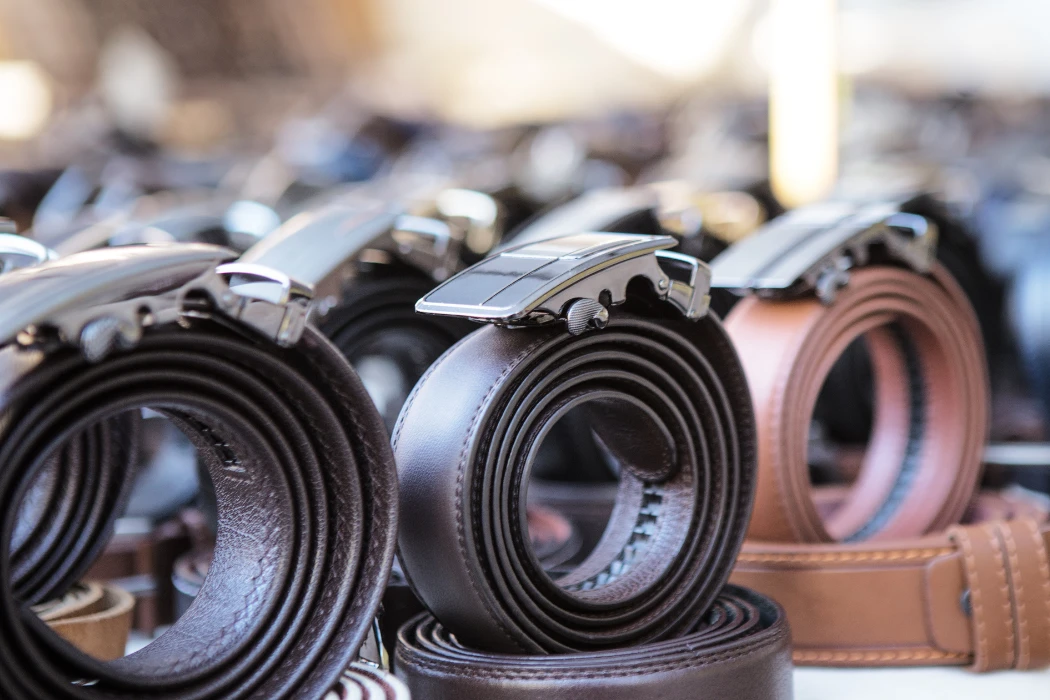
Retail buyers look for absolute consistency, strict chemical compliance, and reliable profit margins. They need belts that look exactly the same across hundreds of stores. They also require proof that the leather passes safety tests for chemicals like lead and phthalates. Finally, buyers need pricing structures that allow them to scale volume without losing quality.
The Need for Material Consistency
When a retailer orders ten thousand belts, every single piece must match the approved sample exactly.
- Color matching requires precise tanning processes so a Pantone 19-4010 Navy belt looks identical in every production batch.
- Thickness must remain uniform, usually between 2.8mm to 3.5mm for standard men’s dress belts.
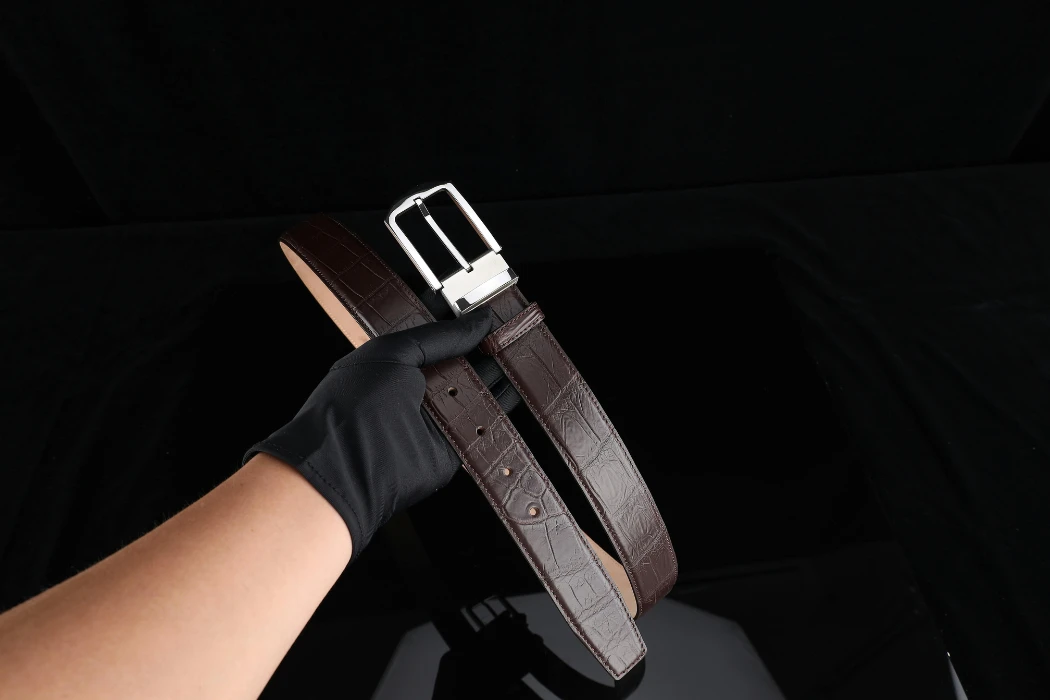
- Surface textures, like pebble grain or crocodile embossing, need uniform machine pressure during manufacturing so the pattern does not fade or warp.
Inconsistent materials lead to high store returns, so brands must control their leather finishing processes tightly.
Compliance and Safety Regulations
Big retailers will not put a belt on their shelves if it fails chemical safety testing.
- In the United States, belts must pass CPSIA standards, which heavily restrict lead levels in metal buckles and hardware.
- In Europe, leather goods must comply with REACH regulations, which monitor dangerous chemicals in leather dyes and tanning agents.
- Independent testing labs regularly check bulk orders for heavy metals, restricted phthalates, and Chromium VI limits in genuine leather.
If you fail these chemical compliance audits, retailers will cancel the entire purchase order immediately.
| Market | Key Regulation | Primary Focus | Strict Material Limits |
|---|---|---|---|
| United States | CPSIA & California Prop 65 | Lead and Phthalates | < 90 ppm lead in surface coatings |
| Europe | REACH | Heavy Metals, AZO Dyes | Strict limits on Chromium VI |
Volume Capabilities and Margins
Buyers choose brands that can handle rapid reorders while keeping unit costs low.
- Retailers often expect a 60% to 70% gross margin, so your wholesale cost must safely accommodate their retail markup.
- Factories must have the mechanical capacity to produce 200,000 to 300,000 genuine leather belts per month for major global retail rollouts.
- Brands need flexible minimum order quantities (MOQs) to test new seasonal styles before committing to massive bulk orders.
You must build a supply chain that scales up production smoothly without suddenly increasing the cost per unit.
How Do You Choose The Right Leather For Wholesale Belts?
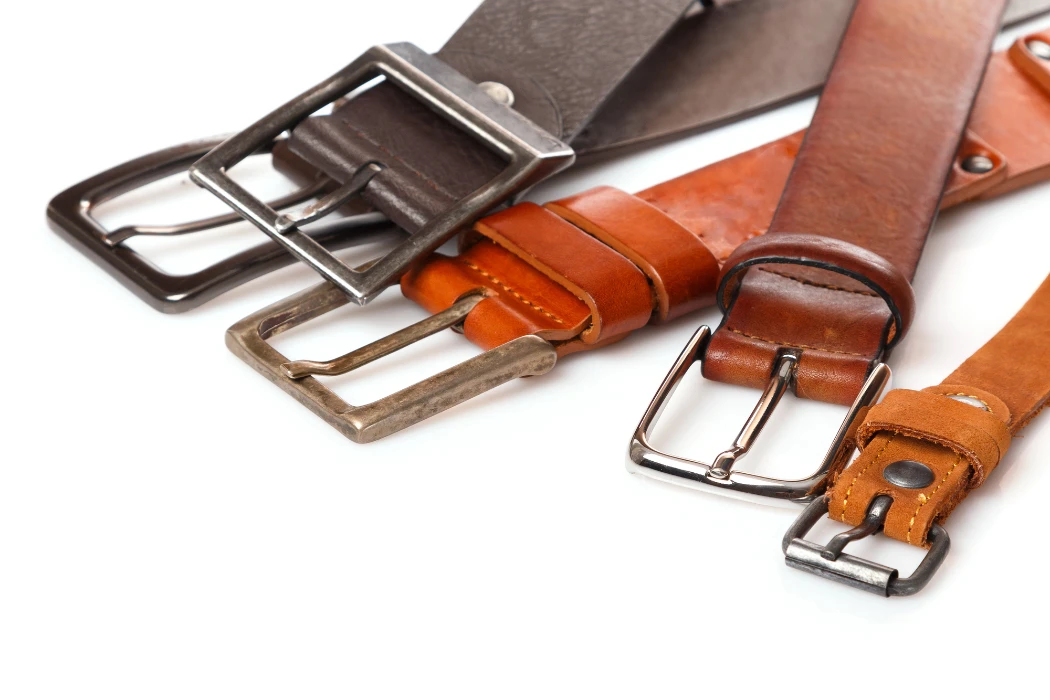
Choosing the right leather depends on your target retail price and the durability your customers expect. High-end boutiques want full-grain leather because it ages beautifully over time. Fast-fashion retailers prefer top-grain or PU leather so they can keep costs low. Understanding these material differences helps you balance quality with your required profit margins.
Understanding Full-Grain and Top-Grain Leathers
Full-grain and top-grain are the two most common genuine leathers used for premium belt collections.
- Full-grain leather keeps the entire natural hide, making it the strongest option. It usually ranges from 3.0mm to 4.0mm in thickness.
- Top-grain leather is sanded down to remove surface scars, so it provides a smoother, more uniform appearance.
- Because top-grain is slightly thinner, often around 2.8mm to 3.2mm, it is easier to stamp with deep logos or detailed patterns.
If your retail price point is high, full-grain is the best choice because it offers the longest lifespan for the consumer.
Exploring PU and Vegan Alternatives for Mass Retail
For fast-fashion brands, synthetic materials provide a cost-effective way to follow trends quickly.
- Polyurethane (PU) leather is highly versatile and allows for exact color matching using the Pantone color system.
- High-quality PU belts can simulate natural textures, like crocodile or snake embossing, at a fraction of the raw material cost.
- Vegan leather and bonded leather (made from recycled leather scraps) are becoming very popular because modern consumers demand eco-friendly options.
These synthetic options are perfect for large volume orders because they guarantee absolute material consistency across thousands of belts.
Popular Finishes: Pull-Up, Crazy Horse, and Oil-Tanned
The surface finish of the leather gives the belt its unique personality and visual appeal.
- Crazy horse leather is treated with special waxes, so it changes color slightly when bent, giving it a rugged, vintage look.
- Pull-up leather uses a heavy oil finish, which makes the material extremely soft and water-resistant.
- Standard aniline finishes use transparent dyes so the natural grain of the hide remains fully visible and breathable.
Choosing the right finish is critical because it dictates how the belt will look and feel after months of daily use.
What Are The Standard Belt Sizes For Global Markets?
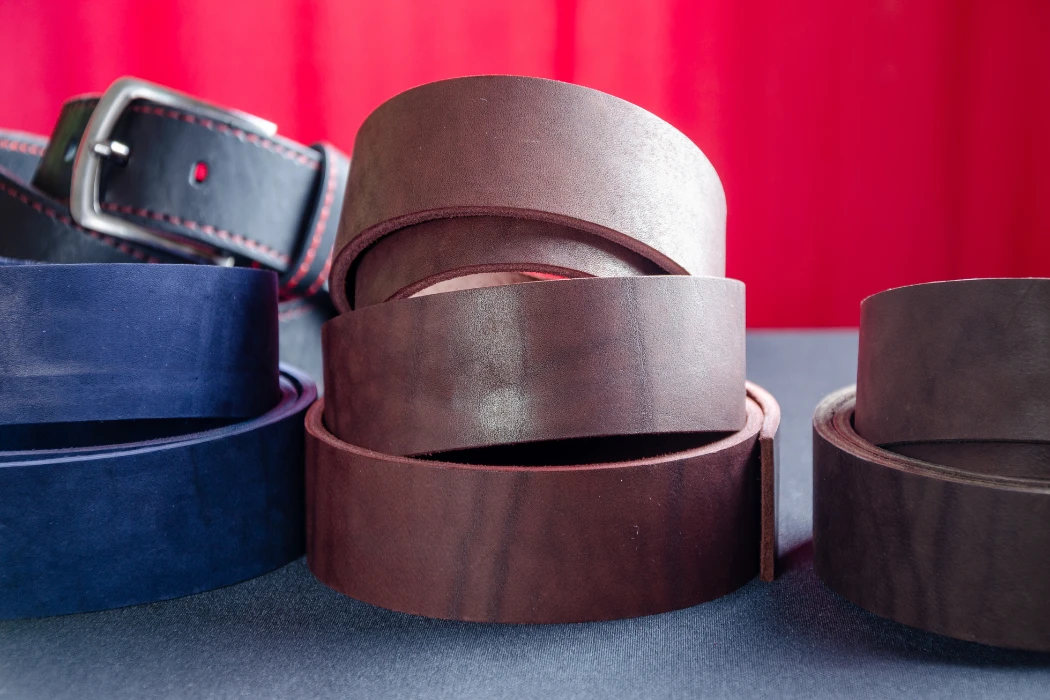
When selling wholesale, you must offer standardized sizing so retailers can manage their inventory easily. Belt sizes vary slightly by region, but most global brands use standard inch and centimeter measurements. Offering a complete and accurate size run prevents store returns and ensures your product fits diverse consumer demographics perfectly.
Developing Men’s Belt Size Ranges
Men’s belts usually follow standard pant sizes, but the leather strap itself is cut larger to accommodate material thickness and comfortable fastening.
- Standard men’s sizes range broadly from 28 inches (72 cm) up to 50 inches (127 cm) for plus sizes.
- The general industry rule is to size the belt two inches larger than the customer’s actual waist or pant size.
- A standard size Medium (M) typically covers a 36-inch to 38-inch (92 cm to 97 cm) waist.
By offering this wide spectrum, retailers can cover the vast majority of their male customers without stocking excessive inventory.
Structuring Women’s Belt Sizing
Women’s belts require a different sizing approach because they are worn on different parts of the body, such as the high waist, over dresses, or on the hips.
- Standard women’s sizes range from 26 inches (67 cm) for an Extra Small (XS) up to 46 inches (117 cm) for a 3XL.
- A typical women’s size Medium (M) usually fits a 34-inch to 36-inch (87 cm to 92 cm) measurement.
- Because styling varies so much, wholesale brands often add an extra row of holes or use an adjustable clasp so the belt fits multiple wearing styles.
Providing flexible sizing options for women’s belts drastically reduces the number of exact SKUs a retailer needs to keep on their shelves.
Kids and Youth Belt Sizing Strategies
Children grow quickly, so retailers need youth sizes that offer maximum adjustability and high durability.
- Young kids between the ages of 4 and 6 usually require a 22-inch (56 cm) belt length.
- Older youth between the ages of 12 and 16 generally fit a 30-inch (76 cm) belt size.
- Many youth belts use metal roller buckles, braided designs, or stretch materials so the belt can easily grow with the child.
Including a youth line in your wholesale catalog opens up family-focused retail markets and adds valuable revenue streams for your brand.
| Size Category | Waist Measurement (Inches) | Waist Measurement (Centimeters) | Typical Letter Size |
|---|---|---|---|
| Women’s Small | 30″ – 32″ | 77cm – 82cm | S |
| Women’s Large | 38″ – 40″ | 97cm – 102cm | L |
| Men’s Small | 32″ – 34″ | 82cm – 87cm | S |
| Men’s Large | 40″ – 42″ | 102cm – 107cm | L |
How Can Custom Hardware And Buckles Elevate Your Brand?
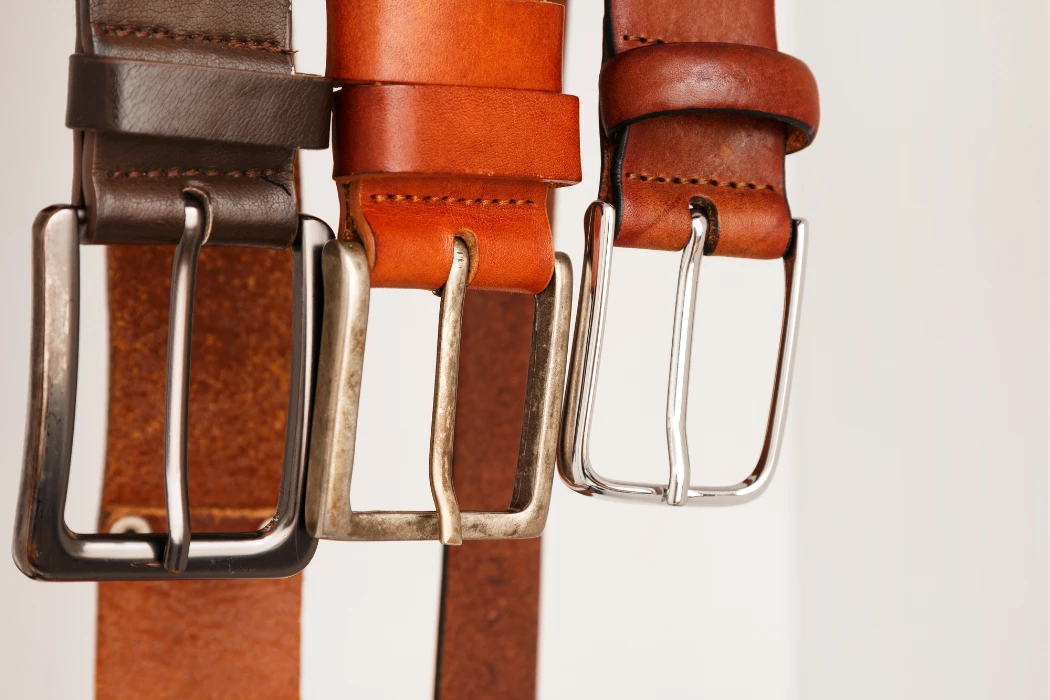
Hardware is just as important as the leather. A broken buckle ruins the entire belt. Custom hardware not only adds visual value but also guarantees mechanical reliability. Retailers look closely at these metal details because cheap hardware causes immediate customer returns.
Selecting Metals: Stainless Steel vs Brass
The base metal of your buckle determines its weight, strength, and resistance to rust.
- Stainless steel is extremely durable and naturally resists corrosion, making it perfect for heavy-duty or workwear belts.
- Solid brass offers a classic, premium weight and can be easily polished or given an antique, weathered finish.
- Zinc alloy is a cheaper, lightweight alternative often used in fast-fashion, but it requires high-quality plating to prevent rapid tarnishing.
Choosing the right base metal ensures your buckles survive daily wear and tear without snapping or rusting.
Buckle Types: Roller, Ratchet, and Classic Pin
Different belt styles require different mechanical buckle designs to function properly.
- The classic pin buckle requires cleanly punched holes and strict leather thickness control. Workwear belts often reinforce these with a stainless steel hole ring.
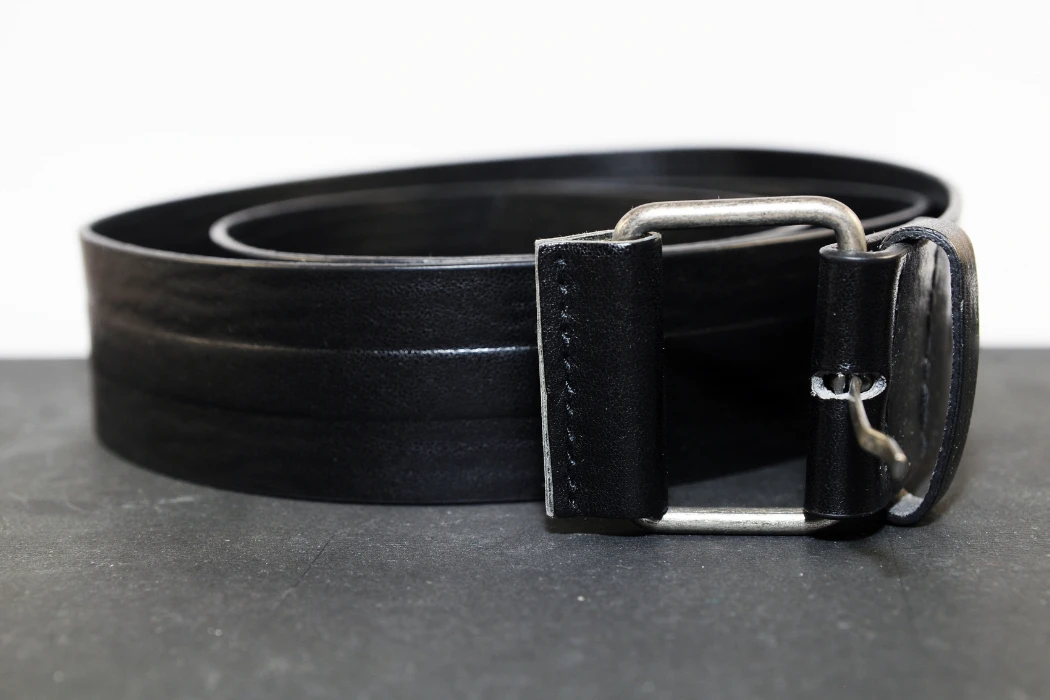
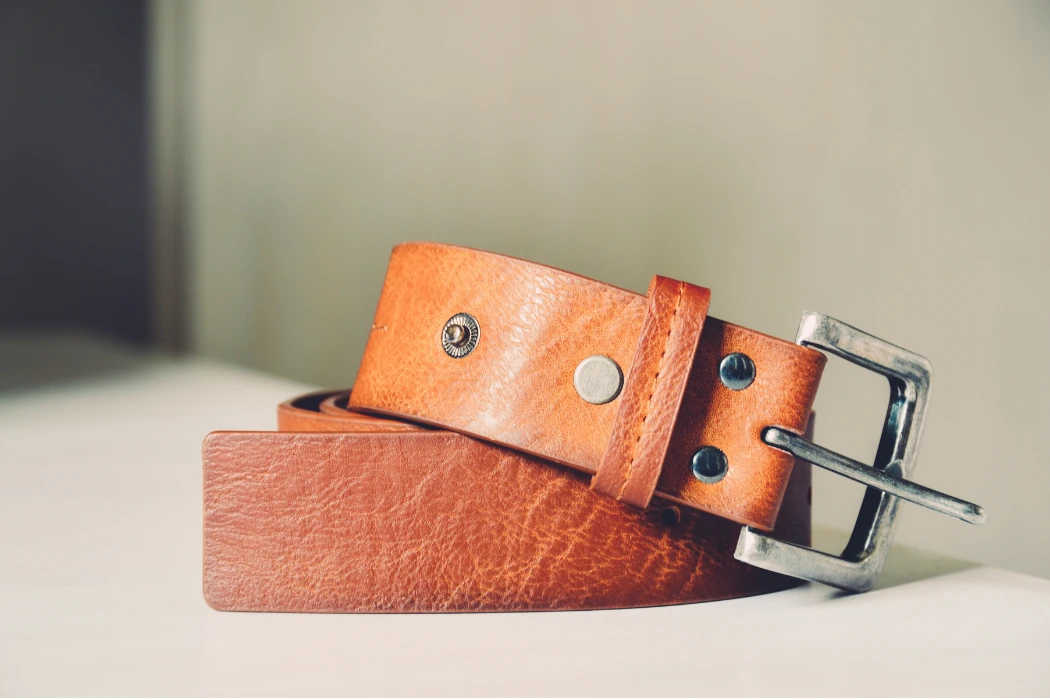
- Metal roller buckles feature a spinning metal tube that protects the leather surface from friction. This design is ideal for thick casual or youth belts.
- Ratchet buckles use a hidden track system instead of holes. They provide micro-adjustments for a perfectly customized and comfortable fit.
Matching the correct buckle mechanism to your target audience improves the daily user experience and extends the life of the strap.
Logo Application: Embossing, Debossing, and Laser Engraving
Applying your brand logo to the hardware or leather adds a permanent mark of quality.
- Embossing raises the logo above the leather surface. Conversely, debossing presses the design deep into the fibers using a heated metal stamp.
- Laser engraving burns a highly precise, permanent logo directly onto metal buckles or metal plates without wearing off over time.
- Brands also use custom woven labels or stamped rubber logos on the inside lining for a subtle, premium touch.
Consistent and clean logo application builds instant brand recognition on the crowded retail shelf.
Why Is Quality Control Critical For Bulk Belt Orders?
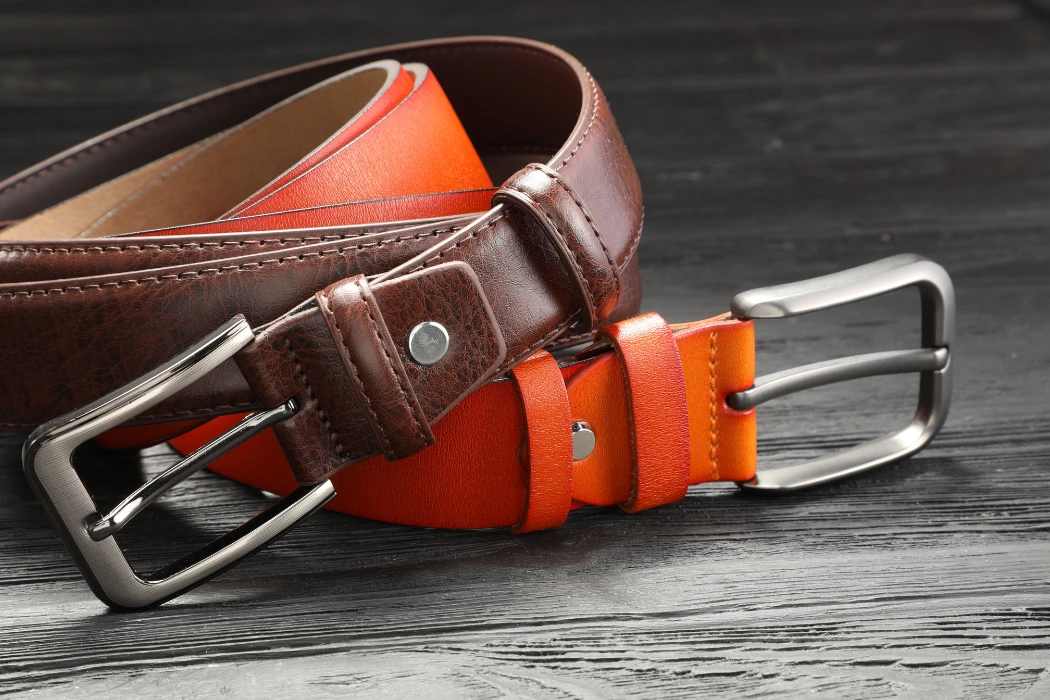
When you produce belts by the thousands, a small mistake multiplies quickly. You cannot afford to ship defective products to major retailers because it ruins your brand reputation and costs you money. Strict quality control at every stage ensures that every single belt meets the exact specifications of the original sample.
Raw Material and Hardware Inspection
The best manufacturers inspect every raw material before the cutting process even begins.
- Inspectors check leather hides for natural imperfections and verify the thickness matches the required 2.8mm to 3.5mm specification.
- They test metal hardware for smooth finishing and verify that buckles fasten securely without catching or scratching.
- Workers assess the lining materials to ensure absolute color fastness and high physical durability.
Catching flawed leather or weak metal early prevents factories from building bad belts from the start.
Production Monitoring and Edge Finishing
Quality controllers monitor the assembly lines closely while the workers actually build the belts.
- They check the stitching quality constantly to ensure straight lines and high seam strength with zero loose threads.
- Inspectors measure the cut leather pieces to ensure exact dimension accuracy against the approved digital patterns.
- They verify the edges so every belt features a smooth, burnished finish that protects the leather core from fraying over time.
Consistent monitoring during daily production ensures no small errors pass through to the final packaging stage.
Final Product Testing: Durability and Tensile Strength
Factories subject the finished belts to rigorous physical tests to prove they can survive daily consumer use.
- Machines pull the belts aggressively to test tensile strength, ensuring the leather will not snap under heavy tension.
- Technicians perform wet and dry rub fastness tests so the leather dye does not bleed onto the customer’s clothing.
- Workers test the buckle mechanics repeatedly to verify smooth and secure functionality.
These final laboratory tests guarantee the product will perform perfectly for the end consumer.
| Inspection Stage | Key Focus Areas | Pass/Fail Criteria |
|---|---|---|
| 1. Raw Material | Leather grain, thickness limits, hardware finish | Must match approved sample exactly |
| 2. In-Line Production | Stitching alignment, exact cutting, edge burnishing | Zero frayed edges or missed stitches allowed |
| 3. Final Testing | Tensile strength, rub fastness, buckle function | Must withstand standard stress loads |
Are Factory Certifications Important For Pitching Big Retailers?
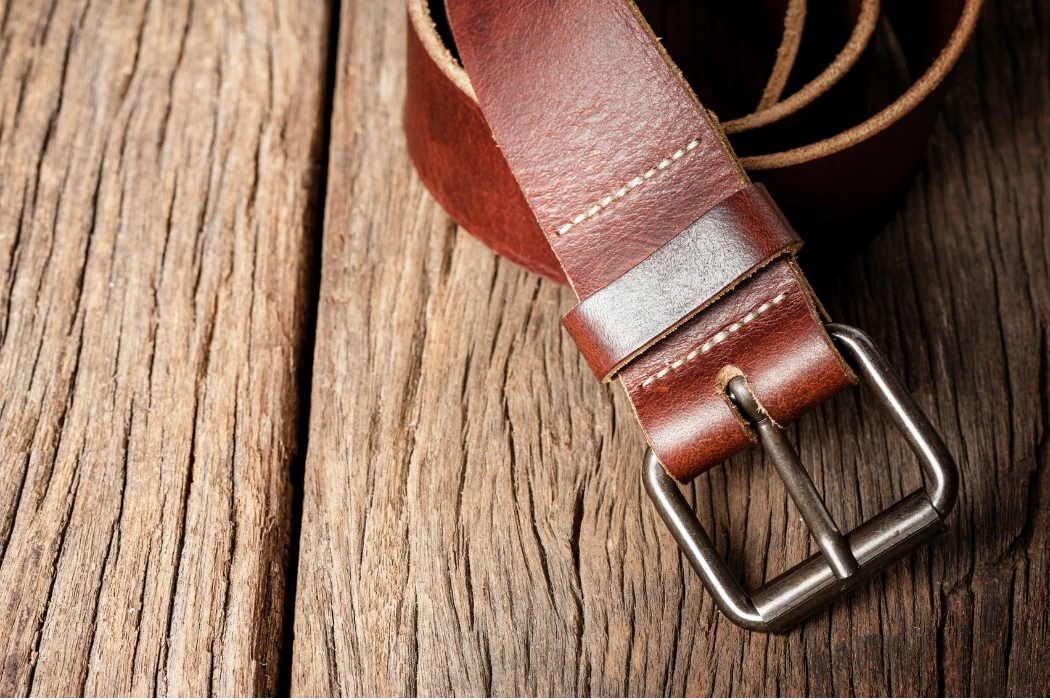
Yes, factory certifications are absolutely mandatory for pitching big retailers. Large retail chains cannot afford public relations disasters regarding unethical labor or toxic pollution. Therefore, buyers require official, third-party proof that your manufacturing supply chain is safe, fair, and legally compliant. Without these certificates, major buyers will not even look at your physical belt samples.
Environmental Responsibility with LWG Tanneries
Leather production uses heavy chemicals, so retailers demand strict environmental oversight to protect local water systems.
- The Leather Working Group (LWG) certification proves that a tannery manages water usage and chemical waste responsibly.
- Many European buyers strictly require LWG Gold or Silver rated leather to meet their corporate sustainability goals.
- Brands also look for the OEKO-TEX label, which guarantees the leather components are free from harmful, restricted substances.
Partnering with certified tanneries allows your brand to market eco-friendly belts confidently to environmentally conscious consumers.
Social Compliance: BSCI and SMETA Audits
Global brands must ensure that the workers making their belts are treated fairly and paid legally.
- BSCI (Business Social Compliance Initiative) audits verify that a factory provides safe working conditions and fair wages.
- SMETA (Sedex Members Ethical Trade Audit) is another major standard that checks labor rights, health, and business ethics.
- Retailers heavily rely on these reports because they legally protect the corporate buyer from supply chain labor violations.
Passing these intense social audits proves your factory operates a modern, ethical, and highly professional assembly line.
Quality Assurance through ISO 9001
Beyond safety and ethics, buyers need a guarantee that your management system can actually deliver the bulk order perfectly.
- An ISO 9001 certification demonstrates that a factory uses a standardized, internationally recognized quality management system.
- This system tracks every step, from cutting 3.0mm leather to boxing the final belts, ensuring a consistently low defect rate.
- Factories also use ISO 14001 to show they manage their daily environmental impact properly during mass production.
Having these operational certificates gives big retail buyers the confidence to trust you with multi-million dollar purchase orders.
How Do Trade Shows Help You Acquire Wholesale Buyers?
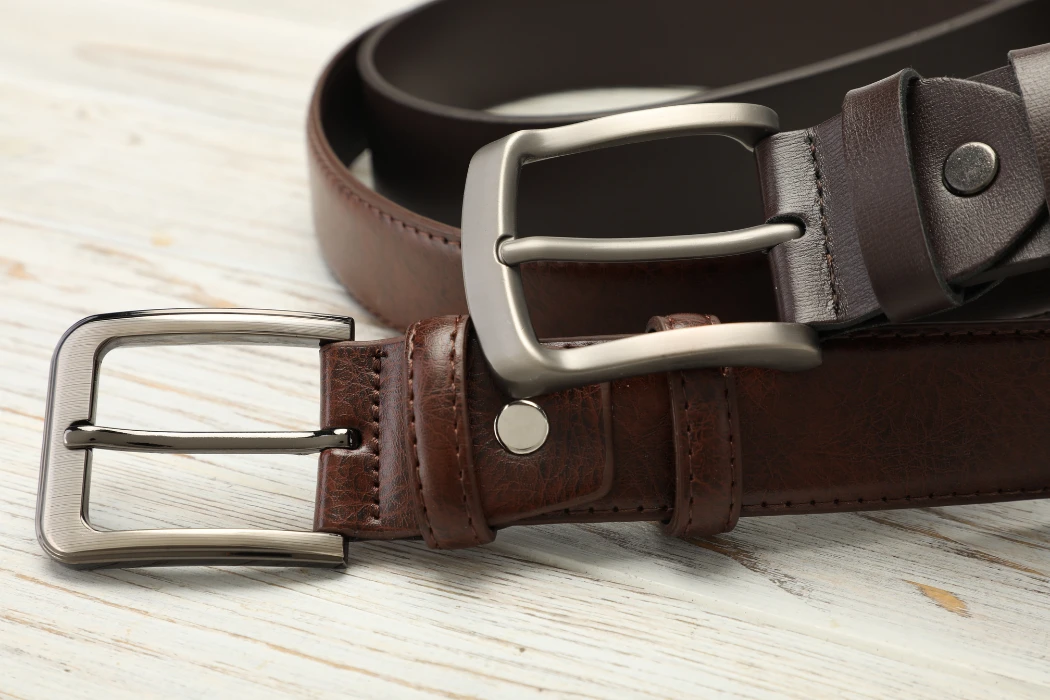
Trade shows put your physical products directly into the hands of global retail buyers. Buyers need to feel the leather and test the hardware before they place a massive order. So, attending the right exhibitions bridges the gap between a digital pitch and a finalized bulk contract. You can prove your manufacturing quality instantly when a buyer holds your belt.
Targeting the Right Shows (MAGIC, PLMA, APLF)
You must pick specific exhibitions that match your exact wholesale strategy.
- MAGIC in Las Vegas connects you directly with massive North American fashion retailers and apparel brands.
- PLMA (Private Label Manufacturers Association) focuses entirely on private label buyers who want to put their own brand name on your belts.
- APLF in Asia attracts global distributors hunting for high-quality finished leather goods and raw materials.
Choosing the correct trade show ensures you pitch your products to buyers who actually want your specific manufacturing capacity.
Preparing Physical Samples and Tech Packs
Buyers will inspect your belts closely, so you must prepare flawless physical samples and detailed technical documents.
- Bring physical belts showing multiple finishes like crazy horse or vintage oiled leather so buyers can see and feel the texture.
- Provide clear tech packs that detail the exact 3.0mm thickness, hardware materials, and Pantone color codes.
- Display clear pricing tiers because buyers need to calculate their 60% retail margin immediately during the meeting.
Professional presentation proves to the buyer that you understand the strict technical demands of global retail manufacturing.
Managing Lead Times and Buyer Follow-Ups
A successful trade show meeting only matters if you execute the follow-up process perfectly.
- You must clearly communicate your sampling speed, usually delivering initial prototypes within 7 to 15 days.
- Buyers need to know your exact bulk production lead times, which typically range from 15 to 20 days for standardized orders.
- You must send follow-up emails quickly with digital tech packs and factory audit certificates like BSCI or SMETA attached.
Fast and accurate communication after the show builds the trust necessary to close a massive wholesale deal.
Frequently Asked Questions (FAQ)
How do you pitch a belt brand to a retailer?
You pitch a brand by showing physical samples, exact technical specifications, and factory compliance certificates. Buyers need to see your pricing tiers, lead times, and proof of quality control before they commit to an order.
What is the best markup for wholesale leather belts?
Most global retailers expect a 60% to 70% gross margin. Therefore, your wholesale price must remain low enough to give the retailer their required profit while still covering your own manufacturing and shipping costs.
How many belt sizes should a brand offer?
A standard men’s collection should offer sizes from 28 inches to 50 inches. Women’s collections usually span from 26 inches to 46 inches. Offering a full size run ensures the retailer can fit diverse customers.
What is the difference between genuine and full-grain leather belts?
Full-grain leather uses the entire natural hide, making it the thickest and most durable option. Genuine leather is a broader term that often refers to lower-quality layers of the hide that are glued or painted.
Do wholesale buyers require sustainable leather?
Yes, modern wholesale buyers increasingly demand sustainable materials. They look for leather sourced from LWG-certified tanneries because this proves the factory manages water waste and harmful chemicals responsibly during production.
How long does bulk leather belt manufacturing take?
Standard bulk production usually takes 15 to 20 days after you approve the final pre-production sample. However, this timeline depends on the complexity of your custom hardware and the specific leather finishes required.
Conclusion
Scaling a leather belt brand requires precise engineering, strict material consistency, and absolute safety compliance. You must control your leather thickness, standardize your sizing, and pass rigorous factory audits like BSCI and SMETA. Building this supply chain alone is incredibly difficult. For brands seeking a reliable partner to handle this entire process, Hoplok Leather Goods provides turnkey OEM and ODM manufacturing solutions. With over 22 years of experience and fully certified factories in China and Cambodia, Hoplok ensures your bulk belt orders meet global retail standards perfectly every time.