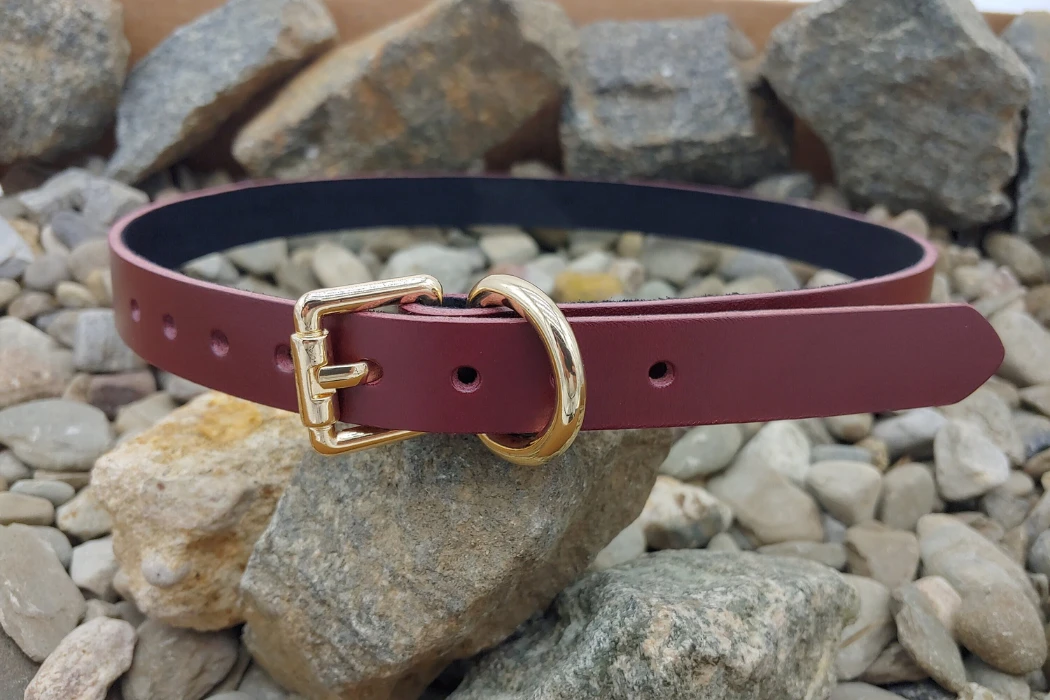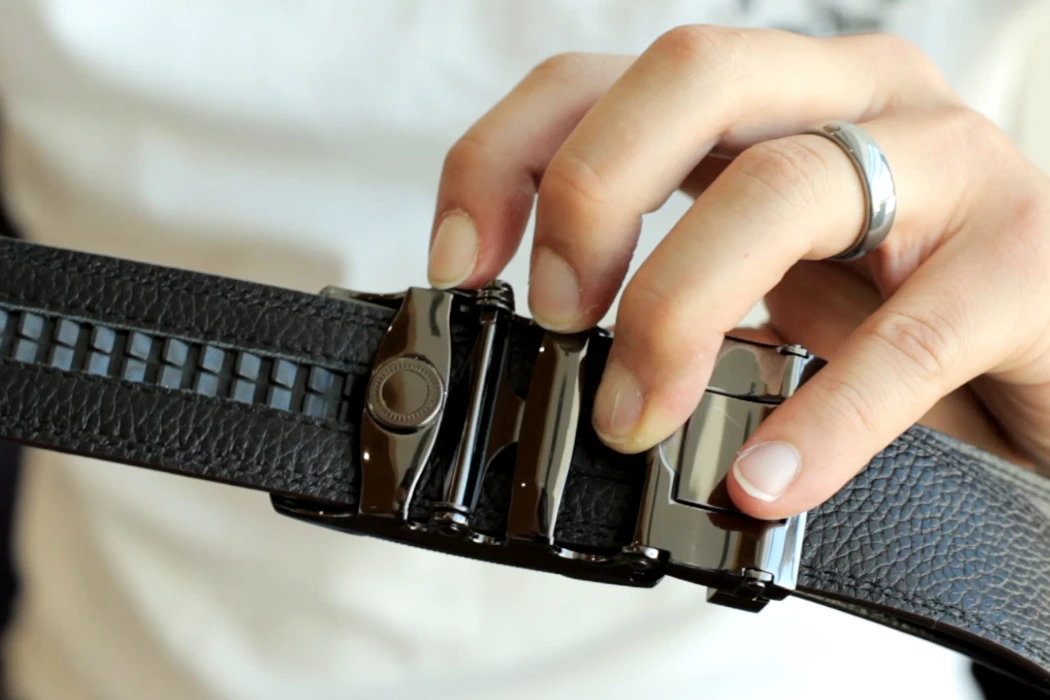
Leather belt types can be grouped by style, material and construction. A dress belt, a braided belt and a reversible belt answer different design briefs, but none of those names gives a complete manufacturing specification. For a collection, define the intended appearance, strap build, buckle and sizing system together.
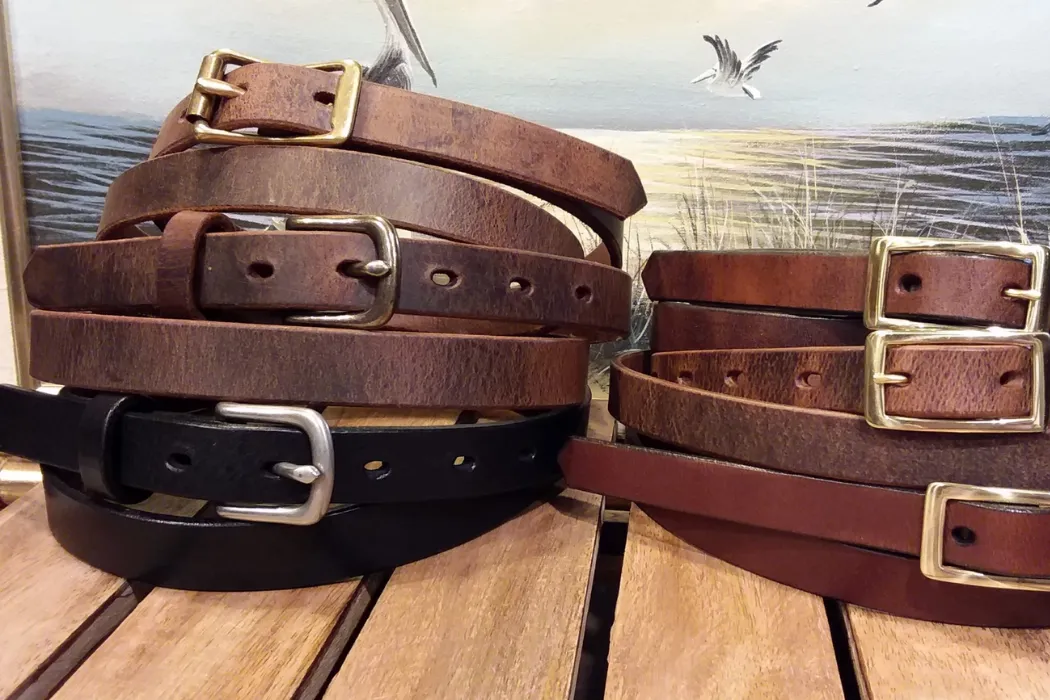
Main leather belt styles for a product range
| Style | Design features to agree | Sample details to inspect |
|---|---|---|
| Dress belt | Refined proportion, surface finish, buckle shape and edge profile | Colour matching, stitch alignment, edges and buckle operation |
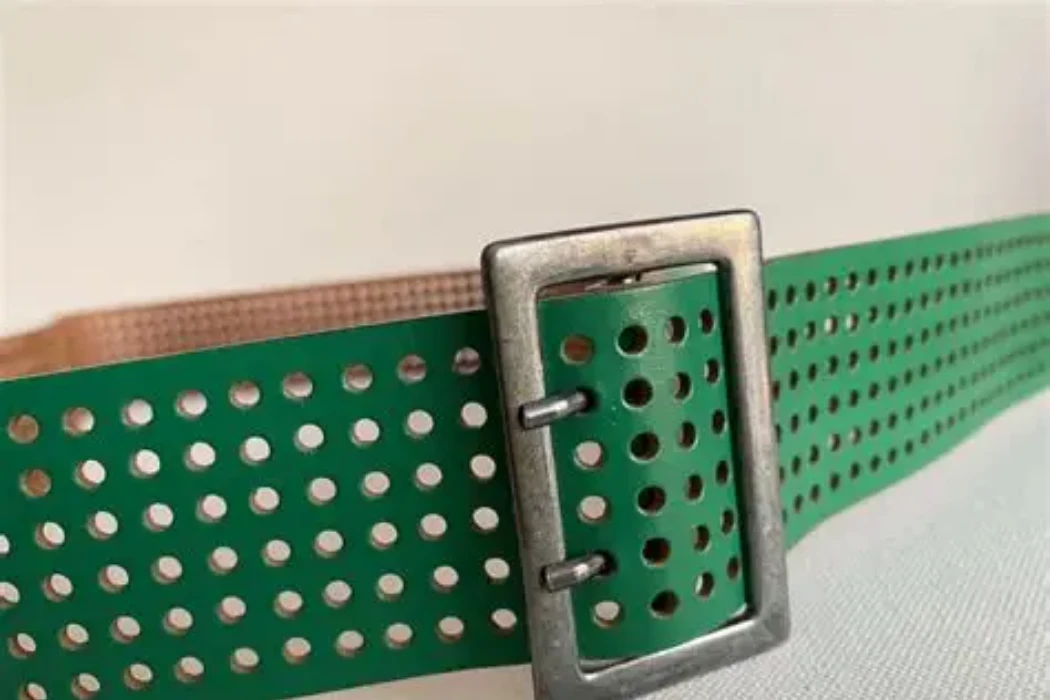
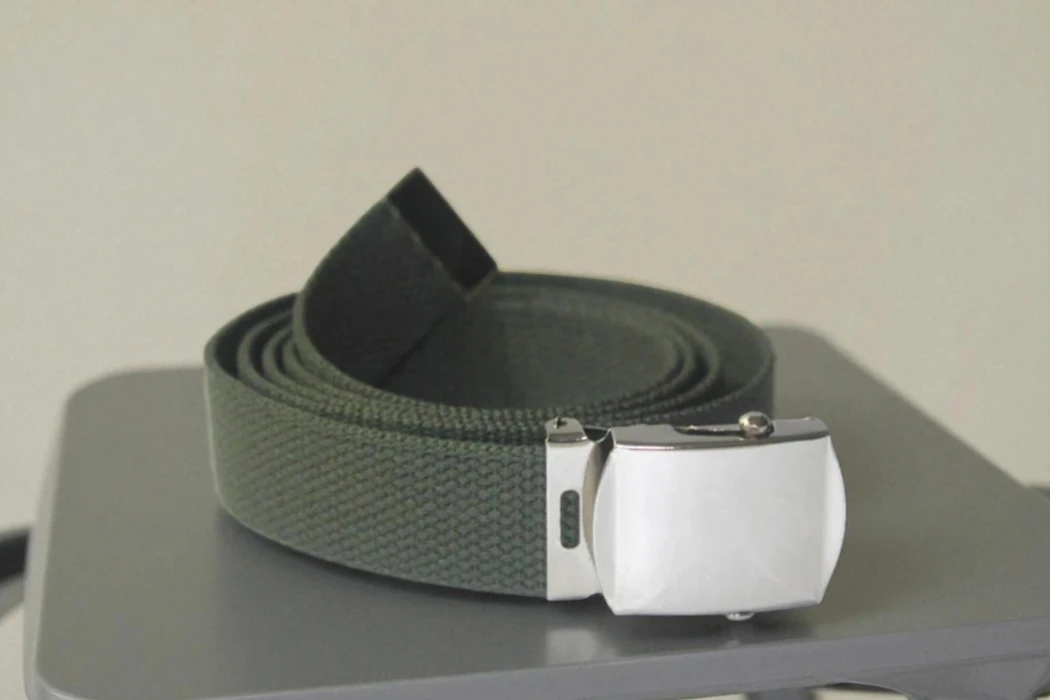
| Casual belt | Width, handle, visible grain, tip shape and hardware character | Comfort through the fold, adjustment holes and keeper fit |
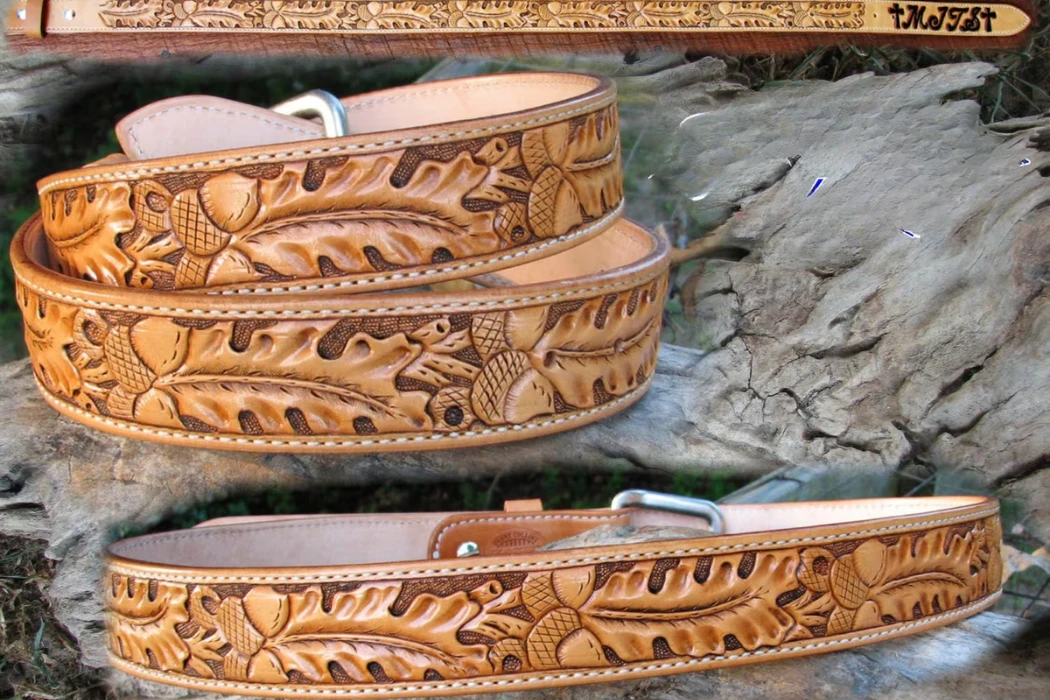
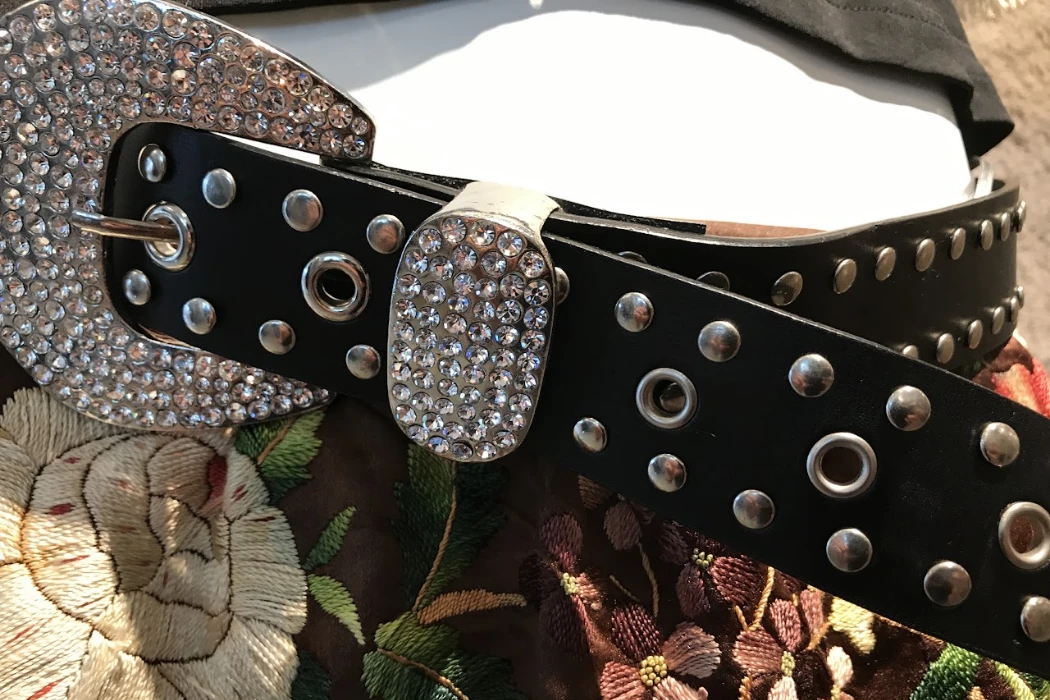
| Western or tooled style | Pattern, decorative treatment, buckle and keeper design | Pattern placement, attachments and finish at bent areas |
| Braided belt | Strand construction, braid pattern and adjustment method | Width consistency, end security and stretch after handling |
| Reversible belt | Both face colours, complete strap build and turning mechanism | Rotation, alignment, edge coverage and repeated operation |
These are collection categories, not safety or load-bearing certifications. A fashion or trouser belt should not be presented as protective or specialist equipment without the separate design and evidence that such a use requires.
Dress belts and casual belts: specify proportions instead of a rule
Dress designs often use a restrained buckle and a cleaner surface; casual designs may emphasise texture or more substantial hardware. Those tendencies are not universal width standards. Check the intended garment loops, size range and market before approving the strap and buckle dimensions.
For a dress belt, review the edge profile, lining colour and the neatness of the buckle fold. For a casual belt, decide how much grain and surface variation are welcome. A distressed finish should have an approved appearance range so that normal variation is not confused with damage.
Leather type and belt construction are separate decisions
Full-grain, corrected-grain and split leather describe material characteristics; single-layer, lined and laminated describe construction. A stitched belt can contain multiple materials, and a single strap can have a decorative stitch. Ask for a component-level bill of materials rather than judging the inside from the front.
“Genuine leather” does not reveal the complete strap build or promise a particular quality level. Confirm the face, core if present, lining, adhesive and total thickness. The belt materials guide supports that material discussion.
A layered construction is not automatically defective, and stitching alone does not guarantee durability. Review the actual sample around holes, the keeper and buckle attachment. Match the construction to the collection’s appearance and performance requirements.
Western, tooled and decorative belt details
Agree whether the decoration is carved, stamped, embossed or applied by another process. Provide artwork with the repeat, border and placement relative to the tip and holes. A pattern that looks good on a flat strip may be interrupted by sizing changes or the buckle fold.
Review the finish on a completed sample and confirm acceptable variation in decorative work. If the design includes a replaceable buckle, specify its attachment and demonstrate the intended replacement method. Discuss exotic-looking textures as a finish or embossing requirement unless a separately verified material specification says otherwise.
Braided belts: approve the end construction and fit
Specify the strands, braid pattern, finished width and whether adjustment uses holes or spaces in the braid. End caps, stitched tabs or other retention details should be shown in the sample. The braid should not be judged from an unassembled length alone.
Check how width and length change during handling, how the buckle engages, and whether the end passes comfortably through the keeper. A braided style may need a sizing explanation different from a punched-hole belt. Agree the measurement convention before the order’s size breakdown is finalised.
Reversible belts: evaluate both faces and the mechanism
Record both face materials and colours, the shared edge treatment and the way the buckle rotates or detaches. The chosen hardware should accommodate the completed strap thickness. Approve the belt in both orientations rather than only its presentation face.
Inspect operation after an agreed repeated-use assessment. Watch alignment, attachment security and marking where hardware contacts the strap. Avoid assigning a service life from the words “reversible” or “solid brass”; performance depends on the finished mechanism and its use.
Buckles, edges and stitching need their own specification
State the buckle base material and finish separately. A colour name does not establish what lies underneath. Inspect moving parts, sharp edges, prong fit and the contact between buckle and leather. Agree relevant finish and chemical requirements for the destination and customer.
For strap edges, choose the look and method with the material. For stitching, approve thread, placement and consistency on the final construction. Compare the buckle fold and tip with the signed sample during inspection; these details are often more useful than a generic claim of “premium workmanship.”
Prepare a belt collection for sampling and quotation
Send a drawing or reference belt, size range, measurement convention, colour split, material preference, buckle reference, logo and packaging details. Identify which components must remain fixed and which can be quoted as alternatives. Request a sample containing the actual edges, holes and attachment details.
Hoplok’s confirmed belt MOQ is 300 leather pieces or 1,000 PU pieces. Belt sampling takes 2–3 weeks and bulk lead time is 60–90 days, with the project schedule confirmed in the quotation. Start with the custom belt manufacturing page or send the collection brief for a material and construction discussion.