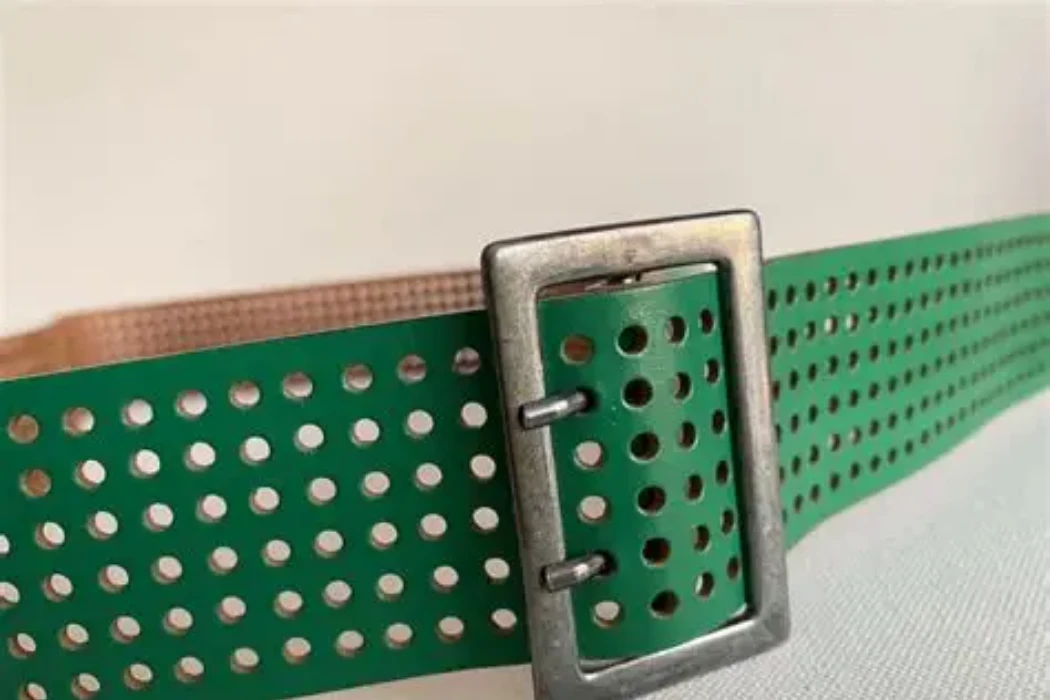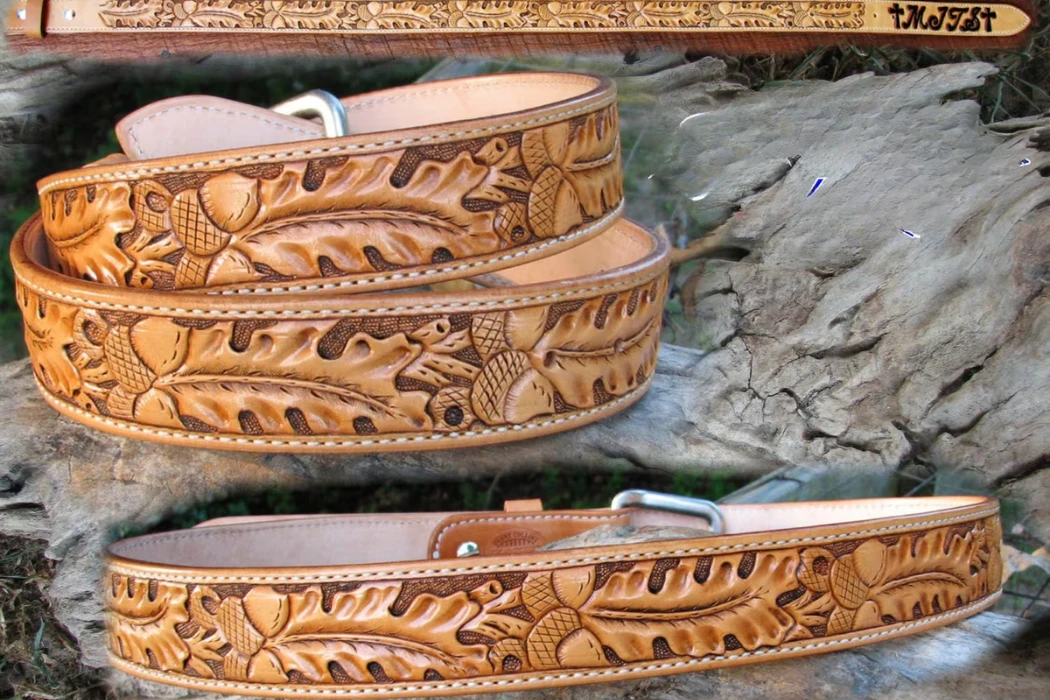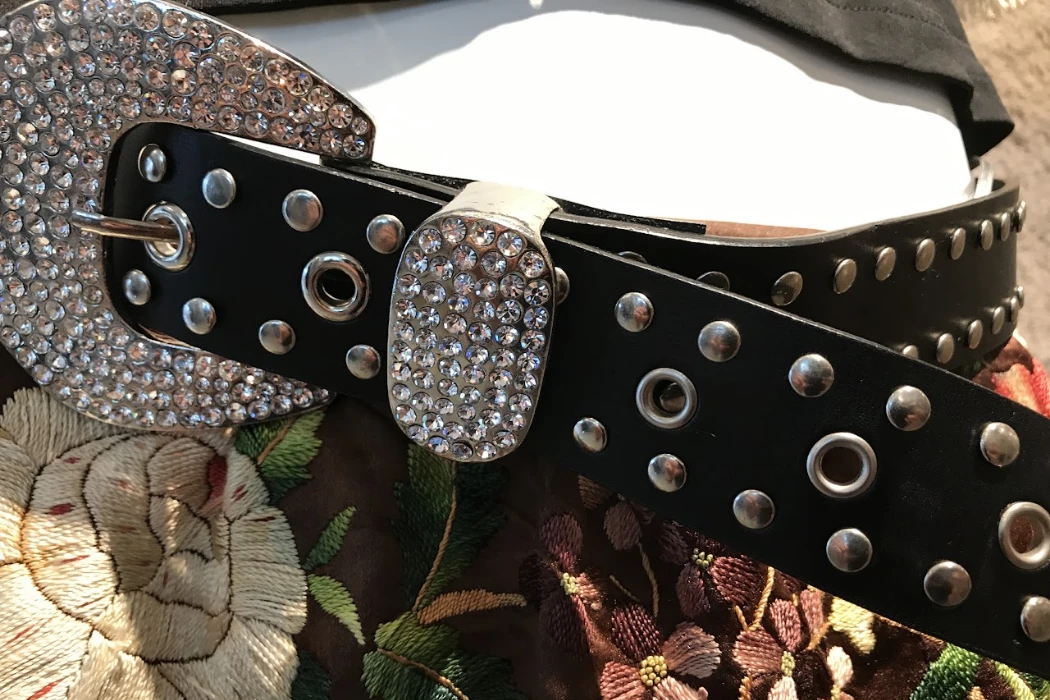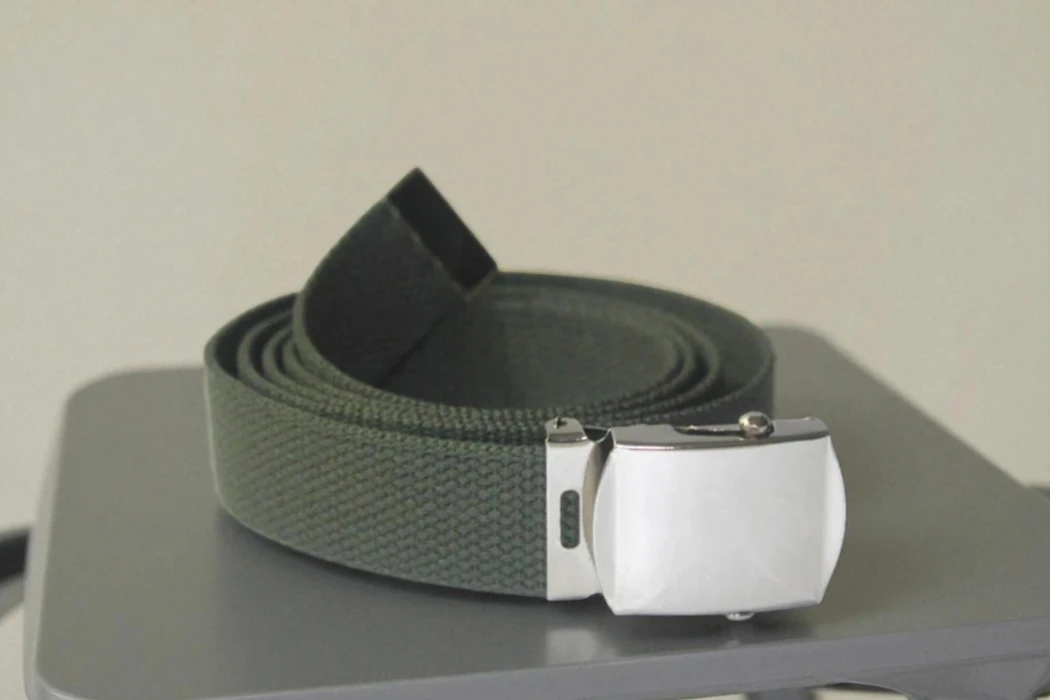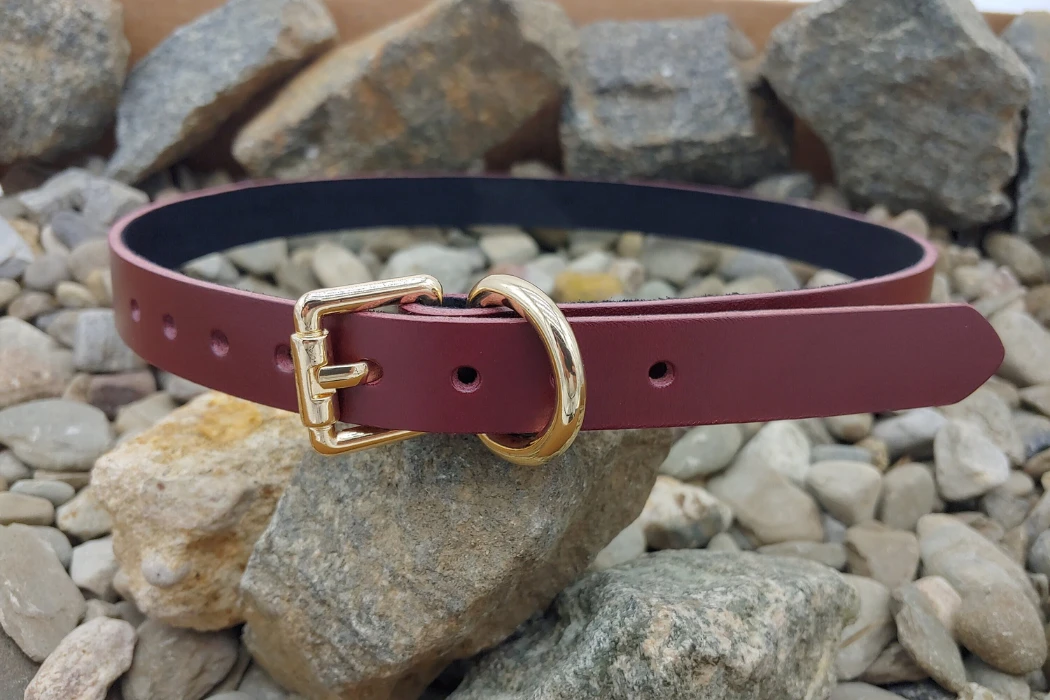
A belt manufacturing agreement needs to connect the commercial order to an identifiable product specification. If the contract says “brown leather belt” while the approved sample has a particular lining, edge and buckle finish, the parties have left important decisions undocumented.
Use this guide to prepare the manufacturing schedule and quality annex for a belt contract or manufacturing service agreement (MSA). It is a procurement checklist, not a jurisdiction-specific contract template. Counsel should review legal enforceability, remedies and dispute provisions before signing.
Identify the parties, production sites and controlling documents
Record the legal buyer and seller, authorized contacts, payment details and approved manufacturing site. If a leather finishing facility or hardware supplier performs part of the work, identify the scope and how changes will be disclosed or approved.
List the purchase order, specification revision, approved sample, drawings, quality annex, packaging artwork and agreed amendments. Establish which document controls if they conflict. A late sample comment should not silently overwrite a signed material specification.
Separate a master agreement from individual order schedules. The master can set general responsibilities; each order should confirm current quantities, price, materials, dates and acceptance criteria. Avoid treating a website lead-time statement as the complete delivery clause.
| Item | What to record | Ambiguity to remove |
|---|---|---|
| Leather or PU | Material reference, actual composition, layer, finish and thickness | “Genuine leather” without a construction description |
| Lining and reinforcement | Material specification and attachment | Unapproved substitutions inside the strap |
| Sizing | Measurement datum, size distribution, dimensions and tolerances | Size labels without measured fit |
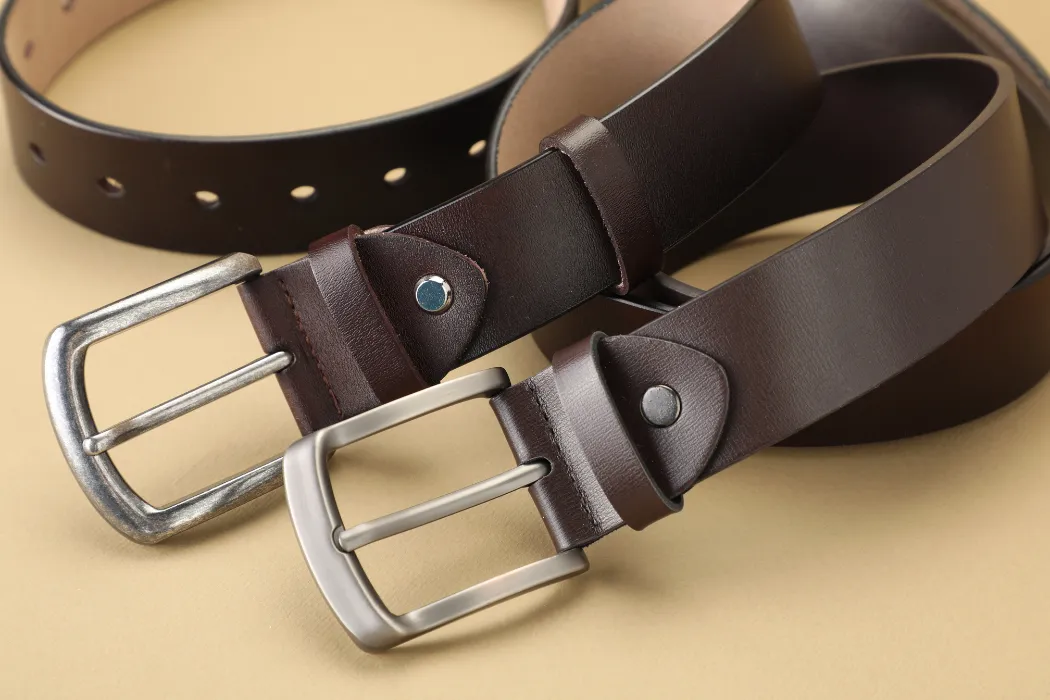
| Buckle and keeper | Component code, dimensions, base metal, finish and fixing | A plated sample with no underlying material definition |
| Workmanship | Edges, stitching, tip, folds and approved appearance references | “Luxury finish” without acceptance criteria |
| Branding and packing | Artwork revision, location, labels and packing sequence | Logo and labeling choices left until shipment |
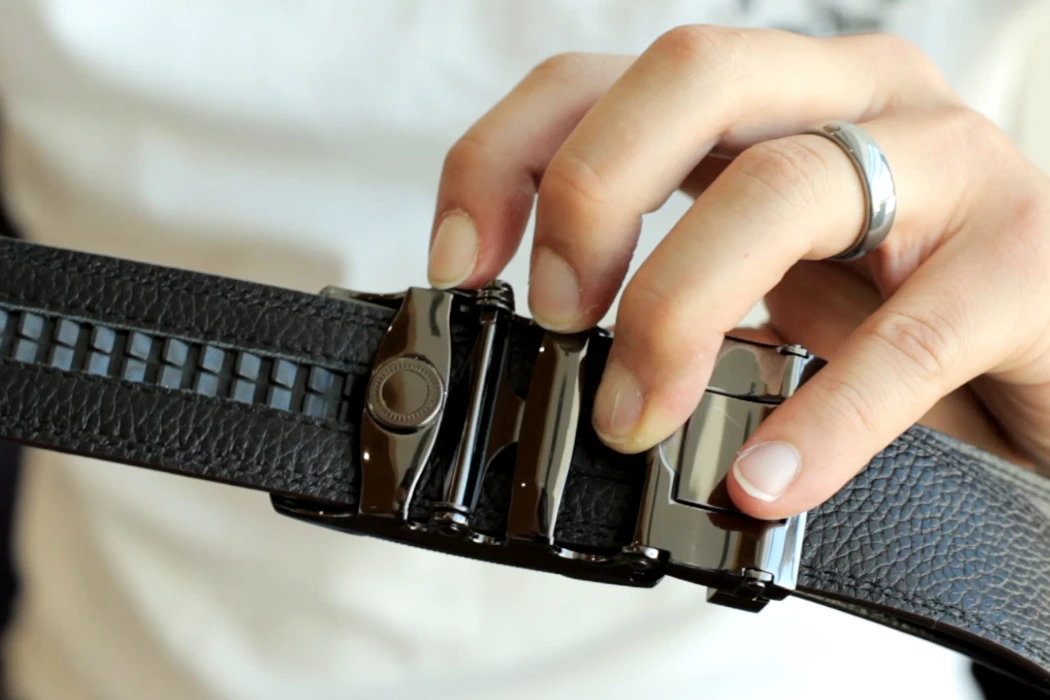
Tolerances should fit the design and manufacturing process. Do not copy a single thickness, hole spacing or stitch count into every belt order. For example, the measurement origin for an adjustable buckle may differ from that of a pin-buckle belt. Approve the method along with the numbers.
Write an inspection plan that can actually decide a result
Define visual, dimensional, functional and product-specific laboratory checks. For each test, record the method, tested component or assembly, conditioning where relevant, acceptance requirement, report identification and responsibility for the cost. A test-method name alone does not set a pass threshold.
When using acceptance sampling, specify the standard and edition, lot definition, inspection level, defect classification and applicable sampling plan. ISO 2859-1 provides schemes indexed by acceptance quality limit. “AQL 2.5” alone does not define an entire inspection and does not mean that 2.5% of every batch is permitted to be defective.
Agree on reference examples for cosmetic defects and natural leather variation. State who can release a lot, who receives reports and whether inspection occurs before a payment milestone. Third-party inspection should complement the factory’s process controls rather than replace them.
Agree quantities, variations and changes before production
Set quantities by SKU and size, then document any permitted overrun, underrun or split shipment. State whether extra units may be supplied or invoiced and what happens to branded surplus. No universal percentage is appropriate for every order.
Hoplok’s confirmed belt minimums are 300 leather pieces and 1,000 PU pieces. Confirm style, color and size allocation in the quotation. A small trial run, surcharge rebate or tooling refund is a separate negotiated term, not an automatic entitlement.
A change-control clause should identify who may approve new materials, revised artwork, changed dimensions or an alternative factory. Record the impact on sample approval, price, testing and dates before the change is implemented.
Separate factory completion, delivery risk and ownership
State a date or measurable schedule for sampling, approval, material readiness, production, inspection and shipment. For Hoplok, belt sampling is 2–3 weeks and bulk production is 60–90 days. Confirm the starting conditions and any additional development or transit stages in the order.
Use the chosen Incoterms® rule, its edition and a named place or port to allocate the relevant delivery responsibilities, costs and risks. Choose a rule appropriate to the transport arrangement. ICC explains that these rules do not themselves determine transfer of ownership; address title, payment and other contract matters separately.
For delays, agree on notice, evidence, mitigation and available remedies. Define any extension process and the treatment of buyer changes, delayed approvals or events outside either party’s control. Do not copy a daily penalty, automatic cancellation period or compulsory airfreight remedy without assessing the order and applicable law.
Set out what happens when a lot fails
A failed inspection needs a clear operational response before it becomes a dispute. Specify how affected goods are identified and held, who investigates the cause, and how a proposed corrective action is approved.
- Preserve the inspection report, photos and representative evidence.
- Identify whether the failure affects one component lot, selected SKUs or the complete shipment.
- Agree the remedy: rework, replacement, approved concession or another contractual resolution.
- Confirm the timetable and allocation of material, labor, testing, inspection and freight costs.
- Reinspect or retest as agreed before release.
Also address claims found after receipt: the notification procedure, evidence, investigation and available remedies. Payment of an invoice should not be the only discussion of acceptance. Equally, an inspection failure does not automatically establish a right to cancel under every legal system or contract.
Define ownership and permitted use of tools and branded materials
Identify patterns, dies, buckle molds and artwork separately. Record who owns each item, what the fee pays for, storage, maintenance, access, permitted use and what happens when the relationship ends. Do not assume that paying an invoice answers every tooling-ownership question.
Address confidentiality, authorized subcontractors, use of product images and the handling of rejects, overruns and unused branded parts. A workable procedure should cover records and disposition approval rather than relying only on a general promise not to copy the design.
Attach the right compliance evidence to the right requirement
Identify the destination, intended users and applicable product requirements. Have the testing plan address the relevant materials and components rather than inserting one universal chemical limit for every market. Require new evidence when a change makes an existing report inapplicable.
Environmental and social audit documents should identify their facility and scope. ProPelli holds a current LWG Gold rating as a leather finishing facility working on crust leather received from partner tanneries. That statement does not establish a certification for every finished belt or replace a product test report.
Before signing, reconcile the price, payment milestones, currency, shipping basis, specifications and sample revision. Ask your legal adviser to review governing law, dispute resolution and remedies. For the manufacturing details, share the brief with Hoplok and use our belt production scope to define the requested work.