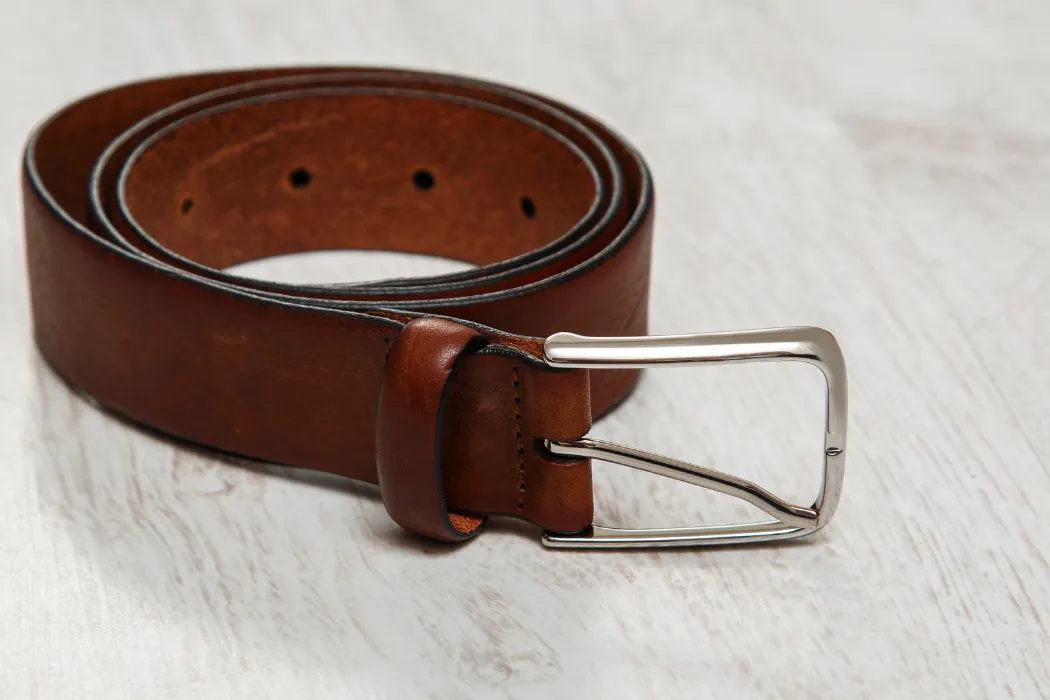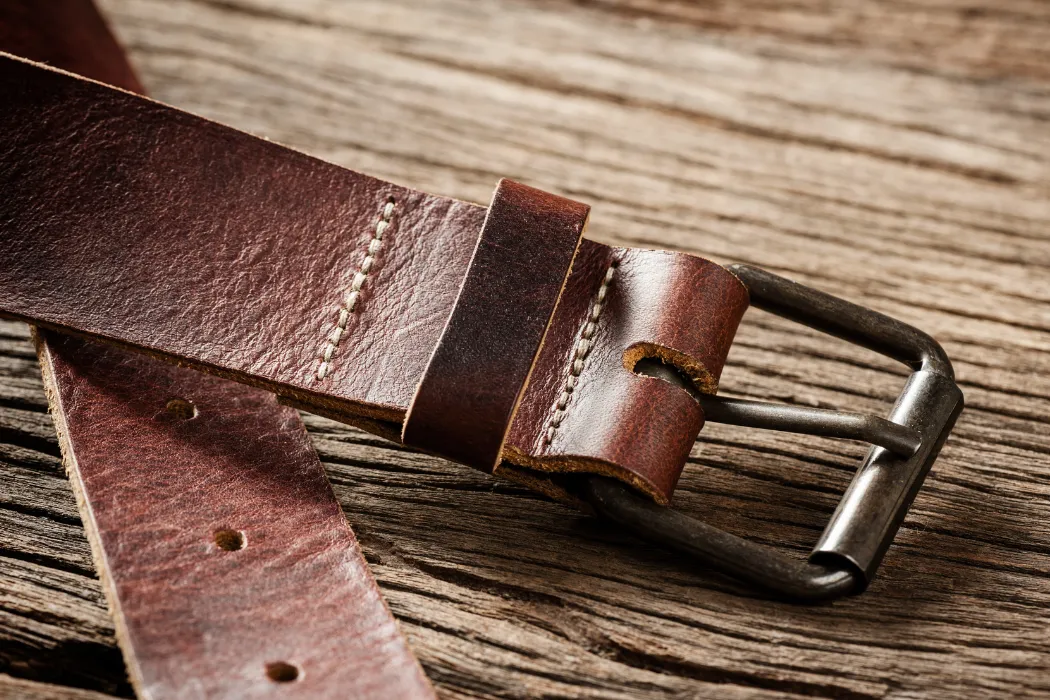
Here’s a scenario facing brand managers today: You launch a new, “sustainable” vegan leather collection. The marketing is a success. But 12-18 months post-launch, the customer complaints start rolling in. The issues? “Peeling,” “cracking,” and “flaking” at corners, straps, and high-stress points.
Generally, high-quality real leather (like full-grain) is far more durable, with a typical lifespan of 10 to 20+ years. Most synthetic vegan leathers (PU/PVC) last 2 to 5 years before showing significant wear. However, durability depends entirely on the quality grade of both materials, as new, high-end plant-based leathers are rapidly improving.
The choice is no longer just “ethics vs. tradition.” It’s a critical business decision about product lifespan, customer satisfaction, and brand reputation. This article provides a data-driven, unbiased technical breakdown. We will analyze molecular composition, real-world failure modes (peeling vs. patina), and the true “Cost Per Wear” to help you make an informed decision for your next collection.
What Exactly Is “Vegan Leather” Made From?
“Vegan leather” is a broad marketing term, not a single material. It primarily refers to two categories: synthetic plastics like Polyurethane (PU) and Polyvinyl Chloride (PVC), or newer, plant-based materials derived from sources like pineapples (Piñatex), cacti (Desserto), or mushrooms (Mylo). The durability of the product depends entirely on which of these materials is used.
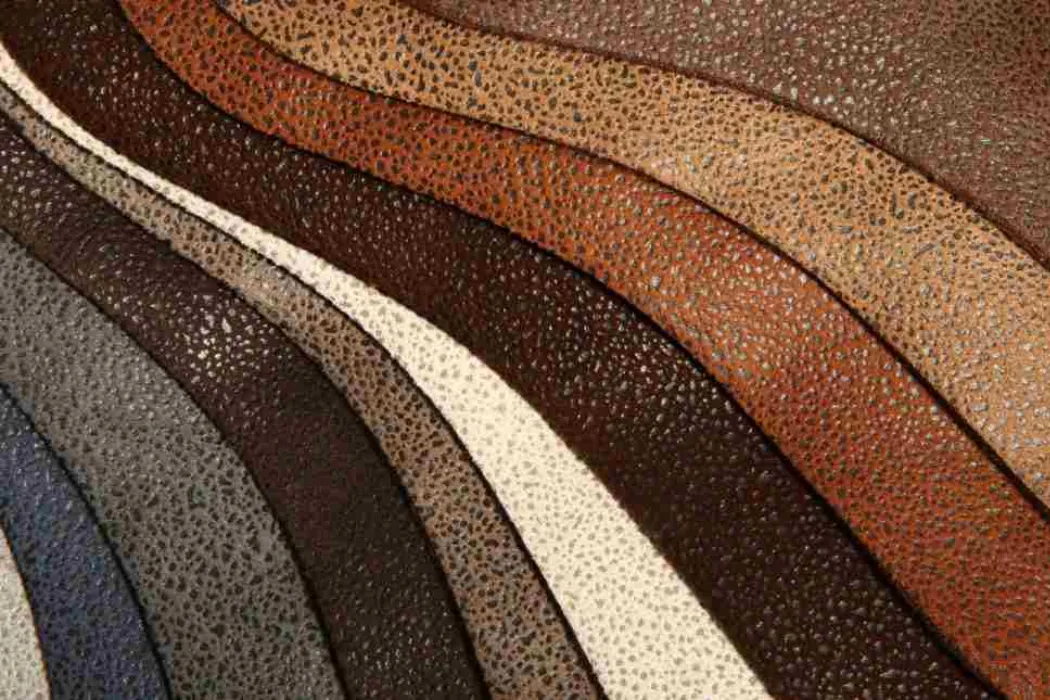
The Common Synthetics: PU (Polyurethane) & PVC
This category, which represents over 90% of the “vegan leather” market, is not a woven material. It is a plastic coating bonded to a fabric backing. The manufacturing process is key:
- A fabric base layer (usually polyester or cotton) is selected.
- A liquid plastic polymer (PU or PVC) is spread over the fabric in one or more layers.
- The plastic is heat-treated and embossed with a texture to mimic the grain of real leather.
The durability difference between the two is significant:
- PVC (Polyvinyl Chloride): This is a stiffer, tougher, and more water-resistant plastic. While it’s durable against abrasion, its stiffness makes it prone to cracking over time, especially in cold weather. It’s often used for cheaper bags or furniture.
- PU (Polyurethane): This is a softer, more flexible, and more breathable plastic than PVC. It mimics the “hand-feel” of real leather much better. However, it is more prone to abrasion (rubbing) and peeling, especially when the thin top layer is snagged or worn down.
The New Wave: Plant-Based Leathers
Newer materials like Piñatex (pineapple), Desserto (cactus), and Mylo (mushroom) are gaining market share. However, it is critical for brands to understand that these are bio-composites, not 100% plant matter.
They are typically made by mixing plant fibers (e.g., pineapple leaf fibers, pulverized cactus) with a binder to hold them together. This binder is often the same polyurethane (PU) used in synthetic leather, or a new bio-resin. Therefore, the durability of these materials is still heavily dependent on the quality and percentage of the PU or resin binder used in the mix.
How This Layered Structure Causes “Peeling”
The primary failure mode for all synthetic and most plant-based leathers is “peeling” or “delamination.” This is because the material is not one solid piece. It is a layered structure—a plastic coating bonded to a fabric backing.
Failure happens when this bond breaks due to:
- Flex Stress: Constant bending (like a wallet fold or bag strap) weakens the adhesive bond.
- Abrasion: Rubbing (like the corner of a bag) wears through the thin plastic topcoat, exposing the fabric underneath.
- Age: The plasticizers in the PU/PVC dry out over 2-5 years, making the plastic brittle and causing it to crack and flake off the fabric.
Manufacturer’s Insight: Real leather is a single, solid piece of intertwined fibers. It cannot “peel” because there are no layers to separate. It can only crack if it completely dries out, which takes decades and a total lack of care.
What Defines the Durability of “Real Leather”?
The durability of “real leather” is defined entirely by which part of the animal hide is used. High-quality Full-Grain leather uses the complete, uncorrected top layer, retaining all its dense natural fibers, making it incredibly strong. In contrast, lower-grade “Genuine Leather” is typically a weaker split layer that has been heavily processed and is far less durable.
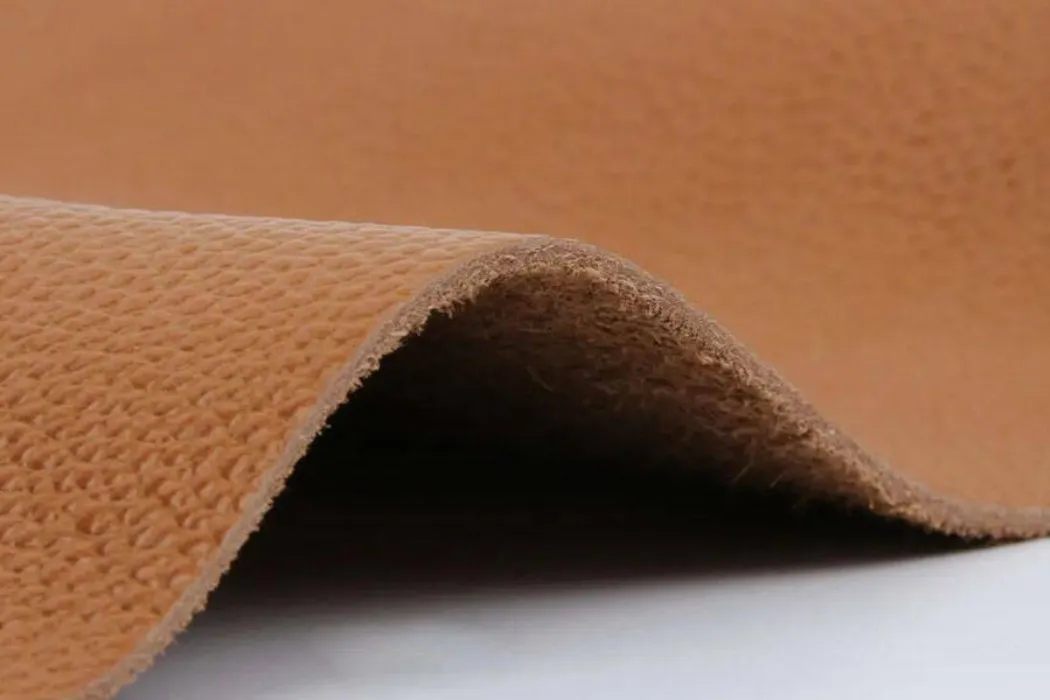
The Gold Standard: Why Full-Grain Lasts Decades
Full-Grain is the gold standard for one simple reason: it is the strongest part of the hide. It includes the entire grain structure—the dense, interlocking fibers right below the hair. This structure is what gives the leather its immense tensile strength and durability.
- It Doesn’t Peel: As a single, solid piece of material, there are no layers to delaminate or peel.
- It Stretches, It Doesn’t Break: The dense fiber matrix can flex and stretch millions of times without tearing, which is why it’s the material of choice for high-stress items like boots and belts.
- It Ages, It Doesn’t Degrade: It has the ability to absorb oils and develop a patina, which is a protective and aesthetic feature, not a sign of failure.
Industry Example (Hoplok): This is the only material used for true “heritage-quality” goods. Top-tier manufacturers utilize finishing facilities, like our own ProPelli tannery, that specialize in processing premium, full-grain hides sourced from tanneries in Italy and Argentina, ensuring this durability from the very start of the supply chain.
The “Genuine Leather” Trap
This is one of the most misleading terms in the industry. While “Genuine Leather” is technically real leather, it is not high-quality. It typically refers to “corrected-grain” or “split” leather.
- Split Leather: This is the weaker, bottom layer of the hide (the “suede” part) that is “split” off from the strong top grain.
- Corrected-Grain: This is a low-grade top grain that is so full of imperfections (scars, brands) that the entire surface is sanded down and replaced with an artificial, embossed grain pattern and a thick coat of paint or PU.
The durability problem is that this material has no natural grain strength. It relies entirely on its artificial coating. This paint or PU layer is what cracks and peels, making the product look worn out in as little as 6-12 months, far faster than even a high-grade synthetic PU.
Tanning’s Role: How LWG Standards Create Stronger Leather
Even a full-grain hide can be ruined by a poor tanning process. Tanning is the chemical process that converts raw hide (which would rot) into stable leather. A proper, certified process is critical for durability.
This is why standards from the Leather Working Group (LWG) are so important. LWG certification (which Hoplok’s partner tanneries adhere to) audits tanneries on environmental standards, but also on process control. A certified process ensures that the tanning agents fully penetrate and stabilize the hide’s fibers, locking in strength and preventing the leather from becoming brittle or degrading prematurely. A poorly tanned hide can crack or tear even if it’s full-grain.
How Does the Real-World Lifespan Compare in Numbers?
When you compare the numbers, the difference is stark. A high-quality full-grain leather item, if properly cared for, has a typical lifespan of 10 to 20+ years, often outliving its original owner. In contrast, a high-traffic synthetic (PU) vegan leather item is designed for a much shorter life, typically lasting 2 to 5 years before degrading. Cheaper PVC or bonded leather items can fail in as little as 6-12 months.
Calculating the “Cost Per Wear” for a Brand
This is the most critical metric for a brand’s long-term success and customer loyalty. A low upfront cost does not equal good value. In fact, it often leads to customer dissatisfaction and replacement costs that damage a brand’s reputation.
Let’s run a simple analysis on a handbag:
- The PU Vegan Bag:
- Wholesale Mfg. Cost: $25
- Retail Price: $80
- Lifespan: 2 years (fails from peeling)
- Uses (3x/week): 312 uses
- Cost Per Wear: $0.26
- The Full-Grain Leather Bag:
- Wholesale Mfg. Cost: $75
- Retail Price: $250
- Lifespan: 10 years (develops patina)
- Uses (3x/week): 1,560 uses
- Cost Per Wear: $0.16
The full-grain leather bag is not only 38% cheaper for the customer to use, but it also creates a loyal customer who associates your brand with quality, not with a product that “fell apart.” The customer who bought the PU bag, however, is back in the market for a new bag in two years, and they likely won’t be returning to your brand.
The Ultimate Durability Comparison Table
This data-driven table breaks down the real-world differences that a brand manager must consider when sourcing materials.
| Feature | Full-Grain Leather | “Genuine” Leather | PU Vegan Leather | Plant-Based Vegan (e.g., Piñatex) |
|---|---|---|---|---|
| Avg. Lifespan | 10 – 20+ Years | 6 – 18 Months | 2 – 5 Years | 3 – 5 Years (Est.) |
| Failure Mode | Develops patina; can crack if neglected for decades. | Cracks, splits, and peels its paint coating. | Peels (delaminates), cracks, and flakes. | Peels, cracks, and can be prone to abrasion. |
| Breathability | High (porous) | Low (painted/sealed) | Moderate (microporous) | Low to Moderate |
| Water Resistance | Moderate (needs conditioning) | High (plastic coated) | High (plastic) | High (plastic coated) |
| Abrasion Resistance | Very High (dense fibers) | Very Low (weak fibers) | Moderate to Low | Moderate (depends on binder) |
| Repairability | Excellent (can be restitched, re-conditioned) | Very Poor (cannot be fixed) | Virtually Impossible (cannot fix peeling) | Very Poor |
| Est. Mfg. Cost (per sq. ft.) | $7.00 – $12.00+ | $2.00 – $4.00 | $2.50 – $5.00 | $4.00 – $8.00 |
Can Vegan Leather Ever Be a “Heritage” Material?
Based on current technology, the answer is no. “Heritage” implies a product can be passed down for a generation. This requires a material that ages well (patina) and is fully repairable. Real, full-grain leather is currently the only material in mass production that meets this standard.
Vegan leather, in its current form, is a short-cycle material. Its primary value proposition is not longevity, but ethics and (in the case of PU) a lower upfront cost. While high-end plant-based leathers are improving, they are still fundamentally composite materials held together by binders that are prone to degradation over a 5-year period. For a brand looking to build a “buy it for life” reputation, full-grain leather remains the only proven choice.
Which Material “Ages” Better Over Time?
High-quality real leather ages gracefully, developing a “patina”—a rich darkening and soft sheen from use—that adds unique character and value. In contrast, vegan leather does not “age”; it degrades. It is prone to cracking, peeling, and fading at stress points, which is considered material failure, not desirable aging. This fundamental difference in how they handle wear is critical for a brand’s reputation.
The Patina Process: How Full-Grain Leather Improves
A patina is the desirable sheen and darkening that full-grain leather develops over years of use. It’s a hallmark of high-quality material and cannot be faked. This process is a combination of:
- Oxidation: Natural exposure to air and sunlight slowly darkens the leather.
- Oil Absorption: The leather absorbs natural oils from your hands, which enriches the color.
- Use & Flexing: The fibers soften, and the product conforms to its user (like a wallet molding to your pocket).
For a customer, a product that develops a patina becomes a unique, personal item. This is a feature, not a flaw, and is a primary reason why items like full-grain briefcases are passed down for generations. It tells a story of use, rather than a story of decay.
The Degradation Process: Why Vegan Leather Peels
Synthetic vegan leather does the opposite. Instead of aging, it breaks down. As we covered, its layered structure is its biggest weakness. The degradation process is not beautiful and signals to the customer that the product is cheap and disposable.
- Peeling: This is the most common failure. The top polyurethane (PU) coating separates from the fabric base layer. This often starts at high-stress points like corners, holes, and straps.
- Cracking: The plasticizers in the PU/PVC, which keep the material flexible, dry out and evaporate over 2-5 years. This makes the plastic brittle, causing it to crack and flake when flexed.
- Fading: The color is a synthetic dye in the plastic layer and is susceptible to fading and discoloration from UV (sunlight) exposure.
The Abrasion & Flex Test
This difference isn’t just aesthetic; it’s measurable. In manufacturing, materials are subjected to standardized durability tests. One of the most common is the Martindale Abrasion Test, which measures how many times a material can be rubbed before it shows significant wear.
Manufacturer’s Data: A high-quality full-grain leather can often withstand 100,000+ rubs with no material failure. In contrast, many standard PU vegan leathers may start to show significant wear, cracking, or peeling at just 15,000 to 20,000 rubs. For a product like a bag or wallet that is handled daily, this is the difference between lasting a decade and lasting a single year.
As a brand, you must ask which standard your product needs to meet. For a “fast-fashion” item meant for one season, 20,000 rubs might be acceptable. For any product you want associated with “quality,” it is not.
How Does Proper Care Affect the Lifespan of Each?
Proper care is essential, but the methods are completely different. Real leather is a porous, organic skin that requires conditioning to keep its fibers flexible and prevent cracking. Vegan leather is a non-porous plastic surface; it must be kept clean and protected from UV light, as it cannot absorb traditional conditioners. Using the wrong care method will actively destroy the material.
Care for Real Leather (To Prevent Cracking)
The goal of caring for real leather is to replenish the natural fats and oils that are lost over time. A lack of moisture is what leads to brittleness and cracking.
- Clean: For light dirt, wipe with a soft, damp cloth. For heavier dirt, use a pH-balanced cleaner like saddle soap, applied sparingly.
- Condition (Crucial): This is non-negotiable for longevity. Every 3-6 months, apply a high-quality leather conditioner or cream. This replenishes the oils within the fibers, keeping the leather supple, flexible, and resistant to cracking.
- Protect: Keep leather out of prolonged, direct sunlight, which can fade and dry it out. If it gets soaked in rain, let it air dry slowly at room temperature. Never use a hairdryer or radiator, as the intense heat will cook the fibers and make them permanently brittle.
Care for Vegan Leather (To Prevent Peeling)
The goal of caring for vegan leather is to protect the external plastic coating. It is not about moisture, but about fending off abrasion, chemicals, and UV damage.
- Clean: This is the most important step. Because it’s non-porous, most stains sit on the surface. A simple mixture of mild dish soap and warm water on a soft cloth will clean 99% of all issues.
- Do NOT Condition (Traditionally): This is the critical mistake. Applying a cream or oil-based leather conditioner does nothing. The plastic cannot absorb it. The oily residue will simply sit on the a surface, attracting more dirt and creating a sticky film.
- Protect (The Real Secret): The true enemy of PU and PVC is sunlight. UV rays break down the plasticizers, making the material brittle and causing it to crack. Using a UV protectant spray (like those designed for car dashboards or vinyl) a few times a year can significantly prolong its life by blocking sun damage.
Care & Maintenance Quick Guide
This table summarizes the fundamental differences in how to care for each material.
| Method | Real Leather (Full-Grain) | Vegan Leather (PU/PVC) |
|---|---|---|
| Cleaning | Wipe with damp cloth; use saddle soap for deep cleans. | Wipe with mild soap and water. |
| Conditioning | Essential every 3-6 months to replenish oils. | Do NOT use. Cannot be absorbed. Use UV spray instead. |
| Storage | In a cool, dry place with airflow (e.g., breathable dust bag). | In a cool, dry place, away from direct sunlight. |
| Wet Exposure | Allow to air dry slowly. Prone to water stains if not protected. | Water-resistant. Can be simply wiped dry (seams may still leak). |
Which Is the Right Choice for Your Brand’s Next Collection?
The right choice depends entirely on your brand’s market, price point, and core identity. Choose real, full-grain leather for heritage, luxury, or “buy-it-for-life” products where durability is a key feature. Choose high-quality PU vegan leather for fast-fashion, trend-driven, or entry-level price-point collections where style variety and a lower cost are more important than a 10-year lifespan.
Scenario 1: The “Heritage” Tote Bag
In this scenario, the entire marketing message is built on quality, craft, and longevity. The customer is willing to pay a premium (e.g., $250+) because they expect to carry this bag for a decade or more.
- Material Required: Full-Grain, Vegetable-Tanned Leather.
- Why: The customer expects to see the bag develop a rich, beautiful patina. They see its 10-15 year lifespan as the primary value. Using a PU material here would be catastrophic for the brand, as it would start peeling in 2-3 years, leading to returns and a reputation for “faking” quality.
Scenario 2: The “Seasonal Trend” Crossbody
In this scenario, the product is a bright, trendy color (e.g., neon pink) meant to be the “it” bag for one or two seasons. The customer is buying the style at an accessible price point (e.g., $70) and does not expect to pass it down to their children.
- Material Required: High-Grade PU or a Plant-Based Composite.
- Why: The product only needs to look perfect for 2-3 seasons. PU offers a huge range of colors and finishes (like mock-croc or high-gloss) at a fraction of the cost. Using expensive full-grain leather here would be wasteful, pricing the product out of its “fast-fashion” market segment.
How a Manufacturing Partner Guides This Choice
A true manufacturing partner doesn’t just take your order; they provide the data to help you make the right choice. This is the core of the B2B value proposition. Instead of just asking “What material do you want?”, a partner asks “What is your target retail price and expected lifespan?”
As one of the few global manufacturers with deep expertise in both LWG-certified real leather and high-performance synthetics, we provide transparent, unbiased consultation.
Hoplok’s Manufacturing Guidance: We can run the data. We know the cost and durability specs. With our ProPelli tannery for premium leather and our established sourcing for high-grade PU, we can provide costed samples in both. With our dual-factory footprint in China and Cambodia, we can optimize that cost. We ensure that whichever material you choose, it is fully compliant with REACH and CPSIA standards, protecting your brand from legal risk and your customers from failure.
The final choice isn’t about “which is better,” but “which is right” for the specific product. A mature brand often needs both in its portfolio.
Frequently Asked Questions
1. Is vegan leather more waterproof than real leather?
Yes, synthetic vegan leather (PU and PVC) is 100% plastic, making its surface non-porous and highly waterproof. You can easily wipe it clean. Real leather, on the other hand, is a porous, natural skin. While it is water-resistant, it can absorb water during a heavy downpour, which can lead to stains or stiffening if not dried properly. However, this same porosity is what makes real leather breathable.
2. Does vegan leather scratch easily?
This depends on the type. Cheap PVC can be quite tough, but most PU vegan leather scratches more easily than high-quality full-grain leather. The thin plastic topcoat on PU is softer and can be abraded or snagged, revealing the fabric layer underneath. Full-grain leather’s dense fiber structure is more resilient and often “heals” minor scratches, which blend into the patina.
3. What is the most durable type of vegan leather?
Generally, a high-grade Polyurethane (PU) is considered more durable for flexible items (like bags) than PVC, as it is less prone to cracking. However, new, high-end plant-based composites (like Desserto from cactus) are showing excellent abrasion resistance, often rivaling PU. As of today, a high-grade PU is the most proven and common durable option in the synthetic category.
4. Can you repair peeling vegan leather?
Virtually, no. Peeling is a structural failure called “delamination”—the top plastic layer separating from the fabric base. You cannot “glue” this back on effectively. Once a vegan leather item starts peeling, it cannot be repaired and is, for all practical purposes, at the end of its life. This is a key difference from real leather, which can be restitched and reconditioned for decades.
5. Is high-quality PU leather better than “Genuine Leather”?
Yes, in many cases, a high-quality PU is a much better material than “Genuine Leather.” This is the industry’s paradox. “Genuine Leather” is a low-grade, weak split-leather that is painted to look good. It cracks, splits, and delaminates its paint layer very quickly, often in 6-12 months. A well-made PU vegan leather will hold its surface integrity and flexibility for 2-5 years, making it a more durable and reliable product than “Genuine Leather.”
6. Does vegan leather breathe?
No, not in the way real leather does. PU is technically “microporous” and more breathable than PVC (which is zero-breathability plastic). However, real leather is significantly more breathable because its natural porous structure allows water vapor (sweat) to pass through, making it far more comfortable for items like shoes, jackets, and watch straps.
7. How do I clean a vegan leather bag?
Cleaning is simple, as stains sit on the surface. Mix a few drops of mild dish soap and warm water. Dip a soft cloth in the solution, wring it out, and wipe the surface clean. Dry it with a separate soft cloth. Never use harsh chemical cleaners, bleach, or oil-based leather conditioners, as they will damage the plastic coating.
Conclusion: Durability Is a Choice, Not a Label
The “vegan vs. real” debate is often misleading. As our data shows, the real battle is not between ethics and tradition, but between “High-Quality vs. Low-Quality.”
A cheap “Genuine Leather” product that cracks in 12 months is a far worse product than a high-grade PU vegan leather that lasts 5 years. For a brand, a peeling, flaking, or cracking product damages customer trust, regardless of the material it’s made from. The most important decision, therefore, is not what material you choose, but which grade of that material you specify.
Choosing your material requires moving past marketing terms. It demands a focus on hard data, tested lifespans, and your customer’s real-world expectations of value and quality.
As one of the few global manufacturers with deep, unbiased expertise in both LWG-certified real leather and high-performance synthetic supply chains, Hoplok is built to provide this exact data-driven consultation. We help our brand partners navigate these complex choices to build successful, durable product lines that last.