PU leather is a common trade description in accessory sourcing, but it does not provide a complete material specification. A buyer needs to know the backing, polyurethane layers, surface finish and relevant test evidence before approving a bag, belt or wallet.
PU stands for polyurethane. “PU leather” commonly refers to a polyurethane-coated textile that resembles leather. The same polymer can also coat real leather, so the term alone does not prove an animal-free composition.
This guide explains the main constructions, how to compare supplier proposals and what to verify about durability, care and environmental claims.
What is PU Leather? A Detailed Definition
A common PU synthetic combines a textile backing with polyurethane layers and a surface finish. Backings can differ in fiber content and construction; coating formulations and thickness also vary. The material may be smooth or have an embossed grain.
Separate the names
- PU identifies polyurethane, a family of polymers. It does not describe every component in a coated material.
- Faux leather describes a leather-like appearance, often on a non-leather substrate.
- PU-coated split leather contains animal leather; it is not a vegan synthetic.
- Vegan or animal-free claims require an assessment of the complete material and other components, not just the outer coating.
| Ask the supplier | Record in the specification |
|---|---|
| What is the backing? | Fiber or leather identity and construction |
| What layers are applied? | Coating and any adhesive/topcoat description |
| What reference identifies it? | Supplier material code, color and approved batch/sample |
| What claim will be made? | Composition and supporting evidence for the destination label |
Do not describe a textile-backed composite as “100% polyurethane” if that omits its textile content. Confirm the labeling language for the product and market.

Why PU Leather Descriptions Need More Detail
PU synthetics have developed into a range of coating and backing systems. A broad history or trade name does not establish what a current supplier is offering.
Evaluate the current material
Ask whether the proposed construction uses a woven, knitted or nonwoven backing and how its PU layers are formed. Record the current supplier reference and the finish approved for production.
Supplier terms such as “premium,” “microfiber,” “water-based” or “eco-PU” need additional detail. Each can describe an aspect of the material without establishing the finished product’s overall quality or environmental performance.
For a repeat order, require notice before a backing, coating or material-source change. Compare the replacement to the approved sample and repeat any affected checks.

Types of PU Leather: Variations and Classifications
| Description | What it may mean | What remains to verify |
|---|---|---|
| Textile-backed PU | PU layers on a specified fabric or nonwoven | Backing, coating, adhesion, thickness and use-specific performance |
| Microfiber PU | A construction involving fine-fiber backing | Fiber content and structure; “microfiber” alone is not a performance grade |
| PU-coated split leather | A coating over an animal-leather split | Leather content and finish; unsuitable for an animal-free claim |
| Recycled or bio-based variant | Some inputs are declared recycled or bio-based | Which layers, the amount claimed, traceability and relevant verification |
These descriptions overlap. A microfiber backing may contain recycled input, for example. Avoid ranking them automatically as low, medium or high durability.
Approve the grade, not the marketing category
Compare thickness, flexibility, appearance and relevant test results at the intended product construction. A thicker coating or a leather backing does not guarantee a stronger, longer-lasting finished accessory.
Keep declared recycled or bio-based content separate from claims about recyclability, biodegradability or total footprint. Those require different evidence.

How is PU Leather Made? Step-by-Step Production Process
PU synthetic manufacturing combines a backing with polyurethane layers and a surface finish. Suppliers may use direct coating, transfer coating, coagulation or other process combinations depending on the construction. There is no single three-step sequence that describes every grade.
What the buyer needs from the process description
- Backing preparation and its contribution to the material structure.
- How the coating layers are formed and attached.
- How surface texture, color and gloss are produced.
- Which finishing and batch controls keep the material consistent.
A leather grain may come from a release surface or an embossing operation; a material can also be deliberately smooth. The process route should be described by the actual supplier.
Waterborne and other formulations
Covestro documents waterborne PU coating systems, demonstrating that alternative formulations exist. A waterborne designation does not by itself establish the entire material’s emissions, chemical compliance or lifecycle footprint.
Ask the supplier to substantiate the particular process claim and assess performance on the resulting grade. Neither “dry process” nor “water-based” guarantees a better finished accessory.

PU Leather vs. Real Leather: A Comprehensive Comparison
PU-coated textiles and leather differ in composition, but the actual grade and product construction determine many performance outcomes. A complete specification is more useful than a numerical score assigned to either material family.
| Attribute | PU-coated textile | Leather |
|---|---|---|
| Composition | Specified polymer layers and textile backing | Tanned hide or skin with specified layer and finish |
| Appearance | Controlled grain and color, subject to batch variation | Natural or corrected surface with an agreed finish |
| Durability | Assess coating, backing and layer adhesion | Assess fiber structure, processing, finish and construction |
| Comfort | Measure flexibility and any relevant vapor performance | Evaluate the same properties on the proposed grade |
| Cost | Compare grade, usable width, yield and processing | Compare grade, hide yield and processing |
Some PU constructions permit water-vapor transmission; some leather finishes substantially alter it. Covestro’s breathable synthetic example shows why “all PU is non-breathable” is too broad. It is an example of a specific material, not a claim about Hoplok’s entire range.
Tensile strength and tear resistance are different properties. Use methods suitable for the material and intended function, and avoid converting test cycles directly into years of consumer use.

PU Leather vs. Faux Leather, PVC Leather, and Vegan Leather: Key Differences
Faux leather is a broad appearance category. PU and PVC identify different polymers used in many leather-like materials. Vegan identifies an animal-free claim and is not a polymer specification.
| Term | Meaning | Buyer check |
|---|---|---|
| PU-coated textile | Polyurethane layers on a textile base | Complete composition and performance of the selected grade |
| PVC-coated textile | Polyvinyl-chloride layers on a textile base | Formulation, backing and applicable product requirements |
| Plant-containing alternative | A material containing declared plant-derived input | All layers, binders/coatings and the scope of the plant-content claim |
| Vegan material | A material claimed to exclude animal-derived inputs | Composition and evidence covering the full scope of that claim |
Neither PVC nor PU has a universal durability, softness or environmental ranking. Plant-containing alternatives can include synthetic polymers and are not automatically biodegradable.
Review the whole bill of materials for a finished vegan accessory, including trims and reinforcements. A PU face over split leather fails an animal-free requirement even though the surface polymer is synthetic.

Pros and Cons of PU Leather: A Balanced Analysis
| Possible benefit | What needs validation |
|---|---|
| Consistent surface options | Approve color, grain, gloss and permitted batch variation. |
| Useful cost for a target construction | Compare complete product quotations instead of assuming every PU grade is cheap. |
| Animal-free material route | Confirm all relevant components and the intended claim. |
| Suitable cleaning behavior | Test the proposed care method on the selected finish. |
Performance risks to evaluate
- Coating cracks or surface wear at frequent flex points.
- Loss of adhesion between layers or at the backing.
- Insufficient backing strength for seams, holes or attachments.
- Changes in feel, color or appearance after relevant aging and use conditions.
These are assessment topics, not inevitable failures. A PU choice should meet the product brief and evidence requirements rather than be restricted to one-season products by assumption.

Environmental Impact and Sustainability of PU Leather
PU synthetics may use fossil-derived, partly bio-based or recycled inputs in different layers. Those descriptions do not establish an overall environmental outcome. Compare evidence for the actual grade and the specific claim being proposed.
- Request the stated content and the layer or product portion it applies to.
- Identify production locations and the process covered by any emissions or environmental assessment.
- Review lifecycle comparisons only when their function, boundaries and use assumptions are consistent.
- Check whether end-of-life claims reflect the assembled product, available collection and treatment routes.
The FTC Green Guides summary explains why broad environmental and degradability claims require substantiation. A recycled backing does not make every coating recycled, and plant content does not establish compostability.
A chemical-testing certificate also has a defined scope. It should not be presented as proof that a material has no environmental impact, is free of every possible harmful substance or automatically meets all destination requirements.

Durability, Lifespan, and Performance of PU Leather
PU leather has no universal two-to-five-year service life. Performance depends on the formulation, backing, layer adhesion, construction, storage, use and care.
Request relevant evidence
- Flex behavior for folds and repeated bending.
- Abrasion or rubbing assessment for exposed faces and contact areas.
- Layer adhesion and backing strength where construction depends on them.
- Aging assessment where heat and humidity are relevant to the material and intended use.
- Finished-product checks at seams, holes, folds and attachments.
Ask the test provider to identify the method, conditioning, specimen, endpoint and acceptance criteria. An abrasion count from a different load, abrasive or endpoint is not directly comparable.
If an aging test is used, establish what it demonstrates and what it cannot predict. Do not equate a week in a laboratory or a specified number of rubs with a guaranteed number of years in a customer’s wardrobe.
Care, Maintenance, and Cleaning for PU Leather
Use the cleaning method approved for the chosen PU finish and assembled accessory. Begin with the material supplier’s instructions rather than a generic treatment for all coated fabrics.
Validate a care instruction
- Check a small sample area with the proposed cloth, cleaner and application method.
- Assess the dried surface for color transfer, whitening, gloss change or coating damage.
- Consider seams, edge paint, lining and metal components as well as the outer face.
- Provide the approved routine and any necessary limitations with the product.
Do not recommend rubbing alcohol, oils or leather conditioner by default. Compatibility varies, and an inappropriate cleaner can damage the surface. Protect stored goods from unsuitable heat, moisture and compression according to the supplier’s material guidance.
Cleaning cannot restore an already detached coating. Investigate the failure and the affected lot before specifying a repair method or replacing the material.

How to Identify PU Leather: Practical Tips and Tests
Confirm the polymer and backing through documentation and appropriate inspection or testing. Appearance, odor, price and water beading cannot reliably identify PU on their own.
- Request the material specification and supplier code.
- Check a permitted cross-section sample to understand the backing and layers.
- Compare incoming stock to the approved material and retain lot records.
- Where polymer identity or animal content is uncertain, consult a suitable laboratory about an appropriate identification method.
Coated leather may have a uniform grain and repel water. A synthetic may have a convincing grain or added fragrance. Do not damage finished inventory with informal tests that cannot answer the composition question.
Common Myths and Misconceptions About PU Leather
“All PU leather is vegan”
PU can coat a textile or an animal-leather base. Confirm the complete construction and other components before making an animal-free claim.
Neither a broad hazard claim nor a blanket assurance follows from the name. Define the applicable product requirements and review relevant reports for the actual grade and finished item.
“PU must be less durable than leather”
A material family does not settle every performance comparison. Select relevant methods and compare the proposed grades and finished constructions under the same requirements.
“Water-based means sustainable”
It describes an aspect of formulation or processing. Broader claims need evidence covering the claimed benefit and scope.
Using PU Materials in Bags, Belts and Wallets
Within a Hoplok accessory program, the material should be selected for how it is used in a bag, belt or wallet. Do not transfer a material recommendation from upholstery or automotive interiors without assessing the new construction.
- Bags: assess panel flexibility, handle attachments, seams, lining contact and edge finishing.
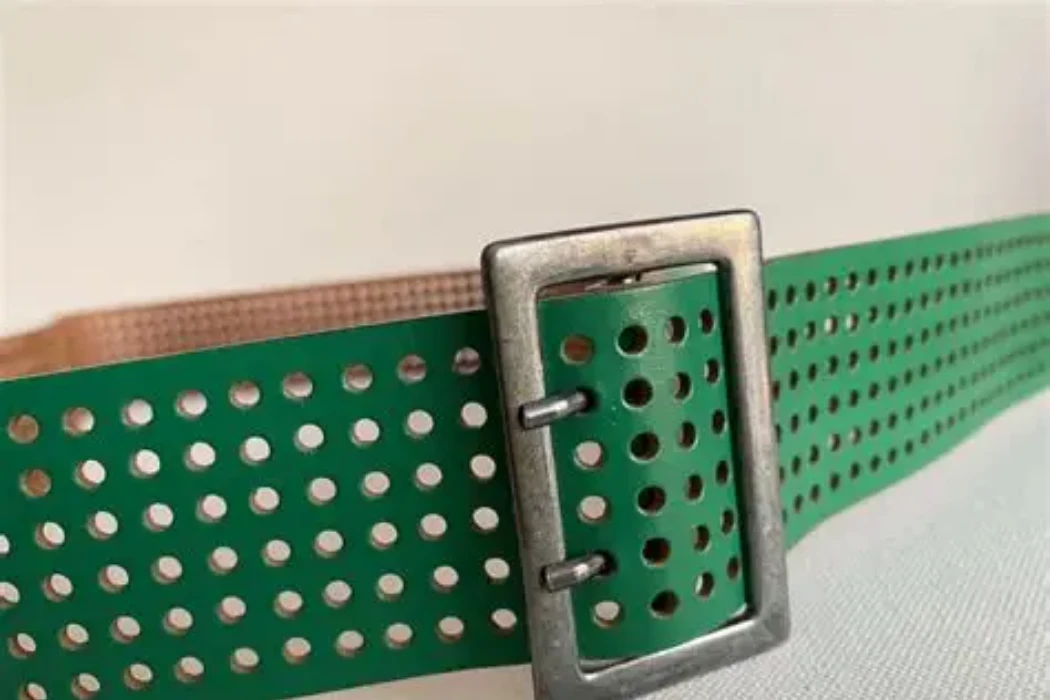
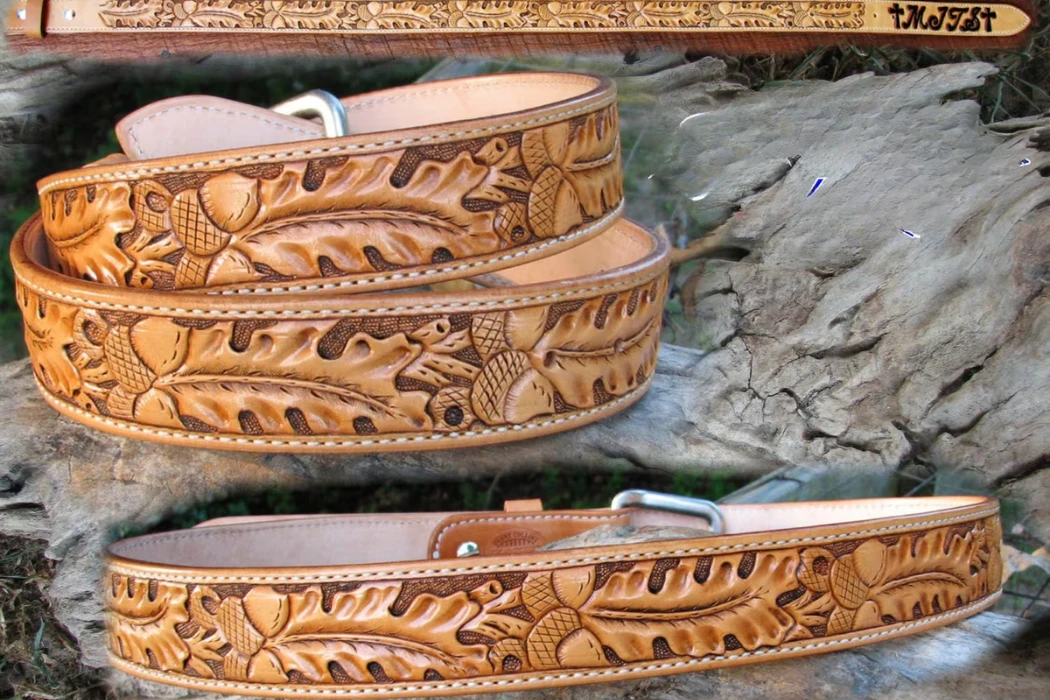
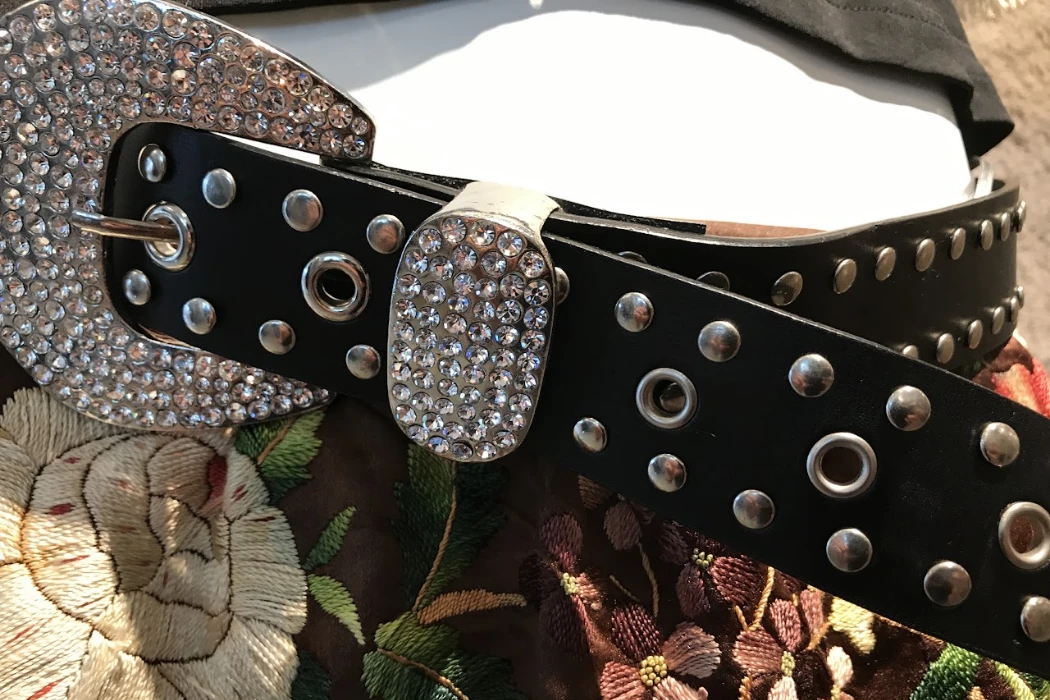
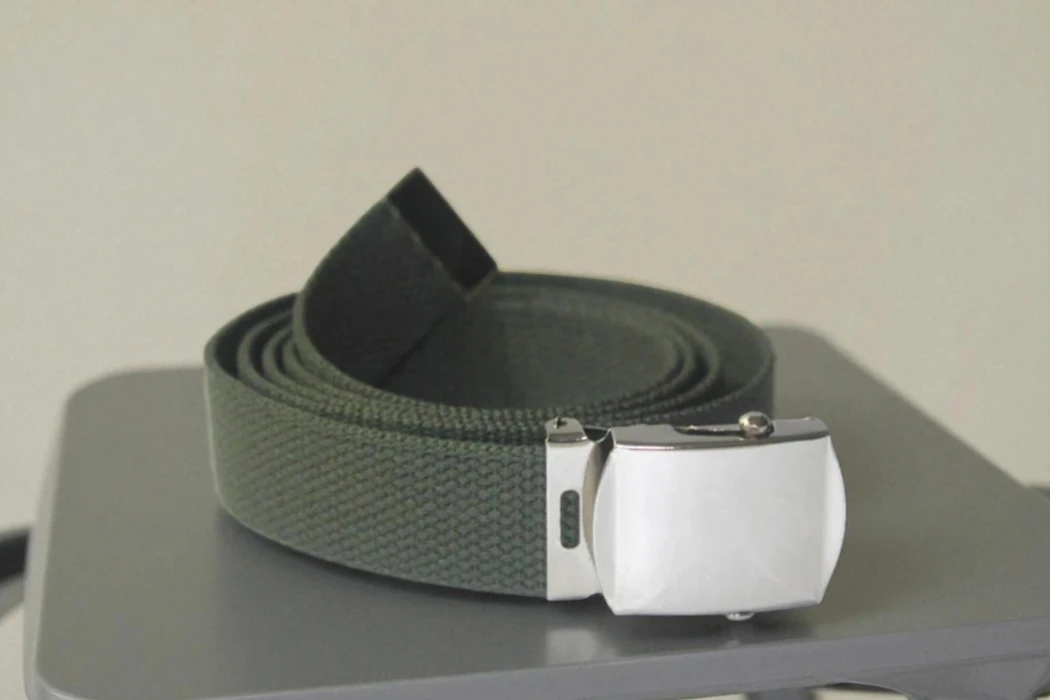
- Belts: assess repeated bends, holes or tracks, layer adhesion and buckle attachment.
- Wallets: assess fold thickness, pocket edges and repeated contact between layers.
Hoplok’s PU MOQ is 1,000. Belt sampling takes 2–3 weeks and bag sampling takes 3–4 weeks; confirm the schedule for other development work. Bulk production takes 60–90 days, subject to the agreed start conditions and order plan.

The Future of PU Leather: Innovations and Trends
A supplier may propose new waterborne, partly bio-based or recycled-input constructions. Evaluate each as a specific material development rather than assuming that a newer formulation solves every durability or environmental question.
- Request current material data and evidence for each content claim.
- Compare physical samples, relevant tests and the target product assembly.
- Confirm availability, production minimums, shade control and substitution rules.
- Reassess product claims when the source, backing or coating changes.
A material that can be recycled in a controlled trial is not automatically recyclable through the intended customer’s disposal route. Record the scope of any end-of-life claim before using it in retail copy.
Frequently Asked Questions (FAQs)
What is PU leather made of?
Commonly polyurethane layers on a textile backing, but the description can also be used for PU-coated leather. Obtain the full layer composition.
Is PU leather as good as real leather?
It depends on the specified grades, construction and intended use. Compare relevant test evidence and complete product samples.
Is PU leather waterproof?
A coating can resist water, but seams, edges and openings affect the finished item. Verify any waterproof claim on the complete construction.
How long does PU leather last?
There is no universal lifespan. Formulation, backing, adhesion, use, storage and care affect performance.
Does PU leather peel?
Layer separation is a possible failure mode, not an inevitable outcome for every grade. Assess adhesion, flexing and relevant aging conditions.
Is PU leather sustainable?
No overall conclusion follows from the name alone. Require evidence for specific composition, production or end-of-life claims.
PU leather vs PVC leather: what is better?
Compare actual material grades against the accessory brief. Neither polymer is universally better on durability, comfort, cost or environmental performance.
Is PU leather toxic?
Evaluate applicable chemical requirements and relevant test evidence for the selected material and intended product; the trade name alone cannot answer that question.
Conclusion
A useful PU specification names the backing, coating system, finish and acceptance criteria. Pair it with a representative product sample and evidence for the claims intended for the destination market.
Review performance and marketing claims separately. This allows a buyer to choose a suitable PU construction without relying on a fixed lifespan, invented quality score or broad environmental label.
Ready to Explore Your Material Options?
Send Hoplok the accessory drawing, proposed material, quantity and target market. Review the available PU or leather options against the construction and sampling plan.
Explore custom belt manufacturing to prepare a belt inquiry with the relevant dimensions, hardware and finish requirements.