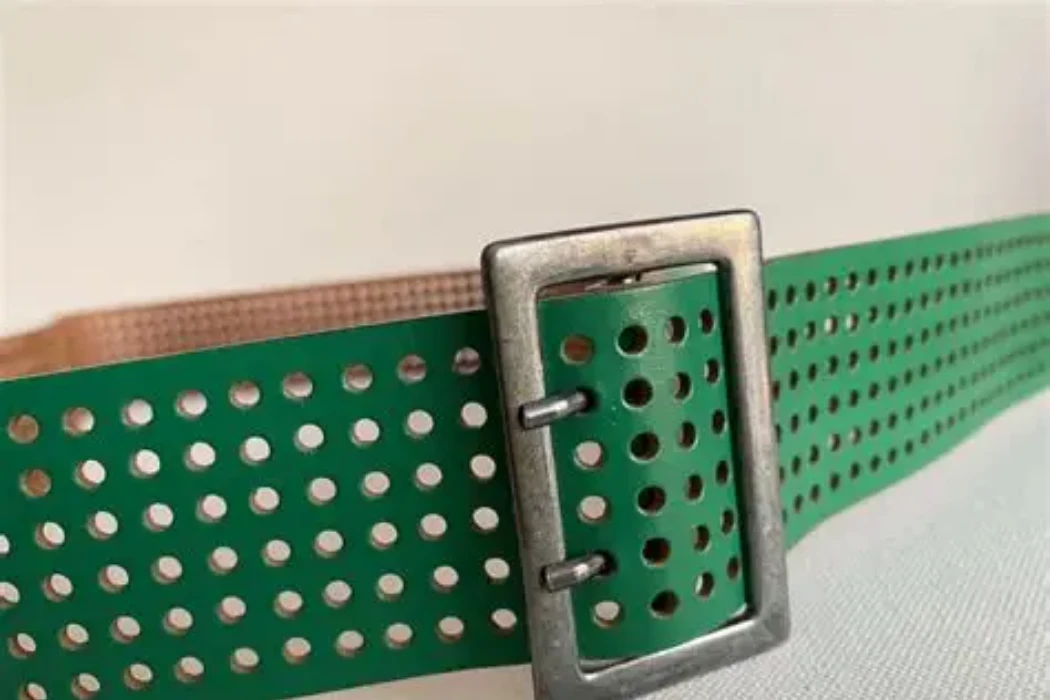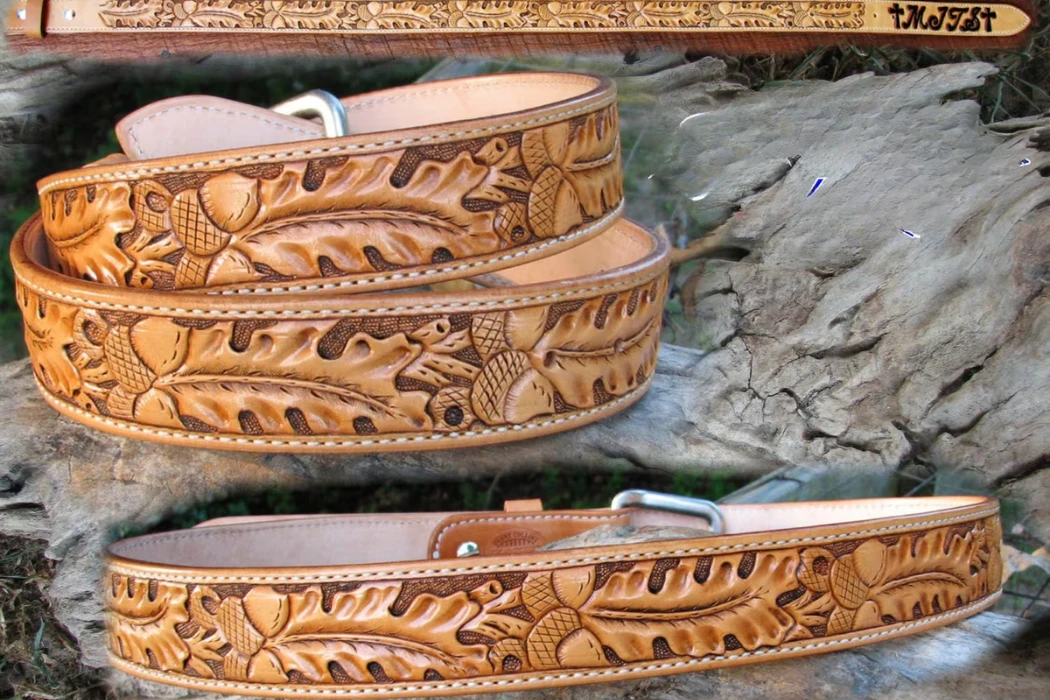
Cow leather and buffalo leather should be compared as specific finished materials, rather than ranked by animal name alone. Both can be proposed for accessories, but their grain, handle and usable dimensions depend on the source and processing. A buyer first needs to know exactly what the supplier means by “buffalo.”

Clarify the animal behind the trade name
Cowhide is often used commercially for cattle leather without identifying the animal’s sex. Buffalo terminology also needs care: water buffalo and American bison are different animals, even though bison is sometimes called buffalo in everyday English. The supplier’s material declaration should identify the intended source rather than rely on an ambiguous sales name.
Horween’s discussion of steer, cow and bison leather illustrates why these names need context. Its observations about bison should not be treated as measurements for every material sold as buffalo leather.
Compare the finished article on equal terms
| Comparison field | Why it matters | How to make the comparison useful |
|---|---|---|
| Animal source and layer | A species name does not identify grain or split construction | Request both declarations |
| Thickness and handle | Processing changes the material supplied | Compare at the proposed product specification |
| Surface finish | Coating and texture affect appearance and contact behaviour | Use equivalent finish objectives |
| Usable dimensions | Pattern fit changes cutting consumption | Provide the actual panels or strap lengths |
| Performance evidence | Strength and wear are not established by the name | Assess the samples with agreed relevant methods |
A thick, firm sample and a thin, soft sample cannot isolate a species difference. Ask the supplier what has changed in thickness, tannage or finishing before attributing all of the difference to the animal.
Grain and appearance: use representative samples
Buyers may investigate buffalo or bison articles for a distinctive surface character, but appearance varies within those categories. Embossing and finishing can also change the visible grain. A photograph of two textures is not a reliable species identification test.
Request panels large enough to show the actual variation. Define which marks and differences are acceptable on prominent parts of the product. For a collection needing close colour and texture matching, compare samples from the proposed production article rather than unrelated showroom swatches.
Strength and durability require a product-specific check
Do not assume buffalo is a fixed multiple stronger or thicker than cattle leather. The supplied layer, finished thickness, processing and construction affect the result. Similarly, a promised number of years is not evidence that a particular bag or belt will meet its intended use.
Use appropriate material assessments and test the finished construction. For a belt, focus on the strap, holes, edge and buckle attachment. For a bag, review straps, handles, seams and panels together. SATRA’s overview of leather testing shows why several properties may need consideration rather than one blanket durability claim.
Which material is more economical?
Compare quotations for the same product design, finish, quantity and delivery terms. Include the usable area and cutting assumptions, not only the price per area. A distinctive grain may be valuable to the collection, while tighter matching requirements may change consumption.
Ask whether the proposed material is consistently available for repeat orders and how substitutions are managed. A cheaper first quotation is less useful if subsequent supply changes the animal source or finish without approval. Keep the material article reference in the order documentation.
Care and environmental claims need separate evidence
Neither animal name guarantees water resistance or a maintenance-free product. Request guidance for the actual finish and trial it on a sample. A heavily coated surface and a lightly finished surface may have different care requirements even when both come from the same animal source.
Likewise, do not label one species automatically more sustainable. Ask for traceability and the specific evidence behind any environmental claim. Facility certification, material composition and finished product performance address different questions and should be described within their respective scope.
Choose with a clear sourcing brief
Send the desired animal declaration, product pattern, appearance reference, quantity and quality requirements to the supplier. Request a feasibility check for the named material before planning a launch around it. Compare complete prototypes and approve the selected article in writing.
For a Hoplok development, use material sourcing and finishing to discuss the brief and availability. The decision should be supported by the supplied sample and product requirements, rather than a general claim that one animal always makes better leather.