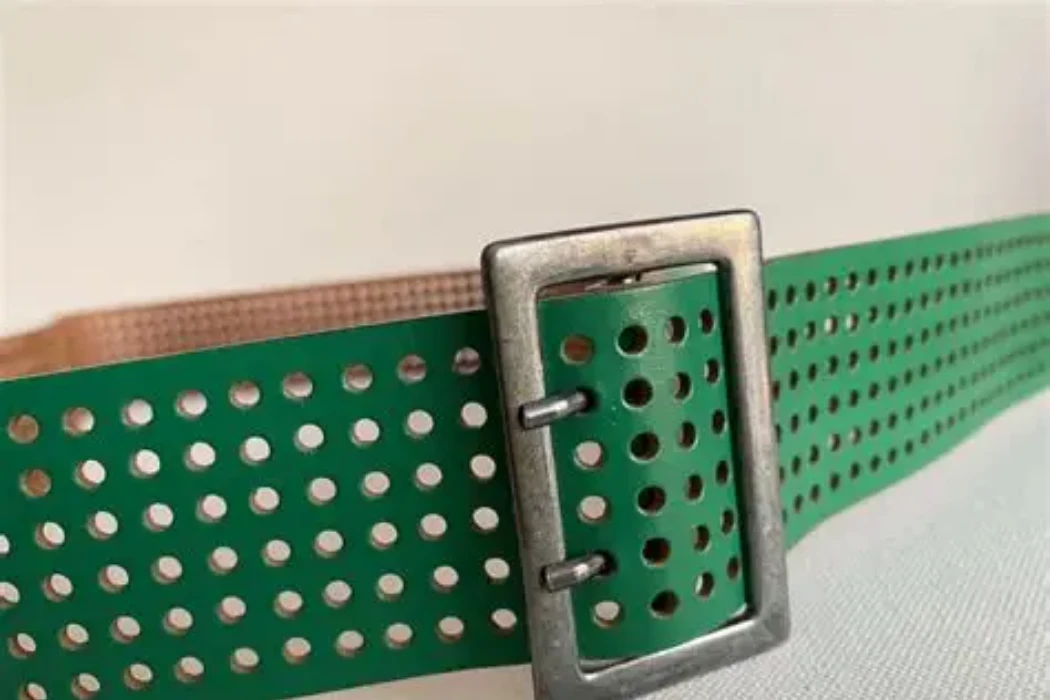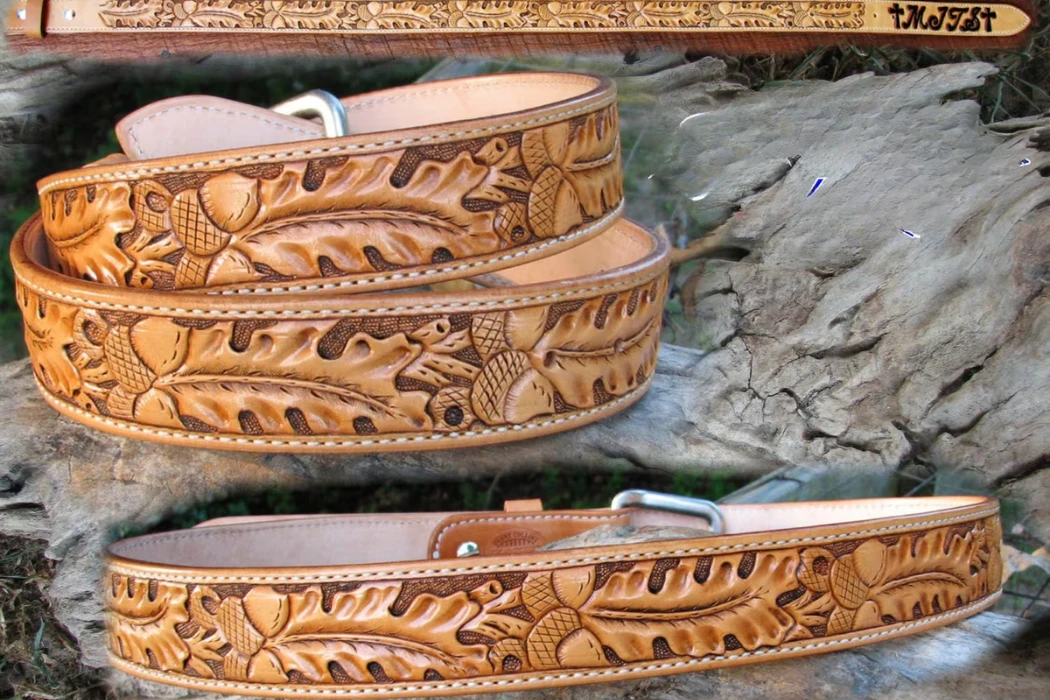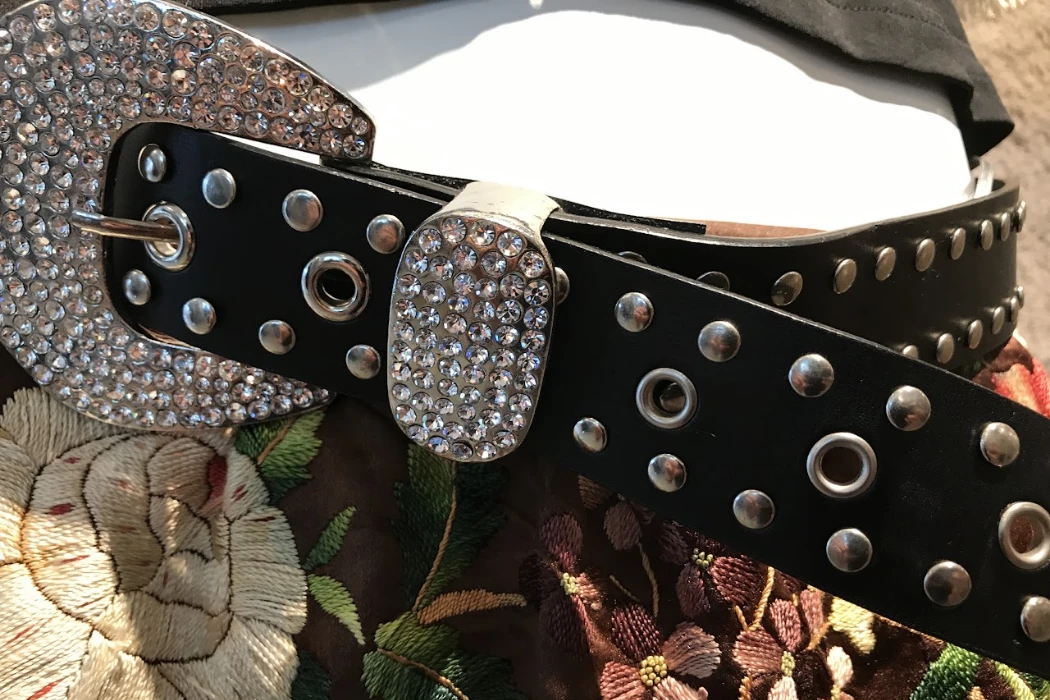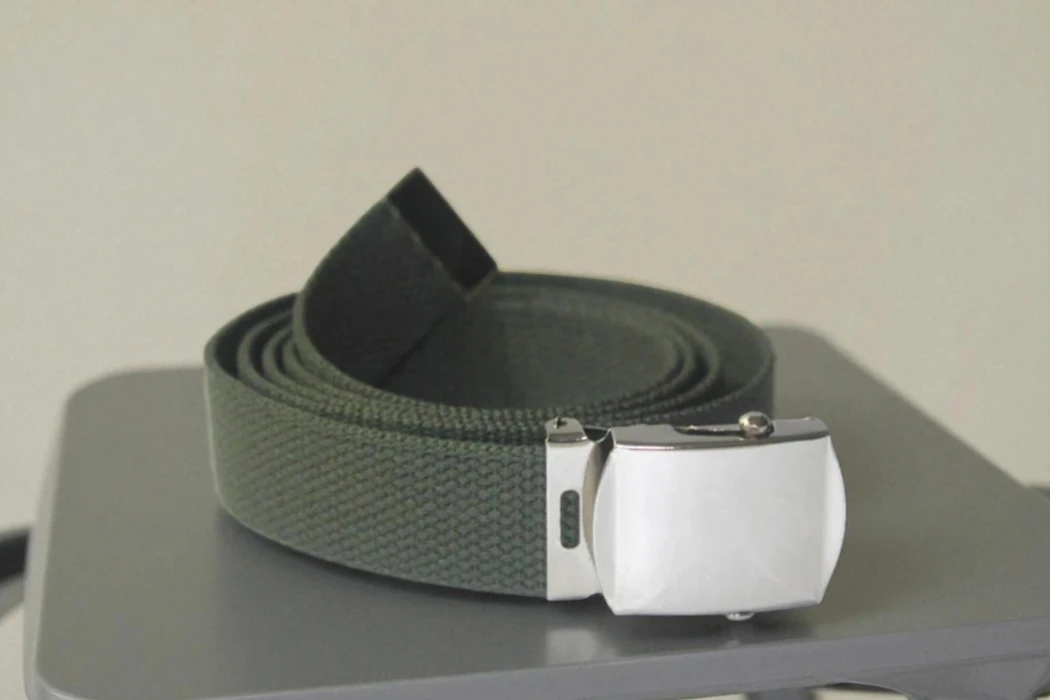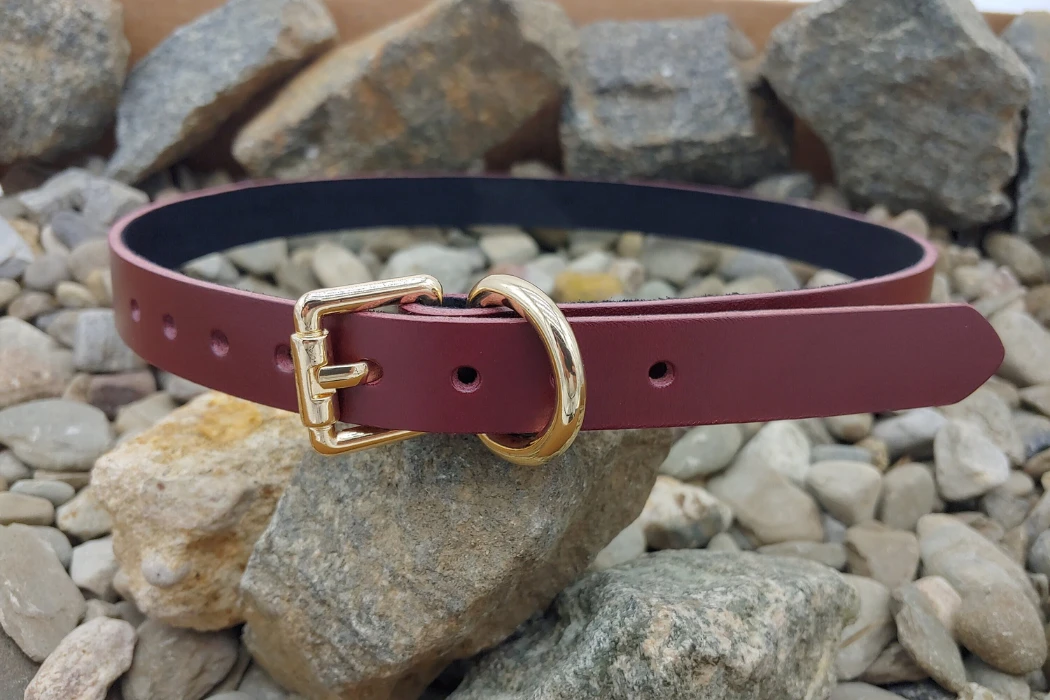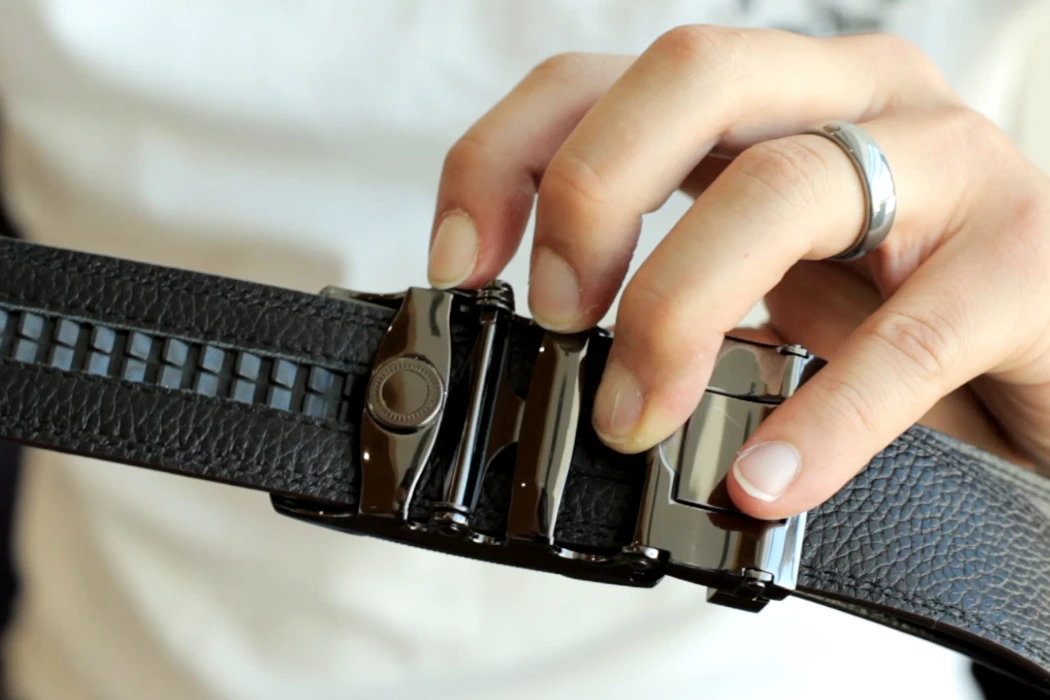
Belt hardware selection connects the design to function, appearance and cost. Specify the actual buckle, attachment, keeper, tip and rivets, then approve their compatibility with the finished strap.
This guide reviews five hardware groups and the material, finish and assembly questions buyers should resolve before bulk production. Performance claims need relevant component and finished-belt evidence.
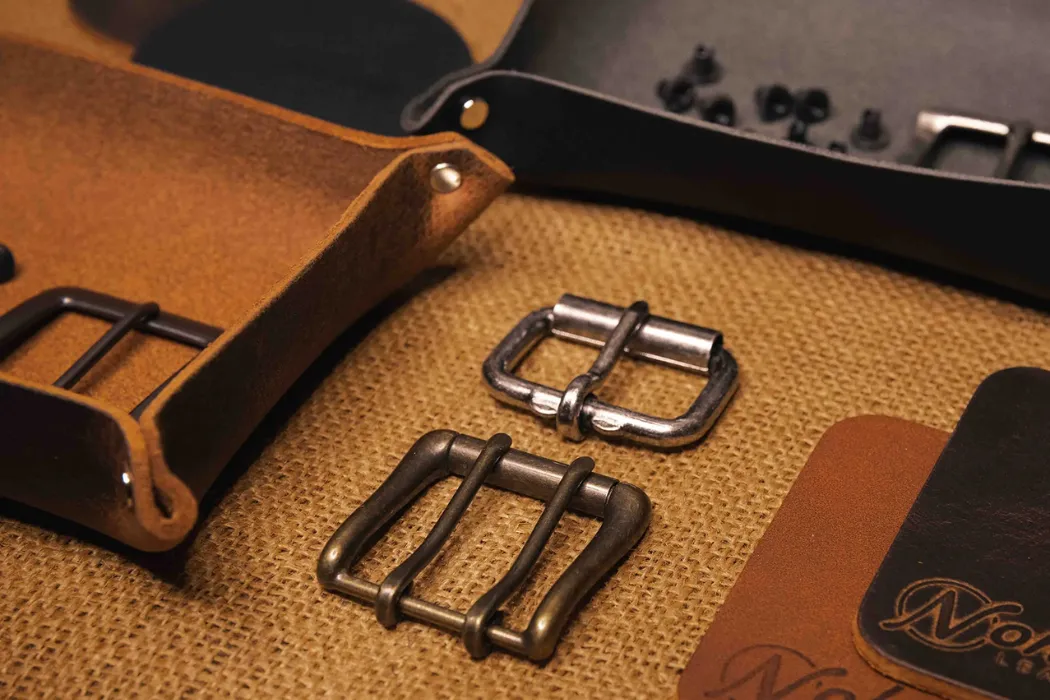
Buckle Types: Heel Bar vs. Center Bar vs. Plate
Quick Comparison
| Buckle type | Construction focus | Check on sample |
|---|---|---|
| Heel bar | Attachment at an end bar | Prong/hole fit and tail keeper |
| Center bar | Attachment or prong at a central bar | Strap routing, clearance and tail retention |
| Plate style | Decorative plate with a defined fastening system | Attachment, hook/pin engagement and compatibility |
Heel Bar Buckles
Specify the frame, bar, prong and strap fold. A separate keeper is common; confirm the tail-retention arrangement for the actual design.
Center Bar Buckles
The central bar changes strap routing. Some designs retain the tail within the frame, but an extra keeper may still be part of the specification. Validate the complete fastening range.
Plate-Style Buckles
Record the actual attachment and fastening mechanism. Plate styles do not all require snaps or offer interchangeable operation; approve the buckle and strap together.
Connection Hardware: Snaps vs. Chicago Screws
Compare the selected snap, threaded attachment or other fixing for retention, appearance, assembly and intended servicing. Neither system automatically reduces warranty claims or offers superior durability in every belt.
Chicago Screws: Installation and Retention
A threaded post can allow disassembly where the design supports it. Specify post length, thread engagement, installation and any locking method. Validate retention and provide instructions if customer servicing is intended.
Snaps: Setting and Retention Checks
For snaps, check the selected components, setting quality, opening/closing behavior and retention. Define whether repair is offered and how matching replacements are obtained. Evaluate the actual assembly instead of treating all snaps as a liability.
Aesthetic Options and Finishes
Approve the hardware colors and gloss together on physical references. Different base materials or processes may affect the match. Confirm availability, minimums and relevant finish testing for the selected components.
Keepers: Metal vs. Leather Loops
Choose the keeper for tail retention, clearance, comfort and appearance. Confirm its internal dimensions with the finished strap and intended size range. Neither metal nor leather is universally stronger in the assembled design.
Metal Keepers: Dimensions and Finish
A metal keeper can provide a visual accent or branding surface. Specify material, dimensions, edges, finish and attachment, then check for surface damage to the strap and appropriate tail clearance. This guidance concerns fashion belts.
Leather Keepers: A Cohesive and Classic Finish
Specify the keeper material, thickness, width, seam and edge treatment. Approve its color and grain next to the strap; using the same material source does not guarantee a perfect match or certify the complete product.
Making the Right Choice for Your Product Line
Review the keeper in the complete belt, including the smallest and largest intended adjustment positions. Compare the quoted cost, appearance and function with the collection brief. Approve the selected component before bulk release.
Scale Your Brand with Premium Leather Belts
Hoplok can review your custom belt requirements and confirm materials, hardware, sampling and production. MOQ is 300 genuine leather belts or 1,000 PU belts, with style/color allocation agreed in the quotation.
Explore Custom Belt Options →
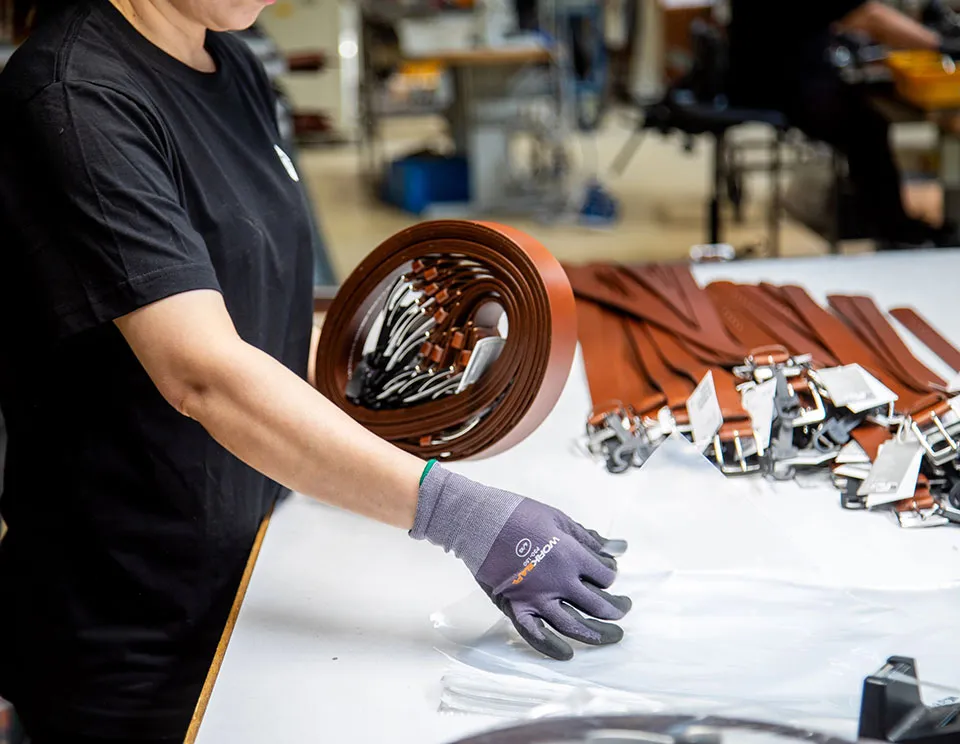
Tips: Metal End Caps for Style
An end cap changes the appearance and contact surfaces at the tip. Define fit, attachment, finish and edges, then evaluate the assembled end for retention, comfort and strap damage. It does not automatically extend product life.
Material and Finish Options for Aesthetic Matching
Compare available end-cap materials and finishes with the buckle and keeper. Approve logo position and appearance where requested. Confirm relevant retention, surface and corrosion requirements for the actual component rather than assuming all options pass one test.
Sizing for Various Belt and Strap Widths
Provide the tip outline, finished width and thickness, and required cap coverage. Confirm component availability and tolerances. An advertised width range alone cannot establish a secure fit for every strap.
Functional Benefits Beyond Appearance
Inspect whether the cap protects the intended area without creating sharp edges, abrasion or interference through the keeper. Validate its attachment after relevant use testing. Approve the complete tip, not only a loose hardware sample.
Rivets: Double Cap vs. Copper Burrs
For a Hoplok fashion-belt project, select rivets for the specified leather stack, appearance and attachment requirements. Review the assembled sample and agreed retention checks. Copper burr and double-cap designs have different installation details; neither carries an automatic performance guarantee.
Strength and Durability
Select the rivet type and dimensions for the material stack and attachment requirement. Agree setting parameters and retention checks on the assembled sample. Copper-burr and double-cap rivets should not be assigned a universal strength ranking or a no-failure guarantee.
Best Use Cases and Applications
For fashion and dress belts, compare rivet appearance on both visible faces, post length, setting and comfort against the finished strap. Agree the appropriate component and assembly checks for the design. Hoplok’s scope here is ordinary fashion belts, without a tool-carrying or tactical performance claim.
Installation Process and Appearance
A double-cap design provides a finished appearance on both ends when correctly set. A copper-burr design uses its corresponding post and burr assembly. Confirm installation with the component supplier and approve both faces, attachment and comfort on the belt.
Materials: Zinc Alloy vs. Solid Brass vs. Steel
Compare the selected alloy, component geometry, weight and finish. The final choice should meet the approved appearance and performance requirements at the quoted cost, without assuming a fixed hierarchy by material name.
Zinc Alloy: Shape, Finish and Cost
A zinc-alloy component may be appropriate for the proposed shape and manufacturing process. Confirm alloy, tolerances, finish and relevant test evidence. Quote it against suitable alternatives rather than promising it is always the lowest-cost option.
Solid Brass: Weight, Appearance and Specification
Brass can offer a desired weight and surface character. Identify the alloy and finish and evaluate the actual component. Its selection does not establish an heirloom lifespan, environmental claim or required retail price.
Steel: Grade and Component Performance
Specify the stainless or other steel grade, geometry and finish needed for the design. Grade and exposure affect corrosion behavior, while attachment and dimensions affect performance. No heavy-load, tool-carrying or safety-belt capability is implied.
Choosing Hardware for Your Price Point
Compare equivalent quotations with tooling, finish, quantity and test scope identified. Retail positioning may influence appearance and feel, but it does not automatically determine the required alloy.
Budget-Friendly Hardware
Consider an available component that meets the specification and can be used lawfully. Confirm any tooling or customization charges and evaluate the approved sample. Cost targets should not replace functional or applicable product requirements.
Mid-Range Hardware
Compare refinements such as finish, dimensions or mechanism only where they serve the brief. Validate a reversible or adjustable assembly as a complete product, and confirm the actual cost and schedule.
Premium & Luxury Hardware
Define the visible detail and feel expected by the brand, including color, gloss, edge quality and logo execution. Approve relevant performance results for the selected assembly. A premium label or brass component does not establish a universal test outcome.
Final Thoughts
Release hardware against the approved drawing, sample and quality plan. Confirm the chemical and physical requirements for the destination and product, then review the relevant evidence; no blanket REACH, CPSIA or salt-spray guarantee applies to every component.
Request the selected components and assembled belt sample for review. Confirm materials, finishes, compatibility and test requirements before committing to the bulk order.
Frequently Asked Questions
What are the different types of belt buckles?
Common fashion-belt designs include pin, roller, plate and reversible mechanisms. Specify the actual geometry, material, finish and strap attachment. Confirm feasibility and tooling for a custom design.
What is the difference between rivets and Chicago screws?
A rivet is set as a permanent attachment; a Chicago screw is a threaded assembly. Compare retention, installation, appearance and intended servicing on the actual belt. No one attachment or thread type is a universal Hoplok standard.
What are the main parts of a belt?
A belt typically includes the strap, buckle or other fastening system, and any keeper, tip or reinforcement specified by the design. Identify materials and dimensions for each component in the BOM and drawings.
How do I choose the right hardware for a leather project?
Start with the strap dimensions, intended mechanism, appearance and performance requirements. Compare actual materials and finishes, approve the assembled sample and request relevant destination-specific evidence.
Are double cap rivets strong enough for belts?
A double-cap rivet may be suitable when its dimensions, setting and retention meet the design requirements. Test the actual assembly; rivet type alone does not establish strength or service life.
Where can I buy custom belt hardware?
For a Hoplok finished-belt project, discuss the component drawing, appearance and test requirements as part of development. Confirm sourcing, tooling, ownership and assembly responsibilities in the quotation and approval records.