Leather, fabric and synthetic belts can serve different customers within the same accessories collection. For a brand buyer, the useful question is which construction delivers the intended appearance, fit and performance at the planned cost. A material label alone cannot settle that decision.
This comparison brings together leather-versus-fabric and leather-versus-synthetic choices. It translates their styling differences into a product brief and sample checks for fashion belts. It does not cover fall protection, lifting, tactical duty equipment or other load-bearing safety products.
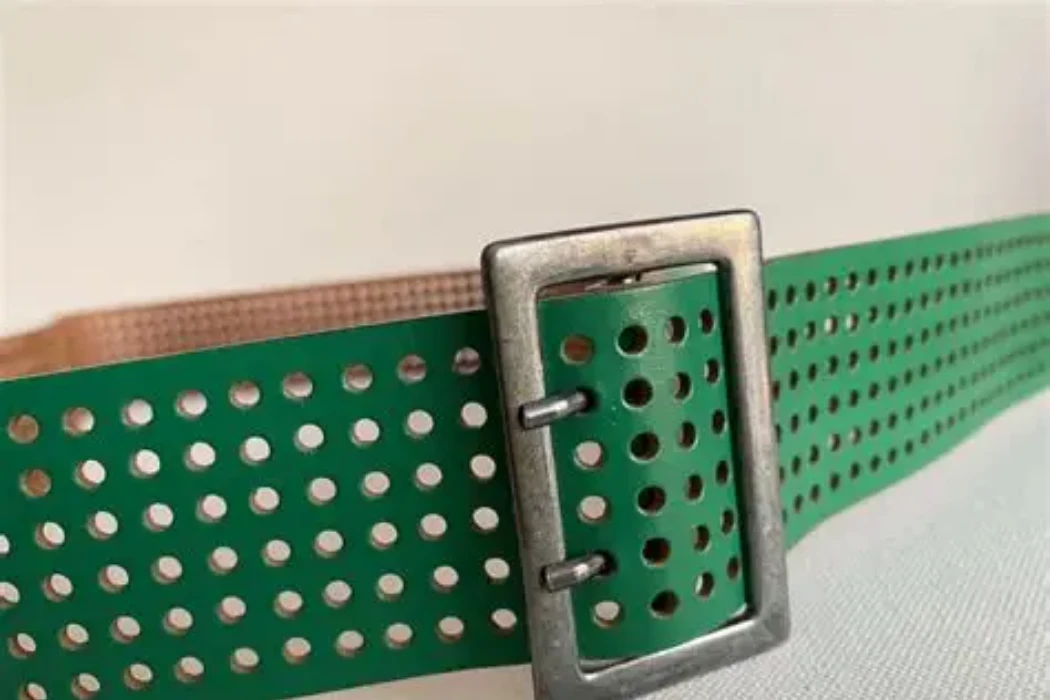
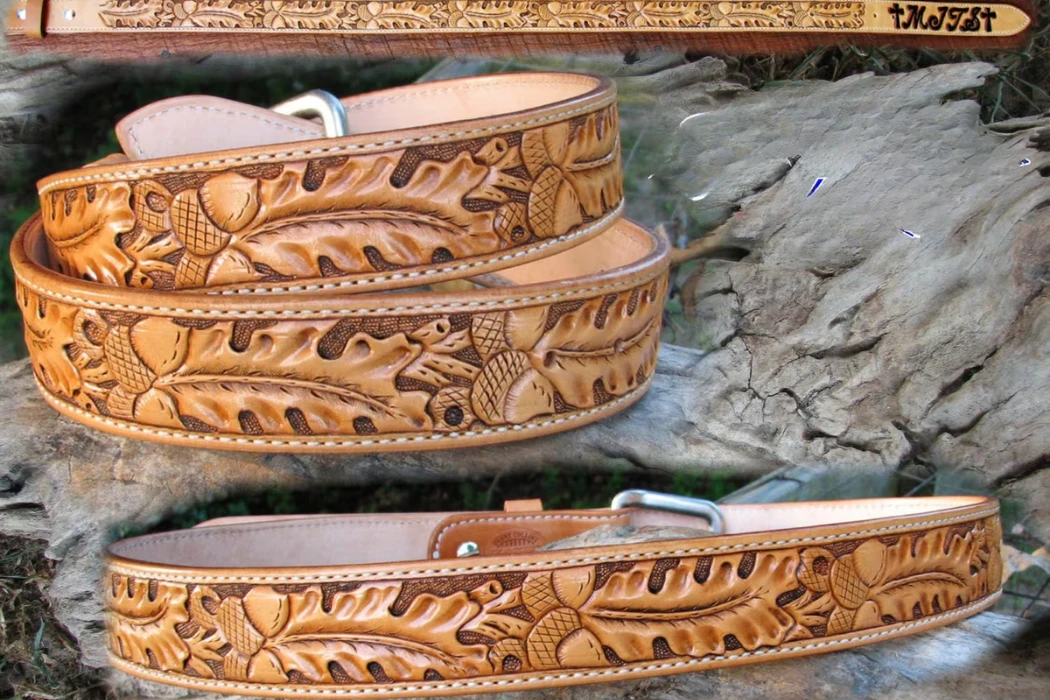
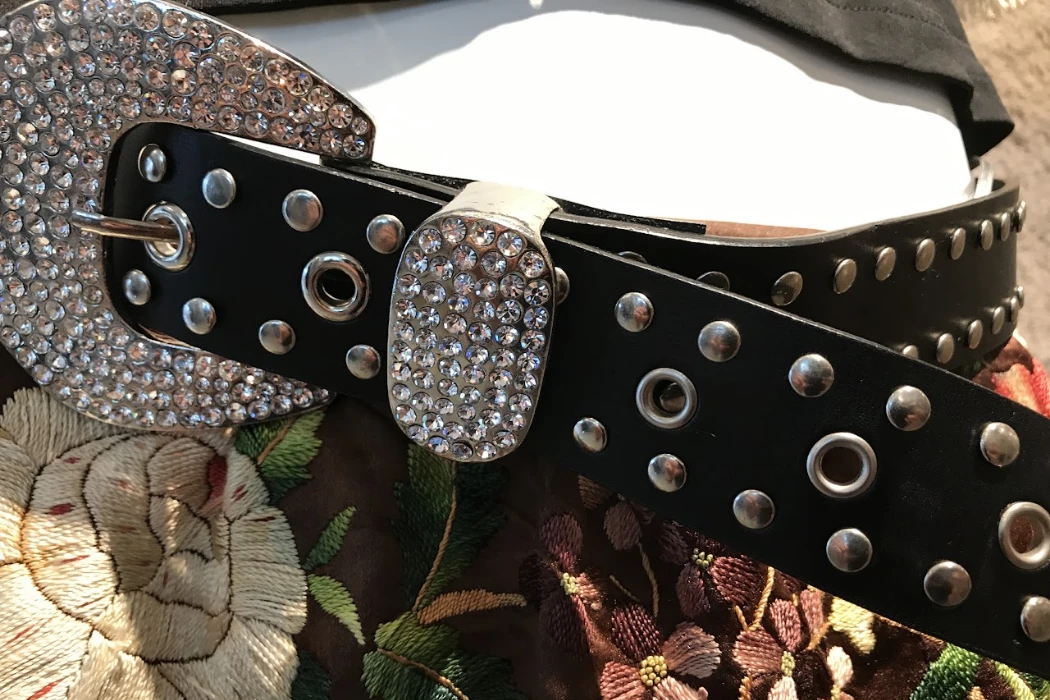
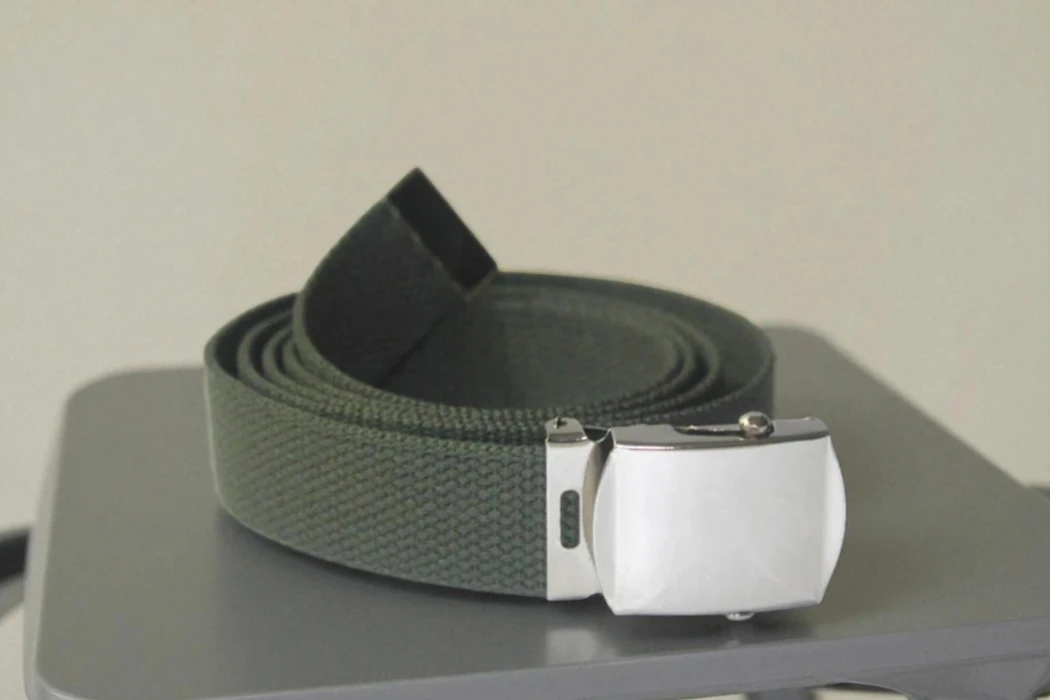
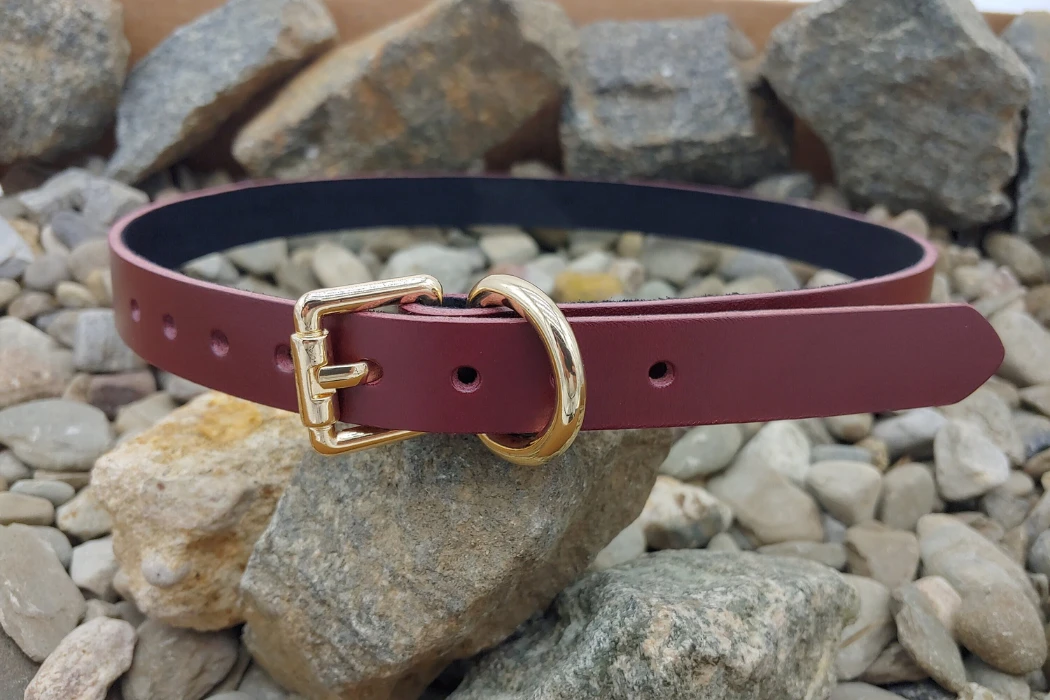
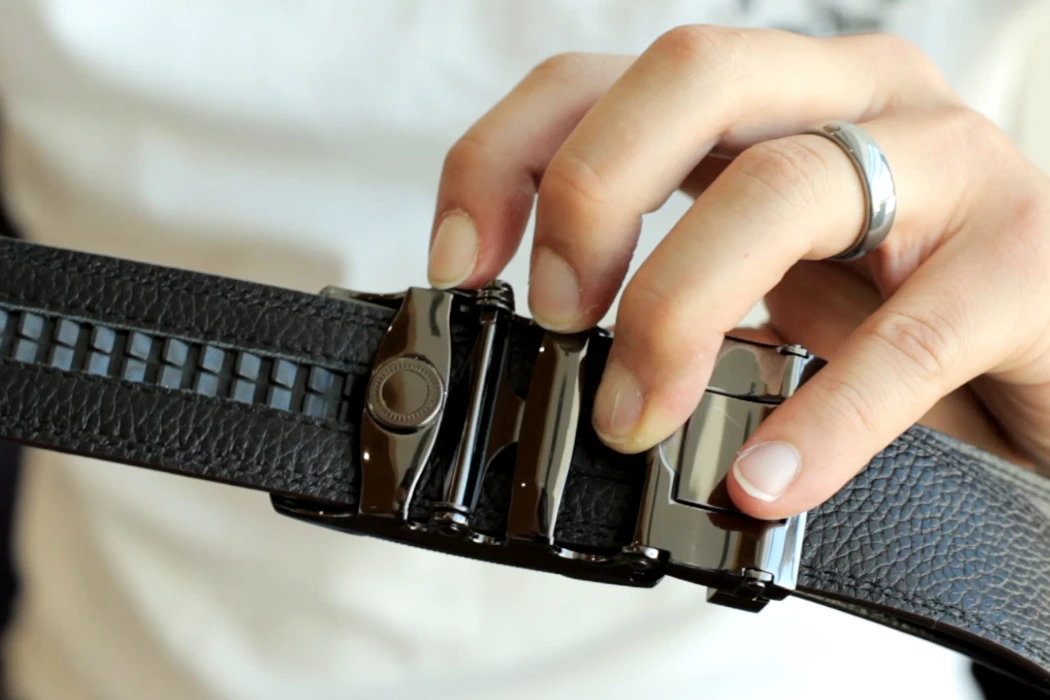
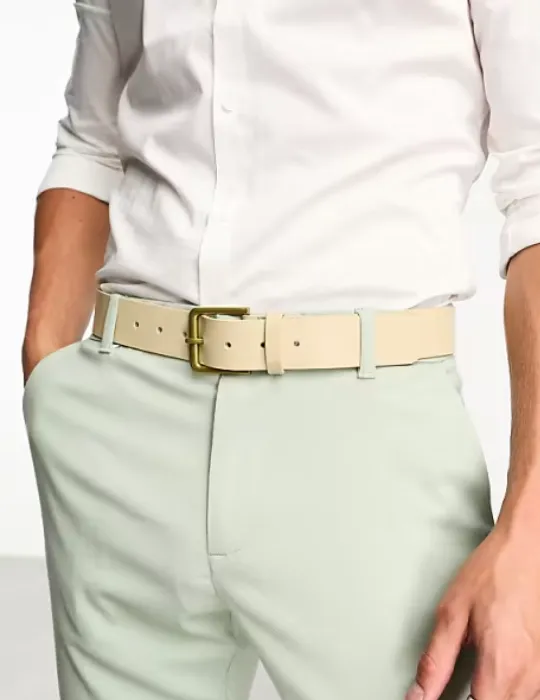
The images illustrate styling differences; material composition must be confirmed from the supplier declaration and sample.
Identify the complete construction before comparing materials
A leather belt may be a single strap or a layered assembly. “Full-grain” describes retained grain, while other surface treatments and constructions can produce different appearances and performance. “Genuine leather” alone is not a complete material specification or a universal third quality grade.
Fabric belts may use woven cotton, polyester, nylon or blended structures, with or without elastic elements or reinforcement. Synthetic leather-look belts may use a PU coating over a textile or other backing. Bonded or reconstituted leather is another construction and should not be used as a synonym for all synthetic materials.
| Family | Specify in the brief | Evaluate on the assembled belt |
|---|---|---|
| Leather | Species, layer, finish, thickness, lining and reinforcement | Grain variation, flex, edge finish, color transfer and fit |
| Fabric | Fiber composition, weave, width, thickness and elastic content | Stretch, slip, fraying, closure function and dimensional stability |
| PU or another synthetic construction | Coating and backing composition, thickness, finish and layered structure | Flexing, surface adhesion, edge construction and hole durability |
Leather: useful for natural character and defined surface finishes
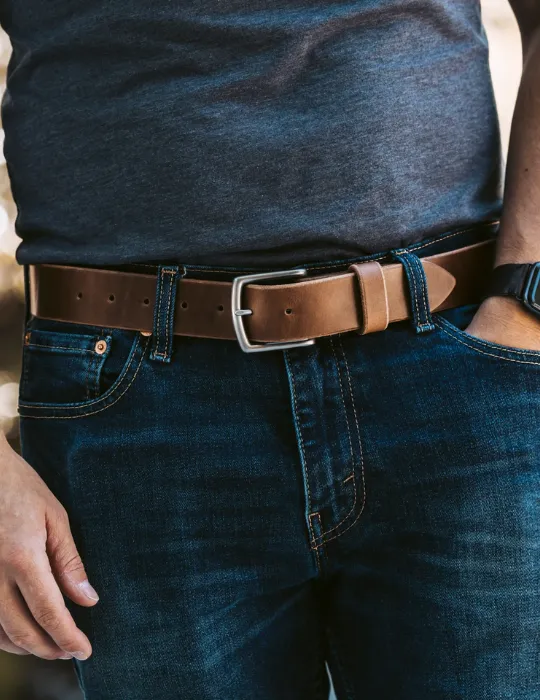
Leather can support a smooth formal accessory, a textured casual style or a finish intended to change with use. The effect depends on finishing and construction, not just whether the strap is real leather. Heavy surface coatings can limit the visible natural character; a lightly finished material may show more variation between pieces.
For a formal collection, review the surface consistency, edge profile, lining feel and coordination with the buckle. For a casual style, decide how much grain variation, pull-up effect or visible wear fits the design. Approve an acceptable range rather than assuming every strap can look identical.
Do not select a leather solely because it is called premium. Check the finished belt at the buckle fold, adjustment holes and tip, and identify how all layers are attached. A suitable lining and well-controlled assembly can matter as much as the outer surface name.
Fabric: useful for woven texture, color and particular closure designs
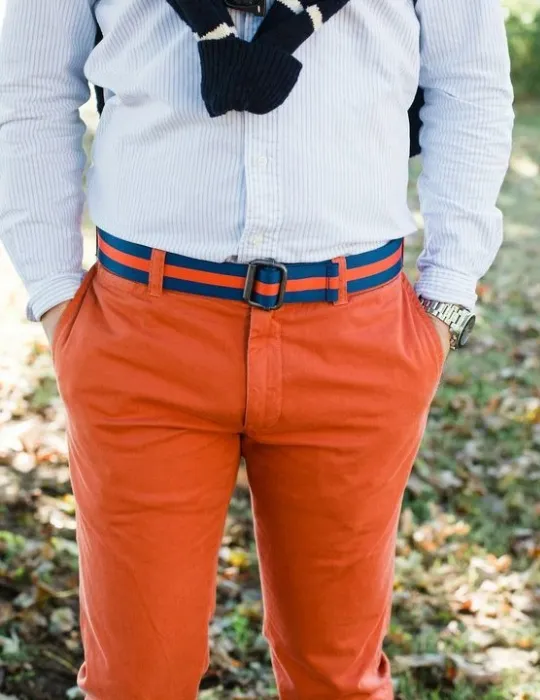
Fabric offers an appearance distinct from a leather strap. A woven texture or colored stripe can be the design feature rather than an imitation of leather. It can fit casual, resort or sports-inspired fashion assortments, but the material family does not prove a particular belt is suitable for technical or safety use.
Assess the webbing or woven structure together with its closure. A friction buckle may behave differently with a slippery weave, and an elastic belt needs an agreed fit and recovery expectation. Examine cut ends and attachment points for fraying and bulk.
“Breathable,” “washable” and “lightweight” should be supported for the specific assembled product. Metal hardware, leather trims or a backing may change the care instructions. If considering a fabric program alongside Hoplok leather or PU belts, confirm the requested construction and supply scope before assuming it is available.
PU and other synthetics: useful for controlled surfaces and leather-look ranges
A PU construction can offer repeatable texture and color over a roll-based material. It may suit a collection with a defined appearance and cost target. However, the coating, backing, adhesive and finishing all influence the result; two materials sold as “PU leather” need not perform alike.
Review flexed samples, the surface around punched holes, the edges and the underside. Identify the conditioning and testing appropriate to the intended use and storage conditions. A visual match to leather is not evidence that the construction will age in the same way.
For a vegan claim, check the complete bill of materials, including lining, adhesives and trims. Synthetic does not automatically mean recycled, biodegradable or lower impact. Ask for evidence that matches the exact claim and component.
Translate styling preferences into buying decisions
| Collection goal | Options to sample | Decision that matters |
|---|---|---|
| Formal, understated accessories | Smooth leather or an approved smooth synthetic construction | Edge profile, buckle proportion, surface finish and logo visibility |
| Casual texture and character | Textured or character-finished leather; a suitable woven alternative | Allowed variation and how the belt coordinates with the range |
| Repeatable colors at a defined cost | Qualified PU constructions or appropriate fabric specifications | Color consistency, construction performance and replenishment availability |
| Adjustable comfort | Relevant strap-and-closure combinations | Slippage, stretch or recovery, measured fit and adjustment range |
| Material or environmental claim | Only constructions with evidence for that specific claim | Component identity, traceability and accurate wording |
Keep appearance and performance decisions separate. A soft sample can feel comfortable while slipping in the chosen buckle. A stiff strap can hold its shape yet feel awkward at the waist. Try the complete assembly and agree how the intended fit is measured across sizes.
Compare lifespan, maintenance and value without invented rankings
No material family has a fixed service life. Construction, wear, storage and care affect when a belt becomes unacceptable. Avoid promising a decade for leather or a few months for PU unless evidence supports that particular product and use.
For product development, define the failure modes to check: unacceptable stretch, hole tearing, layer separation, color transfer, surface cracking, frayed edges, hardware damage or closure slip. Choose suitable tests and appearance references before bulk production.
Care information should be approved for the complete product. Do not apply a generic leather conditioner to every coated surface or tell consumers to machine-wash a fabric belt without checking its components. Test the proposed care method on a representative sample.
Assess environmental claims separately from material preference
A buyer may prefer animal-free inputs, natural material character or a documented recycled component. Those are different requirements. None alone proves the overall product has the lowest environmental impact. Request the material composition and the evidence needed for the actual customer-facing claim.
Hoplok’s ProPelli facility holds a current LWG Gold rating and specializes in finishing belt leather and other leather on crusts from partner tanneries. It is a leather finishing facility, not a tannery. Review the LWG certification scope separately from finished-product performance or environmental claims.
Prepare a comparable sample request
Send the intended customer use, appearance references, strap and buckle requirements, sizes, quantity, destination and packaging. If comparing leather and PU, keep the design constant where practical and identify the construction changes needed for each material.
Hoplok’s confirmed belt minimums are 300 pieces for leather and 1,000 for PU. Style, color and size allocation is confirmed in the quote. Belt sampling takes 2–3 weeks; bulk production lead time is 60–90 days, with the order conditions and shipping plan recorded separately.
Review our custom belt manufacturing options and send your collection brief to discuss a material comparison tied to your actual product.