
Types of Wallets: Layout & Specification Guide
Compare bifolds, cardholders, long wallets and travel organizers by contents, pocket layout and closed thickness for a leather or PU wallet range.
Backpack vs Rucksack: Names, Features & Buyer Guide
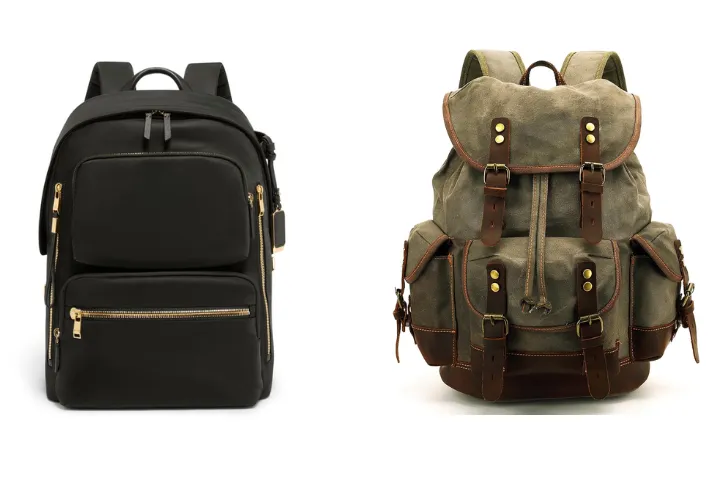
Understand overlapping backpack and rucksack names, then compare openings, capacity, carrying fit and sample requirements for an everyday bag collection.
Leather Laser Engraving: Material & Sample Approval Guide
Qualify materials and artwork for leather laser marking. Compare processes, inspect finished samples and specify repeatability before placing an order.
What Is Faux Leather? Materials, Performance and Sourcing Guide
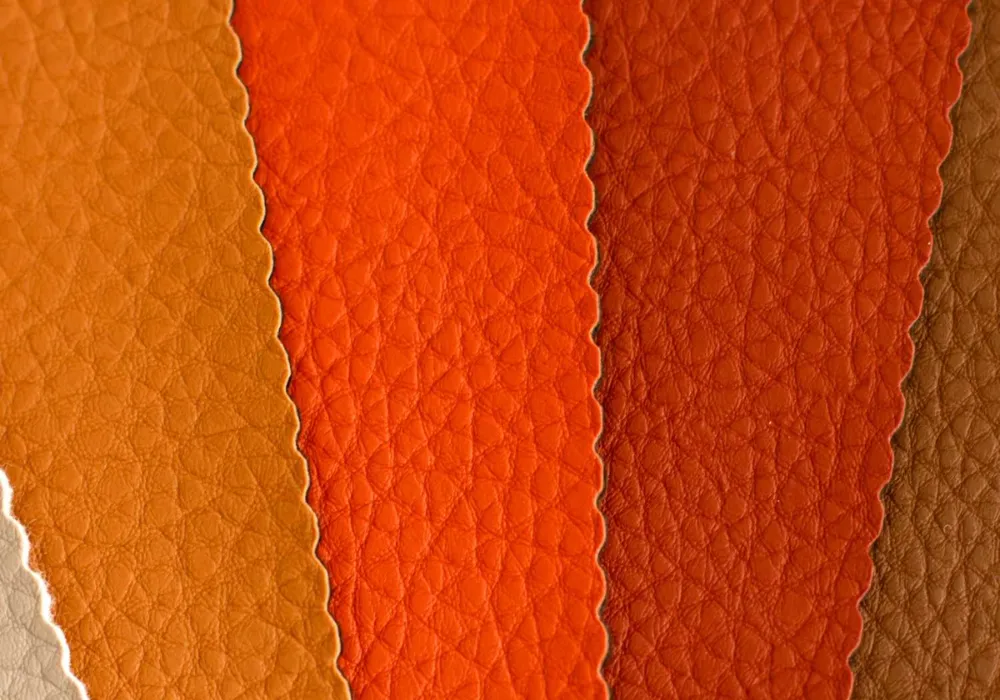
Faux leather is a broad name for materials designed to resemble leather without using an intact animal hide as their structure. Common versions use polyurethane (PU) or polyvinyl chloride (PVC) with a textile backing. The name alone says little about how a finished bag, belt or wallet will perform. For a buyer, the useful questions […]
How to Clean a Leather Wallet: Care & Pocket Checks
Clean a leather wallet without soaking card slots or damaging its finish. Includes stain boundaries and care-card checks for wallet brands.
Can You Stretch a Leather Belt? Fit and Alteration Limits

Understand belt stretching, signs of damage and safer fit options. Give customers clear sizing and alteration guidance for the actual construction.
Real Leather vs Faux Leather: A Material Guide for Buyers

When sourcing bags, belts or wallets, the choice between real leather and faux leather affects the specification, appearance and evidence needed before production. Start with the product’s intended use and target price, then compare actual materials and complete samples. Real leather is tanned animal hide or skin with its fibrous structure retained. Faux leather describes […]
Full Grain vs Top Grain Leather: A Material Sourcing Guide
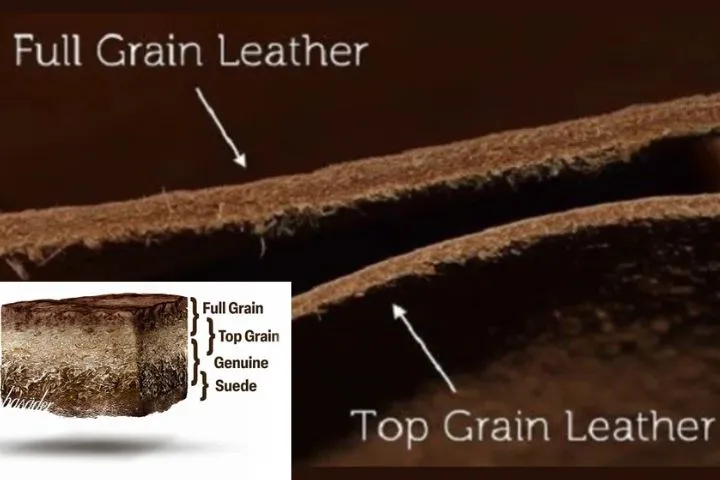
For a leather-goods buyer, “full grain” and “top grain” are starting points for a material discussion, not complete quality specifications. The purchase decision also needs the leather layer, surface treatment, thickness, finish, acceptable variation and performance requirements. Full grain means the natural grain surface has not been removed by corrective mechanical treatment. “Top grain” is […]
What Is Full-Grain Leather? Definition and Buyer’s Guide

What Does Full-Grain Leather Mean? Full-grain leather retains the original grain surface after the hair and epidermis have been removed; that grain has not been removed by buffing or other surface correction. The term describes the retained grain, not a guaranteed service life or a universal performance grade. For brands sourcing bags, belts or wallets, […]
What Is Eco Leather? Materials, Claims and Buying Considerations

In a world focused on sustainability, “eco leather” has become a major buzzword. You see it everywhere, from high-fashion runways to everyday accessories, as brands use the term to signal a commitment to the planet. But what does it actually mean? The truth is, “eco leather” is a very broad and often confusing term. It […]
What Is PU Leather? Composition and Sourcing Guide

PU leather is a common trade description in accessory sourcing, but it does not provide a complete material specification. A buyer needs to know the backing, polyurethane layers, surface finish and relevant test evidence before approving a bag, belt or wallet. PU stands for polyurethane. “PU leather” commonly refers to a polyurethane-coated textile that resembles […]
How to Make a Hole in a Leather Belt: Tools and Fit Checks

Check whether a belt can accept another hole, choose a suitable leather punch, and review position, buckle fit and product-specific alteration limits.