For a leather-goods buyer, “full grain” and “top grain” are starting points for a material discussion, not complete quality specifications. The purchase decision also needs the leather layer, surface treatment, thickness, finish, acceptable variation and performance requirements.
Full grain means the natural grain surface has not been removed by corrective mechanical treatment. “Top grain” is used inconsistently in trade and retail descriptions, so it should not automatically mean a second grade of sanded leather. If the surface has been corrected, specify corrected-grain leather explicitly and describe the finish separately.
This comparison helps brands define those terms in supplier quotations, compare samples and choose materials for bags, belts and accessories. It avoids a universal quality ladder: neither a name nor a natural-looking surface proves the finished product’s durability.
What is Full Grain Leather? An In-Depth Definition
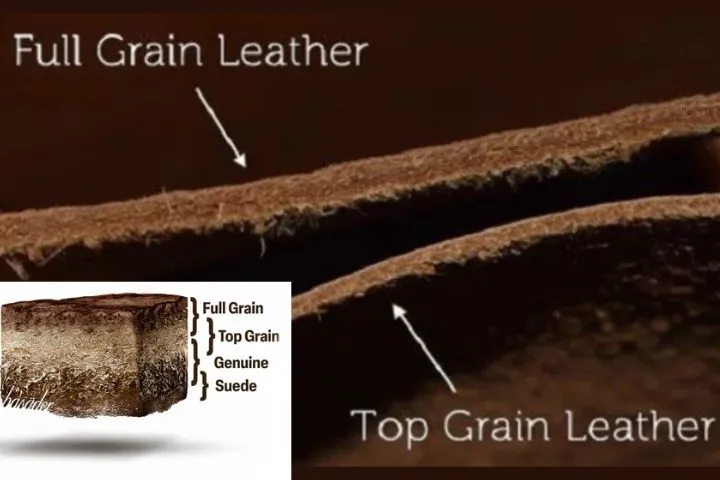
Full-grain leather retains the grain without corrective mechanical removal. The definition concerns the surface, not the entire unsplit hide thickness. See the LWG list of leather definitions for the distinction between full grain and corrected grain.
From Premium Hide to Finished Product
Specify the species, thickness, tannage, color and finish in addition to full-grain status. A full-grain leather can have different finishing systems; it is not restricted to a light transparent coating. Ask for an approved material reference and the variation allowed within the order.

The Defining Qualities of Full Grain
Retaining the grain can support the desired natural surface character. Appearance and wear behavior still depend on the hide, processing, finish and product construction. Do not promise maximum strength, open pores or patina solely from the full-grain designation.
What is Top Grain Leather? A Comprehensive Overview
“Top grain” needs clarification in a quotation. The Leather Research Laboratory notes that its meaning is not the simple second-quality rung often used in marketing. Ask the supplier whether the grain is intact or corrected and what surface treatment has been applied.

Crafting Consistency: The Top Grain Process
For corrected-grain leather, part of the grain surface is mechanically removed and the surface is finished. Correction, pigmentation and embossing are separate details to record; do not assume every leather described as top grain undergoes an identical process.
Why Choose Top Grain?
A specified corrected and finished grain leather may suit a collection that needs a controlled visual appearance. Compare the actual sample’s feel, finish and test performance with the full-grain option. Stain resistance, softness and price must be established for that material rather than inferred from the name.
The Hide: Understanding Leather Origins and Grades
Splitting separates hide layers horizontally. The grain-bearing layer and flesh split should be identified accurately, while full-grain or corrected-grain wording describes the grain condition. Hide region and processing also matter to cutting and performance.
A Quick Guide to Leather Descriptions
| Term | What the buyer should establish |
|---|---|
| Full grain | Grain retained without corrective surface removal; specify finish and thickness |
| Top grain | Clarify the supplier’s meaning and actual grain condition |
| Corrected grain | Degree of surface correction and finishing |
| Split leather | Layer, surface treatment and construction suitability |
| Genuine leather | Broad composition wording; insufficient as a grade specification |
| Bonded/reconstituted material | Fiber and binder composition; accurate destination-market labeling |
What Else Determines Quality?
Review the selected hide, cut, tannage and finishing system alongside thickness and workmanship. Define the natural variation acceptable in visible and hidden areas. Use an approved sample and relevant reports to evaluate the material in the intended product.
Key Differences Between Full Grain and Top Grain Leather
Compare an identified full-grain sample with an identified corrected-grain or other proposed sample. Resolve ambiguous “top grain” wording first so price and performance discussions concern the same construction.

Appearance and Texture
An intact grain may show natural features, while correction and finishing can control surface appearance. Neither scars nor a perfectly regular pattern alone proves grain status. Specify gloss, texture, color and acceptable variation using physical references.
Durability and Strength
Strength depends on the actual leather, thickness, orientation, processing and product construction. Agree applicable tensile, tear, flexing and attachment tests, then assess results for the intended use.
Aging and Patina
Some finishes change visibly with handling and use; others are designed to limit that change. Approve the expected appearance and care guidance on the chosen material. Full grain does not guarantee an attractive patina, and correction alone does not mean a surface will never change.
Breathability and Comfort
Finish, thickness, lining and construction affect moisture transport and feel. The presence of the natural grain does not establish a fixed breathability advantage in the finished item. Where the property matters, agree an appropriate measurement or evaluation.
Cost and Value
Compare quotes on the same thickness, usable area, color, finish, test scope and order quantity. A material allowing more usable cutting area may change unit cost, but full grain is not always more expensive. Include material yield and product requirements without assuming a lifetime service advantage.
Weight and Thickness
Specify thickness and finished-item weight directly. Both full-grain and corrected-grain leathers can be produced in different thicknesses and tempers. Choose these from the intended construction rather than treating one grain description as inherently heavy or soft.
| Decision | Evidence needed |
|---|---|
| Appearance | Approved texture, color and variation samples |
| Performance | Relevant results for the selected material/construction |
| Aging | Approved finish behavior and care guidance |
| Dimensions | Layer and finished thickness tolerances |
| Cost | Comparable quote and cutting assumptions |
Which is Better: Full Grain or Top Grain Leather?
Choose the material that meets the brand’s appearance, performance and cost requirements. The procurement decision should compare identified samples, not assume a universal winner from the label.
When to Choose Full Grain
Consider full grain when retention of the natural grain is a defined part of the product brief. Set the allowed natural variation, selected finish and performance criteria. Confirm the design through sampling rather than promising an heirloom or lifetime product.
When to Choose Top Grain
Consider a clearly specified corrected-grain option where the approved appearance and finish suit the collection. Confirm its physical properties, care and cost on the actual sample. Use the supplier’s documented material description in the BOM.
How to Identify Full Grain vs. Top Grain Leather
For bulk sourcing, combine supplier records, retained samples and expert material examination when needed. Visual and tactile inspection can raise questions but cannot reliably authenticate grain treatment on its own.
Put Your Senses to the Test
Inspect the surface, exposed cross-section and reverse side of a material sample. Record irregularities and ask the supplier to explain the finish and substrate. Smell, softness, waxiness or an unfinished edge is not a reliable stand-alone proof of full-grain status.
Read the Label and Be Skeptical
Ask for a written description of the layer and grain treatment, linked to the supplied batch. “Genuine leather” does not identify a specific low grade. Keep marketing wording consistent with the composition and documentation required for the destination.
Care and Maintenance: Keeping Your Leather in Top Condition
Prepare care instructions for the actual finish and assembly. Validate any recommended cleaner, conditioner or protective product on the approved material. Grain terminology alone is not enough to prescribe a care routine.
General Tips for All Leather
Agree storage, cleaning and drying guidance with the material supplier and verify it on the product. Avoid uncontrolled heat and test any cleaning treatment in an inconspicuous area. Packaging and moisture control should be evaluated for the route rather than relying on one universal bag rule.
Specific Care for Each Type
An absorbent, pigmented, waxed or suede-like finish may need different handling. Do not prescribe natural oil, beeswax, soap or a six-to-twelve-month conditioning interval for every full-grain or corrected-grain item. Issue finish-specific instructions approved during development.
Applications and Uses: Where Each Shines
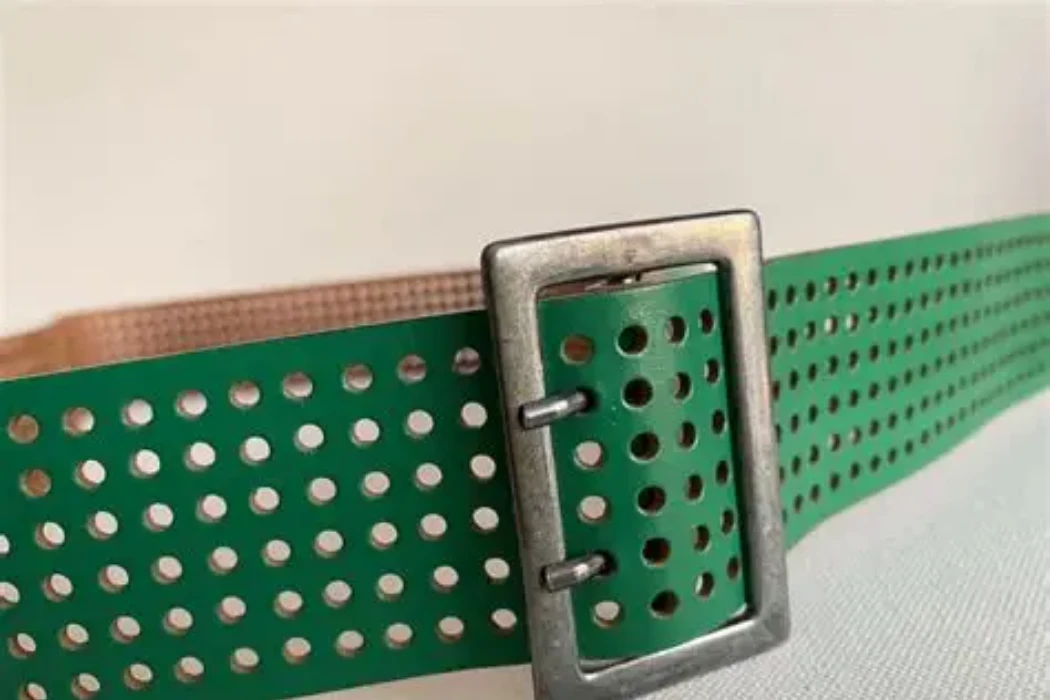
For bags, belts and accessories, connect material choices to panel size, shape, flexibility, edge treatment and intended wear. The same material label can cover very different finished products.
Full Grain: For Products That Tell a Story
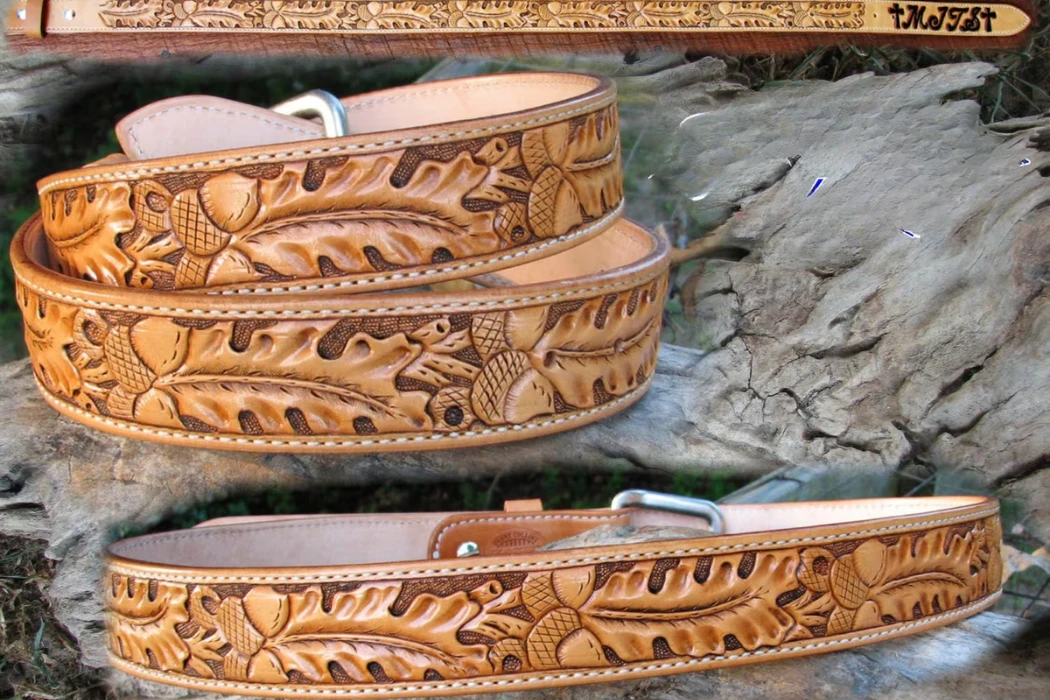
A full-grain option may suit a bag, belt or wallet whose brief emphasizes natural grain. Check cutting yield, visible marks and the required material thickness. No leather designation guarantees that a belt will never stretch or crack.
Top Grain: For a Polished, Practical World
A defined corrected-grain finish may suit a consistent surface across a handbag or accessory collection. Approve grain scale, gloss, color and feel on the complete sample. Ask for repeat-order controls where consistency matters.
Sustainability and Environmental Impact
Assess environmental claims using the actual supply chain and a clearly defined scope. Grain status alone does not prove a lower environmental footprint. Separate material origin, processing-site evidence and whole-product claims.
Processing and Tanning Choices
Request relevant evidence for chemical management, resource use and any sourcing claim. Neither vegetable tanning nor fewer visible finishing steps automatically proves environmental superiority. Compare like-for-like data with stated boundaries when making a comparative claim.
The Longevity Factor
Durable construction and appropriate care can support longer use, but a label cannot establish a thirty-year life or a quantified impact saving. Base service-life or environmental comparisons on relevant evidence rather than an assumed replacement schedule.
Myths and Misconceptions Debunked
- Myth — Top grain is a universal second grade: clarify the term and specify grain condition.
- Myth — Genuine leather identifies a lower hide layer: the phrase alone does not identify that layer.
- Myth — Full grain always costs more or lasts longer: compare the actual material and product.
- Myth — Uniform appearance proves correction: use documentation and suitable examination.
Frequently Asked Questions (FAQs)
These answers address common material-specification questions for bulk leather-goods sourcing.
Is top grain leather real leather?
The term is used for leather, but buyers should confirm the actual layer, grain treatment and finish. Do not accept ambiguous wording as the complete material specification.
Is top grain leather durable?
Evaluate the selected material and finished construction against the agreed performance requirements. The term alone does not establish a lifespan or test result.
Does full grain leather age better?
That depends on the finish, use and appearance expected by the brand. Approve the desired surface behavior instead of promising that every full-grain item develops the same patina.
Which one is more expensive?
Compare equivalent specifications and quantities. Hide selection, usable area, thickness, finish and production requirements can change the price of either option.
Is full grain leather waterproof?
Full-grain status does not establish water resistance. Test any water-resistance claim for the selected material and assembled product, with stated conditions and care requirements.
How can you tell if leather is full grain?
Request supplier documentation and retained material references. Use qualified examination when authenticity is material to the order; surface appearance or smell alone cannot prove it.
Conclusion: Making the Right Choice for Your Brand
Specify the layer, grain condition, thickness and finish before comparing quotes. Hoplok can review material options for custom leather bags, belts and accessories against the brand’s appearance, construction and testing brief. Confirm the selected sample before bulk release.