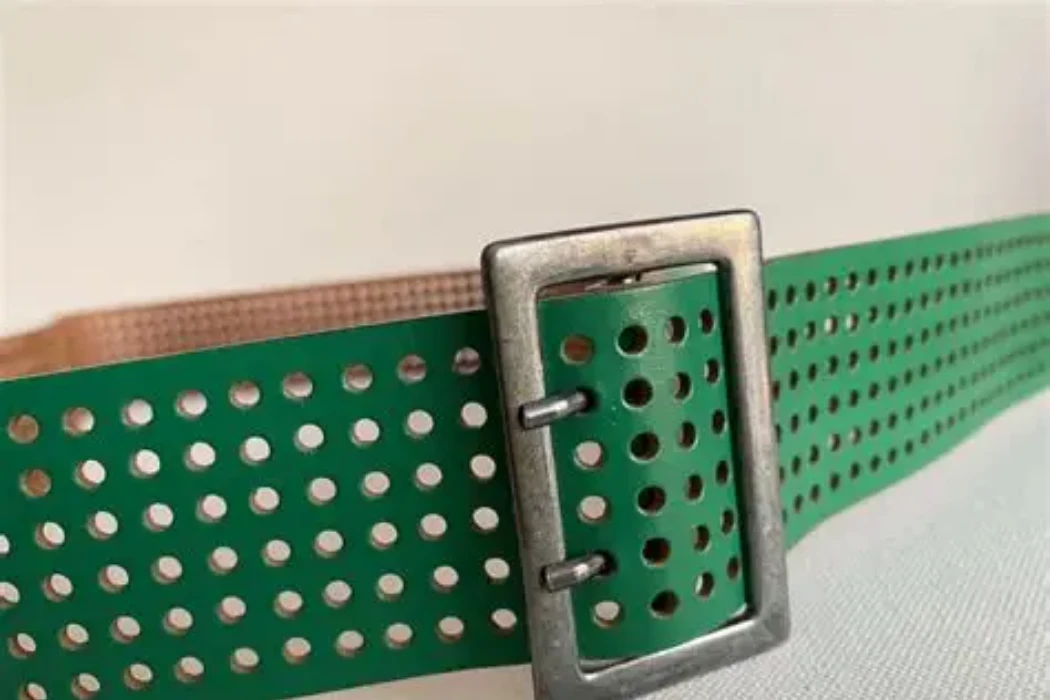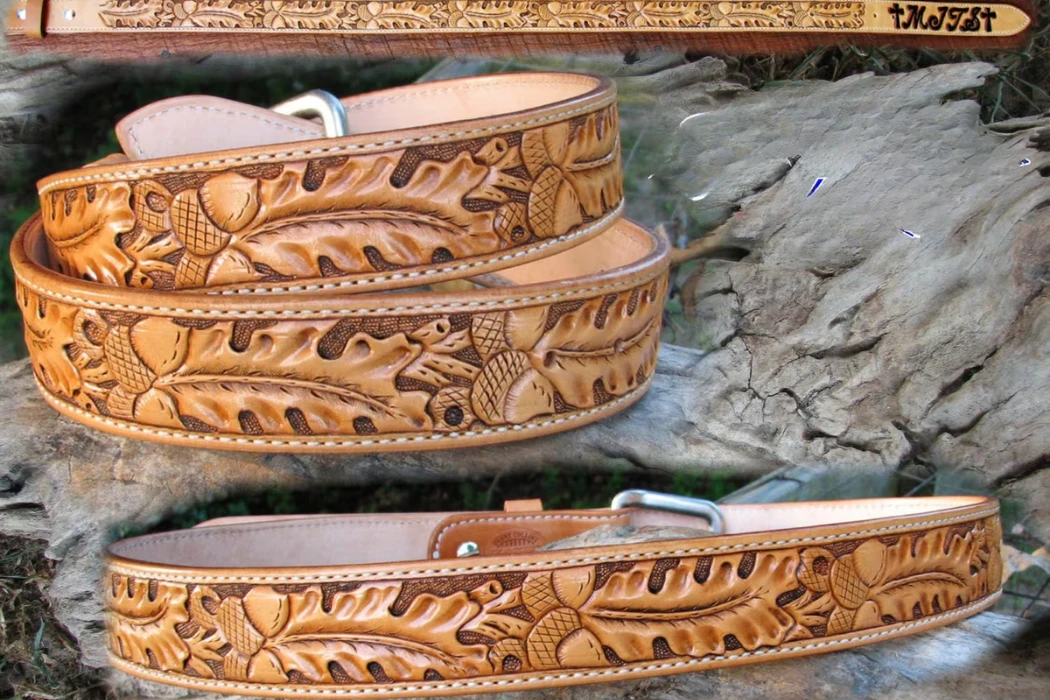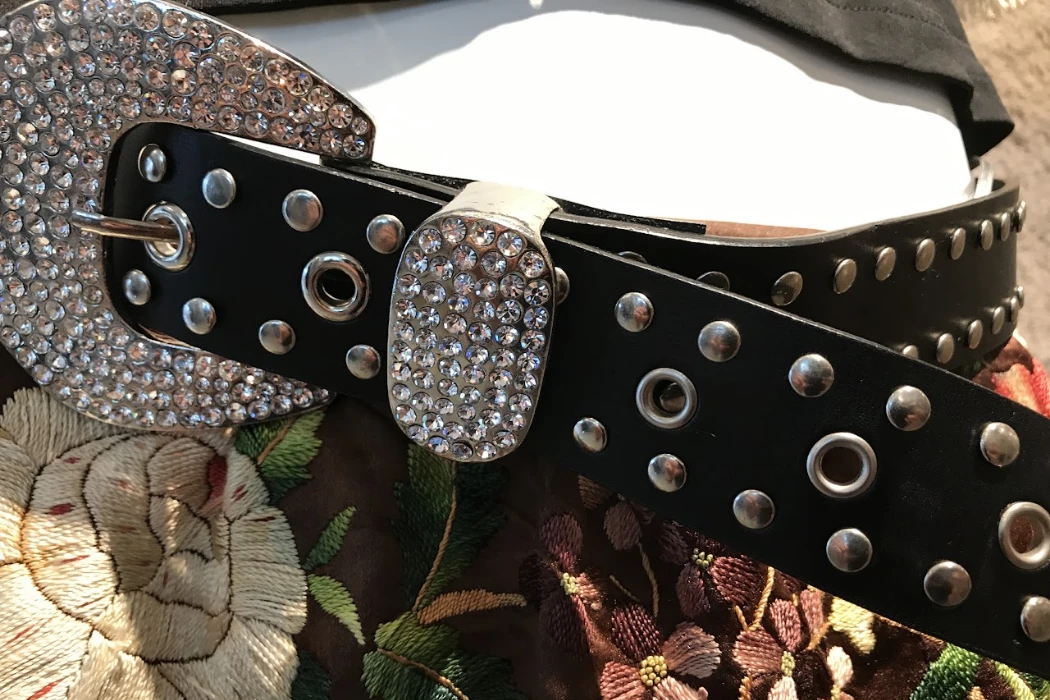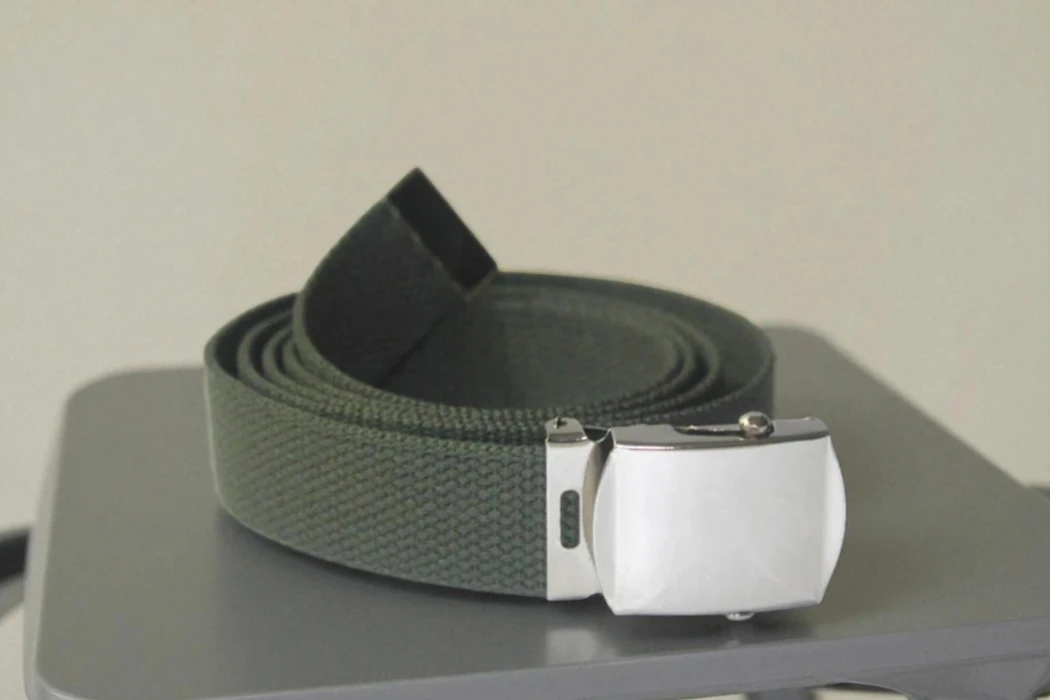
Faux leather is a broad name for materials designed to resemble leather without using an intact animal hide as their structure. Common versions use polyurethane (PU) or polyvinyl chloride (PVC) with a textile backing. The name alone says little about how a finished bag, belt or wallet will perform.
For a buyer, the useful questions are practical: What are the coating and backing? How does the material handle repeated bending? Which cleaning products are compatible? What evidence supports an animal-free or environmental claim? This guide explains what to request before approving a material.
What is Faux Leather? A Detailed Definition and Overview

Common faux leather is a coated textile: a backing supports a surface designed to provide the desired color, texture and feel. A material can have several functional layers, so the face coating is only part of its composition.
Read the complete construction
Ask for the coating chemistry, backing composition, total thickness and finish description. A PU-coated textile differs from PU-coated split leather, which has an animal-leather substrate. “PU” describes a polymer; it does not alone identify the whole material.
| Component | Examples or description | What to establish |
|---|---|---|
| Backing | Woven, knitted or nonwoven textile | Fiber composition and structural role |
| Surface | PU or PVC-based layers | Coating identity, finish and relevant performance |
| Other components | Binders, colorants and finishes | Complete composition and claim scope |
Distinguish the material name from a claim
If a finished product is sold as vegan, confirm all relevant components, including linings and adhesives. Faux leather, vegan and bio-based are not interchangeable terms. A plant-derived content claim should identify what proportion and which part of the material it describes.
How Faux Leather Has Evolved
Leather-like coated materials cover a wide range of constructions. For current sourcing, understanding that variety is more useful than assigning all modern materials to a single invention date or a simple quality ladder.
Evaluate the options available for the product
Traditional PU and PVC constructions sit alongside materials with recycled or plant-derived content and different coating processes. These descriptions can overlap: a plant-fiber substrate may still have a polymer coating, and a water-based process may still produce a synthetic material.
| Material development | Buyer’s question |
|---|---|
| PU and PVC-coated textiles | Which construction meets the product’s handling and performance requirements? |
| Water-based coating processes | What process is used, and what specific benefit is documented? |
| Recycled content | Which component contains recycled input, and how is it verified? |
| Plant-derived content | What is the complete composition, including binders and coatings? |
The Covestro textured synthetics overview shows that PU systems can be developed for different appearance and performance targets. Treat any material maker’s claims as specific to its system, not as a rating for every faux leather.
Types of Faux Leather: Variations and Classifications
PU and PVC are common coating families. Either can be formulated and combined with different backings and finishes. Avoid deciding that all PU is breathable or that all PVC is stiff, waterproof or more durable.
PU and PVC selections
For a PU option, request the material article reference and performance information for the intended use. For PVC, do the same rather than relying on the word “vinyl.” Feel, flexibility, surface resistance and cost should be compared on actual samples.
Plant-derived alternatives
Pineapple-fiber, apple-derived, cactus-derived and mycelium materials are not one uniform category. Their processing, coatings and composition differ. Mycelium is fungal material rather than a plant root. Ask for a material-specific data sheet before repeating a supplier’s marketing description.
| Type | Construction to confirm | Evaluation priority | Claim to avoid without evidence |
|---|---|---|---|
| PU-coated textile | PU system, backing and finish | Bending, adhesion and surface performance | All PU has the same durability or breathability |
| PVC-coated textile | PVC formulation, backing and finish | Flexibility, cleaning compatibility and surface performance | Every finished PVC item is waterproof |
| Material with plant-derived content | All fibers, binders and coatings | Suitability for the intended construction | Plant-derived means plastic-free or biodegradable |
For example, Ananas Anam’s Piñatex FAQ describes polymer components and explains that the complete material is not 100% biodegradable. That is a useful reminder to distinguish a biodegradable substrate from a finished composite.
How is Faux Leather Made? The Production Process
Production depends on the coating system and substrate. A common route forms surface layers, combines them with a textile backing and creates the required finish. Direct coating and transfer processes need not use the same sequence.
Ask about the route that affects your order
- Establish which backing and coating system the quoted material uses.
- Confirm how color, grain and gloss are controlled against the sample.
- Ask whether the supplied material needs particular cutting, bonding or sewing conditions.
- Agree the checks for thickness, surface defects and adhesion before production approval.
Embossing or a textured release surface can help create a leather-like appearance. Drying or curing and additional finishing depend on the process. There is no reliable “a roll in hours” comparison with all leather tanning routes, and material manufacture is separate from finished-goods lead time.
Water-based is a process description
Water-based and solvent-free technologies should be described accurately. They do not mean that the final material is plastic-free or that its whole life-cycle impact has been established. Request evidence for the particular environmental statement a brand wants to make.
Faux Leather vs. Real Leather: A Practical Comparison
Real leather retains an animal hide’s fibrous structure; common faux leather uses a manufactured composite. Either description leaves important questions unanswered about finish, thickness and construction. Compare the selected materials against the same product brief.
| Attribute | Faux leather candidate | Real leather candidate |
|---|---|---|
| Composition | Confirm coating and backing | Confirm species, layer, tannage and finish |
| Appearance | Approve texture, color and gloss | Approve texture, color, finish and natural variation |
| Flexing and wear | Evaluate the actual material and assembly | Evaluate the actual material and assembly |
| Water exposure | Surface behavior does not prove the whole item waterproof | Tannage or grain name does not prove the whole item waterproof |
| Care | Follow coating-specific instructions | Follow finish-specific instructions |
| Price | Compare a defined finished construction | Compare a defined finished construction |
Avoid invented performance scores
A ten-point rating without a test protocol, samples and results is not evidence. Request comparable reports where testing matters, including the material reference, conditions, method and acceptance criteria. A surface abrasion result does not by itself demonstrate performance at belt holes, bag corners or stitching.
“Genuine leather” is a broad material description, not a universal low grade. Likewise, faux leather does not establish a fixed short lifespan. Choose according to the tested specification and expected use.
Faux Leather vs. Bonded, Vinyl, and Vegan Materials
These terms describe different things. A supplier should disclose the construction rather than using them interchangeably.
| Term | Meaning or scope | What to clarify |
|---|---|---|
| PU faux leather | Commonly a PU-coated textile | Confirm that the substrate is textile rather than split leather |
| Bonded or reconstituted material | Leather fibers or particles combined with a binder | Composition and accurate product labeling |
| Vinyl faux leather | A PVC-based leather-like construction | Backing, formulation and performance |
| Vegan material | An animal-free claim | All relevant components of the claimed material or product |
The FTC Leather Guides address leather and imitation-leather representations in the United States. Do not describe a reconstituted material as though it were an intact hide. Destination-specific labeling should match the composition actually supplied.
The terms do not establish a universal durability order. Ask for the data and samples needed to compare the candidate materials, especially where a coating or laminated layer could affect performance.
Pros and Cons of Faux Leather: A Balanced Analysis
Faux leather can be useful when a project needs a particular texture, consistent appearance, textile-based construction or animal-free specification. Price and ease of cleaning can also matter, but neither is guaranteed by the category name.
Potential advantages to verify
- Color and texture options that match a design brief.
- Material supplied in rolls for the proposed cutting process.
- A surface compatible with the product’s intended cleaning routine.
- An animal-free construction when the complete composition supports that claim.
Limitations to address
Assess coating wear, bending, adhesion, exposure to moisture and heat, and compatibility with cleaners. A failed surface cannot necessarily be restored with a leather balm. Also consider whether the complete product can be repaired and what disposal routes are actually available.
For a bag or belt, examine the material in the finished construction. A swatch that looks suitable on a table may behave differently once folded, stitched or combined with reinforcement.
Environmental Impact and Sustainability of Faux Leather
Environmental performance depends on the particular material and its life cycle. PU, PVC, recycled content and plant-derived content are useful composition information; none is a complete environmental assessment.
Separate the claims
Ask which input is recycled or bio-based, whether a percentage covers the coating or whole material, and what evidence supports it. A lower-solvent process is a different claim from lower total carbon emissions. A material described as vegan can still contain fossil-derived polymers.
Check the end-of-life conditions
Do not assign every faux leather a “500-year” decomposition time. Similarly, do not assume every leather finish or plant-derived composite is readily biodegradable. A biodegradability statement needs the tested material, environment, conditions and result. Practical recycling depends on the composite construction and available collection and processing routes.
Compare products fairly
Where a life-cycle comparison is provided, check that the functional unit, service-life assumptions and boundaries match. Require the evidence before putting a comparative environmental statement on a product page. A chemical-substance test is not a full environmental or ethical certification.
Durability, Lifespan, and Performance of Faux Leather
There is no universal two-to-five-year life for faux leather. Coating chemistry, backing, adhesion, product design, storage and actual use all influence what happens over time. An accelerated test should not be converted directly into calendar years without a validated relationship.
Review the likely failure points
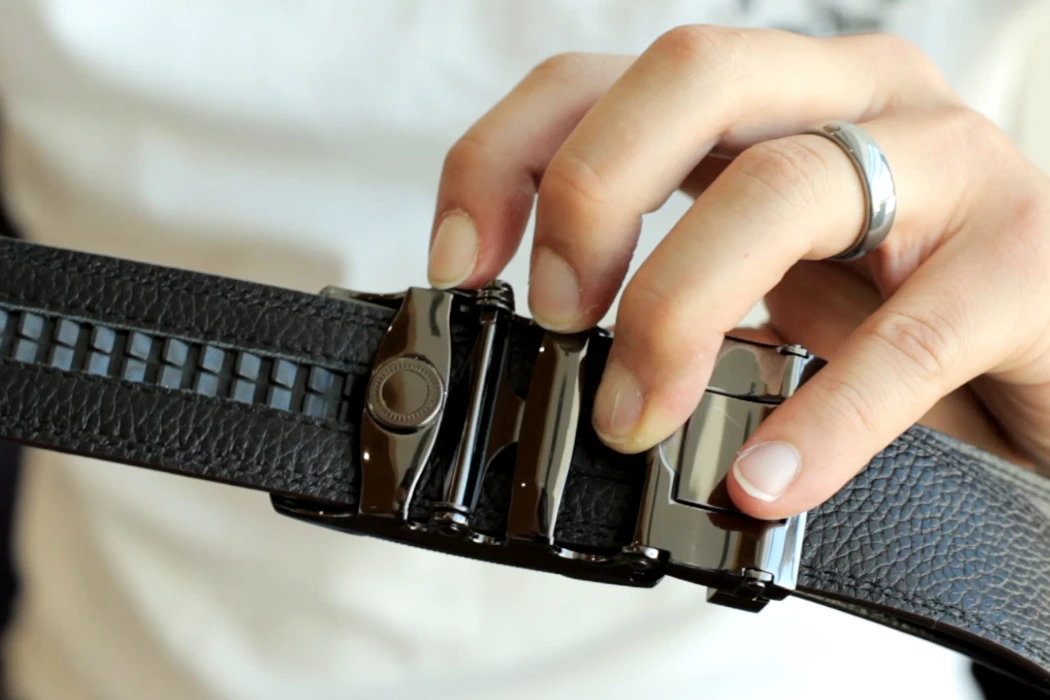
For belts, examine repeated bending near the buckle, adjustment holes and edges. For bags, assess folded corners, handle attachments, seams and areas that rub against clothing. For wallets, look at fold lines, edge finish and pocket openings.
Ask the material supplier about ageing performance appropriate to the expected climate. Moisture and heat can matter for some PU systems, so an initial flexing result may not answer the whole durability question.
Make results comparable
Document the material article, color, thickness, sample conditioning, test method and acceptance criteria. Inspect the assembled prototype as well as material swatches. If a supplier substitutes the backing or coating, decide whether fresh approval or testing is needed before accepting it.
Care, Maintenance, and Cleaning for Faux Leather
Follow the care instructions for the exact coating. Start with gentle removal of loose dirt. Use a soft cloth and only a cleaning solution that the material supplier permits, then remove residue and let the item dry as instructed.
Avoid a universal stain-removal recipe
Do not apply rubbing alcohol, bleach, solvent cleaners or abrasive tools to every faux leather. Some specific surfaces may tolerate particular cleaners; others may change color or lose their finish. Written compatibility guidance and a hidden-area test should come first.
Conditioners intended for animal leather are not a default treatment for coated textiles. Use only products approved for the relevant finish. Keep items away from direct heat during drying and avoid prolonged exposure outside their intended conditions.
For private-label goods, approve the customer care label along with the material. Test the proposed cleaning instruction on a production-representative sample, especially when a light color or special surface effect is involved.
How to Identify Faux Leather
Start with the label, specification and material declaration. For a purchase contract, these should distinguish a textile-backed imitation from animal leather, coated split leather and bonded materials.
Use physical inspection as supporting evidence
A visible textile backing or layered edge can be a useful clue on an accessible cut sample. However, an embossed grain pattern does not prove the material is synthetic: leather can also be embossed. Smell, softness, price and surface perfection are not conclusive tests.
Water beading can reflect a finish on either leather or a synthetic material, and applying water may mark a sample. Do not use a burn test. If the identity remains disputed, ask a qualified material laboratory what examination is appropriate for the construction.
Retain the approved material reference so the purchase order and later shipments can be checked against the same description.
Common Myths and Misconceptions About Faux Leather
“Faux leather is always eco-friendly”
An environmental claim needs evidence for the specific material or product. The absence of animal hide does not establish resource use, emissions or disposal performance.
“All faux leather is less durable than all leather”
That comparison ignores material quality, finish, construction and use. Review the candidate materials and finished prototypes against the same requirements instead of applying an unsupported hierarchy.
“Vegan means plant-based”
Animal-free materials may use PU or PVC. Conversely, plant-derived content does not prove that every other component is animal-free. Verify the complete scope of the claim.
“A waterproof surface means a waterproof bag”
Seams, closures, edges and construction affect the whole product. Evaluate the finished item for the exposure covered by the proposed claim.
Applications and Uses of Faux Leather
Coated materials are used in accessories, apparel, footwear and upholstery, but a material developed for one use is not automatically suitable for another. Product requirements determine the material selection.
Bags, belts and wallets
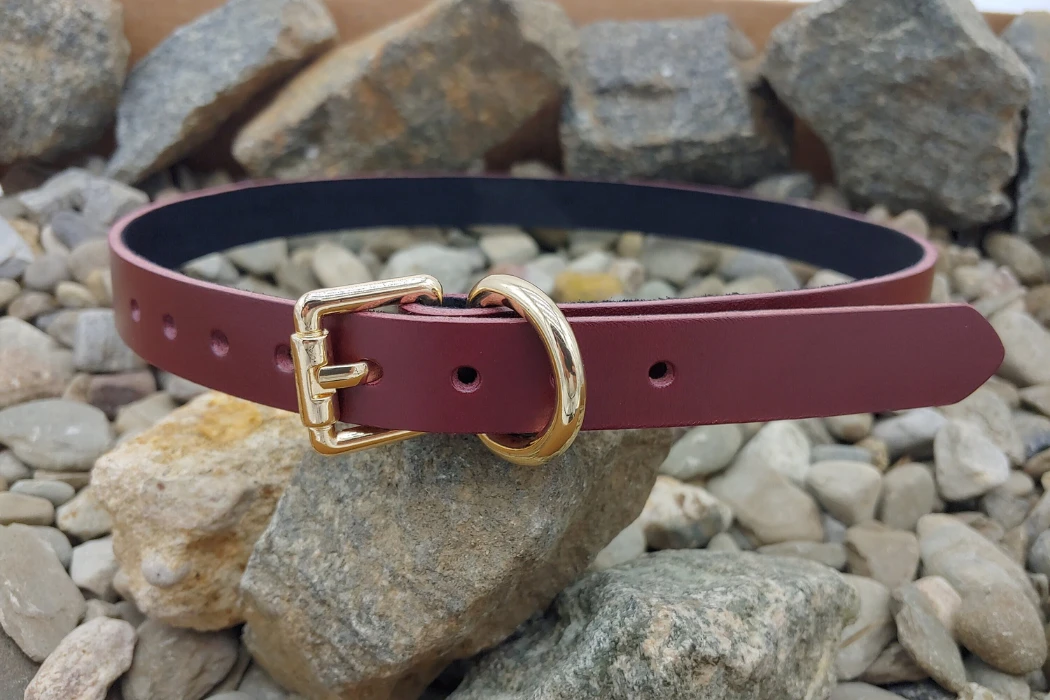
For these accessories, a buyer can specify the desired look and feel, the lining or reinforcement, construction details and the expected use. Sampling then checks whether the material works at folds, seams, holes and edges in that design.
Translate the brief into an inquiry
Hoplok manufactures PU bags, belts and wallets as well as genuine leather goods. Send the product design, quantity, size range, finish reference, packaging requirements and destination market. PU MOQ is 1,000. Belt samples take 2–3 weeks, bag samples take 3–4 weeks, and bulk production takes 60–90 days, subject to the agreed project schedule.
The Future of Faux Leather: What Buyers Should Evaluate
Material developers continue to offer new coatings, recycled inputs and bio-based components. An emerging material still needs the same checks as an established one: repeatable supply, usable specifications, processing compatibility and performance evidence.
Before adopting an alternative, review available colors and finishes, order requirements, sample consistency and any constraints on cutting, bonding or stitching. Confirm the complete composition and whether proposed marketing claims apply to the finished article.
Avoid committing a launch to an assumed future price reduction or replacement of PU and PVC. Plan around material availability and a production route that can be confirmed for the actual order.
Frequently Asked Questions (FAQs)
What is faux leather made of?
Common versions combine PU or PVC-based coatings with a textile backing. Ask for the complete composition because the term covers different constructions.
Is faux leather as good as real leather?
Suitability depends on the product brief and the specific materials. Compare appearance, handling, construction and relevant performance evidence.
What are its disadvantages?
Some constructions can show coating wear, cracking or delamination under unsuitable use or ageing conditions. Evaluate those risks for the selected material instead of assuming a fixed lifespan.
Is faux leather waterproof?
The category name does not prove waterproof performance. Surface resistance and the performance of a finished item are separate questions.
Does faux leather peel?
Some coated constructions can peel or delaminate. Ask for relevant adhesion, flexing and ageing information and inspect an assembled sample.
Is faux leather vegan?
It may be, but verify all components included in the claim. A PU coating over split leather contains animal material.
Is faux leather sustainable?
That depends on specific evidence and the claim being made. Plant-derived content or a water-based process does not establish every environmental benefit.
How should it be cleaned?
Use the exact material supplier’s approved instructions. Do not assume alcohol, solvents or animal-leather conditioners are suitable.
Is vinyl the same as faux leather?
PVC-based vinyl is one type of leather-like material. PU-coated textiles and other alternatives are different constructions.
Conclusion
Choose faux leather through a clear specification and representative samples. Establish the backing, coating and finish, agree how the product will be used, and assess the complete construction. Keep animal-free and environmental claims tied to evidence for the material actually supplied.
Planning a custom accessory collection? Contact Hoplok with your design and material requirements, or review the custom belt options to prepare your inquiry.