
Clicker Presses vs. CNC Cutting Systems in High-Volume Leather Belt Production
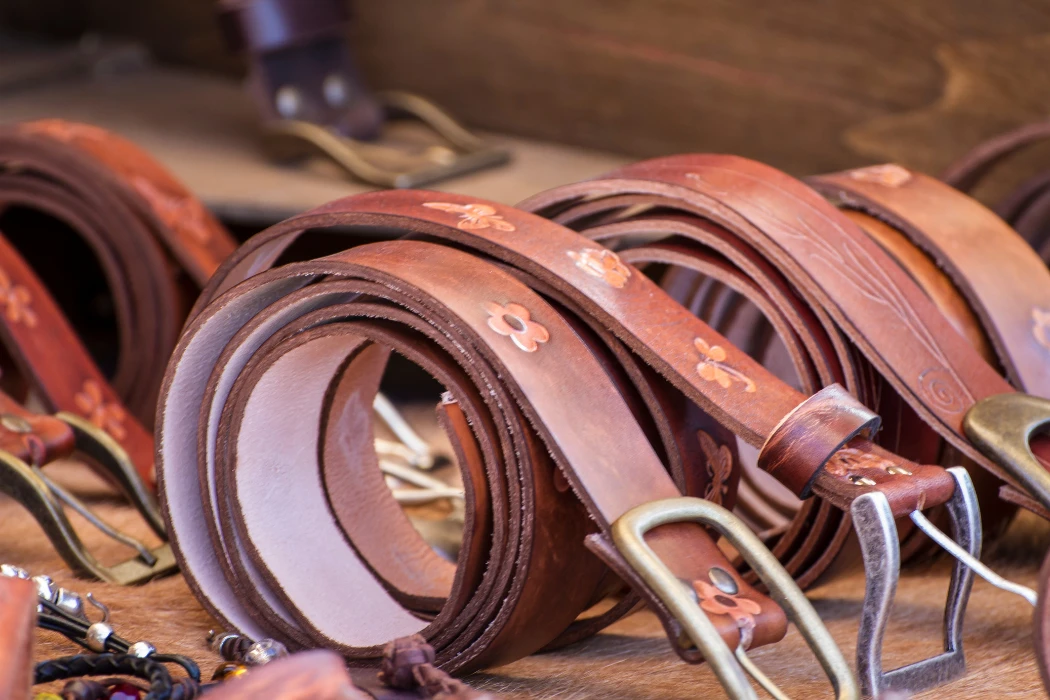
Cutting affects leather consumption, edge quality and fit with the buckle. For a belt programme, the useful comparison is the cost and output of acceptable parts from the actual material mix. A machine’s advertised positioning accuracy or a single fast cutting cycle cannot establish that result. A hydraulic clicker press cuts with a shaped die. […]
Leather Belt Manufacturing: Craft, Machinery and Buyer Checks
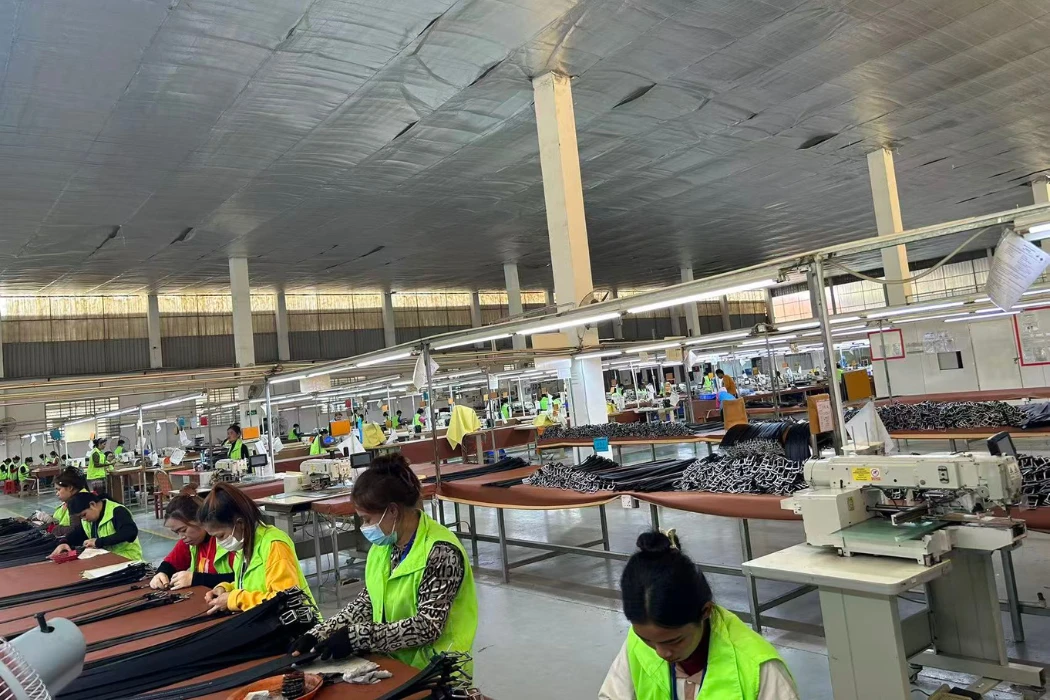
Leather-belt production usually combines skilled work with machinery at different stages. Cutting, skiving, sewing, finishing and hardware assembly can each use different levels of mechanisation. A factory’s equipment can support repeatability and output, but it does not guarantee identical materials, zero defects or automatic compliance. For sourcing managers, the useful comparison is whether the proposed […]
UPC Barcodes and Retail Ticketing for Leather Goods: A Buyer Guide
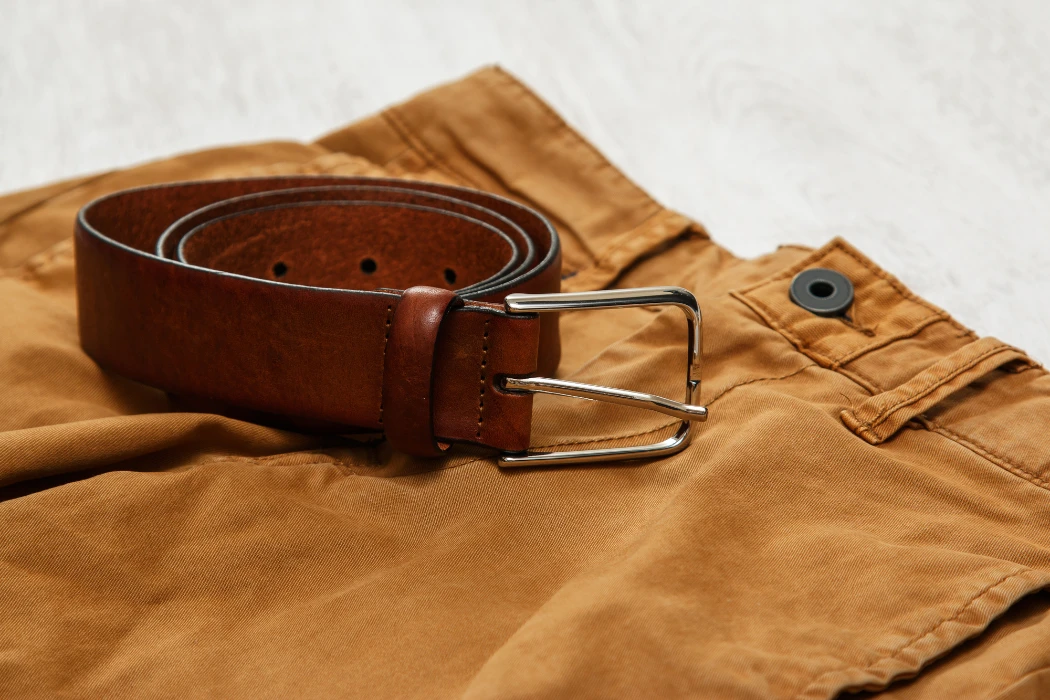
Retail ticketing connects a leather product to the retailer’s item data, price and receiving process. An incorrect identifier, unreadable symbol or missing ticket can require rework and may trigger contractual charges. Start with the current retailer manual and an approved item-data file instead of assuming one universal hangtag layout. The physical attachment also matters. Adhesive, […]
Maximizing Trade Show ROI: A Buyer’s Guide to APLF and Lineapelle
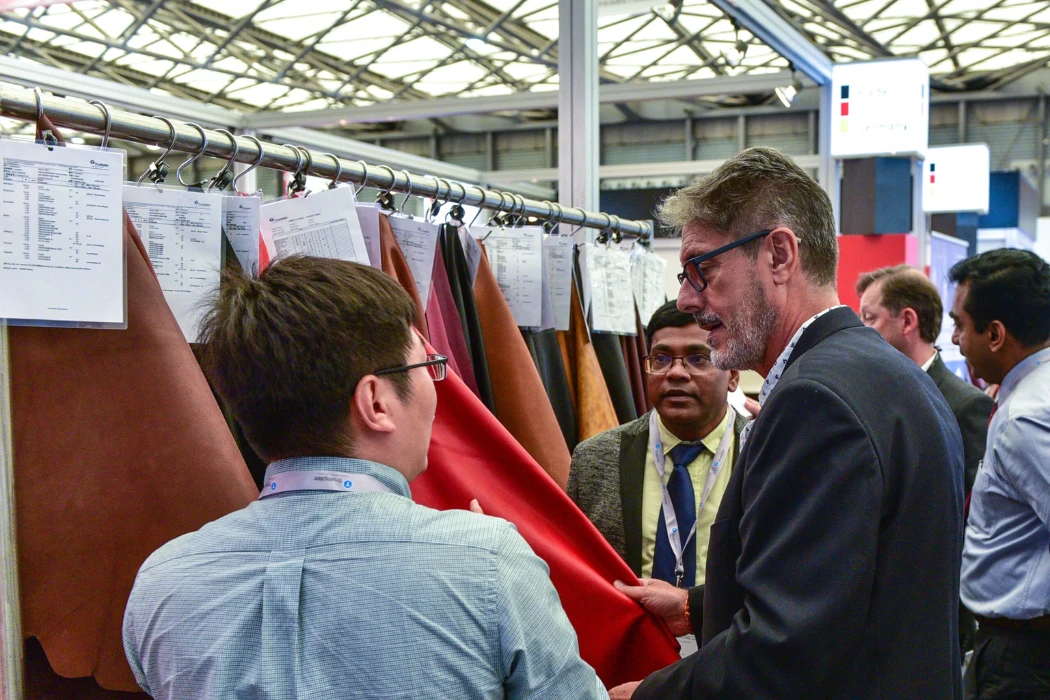
A leather trade show can help a buyer compare materials, discuss development and identify suppliers in person. Travel and sampling still have a cost, so define the decisions the visit should enable before booking. The number of cards collected is a poor measure of return. APLF and Lineapelle both connect buyers with material suppliers and […]
How Do Brands Pitch Belt Assortments to Department Stores?
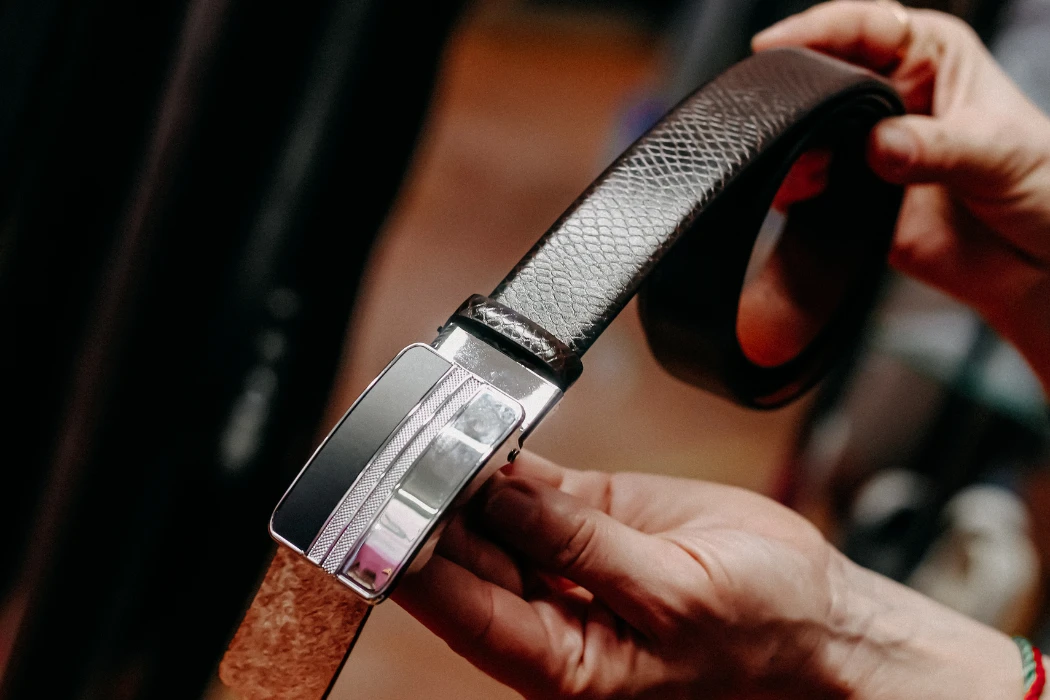
A department-store belt pitch should answer four questions: who will buy the range, which gap it fills, whether its commercial terms work, and how the brand will deliver and replenish it. Bring a focused assortment, labeled samples and evidence relevant to the buyer’s own requirements. Use available sales and customer evidence to explain the mix […]
Preparing Belt Collections for Wholesale: 5 Steps to Launch on Faire or Joor
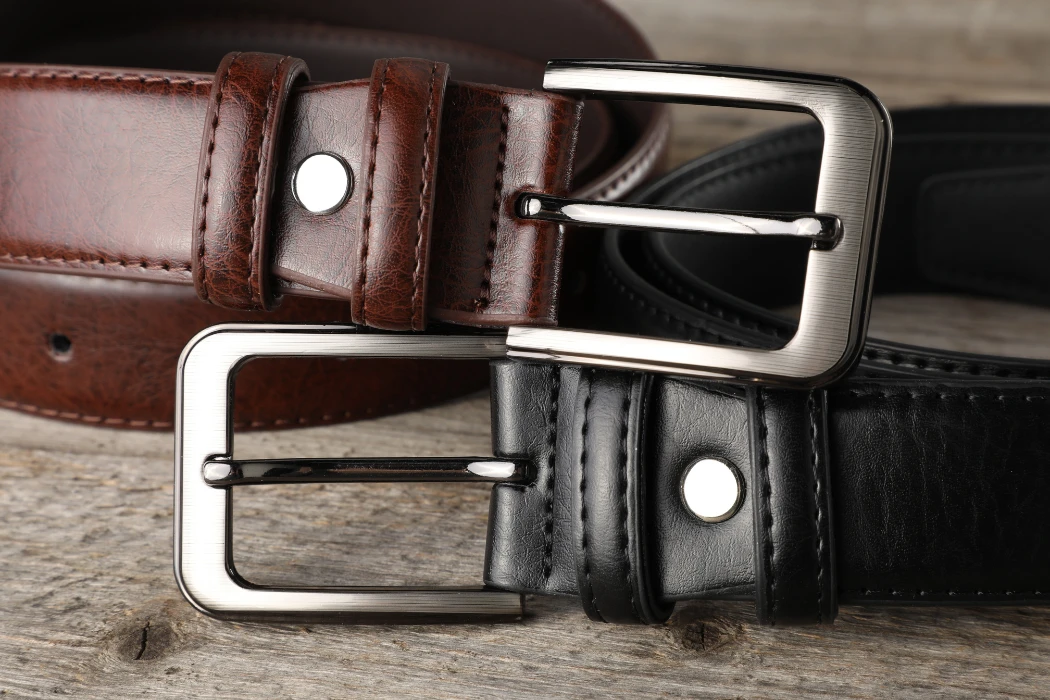
A wholesale belt catalog should let a retailer identify the style, choose sizes and colors, understand the order terms and know when goods can ship. Digital platforms such as Faire and JOOR complement physical samples and trade meetings; accurate product data matters in each channel. What exactly do wholesale buyers look for before placing a […]
How Do You Scale A Leather Belt Brand For Retail And Wholesale?

Scaling a belt brand means turning approved styles into repeatable orders. Retail and wholesale customers need clear product specifications, stable size definitions, feasible delivery commitments and a process for resolving quality or supply changes. Build the operating plan around the actual collection and target market. Define materials, permitted variation, inspections and applicable product requirements. Consistent […]
Just-In-Time Leather Sourcing: Do the Rewards Outweigh the Risks?
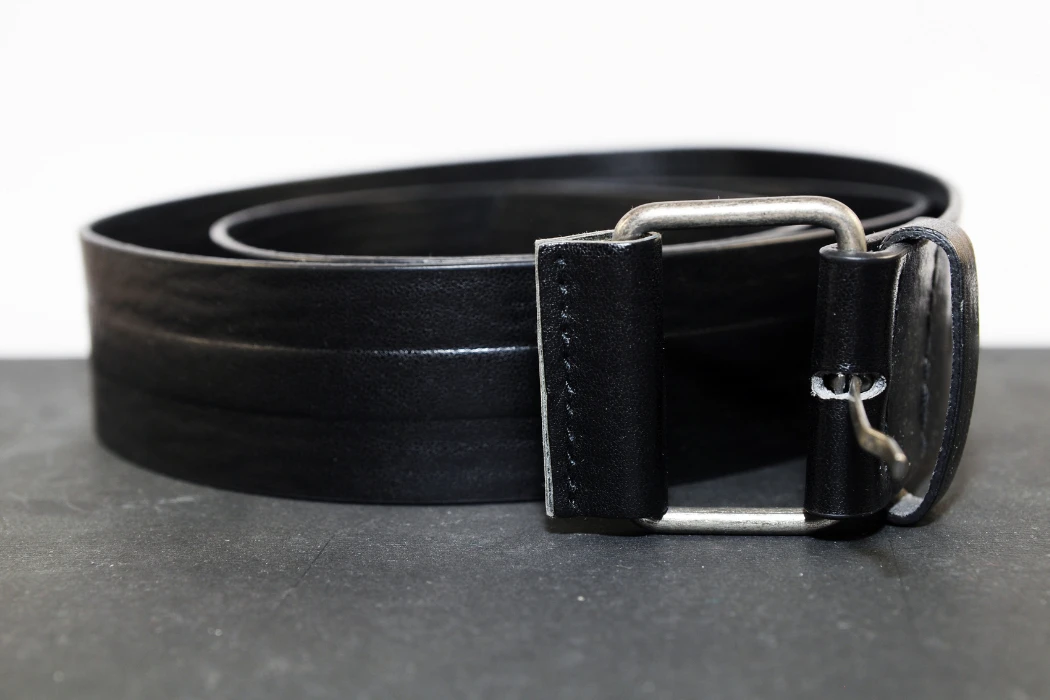
Managing inventory is one of the hardest parts of running a successful leather brand today. Storing thousands of finished leather bags and belts costs a massive amount of money. Also, global fashion trends change fast. If you buy too much stock, you might end up with products nobody wants to buy. Just-In-Time (JIT) sourcing aligns […]
Leather Belt Freight Planning: Sea, Air and Port Delays

Belt brands can reduce exposure to port delays by comparing routes, reserving realistic delivery buffers and preparing a costed backup plan. Sea, air and combined transport each have different capacity, handling and timing constraints. No freight model guarantees delivery through every disruption. Use the actual cargo-ready date, carton dimensions, gross weight, destination and required delivery […]
Managing Q4 Belt Production: How Can Brands Prevent Lead Time Delays?
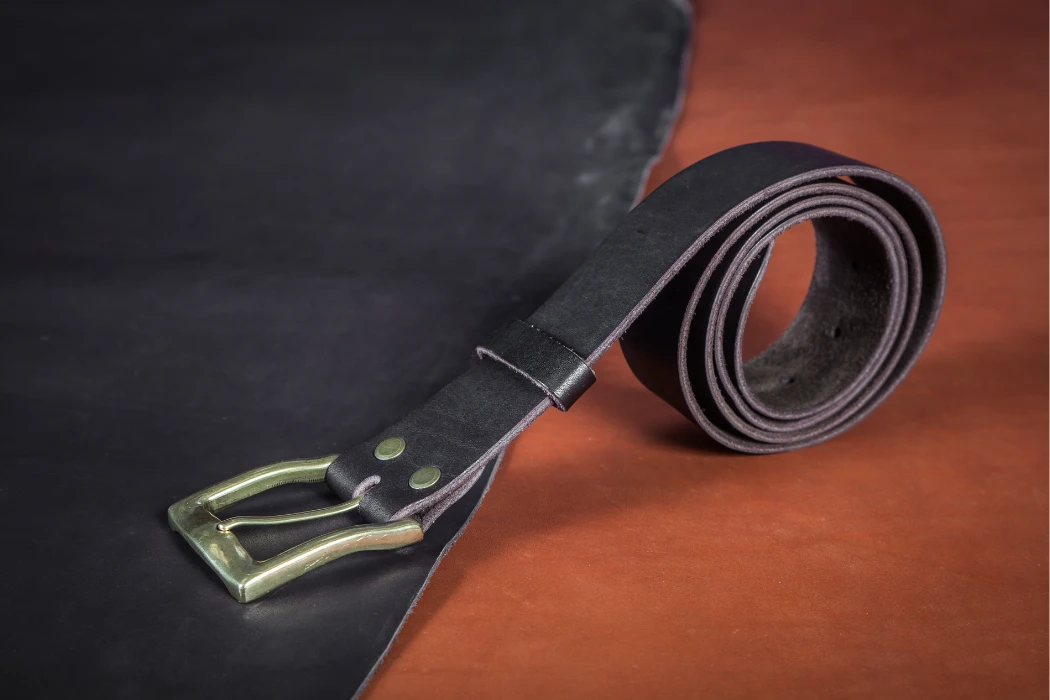
A Q4 belt launch needs a schedule that covers development, production, inspection, transport and retailer receiving. A late component or missed approval can consume the buffer before a holiday delivery date, even when the final assembly work is on schedule. Peak demand can affect material and hardware availability, factory capacity and freight bookings. Forecast core […]
Safety Stock for NOS Belt Programs: Calculations and Replenishment Planning
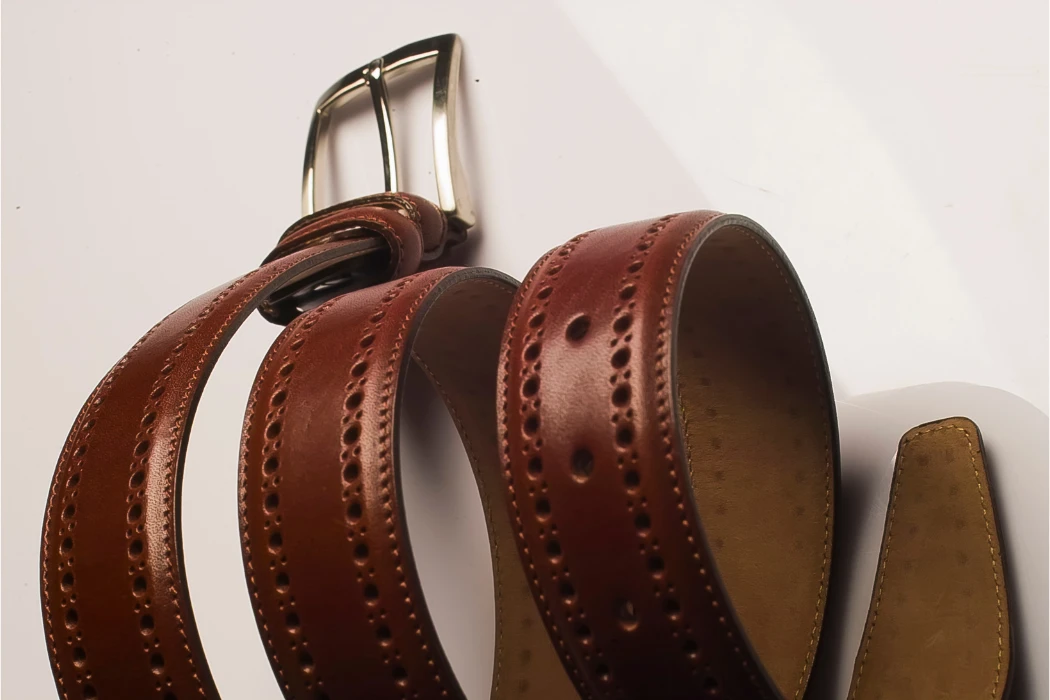
Running out of a core belt size can lose a sale even when the warehouse holds plenty of other sizes. A Never-Out-Of-Stock (NOS) program therefore needs more than a large total order: it needs a replenishment policy for the styles, colors and sizes customers actually buy. Buyers must balance availability against cash tied up in […]
How Do Fashion Brands Build a Resilient Belt Inventory Strategy?
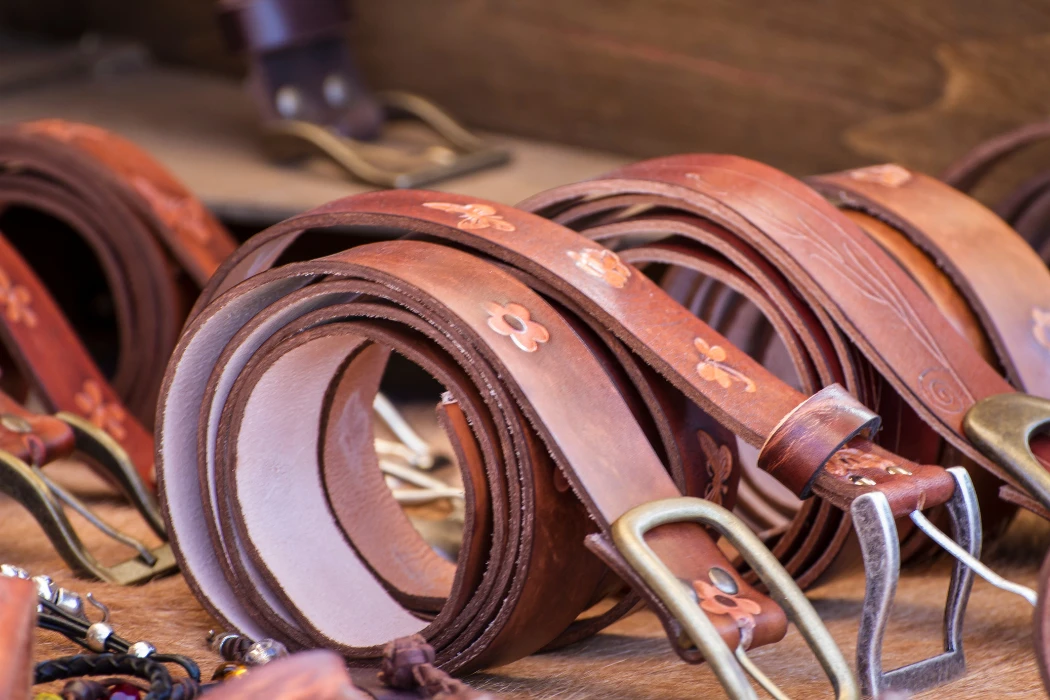
Stockouts can lose sales, while slow-moving belt inventory ties up cash and storage space. A useful inventory strategy connects demand, available stock and confirmed replenishment dates at the style, colour and size level. Buying more of every item is not a reliable solution. Resilience comes from understanding dependencies and deciding what to do when demand […]