
Sourcing Specialty Belts: Materials, Mechanisms and Quality Checks
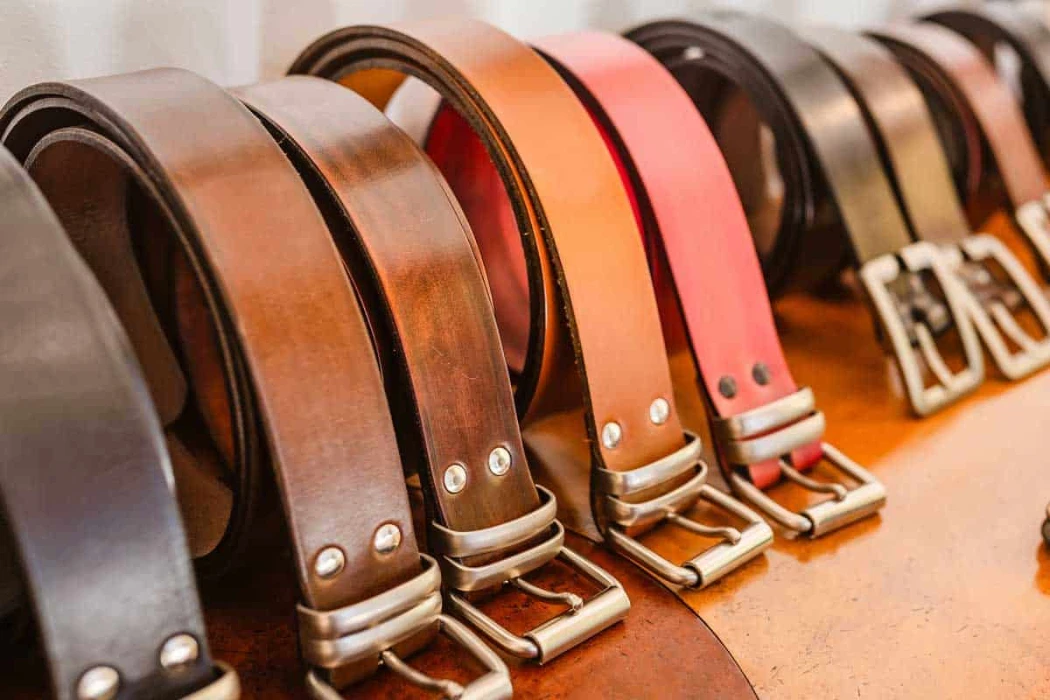
A ratchet belt, a reversible belt and a hand-braided belt can share a retail display while requiring different development work. The track must fit its buckle, a reversible assembly must work on both faces, and a braid must hold its shape at the intended wearing tension. For buyers, specialty sourcing means defining the mechanism, materials […]
ESPR and Leather Belts: Current Rules and Buyer Preparation
ESPR is an EU framework for setting product ecodesign requirements; it does not currently provide the universal leather-belt test limits or 2030 passport deadline sometimes claimed in sourcing guides. Specific requirements depend on the relevant implementing legislation and its product scope. Buyers should distinguish those future product rules from provisions already applying to unsold goods. […]
Leather Belt Components: Materials, Testing and Market Requirements
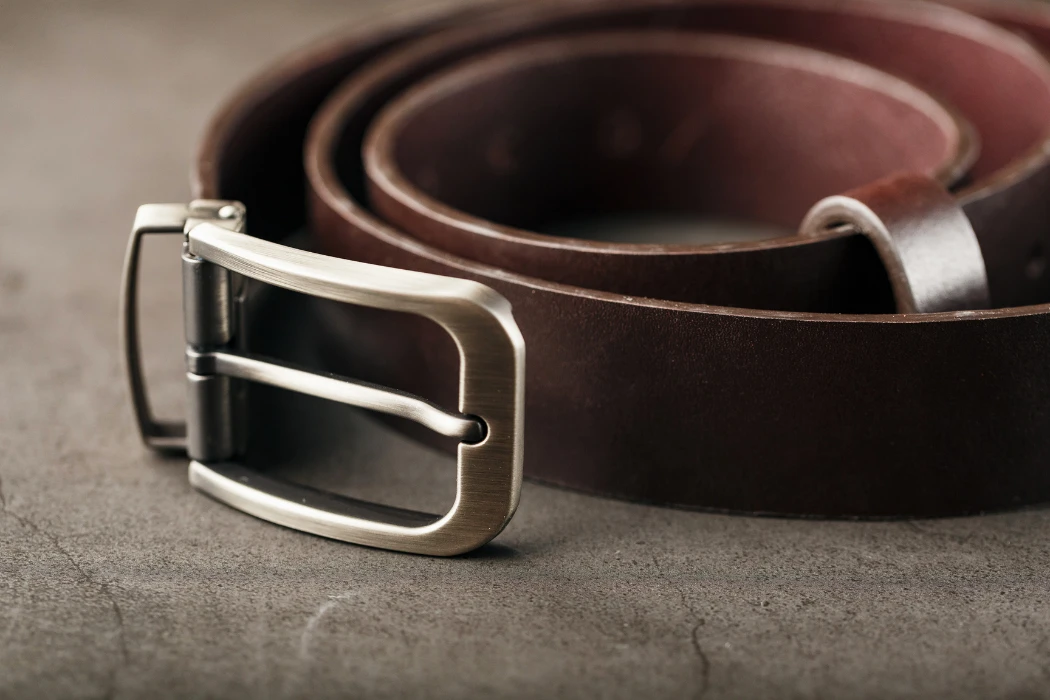
A leather fashion belt combines materials and components with different performance and chemical requirements. Buyers should define the intended user, market and construction before choosing tests. A well-prepared specification connects the leather, lining, adhesive, thread and hardware to the evidence needed for the finished product. Component selection should address both performance and applicable legal requirements. […]
EU Digital Product Passport: 6 Preparation Steps for Belt Buyers
As of 7 September 2026, the EU has not established a blanket 2027 Digital Product Passport deadline for every leather belt. The Ecodesign for Sustainable Products Regulation (ESPR) provides the framework, while product-specific measures determine the applicable scope and requirements. Brands can prepare useful supplier and product records now. The six steps below are procurement […]
Saddle Stitch vs. Lockstitch: Choosing Stitching for Leather Belts
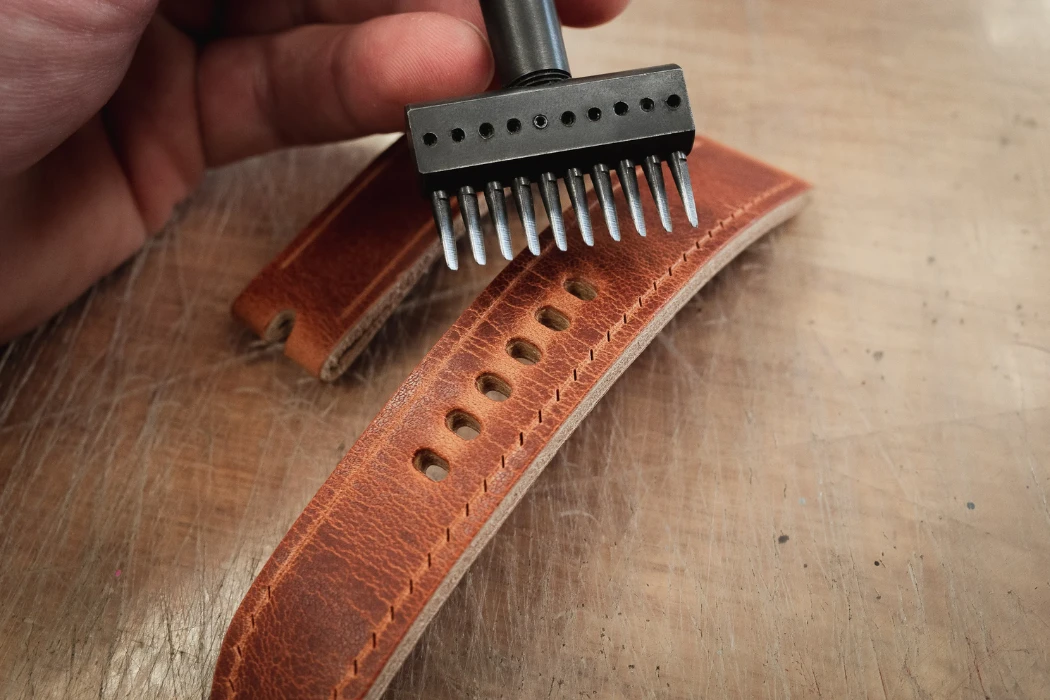
For a leather-belt buyer, stitching is a construction decision as well as a visual detail. The seam needs to suit the leather layers, buckle area and intended use. Hand sewing can support a craftsmanship brief, while machine sewing can support repeatable production; either still needs sample approval. Hand saddle stitching uses two needles on opposite […]
Edge Creasing and Beveling for Unpainted Leather Belts
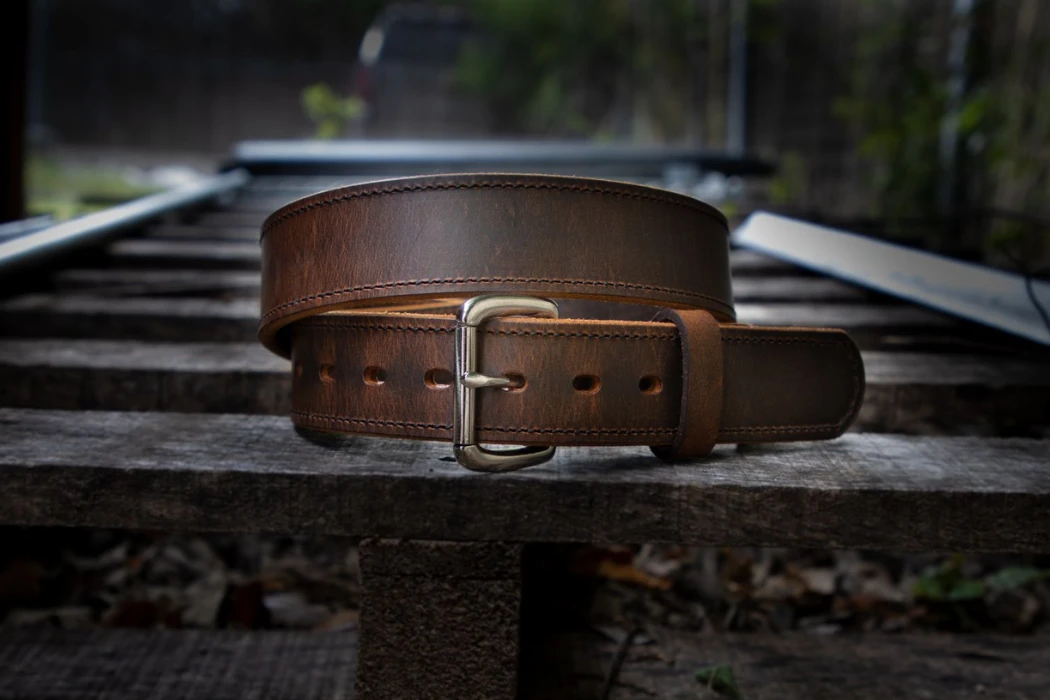
An unpainted belt edge needs a defined profile, surface finish and inspection standard. Here, “raw edge” means the exposed cut edge of tanned leather, not an untreated raw hide. Beveling, creasing and burnishing are separate operations, and the design may use some or all of them. Beveling removes material from a corner. Creasing creates a […]
Corporate Uniform Belts: Materials, Sizing and Production Planning

A corporate uniform belt needs to fit the clothing, maintain the approved appearance and remain practical through repeated daily wear. Hotel and other service teams may use the same design across many employees, so sizing, replacement orders and consistency matter as much as the first sample. A uniform purchase specification should define the material, buckle, […]
Manufacturing Men’s Leather Golf Belts: Material Specs and Performance Standards
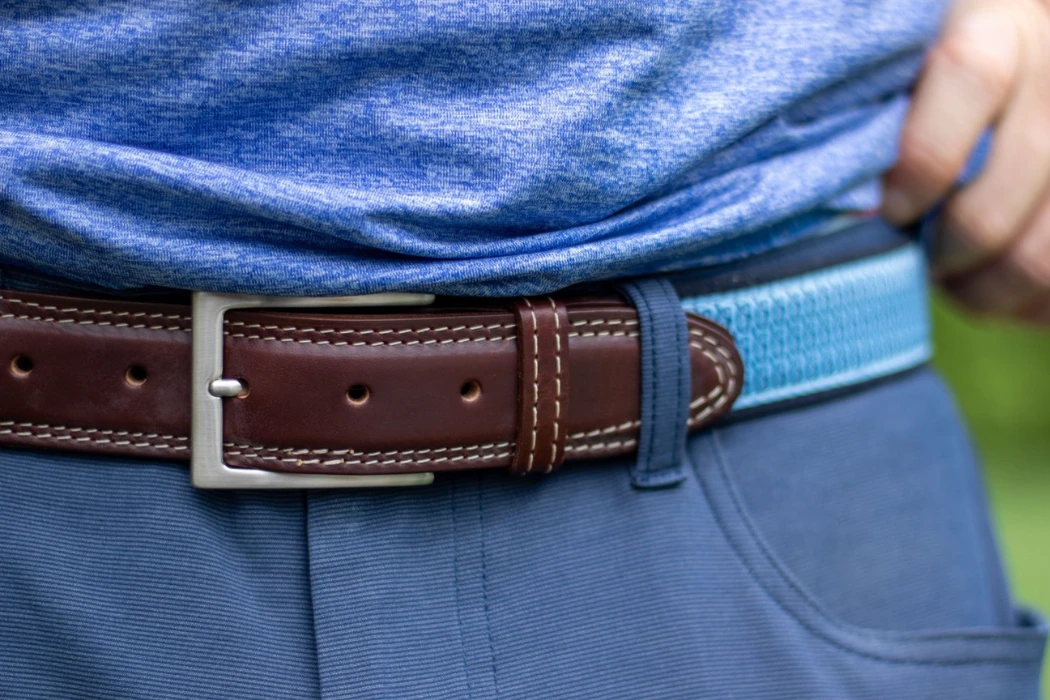
A golf belt should fit comfortably through movement, work with the intended trousers and resist unacceptable colour transfer or hardware deterioration. Those requirements do not create a universal golf-belt material grade or a single laboratory threshold. An ordinary dress belt may also be suitable when its fit and construction meet the same needs. For a […]
How to Source OEM Suppliers for Niche Fashion Belts
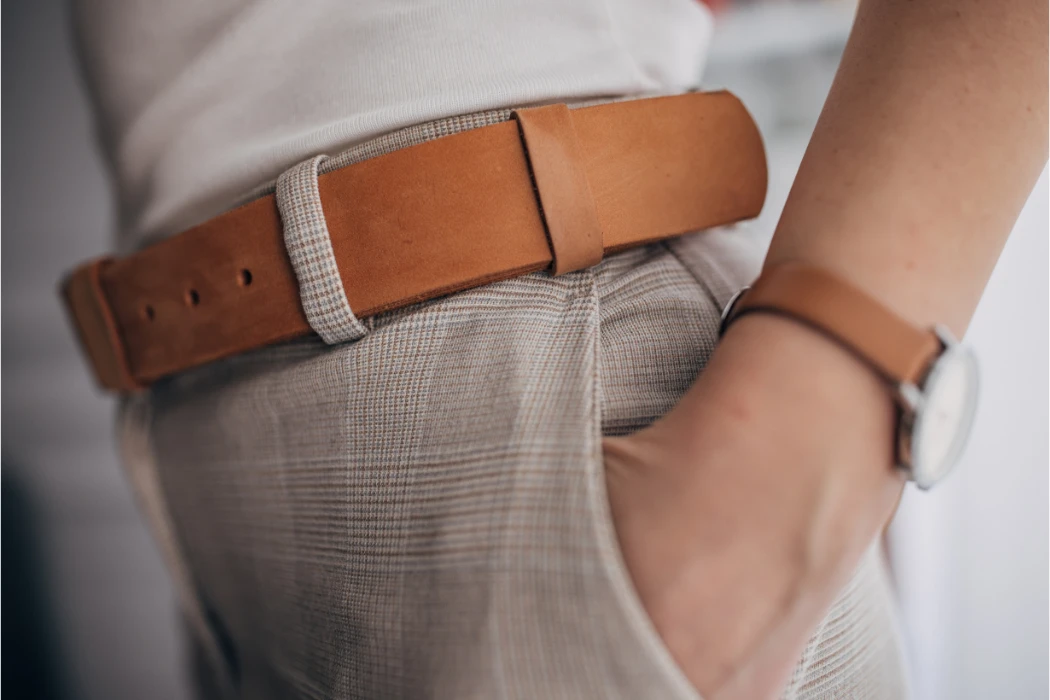
Assess OEM capabilities for braided, decorative and reversible belts. Define materials, hardware, sampling and order requirements for niche collections.
Water-Based vs Solvent-Based Adhesives for Leather Belts
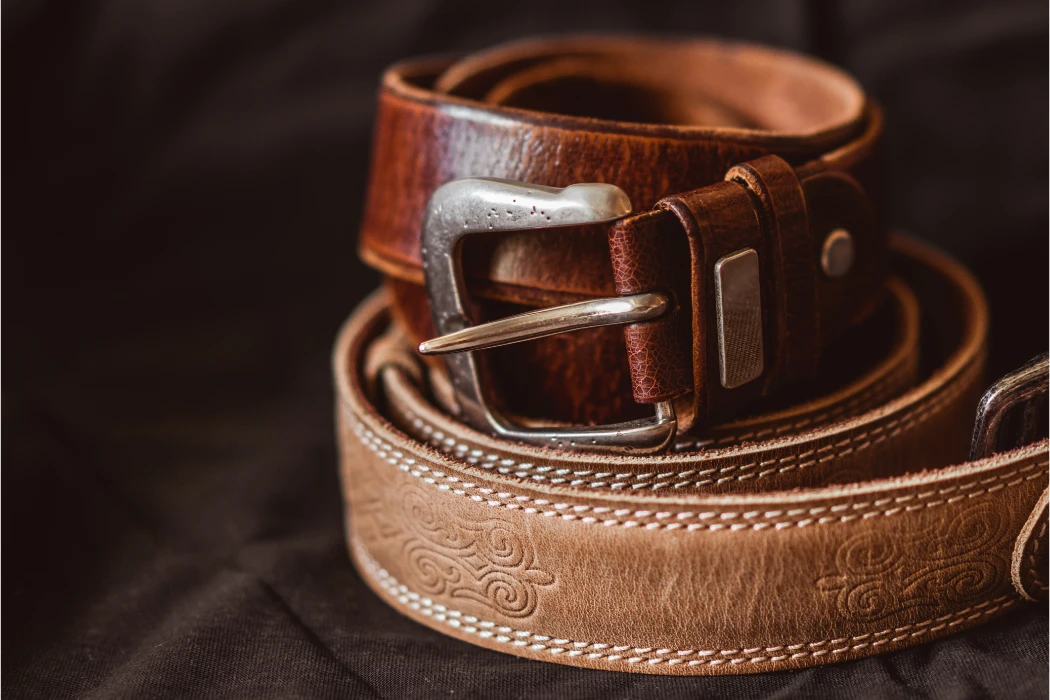
Water-based and solvent-based adhesives can both be considered for leather-belt assembly, but the carrier does not determine bond performance, safety or compliance on its own. Select the complete adhesive system for the actual face material, lining, reinforcement and production process. A useful comparison separates composition, application and curing, workplace controls, product requirements and total production […]
Leather Belt Stitch Density: SPI, Thread and Needle Selection
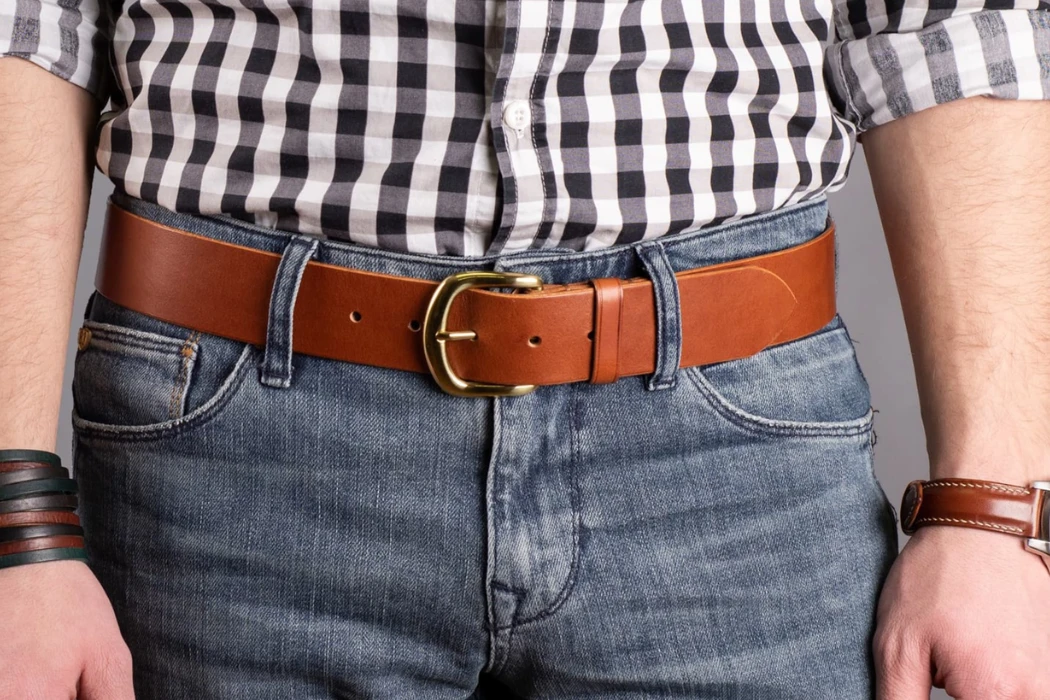
Stitch density affects both seam appearance and the behavior of a sewn leather belt. Needle penetration leaves permanent holes or cuts in leather, but it does not necessarily remove a plug of material. The effect on strength depends on hole geometry, spacing, thread, leather and construction, so density should be evaluated with the complete seam. […]
How Do Leather Splitting and Precision Skiving Create Tapered Belts?
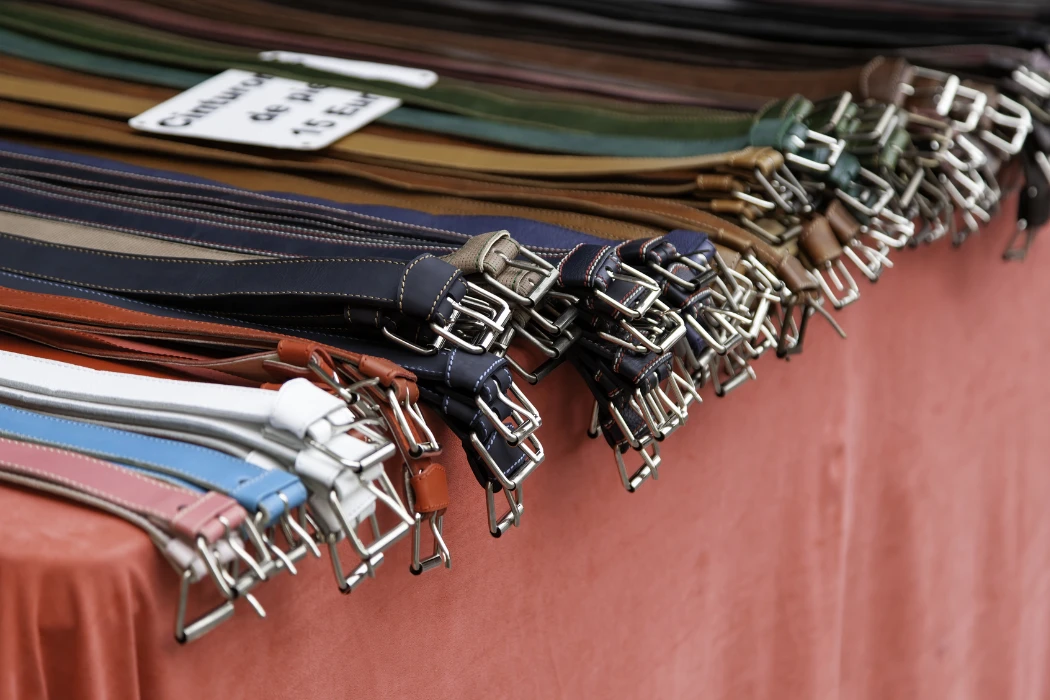
Leather splitting and skiving control thickness in different ways. Splitting can reduce the thickness across a hide, panel or strap; skiving removes material locally, such as at a buckle fold or turned edge. Used appropriately, they help a belt assemble cleanly without unnecessary bulk. A tapered belt narrows in width along part of its length. […]