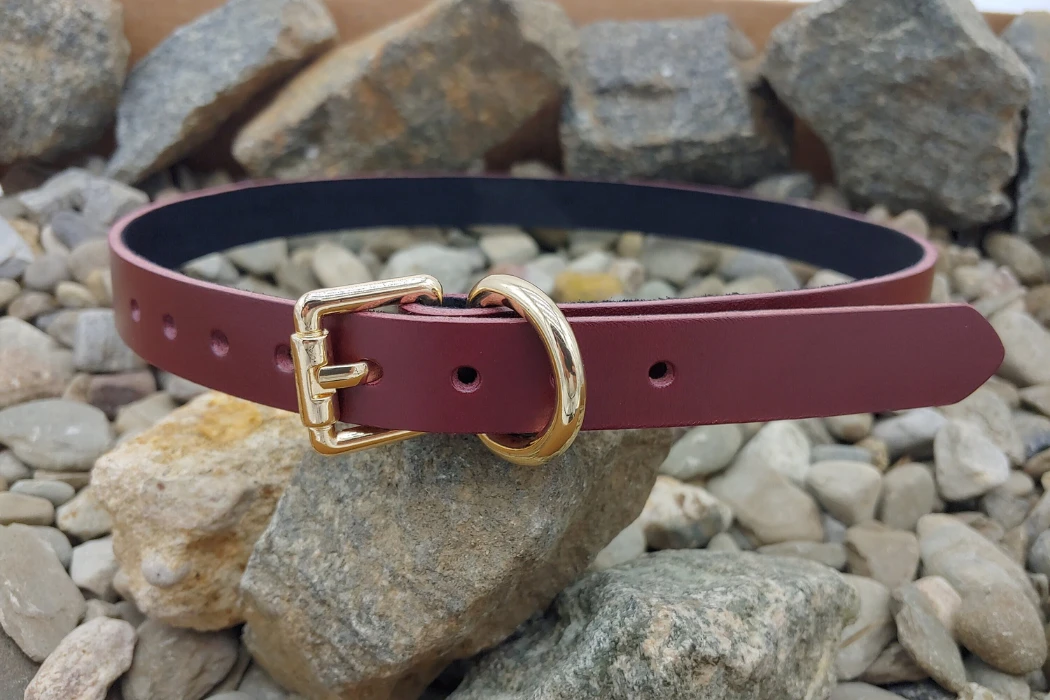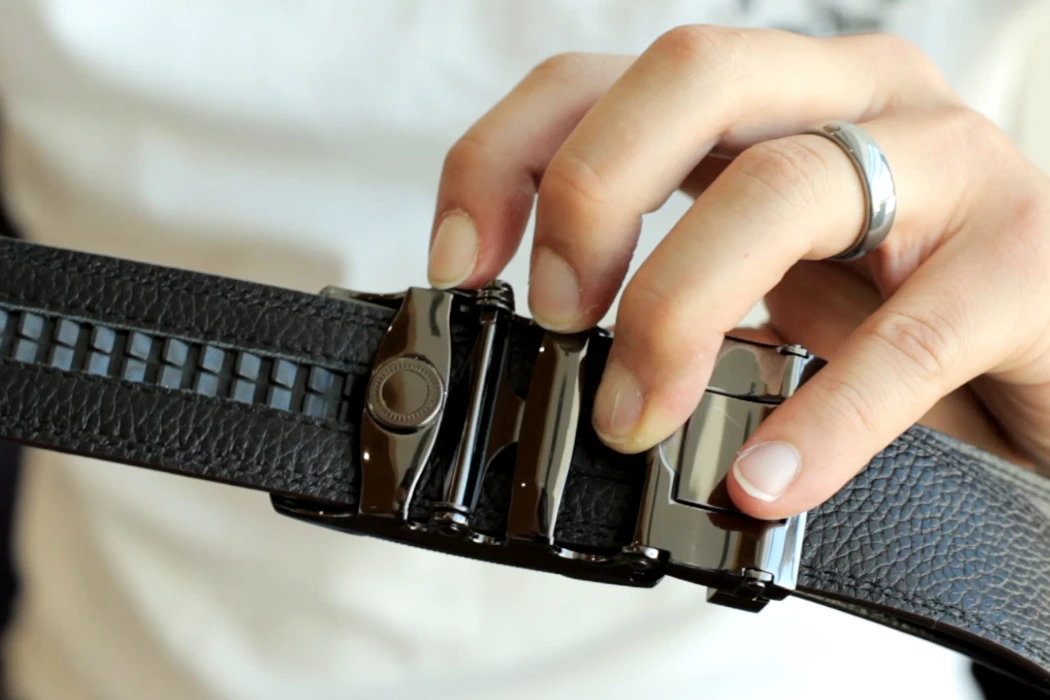
A leather trade show can help a buyer compare materials, discuss development and identify suppliers in person. Travel and sampling still have a cost, so define the decisions the visit should enable before booking. The number of cards collected is a poor measure of return.
APLF and Lineapelle both connect buyers with material suppliers and industry knowledge. Their formats differ, but they are not a simple division between mass-market sourcing and luxury design. Check the relevant event, current exhibitor directory and intended product categories.
This guide covers preparation, floor meetings, evidence checks and follow-up. It also explains how to turn a material discovery into an approved product specification instead of treating a booth sample as proof of bulk-production capability.
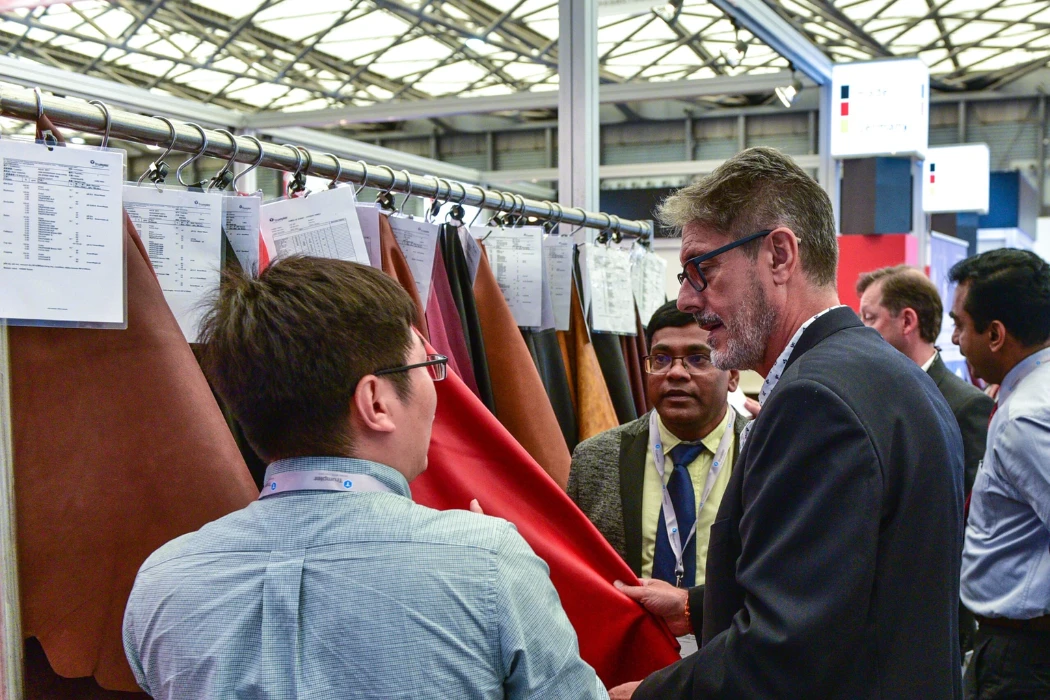
Why Are APLF and Lineapelle Useful for Leather Buyers?
Exhibitions provide concentrated opportunities to compare suppliers and discuss materials. Attendance does not guarantee better prices, reliable partners or a successful launch. Choose the event that fits the decisions you need to make and the suppliers you need to meet.
The Role of APLF in Global Sourcing
APLF’s visitor information describes a supply-chain format spanning leather, non-leather materials and finished-product manufacturing. APLF Leather, Materials+ and Fashion Access have related but distinct roles. Fashion Access is particularly relevant when looking for finished-goods OEM or ODM partners.
Search the directory by product, process and location rather than assuming every exhibitor makes finished bags or belts. A material supplier, trader and finished-goods factory may support different parts of the same project. Confirm which entity would contract with you and where production would occur.
The Role of Lineapelle in Materials and Trends
Lineapelle’s official description covers leather, accessories, components, fabrics, synthetics and models. The Milan exhibition is a material-and-component event; finished products such as bags and shoes are not admitted as exhibiting products. Its supplier base is not limited to European boutique tanneries.
Trend areas can help buyers compare colour, texture and construction possibilities. They provide inspiration rather than dictate every brand’s next palette. Use them to refine a brief, then confirm availability, performance and commercial terms with the relevant supplier.
Timing the Sourcing Calendar
Check dates, venue, registration and opening hours on the APLF event calendar and Lineapelle website before making travel arrangements. Related shows in different cities are separate events; do not assume that both organisers run the same twice-yearly schedule everywhere.
Work backwards from the required delivery date. Allow for material sampling, prototype development, testing, approval, bulk production and transport. A newly discovered finish may need development before a finished-goods factory can even start its product sample.
| Planning question | APLF event family | Lineapelle Milan |
|---|---|---|
| What can I source? | Leather, other materials and finished-goods partners through the relevant concurrent events | Materials, components, accessories, fabrics and synthetics |
| Where should I look for OEM products? | Review Fashion Access exhibitors and actual capabilities | Use material meetings to support development; finished products are not the exhibiting category |
| How do I use trends? | Compare presented material and design ideas with the brief | Use trend areas and supplier collections to refine material choices |
| What must I verify? | Current event, exhibitor, factory role and production terms | Current event, supplier, material availability and application suitability |
How Do You Prepare an Effective Sourcing Brief Before the Show?
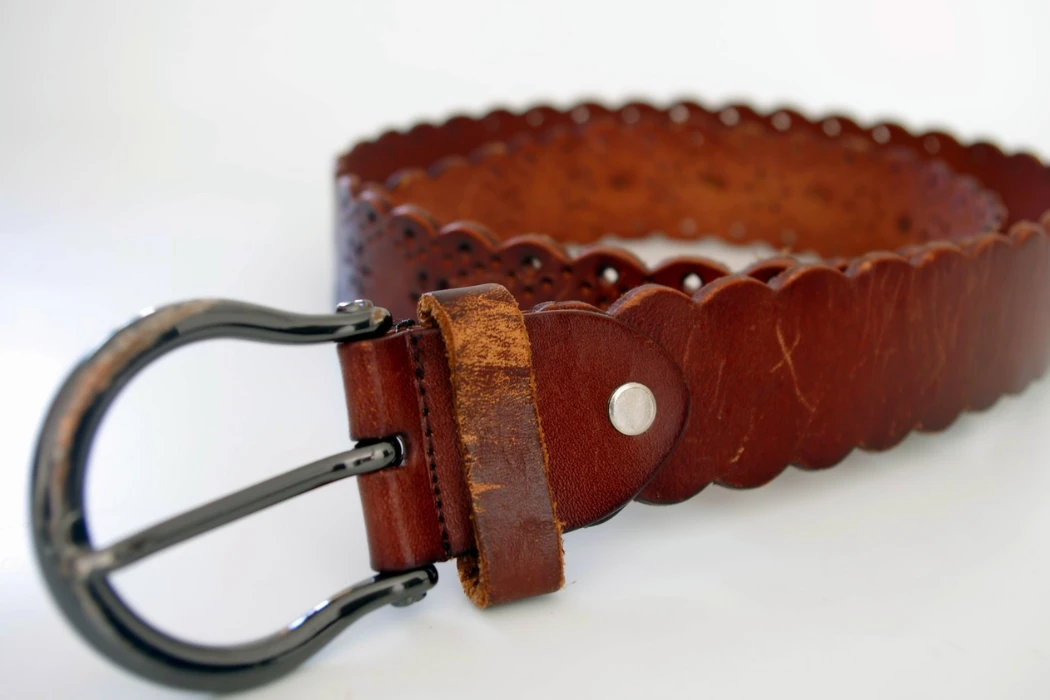
A concise brief helps suppliers decide whether they can support the project. Separate mandatory requirements from preferences and open development questions. Bring clear reference images or samples that you have permission to share.
Defining Material Specifications
- Application: Identify the product, component and intended user. A bag body, belt strap and wallet pocket can require different properties.
- Construction: State leather species or synthetic composition, grain treatment, tannage where relevant, thickness and any backing. Do not use “top-grain” or “vegan” as a complete technical specification.
- Appearance: Describe colour, texture, gloss and acceptable variation. An animal-pattern emboss should name the actual substrate; it is not evidence of an exotic species.
- Performance: Set use-related requirements such as flex, colour transfer or attachment strength, with methods and criteria to be agreed.
- Market: Identify destination and age group so applicable chemical and product requirements can be assessed.
Keep suggested thicknesses separate from approved specifications. A material that looks attractive as a swatch may need a different thickness or backing when made into the complete product.
Setting Budget and Minimum Order Quantities
State the target price basis, quantity and unit of measure. Leather may be quoted by area, while finished goods are quoted by piece. Ask what the price includes, its validity and the commercial delivery terms so offers can be compared consistently.
Discuss colour and finish minimums, sample charges, tooling, packaging and reorder quantities. Fees and refunds are supplier-specific; a sample does not always carry the same charge or become refundable after a bulk order. Ask about capacity for the proposed schedule for the actual product and schedule.
For a developing accessories range, the guide to scaling a belt brand connects order planning with a realistic product assortment.
Mapping Out Supplier Targets
Use the official exhibitor directory to identify likely suppliers before requesting meetings. Confirm that the company handles the process you need: tanning, finishing, trading, component supply and finished-goods manufacture are different roles.
Shortlist against material capability, location, available evidence and commercial fit. Environmental certification and social audit information can inform screening, but neither an exhibitor badge nor a programme logo proves the supplier meets every requirement. Group meetings by hall to make the route practical.
A useful schedule protects priority meetings while allowing time to review unexpected materials. Plan around the current floor map and opening hours. Leave enough time to record a decision after each discussion.
Prioritising Pavilions and Product Areas
Group relevant tanneries, finishers or component suppliers geographically when possible. Compare like-for-like products in a focused block so observations about feel, finish and price remain clear.
Machinery or process demonstrations can be relevant to a finished-goods buyer when they explain a construction or capability question. Decide from the sourcing objective rather than automatically skipping every technical area. An attractive stand is not a substitute for later factory verification.
Allocating Time for Unplanned Discoveries
Reserve open time for trend areas, seminars and suppliers outside the shortlist. There is no mandatory percentage of the day or minimum number of minutes that guarantees a useful visit. Adjust the balance to meeting density and the novelty of the project.
A small booth does not automatically offer a lower MOQ. Ask directly about minimums and available stock. If a discovery is promising, record the next action and return to the priority schedule instead of collecting an unmanageable number of samples.
Using Official Maps and Digital Tools
Use the current official map, directory and any available event tools to locate stands and retain contact information. Do not assume every edition offers the same app, badge-scanning function or alerts. Keep a practical backup for appointments and notes.
Ask before photographing a stand, sample or document. Lineapelle’s official information states that photography and smartphone use are not allowed in its trend areas; follow current posted rules. A digital material reference can be recorded through permitted organiser or supplier channels.
| Illustrative visit block | Activity | Record before moving on |
|---|---|---|
| Priority meetings | Review shortlisted material suppliers | Capability, sample reference and unresolved questions |
| Review break | Organise notes and samples | Missing information and revised priorities |
| Component comparison | Assess hardware, linings and compatible finishes | Dimensions, material and quotation basis |
| Open exploration | Visit relevant trends, seminars or new suppliers | Reason to follow up and a clear next action |
Which Questions Should You Ask Suppliers on the Spot?
Use the booth meeting to establish capability and agree what evidence will follow. A short conversation can identify a promising supplier, but cannot replace a review of records, samples and the production location.
Verifying Leather Working Group Certification
Ask for the certified facility name, location, rating, scope and current validity. Check these against LWG’s certification information and the relevant facility listing. It is a facility assessment, not a certification of a selected premium leather product line.
Do not infer complete traceability, legal chemical compliance or a finished product’s environmental footprint from a Gold or Silver rating. Review the actual scope and supporting supply records. Use the stated validity rather than assuming every assessment follows the same interval.
Clarifying Lead Times and Sample Policies
Distinguish a stock swatch, custom material development and a finished-product prototype. Ask when each stage starts, what information is needed and what must be approved before bulk production can proceed.
Record charges, any refund conditions, shipping responsibility and a realistic due date. For a custom colour, confirm how the reference is approved and whether the proposed bulk material will match it. A verbal booth estimate should be confirmed in writing with its assumptions.
Checking Chemical and Product Requirements
Identify the market, user and materials before asking for reports. EU REACH restrictions and US children’s-product provisions have specific scopes; CPSIA children’s lead rules should not be treated as the universal basis for every adult leather accessory.
CPSC’s lead guidance explains the children’s accessible-component requirement. For leather that comes into contact with skin, assess applicable EU chromium VI restrictions and other relevant substances with the compliance team. A report should identify the tested material, date, method and result.
Check that the report covers the offered construction and finish. A general “REACH-compliant factory” statement or a test on a different colour cannot automatically prove the goods meet all applicable requirements or will clear customs.
How Can You Evaluate and Follow Up on Trade Show Leads?
Build a shortlist from technical and commercial fit. Keep uncertain claims visible until verified. The useful outcome is a documented next step, such as a sample request, quotation or factory assessment.
Organising Swatches and Contacts
Give each sample a unique reference and connect it to the company, contact, product code and notes. Record material description, colour, thickness, price basis, MOQ and proposed lead time. Label or bag the sample without damaging the area needed for evaluation.
Distinguish a provisional conversation from a confirmed quotation. Photograph or digitally record samples only where permitted, and note who supplied them. Back up the information so a lost business card does not make a useful swatch untraceable.
Structuring the Post-Show Follow-Up
Follow up promptly while the discussion is clear, but there is no universal deadline after which the relationship is lost. Refer to the meeting and sample code, attach the agreed brief, list open questions and propose a next step.
Ask for relevant records rather than simply collecting logos. ISO 9001 concerns a management system; social audit reports such as SMETA have their own scope and findings. Sedex’s SMETA information explains the audit method. Review location, date and corrective actions where relevant to the sourcing programme.
Requesting Production Samples
Agree the sample’s purpose and construction before payment: material approval, fit, function and pre-production confirmation may be separate stages. State which substitutions are permitted and how departures from the final bulk material will be identified.
Confirm the charge, recipient, delivery responsibility and achievable schedule. Evaluate the finished sample against the brief and test plan, then document revisions. A successful prototype does not by itself prove capacity or quality control for a full order.
FAQ
What is the difference between APLF and Lineapelle?
APLF’s related events span leather, other materials and finished-goods partnerships, including Fashion Access. Lineapelle Milan focuses on materials and components and excludes finished products as exhibiting categories. Both can support material discovery and industry learning.
How do you budget for a leather trade show?
Include travel, accommodation, local transport, time, registration where applicable, samples, shipping and follow-up evaluation. Set the sampling budget from the actual project; there is no standard amount that fits every buyer.
How many days do you need for Lineapelle?
Use the current programme, shortlist and meeting availability to decide. A focused material task and a broad collection review need different amounts of time. Check the final day’s opening hours before scheduling travel.
Can you buy leather directly at a booth?
It depends on the exhibitor and event rules. Many meetings lead to quotations and later deliveries, but it is too absolute to say no purchase can be agreed. Confirm stock, payment, collection or shipment terms in writing.
What should you wear?
Choose professional clothing suitable for meetings and comfortable footwear for walking and standing. Check event access requirements and plan for the venue and weather.
How quickly should you follow up?
Follow the timetable agreed at the meeting and send a clear message while the project details are fresh. Prioritise suppliers with a good fit and a specific next action rather than sending an identical message to every contact.
Turning a Show Visit into a Production Brief
A productive visit ends with identifiable materials, a realistic shortlist and a record of what still needs verification. Connect the selected leather, hardware and finish to a complete sample and written production terms.
For a Hoplok custom leather bag project, share the selected material references, construction, quantity and market. Bag MOQ is 200 leather units or 1,000 PU units; bag samples take 3–4 weeks and bulk production 60–90 days. Confirm material readiness and approvals in the quotation so the trade-show discovery fits the actual launch plan.