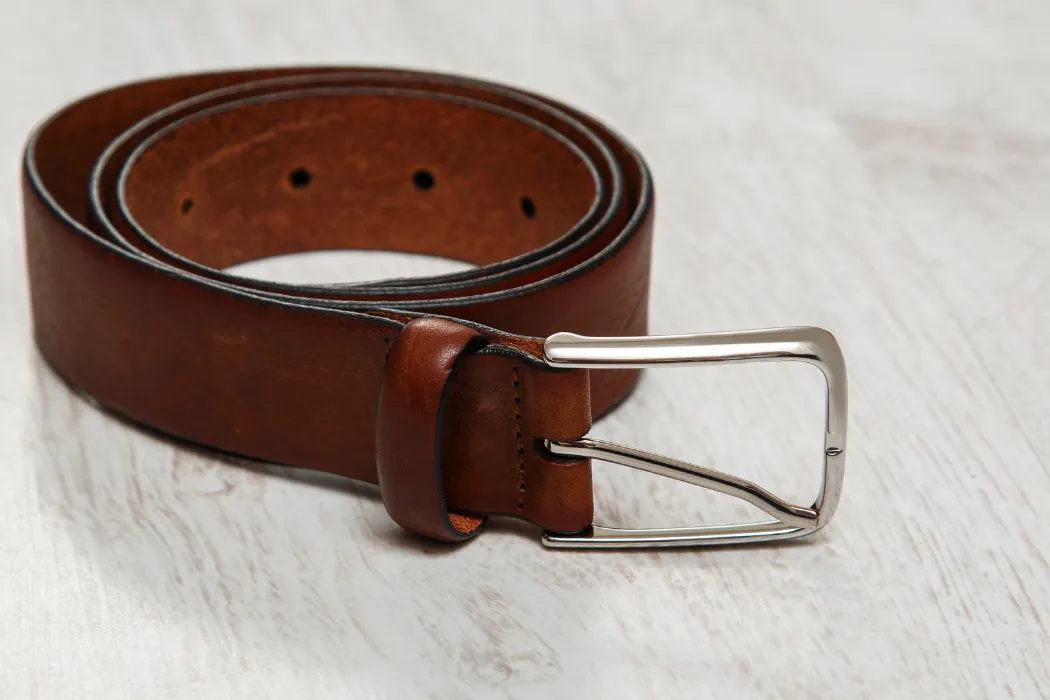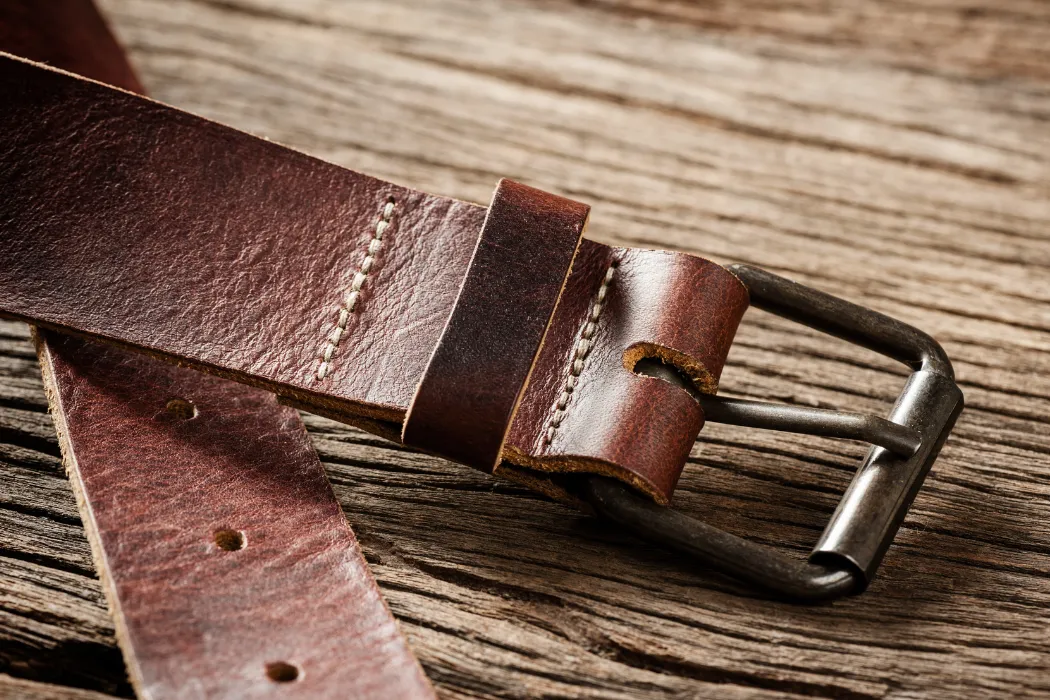
Global fashion brands constantly battle rising manufacturing costs. You likely stare at two different quotes: one from a mature factory in China and another from an emerging facility in Cambodia. The unit price on paper tells one story, but your final warehouse cost often tells a completely different one. Smart sourcing is never just about finding the lowest initial bid. It is about understanding the total structure of your costs.
China remains the undisputed leader for high speed, complex technical craftsmanship, and flexible minimum order quantities. However, Cambodia has rapidly become the preferred choice for high-volume retail programs. This is because it offers significantly lower labor rates and enjoys critical duty-free status for exports to major Western markets like the US and Europe.
We will now dissect the five critical engineering and financial factors that define this choice. This guide provides a granular breakdown of FOB price components, calculates the massive financial impact of import tariffs, and compares logistics speed. Use this technical analysis to determine exactly where your next production line belongs.
FOB Price Breakdown: Where Does the Money Go?
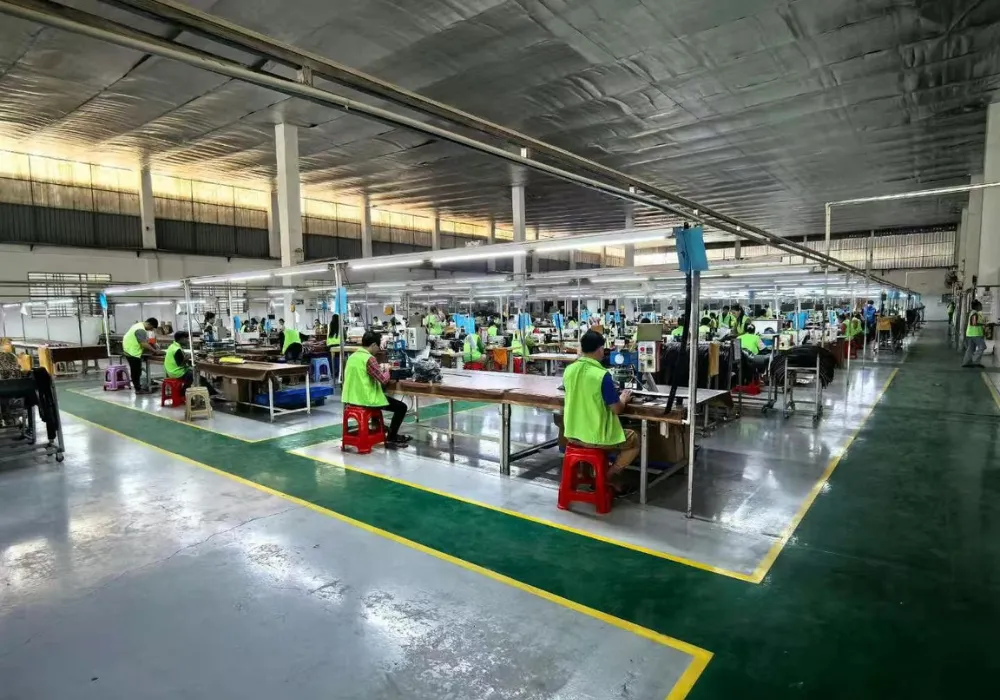
The “Free on Board” (FOB) price is the cost of your product before it leaves the port of origin. In China, the FOB price is driven by higher wages for skilled technicians and advanced infrastructure. In Cambodia, the FOB price is significantly lower due to labor savings, but it carries a slightly higher percentage of logistics costs for raw materials.
The Labor Component: Skill vs. Scale
Labor cost is the single largest differentiator between the two manufacturing hubs. This gap defines the final unit price more than any other factor.
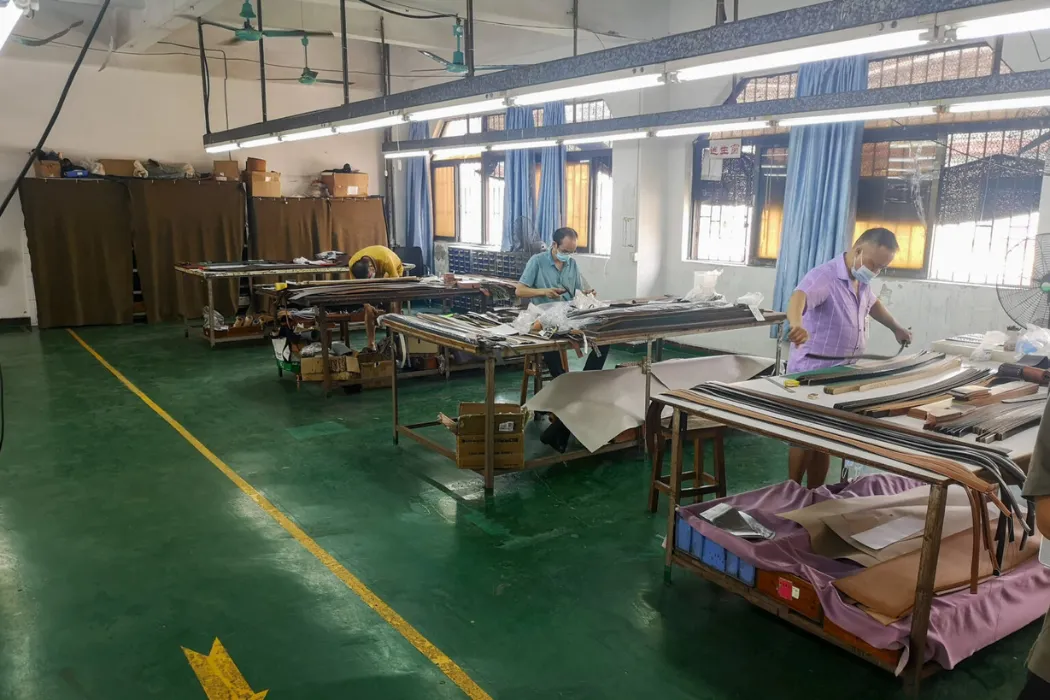
- Skilled Wages in China: Factories in the Pearl River Delta pay higher wages to retain workers with 10+ years of experience. You are paying for speed, problem-solving, and the ability to handle complex construction without errors.
- Efficiency in Cambodia: The base wage in Cambodia is significantly lower. However, the workforce is younger. This environment is engineered for “Scale.” It performs best with standardized, high-volume orders where the process is repetitive and consistent.
- The Impact: On a standard leather belt, labor might account for 30-35% of the FOB cost in China. In Cambodia, this can drop to 15-20%, creating an immediate reduction in the base price.
So, if your product requires intricate hand-weaving or complex edge painting, China’s labor premium is an investment in quality. For standard retail belts, Cambodia’s labor structure offers pure savings.
Material Logistics: Local vs. Imported
Raw material sourcing affects the FOB price differently in each region. This is often an overlooked engineering detail in cost analysis.
- China’s Local Advantage: In manufacturing hubs like Dongguan, the hardware factory is often down the street. The tannery is nearby. Domestic logistics costs are negligible, keeping the material portion of the FOB price lean.
- Cambodia’s Import Factor: Cambodia does not yet have a massive domestic supply chain for hardware (buckles, rivets). These components are often trucked or shipped in from China. Leather crusts are imported from Italy or Brazil.
- The Trade-off: While you save heavily on labor in Cambodia, you may see a slight increase (2-5%) in the material cost line item to cover this inbound logistics. However, the massive labor savings almost always outweigh this small logistic cost.
Below is a simulated breakdown of how a standard $5.00 belt’s cost structure shifts between the two regions.
| Cost Element | China Manufacturing (Mature) | Cambodia Manufacturing (Volume) |
|---|---|---|
| Raw Materials (Leather, Buckle) | $2.50 (Local Supply) | $2.65 (Import Logistics Added) |
| Labor Cost | $1.50 (High Skill Wage) | $0.60 (Low Base Wage) |
| Factory Overhead & Profit | $1.00 | $0.95 |
| Final FOB Price | $5.00 | $4.20 |
| Direct Savings | Base Reference | ~16% Savings |
The data clearly shows that even with slightly higher material logistics costs, the lower labor cost in Cambodia drives the total FOB price down by approximately 16%. This is before we even calculate the massive impact of import duties.
The “Landed Cost” Reality: How Tariffs Change the Equation?
FOB price is just the ticket to the show. Tariffs are the price of admission. For B2B buyers exporting to the United States or Europe, the import duty is often the decisive factor that makes or breaks the product margin. This is where the gap between China and Cambodia widens drastically.
The Impact of Section 301 (China)
Sourcing from China currently carries a heavy financial penalty for the US market. Standard leather belts generally face a base “Most Favored Nation” (MFN) duty rate. However, goods from China are subject to an additional punitive tax known as the Section 301 Tariff.
This adds a surcharge of 25% on top of the standard rate. This tax does not add value to the product; it is a sunk cost. For a $5.00 belt, you are paying over a dollar straight to customs before the goods even reach your warehouse. This erodes the buying power of your budget significantly.
The Duty Advantage (Cambodia)
Cambodia bypasses this 25% penalty completely. As a developing nation, it benefits from “Normal Trade Relations” or GSP (Generalized System of Preferences) status in many global markets.
- US Market: You pay only the standard MFN rate (approx. 2.7% for belts) or 0% for travel goods if GSP is active. You avoid the 25% surcharge entirely.
- EU & Canada: Cambodia often enjoys “Everything But Arms” (EBA) or similar duty-free status, allowing for 0% duty entry.
When you combine the lower FOB price with the lower tariff rate, the savings compound. Below is a Landed Cost calculation for a standard leather belt entering the US market.
| Cost Breakdown | China (Section 301 Impact) | Cambodia (Standard Duty) |
|---|---|---|
| FOB Price | $5.00 | $4.20 |
| Est. Freight & Insurance | $0.40 (Faster/Direct) | $0.55 (Feeder Vessel) |
| Import Duty (US Example) | $1.39 (2.7% + 25%) | $0.11 (2.7% Only) |
| Total Landed Cost | $6.79 | $4.86 |
| Final Margin Impact | Base Reference | ~28% Total Savings |
The engineering conclusion is simple: Manufacturing in Cambodia saves you nearly $2.00 per unit on a standard belt. While freight is slightly higher, the tariff savings are overwhelming.
Material Quality: Can Low Cost Mean High Standard?
A common misconception among buyers is that “Made in Cambodia” implies inferior raw materials. There is a fear that moving away from China means downgrading from premium leather to cheap, local substitutes. From a technical standpoint, this is incorrect. The quality of a belt is defined by the origin of the hide, not the location of the sewing machine.
The Global Sourcing Reality
Tier-one factories in Southeast Asia do not rely on local livestock for premium goods. They utilize the exact same global supply chains as their Chinese counterparts.
- Origin Neutrality: A professional factory in Cambodia imports its “Wet Blue” or “Crust” leather directly from major tanneries in Italy, Brazil, or Argentina.
- Hardware Standards: While hardware often comes from China, it is specified by the brand. If you nominate a specific alloy or plating thickness, the Cambodian factory simply imports that exact component.
- The Result: You are getting Italian-grade leather cut and assembled by Cambodian labor. The physical product is identical; only the overhead cost changes.
Therefore, the risk is not the material itself, but the factory’s ability to manage a complex supply chain. Experienced manufacturers have already solved this by establishing robust import channels.
Vertical Integration: The “Crust-to-Finish” Model
The most advanced engineering solution in Cambodia today is Vertical Integration. Instead of buying expensive, fully finished leather, leading manufacturers now operate their own in-house tanneries or finishing facilities.
- The Process: The factory imports raw “Crust” (unfinished leather) from South America or Europe. They then perform the coloring, oiling, tumbling, and embossing locally in Cambodia.
- Cost Efficiency: Finishing leather requires significant labor and chemical processes. Doing this in Cambodia rather than Italy or China drastically lowers the cost per square foot without changing the base material.
- Quality Control: By owning the finishing line, the factory controls the exact color consistency and hand-feel. They can achieve LWG (Leather Working Group) Gold-rated standards locally, ensuring environmental compliance.
This model offers the “Holy Grail” of sourcing: Premium imported base material + Low-cost local finishing = High Value Product.
Capacity & MOQ: Which Region Fits Your Order Size?
Engineering a product is one thing; engineering a production line is another. The fundamental setup of factories in China and Cambodia dictates their “Minimum Order Quantity” (MOQ) and scalability.
The “High-Mix, Low-Volume” Model (China)
China remains the best incubator for new brands and complex collections. The mature supply chain allows for incredible flexibility.
- MOQ Reality: Chinese factories can often handle orders as low as 300-500 pieces per style. Why? Because the raw material market is next door. They can buy small batches of leather and hardware without high import minimums.
- Complexity Limit: If your collection has 20 different styles with intricate weaving, mixed materials, or heavy hardware customization, China is the only place with the skilled technician density to handle this “High-Mix” environment efficiently.
The “Volume Play” (Cambodia)
Cambodia is not designed for small batches; it is engineered for “Flow.” The efficiency of a Cambodian line comes from consistency.
- MOQ Reality: To make the logistics of importing raw materials worth it, factories typically require higher MOQs—often 1,000-2,500 pieces per style.
- The Sweet Spot: Once you hit these volumes, the line runs continuously without re-tooling. This is where you see the maximum labor savings (the 16% FOB reduction mentioned earlier).
- The “Vertical” Exception: However, factories with their own finishing plants (like those mentioned in Section 3) can sometimes offer lower MOQs (e.g., 500-1,000 pieces) because they hold generic crust inventory and finish it on demand.
Lead Times & Logistics: What Is the Cost of Speed?
Time is money. The final variable in your sourcing equation is the “Total Lead Time”—from the moment you place the PO to the moment goods arrive at your warehouse.
Production Speed vs. Shipping Time
China wins on “Speed to Market” for new development, while Cambodia requires more disciplined forecasting.
- Sampling Speed: In China, a new prototype can be made in 3-5 days because materials are local. In Cambodia, if materials must be imported, sampling can take 10-14 days unless the factory holds stock.
- Logistics to the West:
- From China: Direct vessels to the US West Coast take approx. 14-18 days. To Europe, rail freight is also an option (15-20 days).
- From Cambodia: Most goods are “feeder vessels” to major hubs (like Singapore or Hong Kong) before crossing the ocean. This adds roughly 5-7 days to the transit time. Expect 22-28 days to the US West Coast.
The Verdict: If you need to chase a fast-fashion trend in 4 weeks, stay in China. If you are planning a core seasonal program with a 90-day window, the extra week of shipping from Cambodia is irrelevant compared to the cost savings.
Frequently Asked Questions (FAQ)
Here are the most common questions sourcing teams ask when evaluating the switch from China to Southeast Asia.
Is leather manufacturing cheaper in China or Cambodia?
In terms of pure FOB price, Cambodia is cheaper, typically offering 15-20% savings due to lower labor costs. When you factor in the duty-free benefits for US and EU markets, the total landed cost savings can reach 25-30%.
What is the import duty for leather belts from Cambodia to the USA?
Leather belts from Cambodia generally face the standard MFN rate (approx. 2.7%) or 0% if GSP applies. In contrast, belts from China face the same standard rate PLUS an additional 25% Section 301 tariff.
Are leather goods from Cambodia good quality?
Yes. The quality depends on the factory’s management and material sourcing, not the country. Top-tier factories in Cambodia import the same premium leather from Italy and Brazil that Chinese factories use. Vertical integration (local finishing) further ensures high quality.
What is the minimum order quantity (MOQ) difference?
China is more flexible, often accepting 300-500 pieces per style. Cambodia is volume-driven, typically requiring 1,000-2,500 pieces per style to maximize efficiency and cover material import logistics.
Why are brands moving production from China to Cambodia?
The primary driver is the “China Plus One” strategy. Brands move stable, high-volume programs to Cambodia to escape tariffs and diversify risk, while keeping complex, fashion-forward items in China.
How much longer does shipping take from Cambodia?
Shipping from Cambodia to the US or Europe generally adds 5-7 days to the transit time compared to China, as goods often transit through regional hubs like Singapore or Hong Kong.
Conclusion: The Hybrid Sourcing Strategy
There is no single “best” country for leather manufacturing. The engineering data is clear: China wins on complexity and speed; Cambodia wins on price and scale.
For global brands, the smartest strategy is often not to choose one, but to utilize both. You need a mature Chinese line for your intricate fashion collections and a scalable Cambodian line for your core replenishment programs.
This is exactly why Hoplok Leather Goods operates fully owned factories in both regions. With our design center in Dongguan and our vertically integrated Pro Pelli tannery facility in Cambodia, we offer a seamless “China Plus One” solution. Whether you need the craftsmanship of high-end complexity or the duty-free advantage of volume production, Hoplok provides the engineered precision to optimize your supply chain.
To fully understand how to execute this dual-region approach effectively, read our deep dive on the China Plus One hybrid sourcing strategy for leather belts.