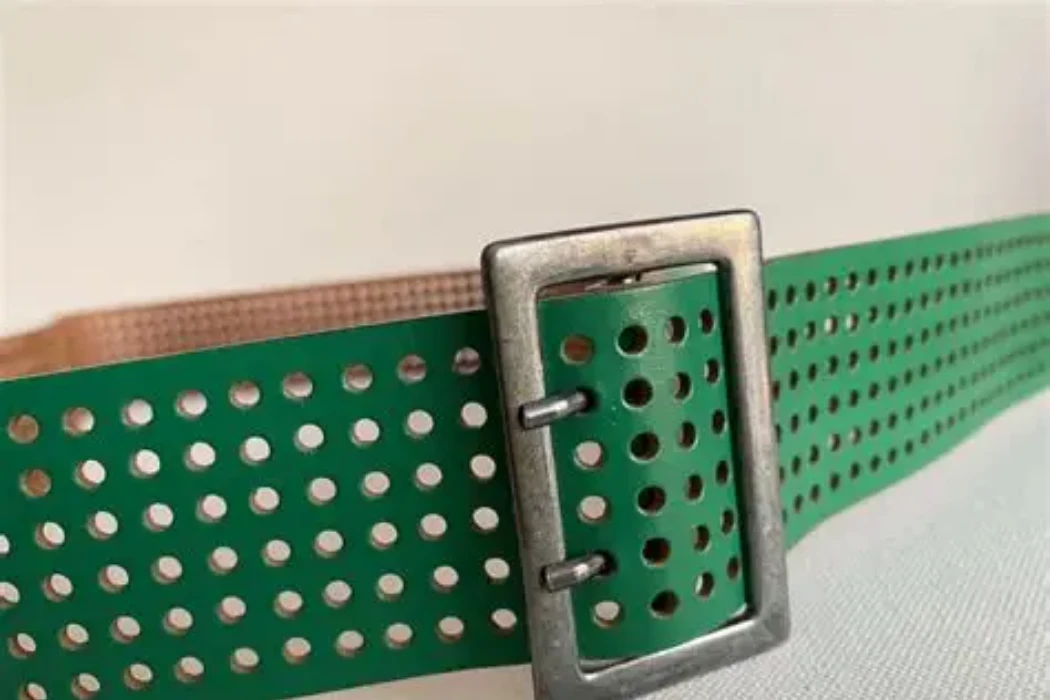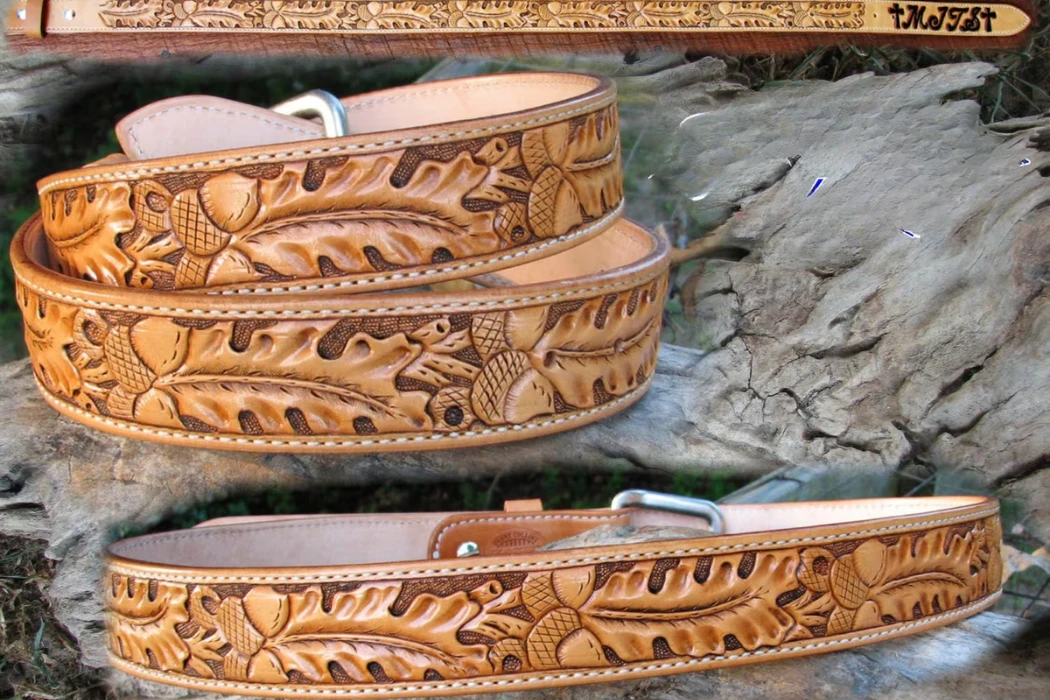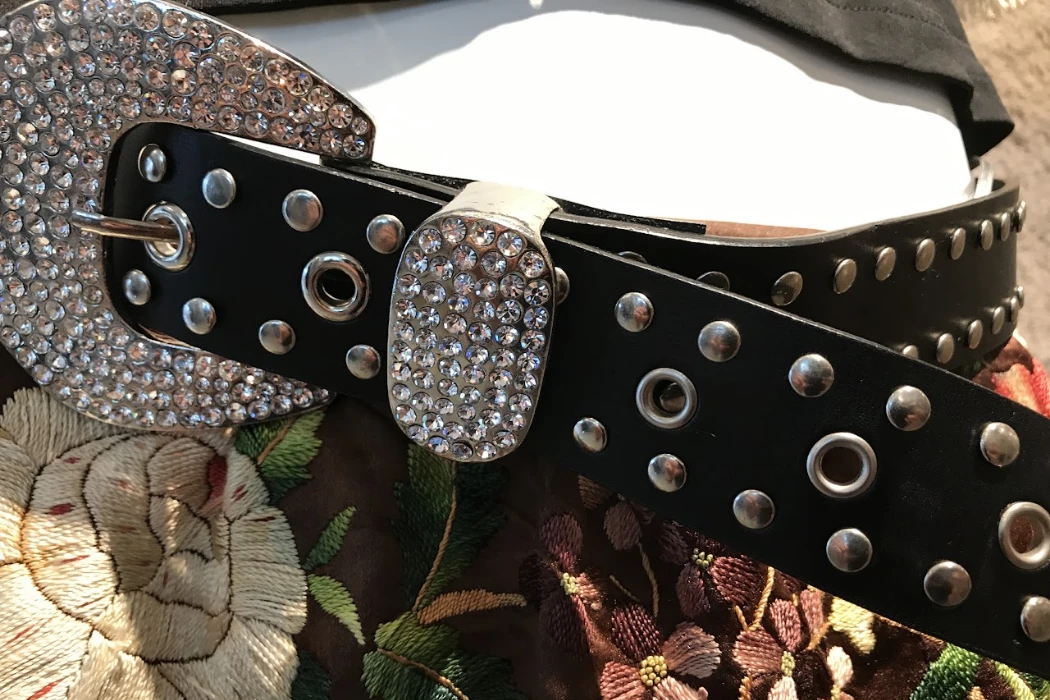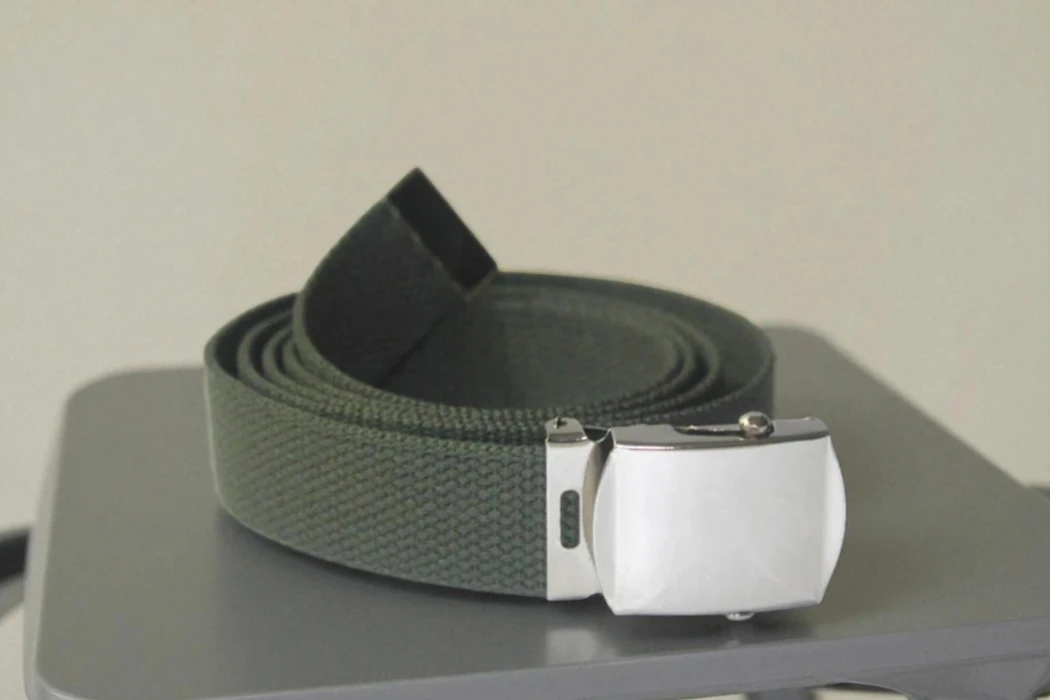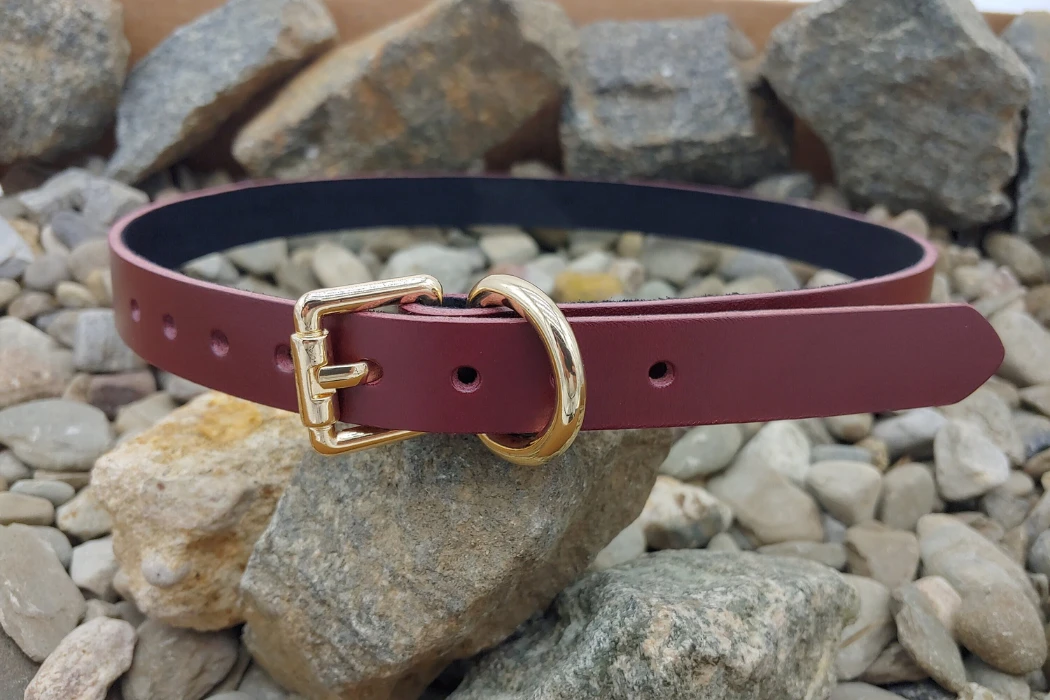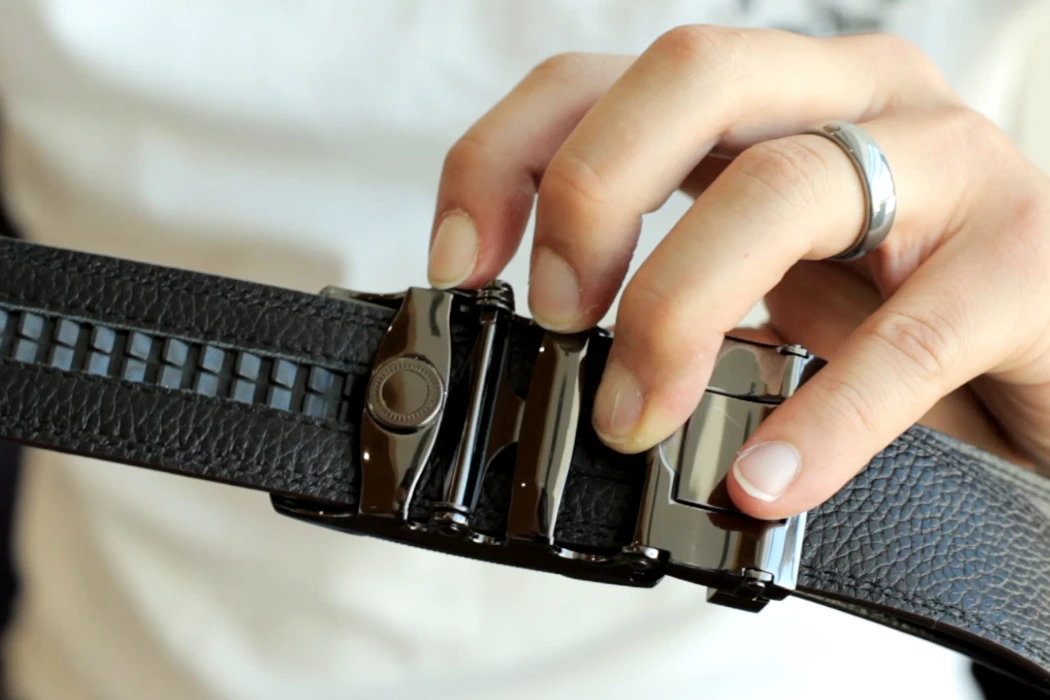
A China Plus One belt program requires a workable transfer from development to the receiving production site. Define who approves the sample, which materials and tools must move, and what evidence is needed before bulk production starts. This guide follows that transfer decision for a proposed China–Cambodia program.
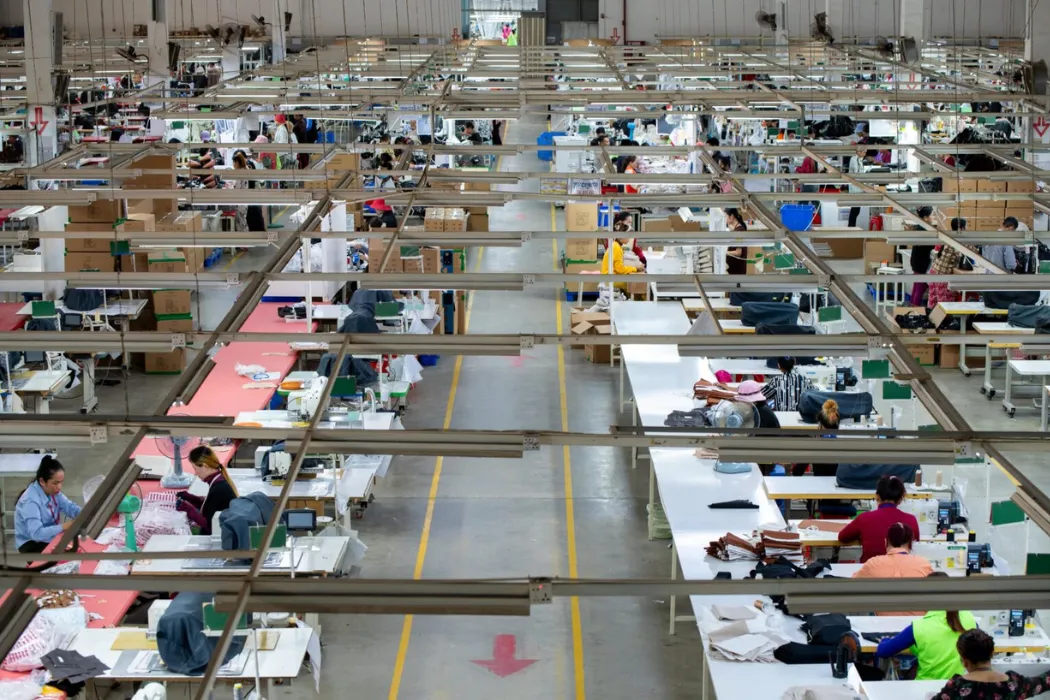
When Does a Second Production Location Make Sense?
Consider a second location when the order has a specific cost, capacity or continuity requirement. Compare both sites on the same product specification and delivered-cost basis. Country-level wage or tariff assumptions do not establish the economics of an individual belt order.
Define the Reason for the Transfer
- Cost: Identify which quoted cost is expected to change and include material transfers, inspection, freight and verified import treatment.
- Capacity: Obtain a production slot for the approved construction; a group’s total capacity does not reserve a line for the order.
- Continuity: Identify shared material and shipping dependencies. A second address is not an immediately available backup.
For a broader comparison of disruption risk, see the dual-country production review. The practical work here is approving a particular style for the receiving factory.
How Does the Development-to-Production Transfer Work?
Confirm the role of each site instead of assuming China always develops and Cambodia always assembles. The order file should identify the development owner, receiving production site and buyer approval points.
Approve the Product Before Releasing Tools and Materials
Freeze the bill of materials, pattern version, size range, hardware, edge finish, color reference and packaging. An approved development sample is the reference for the receiving site; it does not by itself approve that site’s output.
- Record which drawings, patterns, tools and physical reference samples each location will retain.
- List materials already available at the receiving site and those that need transport or replacement sourcing.
- Agree who may approve a substitution and how revisions will be communicated.
Approve a Receiving-Site Sample
Make the pre-production sample using the intended materials, hardware and assembly route. Compare it with the approved reference and written criteria, and close any difference before bulk release. Keep both the approval and the version it covers.
Build a Transfer Schedule
Separate material availability, transit and clearance, sample approval, production and finished-goods shipping. Hoplok’s confirmed belt sampling period is 2–3 weeks, bag sampling is 3–4 weeks, and bulk production is 60–90 days. Cross-border movement and new development require order-specific scheduling; there is no automatic transit allowance that fits every transfer.
How Should Leather Finishing Be Approved Across Sites?
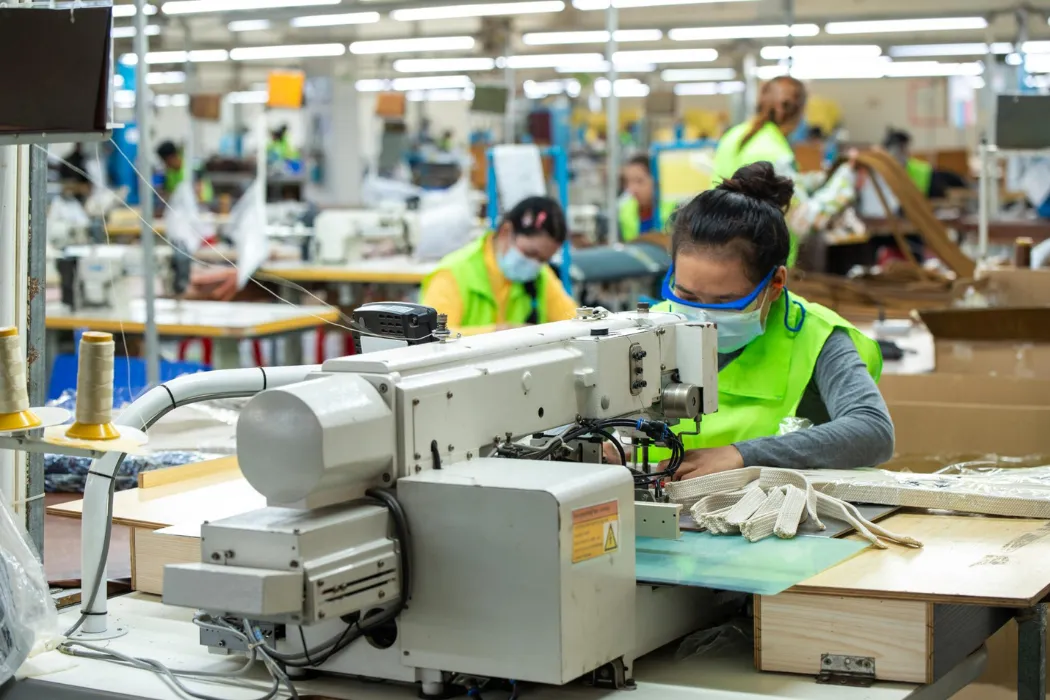
Compare the actual material and finish rather than using a country or an imported-hide label as a quality grade. Hoplok’s ProPelli facility in Cambodia finishes externally sourced crust leather; it is not an upstream tannery.
Record the Incoming Material and Finish
Identify the crust article, supplier and lot, together with the approved finish reference. Do not assume the same supplier or recipe eliminates natural variation. Agree acceptable color, texture, hand-feel and thickness with the sample.
- Material selection: Check that the lot and cutting areas meet the belt specification.
- Finish effects: Approve the requested effect on production-intent material and confirm feasibility before promising it for the order.
- Capacity: Confirm the available finishing slot together with the assembly schedule.
Separate Facility Evidence from Product Testing
ProPelli holds a valid LWG Gold rating, as confirmed by Hoplok. LWG certification applies to the named operation and its scope; it is not a blanket certificate for every Hoplok factory, leather article or finished belt. Review the applicable product test evidence separately.
| Record | Development site | Receiving site |
|---|---|---|
| Material | Approved article and reference | Confirmed supplier, lot and availability |
| Finish | Approved color, texture and feel | Production-intent sample against the reference |
| Traceability | Required supplier and material records | Records connecting received material to the order |
| Performance | Agreed methods and acceptance criteria | Relevant sample and product results |
| Facility documents | Named site and current scope | Named site and current scope |
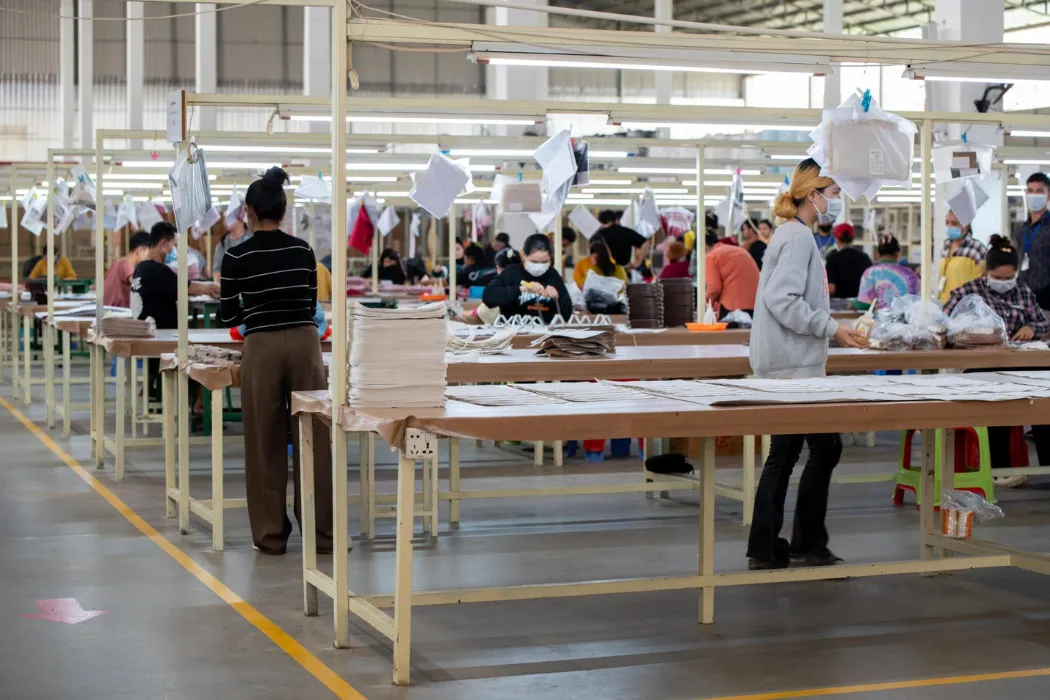
How do you verify the tariff effect of a hybrid production plan?
Moving final assembly does not by itself establish a new customs origin or preference. Document the material sources and processing steps, then ask the importer to assess the rule applicable to the actual finished product.
US entries
For US imports, confirm the complete HTS classification, origin, customs value and entry date, including any applicable Chapter 99 duties. Check the current US tariff schedule. Check the product-specific treatment rather than applying a fixed China surcharge or assuming Cambodia carries only a base rate.
EU and other destinations
Cambodia’s EU EBA preferences are partially withdrawn for certain products. Check the exact commodity code, origin rule and documentation before claiming a preference. European Commission: Cambodia trade arrangements. Use Access2Markets for the product and trade route. Check Canadian or UK preferences separately for orders entering those markets.
A landed-cost worksheet for the same belt
| Cost component | China proposal | Cambodia proposal |
|---|---|---|
| Factory price | Quoted amount and delivery term | Quoted amount and delivery term |
| Material transfer | Check whether included | Check whether included |
| Freight and clearance | Route-specific quotation | Route-specific quotation |
| Duty | Verified classification, origin and entry-date rate | Verified classification, origin and entry-date rate |
| Delivered unit cost | Sum applicable costs without duplication | Sum applicable costs without duplication |
A savings percentage belongs in the buying decision only after both columns are costed. Keep the customs assumptions and quotation validity with the worksheet so it can be checked again before shipment.
Which Site Fits the Belt Construction and Order?
Allocate by the actual material, component availability, process capability and production slot. A country does not determine whether a studded, reversible or braided belt can be made efficiently.
Compare the Work Required by the Style
For a complex style, check component procurement, tooling, line experience and approval needs. For replenishment, check material continuity, repeated-order capacity and quotation validity. Review both against the same order quantity and specification.
| Belt or order type | Site decision | Evidence to request |
|---|---|---|
| Core dress belts | Compare proposed sites | Material availability, assembly approval and delivered cost |
| Reversible belts | Confirm the proposed assembly site | Hardware function and both faces of the finished sample |
| Studded fashion belts | Confirm component and assembly route | Attachment, finish and receiving-site sample |
| Braided belts | Review the actual braid construction | Sample appearance, sizing and repeatability |
| Test orders | Confirm MOQ and setup for the proposal | Approved material, cost and schedule |
| Gift sets | Confirm assembly and packing responsibilities | Matched samples, packaging and classification of the set |
Hoplok’s confirmed MOQ is 300 pieces for genuine-leather belts, 200 for genuine-leather bags and 300 for genuine-leather wallets; PU versions have a 1,000-piece MOQ. Confirm the allocation of styles, colors and sizes in the quotation rather than assigning a different generic MOQ to each country.
How Do You Maintain Quality Controls Across the Transfer?
Use a shared specification, sample records and defined release decisions. Quality can change through material variation, an uncontrolled revision or an assembly difference even when both sites belong to the same group.
Reference Sample and Written Criteria
Agree whether signed reference samples are retained by both the buyer and factory. Record the approved version, material references and permitted variation. Define measured tolerances and defect criteria in writing where the sample alone is insufficient.
Incoming and Pre-Production Review
- Leather: Inspect the received lot against the material and cutting requirements.
- Hardware: Review dimensions, fit, finish and the relevant test evidence for the actual component.
- Assembly: Approve the receiving-site sample and close identified differences before bulk production.
Pre-Shipment Release
Agree the sampling plan, major and minor defect definitions, required functional checks and the response to a failed inspection. There is no universal AQL that every belt program must use. If a third-party inspection is required, book it with enough time to address findings and clarify who authorizes shipment.
Frequently Asked Questions (FAQ)
Is manufacturing in Cambodia always cheaper?
No. Compare the same specification, material transfers, delivery term, inspection, freight and verified import costs.
How much extra time does a transfer require?
Build the schedule from the actual material route and approval steps. A fixed additional period cannot cover every product or shipment.
Can a PU belt program use the same plan?
Yes, the approval sequence can be used, but confirm the PU construction and receiving site’s process capability. Hoplok’s PU belt MOQ is 1,000 pieces. A PU label does not by itself verify that every component meets a buyer’s vegan claim requirements.
Which certificates should be checked?
Check the buyer’s requirements and the current documents for each named facility, including scope and validity. Review product chemical and performance evidence separately from facility audits.
Does a country-of-origin label establish ethical or product quality claims?
No. Those claims require evidence about the actual facilities, materials and product; they do not follow from the country name.
How should freight be arranged?
Ask the forwarder for a route-specific proposal covering inland movement, clearance, consolidation and destination delivery. Keep the importer’s origin and classification assessment with the shipping documents.
Conclusion
Approve a China Plus One transfer when the receiving site has the right materials, an accepted sample, a workable schedule and documented delivered cost. Record who owns each approval and what changes require the buyer’s consent.
Hoplok has four factories totaling 19,000 m² across China and Cambodia, including ProPelli’s leather-finishing operation. For a custom leather belt program, request a proposal that identifies the production site and the steps needed to approve your style there.