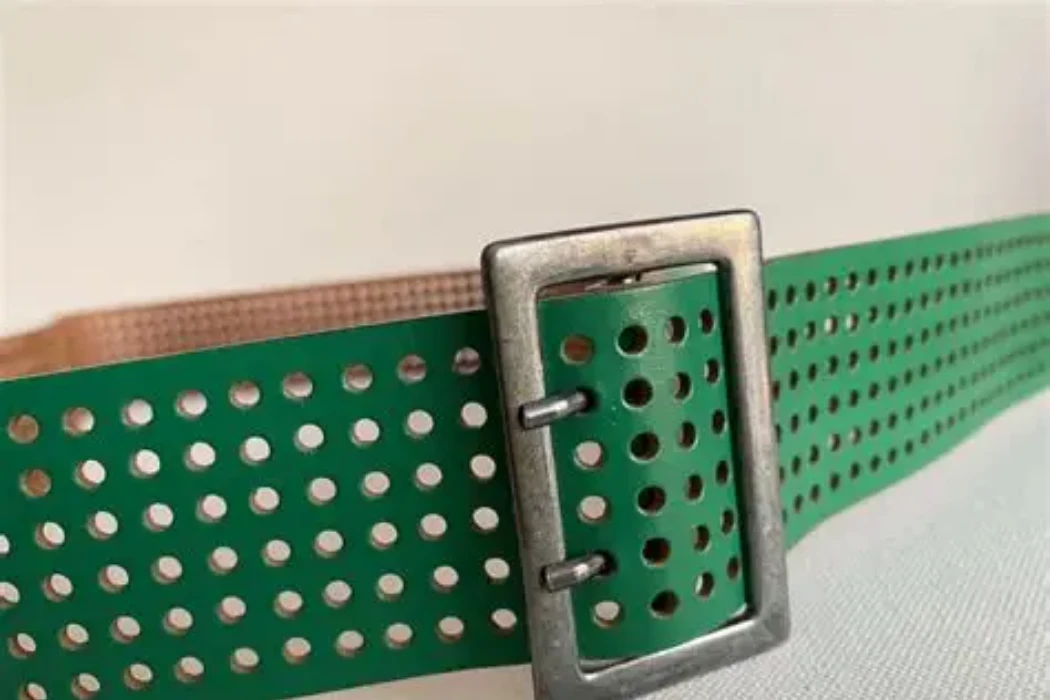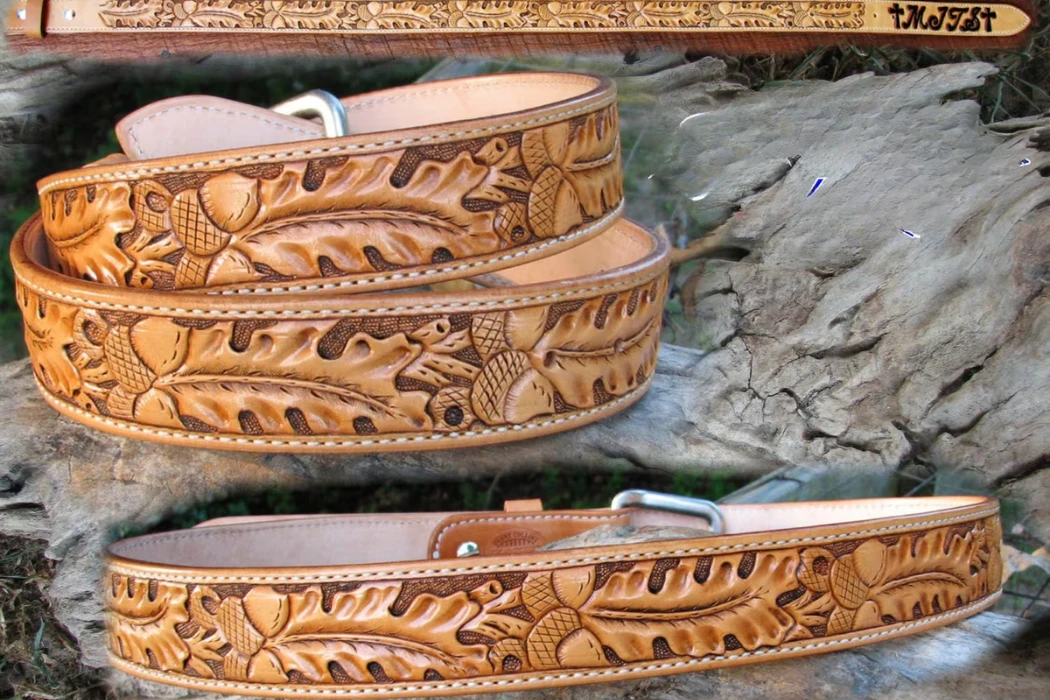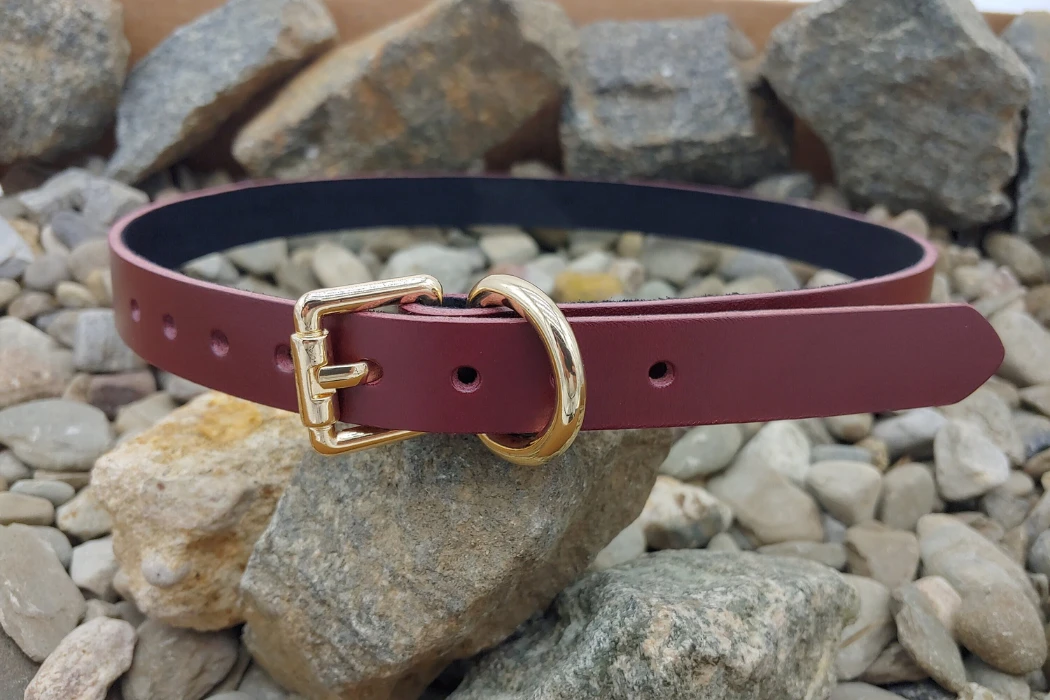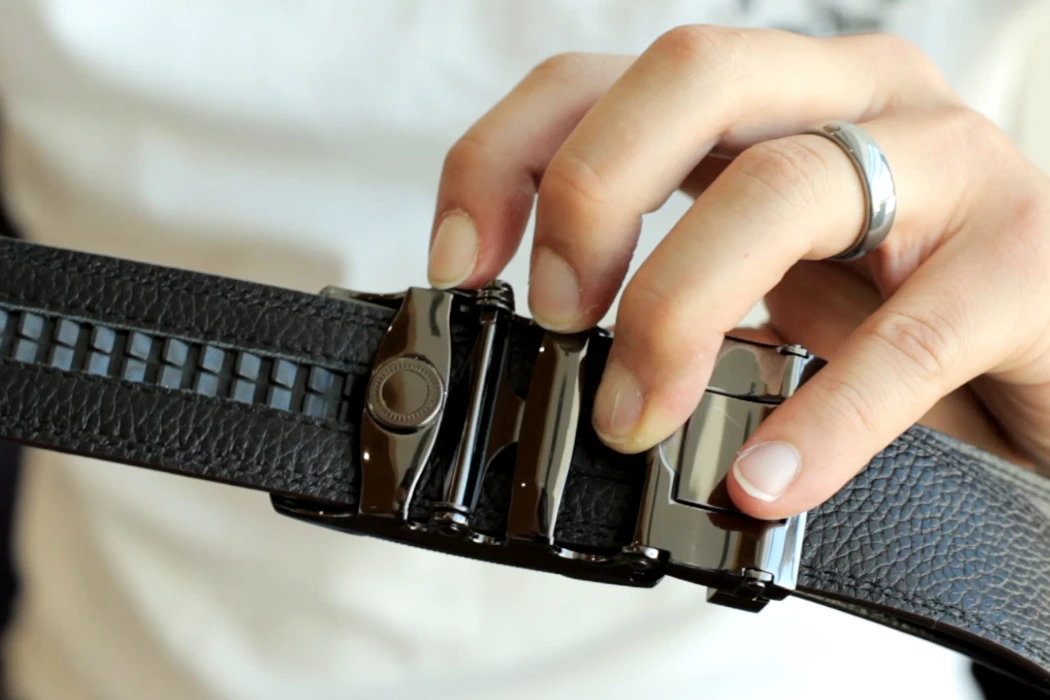
Bovine leather is leather from animals in the bovine group. In a commercial material specification, the term is too broad to tell a buyer the exact animal source, hide layer or finish. For belts, bags and wallets, ask the supplier to identify the material more precisely before comparing samples or approving a product description.
Does bovine leather mean cowhide?
Cowhide is commonly used as a broad trade description for cattle leather. It does not necessarily mean the hide came from an adult female cow. Tanneries may distinguish steer, cow, bull and calf materials, and the wording can vary between suppliers. Horween explains some of these distinctions in its guide to animal sources.
If a quotation says only “bovine,” request the named animal and the supplier’s declaration. This matters when a brand plans to use a specific claim such as calfskin or water buffalo leather. The broad category should not silently replace that claim. Keep animal identity separate from country of manufacture and hide origin: those are different pieces of information.
Bovine describes origin, not a leather grade
Bovine leather can be supplied with different layers and finishes. Full-grain, corrected-grain, split and suede descriptions answer questions that the word bovine leaves open. A heavily coated bovine split and a lightly finished full-grain cattle leather are different materials even though both have an animal leather origin.
| Quotation field | What to request | Why it matters |
|---|---|---|
| Animal source | Named animal and supporting declaration | Accurate material claims and traceability |
| Layer | Grain leather or split; surface correction if relevant | Construction and appearance comparison |
| Finish | Coating, texture, gloss and approved colour | Contact behaviour and visual consistency |
| Physical specification | Thickness, handle and usable dimensions | Suitability for the actual pattern |
| Supply stage | Crust or finished leather | Which processing operations remain |
“Genuine,” “premium” and “Italian style” do not replace these fields. A material name should support an auditable specification, rather than act as a promise of a particular lifetime.
Raw hide, crust and finished leather are different stages
A raw hide has not yet been converted into leather by tanning. Crust leather has already been tanned and processed to a dry stage before final finishing. Crust may be undyed or dyed, so an order must state what is supplied and what the finishing facility is expected to do. The Leather Working Group glossary distinguishes these stages.
Finished leather has received the agreed finishing operations. It still needs to be cut and assembled into a belt, bag or wallet. A leather finishing facility and a finished goods factory therefore have different roles. Hoplok’s ProPelli facility receives crust from partner tanneries and specialises in belt leather and other leather finishing. ProPelli is not a tannery.
How should buyers compare bovine materials?
Start with the product pattern. A belt requires a suitable strip length and behaviour around the buckle fold and holes. A bag needs usable areas for visible panels, compatible reinforcement and acceptable bending at seams. A wallet needs manageable thickness at stacked edges and folds. One leather article may work well in one construction and poorly in another.
Compare materials at the proposed finished thickness and finish. Request panels large enough to assess variation, then make a prototype using the intended lining, adhesive, thread and hardware. A small, carefully selected swatch cannot show the cutting yield or the range of marks across a delivery.
Can texture or smell verify bovine leather?
Surface appearance can guide further questions, but it cannot reliably prove animal origin. Embossing can reproduce a grain pattern; finishing changes smell and water absorption. A water drop or burn test is not an adequate purchasing acceptance method. Specify composition in writing, inspect the construction and use competent material identification where the claim needs independent verification.
For layered products, request the composition of the face, backing, reinforcement and lining separately. A bovine leather outer face does not establish that every layer of the finished belt is leather. See the material identification guide for the checks behind a finished product claim.
Prepare a clear material enquiry
Send the product drawing, intended animal claim, colour reference, thickness and handle sample, visible-area standards and required delivery destination. Include the proposed order quantity and the evidence needed for your market. Ask the supplier to flag substitutions before sampling, including a change of animal source, hide layer or coating.
For a Hoplok development, discuss these details through material sourcing and leather finishing. The outcome should be a named, approved material and a product sample that demonstrates how it will be used.