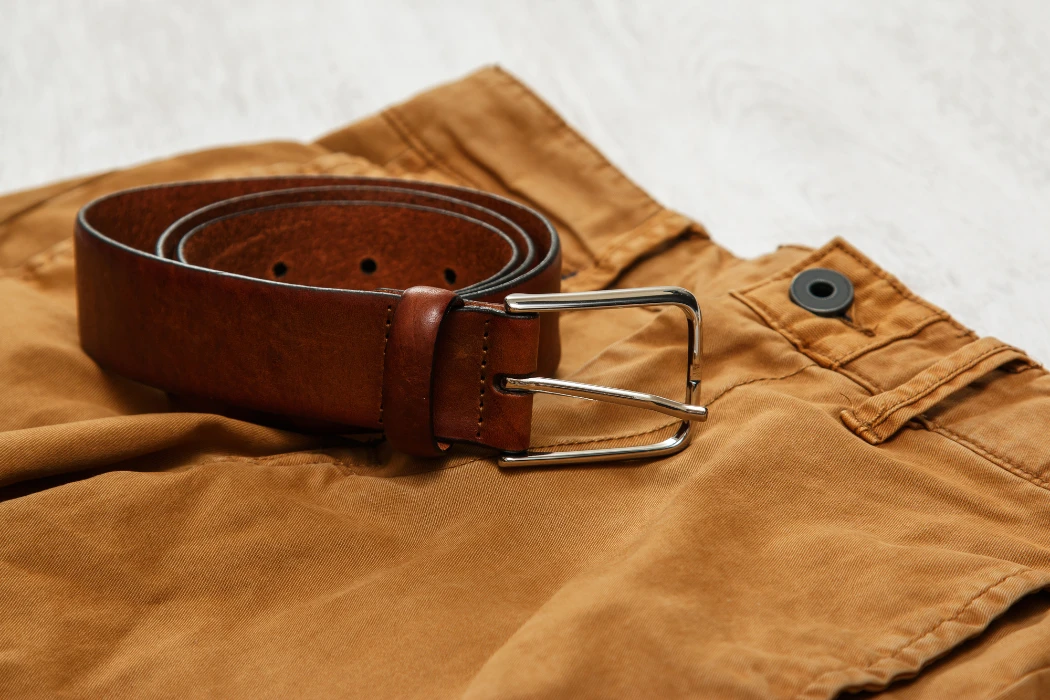
Leather Belt manufacturing relies heavily on the hidden bonds holding different leather layers together. Historically, factories used strong chemical mixtures to create these permanent bonds. But today, strict environmental rules are changing exactly how leather belts are made around the world.
Water-based adhesives use pure water to carry the active bonding agents, while traditional solvent-based adhesives rely on chemical liquids. Because water evaporates cleanly during the drying phase, eco-friendly glues release almost zero harmful gases into the air. Solvent glues do dry much faster on the assembly line, but they release volatile organic compounds (VOCs). These chemical gases require expensive, special factory ventilation systems to keep workers safe.
Choosing the right glue is not just about sticking two pieces of full-grain leather together. It directly affects your daily production speed, overall worker safety, and international compliance standards like REACH. Let us explore exactly how these two adhesive types compare in real-world belt assembly. By understanding the science behind the glue, you can make the smartest material choice for your global accessory line.
What Are the Core Differences Between Water-Based and Solvent-Based Adhesives?
The main difference is the liquid carrying the sticky glue particles. Water-based glues use pure water, so they are safe and clean. Solvent-based glues use harsh chemical liquids. Because of this, water glues protect factory air, but solvent glues dry much faster on the assembly line.
Composition and Carrier Fluids
Makers build these two glues using entirely different base liquids.
- Water-based glues use 100% pure water to mix the active polyurethane polymers.
- Solvent-based glues use harsh chemicals like toluene or ethyl acetate.
- Water formulas contain zero harmful toxins inside the liquid carrier.
So, the base liquid dictates exactly how the glue behaves during leather belt assembly.
Evaporation and Curing Processes
These glues dry and harden at completely different speeds.
- Chemical solvents evaporate quickly, drying in just 3 to 5 minutes at room temperature.
- Water takes much longer to leave the leather, usually needing 15 to 20 minutes.
- Workers often use special heat tunnels at 60°C to speed up water evaporation.
Because solvents dry fast, they speed up production, but water requires careful heat control.
Environmental Impact and VOC Emissions
The drying process directly impacts the factory air and the global environment.
- Solvent glues release high levels of volatile organic compounds (VOCs) into the air as they dry.
- Water-based glues release only natural water vapor, making them incredibly safe.
- Factories using solvents must install expensive carbon filtration systems to clean the toxic air.
Water-based glues easily protect workers and help brands meet strict global safety laws without extra equipment.
| Technical Feature | Water-Based Adhesive | Solvent-Based Adhesive |
|---|---|---|
| Carrier Liquid | Pure Water | Chemical Solvents (Toluene) |
| Average Drying Time | 15 to 20 minutes | 3 to 5 minutes |
| VOC Emissions | Near Zero | High |
| Factory Ventilation Needs | Basic Airflow | Advanced Carbon Filters |
How Do Adhesives Impact the Belt Manufacturing Process?
The glue you choose changes the entire factory workflow. Workers must apply, dry, and press the belts differently depending on the liquid base. Water glues need careful heat, so they slow down the assembly line. But solvent glues dry rapidly in normal room air. Also, different leathers react uniquely to each glue type during the final pressing stage.
Application Techniques in the Sample Room
Engineers apply these two glues using different tools and methods.
- Workers easily spray water-based glues using standard spray guns at 30 PSI pressure.
- Solvent glues often require thick brush application because they dry too fast inside spray nozzles.
- Water glues spread smoothly on belt edges without leaving thick chemical lumps.
So, water formulas allow workers to apply thinner, cleaner glue layers on high-end leather belts.
Drying Times and Assembly Speed
The evaporation speed directly controls how fast a factory makes belts.
- Solvent glues allow workers to assemble belt layers in just 5 minutes.
- Water glues force workers to wait up to 20 minutes before pressing the leather together.
- Factories fix this delay by passing water-glued belts through a 60°C infrared heating tunnel.
Even though water glues take longer to dry naturally, heating tunnels help factories maintain fast production speeds.
Bonding Strength on Different Belt Leathers
The adhesive must grip the leather tightly so the belt never splits open.
- Solvent glues bite deeply into dense materials like Full-Grain Cow Leather to create an instant bond.
- Water glues work perfectly on porous materials like Suede Leather or Split Grain Leather.
- Engineers evaluate both glues using a strict peel strength test to ensure the layers stay stuck.
You must always match the glue type to the exact leather grain to guarantee the belt lasts for years.
Are Eco-Friendly Adhesives Required for Global Compliance?
Yes, strict environmental laws now control exactly which glues factories can use on consumer products. Governments track toxic chemicals because they want to protect both factory workers and everyday shoppers. If a leather belt contains banned adhesive chemicals, customs agents will block the shipment immediately.
Meeting REACH Standards for European Markets
The European Union uses the strict REACH system to block harmful chemicals from entering its borders.
- REACH tests closely for dangerous Phthalates and heavy metals inside the belt glue.
- Solvent-based adhesives often fail these tests because they contain traces of Toluene.
- Water-based adhesives easily pass REACH because they rely on clean polyurethane polymers.
So, brands selling belts in Europe must use water-based or highly purified solvent adhesives to pass customs.
Adhering to CPSIA Regulations in the USA
The United States government enforces the CPSIA law to ensure products are completely safe for children and adults.
- CPSIA strictly limits lead and toxic chemical residues found in cheap solvent glues.
- Inspectors test the edge paint and adhesive layers on every imported leather belt.
- Clean water-based glues guarantee 100% compliance with these tough safety testing laws.
Because water formulas lack hidden toxins, they eliminate the legal risks of selling leather goods in American stores.
Aligning with Leather Working Group (LWG) Initiatives
The Leather Working Group pushes the entire fashion industry to manufacture goods safely and cleanly.
- LWG-certified tanneries produce eco-friendly leather, so the glue must also meet high sustainability goals.
- Auditors award higher factory scores when engineers use water-based formulas instead of harsh solvents.
- Eco-friendly glues help lower the total carbon footprint of each finished leather belt.
By pairing LWG leather with eco-friendly adhesives, brands build fully sustainable products that modern customers trust.
| Standard / Certification | Target Region | Key Chemical Focus | Best Adhesive Match |
|---|---|---|---|
| REACH | Europe | Phthalates & VOCs | Water-Based |
| CPSIA | USA | Lead & Surface Toxins | Water-Based |
| LWG (Leather Working Group) | Global | Carbon Footprint & Safety | Water-Based |
Can Water-Based Adhesives Match the Durability of Solvents?
Many engineers worry that eco-friendly glues are too weak for heavy daily use. Historically, chemical solvents provided the strongest grip on thick leather belts. But modern polymer science has completely changed how water-based formulas perform. Today, clean glues can match or even beat traditional chemicals in strength tests.
Heat Resistance During Edge Finishing
Belts go through intense heat when machines apply smooth edge paint.
- Solvent glues easily survive edge baking ovens set to 80°C.
- High-quality water formulas now resist heat up to 90°C without melting.
- If the internal glue melts, the belt layers will separate instantly.
So, modern water-based adhesives easily survive the hottest factory finishing machines.
Flexibility in Daily Belt Wear
A leather belt must bend around a human waist thousands of times without cracking.
- Chemical solvents dry very hard, which can make stiff Genuine Leather crack over time.
- Water-based polyurethane stays highly elastic, bending naturally with soft Suede Leather.
- Engineers test this elasticity using a machine that bends belts 10,000 times.
Because they remain flexible, water glues prevent ugly cracks on the belt surface.
Longevity and Structural Integrity
Consumers expect a premium leather accessory to hold together for many years.
- Solvent formulas create a permanent chemical lock inside dense Full-Grain Leather fibers.
- Water formulas penetrate deeply into PU Leather layers to stop long-term peeling.
- Both glue types maintain an exact peel strength of 3.0 kg/cm after curing.
Therefore, eco-friendly adhesives provide the exact same lifelong durability as harsh chemicals.
What Factors Should Brands Consider When Choosing Belt Adhesives?
When you design a new belt collection, the glue choice impacts your entire production plan. You must match the adhesive to your specific leather type, your factory safety setup, and your overall project budget. Choosing the wrong glue can ruin expensive materials or cause legal problems. Let us look at the three most important factors you need to evaluate.
Material Compatibility (Genuine Leather vs. PU/Vegan Leather)
The exact type of leather dictates which glue formula will actually stick.
- Dense natural materials like Full-Grain Leather often need strong solvents to penetrate the tight fibers.
- Synthetic materials like PU Leather or Vegan Leather react better to smooth water-based polyurethane glues.
- If you use aggressive solvent chemicals on Recycled Leather, the strong liquid can dissolve the material instantly.
So, you must test the adhesive on your exact leather batch before starting mass production.
Worker Safety and Factory Environmental Controls
Factory air quality changes dramatically based on the liquid glue you select.
- Solvent adhesives force factory owners to install heavy-duty carbon air filters to trap dangerous gases.
- Water-based glues allow workers to breathe safely in rooms with just standard ceiling fans and open windows.
- Safety laws limit factory workers to a strict 8-hour exposure limit when handling chemical solvents.
Because eco-friendly glues do not release toxic fumes, they create a much safer workspace for the assembly team.
Cost Management Versus Eco-Friendly Benefits
You must carefully balance the liquid glue price against your hidden manufacturing costs.
- Traditional solvent glue is very cheap to buy, often costing 30% less per liquid barrel.
- However, solvent glues require expensive factory ventilation equipment and higher hazard insurance.
- Water-based glues cost more upfront but help brands sell belts at a 20% premium to eco-conscious shoppers.
Even though pure water formulas cost more initially, they usually save brands money by preventing failed safety tests.
Frequently Asked Questions (People Also Ask)
What is a water-based adhesive for leather?
It is a clean glue that uses pure water instead of harsh chemicals to carry sticky polymer particles. It dries safely without releasing toxic fumes.
Are solvent-based glues safe for the environment?
No, solvent glues release dangerous volatile organic compounds (VOCs) into the air as they dry. Factories must use heavy carbon filters to catch these toxic gases.
How long does water-based glue take to dry on leather belts?
Water formulas naturally dry in about 15 to 20 minutes. However, factories use special 60°C heat tunnels to speed up this evaporation process significantly.
Which adhesive is better for full-grain leather?
Solvent-based glues generally work best on dense full-grain leather because harsh chemicals penetrate tight natural fibers easily. Water glues work much better on porous materials.
Do eco-friendly glues peel over time?
Modern eco-friendly glues do not peel easily. They match traditional chemicals with a high peel strength of 3.0 kg/cm and remain highly flexible during daily wear.
How do manufacturers comply with REACH standards?
Manufacturers switch to pure water-based adhesives. These clean formulas contain absolutely zero banned phthalates or heavy metals, ensuring global customs agents approve the belts.
Choosing the Right Partner for Your Belts
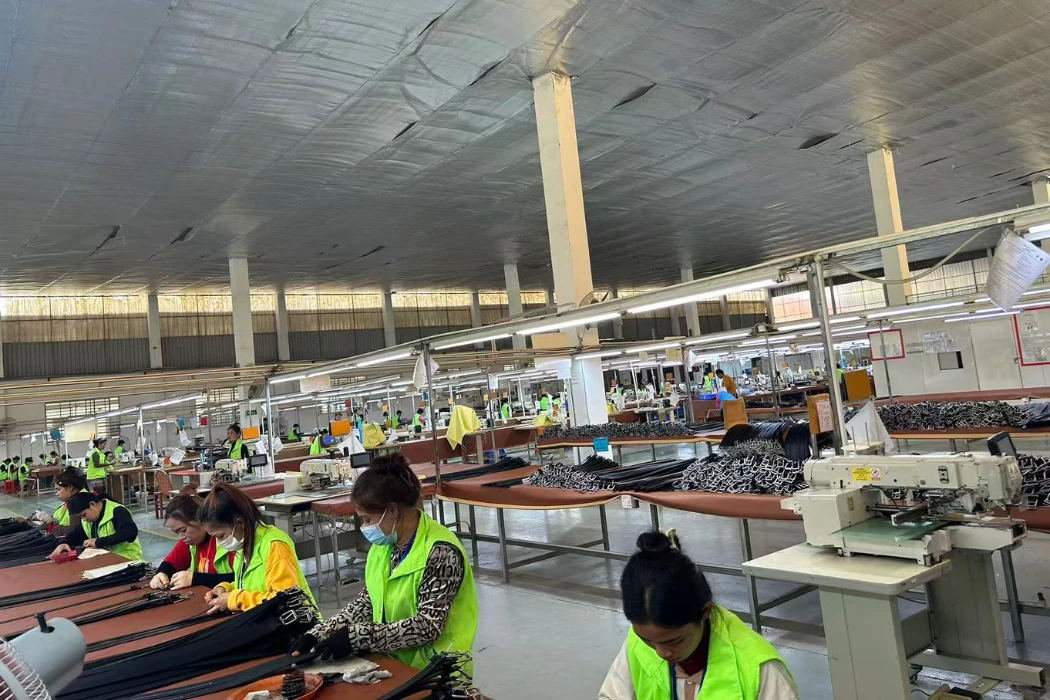
Choosing the correct belt adhesive directly impacts factory safety, product durability, and global compliance. Solvent glues provide fast assembly and strong grip on dense leathers. But water-based formulas deliver eco-friendly safety and strict REACH compliance without sacrificing lifelong flexibility. If your fashion brand requires these exact manufacturing standards, Hoplok Leather Goods provides the complete solution. Operating advanced factories across Cambodia and China, Hoplok uses premium eco-friendly adhesives and LWG-certified materials. We build customized, compliant leather belts that seamlessly meet your highest technical expectations.