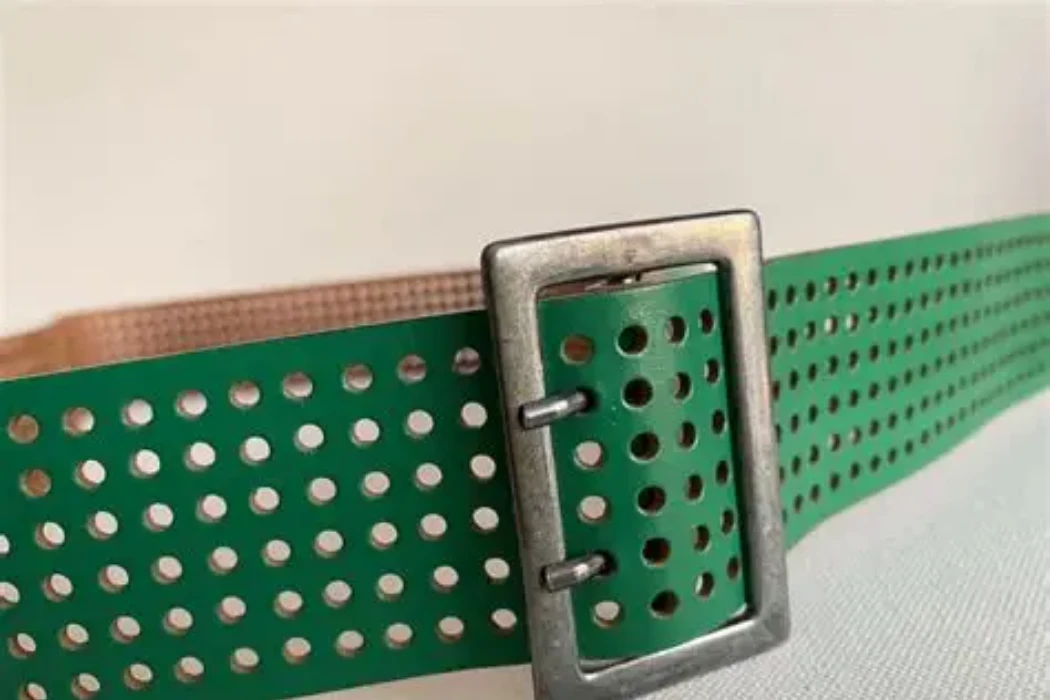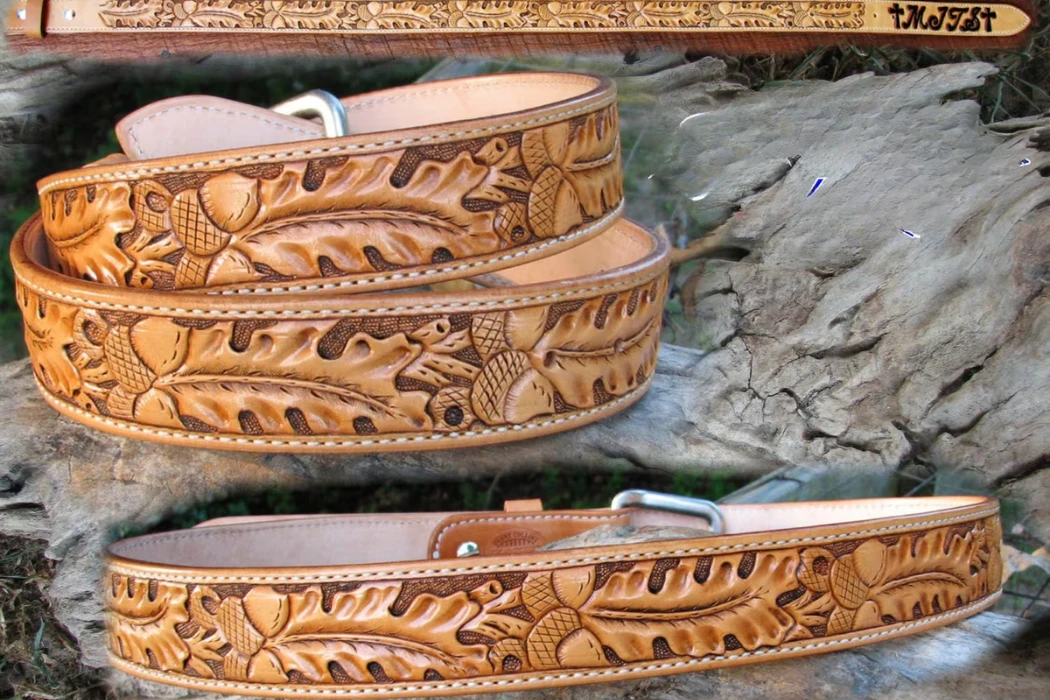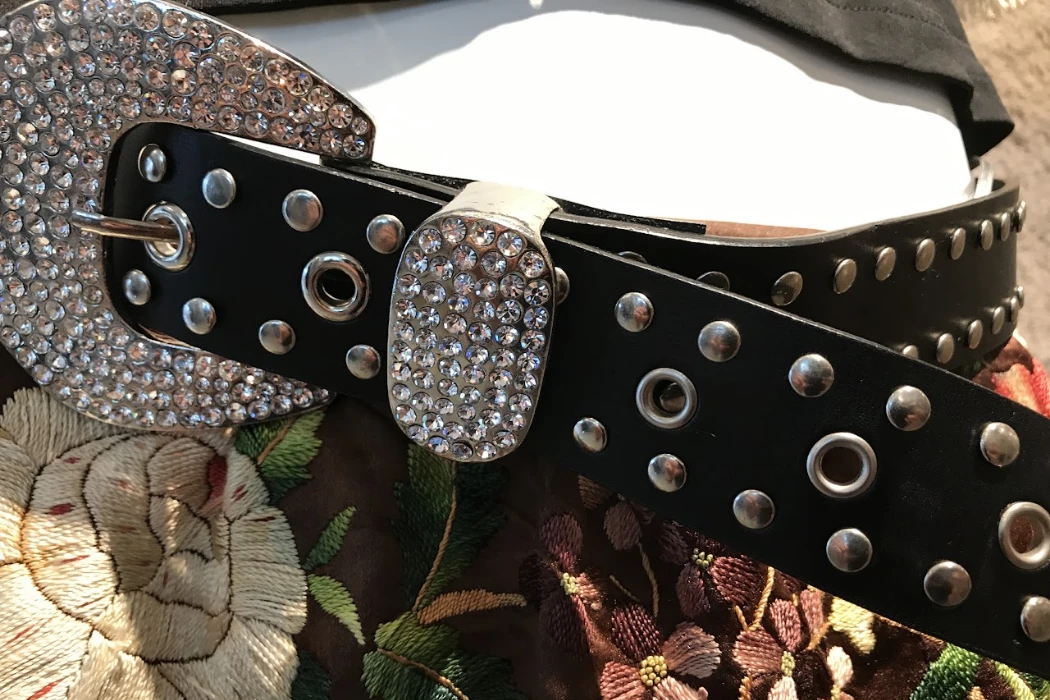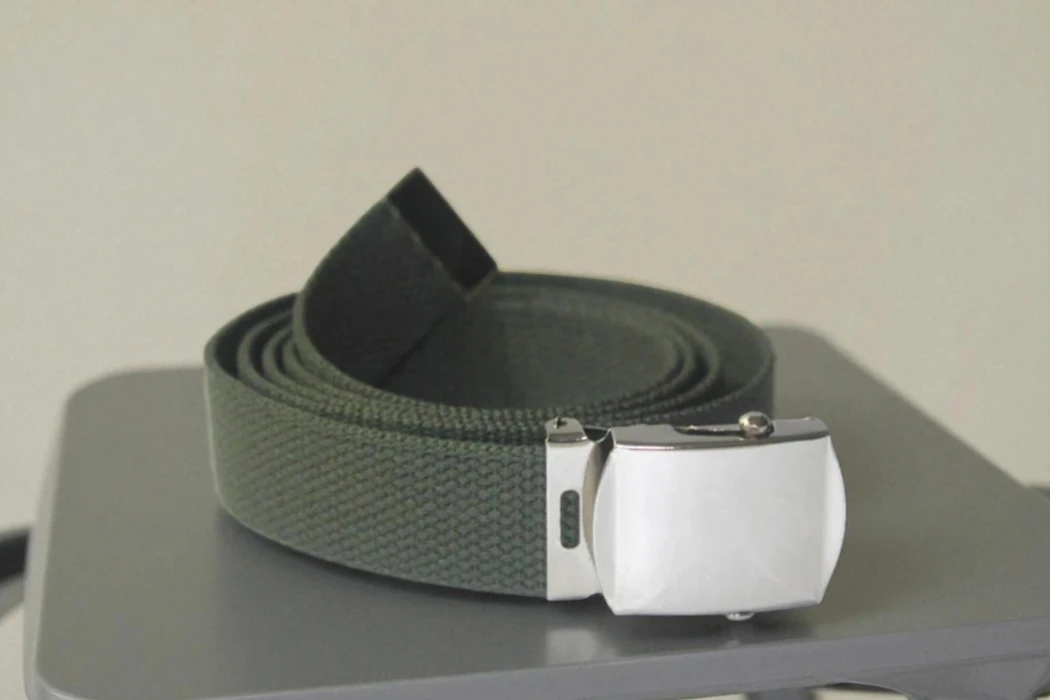
There is no fixed number of years that every leather belt should last. Service life depends on the strap construction, leather and finish, buckle attachment, fit, use and care. A material name alone cannot support a promise such as “ten years” or “a lifetime.”
For a brand, the useful approach is to define the intended everyday use, inspect the failure points and agree evidence for any durability claim. For someone with an existing belt, the immediate question is whether a change is cosmetic, repairable or a reason to stop wearing the item.
What determines how long a belt remains usable?
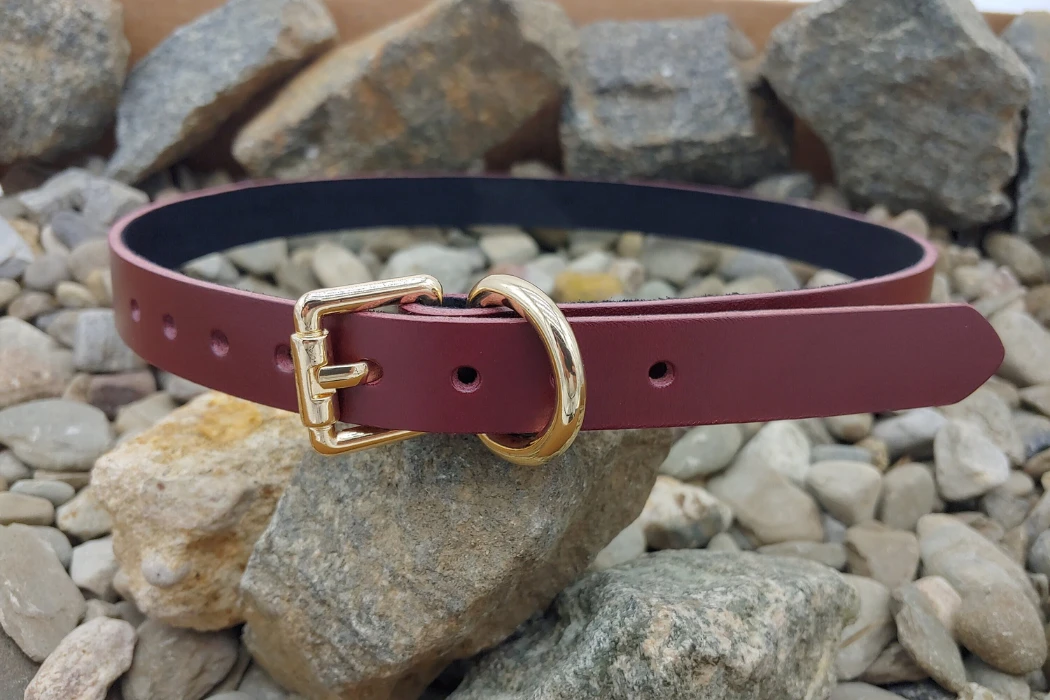
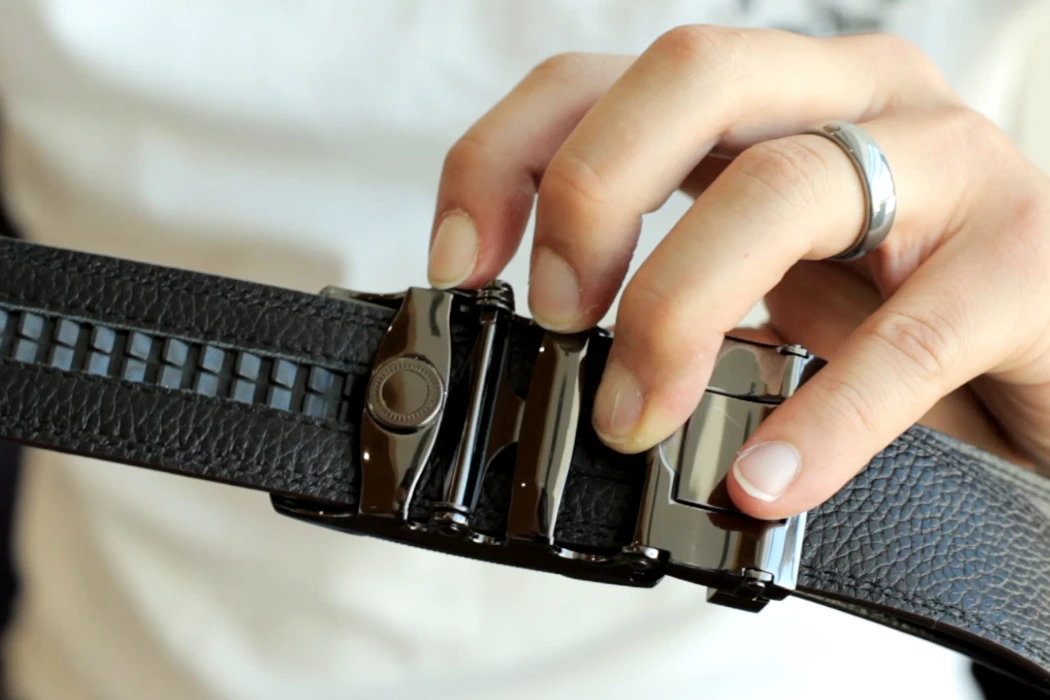
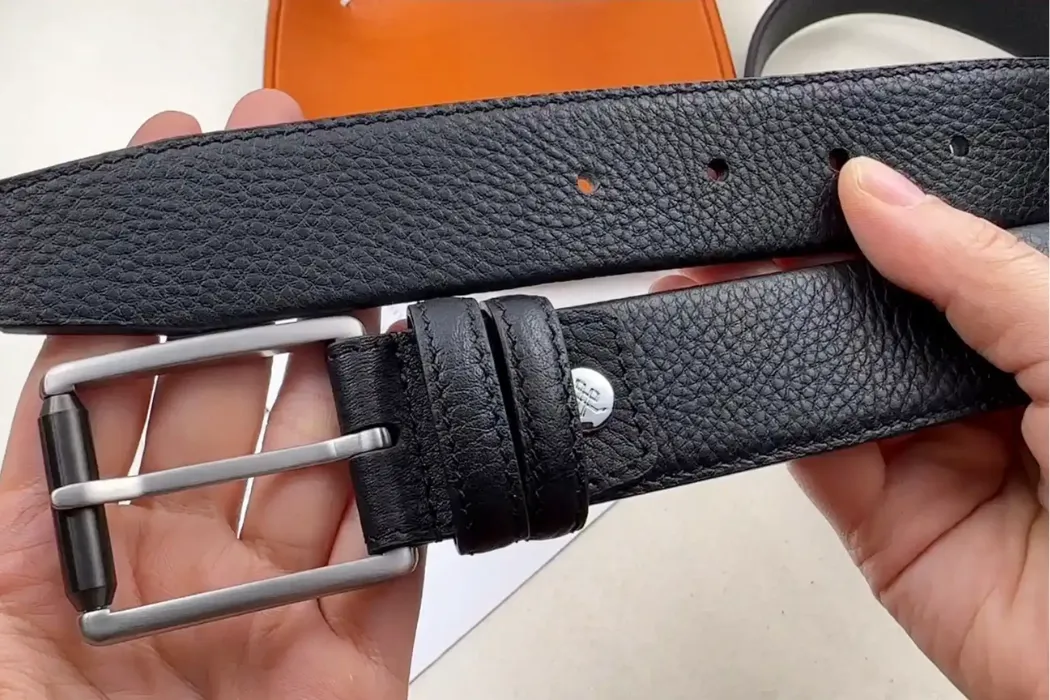
A strap may be a single layer, a lined construction or a combination of face material, reinforcement and backing. Its edges may be painted, folded or otherwise finished. Thickness, stiffness, stitching, adhesive joints and buckle geometry all interact during normal bending.
A belt that is too short may be used at an awkward adjustment position, while excessive contents in pockets or repeated tight bending can change how it is loaded. Moisture, prolonged heat and unsuitable cleaning can also affect the product. The same belt used occasionally and rotated with other items may experience different conditions from one worn daily.
These factors explain why a universal lifespan table by leather grade is misleading. Full-grain means the original grain surface is retained; it is not a completed belt’s test result. “Genuine leather” does not automatically identify bonded leather or a particular expected lifetime.
Read the signs of wear
| Observed change | What it may mean | Next action |
|---|---|---|
| Surface colour variation or soft creases | Appearance change within the selected material | Compare with the intended finish and care guidance |
| Crack or tear extending from a hole | Local damage at an adjustment point | Stop stressing that area and obtain an assessment |
| Lifting edge or separating layers | Possible edge-finish or bonding failure | Record location and extent; do not disguise with household glue |
| Loose buckle attachment or failed fastener | Assembly no longer functioning as intended | Stop wearing until assessed or properly repaired |
| Buckle pin no longer engages correctly | Mechanism, deformation or fit problem | Check the complete buckle and strap combination |
| Widespread peeling | Surface or construction failure, not ordinary dirt | Request product-specific advice; cleaning is not a structural repair |
A photograph cannot establish every failure cause. Keep the item and its product reference for assessment. A decorative fashion belt should not be used for lifting, restraint or other load-bearing duties, regardless of its apparent thickness.
Repair, replace or continue using?
A replaceable buckle may allow a suitable repair when the strap and attachment design remain sound. That does not mean every buckle can be removed or every repair is economical. Ask the brand or a competent leather-goods repairer to check compatibility and workmanship.
A tear through a working hole, an unreliable closure or substantial separation should not be treated as a patina issue. Retiring the product may be appropriate if its function cannot be restored. Conditioner cannot reconnect separated layers, close a tear or prove that a buckle attachment is reliable.
How a brand can evaluate durability before an order
- Define the use. State the everyday apparel application, intended size range, buckle and likely exposure.
- Map the failure points. Consider hole deformation, repeated bending, edge abrasion, colour rubbing, stitching and hardware operation.
- Agree an assessment plan. Select methods applicable to the material or assembled belt, with documented conditions and acceptance criteria. A material-only result does not establish the life of the complete assembly.
- Check representative constructions. Changes in lining, finish, buckle or reinforcement may require another evaluation; do not assume one sample covers every variant.
- Retain evidence. Keep approved samples, material references and reports linked to the product specification.
A repeated-flex result records behaviour under stated laboratory conditions. It should not be converted directly into a guaranteed number of calendar years without evidence for that relationship. If a warranty is offered, its duration and terms are a separate commercial commitment.
Write care advice that supports the construction
Use the product’s approved cleaning instructions, avoid soaking and artificial heat, and store it without sharp bends or buckle pressure. A compatible conditioner may be appropriate for some products; automatic oiling is not a universal life-extension method. See the belt cleaning and care guide for material-specific boundaries.
Do not promise that following care instructions prevents every failure. Good aftercare works alongside suitable material selection, sound construction and clear limits on use.
Turn complaints into a better specification
Record product and batch, time in use, frequency, wearing position, care history and the location of the problem. Group returns by failure mode rather than only “poor quality.” Compare them with retained samples and sales quantities for the same cohort before drawing conclusions.
For the next custom belt order, send the failed sample or clear photographs together with the intended construction and assessment requirement. Discuss the brief with Hoplok; agree the evidence needed for your claim before printing a lifespan promise on packaging.
Frequently asked questions
Does full-grain leather guarantee a ten-year belt?
No. The finished construction, buckle, use and care matter, and a material label alone does not prove a calendar lifespan.
Can conditioner repair a cracked belt hole?
No. A tear at a working hole needs assessment; a dressing does not restore its structure.
Do laboratory flex cycles equal years of normal wear?
Not automatically. Results describe stated test conditions and require separate evidence before being translated into a service-life claim.