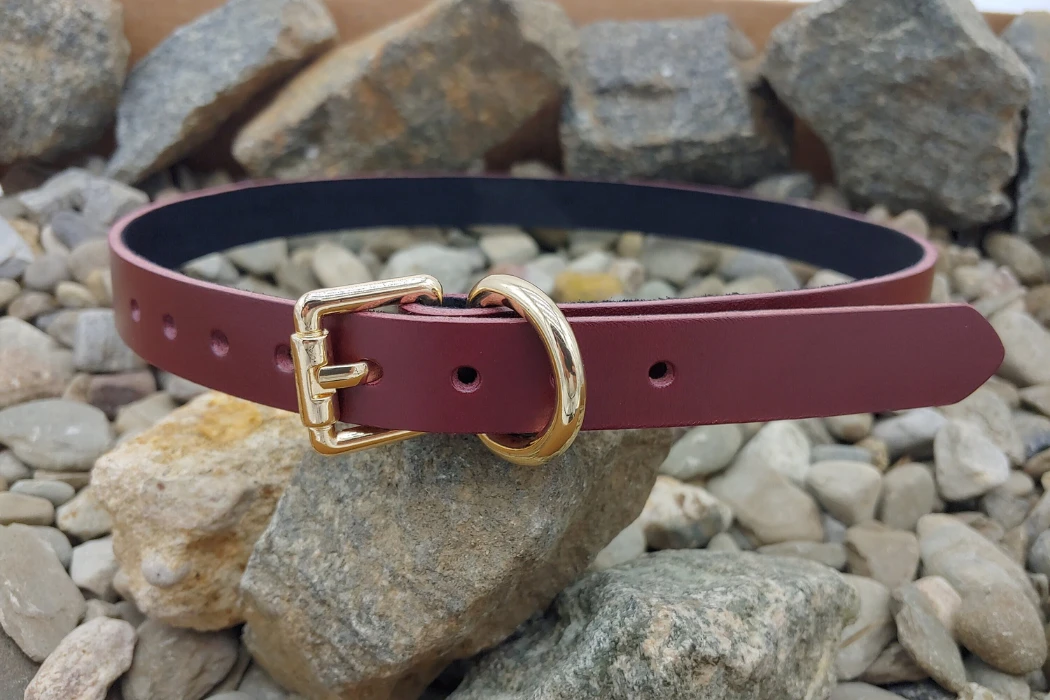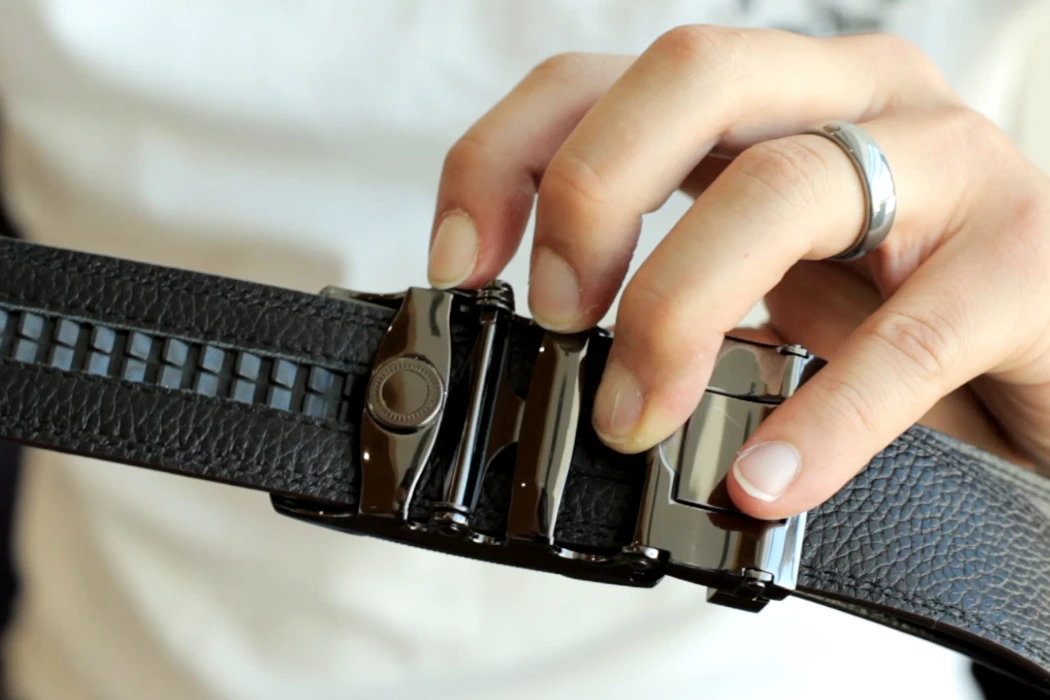
Bag hardware influences appearance, comfort and everyday operation. A clasp that feels rough, a zipper that catches the lining or a strap hook with the wrong clearance can undermine an otherwise well-made bag. Material selection matters, but component geometry, finish and attachment construction matter just as much.
This guide compares zinc alloy, brass, coating systems and zipper constructions, then explains how to specify functional checks and relevant chemical requirements. The objective is a coordinated hardware package that fits the bag and can be verified during sampling and production.

Why does hardware define the “luxury feel” of a leather bag?
Buyers experience hardware through its finish, operation, sound, weight and fit. A premium result comes from consistent execution across the complete set, not a mandatory metal, coating or weight.
The Tactile and Visual Impact of Premium Metals
Compare clasp movement, zipper travel, edge smoothness and the way components sit against the leather. A substantial buckle can suit one design while adding uncomfortable weight to another. An attractive catalogue photograph cannot reveal these differences.
Brass, stainless steel and zinc-alloy hardware can all serve different design and production needs. Gold-tone appearance does not establish actual gold content, and a karat description does not state coating thickness. If precious-metal content is part of the product claim, specify and verify it separately.
Use physical finish references for gloss, colour and texture. Review the complete set together: a ring and zipper pull with the same supplier colour name may still differ visibly because of their materials or processes.
Engineering Standards: Durability and Attachment Performance
Define what each component must do. A decorative logo plate, a bag foot and a shoulder-strap hook have different functions. Relevant checks might include edge condition, retention, opening and closing, attachment strength or resistance to finish damage.
There is no universal luxury-handbag force threshold or precious-metal coating thickness. Agree on the protocol and acceptance criteria for the intended bag. Bag feet can reduce direct contact with a surface, but they do not make the base waterproof or prevent all abrasion.
Factor 1: Material Selection (Zinc Alloy vs. Solid Brass)
Compare the specified alloy, component geometry, manufacturing process and finish. “Brass” and “zinc alloy” describe broad material families; neither label supplies a universal strength, weight or cost ranking.
Zinc Alloy: Shape, Finish and Production Considerations
Die-cast zinc-alloy components can accommodate detailed shapes and logos. Their suitability depends on casting quality, section design, finish preparation and the component’s function. Ask the supplier to identify the actual alloy and production route.
Check thin sections, gates and joints for defects, and inspect the final finish on the production-representative part. Protective finishing can be important, but the coating system must match the substrate and intended exposure. A zinc-alloy component is not automatically a lower quality choice for every bag.
Compare quoted tooling, minimum quantities and repeat-order costs for the same drawing. A percentage market-share claim or a fixed cost multiplier is not a substitute for comparable supplier quotations.
Solid Brass: Appearance, Manufacture and Performance
Brass can suit a particular appearance, manufacturing process or aging character. However, brass alloys and part-making methods vary. A hollow brass part and a solid zinc-alloy part cannot be compared by their material names alone.
For a ring, clasp or hook, review the geometry and the actual test result. A claim that brass is always a fixed percentage stronger or heavier overlooks alloy, dimensions and manufacture. If an uncoated brass look is intended, agree on acceptable colour change and care; if a plated finish is intended, assess that complete system.
Approve the component with the strap and leather attachment used in the bag. Strength at the metal part alone cannot reveal whether the leather fold, stitching or rivet will fail first.
Factor 2: Plating and Coating Performance (PVD vs. Electroplating)
PVD and electroplating are different coating processes that may also be used together. Their service performance depends on the complete coating system, substrate, preparation and use; neither process name establishes a fixed number of years.
| Question | PVD system | Electroplated system |
|---|---|---|
| How is the finish made? | Physical deposition in a vacuum process | Metal deposition through an electrochemical process |
| What lies underneath? | May include prepared or electroplated underlayers | May include multiple metal layers and a protective topcoat |
| What should the supplier declare? | Substrate, coating stack and intended properties | Substrate, plating stack and intended properties |
| How is performance accepted? | Agreed tests on representative finished parts | Agreed tests on representative finished parts |
Understanding the Process Difference
PVD means physical vapour deposition. It produces a coating under vacuum through processes such as sputtering; not every PVD system uses the same deposition method or material. The coating remains part of a surface system and depends on preparation and adhesion.
Electroplating also covers different materials and multilayer systems. The two approaches are not mutually exclusive. For example, Ionbond’s Decobond Chrome information identifies substrates that require electroplating before its decorative PVD process. This is a supplier-specific example, not a specification for every bag part.
A coating’s hardness does not by itself prove resistance to scratching, corrosion or peeling in service. Environmental claims must also account for the full process, including preparation and any underlayers, rather than assuming every PVD route has no chemical waste.
Technical Performance and Salt Spray Standards
Request the relevant finish specification and test report for the actual substrate and colour. Changing an underlayer, topcoat or base metal can change results. A photograph of an undamaged sample does not establish what conditions it experienced.
Specify corrosion, adhesion and wear checks appropriate to the component. Coating thickness can be a process-control parameter, but there is no universal thickness that guarantees every hardware design. Require a defined method and sampling location if thickness is being inspected.
Do not translate salt-spray hours into years of handbag use or import performance claims from automotive, cutting-tool and other unrelated applications. Any warranty is a commercial commitment with stated terms; it is not created automatically by choosing PVD.
Scale Your Brand with Premium Custom Leather Bags
Plan bag hardware, construction and material approvals together. At Hoplok, bag samples take 3–4 weeks and bulk production takes 60–90 days. Share drawings, hardware finish references and quantities so the quotation can identify tooling, component sourcing and approval stages.
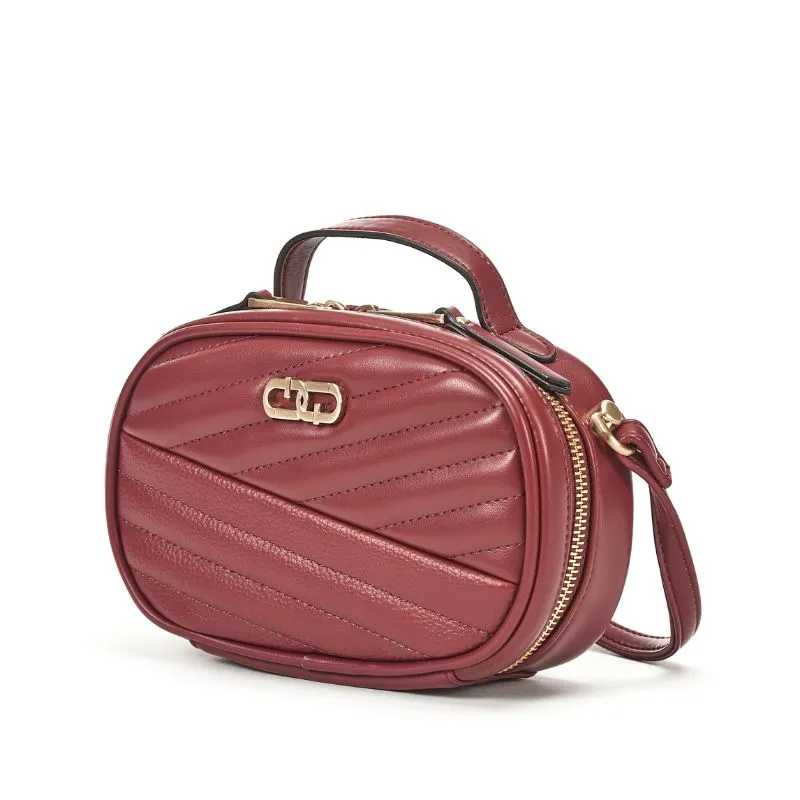
Factor 3: Zipper Performance (Metal vs. Nylon Coil)
Select the complete zipper system for the opening, material and intended use. Metal and coil constructions offer different appearance and flexibility options, but a type label alone cannot rank all zipper strength.
Material Composition and Structural Strength
Metal zippers use individual elements attached to tape. Coil zippers use a continuous coil construction, commonly made from synthetic polymer. Moulded plastic elements offer another construction. The slider, stops, tape and chain must be compatible as a system.
YKK’s testing methods distinguish checks for chain crosswise strength, stops, slider and other features. These separate tests explain why “metal is strongest” is too broad: performance depends on the model, size and failure mode being assessed.
Specify the supplier’s exact zipper model, size designation, length, slider, puller, tape and finish. A number such as #5 is a product-series designation, not sufficient proof of one exact measured chain width across all manufacturers.
Weight, Flexibility and Functional Application
Coil constructions can be useful for curved openings and designs where flexibility or weight matters. Metal can provide a desired visual and tactile character. Compare the actual candidates on the bag instead of assuming fixed weight ratios.
Check bend radius, seam clearance, lining control and operation while the bag contains a representative load. A zipper that runs freely before assembly may catch after sewing or when the opening is distorted. A heavier zipper may also need different support in a soft panel.
Synthetic elements do not make the whole zipper corrosion-free, UV-proof or waterproof: the slider, stops, tape and assembly still matter. For a travel bag, evaluate repeated use and the intended exposure on the complete construction. Match replacement components and avoid mixing incompatible chain and slider systems.
Factor 4: Compliance and Product Safety (Nickel and Lead)
Requirements depend on market, product category, age grading, material and exposure. Build a component-specific compliance brief; there is no single global “nickel-free and below 90 ppm” rule for all handbag hardware.
Regulatory Scope: REACH, RoHS and Proposition 65
For the EU, identify the applicable REACH restrictions for the actual component and use. ECHA’s nickel guidance concerns articles intended for direct and prolonged skin contact. A nickel-release requirement is not the same as a universal ban on any nickel content.
California Proposition 65 addresses exposure to listed chemicals and associated warning duties. OEHHA’s safe-harbour explanation is based on exposure levels; Proposition 65 is not a blanket 90 ppm lead-content limit for every metal bag part.
For relevant US children’s products, the CPSC distinguishes lead in paint and similar surface coatings from lead in accessible component materials. Age grading and product classification matter. Do not apply a paint limit to every adult bag substrate or treat one passing test as complete compliance.
The EU RoHS Directive addresses electrical and electronic equipment. It is not the default chemical standard for an ordinary non-electrical handbag. If a design adds electronics, assess that changed product scope.
Material Selection and Verification
Ask for the base alloy, coating stack, supplier declaration and relevant reports. A stainless-steel grade or zinc-alloy trade name does not automatically establish compliance for the complete finished part. Coatings and processing changes need consideration too.
Agree with the buyer and competent laboratory which current methods, specimens and requirements apply. Identify the component, finish and batch represented by the evidence. A general certificate covering a different finish is not enough to confirm the supplied hardware.
Keep chemical and mechanical assessments separate. A restricted-substance result does not prove that a broken clasp cannot form a sharp edge, and a successful pull test does not establish chemical conformity. Both belong in a product-specific risk and quality review where relevant.
Factor 5: Hardware Weight and Structural Balance
Balance the hardware with the bag’s size, leather, reinforcement and intended contents. Validate the complete attachment; fixed frame percentages or universal ring-to-strap ratios cannot replace a prototype.
Balancing Component Weight and Carrying Requirements
Weigh the complete hardware set and review the assembled bag’s empty weight and comfort. A heavy clasp may pull a soft flap out of shape, while an undersized ring may restrict the strap. The right choice depends on the design rather than a general preference for heavier metal.
Define intended contents and carrying arrangements before setting attachment tests. A single shoulder strap, two handles and a removable strap distribute forces differently. Inspect the leather, stitching, rivets and reinforcement together with the hardware.
Do not treat a component’s breaking-force result as the bag’s safe carrying capacity. Fixture, load direction and the complete construction influence the result. The acceptance requirement should be agreed for the actual design.
Dimensions and Structural Reinforcement
Specify clear internal widths, openings, section dimensions, hinge travel and attachment positions on drawings. Match a ring’s usable opening to the finished strap, including folded thickness, stitching and movement. The catalogue’s nominal size may not identify every critical dimension.
Review frame geometry and support through a physical prototype. Check the bag while open, closed and loaded: the frame should operate without pinching the leather, catching the lining or distorting the silhouette. Reinforcement should address the actual contact and force paths.
When static or repeated-load testing is required, record load, duration or cycles, fixture and acceptable changes. Do not borrow arbitrary percentages, deformation limits or section ratios from unrelated products.
What are the common hardware mistakes that cause bag returns?
Problems worth screening include finish damage, rough operation, loose attachment, incorrect clearances and colour mismatch. Their frequency depends on the product and supplier; use your own inspection and return records to set priorities.
Material and Finish Problems
Peeling, discolouration or corrosion may relate to the base metal, preparation, coating or exposure. Investigate the supplied batch and construction rather than assuming that every issue proves one metal family is unsuitable.
Inspect representative parts before assembly, then check the finished bag for damage introduced during sewing, handling or packing. Agree on protective packaging that avoids rubbing between components and does not create an incompatible contact with the finish.
Use actual complaint records to understand incidence and resolution time. Fixed return percentages or warranty-processing periods cannot be inferred from hardware type.
Structural and Dimensional Errors
Common development traps include selecting a ring by its outside width, leaving insufficient room for a folded strap, or approving a zipper before checking the assembled opening. Loose fasteners and sharp edges can also be missed when only the visible face is reviewed.
For a Hoplok bag project, define dimensions, attachment details and functional checks in the specification. Compare the complete prototype and inspection results with those requirements. Preserve the approved component set so that later changes can be identified.
How to test hardware durability through salt spray and pull tests?
Salt spray assesses corrosion behaviour under a specified exposure; pull testing assesses a component or attachment under a defined force arrangement. Both need agreed conditions and acceptance criteria, and neither alone establishes service life.
| Check | Specify before testing | Record in the result |
|---|---|---|
| Salt spray | Method, specimen, exposure and assessment criteria | Surface condition, corrosion location and photographs |
| Pull or attachment | Fixture, direction, rate or hold condition and threshold | Force, failure location and condition of the complete detail |
| Repeated operation | Movement, loading, cycles and functional acceptance | Operation, wear, loosening or other change |
Salt Spray Testing (ASTM B117) and Corrosion Assessment
ASTM B117 provides a practice for operating a salt-spray apparatus. It does not prescribe the specimen, exposure period or interpretation for every product. The buyer and supplier must agree on what constitutes acceptable performance for their hardware.
Use comparable specimens and document the coating system, preparation and test conditions. Assess relevant surfaces and distinguish the type and location of corrosion or coating damage. A finish may perform differently at edges, joints or worn contact areas.
Salt-spray hours cannot be converted directly into handbag service years. Actual use involves changing moisture, handling, friction and other conditions. Use accelerated testing for the defined comparison or quality requirement, with its limits stated clearly.
Mechanical Validation: Pull Tests and Attachment Integrity
A pull test records force, commonly in newtons or pound-force, under a defined setup. It does not measure material tensile stress unless the relevant area and method are part of that calculation. Specify whether the objective is a minimum proof force, attachment retention or force at failure.
Test the relevant assembly when the concern is strap detachment. A ring can remain intact while the leather, rivet or stitching fails. Record the first damage and ultimate failure location where the protocol calls for it; this helps target the design correction.
Repeated opening or movement tests can investigate other failure modes that one static pull misses. Test selection should follow the component’s function, with acceptance criteria reviewed before production begins.
How to choose hardware colours that complement leather tones?
Use a coordinated physical finish reference and review it against the actual leather. Warm, cool or tonal combinations are design choices; consistency across the complete hardware set is the practical production requirement.
Tonal Coordination and Deliberate Contrast
Warm gold or bronze tones can complement brown, burgundy or tan leather. Silver and gunmetal can produce a cooler contrast. These are starting points for a design review, not universal rules about what looks premium.
Assess the leather’s gloss and grain alongside the metal texture. A brushed finish may look different from a polished finish even when the colour name is the same. Review under agreed lighting and on the full prototype, where size and placement change the effect.
Standard Finishes and Custom Colour References
Terms such as light gold, antique brass, silver and gunmetal vary among suppliers. A branded or proprietary finish name is not a universal alloy recipe. Use an approved master sample and define acceptable variation instead of relying only on a verbal description.
Compare zipper pulls, rings, feet and clasps together. If different materials or suppliers are required, discuss how closely the processes can match before committing to the range. Recheck any finish substitution for appearance and relevant performance.
Final Thoughts
Specify hardware as part of the complete bag: material, finish, geometry, attachment and operation all contribute to the result. A brass component, PVD coating or metal zipper can be suitable, but none is an automatic guarantee of premium performance.
Build an approval package containing the drawing, component list, physical finish references, prototype and agreed test plan. That provides a clearer purchasing basis than unsupported lifespan figures or a single force threshold applied to every part.
Frequently Asked Questions
What is the best material for high-end bag hardware?
The best option depends on the design, finish, weight and required performance. Compare the actual alloy and part construction in brass, stainless steel or zinc alloy, then validate the representative finished component.
Is brass hardware better than zinc alloy?
Not in every application. Brass may suit a particular look or manufacturing route; zinc alloy may suit detailed cast shapes. Geometry, production quality and finishing can matter more than a broad material ranking.
How long does rust protection last on bag hardware?
There is no universal duration. The base metal, coating, wear and exposure determine behaviour. Ask for the relevant finish specification and evidence, and avoid converting salt-spray hours into years of use.
What are the standard sizes and strengths for bag zippers and buckles?
Suppliers offer many sizes and models. Specify the exact part, usable dimensions and required function. A zipper number or buckle width does not establish an exact universal dimension or breaking force.
What is PVD and why is it used for handbag accessories?
Physical vapour deposition forms a coating under vacuum. It can provide useful decorative and surface properties in an appropriate system, sometimes over electroplated layers. Verify the complete finish on the actual substrate rather than assuming a fixed lifespan.