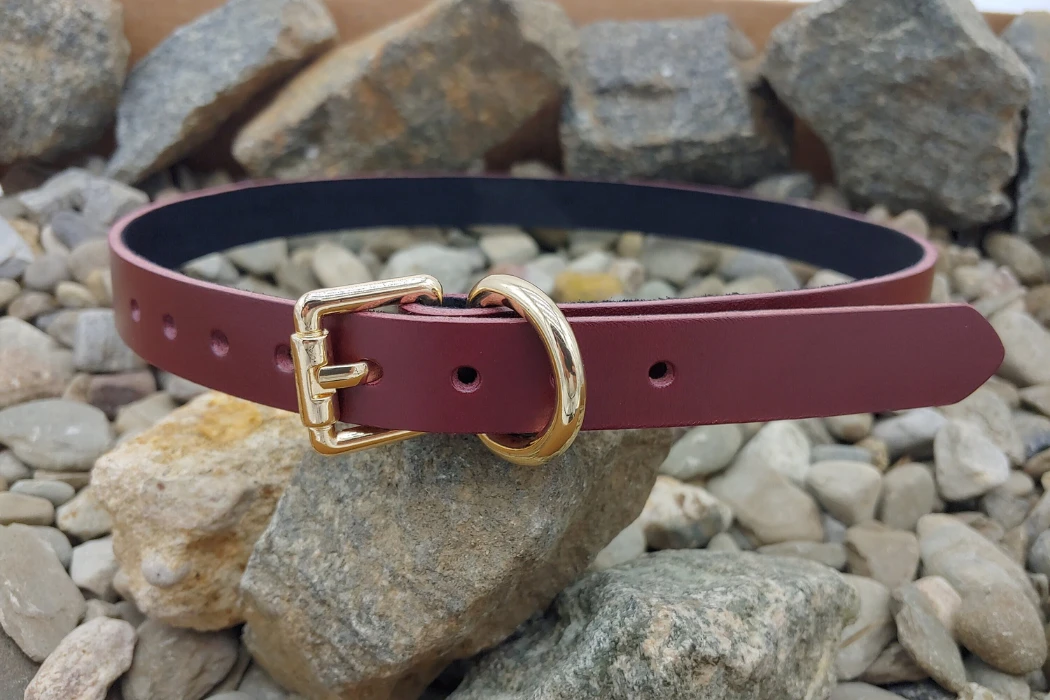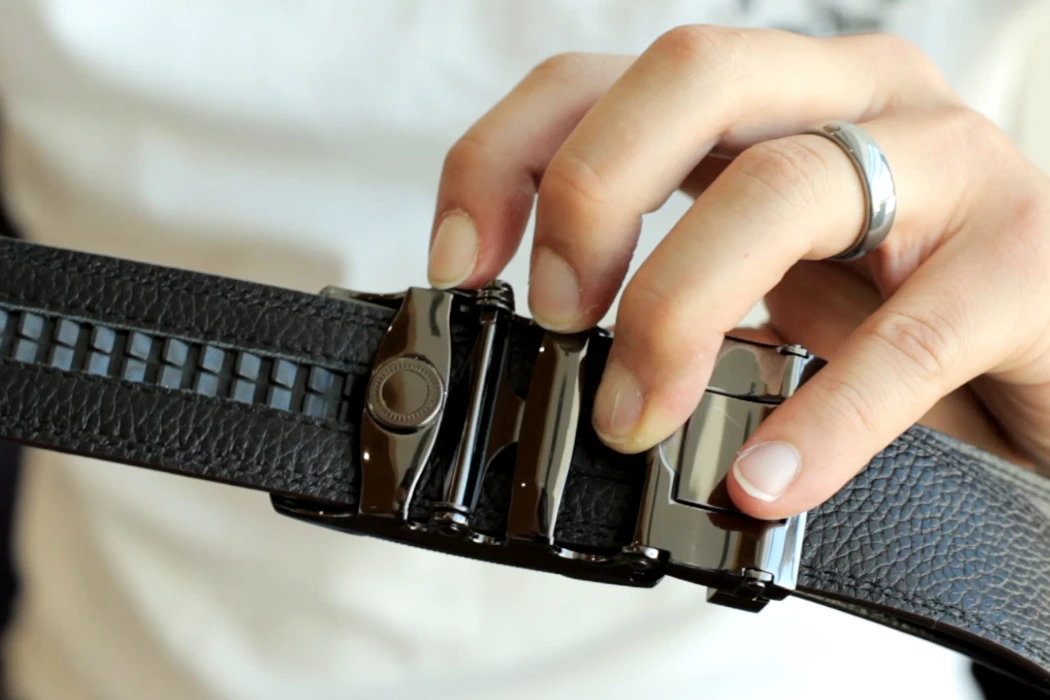
Finding a leather-goods manufacturer in Cambodia starts with the product you need to make. A factory’s country, website or catalogue cannot establish whether it can handle your materials, construction, quantities and market requirements. Build a shortlist, then verify the actual production site and a representative sample.
Cambodia can be part of a broader sourcing strategy, but compare suppliers using the same specification and delivered-cost assumptions. Material availability, production allocation, quality controls and logistics can matter as much as the quoted labour component.
Use industry contacts, online searches and supplier introductions to find candidates. Then verify the business and factory, review relevant documents, develop samples and agree on commercial and inspection terms. An association listing or sourcing agent supports this process but does not guarantee a successful order.
This guide follows that sequence from initial search through shipment. It is intended for brands evaluating ordinary leather and PU bags, belts, wallets and related accessories.
Why Choose Cambodia for Leather Goods Manufacturing?
Cambodia may suit a brand seeking an additional manufacturing location or a supplier with relevant leather-goods capability. Evaluate actual quotations, production resources and shipping arrangements. Country-level cost claims and tariff preferences need product-specific verification.
How Do Labour Costs Affect Your Bottom Line?
Compare the labour content of the actual product, alongside materials, efficiency, rejects and overheads. A national minimum wage, a reported average wage and a factory’s unit labour cost are different measures. Old monthly-wage comparisons cannot establish the savings on a current order.
Request a quotation for the same construction and quantity from each candidate. A lower sewing cost may be offset by imported components, extra sampling, rework or freight. Use the complete cost basis when deciding where to place production.
How Should You Assess Trade Preferences Such as EBA and RCEP?
The European Commission’s Cambodia trade page explains the Everything But Arms scheme and the partial withdrawal of Cambodia’s preferences. Some travel goods are affected. Do not assume all Cambodian leather goods enter the EU duty-free.
Cambodia also participates in RCEP, but eligibility depends on the destination, product and origin rules. Ask a customs broker to check the current tariff classification, origin requirements and supporting evidence for your shipment. The factory’s address alone does not establish preferential origin or a duty saving.
What Does the Manufacturing Sector Offer Your Brand?
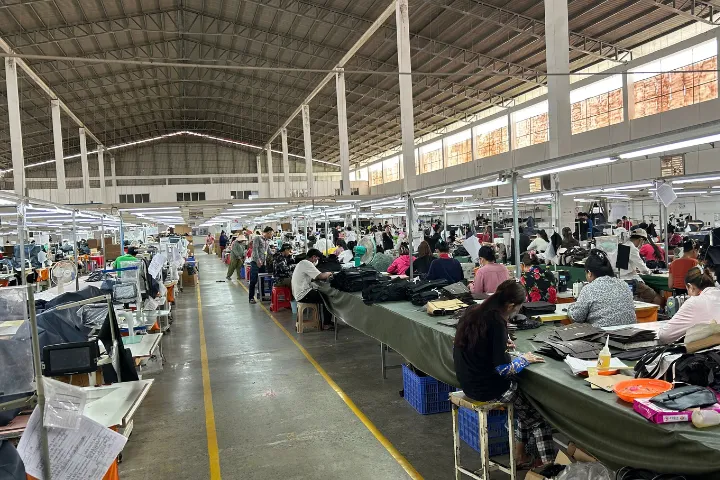
Look for a factory with evidence of the construction you require: cutting, sewing, edge finishing, hardware fitting and quality checks. Experience with one product category does not automatically transfer to another. Review samples with comparable complexity rather than relying on national workforce figures.
Ask which operations take place at the proposed site and which are subcontracted. That helps you understand both capability and who is responsible when materials or workmanship need correction.
How Does Cambodia Compare with Vietnam Manufacturing?
Compare specific suppliers in both countries against the same brief. Neither location is automatically cheaper, faster or better suited to a small order. Available capacity, component sourcing and experience with the design can change the result.
A second location can support diversification, but it also adds coordination and qualification work. Confirm the intended benefit and how you will maintain material and quality consistency across suppliers.
Is Your Product Line a Good Fit for Cambodian Factories?
Assess fit at factory level. Handbags, wallets and belts need different machines, skills and material controls. Ask for relevant examples, minimum quantities and a sample-development plan before treating a supplier as suitable.
What Types of Leather Goods Should You Discuss?
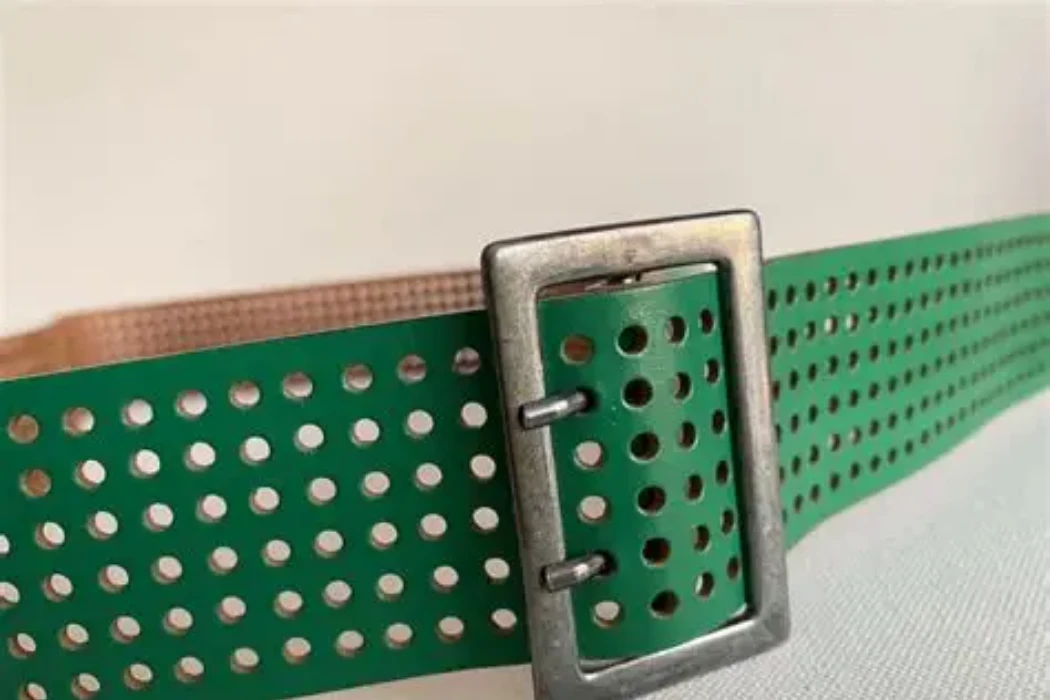
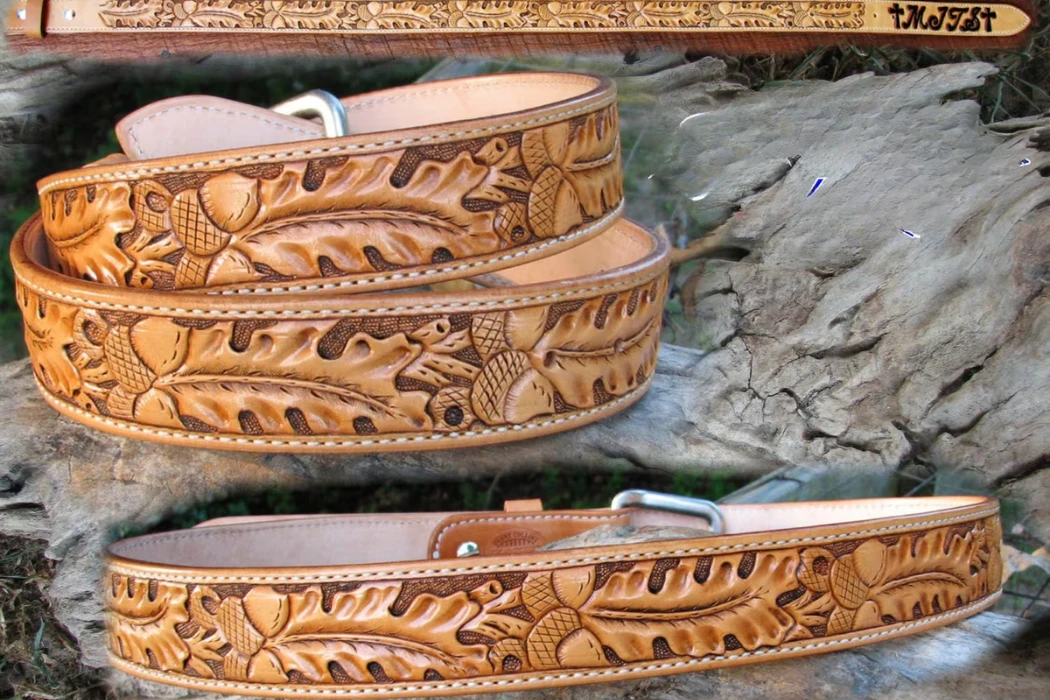
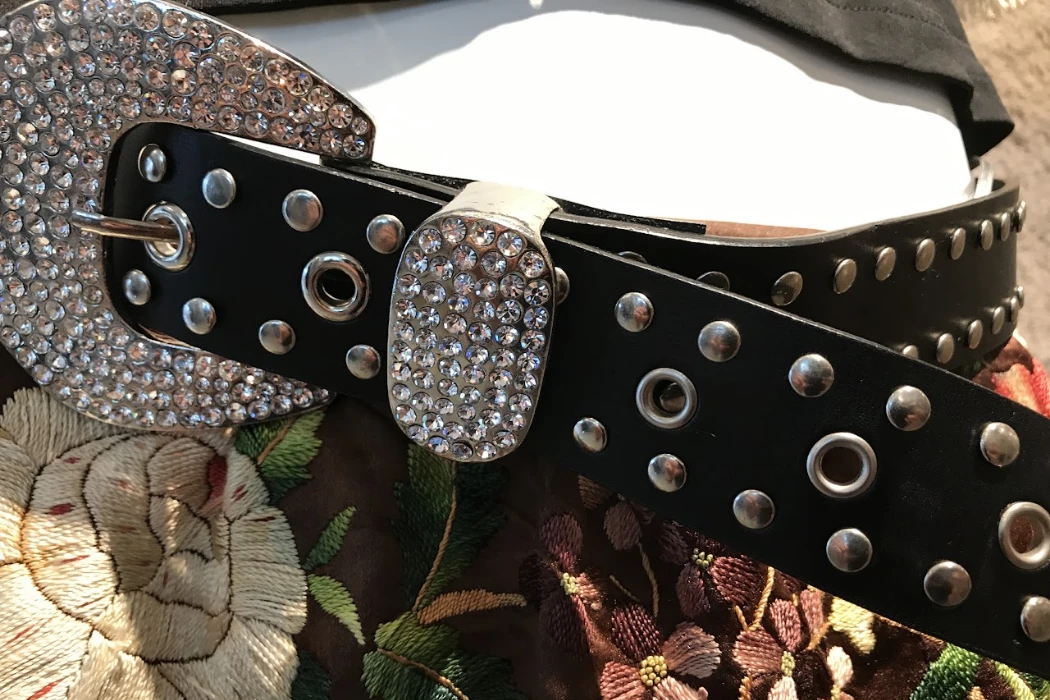
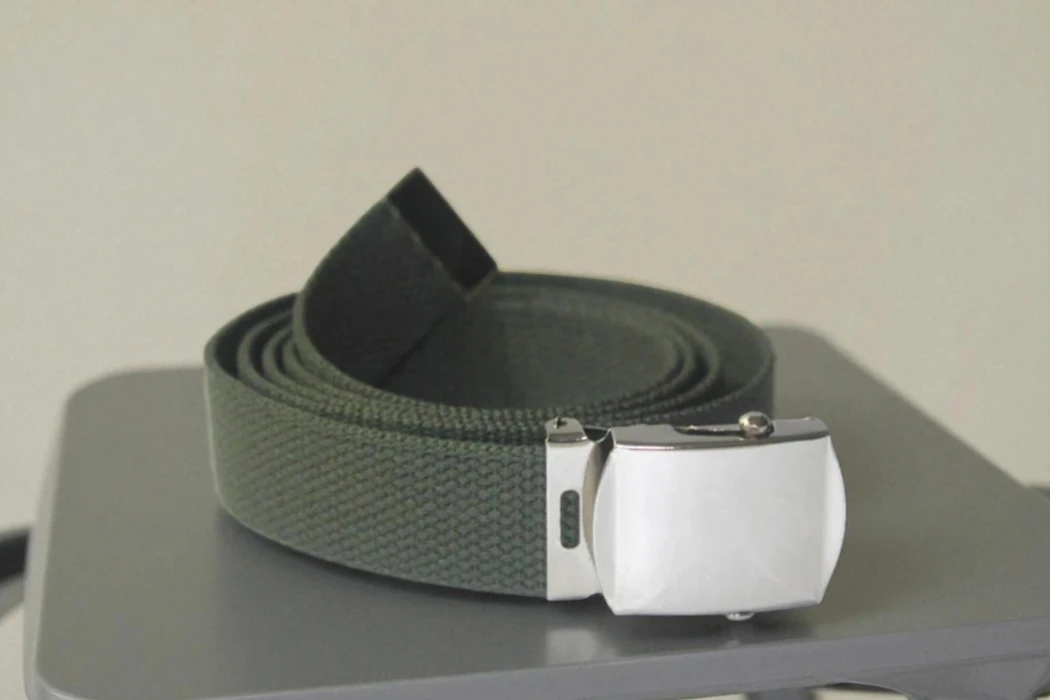
Start with your actual category: handbags and totes, wallets and cardholders, or leather and PU belts. Compare construction details such as folded edges, curved seams, lining, reinforcement and hardware attachment. A sample wall alone does not establish that every item was made at the proposed factory.
Do not infer footwear capability or specialist material handling from general leather-goods experience. Identify requirements that need separate confirmation early, so you can assess whether the supplier is a realistic match.
How Is Material Sourcing Handled?
Ask where the leather, lining, reinforcement and hardware will come from, and which items must be imported. Obtain the exact material specification and consider how replenishment or substitutions would be handled. Geographic proximity does not guarantee immediate availability.
For alternatives such as microfiber-based materials, confirm the coating, backing and intended performance. Material names can cover different constructions, so approve the supplied swatch rather than an assumed category standard.
Are MOQs Suitable for Startups and SMEs?
Minimum quantities vary by supplier, product and material. Cambodia does not have one universal low MOQ. Ask how the minimum applies to the proposed assortment and whether component or packaging minimums create extra commitments.
For Hoplok, leather/PU minimums are 200/1,000 pieces for bags, 300/1,000 for belts and 300/1,000 for wallets. Accessories are quoted by design. Use the confirmed quotation to plan the range and budget.
How Do You Find Bag and Leather Goods Supplier Information?
Combine targeted online searches with industry contacts and direct introductions. Treat every listing as a lead to investigate. Confirm the legal business, production site, relevant experience and product samples before making a commitment.
How to Use Search Engines and B2B Platforms
Search with the country and product category, such as “Cambodia handbag manufacturer” or “custom wallet supplier Cambodia.” Add the construction or material when it helps narrow the results. For a wallet project, compare the supplier’s custom wallet capabilities with your actual design.
B2B platforms can help build a shortlist, but read what a verification badge actually covers. It may concern business identity or an assessment scope rather than the quality of your future order. Check whether the contact is the factory, a trading company or an agent.
Which Trade Directories and Industry Associations Are Helpful?
TAFTAC, the Textile, Apparel, Footwear & Travel Goods Association in Cambodia, was formerly known as GMAC. Its contacts and industry information can help identify potential suppliers or the right sector contacts.
Association membership is not a guarantee of product quality, ethical performance or available capacity. Verify each candidate independently and confirm whether its capabilities match leather goods rather than another sector.
Why Attend Trade Shows and Exhibitions?
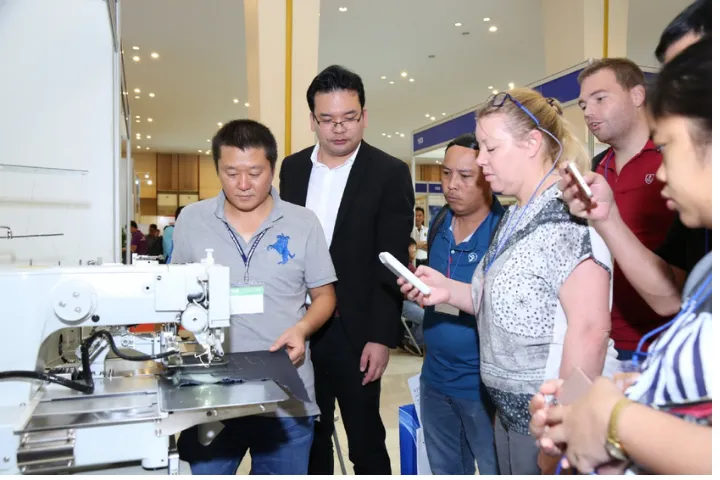
A relevant exhibition can let you compare samples and discuss technical details with several suppliers. Before travelling, check the organiser’s current dates, exhibitor list and product focus. A machinery exhibition may offer equipment demonstrations rather than a useful concentration of finished leather-goods factories.
Arrange meetings with suitable candidates and bring a concise brief. Record which samples you reviewed, who produced them and what follow-up evidence was promised. A good meeting should lead to a clearer qualification decision.
How Can Embassies and Consulates Help?
Commercial offices may provide business introductions, sector information or directions to official resources. Ask what any list covers and whether the office has assessed the suppliers. An introduction is not a guarantee of performance or an endorsement of a contract.
Use these contacts alongside your own business checks, sampling and factory review. Keep the identity of the contracting entity and the proposed production site clear.
What Is the Role of a Sourcing Agent?

An agent may assist with introductions, communication, visits, inspections or logistics. Define the services you need and assess the agent’s relevant experience. Hiring an agent does not remove your need for clear specifications and independent judgment.
- Scope: State which searches, visits, negotiations or inspections are included.
- Independence: Ask about supplier commissions and other conflicts of interest.
- Reporting: Agree on evidence, photographs, measurements and escalation of problems.
- Commercial terms: Confirm fees, authority and who signs contracts or approves changes.
What Are the Key Steps to Evaluating a Manufacturer’s Credibility?
Check the business identity, factory location, relevant production capability, sample quality and current supporting documents. Review how the supplier responds to technical questions and nonconformities. No single logo or certificate proves that the entire order will meet your requirements.
Which Certifications and Audit Evidence Should You Verify?
Distinguish management-system certification, social audits and product testing. Review the actual site, scope, dates and issuing organisation for any claim. A supplier’s quality and compliance information should make those distinctions clear.
- Quality systems: If ISO 9001 certification is claimed, verify the certificate and its scope. It does not certify every finished belt or bag.
- Social assessment: Review relevant audit findings and corrective actions. SMETA is an audit methodology, not a blanket ethical-product certificate. Likewise, request the actual amfori BSCI audit evidence rather than treating a logo as proof of working conditions.
- Product requirements: REACH and California Proposition 65 are regulatory frameworks with different scopes; they are not general factory certifications. Identify the requirements relevant to the product and market.
Ask how the supplier manages changes in materials or production location. Evidence for another site or a different material may not cover your order.
How Do You Assess Capacity and On-Site Facilities?
Ask about current production allocation, bottlenecks and the schedule for your order. A monthly capacity figure is not proof of a free production slot. Check whether the proposed line has experience with your materials and construction.
A site visit or suitably scoped remote review can show material storage, work flow, equipment, inspection and packing. Well-maintained manual processes may be appropriate for some details; automation alone does not establish quality. Confirm subcontracting and material movement between sites.
What Should You Look for in References and Export History?
Request relevant references where customers have authorised disclosure. Respect confidentiality rather than treating a refusal to share a customer’s identity as automatic evidence of poor performance. Other evidence can include representative samples, anonymised project records and export-process experience.
Ask how the supplier handles inspection findings, late components and repeat-order changes. Practical explanations and verifiable records are more useful than an unsupported list of major-brand logos.
How Do You Initiate Contact and What Should You Ask First?
Send a concise request for quotation with enough information for a meaningful response. Explain which details are fixed and which remain open for development.
- Product brief: Drawings, dimensions, intended use and construction details.
- Materials: Leather or PU preference, lining, reinforcement, hardware and finish references.
- Commercial scope: Quantities, assortment, packaging and destination.
- Approvals and timing: Required sample stage, market requirements and target launch date.
- Budget: A target cost where available, with the delivery basis clearly stated.
Evaluate whether the reply addresses the brief and asks useful questions. Prompt communication helps, but language fluency or a fast response does not replace technical capability.
Agree on specifications, price basis, payment milestones, approvals, delivery responsibilities and remedies in writing. Terms depend on the parties and order; there is no universal deposit ratio or automatic design-rights transfer.
What Are the Key Terms to Negotiate?
- Price: Clarify included materials, labour, packaging and any separate tooling or sampling charges.
- Quantity: Confirm minimums, assortment and permitted quantity variation if any.
- Payment: Agree milestones and the documents or approvals required at each stage.
- Delivery: Specify the agreed trade term and named location, production completion and transport responsibilities.
- Rights: Define ownership or permitted use of designs, logos, files and tooling, plus confidentiality.
Ask for changes to be priced and recorded before they enter production. Avoid relying on an assumed industry-standard payment split or on informal statements about exclusivity.
What Should the Manufacturing Contract Cover?
Reference the final technical pack, approved samples and acceptance criteria. State how the parties will handle inspection, nonconforming goods, rework, delay, cancellation and authorised changes. Include responsibility for testing and required shipment documents.
Address confidentiality, intellectual property, subcontracting, applicable law and dispute resolution as appropriate. Have the agreement reviewed by a suitably qualified adviser for the transaction rather than assuming a template guarantees enforceability.
Are There Specific Negotiation Strategies for Cambodia?
Use clear questions and comparable quotations. Identify the reason behind a cost or scheduling difference before pushing for a lower figure. Changes to materials, construction or inspection can change both price and performance.
Keep a written record of agreed decisions and who may approve changes. These practical controls are useful across manufacturing locations and avoid reliance on cultural generalisations.
How Do You Ensure Quality Control and Monitor Production?
Plan checks at material approval, early production and before shipment. Define the inspection scope, sampling approach and acceptance criteria in advance. Inspections provide evidence about the work assessed; they do not guarantee that every unit is defect-free.
What Is the Role of Pre-Production, In-Process and Final Inspections?
Before bulk production, confirm materials, components and the approved construction. During production, inspect early enough to correct recurring issues before they spread. Choose the timing according to the process and risk rather than a fixed completion percentage.
A final inspection should follow an agreed plan and assess the required completion and packing state. Decide how findings affect shipment release and payment under the contract. If rework is required, define how it will be verified.
Which Quality Checks Should You Perform on Leather Goods?
- Material: Identity, colour, temper, thickness and agreed limits for natural variation.
- Construction: Stitch formation, edge finish, reinforcement and attachment details.
- Hardware: Smooth operation, correct dimensions, secure assembly and finish condition.
- Dimensions: Product size, handle or strap length, pockets and fit against the technical pack.
- Function and packaging: Relevant use checks, labelling and packing requirements.
Use objective descriptions and approved references. Separate routine inspection from laboratory testing, and agree which evidence is required for each question.
When Should You Hire a Third-Party Inspection Firm?
Independent inspection can be useful when you cannot attend or need a separate assessment. Choose a provider with relevant product experience and define the scope, report format and decision process. Compare the quoted service with the risks and value of the order.
Review the findings rather than treating the provider’s name as a guarantee. Confirm whether the service includes only visual inspection or also measurements, functional checks, document review or sample collection for laboratory testing.
What Do You Need to Know About Shipping and Logistics from Cambodia?
Compare current freight options for the actual route, cargo size and required arrival date. Clarify customs and delivery responsibilities, and prepare the documents required by the destination. Transit estimates are route-specific and do not include every possible delay.
Air Freight vs. Sea Freight: Which Is Right for Your Order?
Air freight may suit urgent samples or selected shipments; sea freight may suit larger orders. Compare chargeable weight or volume, handling, origin and destination charges, and the complete delivery schedule. Neither mode has one reliable worldwide transit range.
Ask whether the quotation includes inland transport, transshipment, customs clearance and final delivery. Keep production completion separate from freight departure and warehouse arrival.
What Documents Are Required for Customs Clearance?
Confirm requirements with the forwarder or customs broker for the specific shipment. Common documents include a commercial invoice, packing list and the relevant transport document. Origin evidence may be required for preference claims or other destination rules.
- Commercial invoice: Accurate transaction, goods description and value information.
- Packing list: Consistent quantities, carton details, weights and dimensions.
- Transport document: Appropriate bill of lading or air waybill details.
- Origin support: The applicable declaration or certificate and evidence required for the claim.
A certificate stating Cambodia does not by itself prove that every origin rule is met. Verify the actual production route and the destination’s requirements before claiming a tariff preference.
How Can You Track the Shipment and Manage Delivery?
Agree on booking, departure, arrival and delivery updates with the logistics provider. Tracking visibility varies by service, so confirm what information is available and who handles exceptions.
Keep shipment documents and contacts organised, and establish who responds to a customs query or delivery problem. Clear responsibilities are more useful than assuming a forwarder automatically covers every stage.
Discuss Your Cambodia Manufacturing Project with Hoplok
Hoplok operates four factories across China and Cambodia, totalling 19,000 square metres. The group combines leather-goods manufacturing with finishing at ProPelli, which receives crust leather from partner tanneries and holds a current LWG Gold facility rating.
For a custom bag project, share drawings, materials, hardware, quantities and market requirements. Hoplok’s leather/PU bag MOQ is 200/1,000 pieces; bag samples typically take 3–4 weeks and bulk production 60–90 days. Confirm approvals, component availability and shipping separately.