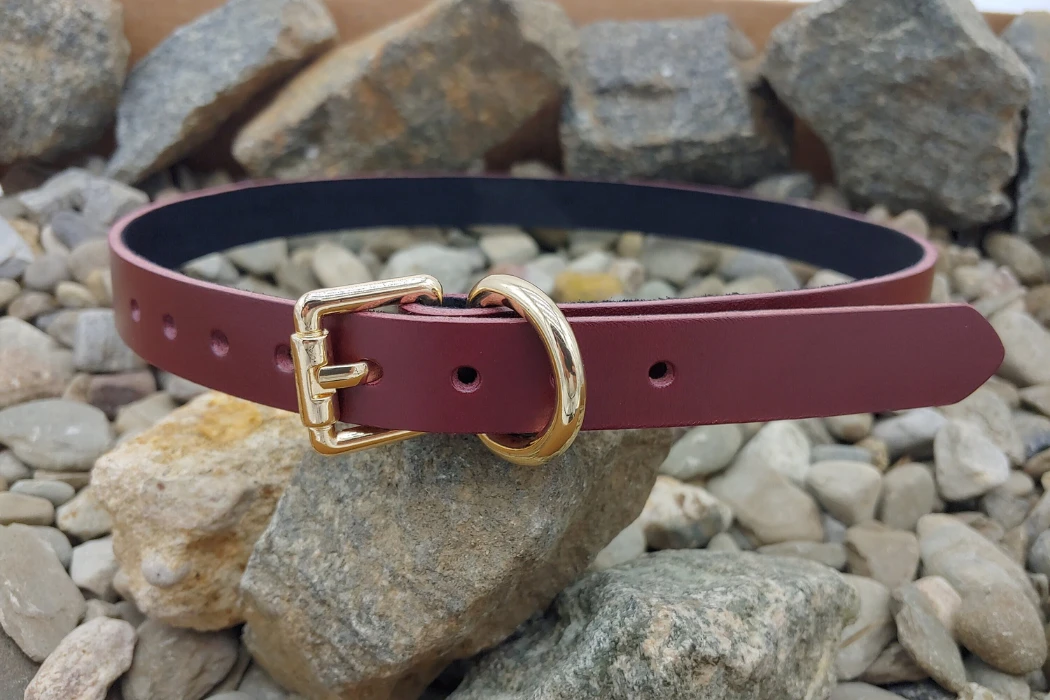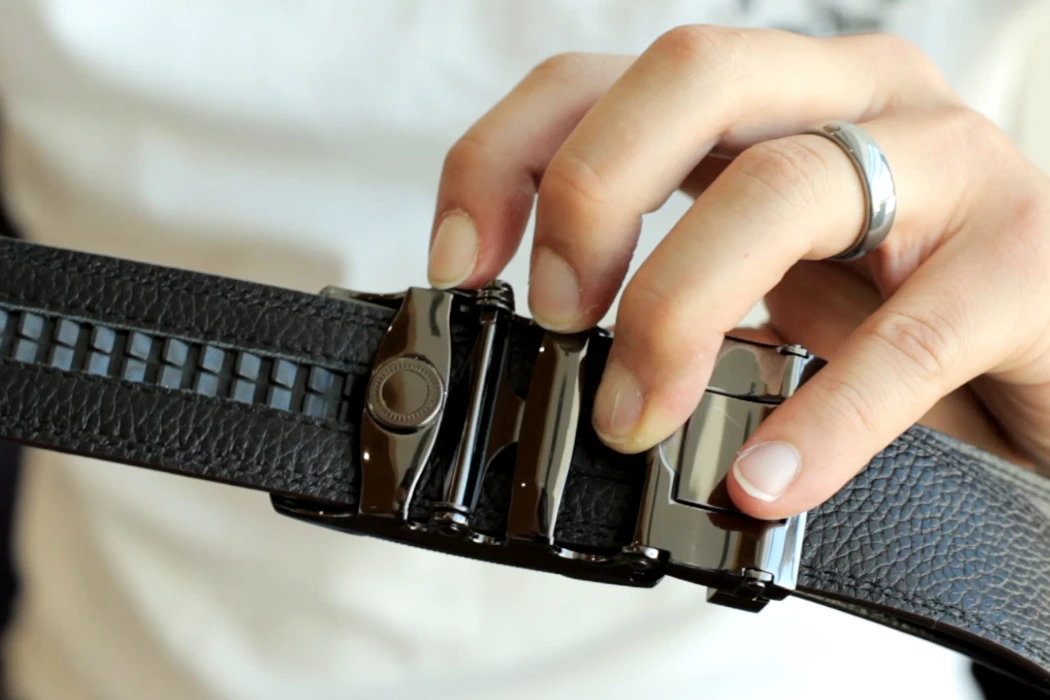
Starting a luxury belt business begins with a product and commercial brief: who the collection serves, how its price is justified and which manufacturing requirements make that promise credible. “Luxury” is a market position, not a universal leather thickness, metal alloy or laboratory pass limit.
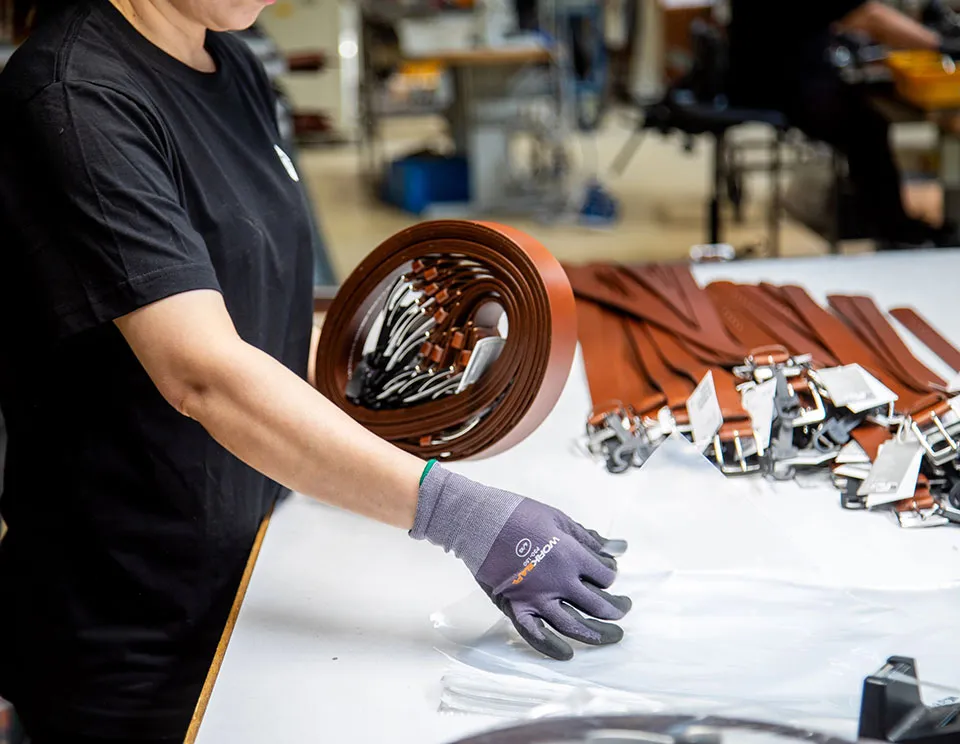
A workable launch connects design, material sourcing, sampling, order economics and the customer experience. The steps below help a brand turn an idea into an order that a manufacturer can quote and a quality team can inspect.
Define the first collection and its customer
Choose the wearing occasions, garments, price position and sales channels before multiplying styles. A formal collection may prioritise a controlled finish and refined edge; a casual line may welcome natural variation. Neither direction requires a single prescribed grade or buckle material.
Build an assortment table with style, colour and size options. Count each sellable combination when planning inventory. A two-style, two-colour collection still has additional stock-keeping combinations when it is offered in several sizes. Test demand assumptions with customer research and channel information rather than treating a generic trend as evidence.
Translate the promise into a specification
State the complete strap construction, including face, lining, reinforcement and edge treatment. Specify the material article, desired handle and acceptable natural marks. Full-grain can support an appearance brief, but it does not establish a lifetime or make every alternative unsuitable for a premium collection.
Define the buckle’s mechanism, base material, finish and attachment. Judge it in the assembled belt. Weight or colour alone does not establish quality, and a particular metal or coating cannot guarantee that the component will never fail.
| Launch document | Minimum useful content |
|---|---|
| Product drawing | Width, measurement datum, size range, hole or setting layout, tail and buckle |
| Bill of materials | Every layer, hardware, thread, edge system and packaging component |
| Appearance reference | Colour, grain, sheen, handle and accepted variation |
| Quality brief | Relevant checks, methods, conditions and agreed acceptance criteria |
| Order brief | Quantity mix, destination, schedule and delivery terms |
Choose a manufacturer by evidence relevant to your design
Ask which operations the proposed factory performs and which components or processes come from partners. Review comparable construction samples, the development process and how changes are approved. A famous client name or an unrelated certificate should not replace an assessment of your product.
For material sourcing, separate tannery operations, leather finishing and finished belt assembly. Hoplok’s ProPelli facility receives crust from partner tanneries and specialises in belt leather and other leather finishing. It is not a tannery. Discuss that scope through material sourcing and finishing.
Build a launch budget from quotations
Separate development and tooling, samples, bulk goods, testing, packing, freight, import costs and selling expenses. Request like-for-like quotations. Identify whether a tooling charge includes revisions, who owns it and what repeat orders require.
Use the planned sales channel to calculate the costs between the factory and a completed sale. Retail price minus factory price is not net profit. Discounts, returns, fulfilment and channel charges may change the result. Develop more than one sales scenario instead of assuming every unit sells immediately at full price.
Check MOQ allocation explicitly. Hoplok’s confirmed minimum is 300 leather belts or 1,000 PU belts; the permitted division among styles, colours and sizes must be agreed in the quotation. Do not assume the category minimum applies independently to every colour or that any assortment is automatically accepted.
Use sampling to resolve construction and fit
Approve the sample’s material, edge, buckle, logo and size measurement together. Review the range ends as well as a middle size. Record revisions in one controlled drawing so the factory does not have to choose between conflicting messages.
Agree relevant material and finished-product assessments with the supplier and qualified laboratory where needed. A test method does not define a universal luxury threshold. Market-specific chemical, labelling or other requirements should be identified for the actual product and destination.
Plan the first order and repeat supply
Hoplok’s belt sampling lead time is 2–3 weeks and bulk production is 60–90 days. Confirm the start conditions and any additional custom-component development, sample transport or delivery time in the project schedule. A production lead time is not the same as concept-to-warehouse time.
Keep the approved sample, specification and agreed inspection requirements with the order. Define how substitutions, failed inspections and delivery changes are handled. Decide which components must remain consistent for repeat orders and which changes require a new sample.
Prepare the customer-facing details before launch
Publish a clear size guide, accurate material description and care instructions validated for the finish. Any warranty is a separate commercial commitment with defined terms. Do not derive a lifetime promise from a leather name.
Send the first collection brief through Hoplok’s project enquiry. A focused assortment, a complete sample and a realistic order budget provide a concrete foundation for a private-label belt launch.