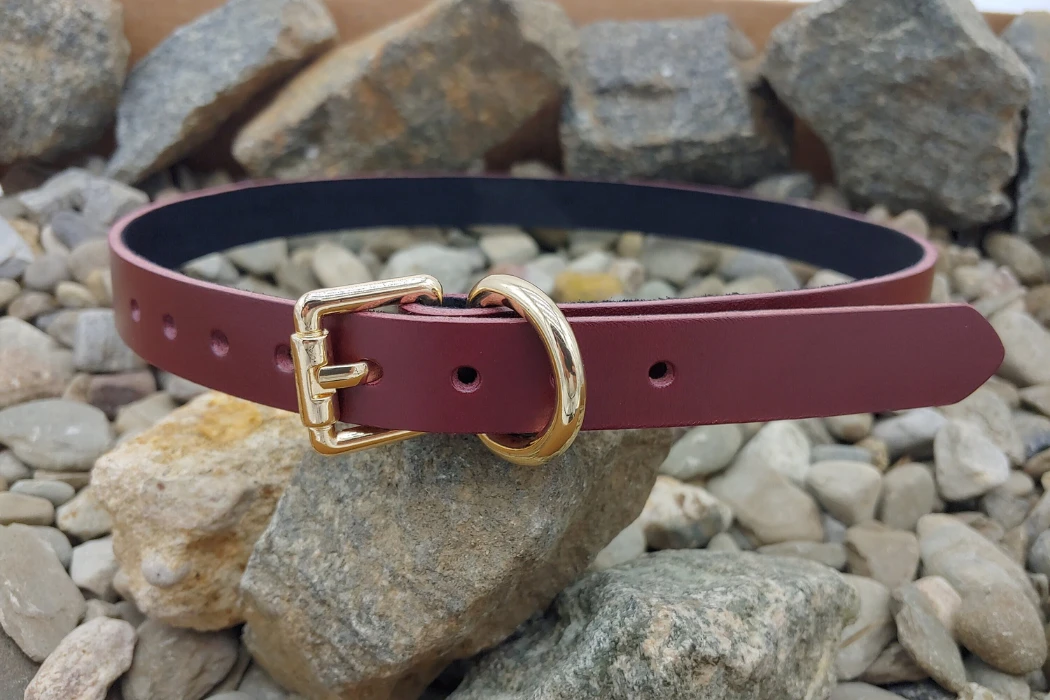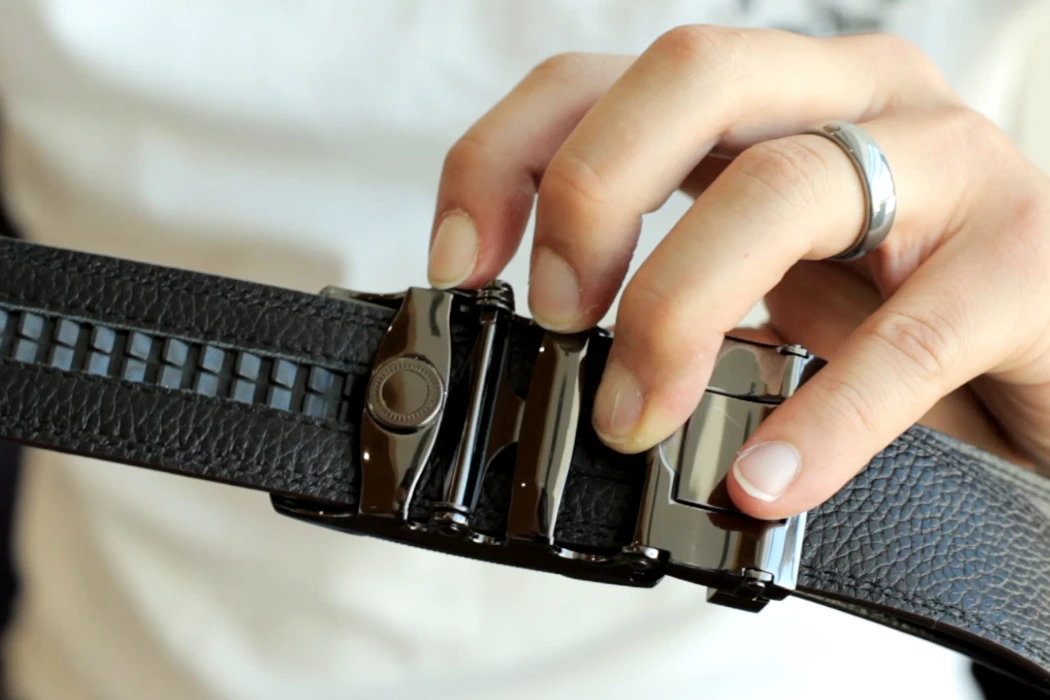
Faux leather can serve an accessory collection when the selected material and construction meet the intended use. There is no universal two-to-five-year lifespan, and appearance alone cannot tell a buyer how a bag, belt or wallet will perform.
To assess durability, identify the coating and backing, review relevant test evidence and inspect the finished product’s stress points. PU and PVC are broad material families with substantial differences between grades.
This guide focuses on the evidence needed for accessory sourcing and on how to investigate cracking or peeling without assuming that every synthetic will fail in the same way.
What is Faux Leather Actually Made Of?
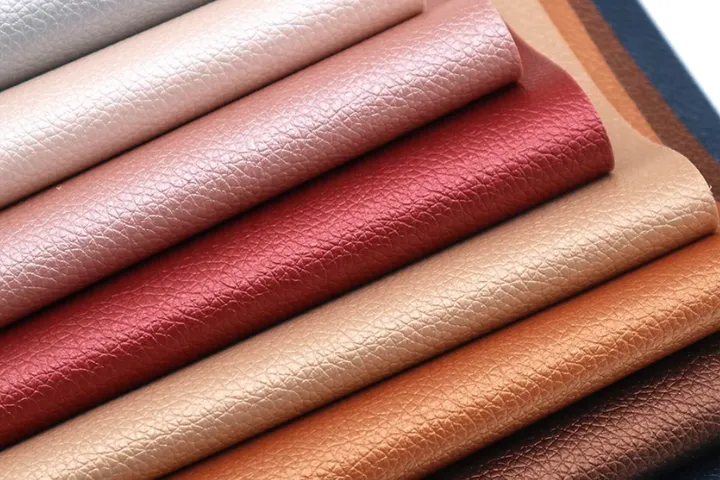
Faux leather commonly combines a polymer coating with a textile backing, although other constructions exist. Polyurethane (PU) and polyvinyl chloride (PVC) identify coating polymers, not a complete composition or durability grade.
Confirm each layer
- Identify the outer finish and underlying coating system.
- Record the backing fiber and fabric construction.
- Identify any adhesive, reinforcement or additional layer used in the finished strap or panel.
- Match the material to a supplier code and retain an approved swatch.
The backing contributes to mechanical behavior, while the coating and their interaction also matter. It is too broad to say that all strength comes only from the textile or that every PU surface is thin and microporous.
Check hybrid and plant-containing descriptions
A PU coating can be applied to split leather, which contains animal material. A plant-containing alternative may include polymers and textile layers; request its actual composition. Decorative glitter or an embossed pattern does not identify the binder or backing.
Use the correct material description in retail copy. The FTC Leather Guides address misleading claims about leather and imitation-leather composition.
How Should Buyers Compare Faux Leather Durability?
Compare proposed materials under the same product requirements. A grade name does not support an average number of consumer years, a lifetime guarantee or a fixed replacement-cost calculation.
| Comparison factor | Evidence to compare |
|---|---|
| Surface wear | Method, rubbing/abrasion conditions, endpoint and visible result |
| Repeated bending | Flex method and specimen representative of the proposed material |
| Layer integrity | Coating/backing and assembled-layer adhesion as applicable |
| Aging | Conditions relevant to the coating and intended environment |
| Product construction | Seams, holes, folds and attachment checks |
| After-sale cost | Actual order/return records, with period and population identified |
Build a cost model without assumed lifetimes
Compare the landed cost of the selected constructions, inspection costs and any documented claim or replacement costs. If a future replacement scenario is useful, label its assumptions and show how the result changes; do not present it as measured field performance.
Consider repairability by failure type
A replaceable buckle, strap or lining can make a product easier to service regardless of the outer material. Widespread coating delamination can be difficult to repair durably, but not every synthetic defect requires discarding the complete item. Likewise, leather cannot always be restored or repaired indefinitely.
Ask the supplier which parts can be replaced and what repair limitations should be communicated to customers.
Why Can Faux Leather Peel or Crack?
Cracking, surface wear and layer separation can have different causes. Determine the actual coating system and failure location before choosing a corrective action.
Hydrolysis and other aging effects
The Association for Contract Textiles explains that hydrolysis can affect PU-coated fabrics and produce cracking, flaking or delamination. Susceptibility varies with the polyurethane chemistry and environmental exposure.
That does not make loss of plasticizer the universal cause of all PU failure. Heat, moisture, light, chemical contact and mechanical wear need to be considered in relation to the actual formulation.
Identify the damaged layer
- Surface wear: determine whether the topcoat has worn away without separation of the underlying material.
- Delamination: identify whether separation is within the coating, at the backing or in an assembled strap layer.
- Cracking: inspect the location, repeated bending and relevant environmental history.
- Tearing: examine the backing, seam geometry, hole placement and reinforcement.
Retain a complaint sample, lot reference and information about use and cleaning. Compare them with retained production samples and relevant tests. A coating thickness or a marketing label alone cannot identify the root cause.
Can Upholstery Test Results Support an Accessory Purchase?
Upholstery data can show how a material performed in a stated test, but it cannot directly establish the durability of a belt, wallet or bag. Contact pressures, flex geometry, seams and cleaning differ.
Read the test details before reusing evidence
- Check the test method and intended material type.
- Record the abrasive, load, endpoint and conditions rather than only a headline rub count.
- Determine whether the report covers the exact proposed material code and finish.
- Add checks for the accessory’s own folds, holes, seams and hardware attachments.
Do not convert a furniture abrasion classification into a universal accessory lifetime. A high abrasion count also does not by itself establish resistance to hydrolysis or coating delamination.
Why Does the Intended Product Change the Test Plan?
Different products stress the same material differently. A test or anecdote about a jacket cuff does not predict performance at a wallet fold or belt hole.
Define the accessory’s use case
Specify intended contents, carrying method, adjustment frequency, likely moisture exposure and cleaning instructions. These inputs help a test provider choose relevant conditions and help the supplier design reinforcement.
If a product will be used outdoors or exposed to special chemicals, identify that requirement explicitly and select a material supported for it. Neither an indoor material nor a “marine-grade” label should be assumed suitable without its actual specification.
Use evidence from the material and construction instead of general claims about a retail brand’s motives or expected product life.
How Should Buyers Assess Faux Leather Bags and Accessories?
Compare leather and synthetic proposals within the same accessory brief. Weight, cleaning behavior and attachment strength depend on the complete construction, not only the outer material name.
| Accessory area | What to inspect or assess |
|---|---|
| Bag handles and straps | Attachment, seam reinforcement, strap layers and relevant loaded function |
| Bag corners and panels | Surface wear, flexibility, lining contact and edges |
| Belt strap | Repeated bends, holes or track, layer adhesion and buckle attachment |
| Wallet folds and pockets | Thickness build-up, flexing, pocket edges and surface contact |
| Easy-clean designs | Approved cleaner and evidence from the finished surface/components |
A coated face does not make an assembled bag spill-proof, and changing the outer material does not establish a fixed weight saving. Compare the actual samples and relevant test evidence.
Plan a Hoplok sample review
Send the design, material options, quantity and intended market. Hoplok can review a proposed bag, belt or wallet against those requirements. ProPelli finishes crust leather from partner tanneries; this supports leather finish development but is not proof of every proposed PU material’s performance.
Hoplok’s minimums are 300 leather belts, 200 leather bags and 300 leather wallets; PU items have a minimum of 1,000. Confirm sample scope and the production plan for the chosen construction.
How Do You Care for Faux Leather to Make It Last Longer?
Use care instructions validated for the selected coating and the assembled accessory. A universal protectant spray or conditioning interval cannot be recommended from the name “faux leather” alone.
Approve care with the material
- Start with the material supplier’s cleaning instructions.
- Try the proposed method on a sample area and assess it after drying.
- Check color transfer, gloss change, tackiness and coating damage.
- Consider edge paint, lining, seams and hardware as well as the outer surface.
- Provide storage guidance appropriate to the material and product.
| Care decision | Buyer action |
|---|---|
| Cleaner | Confirm compatibility; do not assume alcohol, soap or solvent is acceptable for every finish. |
| Conditioner/protectant | Use only if supported for the selected material; oils or sprays can alter appearance. |
| Moisture and spills | Follow the approved cleaning/drying method and assess seams or lining if affected. |
| Storage | Avoid unsuitable heat, moisture, compression and exposure as identified by the supplier. |
| Existing peeling | Investigate the failure; cleaning will not restore a separated coating. |
Care can reduce avoidable damage, but it should not be presented as guaranteeing a fixed service life or preventing every aging mechanism.
Frequently Asked Questions (People Also Ask)
Can you repair peeling faux leather?
A local cosmetic repair may be possible, but widespread coating delamination can be difficult to repair durably. Ask about panel or component replacement; assess the actual failure before discarding the product.
Is “pleather” the same as faux leather?
It is an informal term for a leather-like plastic material. It is not a precise composition; ask whether the proposed product uses PU, PVC or another construction.
How long do faux leather products last?
There is no universal lifespan. Grade, construction, intended use, environment and care affect durability; use relevant evidence for the actual accessory.
Does faux leather breathe?
Some constructions allow water-vapor transmission and others limit it. Request a suitable result if this property matters; the polymer name alone is insufficient.
Is high-grade PU better than “genuine leather”?
Compare specified grades and constructions. “Genuine leather” is not a standardized lowest-grade label, and “high-grade PU” also needs performance evidence.
Is faux leather easy to maintain?
Some finishes are convenient to clean, but use the supplier-approved method for the actual material. Maintenance cannot reverse every kind of coating damage.
Conclusion: Choosing the Right Material for the Right Lifespan
Choose faux leather from the product brief, not an assumed lifespan. A clear composition, representative sample and appropriate test plan help a buyer compare materials and identify risks before production.
Discuss the intended bag, belt or wallet with Hoplok and request a sampling plan for the proposed construction. For a custom belt, provide the material options, size plan, hardware and quantity so the review focuses on the complete accessory.