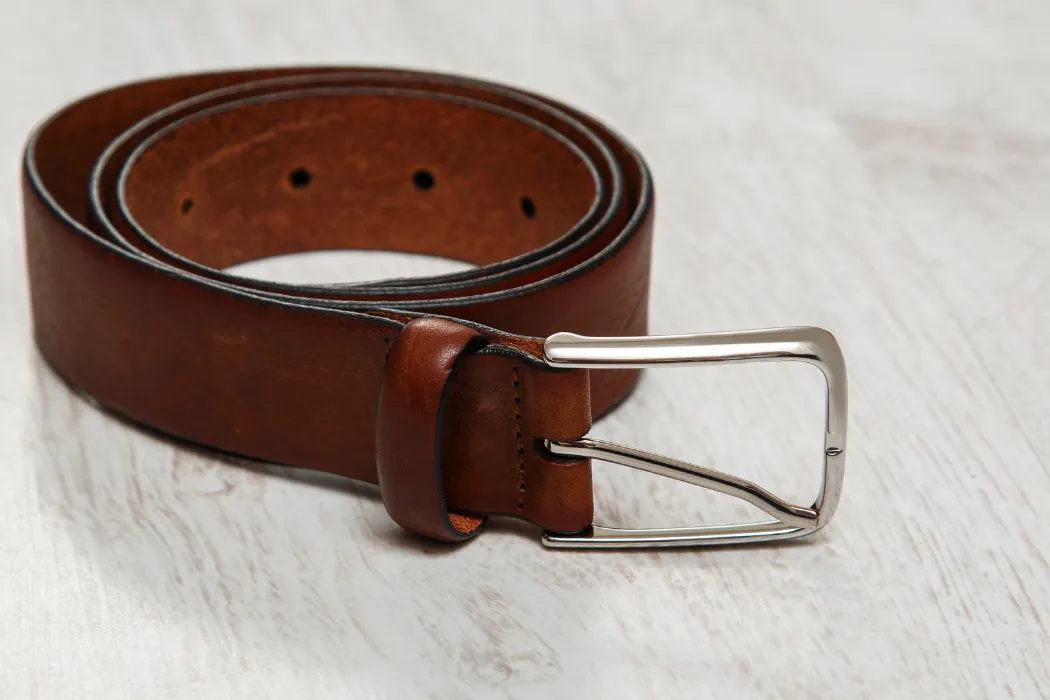
High-demand leather belt sizes sell out fast during peak retail seasons. Disconnected supply chains cause headaches for fashion brands. When an e-commerce platform cannot talk to the manufacturing floor, inventory updates lag. This delay leaves popular women’s 28-inch belts or men’s 36-inch belts out of stock for weeks. Retailers lose revenue because they cannot trigger restocks fast enough.
Application Programming Interface (API) and Enterprise Resource Planning (ERP) integration solves this data gap. This technology connects an online store directly to the belt factory’s internal system. Live sales data flows instantly from the checkout cart to the production line. Because the systems share data in real-time, factory managers know exactly which specific sizes they need to produce next.
Syncing e-commerce data with manufacturing capacity streamlines the entire supply chain. It optimizes everything from cutting genuine leather hides to assembling metal buckles. This guide explores the technical steps needed to connect a storefront to a physical leather belt factory. It also examines how automated data sharing speeds up bulk production and prevents costly inventory shortages.
What Is Manufacturer ERP Integration For Leather Belts?
ERP integration for leather belts acts as a digital data bridge. It links a retail website directly to a factory’s main software. When a customer buys a belt online, the factory instantly receives the exact size, color, and buckle details. This stops manual data entry errors. It also helps factory workers plan their leather cutting schedules immediately.
Defining ERP in Belt Manufacturing
Enterprise Resource Planning (ERP) software operates as the central brain of a physical leather belt factory. It replaces paper records and scattered spreadsheets with one unified digital system.
- It precisely tracks the available square footage of raw hides from different countries like Italy or Brazil.
- It monitors the stock levels of specific hardware components, including brass solid buckles, metal rollers, and stainless steel rivets.
- It schedules physical machines for complex processes like leather skiving, edge burnishing, and embossing crocodile textures.
- It logs quality control data and maintains strict compliance records for ISO 9001, BSCI, and SMETA standards.
By organizing all these moving parts into one dashboard, factory managers know exactly how many physical belts they can produce on any given day.
How APIs Connect E-Commerce to the Tannery
An Application Programming Interface (API) works as a secure digital messenger that carries specific data between two different software platforms. It allows an online storefront to speak directly to the factory’s internal databases.
- The API automatically pulls live customer order volumes from e-commerce platforms like Shopify or WooCommerce without requiring human data entry.
- It instantly translates website product codes into the factory’s specific hardware codes and leather dye batch numbers.
- It sends immediate alerts to the leather finishing facility if a brand suddenly needs a massive restock of 50,000 square feet of vintage washed leather.
- It pushes tracking numbers and production updates back to the retail website so customers see their order status.
This constant automated messaging eliminates the need for retailers to manually send confusing spreadsheets across different time zones.
Why Real-Time Data Matters for Belt Restocks
Delayed supply chain information directly causes missed sales opportunities because popular belt styles sell out quickly. Real-time data syncs eliminate this delay and keep assembly lines moving efficiently.
- Live data streams allow a factory to accurately process massive bulk orders, handling up to 800,000 PU belts or 300,000 genuine leather belts per month.
- It dramatically speeds up the physical sampling process, dropping prototype lead times down to just 2 to 7 days for newly requested belt designs.
- It prevents sizing errors by instantly separating and organizing complex belt sizing charts, ensuring a women’s 26-inch belt order never mixes with a men’s 50-inch belt order.
- It triggers automatic raw material reorders when stock drops below minimum thresholds, so production never stops due to missing leather.
Perfect data synchronization ensures the factory lines never sit idle and the online retail store remains fully stocked for shoppers.
How Do API Connections Sync Belt Inventory and Orders?
API connections act as an invisible digital bridge between an online store and the physical factory floor. They automatically transfer customer purchase data directly into the factory’s production queue. This continuous data sync prevents overselling. It also tells factory workers exactly how many physical belts they need to cut, skive, and assemble each day.
Automating Purchase Orders for Belt SKUs (Sizes & Colors)
Manual order entry struggles to handle complex belt variations across different regions and genders.
- API systems automatically process hundreds of different Stock Keeping Units (SKUs) based on specific belt lengths, easily sorting women’s 26-inch sizes from men’s 50-inch sizes.
- They instantly map e-commerce color choices to exact factory Pantone color codes, ensuring the factory uses the correct dye.
- They route specific belt styles to the correct workstation, sending a braided leather belt order to the weaving department while a reversible belt goes directly to the assembly line.
Automated SKU sorting guarantees that the factory produces the exact belt size and color the customer actually ordered.
Live Tracking of Leather Hides and Hardware (Buckles/Rivets)
Building a high-quality leather belt requires precise inventory tracking of raw materials.
- Integrated ERPs calculate the exact square footage of full-grain leather or vegan leather needed for an incoming batch of orders.
- They automatically check warehouse shelves for specific hardware components, such as metal roller buckles or stainless steel rivets.
- They reserve physical stock in real-time, pulling materials accurately from a tannery’s daily output of 20,000 to 50,000 square feet of finished leather.
Live material tracking stops production delays because the system orders new hardware long before the factory runs out.
Managing Minimum Order Quantities (MOQ) Dynamically
Managing order volumes efficiently helps brands test new belt styles without massive upfront inventory costs.
- An ERP calculates real-time production costs and material availability to offer flexible Minimum Order Quantities (MOQs).
- It groups smaller orders of identical materials together, allowing a factory to run a small batch of suede leather belts efficiently.
- It scales up production instantly when a brand requests a massive holiday order of 800,000 PU belts.
Dynamic MOQ management allows brands to adjust their order sizes based strictly on actual customer demand.
| Supply Chain Process | Manual Processing | API/ERP Integrated Processing |
|---|---|---|
| Order Data Entry | Humans manually type orders into spreadsheets. | Software transfers data instantly with zero errors. |
| Inventory Updates | Updated weekly via scattered emails. | Updated live every second across all platforms. |
| Belt Size Sorting | Workers separate 28-inch and 40-inch orders by hand. | System routes sizes to cutting machines automatically. |
| Material Reordering | Managers guess when leather or buckles run low. | System alerts buyers at exact minimum stock thresholds. |
Can ERP Integration Prevent Belt Stockouts During Peak Seasons?
Yes. ERP integration stops stockouts because it gives the factory a live view of what customers are actually buying. When sales suddenly spike during holidays, the system sees the trend immediately. It alerts the factory floor to increase production before the retail warehouse empties completely.
Forecasting Demand with Live Belt Sales Data
Predicting which belts will sell fastest requires accurate data, not human guesswork.
- Integrated systems analyze checkout carts to find sudden spikes for specific items, like a 38-inch vintage oil tanned leather belt.
- They automatically adjust production schedules to prioritize top-selling sizes over slow-moving stock.
- They calculate exactly how much raw genuine leather the factory needs to finish before the heavy holiday rush begins.
This live forecasting means the factory prepares the exact materials needed weeks before the retail store actually runs out of stock.
Speeding Up Belt Sampling to Bulk Production
Modern retail requires brands to move a belt design from a simple sketch to massive bulk production almost instantly.
- A shared digital system pushes physical prototype requests straight to the sample room, dropping sample lead times to just 2 to 7 days.
- It shares digital tech packs instantly, so workers know exactly how to apply a crocodile texture or a metallic foil finish.
- Once a brand approves the sample, the ERP automatically triggers bulk manufacturing with an average completion time of just 15 to 20 days.
Connecting these steps digitally removes human communication delays, so new belt styles hit store shelves much faster.
Tracking Belt Production Milestones (Cutting, Skiving, Edge Finishing)
Manufacturing a leather belt requires multiple physical steps that a digital system must monitor closely.
- The software tracks the exact moment heavy machines cut the large leather crusts into thin, wearable strips.
- It monitors the skiving machines as they thin the leather edges down to exact millimeter measurements for comfortable folding.
- It logs when workers apply the final edge burnishing or hand-boarding effects to create a premium finish.
Tracking these physical milestones helps factory managers spot bottlenecks early, ensuring the massive bulk order finishes exactly on time.
Which Technical Steps Connect Your Store to a Belt Factory?
Connecting two different software systems requires careful digital plumbing. IT teams must map the data fields so the online store and the factory computers speak the exact same language. They meticulously test this connection before letting any real customer orders flow into the physical manufacturing line.
Mapping Complex Belt Data Fields (Widths, Lengths, Buckle Types)
Before software can communicate, engineers must define exactly what each piece of order data means.
- They map simple front-end sizes (like Women’s Medium) to precise factory cutting measurements, such as 87 cm or 34 inches.
- They link website color names like “Midnight Black” to the exact Pantone codes used by the leather dye mixing machines.
- They translate generic hardware requests into exact technical specifications, routing a request for a “gold buckle” to a specific 25MM brass solid buckle.
Accurate data mapping ensures the factory computers instantly understand exactly what physical materials the customer clicked online.
Testing the API Sandbox Environment
Engineers always test the API connection in a secure digital sandbox before processing real money or physical materials.
- They push fake test orders through the system to verify the API accurately reads and transfers 100% of the required data fields.
- They test the server load capacity to ensure the connection handles sudden traffic spikes, simulating up to 10,000 orders per minute without crashing.
- They verify that the factory ERP successfully sends automated tracking numbers and production updates back to the testing storefront.
Sandbox testing catches digital translation errors early, preventing expensive physical manufacturing mistakes on the assembly line.
Launching the Live Data Connection
After successful testing, the development team activates the live production API.
- The live connection immediately begins syncing real-time inventory counts directly from the factory’s massive 30,000 square meter warehouse.
- It starts processing active customer payments and automatically routing genuine leather belt orders straight to the cutting floor.
- System administrators monitor the initial live data flow closely for the first 48 hours to ensure perfect synchronization.
A successful live launch instantly transforms a disconnected storefront into a fully integrated and automated manufacturing pipeline.
| E-Commerce Data Field (What Customer Sees) | Factory ERP Translation (What Factory Sees) | Manufacturing Action Triggered |
|---|---|---|
| Size: Men’s Large | Cut Length: 102 cm (40 inches) | Automated cutting machine sets blade distance. |
| Material: Brown Suede | Material ID: Split Grain Suede / Pantone 469C | Tannery reserves correct dyed leather hide batch. |
| Hardware: Silver Roller | Hardware ID: 38MM Stainless Steel Roller Buckle | Assembly line pulls specific buckle from inventory. |
| Style: Braided Belt | Construction: 30MM Braiding Weight Veg Belt | Order routes specifically to the hand-weaving department. |
Why Is Data Security Critical In Belt Supply Chain Integrations?
Data security is critical because integrated systems share highly sensitive information across the globe. When an online store connects to a physical factory, it transfers private customer details and secret product designs. A weak digital connection risks exposing this valuable data to hackers or competitors. Strong encryption ensures that only the authorized factory machines receive the exact belt specifications, keeping the entire manufacturing pipeline safe.
Protecting Customer and Order Volume Data
Sharing massive order volumes between different software systems requires strict privacy controls.
- Secure APIs must use encrypted tokens so hackers cannot intercept live sales data for a massive order of 800,000 PU belts.
- Factories must strip personally identifiable information (PII) from the data stream, only sending the necessary physical 34-inch size requirement to the cutting room.
- Secure cloud servers protect a retail brand’s exact sales velocity and inventory levels from industry competitors.
Masking customer data guarantees legal privacy while still giving the factory exactly what it needs to manufacture the belt.
Securing Proprietary Belt Designs and Tech Packs
Fashion brands spend months developing unique belt designs that need strong digital protection.
- Secure connections protect proprietary tech packs, such as the exact metal mold dimensions for a 38MM stainless steel roller buckle.
- Encrypted file transfers ensure that exclusive leather formulas, like a custom vintage oil tanned effect, remain completely secret before the official launch.
- Digital access logs track exactly which factory employee opened the 3D sketches for a complex new braided leather belt.
Protecting these digital blueprints prevents unauthorized manufacturers from stealing or copying a brand’s hard work.
Choosing Compliant Manufacturing Partners (ISO, BSCI)
Software security only works if the physical factory also follows strict global management rules.
- Factories holding an ISO 9001 certification prove they maintain strict, documented management systems for handling both digital data and physical materials.
- Partners audited by global groups like BSCI and SMETA guarantee they follow strict ethical labor laws while processing automated digital orders.
- Working with Leather Working Group (LWG) certified tanneries ensures the physical materials match the high environmental standards promised in the digital system.
Choosing highly compliant partners ensures the entire supply chain remains legally and ethically secure from the digital cart to the shipping box.
Frequently Asked Questions
How long does it take to integrate an ERP with a leather belt manufacturer?
Most factory integrations take between four to eight weeks. IT teams need this time to test the data mapping and ensure orders route correctly without creating physical manufacturing errors.
Do I need a custom API for selling belts on Shopify or WooCommerce?
No, you rarely need a custom API built from scratch. Most modern factory ERP systems use standard plug-and-play connectors that link easily with popular e-commerce platforms.
What happens if the API connection drops during a large belt order?
If the connection drops, both systems queue the data locally. Once the connection restores, the API pushes the delayed orders sequentially to prevent any lost information or duplicate belt manufacturing.
Can an ERP system track individual leather belt quality checks?
Yes, an integrated ERP logs specific quality control data. It records exactly who inspected a batch of belts and verifies that the materials passed standard physical tension tests.
How much does API integration cost for emerging belt brands?
Basic integrations start at a few thousand dollars, but costs scale based on complexity. However, the initial investment quickly pays for itself by eliminating manual data entry errors and preventing expensive stockouts.
Is cloud-based ERP better than on-premise for leather goods manufacturing?
Cloud-based ERPs generally perform better for global supply chains. They allow retail brands in New York to instantly view live production data from a physical belt factory located in Cambodia or China.
How does an ERP handle different belt sizing metrics?
The ERP automatically runs a conversion script during the live data transfer. It instantly translates a customer’s 34-inch front-end selection into the precise 87 cm cutting measurement required by the factory machines.
Conclusion
Connecting your e-commerce store directly to a manufacturer’s ERP transforms a slow supply chain into a highly responsive machine. Automated APIs instantly translate customer orders into precise cutting and assembly instructions. This eliminates manual errors, drastically speeds up bulk production lead times, and prevents frustrating stockouts during peak retail seasons. For brands seeking these exact technical standards and seamless data integration, Hoplok Leather provides the ultimate manufacturing solution. With advanced facilities across China and Cambodia, Hoplok expertly syncs high-volume custom belt production directly with your live digital storefront.