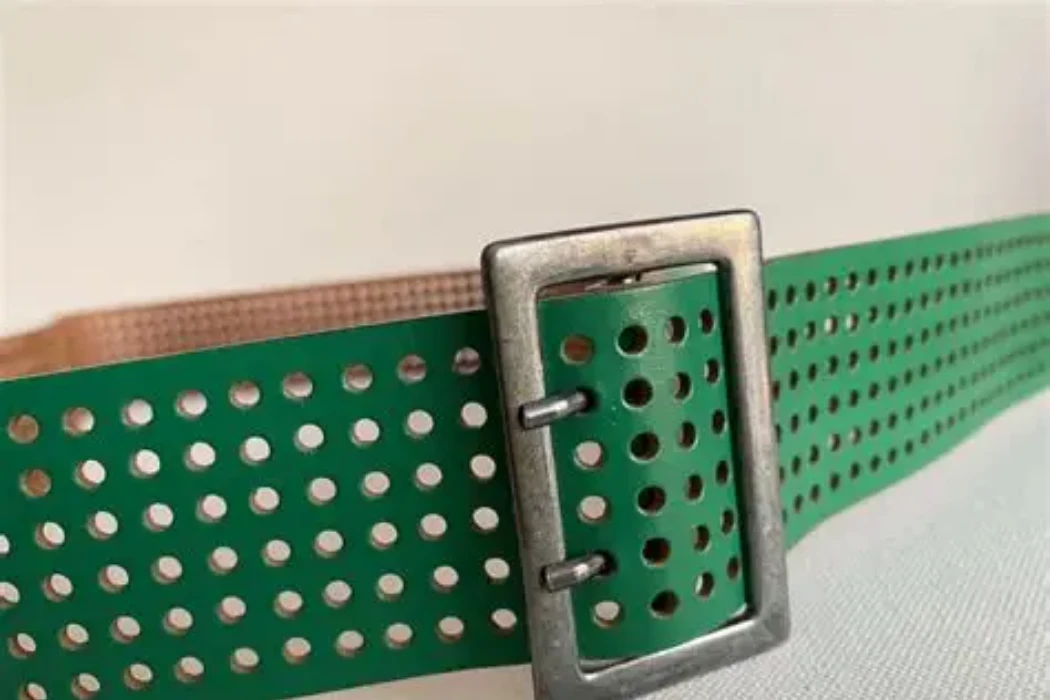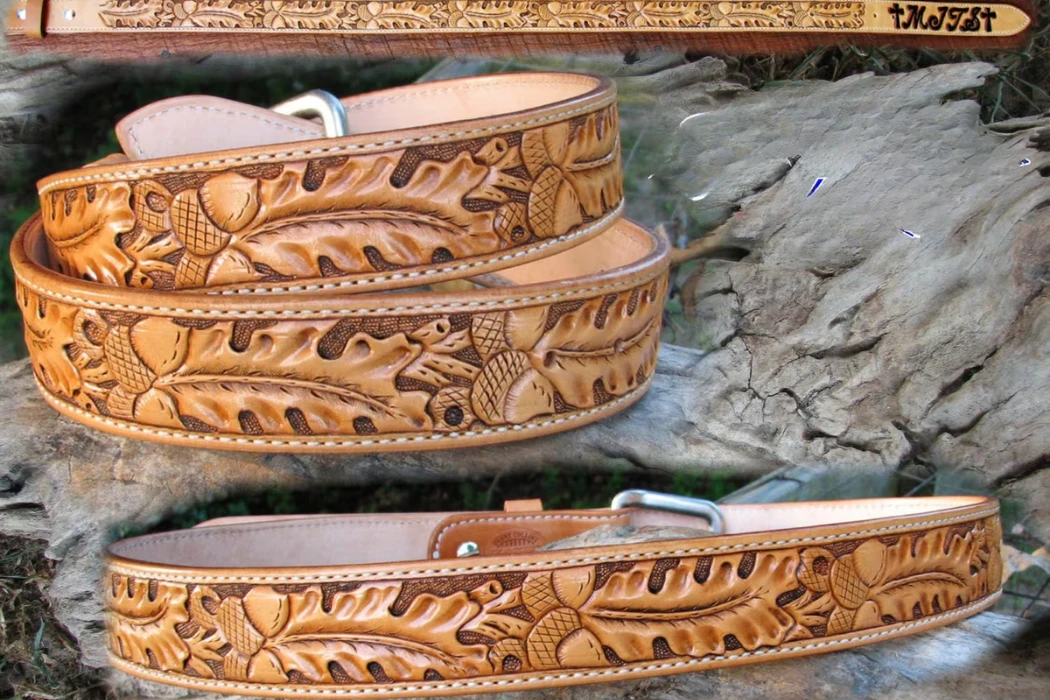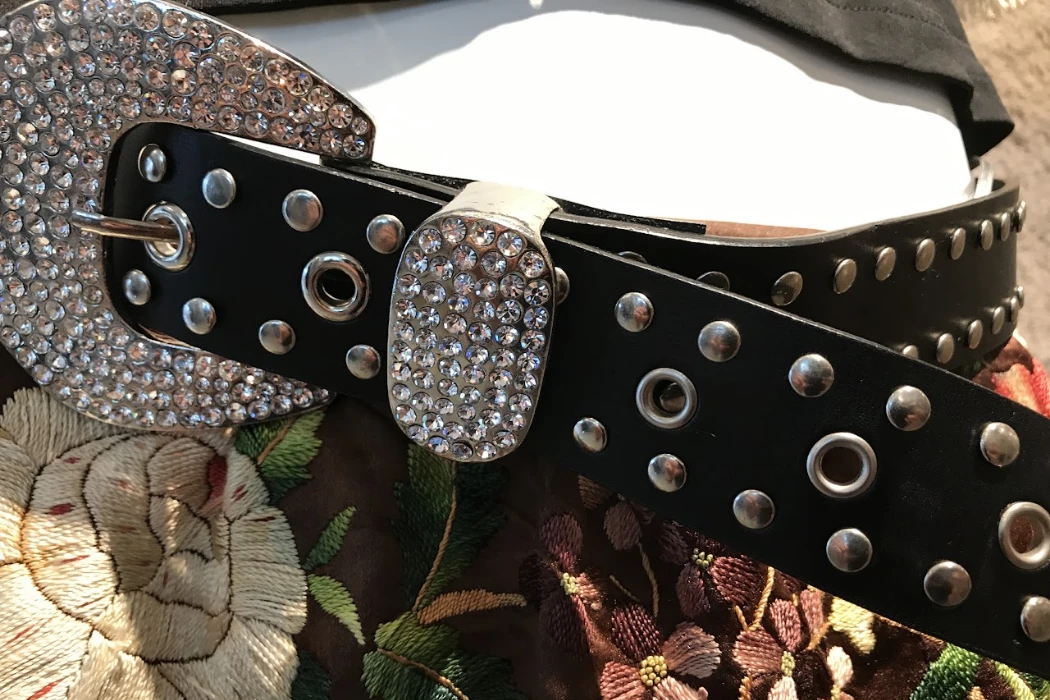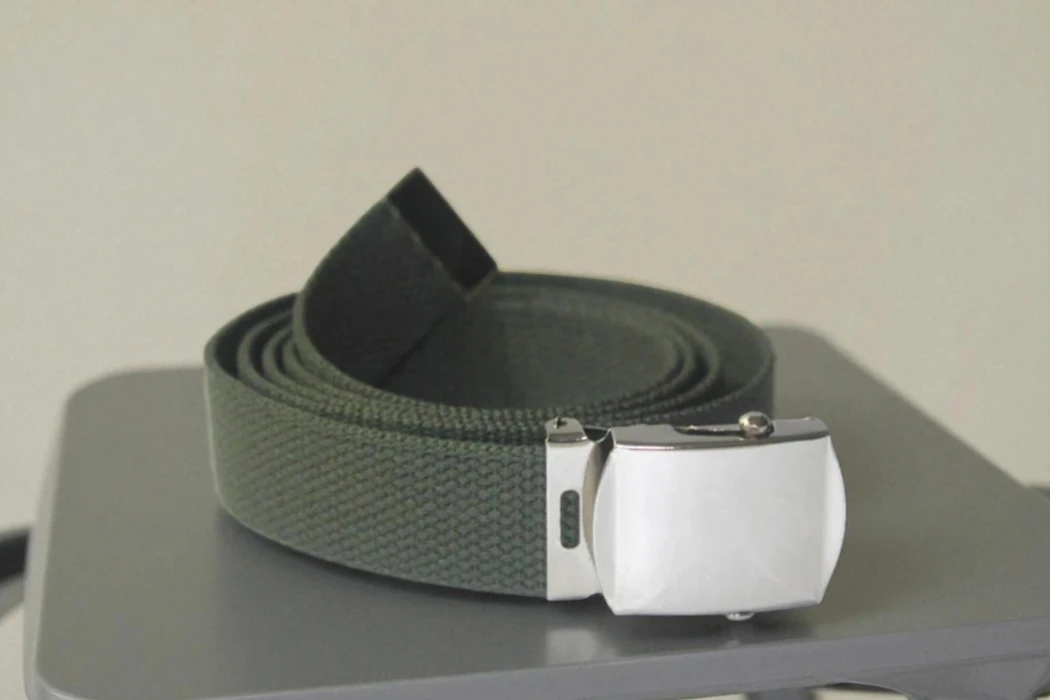
Minimum order quantity, or MOQ, is the smallest order a supplier agrees to accept under a particular offer. For a belt brand, it affects inventory, cash flow and assortment planning. Ask what the minimum applies to: the finished order, a material, a color, a style or a hardware component.
Material availability, supplier minimums, setup work, labor and commercial policy can all influence an MOQ. It is not a universal physical constant or a disclosed break-even calculation. Hoplok’s confirmed minimums are 300 leather belts or 1,000 PU belts; confirm the proposed style, color and size allocation in the quotation.
Understanding those drivers helps buyers compare alternatives and ask useful questions. This guide separates finished-belt minimums from component commitments and shows how to compare quoted costs.
Why Do Leather Factories Enforce Minimum Order Quantities?
A small order can spread development and setup work across fewer saleable units. Material procurement and commercial terms may also affect whether a factory accepts it. Ask the supplier to explain the constraint behind its offer rather than assuming that production continuity is always the largest cost.
Material Supplier Minimums and Custom Colors
A custom leather color or finish may require a new material batch, while an existing article may already be available. The relevant minimum comes from the actual supplier, article and process—not a standard drum size shared by all tanneries.
- Batch requirement: Ask the material supplier for the minimum area or quantity for the requested article and color.
- Equipment fit: Confirm which production or sampling route is available. Equipment exists in different sizes; Barnini lists small trial drums, so a universal industrial sample-drum minimum is not a sound assumption.
- Excess material: Agree who pays for, owns and stores material beyond the finished-belt requirement, and whether later orders can use it.
A custom color can add a separate material commitment, but it does not always produce a higher finished-belt MOQ. Compare the actual stock and custom offers, including color approval and availability.
Machine Setup: The Cost of Calibration
Thickness adjustment, cutting, sewing, edge finishing and logo operations can require setup. The operations and time depend on the construction and equipment. A strap or loop thickness should come from the product specification rather than a generic example.
- Setup versus run time: Ask which operations create a fixed setup charge and how that charge changes across the quoted quantities.
- Changeovers: A change of material, thread, color or tooling may require additional work. Confirm its effect on the proposed assortment.
There is no universal rule that a belt machine must run for several hours to justify an order. Use the factory’s actual quotation and capacity plan.
Labor Allocation: The Assembly Line Rhythm
A belt passes through several operations that may be organized as lines, cells or separate workstations. Review how the proposed assortment will be scheduled and inspected.
- Switching work: Changes to thread, finish or logo tooling may add preparation and approval steps.
- New-style preparation: Include the necessary sample, instructions and first-production checks in the quote. Do not assume a fixed warm-up time or loss percentage for every style.
How Do Material Choices Affect the Quoted MOQ?
Different materials are purchased in different units and come with different supplier terms. Identify both the material commitment and the finished-belt minimum before comparing offers.
Full-Grain and Top-Grain Leather
Leather is commonly bought by area, but saleable belt yield depends on hide selection, dimensions, defects, cutting direction and the pattern.
- Hoplok leather-belt minimum: 300 pieces. Confirm the allocation and material availability for the proposed order.
- Yield calculation: Request a cutting estimate for the actual pattern and material. A single hide-to-belt conversion cannot cover different strap lengths, linings, widths and usable areas.
PU and Synthetic Leather
PU-coated and other synthetic materials are often supplied in rolls. Article width, usable width, backing, finish and the supplier’s commercial minimum affect the purchasing requirement.
- Hoplok PU-belt minimum: 1,000 pieces. Obtain separate confirmation for the requested style and color allocation.
- Material commitment: Request the specific roll length or purchasing minimum. There is no universal 500–800-meter threshold that applies to every coating supplier or stocked article.
Considering Stock Materials
A stocked leather or synthetic article may avoid a new material-development batch. Confirm that the exact finish, color, thickness and quantity are available, and ask about replenishment.
- What stock changes: It can change the material purchasing requirement, but finished-product setup, hardware, inspection and scheduling still apply.
- What to confirm: Ask for the actual finished-belt MOQ and quote. Stock leather does not automatically create a 50- or 100-piece offer at Hoplok.
| Material Type | Minimum to confirm | Primary Constraint / Reason |
|---|---|---|
| Leather belt with a custom material | Hoplok: 300 belts; allocation by quotation | Additional material batch or development commitment may apply |
| Leather belt using stocked material | Confirm offer; stock does not override the 300-belt minimum | Availability, construction, hardware and setup remain relevant |
| PU / Synthetic Leather | Hoplok PU belts: 1,000 pieces | Confirm the named material article and any extra roll commitment |
| Cotton Webbing / Canvas | Project-specific quotation required | Confirm webbing/article availability, finish and hardware minimums |
How Does Custom Hardware Impact the Total Order Quantity?
The strap and hardware may have different suppliers and minimums. A custom buckle, logo plate or finish can therefore create a commitment separate from the finished-belt quantity.
Tooling Cost and Allocation
A custom buckle may require tooling, depending on its design and manufacturing route. Ask for a separate tooling quote, ownership terms, revision costs and storage arrangements; neither a steel die nor a fixed price range applies to every buckle.
- Illustrative arithmetic only: If an agreed tooling charge were $300, allocating it over 3,000 belts would add $0.10 per belt, while 100 belts would carry $3.00 each. These figures are examples, not a Hoplok tooling quote or order offer.
- Component minimum: Confirm whether you must buy more buckles than finished belts. Agree ownership, storage, finish consistency and the treatment of unused pieces before paying.
Hardware Finish and Batch Charges
The proposed buckle finish may involve plating or another surface treatment. Ask which route applies and what minimum charge, sample approval and repeat-order conditions it brings.
- Batch pricing: Request the actual small-batch or minimum charge. Do not assume that two different loads consume identical energy or chemicals.
- Finish approval: Compare the quoted finish, reference sample and acceptance criteria. A color name such as antique brass does not define the full specification.
Off-the-shelf Options
An existing buckle design can avoid some custom-tooling work, but quantity and finish terms still need confirmation. Check design rights, availability and whether the supplier can support repeat orders with the same specification.
How Does Ordering Below MOQ Affect the Unit Price?
Some suppliers may consider a smaller order with a different price or scope; others will not. A surcharge is not an automatic entitlement to buy below the stated minimum. Obtain written confirmation before building a launch plan around an exception.
Understanding “Surcharges” and “Dye Charges”
If a material supplier quotes a small-batch charge, show it separately and divide it by the actual finished quantity for comparison. Ask what the charge covers and whether it repeats. Avoid assuming a standard fee or that all energy and labor remain unchanged.
Waste Ratios: The Hidden Cost
Development and setup may consume material or trial pieces. Agree what is included in the price and how the cutting allowance was estimated for this design.
- Illustrative large run: If 10 trial belts were required before producing 3,000 saleable belts, that trial quantity would equal about 0.33% of the saleable quantity.
- Illustrative small run: The same assumed 10 trial belts would equal 10% of 100 saleable belts. This is an arithmetic comparison, not a standard waste allowance.
Use the actual consumption estimate in the quote. Do not automatically add a ten-percent loss to every small belt order.
Shipping Inefficiencies
Transport quotations may combine minimum charges, variable freight and handling fees. Compare the actual packed volume, weight, route, delivery terms and required arrival date.
- Consolidated sea freight: Ask for a complete LCL quote including origin and destination charges, then compare it with other suitable options.
- Courier or air: Compare the delivered cost and timing for the actual cartons. Neither sea freight nor courier is automatically uneconomic at a particular belt count.
| Cost Component | Illustrative 300-belt order | Illustrative 3,000-belt order |
|---|---|---|
| Assumed $300 tooling charge only | $1.00 per belt | $0.10 per belt |
| Machine Setup Cost | Obtain quoted charge; divide by 300 | Obtain quoted charge; divide by 3,000 |
| Material Waste Ratio | Use actual pattern/material estimate | Use actual pattern/material estimate |
| Port & Handling Fees | Obtain route quote; divide by 300 | Obtain route quote; divide by 3,000 |
| Finished unit price | Supplier quotation required | Supplier quotation required |
Can Buyers Lower MOQs Without Sacrificing Product Quality?
Sometimes a revised specification or purchasing arrangement can change the offer. Discuss alternatives while keeping the required material and workmanship criteria intact. Any change to Hoplok’s stated minimums requires explicit confirmation in the quotation.
Sharing Materials Across Styles
Shared materials may reduce separate purchasing commitments. They do not automatically combine finished-style minimums, because cutting, assembly and hardware can still differ.
- Proposal: Show the factory the full assortment and identify which styles use the same leather article, finish and hardware.
- Decision: Ask which quantities can be combined and record the accepted allocation. Do not assume that three 100-piece styles satisfy a 300-piece offer without agreement.
Committing to Raw Material Inventory
A material pre-purchase may suit some repeat programs, but it creates an inventory commitment. It should be a negotiated arrangement, not an assumed just-in-time service.
- Terms to agree: Material specification, purchased amount, ownership, payment, storage, inspection and responsibility for deterioration or unused stock.
- Production terms: Confirm finished-belt minimums, release quantities and lead times separately. Owning material does not automatically permit 50- or 100-belt call-offs.
The Strategic Difference: “Trial” vs. “Bulk”
A trial program can help a buyer assess a design, but suppliers are not obliged to accept a loss-making order or reserve future pricing based on a forecast.
- Trial scope: Define the purpose, specification, sample or order quantity, price and acceptance criteria before proceeding.
- Repeat quote: Request comparison prices for realistic future quantities and record validity, material assumptions and any new approval requirements. Keep forecasts separate from committed orders.
Frequently Asked Questions
What is the standard MOQ for a custom leather belt?
There is no single industry-wide minimum. Hoplok’s confirmed MOQ is 300 leather belts or 1,000 PU belts. Confirm style, color and size allocation and any separate material or hardware commitments in the quotation.
Can I mix sizes to meet the MOQ?
Ask the supplier to approve the proposed size breakdown. Shared material can help, but size, style and color combinations remain part of the commercial offer; do not assume an automatic mixing rule.
Can I pay for a sample first?
Request a sample quotation and approve the representative construction before bulk. Sample fees and refund conditions vary. Hoplok belt sampling takes 2–3 weeks; confirm material readiness, approvals and delivery separately.
Does a “No MOQ” factory exist?
Made-to-order, stock and small-workshop offers may use different minimums. Verify what is actually supplied, by whom and under which terms. A “no MOQ” statement alone does not prove that the seller is a trader or that quality is poor.
Why is the MOQ for PU belts higher than real leather?
A particular PU article may involve a roll-purchasing or development commitment, but the reason depends on the supplier and stock position. Hoplok’s stated PU-belt minimum is 1,000 pieces; confirm the specific material and allocation rather than assuming a universal coating-line threshold.
Summary
MOQ is a commercial condition influenced by the material, components, setup and order scope. It does not guarantee consistency or precision by itself. A sound order combines confirmed minimums with an approved sample, clear specification and agreed inspection requirements.
For brands that are ready to scale beyond handmade samples and move into professional manufacturing, partnering with a supplier who offers transparent guidance on these numbers is critical.
For a custom belt order, Hoplok’s minimums are 300 leather belts or 1,000 PU belts. Belt sampling takes 2–3 weeks and bulk production takes 60–90 days, with approvals, material readiness and shipping planned separately. ProPelli finishes externally supplied crust leather; this does not establish a reduced MOQ for every article. Send the proposed assortment to confirm material, hardware and production terms.