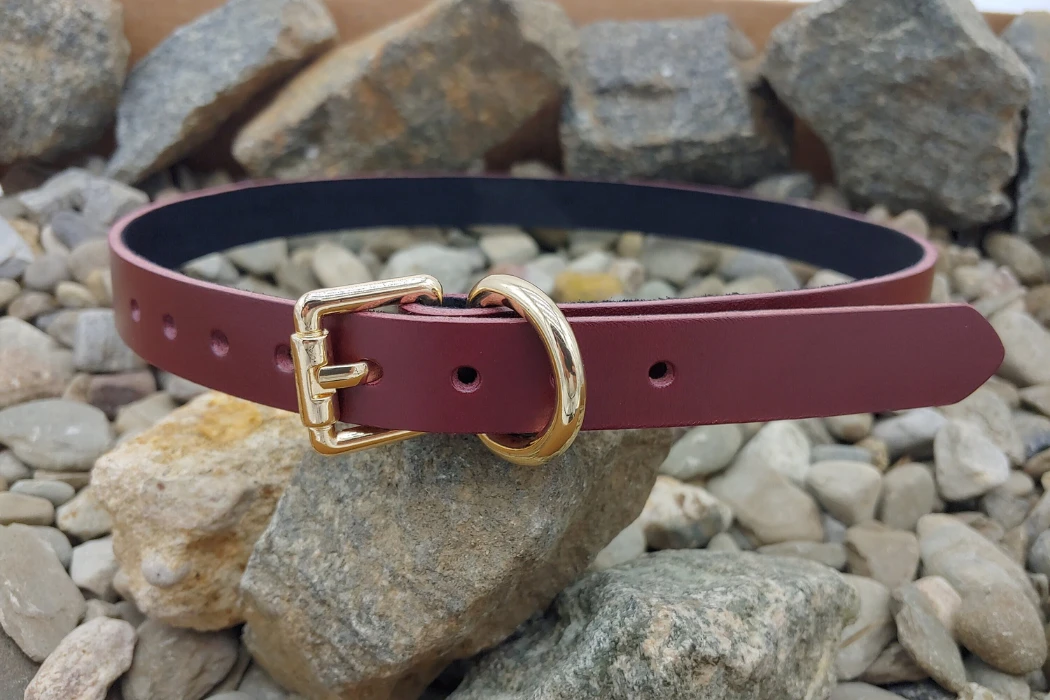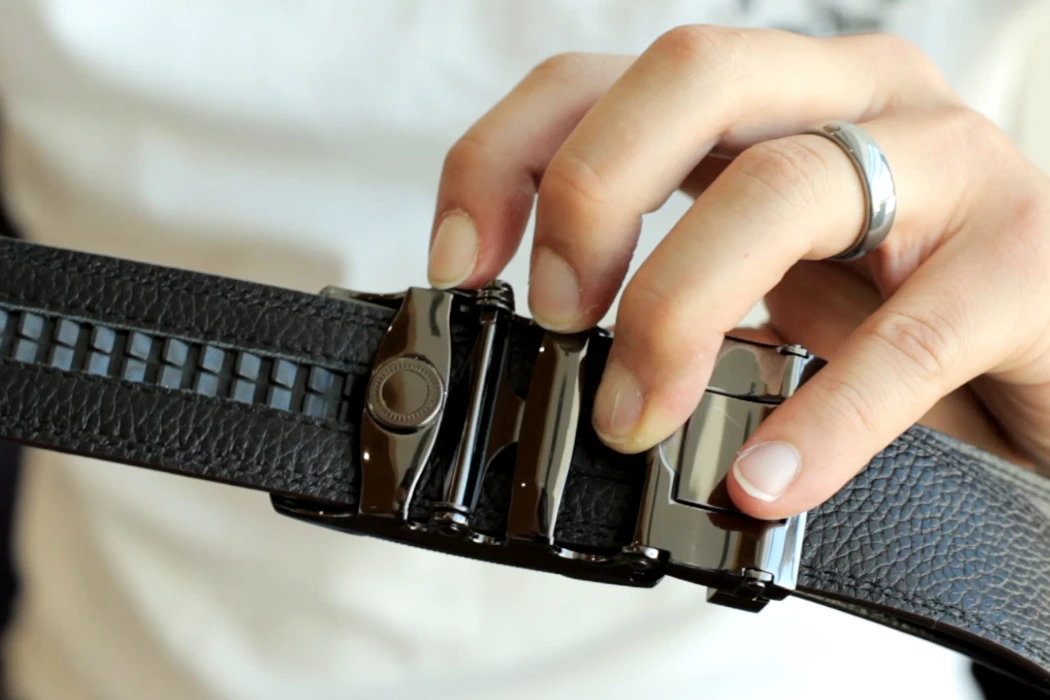
A belt lining affects the feel against clothing, the finished thickness and the behavior of a layered construction. Material choice matters, but peeling, cracking and distortion can also result from the adhesive, finish, stitching or assembly process. Evaluate the lining together with the face leather and edge construction.
This guide compares nubuck, PU-coated textile, pigskin, bonded material and the alternative of an unlined full-grain strap. It explains what to specify and inspect for each option. These are purchasing considerations, not a laboratory ranking or a guarantee of price, durability or regulatory compliance.
The Role of Lining in Structure & Comfort
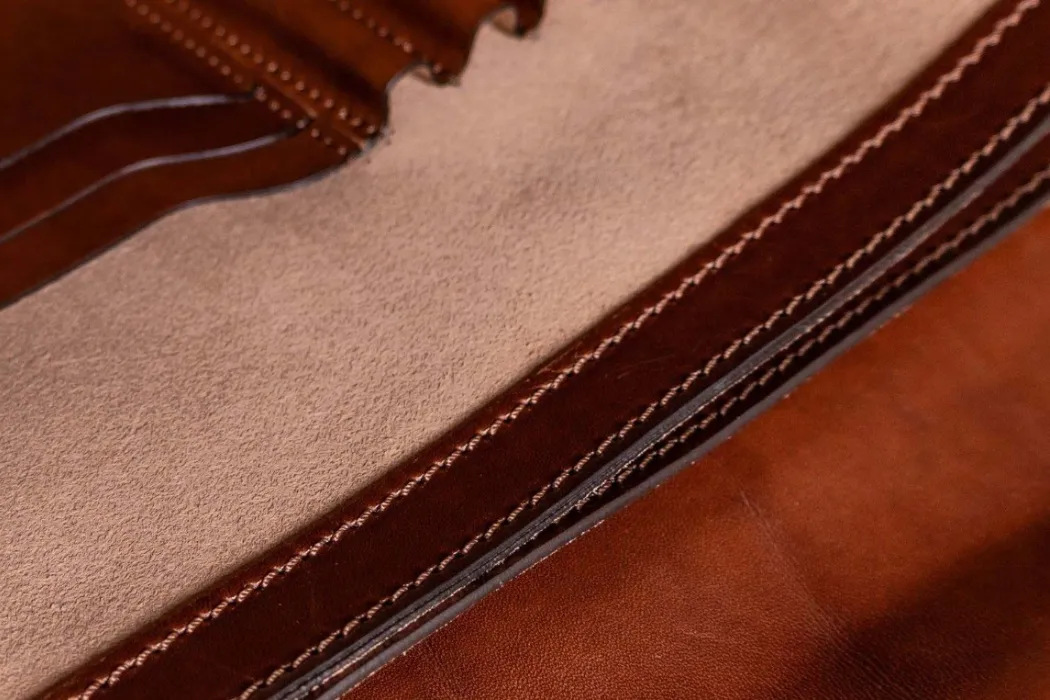
A lining can cover the flesh side, change the hand-feel and contribute to the structure of a belt. Its effect depends on its thickness, temper and bond with the face material. Some belts use a separate lining; a single-layer strap may work without one.
Providing Essential Structure and Durability
A stable lining can help control the behavior of a softer face leather, but it does not prevent all stretch. Adhesive and stitching join the layers in different ways, and the finished assembly should be evaluated for bending, separation and dimensional change. Do not assume that adding a lining automatically raises tensile strength or lowers returns.
Enhancing Wearer Comfort and Fit
Judge comfort on the assembled sample against the intended clothing. A soft surface may feel pleasant, while an overly thick or firm lining can make the belt resist bending. Vegetable-tanned and other leathers are available in different tempers; tannage alone does not establish the break-in behavior.
Indicators of High-Quality Construction
Inspect stitch consistency, buckle alignment, attachment security and the completed edges. Bend the sample and examine the lining bond, particularly near the buckle fold and tip. Agree suitable performance checks for the use and destination. A tidy appearance is useful evidence of workmanship, but it does not by itself establish resistance to heat, moisture or long-term flexing.
Matching Lining Color to Face Leather
The lining can match, complement or contrast with the face leather according to the collection’s design. Approve the combination on a physical sample. Color coordination and gloss are aesthetic choices; they should not override clothing-transfer and comfort requirements.
Fundamental Principles of Coordination
Use a physical color reference for both sides and review the materials together under agreed lighting. Pantone references can help communication, but different substrates and finishes will not necessarily appear identical. Confirm the available color-development service and its cost rather than assuming a free or perfect match.
Applying Color Schemes
To achieve a specific aesthetic for your belt line, you can apply established color theories to the design process:
- Monochromatic: This scheme uses darker or lighter shades of the same base color. It adds subtle depth and texture, creating a sophisticated look that is visually interesting without being distracting.
- Analogous: This approach uses colors that sit next to each other on the color wheel, such as blue and green. It creates an engaging visual interest, offering more creativity while maintaining a harmonious feel.
- Split-Complementary: For a more dynamic design, this scheme pairs a base color for the face leather with two accent colors for the lining, chosen from the opposite side of the color wheel. This technique creates strong, balanced contrast that makes the design pop.
Specify Your Custom Belt Construction
Discuss the face material, lining, buckle, edge treatment and intended quantity with Hoplok. A complete sample helps compare the appearance and handling of the proposed construction before a production order.
Explore Custom Belt Options →
Type 1: Nubuck — A Buffed Grain Surface
Nubuck has a finely buffed grain surface with a soft nap. It is not the same material as a flesh split or split suede. It may suit a design that calls for a soft reverse surface, provided transfer, shedding and the complete assembly meet the agreed requirements.
What Defines Nubuck Lining?
Leather Naturally’s terminology guide describes nubuck as leather with a buffed top surface. When requesting it, specify the animal source, thickness, temper and finish. A supplier offering “nubuck-like” split leather should identify that substrate clearly rather than using the appearance as a substitute for composition.
Key Advantages for Belts
The main design benefit is the soft, matte surface. Check whether that texture suits the face leather and the garments the belt will contact. Do not infer superior tear strength, breathability or higher margins from the nubuck name alone; compare the actual material articles and quotations.
Maintenance and Considerations
Inspect the nap for loose fibers and assess soiling and wet/dry color transfer. Confirm the finish and care advice with the supplier. Cutting yield, thickness and finish affect cost, so a nubuck quote should be compared with alternatives at the same required quality and production scope.
Type 2: PU-Coated Textile — Consistent Surface Options
PU-coated textile can provide a repeatable surface, color and embossing for a lining program. Its cost and performance depend on the coating, backing and finish. It should be described as a synthetic material rather than treated as a leather grade.
Manufacturing and Characteristics
A typical PU lining combines polyurethane coating with a textile backing. Specify both, as well as total thickness; coating thickness alone does not describe the finished material. For the destination market, request evidence for the applicable chemical and product requirements. REACH restrictions can apply to articles; US children’s-product obligations depend on the product and applicable rules, as explained in CPSC guidance. Neither is a blanket PU-material certification.
Advantages of PU Lining
PU offers a range of controlled textures and colors, including embossed patterns. Check batch consistency against the approved reference and obtain the actual cost and MOQ. Hoplok’s confirmed PU-belt capacity is 600,000–800,000 pieces monthly; this is a capacity range, not a guarantee of allocation or proof of a particular lining’s performance.
Potential Downsides
Some PU constructions can deteriorate through flexing, abrasion or humid aging. Others are formulated for more demanding conditions. Review relevant article-specific test results and evaluate the bond to the face material. Breathability also depends on the coating and assembly; a synthetic-versus-leather label is not a complete comparison.
Type 3: Pigskin — A Distinctive Leather Surface
Pigskin is an animal-source description, not a fixed thickness or performance grade. Its characteristic pore pattern may suit some lining designs. Compare the actual article for hand-feel, surface finish and compatibility with the belt face.
Core Characteristics of Pigskin Lining
Request the supplied thickness range, finish and temper rather than assuming all pigskin is 0.6–0.8 mm, exceptionally soft or unusually strong. The visible pore pattern does not replace measurements of material performance.
Advantages for Belt Manufacturing
A suitable pigskin article can provide a leather reverse surface at a workable project cost. Evaluate the sample against clothing and inspect the finish after the agreed exposure and handling checks. Moisture resistance and retained flexibility should be demonstrated on the supplied material, not assumed from species.
Potential Disadvantages to Consider
Check whether the pore pattern fits the design and whether the complete assembly needs reinforcement. Trial the bonding and seam settings to avoid puckering or separation. A protective finish may change feel and transfer behavior, so specify the desired result rather than making a coating mandatory for every pigskin lining.
Type 4: Bonded Material — Distinguish Lining from Filler
Bonded leather material combines leather fibers or scraps with binders. It differs from an intact hide layer. Some constructions use a leather-fiber board as an internal filler rather than an exposed lining; identify its location in the belt before comparing it with a surface material.
Composition: Shredded Scraps and Binders
Request the supplier’s declared composition, binder, backing and thickness, including the leather-fiber percentage where it is needed for the material description. Also identify the sheet-material producer separately from the belt assembler. For US-facing descriptions, the FTC Leather Guides address misleading leather and imitation-leather composition claims.
Advantages: Low Cost and Material Recycling
A bonded material may offer a consistent sheet format and use recovered leather fibers. Compare its usable yield and quoted cost with the alternatives. Ask for evidence of recovered content and any environmental claim separately; a material name alone does not establish its source or overall environmental impact.
Limitations: Lower Durability and Quality Concerns
Assess flexing, moisture response and layer adhesion in the actual belt, especially where a filler approaches the edge or buckle fold. Do not assign a service life from the material name. Where performance cannot be demonstrated, choose a construction that meets the agreed requirement instead of relying on a “premium” or “budget” label.
Type 5: Unlined Full-Grain Strap — An Alternative to Lining
An unlined full-grain belt uses the same leather piece for the visible face and reverse. It therefore has no separate lining bond to delaminate. The leather, finish, buckle attachment and edges still require inspection; a single layer does not guarantee overall durability.
The Concept of a Single-Piece Belt
The flesh side can be finished to suit contact with clothing. Specify the reverse-surface appearance, loose-fiber limit and transfer requirements on the sample. Full-grain refers to the retained grain surface, not a promise that the reverse will be flawless.
Benefits: Durability and Authenticity
This construction can suit casual fashion belts when its thickness and temper provide the intended shape. It avoids a separate lining layer, but the surface finish and other components can still wear. Do not treat it as a load-bearing or safety-belt specification.
Manufacturing Considerations
Select leather suitable for the intended exposed reverse and agree its acceptable natural variation. Inspect shedding, rough areas, transfer and bending behavior. Compare the complete sample with a lined alternative when deciding between a firm single strap and a more layered design.
Final Thoughts
Choose a lining by the complete belt’s appearance, handling and documented performance. Compare actual materials and costs, then approve bonding, seams and edges in the assembled sample. Facility certifications and material names do not replace product-specific evidence.
For a Hoplok belt enquiry, provide the face leather, preferred lining, buckle, quantity and destination. Belt samples normally take 2–3 weeks; bulk production takes 60–90 days, subject to the agreed project schedule. Contact the team to discuss a material sample and construction review.
Frequently Asked Questions
What is the best material for a belt lining?
There is no universal best lining. Compare the intended feel, thickness, clothing contact, cost and performance of the complete belt. Nubuck, pigskin and PU-coated textile offer different surface options; bonded filler serves a different internal role, and some full-grain straps need no separate lining.
What is the difference between nubuck and pigskin lining?
Pigskin describes the animal source; nubuck describes a buffed grain surface. Nubuck is not simply sanded flesh-split leather. Specify the substrate and finish separately. Hoplok’s ProPelli facility performs finishing on externally supplied crust leather; any proposed custom finish should be confirmed for the actual lining material.
Is PU lining durable?
It can be suitable when the particular coating and backing meet the project’s requirements. Review relevant flex, abrasion, aging and transfer evidence and inspect the bonded assembly. “High-quality PU” alone does not guarantee resistance to cracking or a particular service life.
Why is a lining used on leather belts?
A lining can cover the reverse surface, change the hand-feel and contribute to the belt’s structure. It does not eliminate all stretch or guarantee a longer lifespan. The result depends on the face material, lining, adhesive, stitching and edge construction.
What are the most breathable materials for belt backing?
Assess the actual material and finish if vapor permeability is important to the design. Heavy coatings, adhesives and additional layers can affect the complete assembly, so neither natural leather nor a thin lining automatically delivers the best result. Comfort also depends on texture, stiffness and fit.
How can you prevent dye transfer from a belt lining?
Specify wet and dry rubbing and other relevant transfer checks for the finished lining, edges and exposed surfaces, using agreed methods and acceptance criteria. Review the actual material/color combination and test the complete construction where surfaces overlap or contact clothing. LWG certification concerns the audited supply-chain operation; it is not a guarantee that a finished belt cannot transfer dye.