Attending global leather trade shows like APLF and Lineapelle requires a serious investment of time and capital. Flights, hotels, and days spent walking the exhibition floor cost money. So, professional buyers must approach these events with a strict strategy to maximize their Return on Investment (ROI).
To get the best results, you need to understand the unique focus of each show. APLF is the primary global hub for high-volume material sourcing and finding reliable manufacturing connections. Meanwhile, Lineapelle serves as the ultimate center for European design trends and premium leather finishing. Because they serve totally different purposes, your preparation and floor strategy must match the specific event you attend.
Preparing a detailed sourcing brief, knowing exactly which compliance questions to ask tanneries, and managing your time on the floor will completely dictate your success. Then, you must execute a solid follow-up plan for the swatches and contacts you collect. Let us explore exactly how you can navigate these major shows and turn your visits into profitable manufacturing partnerships.
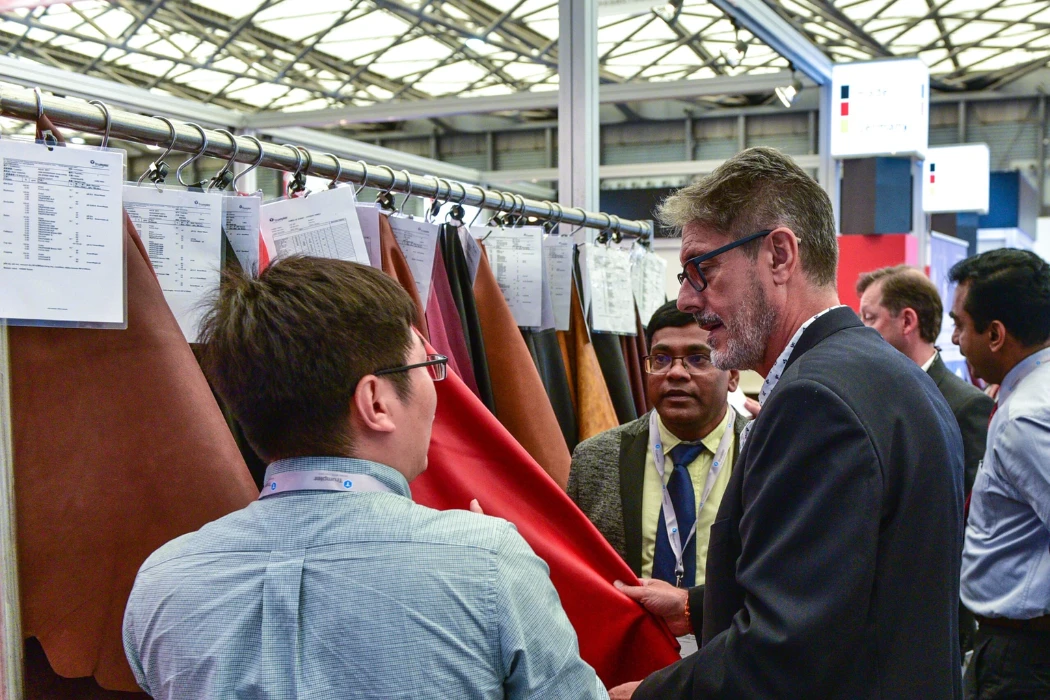
Why Are APLF and Lineapelle Crucial for Leather Buyers?
APLF and Lineapelle are the two most important trade shows in the leather industry because they serve completely different supply chain needs. APLF focuses on high-volume material sourcing and global manufacturing capacity. Conversely, Lineapelle drives European design trends and premium leather finishing. Buyers must attend these shows to secure competitive pricing, discover new materials, and align their production schedules with international fashion calendars.
The Role of APLF in Global Sourcing
APLF acts as the central hub for mass-market and mid-tier leather procurement. It brings together the practical, high-capacity side of the supply chain.
- Global Reach: Hosted traditionally in Hong Kong or Dubai, it connects buyers directly with tanneries from Asia, South America, and the Middle East.
- Volume Sourcing: It is the best place to negotiate contracts for high-volume orders, such as 100,000+ square feet of standard cowhide or bulk PU materials.
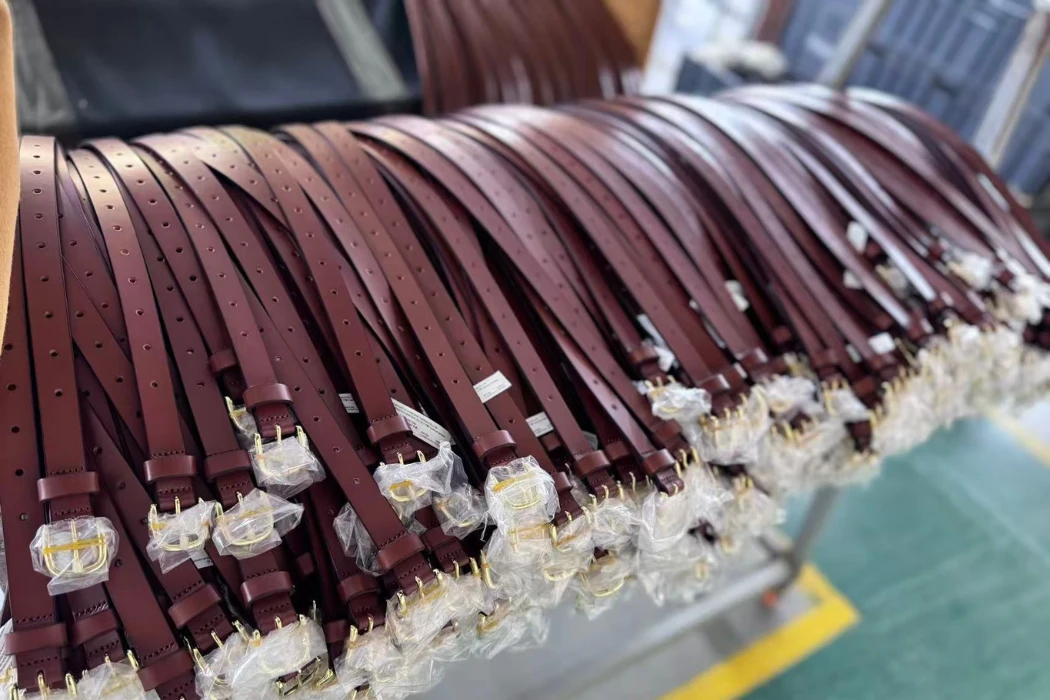
- Manufacturing Partners: Beyond raw materials, APLF features thousands of OEM and ODM factories capable of producing finished bags, belts, and wallets at scale.
So, if your primary goal is to build a scalable supply chain with reliable factory partners, APLF is your required destination.
The Role of Lineapelle in Trend Forecasting
Lineapelle operates at the absolute cutting edge of the global fashion industry. It is the ultimate destination for luxury brands and trend-focused designers.
- European Hub: Located in Milan, Italy, this show highlights the finest European tanneries and luxury hardware suppliers.
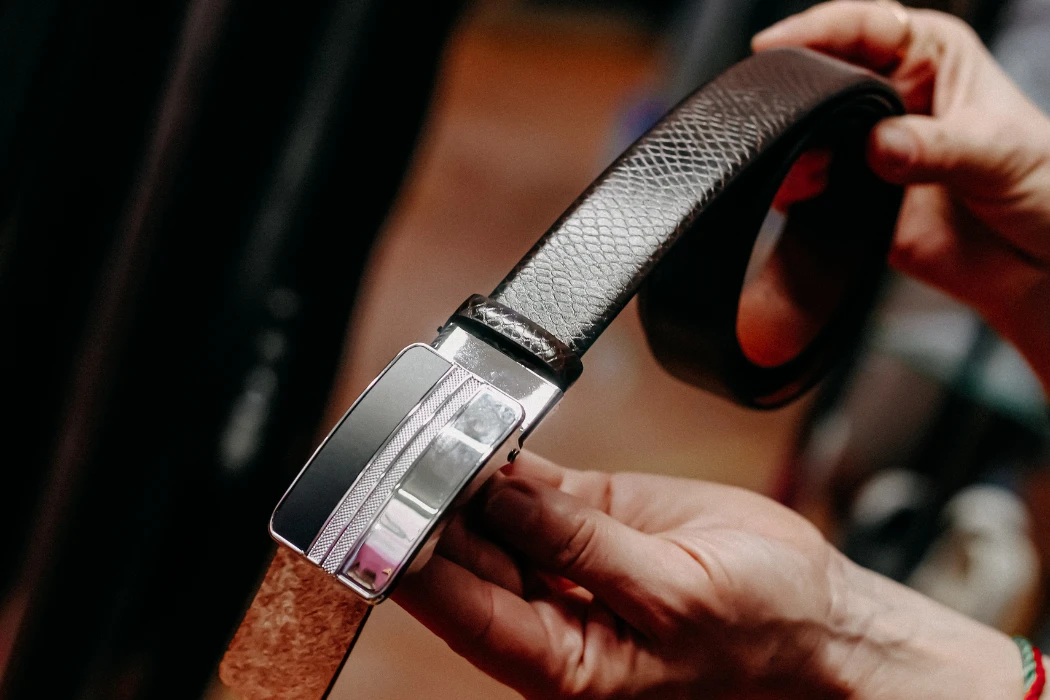
- Advanced Finishing: Buyers visit to source innovative textures, such as metallic foils, vintage oil-tanned leathers, or complex crocodile embossing.
- Fashion Alignment: The materials and colors presented here strictly dictate the palettes for the upcoming fashion seasons.
Therefore, buyers looking to source premium, highly customized materials for boutique or high-end collections must prioritize a trip to Lineapelle.
Timing the Sourcing Calendar
Attending these shows at the right time is critical for keeping your production on schedule. Buyers must calculate their timelines backward from the exhibition dates.
- Seasonal Alignment: Both shows typically hold events twice a year (Spring and Fall) to align with global fashion release cycles.
- Sample Lead Times: Sourcing new materials at the show means you must account for 7 to 15 days just to receive initial physical swatches and prototypes.
- Bulk Production: After approving your trade show samples, standard bulk production usually requires another 30 to 45 days.
Because the development cycle takes time, buyers use these events to lock in materials months before their final products hit retail shelves.
| Feature | APLF (Asia/Middle East) | Lineapelle (Milan, Italy) |
|---|---|---|
| Primary Focus | High-volume sourcing & manufacturing | Trend forecasting & luxury finishing |
| Target Buyer | Mass-market to mid-tier retail brands | High-end and luxury fashion houses |
| Key Exhibitors | Global tanneries, OEM/ODM factories | European boutique tanneries, premium hardware |
| Material Types | Standard cowhide, PU, high-capacity crusts | Aniline, exotic embossed, custom washed leathers |
How Do You Prepare an Effective Sourcing Brief Before the Show?
You prepare an effective sourcing brief by clearly documenting your exact material needs, target prices, and required production volumes before you step onto the trade show floor. A strong brief stops you from wasting time on the wrong suppliers. It acts as a strict filter so you only speak with tanneries and factories that match your specific product standards and business size.
Defining Material Specifications
Your material specifications must be extremely precise because vague requests lead to useless samples.
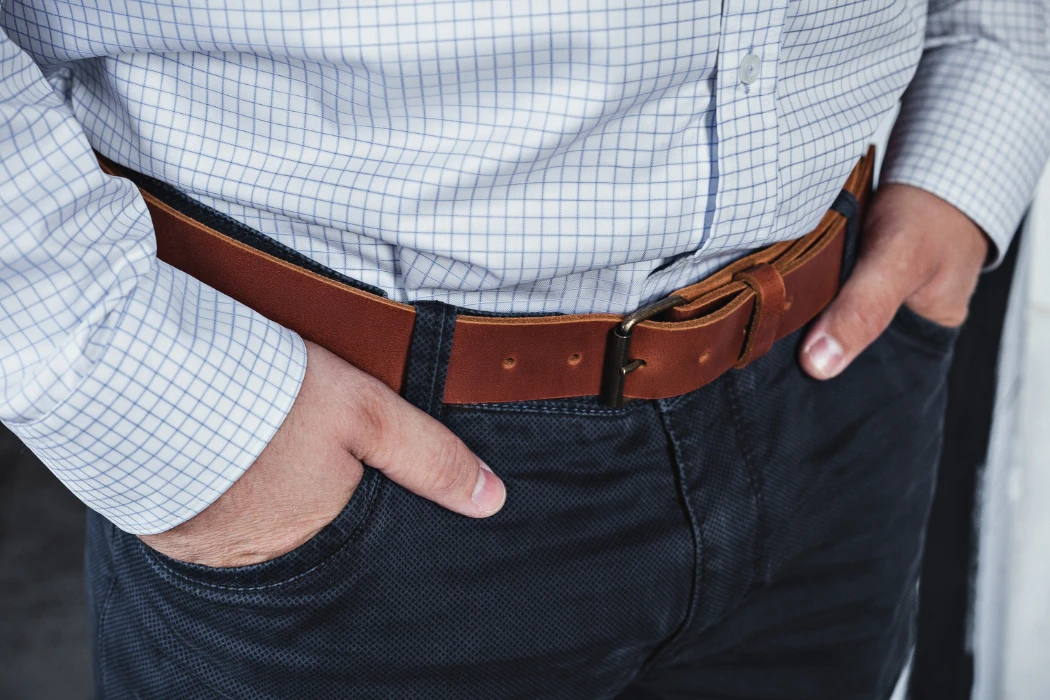
- Thickness: Clearly state the required gauge, such as 1.2mm to 1.4mm for structural handbags or 2.5mm to 3.0mm for durable men’s belts.
- Leather Type: Specify if you need full-grain, top-grain, split leather, or vegan alternatives.
- Surface Finish: Detail the exact look you want, like a clean aniline finish, crazy horse oil-tanned effect, or crocodile embossing.
- Compliance: List mandatory chemical standards, including strict adherence to REACH limits for the European market or CPSIA for the USA.
Giving suppliers these exact technical details instantly separates the capable manufacturers from those who cannot meet your quality standards.
Setting Budget and Minimum Order Quantities (MOQs)
Knowing your financial limits and volume requirements prevents frustrating negotiations later in the process.
- Target Price: Define the maximum price per square foot you can pay while maintaining your profit margins.
- Initial MOQs: Determine your lowest viable order size, which might be 300 to 500 pieces per style for a test run.
- Scaling Capacity: Ask if the factory can scale up to 10,000+ units per month if your product becomes a bestseller.
- Sample Costs: Budget for prototype fees, as creating custom molds or specific color dyes always carries an upfront cost.
Being transparent about your numbers helps suppliers quickly confirm if your business model fits their production lines.
Mapping Out Supplier Targets
You must research the exhibitor list weeks in advance to map out your daily route.
- Tannery Focus: Identify specific tanneries from regions like Italy, Argentina, or Brazil that specialize in your required leather types.
- Factory Audits: Check if the manufacturers hold necessary certifications like BSCI or SMETA before scheduling a meeting.
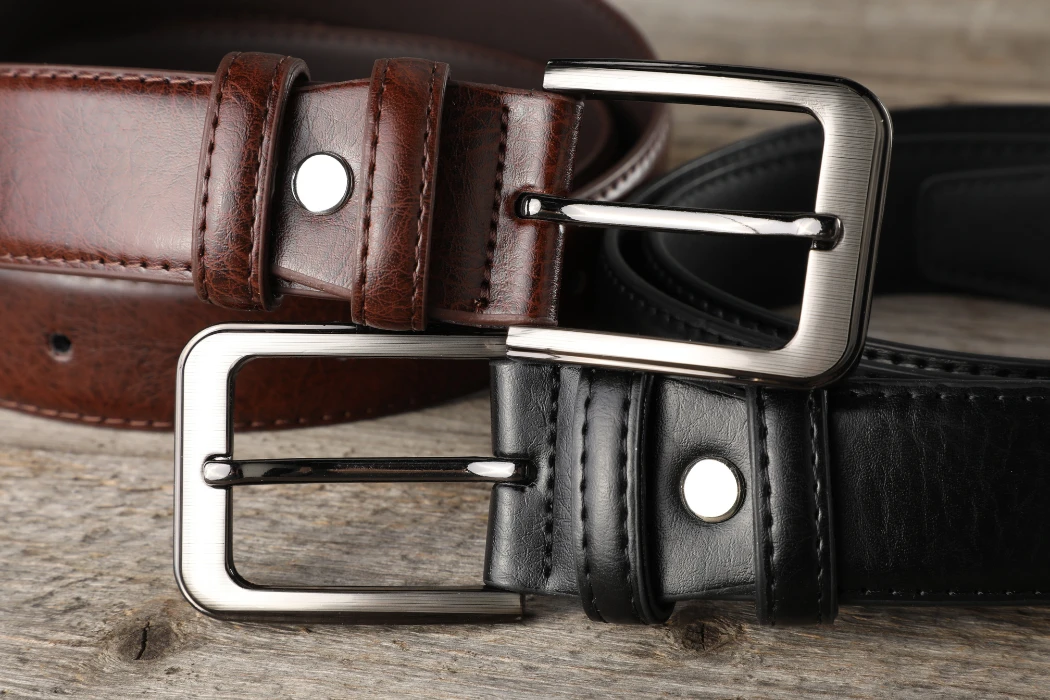
- Hardware Suppliers: Leave room to visit vendors selling solid brass buckles, YKK zippers, and custom metal logos.
- Geographic Strategy: Group your meetings by hall or pavilion so you do not waste hours walking back and forth across a massive venue.
A well-planned route keeps your energy high and ensures you hit every critical target on your sourcing list.
Trade shows feature massive halls that can easily overwhelm unprepared buyers. Walking through aisles without a specific plan wastes your energy and your valuable time. A strict floor strategy ensures you meet your primary targets while still leaving enough time to discover new manufacturing trends.
Prioritizing Tannery Pavilions
You must group your visits by specific manufacturing zones to save your feet and maximize your daily meeting count.
- Country Pavilions: Group your morning meetings by specific areas, like the Italian or Brazilian leather sectors, so you avoid walking miles across the venue.
- Hardware Sections: Visit the metal accessory halls in a single block to compare brass buckles and YKK zippers side-by-side.
- Machinery Halls: Skip these sections entirely if you only buy finished goods or raw materials, because they only serve factory owners.
Grouping your targets by physical location keeps your mind sharp and prevents absolute physical exhaustion by the end of the day.
Allocating Time for Unplanned Discoveries
Even with a strict schedule, you need open blocks of time to find unexpected suppliers and examine new material trends.
- The 70/30 Rule: Spend 70% of your day in pre-scheduled meetings and leave the remaining 30% completely open for walking new aisles.
- Trend Forums: Spend at least 45 minutes in the official trend prediction areas to see the new seasonal colors before you talk to the tanneries.
- Secondary Halls: Walk through the smaller, independent booths because they often offer lower MOQs, like 100 to 200 square feet, for startup brands.
Leaving room for random discoveries often leads you to the most innovative suppliers at the entire exhibition.
Utilizing Digital Show Maps and Apps
You must use the official trade show technology to navigate massive convention centers effectively and organize your new contacts.
- Digital Bookmarking: Use the official app to pin your top 15 to 20 must-visit booths the night before the show begins.
- QR Code Scanning: Scan vendor badges to instantly save their contact details instead of carrying heavy paper catalogs all day.
- Live Seminar Alerts: Set alarms for industry talks about chemical compliance, like REACH updates or new sustainability standards.
Relying on digital tools keeps your hands free and ensures you never miss a critical meeting or educational session.
| Time Block | Floor Activity | Primary Goal |
|---|---|---|
| Morning (09:00 – 12:00) | Pre-scheduled Tannery Meetings | Lock in core material suppliers and verify leather specs. |
| Lunch (12:00 – 13:00) | Rest and Note Review | Organize morning swatches and staple business cards to notes. |
| Early Afternoon (13:00 – 15:00) | Hardware & Accessories Sourcing | Find matching buckles, zippers, and custom linings. |
| Late Afternoon (15:00 – 17:00) | Open Floor Exploration | Discover new trends, visit trend forums, and explore smaller booths. |
Which Questions Must You Ask Leather Suppliers on the Spot?
Trade shows move incredibly fast, so you only have a few minutes at each booth to evaluate a supplier. Asking vague questions wastes this critical moment. You must ask direct, technical questions to reveal their actual manufacturing capabilities and compliance standards immediately.
Verifying Leather Working Group (LWG) Certifications
Sustainability is no longer optional for global brands, so you must strictly confirm their environmental practices.
- Certification Tier: Ask exactly what tier of certification they hold, such as LWG Gold or LWG Silver.
- Audit Scope: Demand to know if the certification covers the entire tannery facility or just specific premium product lines.
- Validity Period: Check the expiration date of their current certificate, because official LWG audits happen every 24 months.
Verifying these exact LWG details on the spot protects your brand from false environmental claims and secures a clean supply chain.
Clarifying Lead Times and Sample Policies
You cannot plan a successful retail product launch without knowing their exact production schedules.
- Sample Turnaround: Ask for their specific sample timeline, which should ideally be 7 to 15 days for custom colors or finishes.
- Bulk Production: Confirm the standard lead time for high-volume orders, usually ranging from 30 to 45 days after sample approval.
- Development Fees: Check if they refund the initial $50 to $100 prototype fees when you finally place a bulk production order.
Getting clear timeline and cost data directly on the floor prevents massive shipment delays later in the manufacturing cycle.
Checking Chemical Compliance (REACH and CPSIA)
Importing non-compliant leather goods results in massive fines and destroyed inventory at customs borders.
- European Standards: Ask if their leathers and dyes pass strict REACH chemical testing for the European Union market.
- USA Requirements: Confirm their hardware and leather materials meet the strict CPSIA lead limits for the United States.
- Restricted Substances: Request to see recent third-party lab reports, specifically looking for bans on harmful chemicals like Chromium VI.
Demanding chemical compliance upfront ensures your products will legally clear international customs without expensive delays or rejections.
How Can You Evaluate and Follow Up on Trade Show Leads?
Trade shows generate dozens of leads, but most buyers fail because they do not organize their notes. You must sort your swatches and contact details immediately so you can execute a strict follow-up plan when you return to your office.
Organizing Swatches and Business Cards
You must capture detailed data while you stand at the booth, because you will forget the details later.
- Staple Everything: Staple the supplier’s business card directly to the physical leather swatch immediately.
- Price Notes: Write the quoted price per square foot, like $2.50 to $3.50, directly on the back of the card.
- Volume Data: Note the specific minimum order quantity, such as 500 square feet, so you remember their production scale.
Capturing these physical notes guarantees you have accurate data when you compare suppliers back at your hotel.
Structuring the Post-Show Email Sequence
Fast and clear communication separates serious buyers from casual window shoppers.
- Speed: Send your first follow-up email within 48 hours of leaving the exhibition.
- Attach the Brief: Attach a clear digital sourcing brief that includes your target volume, like 5,000 bags for the upcoming season.
- Verify Claims: Ask them to confirm their factory certifications, such as ISO9001 or BSCI, in writing.
Sending a structured email quickly proves you are a professional buyer ready to place real manufacturing orders.
Requesting Production Samples
You must test a supplier’s actual manufacturing quality before you transfer any bulk payments.
- Exact Specs: Order a pre-production sample using the exact leather grade and thickness you chose at the show.
- Pay Quickly: Pay the standard $50 to $150 sample fee immediately so the factory prioritizes your project.
- Set Deadlines: Give them a strict deadline of 10 to 14 days to deliver the physical prototype to your office.
Testing a physical prototype ensures the factory can actually meet the quality standards they promised on the show floor.
FAQ
What is the difference between APLF and Lineapelle?
APLF focuses on mass-market leather sourcing, high-volume production, and finding OEM factories. Lineapelle focuses strictly on luxury European trends, premium hardware, and advanced leather finishing.
How do you plan a budget for attending a leather trade show?
You must calculate flight and hotel costs, but also reserve capital for sample fees. Buyers typically budget $500 to $1,000 just to order initial prototypes and physical swatches from the vendors they meet.
How many days do you need to effectively cover Lineapelle?
You need at least two full days to cover the Lineapelle floor. You should spend the first day securing core leather suppliers and the second day hunting for matching hardware and visiting trend forums.
Can you buy leather directly at the trade show booth?
No, you cannot buy bulk leather directly at the booth. Suppliers only bring small sample swatches to the show. You review the swatches, negotiate the price, and then place a bulk order for future factory production.
What do you wear to a professional leather trade show?
You must wear extremely comfortable walking shoes because you will walk several miles a day. Pair them with business casual attire so you look professional when negotiating with tannery owners and factory directors.
How quickly should you follow up with a supplier after a trade show?
You must send a follow-up email within 48 hours. Waiting longer causes the supplier to forget your specific conversation, because they speak to hundreds of buyers every single day.
Conclusion
Navigating global leather exhibitions requires strict preparation and a focused floor strategy. You must define your exact material specifications, prioritize your tannery visits, and ask tough compliance questions about REACH and LWG certifications. Organizing your swatches and executing a fast email sequence will help you lock in the best manufacturers. For brands seeking an integrated partner who understands these exact international standards, Hoplok provides turnkey custom leather goods manufacturing. We bridge the gap between premium material sourcing and scalable factory production to bring your designs to the market efficiently.