Buffalo Leather for Bags, Belts and Wallets
Buffalo leather is an animal-hide leather description that needs a more precise sourcing specification. In a water-buffalo article, the hide is from water buffalo; in North American usage, “buffalo” may also refer to bison. Confirm the species, origin, leather layer and finish rather than relying on the name alone.
A buffalo leather article can provide the texture and hand feel a brand wants, but it is not automatically thicker, stronger or more expensive than every cowhide. Tanning, splitting, finishing and product construction affect the delivered material. Compare actual articles and approved samples before promising durability or a particular appearance over time.
This guide covers material identity, processing, finish options, comparisons and procurement checks for ordinary bags, belts and wallets. It also explains how to develop suitable care wording and evaluate sourcing claims without assigning a universal lifespan to the material.
What Is Buffalo Leather, and Where Does It Come From?

Confirm the animal identity
Water buffalo, commonly identified as Bubalus bubalis, and American bison are different animals. FAO discusses water buffalo under that scientific name. The US National Park Service explains that “buffalo” is also used informally for American bison. The commercial name alone is therefore insufficient to identify the leather in a purchase order.
Separate animal origin from leather processing
Ask for the declared species and the country of hide origin, tanning and finishing where relevant to the sourcing claim. These locations may differ. A country name in an article description should be clarified rather than treated as proof of the animal’s origin or the location of every processing step.
American bison are not confined to the United States; the Canadian government describes bison populations in Canada. This biological fact does not establish any particular commercial hide source, which still requires supplier records.
Understand what “real leather” establishes
A leather article retains the animal hide’s original fibrous structure, while synthetic imitations and reconstituted leather-fibre materials have different constructions. A finished product may also include coatings, backing, lining and other components. Specify these separately instead of describing the entire item as 100% animal hide merely because its shell is leather.
Keep heritage claims specific
A broad reference to traditional use does not prove the origin, animal welfare or quality of a modern leather batch. If a brand wants to use a particular heritage or provenance story, obtain evidence that connects that claim to its actual supply route. The material name is not a substitute for that connection.
How Is Buffalo Leather Processed?
Leather production involves preparation, tanning and subsequent processing to achieve the specified article. The exact route varies; not every hide is preserved or finished in the same way. Ask the supplier which stages it performs and which are completed upstream.
Preparation and tanning
Preparation makes the hide suitable for the selected tanning process. Tanning stabilizes the hide for use as leather. Vegetable, chrome and combination tanning can produce different articles, but the tannage name alone does not establish softness, strength, environmental impact or suitability for a particular product.
Retanning, dyeing and lubrication
Further processing adjusts properties such as colour, fullness and feel. Fatliquoring introduces suitable lubricating materials into the leather; it should not be reduced to a promise that natural oils make every buffalo article waterproof. The formulation and finished article require evaluation for the intended use.
Thickness and surface finishing
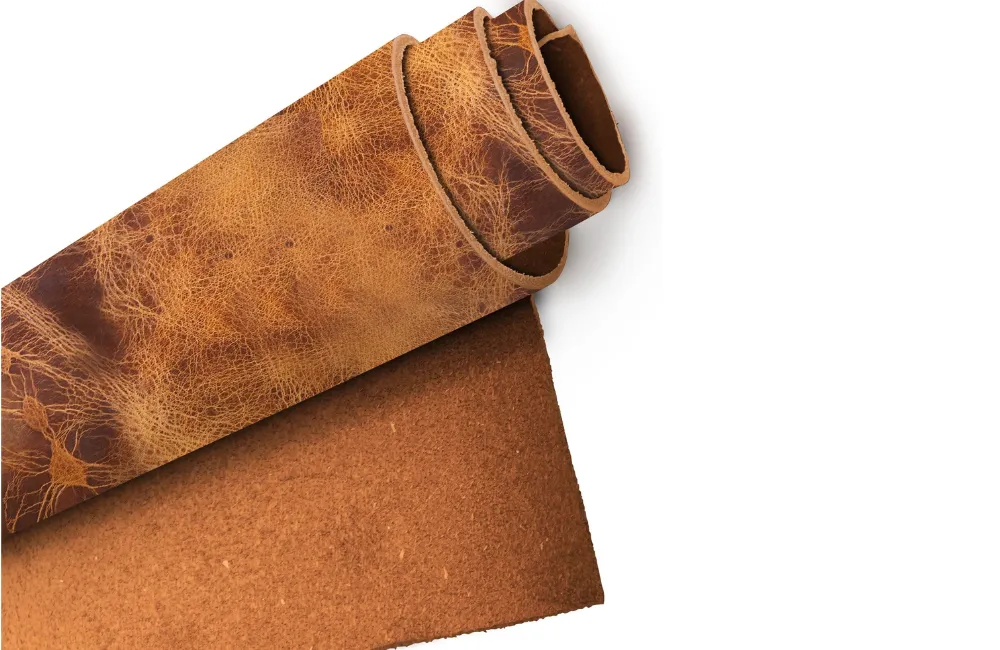
Splitting, shaving or skiving can change thickness, while finishing affects texture, colour and surface behaviour. A pronounced grain may be natural, enhanced or embossed. Ask whether the surface has been corrected and what coating or treatment is present. These details matter more than assuming the raw hide’s thickness equals the supplied leather thickness.
As one documented example, Tandy’s Vintage Glazed Water Buffalo Bend specifies vegetable tanning with chrome retanning and a particular glazed finish. It illustrates a combined process, not a universal recipe for buffalo leather or a statement that Hoplok supplies that named article.
Identify Hoplok’s role accurately
For a Hoplok project, confirm the proposed material source and processing route. ProPelli performs leather finishing on externally sourced crust. It should not be described as processing raw hides through every tanning stage, and specialty material availability needs confirmation in the quotation.
Which Buffalo Leather Finishes Can Buyers Compare?
Keep grade, finish and origin separate. Full-grain describes retention of the original grain surface; pull-up describes a designed colour-lightening effect when stretched. A country name or an article nickname does not establish either property.
Full-grain and corrected-grain articles
For full-grain, confirm that the original grain surface remains. For corrected grain, obtain details of the surface correction and finishing. Approve the permitted natural marks, texture, colour and gloss. Neither label gives a fixed durability ranking, and full-grain leather may still carry a surface finish.
Pull-up effects
A pull-up article is designed to change colour appearance when stretched or bent. The effect varies by formulation and finish and does not itself prove full-grain construction. Tandy’s Crazy Pull Up Water Buffalo Bend describes different effect intensity between its colours, illustrating why the exact colour and article should be approved together.
“Italian,” “hunter” and embossed descriptions
Clarify what “Italian” refers to: supplier, tanning, finishing or another documented origin claim. “Hunter” and similar names may identify a supplier’s finish family rather than a standardized grade. For an embossed scale pattern, state the conventional leather substrate accurately; the pattern is not real exotic skin.
| Description | What it can tell the buyer | What still needs confirmation |
|---|---|---|
| Full-grain buffalo | Original grain surface retained | Species, article, finish, thickness and performance |
| Corrected-grain buffalo | Surface correction has been used | Correction and coating details, approved appearance |
| Pull-up | Designed colour change under stretching | Substrate, effect intensity and wear expectations |
| Country-labelled article | A claimed geographic connection | Which processing stage or origin is meant |
| Hunter or embossed | A commercial appearance description | Exact sample, finish system and material identity |
The LWG definitions provide a useful terminology reference. Use them alongside the supplier’s article specification, rather than treating a finish name as an independent quality certificate.
Which Properties Should Buyers Assess?
Thickness and strength
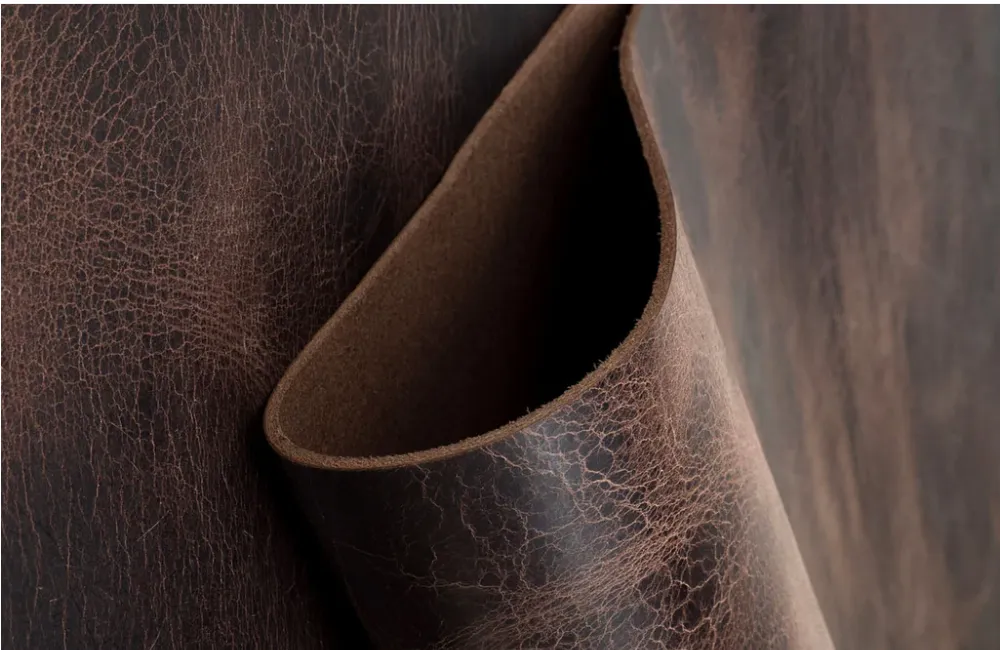
Specify the delivered thickness range and measurement method. Buffalo leather is not universally two or three times thicker than cowhide, and the animal’s skin structure does not provide a finished-product strength value. Select suitable material tests and inspect the complete construction, including seams, holes and attachments.
Texture and surface appearance
Review the grain, colour and gloss on representative pieces. A textured surface may make some marks less visible, but it does not prevent scratches. Agree what variation is acceptable across panels and across a production lot, especially where the design places matching pieces next to each other.
Flexibility and hand feel
Assess the material at the thickness used in the product. A firm belt article may be unsuitable for a folded wallet without changes to thickness or construction. Conversely, a very soft article may need support in a structured bag. Confirm the required feel on a physical sample rather than a species description.
Appearance with use
A patina or pull-up effect may be desirable for one collection and unacceptable for another. Define the expected appearance and permitted changes after the agreed use or rubbing checks. Do not promise that every buffalo leather becomes more attractive, never cracks or lasts for a lifetime.
| Property | Approval evidence |
|---|---|
| Dimensions | Thickness and component measurement records |
| Mechanical behaviour | Relevant article tests and complete-product trial |
| Colour transfer | Rubbing assessment under agreed conditions |
| Surface variation | Approved shade and texture references |
| Moisture-related behaviour | Suitable test for the actual claim and construction |
| Care response | Trial of the proposed care procedure |
How Does Buffalo Leather Compare With Other Leathers?
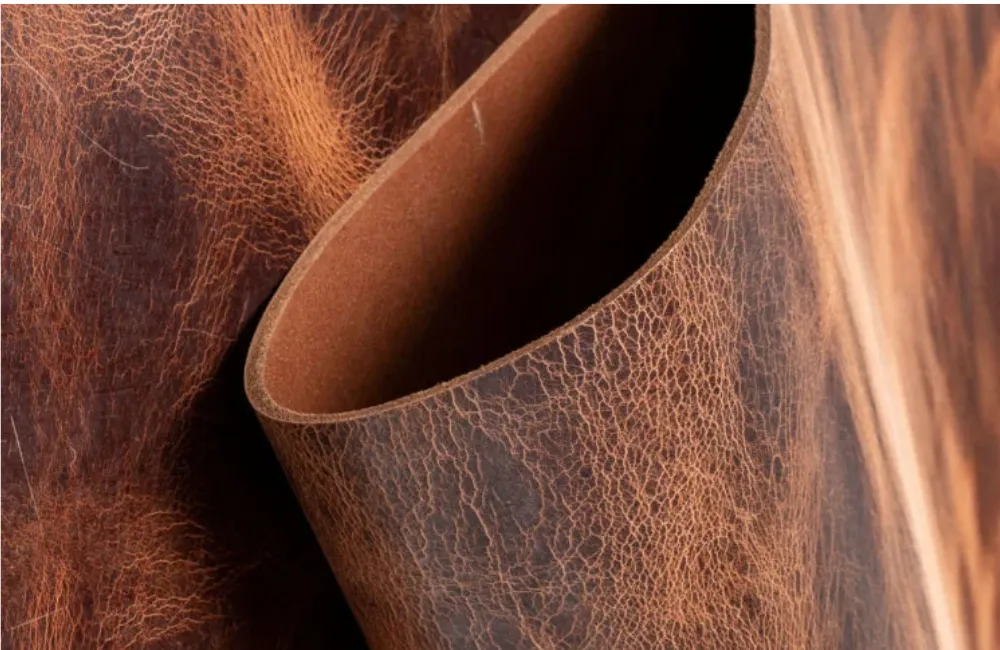
Compare articles of appropriate thickness and construction for the same product. A heavy belt bend and a thin wallet leather cannot establish a meaningful species-wide strength ranking. Ask suppliers to quote equivalent requirements and identify any differences that affect cutting or assembly.
| Comparison | Useful distinction | Avoid assuming |
|---|---|---|
| Water buffalo vs. cowhide | Different animal source; compare actual surface and hand feel | Buffalo always stronger, heavier or more expensive |
| Water buffalo vs. American bison | Different species; commercial “buffalo” terminology can be ambiguous | Bison always US-origin or always higher-priced |
| Buffalo vs. lambskin | Different articles may offer different feel and drape | Every lambskin is unsuitable for durable goods |
| Buffalo vs. calfskin | Compare grain appearance, thickness and finish | Calfskin automatically full-grain or buffalo automatically coarse |
| Buffalo vs. PU | Animal-hide substrate versus specified synthetic construction | A universal lifespan or environmental ranking |
Use the same component brief
Give each supplier the intended product, dimensions, target feel, colour, finish and performance requirements. Note differences in usable area, cutting yield and minimum order. These can change the cost of the finished item even when material prices look similar.
Review complete samples
For a bag, inspect the loaded shape and carrying attachments. For a belt, review holes, buckle attachment and dimensional behaviour. For a wallet, examine folds and pocket edges. Select the material that meets the requirement at an acceptable quoted cost, rather than assigning 9/10 and 7/10 scores to species.
What Are the Potential Benefits and Trade-offs?
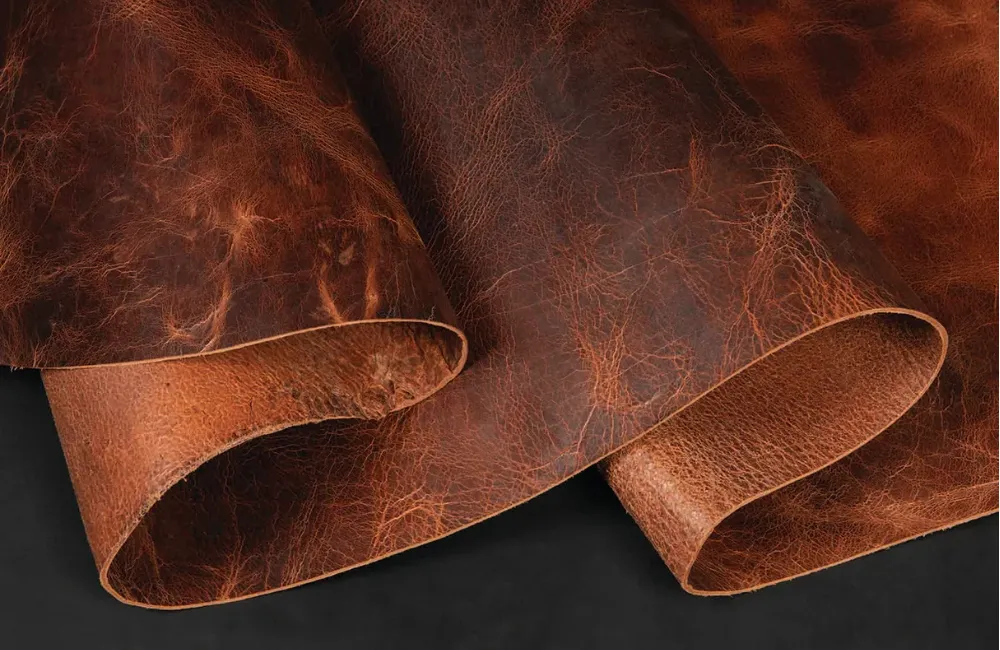
A buffalo article can be attractive when its texture, feel and colour effect fit the collection. The same characteristics may add complexity when a buyer needs uniform matching or a very thin construction. Treat the following as questions for the selected article, not guarantees for the category.
| Potential benefit | Trade-off to evaluate |
|---|---|
| Distinctive grain or finish | Panel matching and permitted natural variation |
| Firm hand feel | Weight, bending and construction bulk |
| Pull-up or changing appearance | Customer expectations and visible handling marks |
| A sourcing story based on declared material | Evidence needed for species, origin and environmental claims |
| An article suitable for the product | Availability, minimum order and repeat-lot consistency |
Decide whether the article is worth its quoted cost
Compare the complete sample and the landed product quotation with the alternatives. A higher material price is not proof of better quality, and a lower price does not establish inferiority. Avoid a lifetime-value calculation unless its service-life assumptions have a credible basis.
How Can It Be Used in Ordinary Bags, Wallets and Belts?
Select the buffalo article for the component and construction. The name alone does not establish a carrying load, weather protection or resistance to stretching. Hoplok enquiries should focus on ordinary leather goods and confirm the specific material’s availability.
Bags
For a tote, messenger or travel bag, review panel weight, lining, reinforcement and attachment design together. A textured or pull-up article can create a particular appearance, but the assembled bag still needs to meet the intended handling and performance requirements. Compare custom bag samples with the intended contents.
Wallets
Check pocket layers, folded edges and card access. The delivered thickness and skiving plan matter more than the raw hide’s size. For a custom wallet, approve the leather article with the complete layer stack and decoration.
Ordinary fashion belts
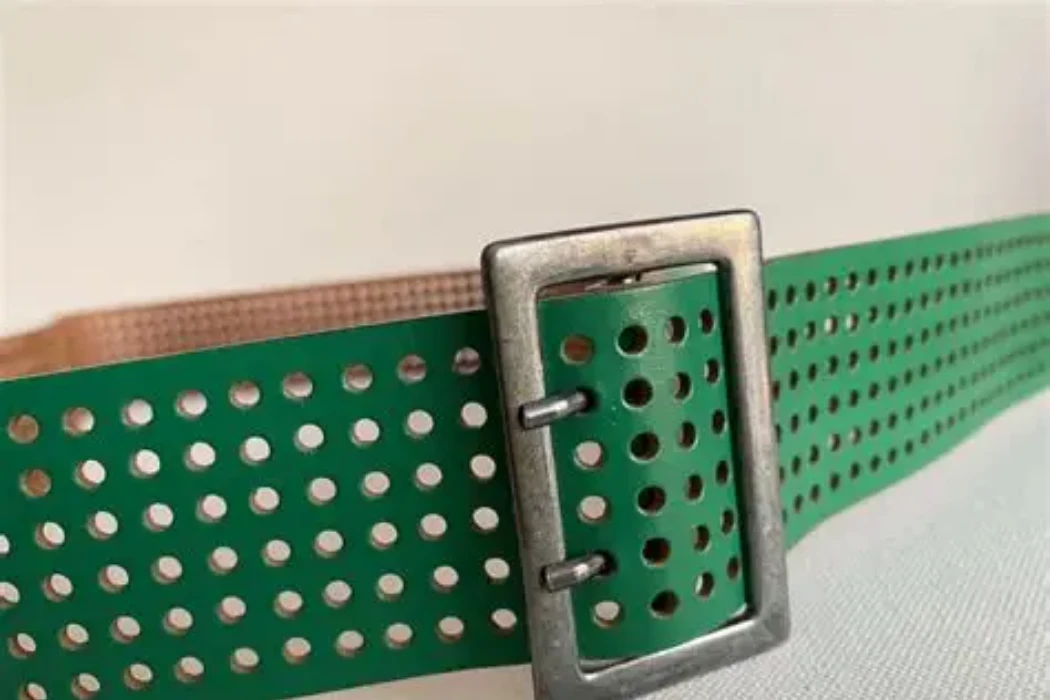
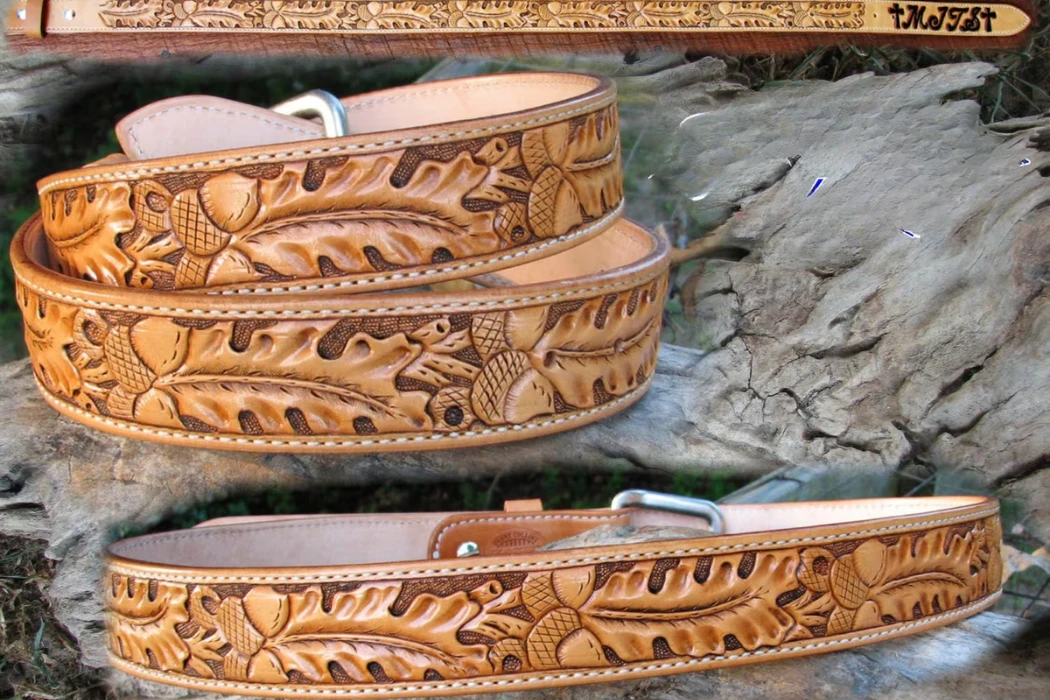
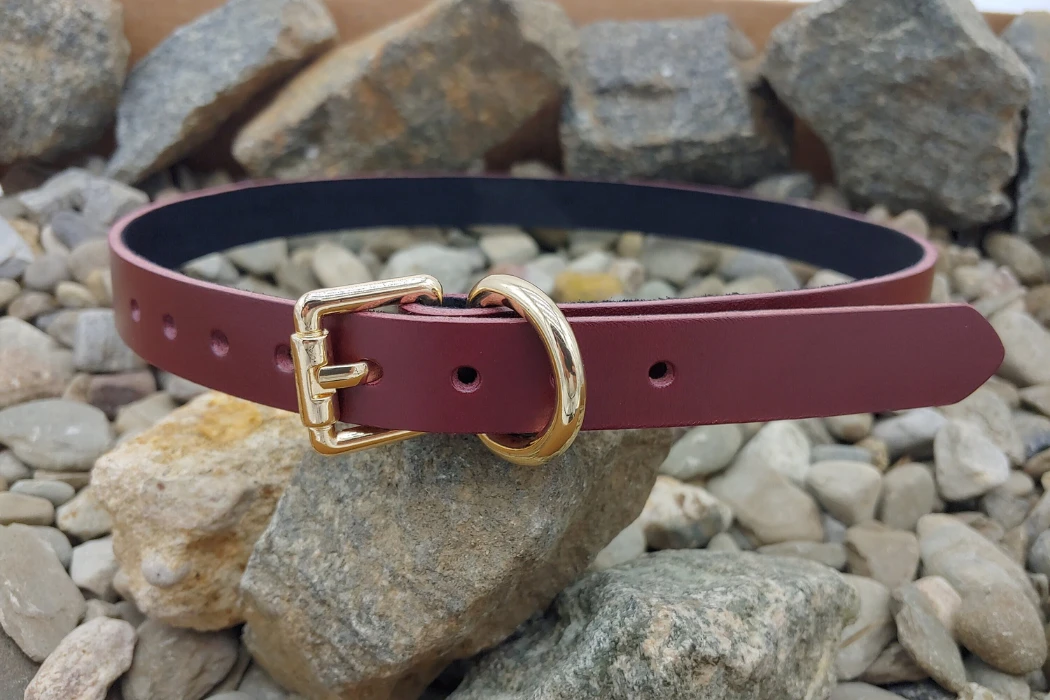
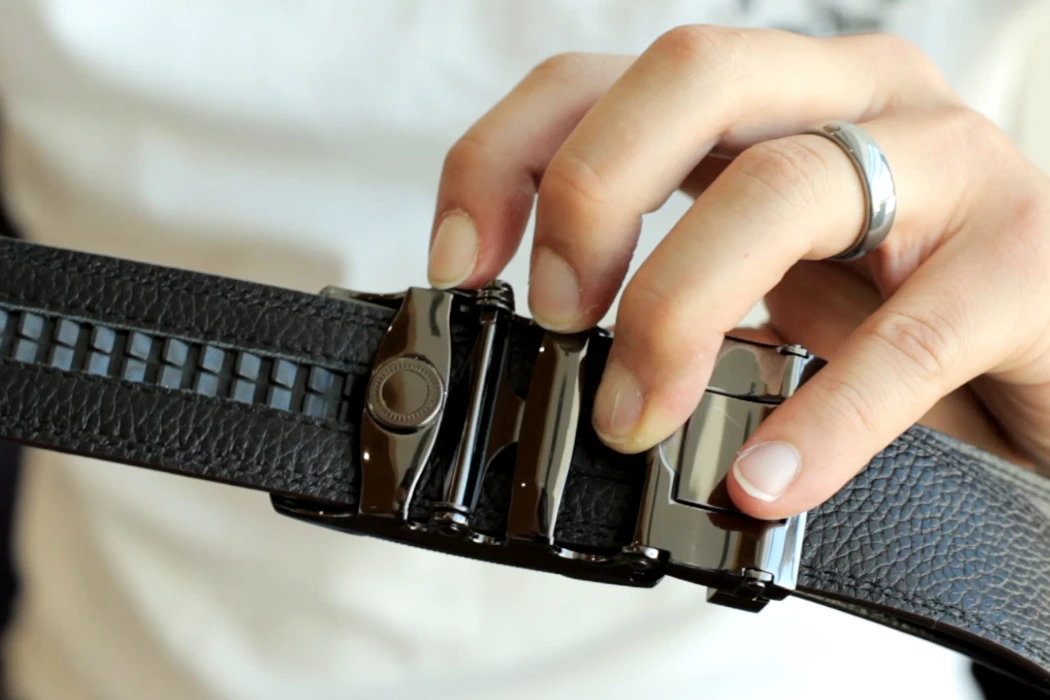
Confirm the strap construction, thickness, holes, edges and buckle. Review any lining or reinforcement and the final dimensions. A custom belt should be assessed as an assembled product, not accepted solely on a buffalo material description.
| Product | Key sample checks |
|---|---|
| Bag | Weight, shape, seams, carrying attachments and lining interaction |
| Wallet | Fold behaviour, bulk, pocket fit and surface wear |
| Belt | Dimensions, holes, edges, buckle and layer integrity |
Footwear, upholstery and protective equipment involve other product requirements. A discussion of buffalo leather does not establish that Hoplok supplies those products or that the material is qualified for motorcycle or occupational protection.
What Care Instructions Should Accompany the Product?
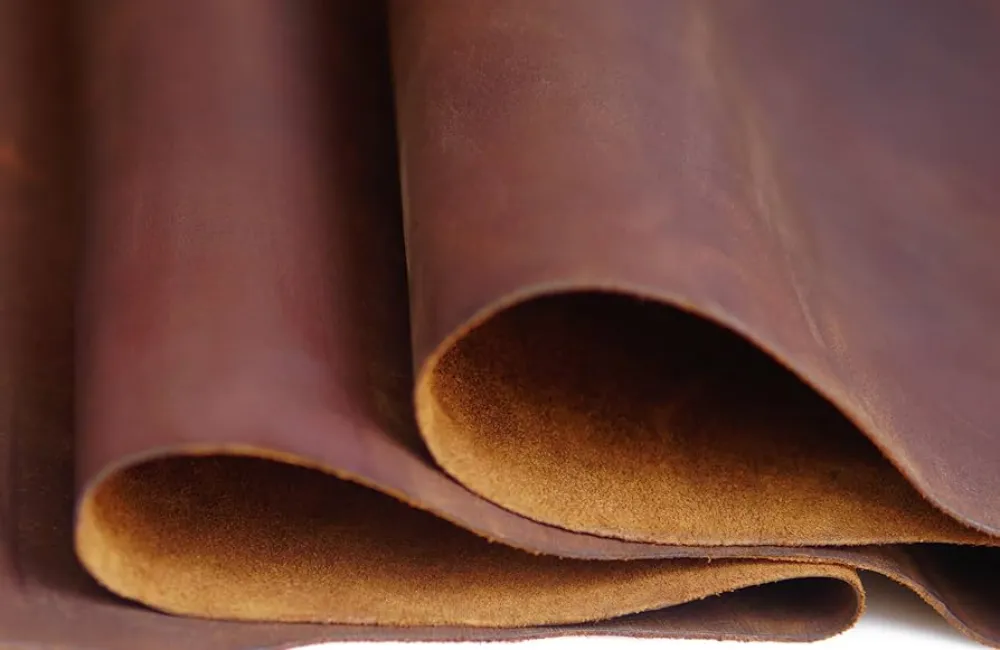
Base the care instructions on the exact finish and complete product. A universal conditioning interval or waterproofing spray can be inappropriate for some surfaces. Ask the material supplier for compatible care guidance and verify it on the approved sample.
Cleaning
Begin with the approved method for the article. Test any cleaner or moisture application in a concealed area and inspect the colour, feel and finish after drying. Do not assume all buffalo leather tolerates damp wiping or that a general-purpose leather product is suitable for every coating.
Conditioning and surface marks
Use conditioning only where recommended for the finish. Oils or creams can change shade, gloss or adhesion, and they do not restore a damaged substrate. If a scratch or scuff is reported, assess the actual damage before recommending treatment; an intentional pull-up effect is not the same as structural failure.
Do not describe buffalo leather as inherently waterproof or able to withstand rain because of its species. A treatment may affect a particular property, but seams, edges and construction also matter. Agree packaging and storage conditions with the supplier, including any precautions for prolonged humid storage.
| Care item | Confirm before publishing instructions |
|---|---|
| Cleaning method | Compatibility with the selected surface and other components |
| Conditioner or protective treatment | Whether it is needed and its effect on colour and feel |
| Frequency | Article-specific guidance and actual use |
| Storage | Shape support and suitable environmental conditions |
| Repair advice | Nature of the damage and realistic outcome |
How Should Buyers Assess Sourcing Claims and Price?
Environmental claims
A hide’s connection to food or agricultural production does not, by itself, prove that the finished leather is sustainable. Tanning, finishing, material use, transport and product construction can all be relevant to the claim. Vegetable tanning is not automatically impact-free, and a natural substrate does not prove that a coated or assembled item biodegrades under ordinary disposal conditions.
Animal welfare and traceability
Request the available sourcing and traceability records and identify any gaps. Do not infer humane treatment from an assumed small-farm origin or a country name. Any animal-welfare claim should have evidence supporting the actual supply route and the wording used.
Facility certification
If a supplier cites LWG certification, review the exact facility and scope. Hoplok’s ProPelli finishing facility holds current LWG Gold status and works on externally sourced crust. This does not certify every buffalo leather article, every finished product or all Hoplok factories.
Quotation comparisons
Request prices for a named material article, thickness, colour, finish, quantity and delivery term. Clarify how area is measured, what defects are permitted and whether development or cutting costs are included. Do not use a fixed dollar-per-square-foot band as a current quote or assume a universal premium over cowhide.
Compare the cost of the finished, approved product, including material usage and assembly, rather than projecting savings from an unsupported decades-long lifespan.
Frequently Asked Questions
What is buffalo leather?
It is a commercial animal-hide leather description that should be made more specific. Confirm whether the material is water buffalo or bison, together with its leather layer, finish and origin records.
Is buffalo leather good for quality goods?
It can be appropriate when the selected article and product construction meet the buyer’s requirements. The species name is not a quality grade or a guarantee of durability.
Is buffalo leather stronger than cowhide?
No universal strength ranking applies to every finished article. Compare suitable tests at the specified thickness and assess the complete product. Tannage, finish, cutting and construction also matter.
How should buffalo leather be cared for?
Follow guidance for the exact finish and verify it on the product sample. Do not prescribe a fixed conditioning interval or treatment for every article. Some treatments may change colour or damage a coating.
Is buffalo leather waterproof?
Do not assume so. Any water-related claim needs evidence for the selected material and complete construction. A coating, treatment or species name does not establish waterproof seams and edges.
Are buffalo and bison leather the same?
Water buffalo and American bison are different animals. “Buffalo” is sometimes used for bison, particularly in North America, so specify the species in the purchase documents.
How much does buffalo leather cost?
Obtain a current quotation for the exact article, quantity and delivery terms. Finish, thickness, usable yield and sourcing affect cost; no fixed price band applies to all material or finished products.
Choose the Article, Then Approve the Construction
Buffalo leather can offer a useful appearance and hand feel for an ordinary bag, wallet or belt. Define the species, origin claim, layer, thickness and finish, then compare the complete sample with the alternatives. This provides a clearer purchase basis than a universal toughness or lifetime claim.
Keep the material records, approved sample and care instructions together. Revisit the approval if the supplier changes the leather article, colour, finish or construction.
Discuss a Buffalo Leather Product Brief
Send Hoplok the product type, dimensions, material reference, colour, finish, quantity and destination. Confirm buffalo material availability, the proposed production site and any test requirements before sampling. For a matching collection, identify the bag, belt and wallet components separately so their thickness and construction can be developed appropriately.
Minimum orders are 200 genuine-leather bags, 300 genuine-leather belts and 300 genuine-leather wallets; PU versions start at 1,000. Bag samples generally take 3–4 weeks and belt samples 2–3 weeks; confirm wallet sampling for the design. Bulk production generally takes 60–90 days, with shipping planned separately.
Start a custom leather accessories enquiry with the material and product brief for a project-specific quotation.