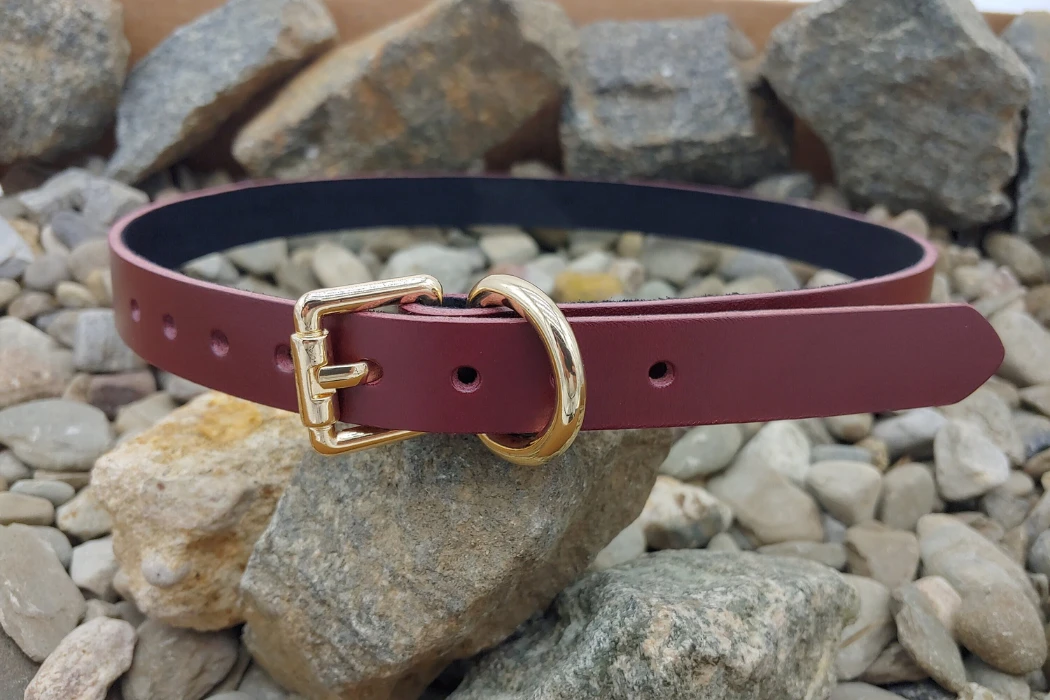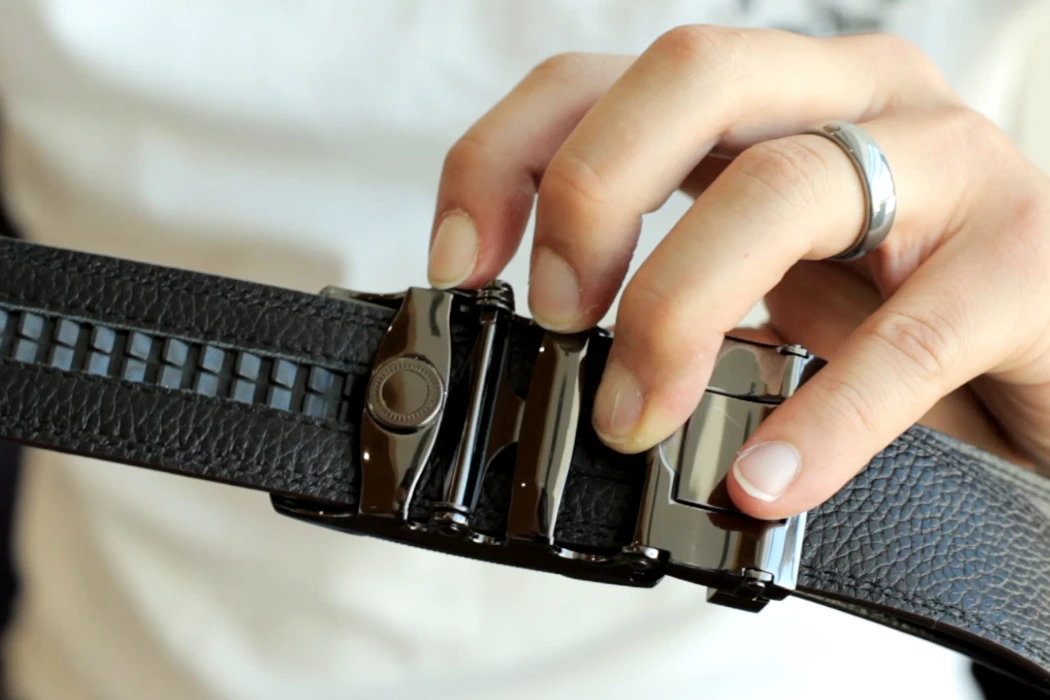
Nubuck and suede both offer a napped surface, but a buyer needs more than the name to select leather for a bag, belt or wallet. The hide layer, thickness, temper, finish and construction determine how the material handles and wears.
Nubuck is buffed on the grain side to produce a velvety effect while the grain pattern remains visible. Suede describes a napped wearing surface and can be made from leather or split leather. Neither term establishes a universal strength, price or water-resistance rating.
Start with a swatch and supplier specification, then evaluate the material in the intended product. This guide compares the visible differences, procurement checks and care requirements that matter when developing a collection.
Nubuck Leather: Definition, Manufacturing and Tradeoffs

Nubuck is leather buffed on the grain side to produce a short, velvety nap. The original grain pattern remains visible. Because the surface has been buffed, do not describe it as an untouched full-grain surface. The LWG definitions distinguish nubuck, suede and split leather.
Material development involves selecting a suitable leather, establishing tanning and dyeing requirements, buffing the surface and applying any specified treatment. The sequence and finish depend on the article. Ask for the actual material specification rather than relying on vague terms such as eco-tanning.
- Appearance: a fine nap with visible grain character; the look can change when the surface is brushed in another direction.
- Potential benefit: a matte, tactile surface that can suit bags, belts and small leather goods.
- Tradeoff: oils, moisture and rubbing may change the appearance. Protective treatments and cleaning advice must match the particular finish.
Approve the nap, color variation, thickness and temper under agreed viewing conditions. The name nubuck alone does not establish a retail price or a defect limit. If acceptance sampling is used, document the inspection plan and acceptance/rejection numbers; ISO 2859-1:2026 provides AQL-indexed sampling schemes rather than a guarantee of the defect percentage in each lot.
Suede Leather: Definition, Manufacturing and Tradeoffs
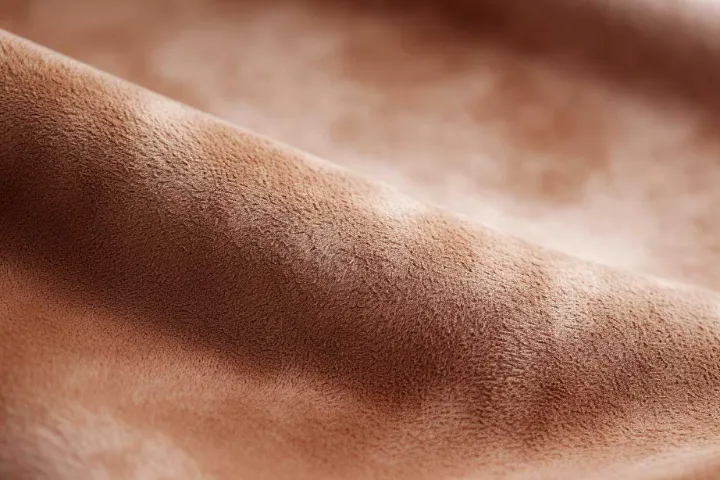
Suede has a mechanically produced, velvet-like nap on its wearing surface. Split suede is common, but suede is not restricted to the lower split of every hide. Request the animal source, hide layer, thickness and finish so the description identifies the actual material.
Buffing and finishing influence nap length, softness and surface behavior. A suede article can be firm or supple, fine or more visibly fibrous. Dyeing, oils and protective treatments also affect the result; suede is not automatically a cheaper or weaker substitute for nubuck.
- Appearance: a napped surface whose shade and texture can change with brushing and wear.
- Potential benefit: tactile surfaces for softer bag styles, selected trims or interiors.
- Tradeoff: consider surface marking, shedding and color transfer, especially against pale clothing or a contrasting lining.
Compare swatches from the proposed production article and color. A generic suede description cannot establish a price discount, a waterproof finish or suitability for a handle or belt strap without examining the finished construction.
Nubuck vs. Suede: Compare the Material Specification
Source and leather layer
For nubuck, confirm that the napped face is the buffed grain side. For suede, identify whether the material is split leather or another leather construction with a suede wearing surface. The name by itself does not provide tensile or tear-test results.
Texture and appearance
Compare nap, color and directional shading on actual swatches. Agree viewing conditions and acceptable variation. Nap height is an article specification, not a fixed millimeter range that distinguishes every nubuck from every suede.
Wear and structural performance
Check abrasion appearance, color transfer, flexing and the strength relevant to the product. Material thickness, direction and backing affect the result. A “double rub” number without a method, load and endpoint cannot serve as a meaningful performance comparison.
Moisture and protective finishes
A treatment may alter how the surface wets, but it does not automatically make the leather or assembled product waterproof. Ask how the treated material was assessed and whether the result remains acceptable after flexing, rubbing or cleaning.
Cost and cutting yield
Quote the specific article, color and required area. Panel size, usable regions, nap direction and defect allowance affect cutting yield. A lower price per square foot may not produce a lower cost per finished bag, and neither material has a universal price advantage.
| Feature | Nubuck | Suede |
|---|---|---|
| Surface | Buffed grain side with grain character visible | Napped wearing surface; identify the underlying leather layer |
| Texture | Approve the actual nap and directional shading | Approve the actual nap, shedding and directional shading |
| Wear | Require product-relevant test results | Require the same comparable test conditions |
| Moisture | Confirm treatment and post-wear behavior | Confirm treatment and post-wear behavior |
| Cost | Quote the actual article and cutting yield | Quote the actual article and cutting yield |
| Care | Follow finish-specific instructions | Follow finish-specific instructions |
How to Choose Nubuck or Suede for a Product Line

Match the material to the component
Separate the requirements of a bag body, handle, shoulder strap, belt strap and lining. A soft surface can work for a body panel while the handles need a different construction or reinforcement. Neither nubuck nor suede automatically holds a structured bag in shape.
Define the intended appearance
Decide whether directional shading, brush marks and a changing surface are part of the design. Approve a master swatch and assembled sample. Premium positioning can use either material; appearance should be an intentional choice rather than a claimed quality ranking.
Evaluate care and after-sales requirements
Test the proposed cleaning instructions on the selected colors and finish. Consider whether visible marks can be brushed out and whether the product needs specialist cleaning. Do not forecast lower return or replacement rates from the material name alone.
Run a sample assessment
Use swatches and product samples in target colors, then assess flexing, abrasion appearance, moisture response and color transfer where relevant. For leather rubbing tests, ISO 11640:2018 addresses color fastness to cycles of to-and-fro rubbing. Specify conditions and acceptance criteria suitable to the product; it is not a service-life calculator.
Confirm minimums and supply continuity
Ask separately about leather-purchase minimums and finished-product minimums. Check replenishment, color consistency and available production capacity. The leather area required depends on the pattern and usable yield; a universal square-foot launch quantity is not meaningful.
- Send a drawing identifying which panels use nubuck or suede.
- Include target colors, thickness, temper, lining and reinforcement requirements.
- Agree tests, care instructions and acceptable visual variation before bulk material approval.
- Keep any substitute article or finish subject to approval.
Where Nubuck and Suede Can Fit Bags, Belts and Accessories
The following applications focus on ordinary leather goods. Material suitability must be checked in the finished product; examples from footwear, seating or specialist equipment do not establish Hoplok manufacturing services in those categories.
Handbags and totes
Either material can provide a matte, tactile bag body. A structured design may need reinforcement or a lining chosen for shape retention. For softer bags, assess drape, fold behavior and the appearance of large panels under different lighting.
Handles and shoulder straps
Specify the construction and attachment as well as the surface material. Test the assembly against the intended carrying use. Consider rubbing against hands and clothing, particularly where dark napped leather meets pale garments.
Belts
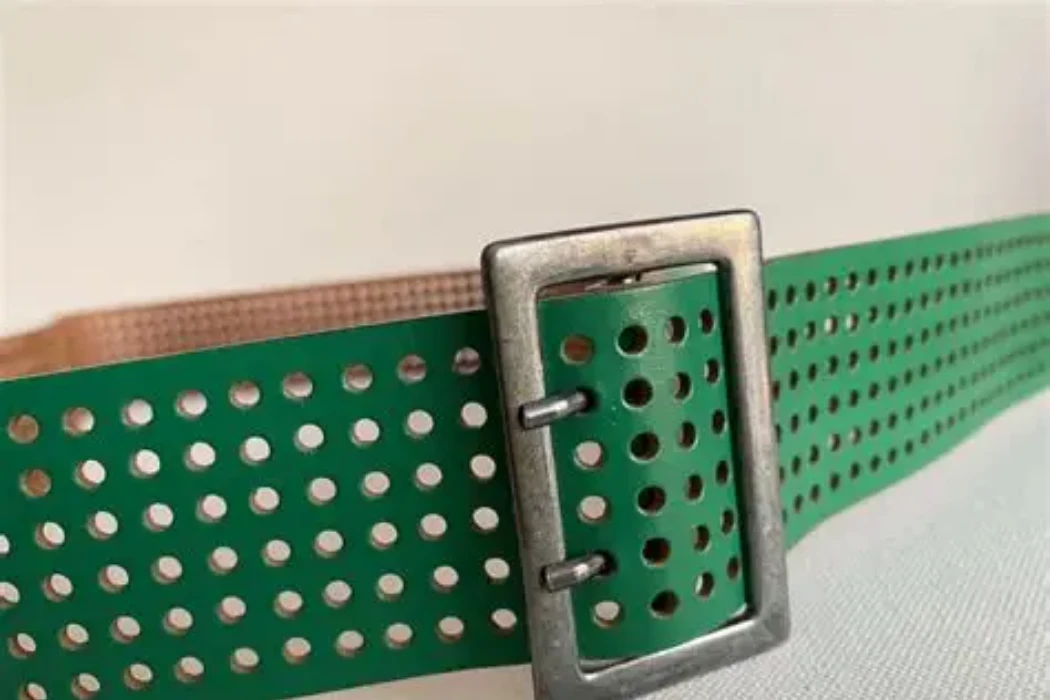
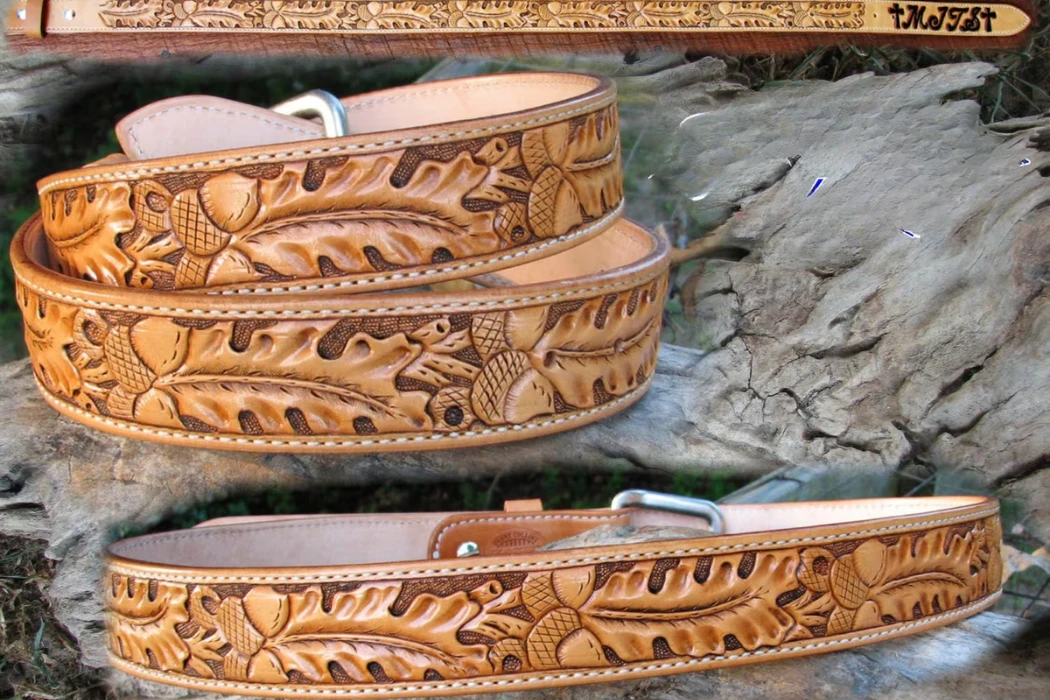
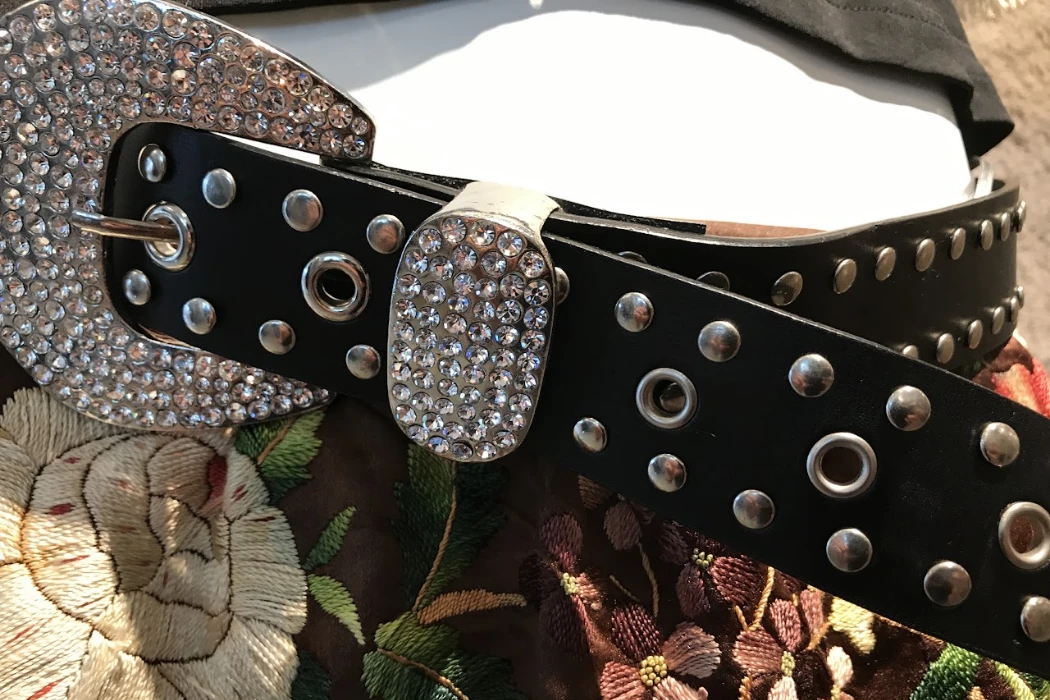
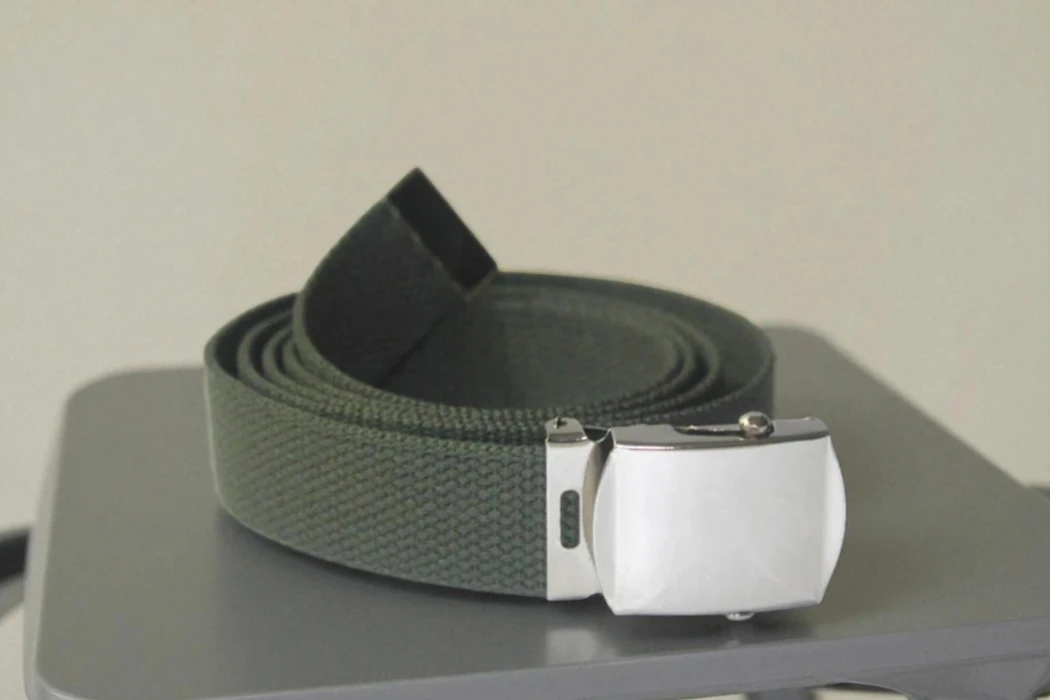
Evaluate the complete strap, including any backing, core, edge treatment and buckle attachment. Review hole behavior, flexing and surface wear at the buckle. A napped face does not establish belt strength or eliminate the need for backing decisions.
Wallets and small leather goods
Check pocket thickness, card insertion, seam bulk and edge finish. A suede or nubuck outer face may create a tactile effect, while the interior needs its own functional specification. Test contact with cards and adjacent materials for color transfer.
Linings, sleeves and travel accessories
Review shedding, friction, dye transfer and cleaning requirements. A napped surface used inside a sleeve or bag must suit the contents. Toiletry products and wet items create different exposure demands from dry everyday carry.
| Component | Development priority | Checks for either material |
|---|---|---|
| Bag body | Structure or drape | Panel appearance, reinforcement and seam behavior |
| Handles/straps | Carrying and comfort | Attachment, stretching and color transfer |
| Fashion belt | Strap and buckle system | Flexing, holes, edge finish and surface wear |
| Wallet/card holder | Thin construction and access | Pocket fit, seam bulk and friction |
| Lining or sleeve | Contact with contents | Shedding, rub transfer and cleaning |
| Travel accessory | Actual exposure conditions | Moisture response, closures and care compatibility |
Cleaning and Maintenance: Confirm Instructions for the Finish
Care depends on the leather article and any treatment applied. Ask the material supplier to approve cleaning instructions for the final product and colors. Patch-test an approved method in an inconspicuous area before broader use.
Dry surface care
For suitable finishes, a clean brush intended for nubuck or suede may help remove loose dust and restore nap. Brush gently and follow the supplier’s direction. Aggressive brushing or an unsuitable cleaning block can change the surface.
Stains and moisture
Blot a fresh spill with a clean absorbent cloth without rubbing it across the material. Follow the supplier’s drying and cleaning guidance. Persistent or unknown stains may require a specialist cleaner. Household vinegar, oils or unapproved cleaners can affect color and finish.
Protective treatments
Use only a treatment compatible with the identified leather finish, after testing appearance. A water-repellent spray is not proof that seams, edges or the whole product are waterproof. Follow the treatment’s application and ventilation instructions.
Storage
Store the product clean and dry with appropriate support to retain its intended shape. Avoid prolonged direct sunlight, heat and damp conditions. Keep care information specific to the finished item rather than promising that one routine prevents all aging.
FAQs: Nubuck and Suede Procurement
Which is more durable?
Neither name establishes a universal result. Compare the actual leather layer, thickness, finish and construction using the relevant tests under the same conditions. A grain-side nubuck and a split suede can behave differently, but no fixed tensile or rub-cycle ranking applies to every article.
Can suede be waterproofed?
A compatible treatment may improve water repellency. Confirm the test conditions and changes after wear. A spray treatment alone does not make the material or the finished bag waterproof.
Which material costs more?
Obtain quotes for the specified articles and colors, including the usable cutting yield. Thickness, finish, panel size and purchase quantity affect price. No general nubuck-versus-suede percentage can replace the quotation.
Does a tanning method prove a sustainability claim?
No. Evaluate the particular material and the evidence supporting the intended claim. LWG facility certification has a defined scope and does not certify every finished product or establish that a tanning chemistry is automatically preferable.
What minimum order applies at Hoplok?
For genuine leather, MOQ is 300 belts, 200 bags or 300 wallets. PU minimums are 1,000 pieces. Confirm the proposed nubuck or suede article, color assortment and any leather-supply minimum separately; finished-product MOQ is not measured in square feet.
Developing Nubuck or Suede Leather Goods with Hoplok
Discuss the intended bag, belt or wallet with Hoplok using a material swatch and product drawing. Confirm leather availability, appearance, construction and tests against an approved sample before committing to bulk production.
Sampling and production planning
Belt samples take 2–3 weeks and bag samples take 3–4 weeks. Wallet sample timing is confirmed for the design. Bulk production takes 60–90 days, with shipping planned separately. Material availability and custom development requirements belong in the project schedule.
Facility and material evidence
Request the exact facility and assembly scope proposed for the product. ProPelli is a leather-finishing facility that processes externally sourced crust; its valid LWG Gold certification applies to that facility and scope. It is not a raw-hide tannery or a certification of every Hoplok product.
Prepare the inquiry
Include product dimensions, target quantities, colors, leather thickness and temper, lining, hardware, branding and destination. State the required care and performance criteria. Hoplok can assess the options and the sample plan for the proposed product.
Start with custom leather bags, custom leather belts or leather accessories and send the specification for review.