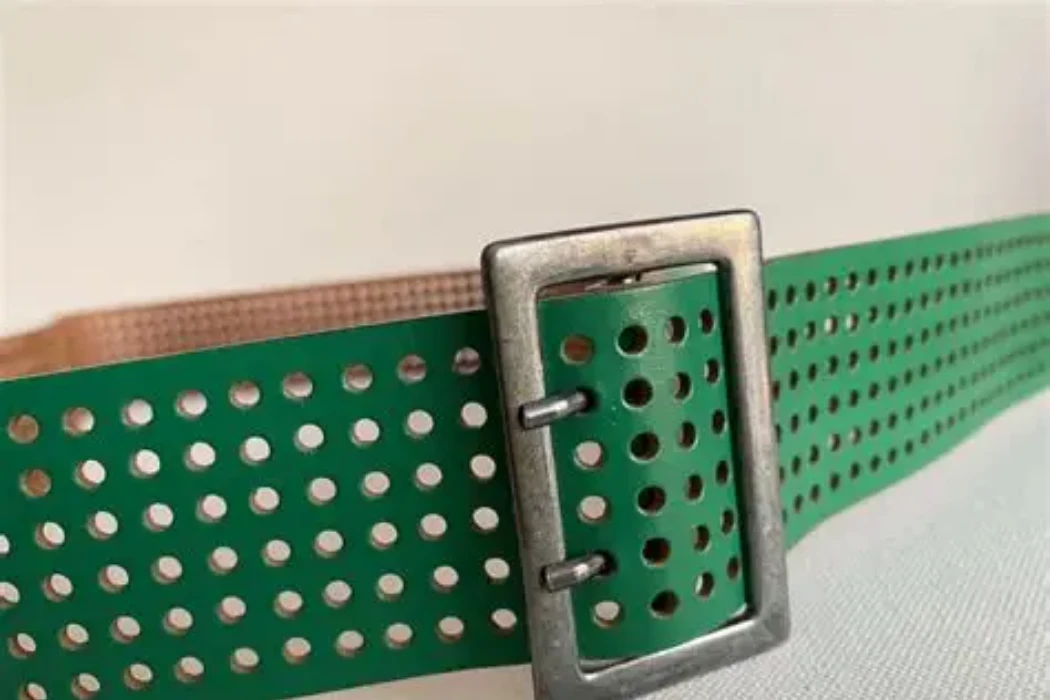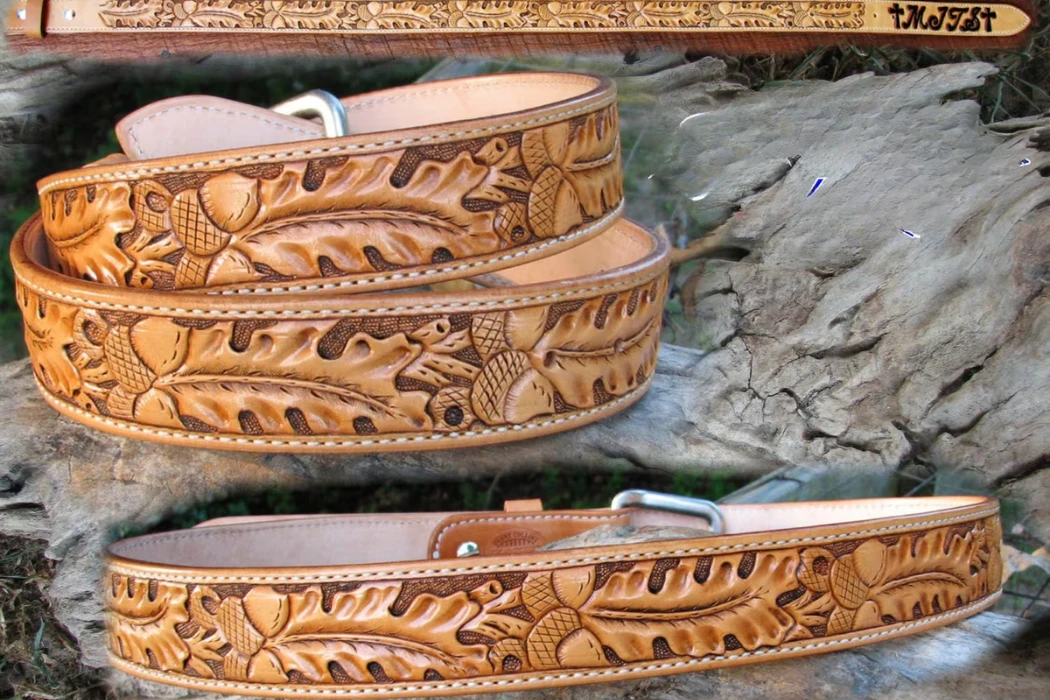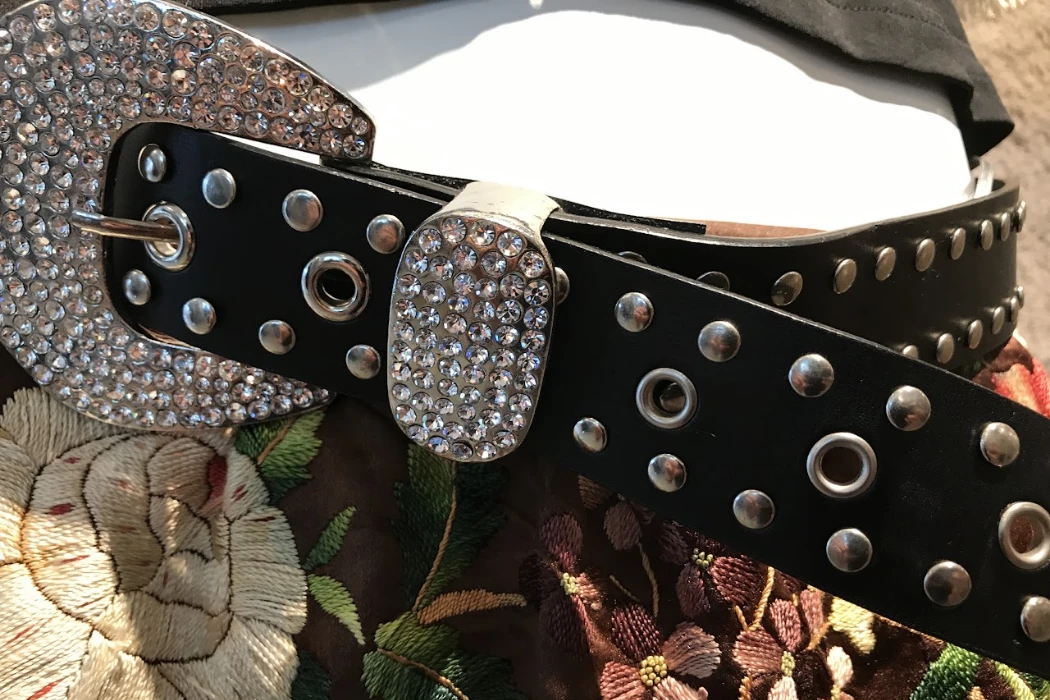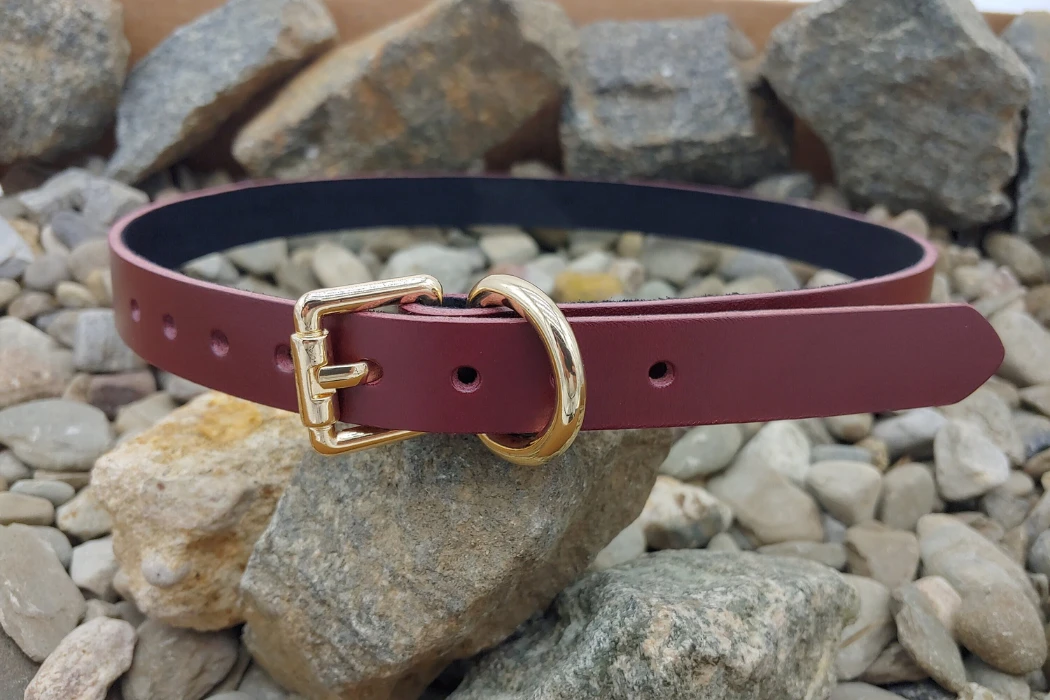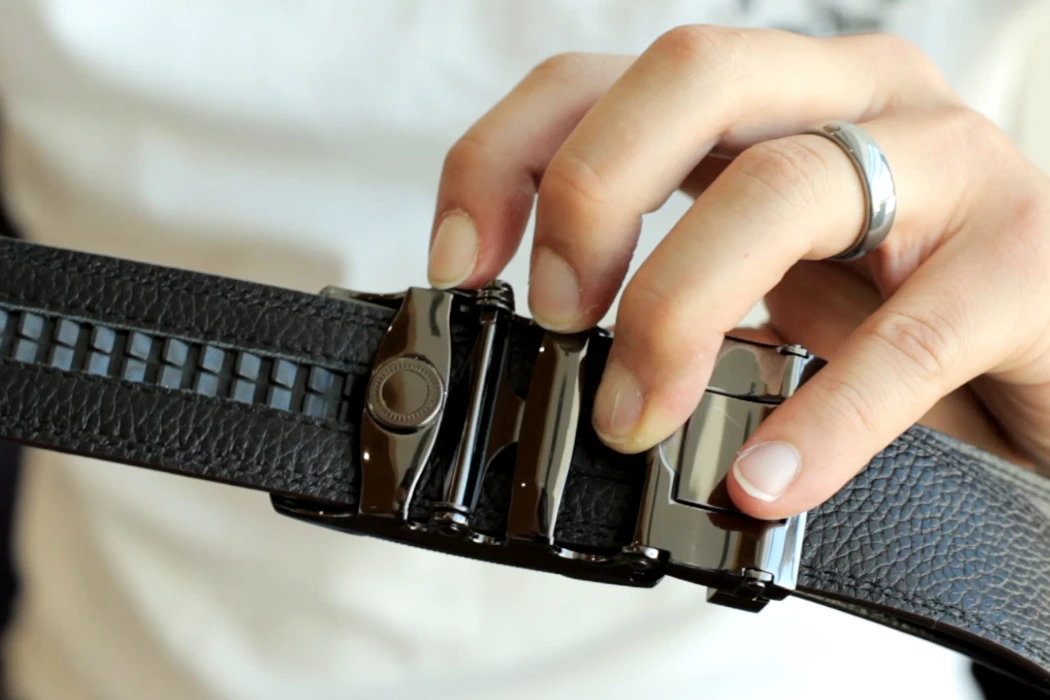
The best leather for a belt is the article that meets the collection’s appearance, construction, performance and cost requirements. Full-grain leather can be a strong candidate, but it is not automatically the right answer for every design. Buyers should compare finished straps made to the same brief before committing to a material.
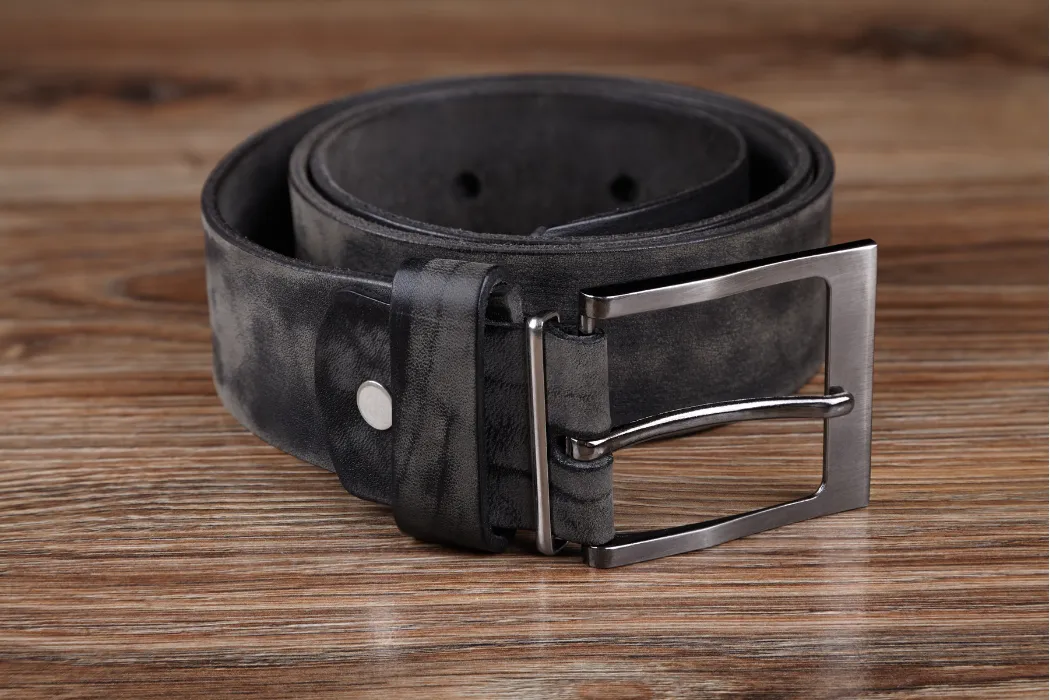
Begin with the belt’s job in the collection
A formal belt may need a smooth surface, controlled gloss and a neat edge. A casual belt may welcome visible grain and changes with wear. A soft fashion belt may depend on a laminated construction rather than a thick single strap. Define those priorities before asking suppliers for their “best leather.”
This guide concerns ordinary fashion and accessory belts. Where a product has a protective or load-bearing purpose, its specialist requirements need a separate development and verification process. Do not infer those capabilities from the leather grade.
Compare the options against a specific brief
| Collection objective | Material direction to investigate | Approval issue |
|---|---|---|
| Natural casual appearance | A grain leather article with the desired surface coverage | Acceptable marks, colour variation and ageing |
| Consistent formal appearance | A controlled smooth or corrected-grain finish | Gloss, bending appearance and edge detail |
| Distinctive textured surface | An embossed or otherwise textured leather article | Pattern consistency and the underlying layer |
| Soft or reversible fashion construction | Compatible face and backing materials | Layer adhesion, overall handle and both visible faces |
| Animal-free product brief | A fully declared alternative construction | Composition of every component and relevant claims |
These are development directions, not rankings. Two samples carrying the same material name can differ in finish, thickness and behaviour. For the terminology behind the comparison, see leather types and hide cuts for belts.
When is full-grain a useful choice?
Full-grain is useful when retaining the original grain supports the product’s intended appearance. Natural variation can be part of the design, provided the buyer and factory agree which marks are acceptable. A sample cut from an unusually clean area should not be the only reference for the entire order.
If the brief demands a very uniform surface, a different finishing specification may be more practical. Ask for representative material panels and a cutting assessment. Paying for a label without defining the usable area can create avoidable disagreements about both price and quality.
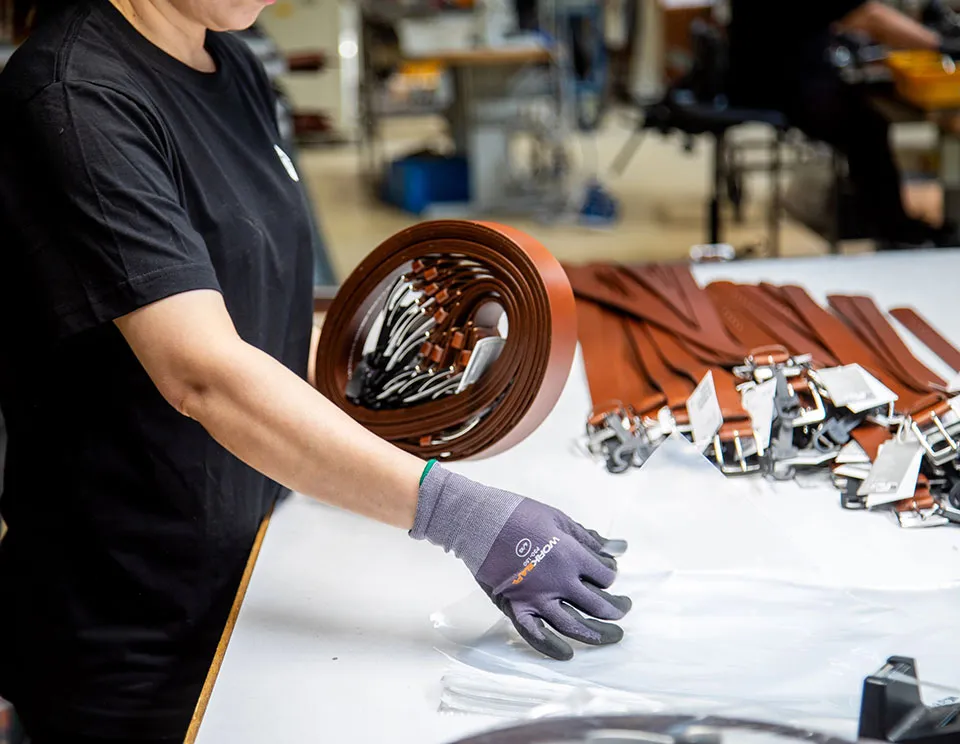
Request the face, lining, reinforcement and filler composition. Review the buckle attachment, loop, hole layout and edge method. The performance of a multilayer strap depends on those parts working together; a premium face material does not by itself verify the rest of the construction.
Compare candidates using the same buckle, strap dimensions and assembly method. Otherwise a difference in handle or shape may come from construction rather than leather. Keep one approved reference for appearance and document acceptable variation, including the underside and edges.
Turn durability claims into relevant checks
Ask how the finished surface responds to bending and rubbing, how the strap behaves around the buckle and holes, and whether colour transfers to clothing. The appropriate methods and limits depend on the product and market. SATRA’s leather testing overview illustrates the range of material properties that can be assessed.
Do not accept a fixed lifetime or a universal strength claim based only on species or grade. Record the sample tested, test conditions and result, then check whether production uses the same material and construction. A change in coating or backing should be reviewed before it is treated as an equivalent substitution.
Compare cost without changing the question
Ask each supplier to quote the same size mix, leather article, buckle, packaging and delivery terms. Include cutting yield and surface rejection assumptions. A lower material price can be offset by higher consumption or a more demanding edge process.
If the target cost is missed, identify the proposed adjustment explicitly: finish coverage, buckle design, packaging or another specified component. Approve the resulting sample. Quietly changing a leather layer or filler while retaining the original description creates a product mismatch.
Build the shortlist with Hoplok
Send reference photos, a drawing, desired handle, size range, quantity and target market through Hoplok’s belt development enquiry. Hoplok’s minimum order is 300 pieces for leather belts and 1,000 for PU belts. Belt sampling takes 2–3 weeks and bulk production takes 60–90 days, subject to the agreed project schedule.
Material selection should end with a named article, a complete construction and an approved sample. That gives purchasing and quality teams a concrete standard for the order.