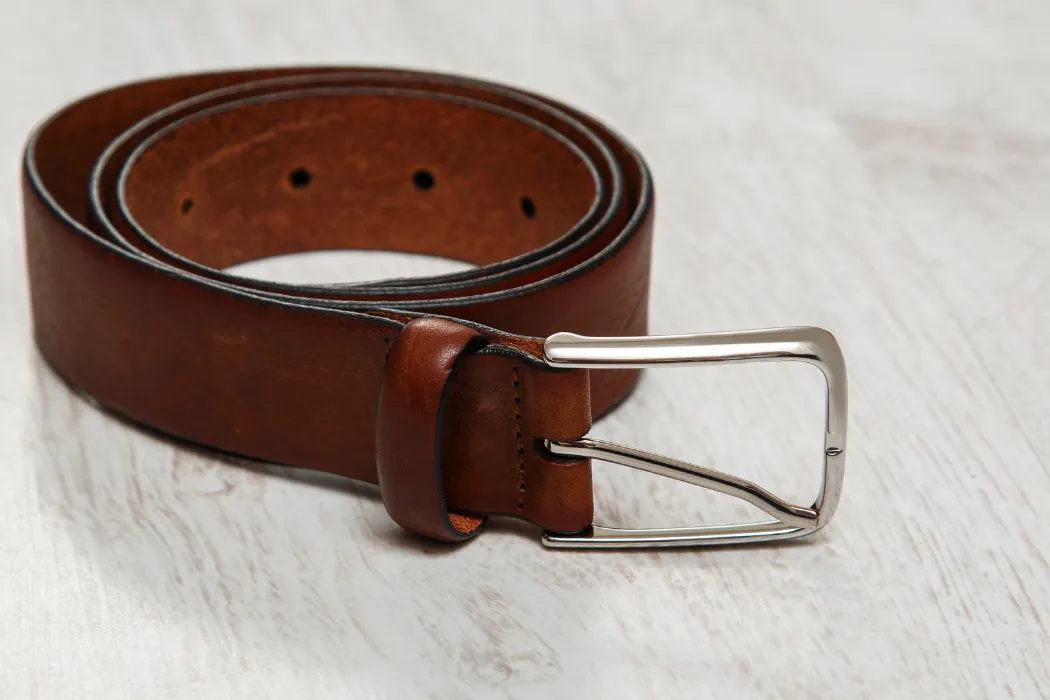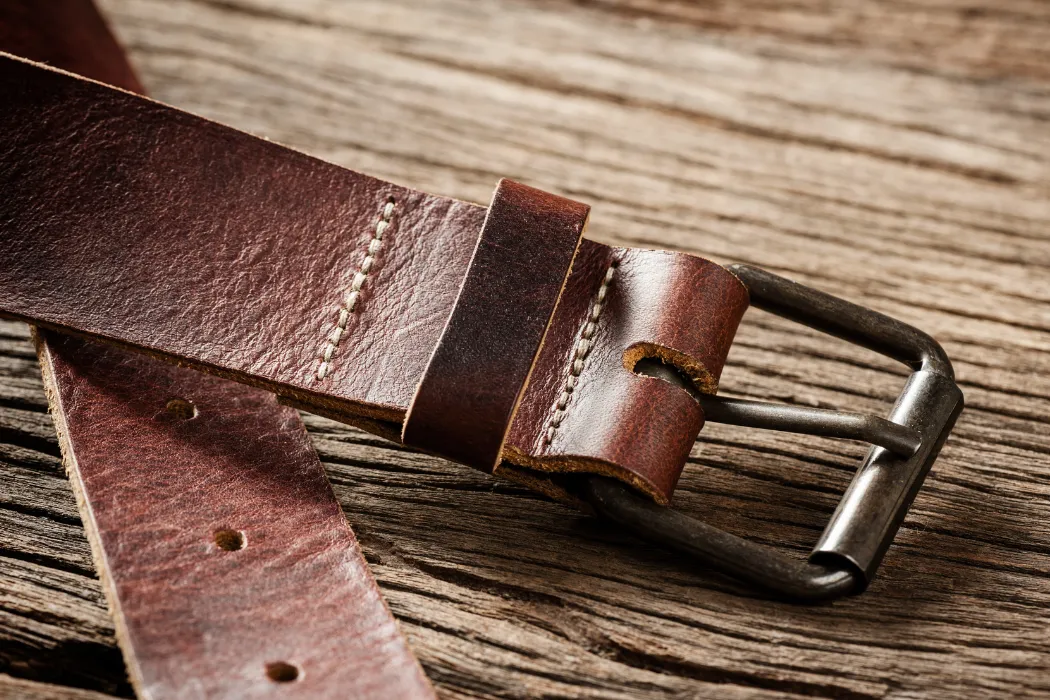
The global leather belt market offers two primary choices that define a product’s lifespan and character. Selecting between vegetable-tanned and chrome-tanned leather is a fundamental decision for every brand. This choice sets the stage for either ancient organic tradition or modern industrial chemistry. Understanding these technical differences is essential for buyers who prioritize durability, aesthetics, and environmental compliance in their global supply chains.
Vegetable tanning uses natural tannins from tree bark and plants, while chrome tanning relies on chromium salts for rapid processing. The organic method creates a firm, evolving material that develops a unique patina over time. In contrast, the mineral-based process produces soft, color-stable leather at a much faster rate. Both methods have specific mechanical properties that affect how a belt performs under daily tension and environmental exposure.
This technical guide examines the structural integrity and chemical footprint of both tanning categories. Data regarding fiber density, tensile strength, and long-term sustainability will be presented. By comparing these industry standards, brands can make objective decisions based on performance metrics rather than marketing trends.
What Are the Technical Differences in the Tanning Process?
Tanning is the essential process of converting raw hides into stable leather. The core difference between vegetable and chrome tanning lies in the tanning agents used and how they bond with collagen fibers. Vegetable tanning relies on slow-penetrating plant tannins. Chrome tanning utilizes efficient mineral salts for a faster chemical reaction. This results in significant variations in production cycles, fiber density, and physical performance.
The Organic Chemistry of Vegetable Tanning
Vegetable tanning is an ancient process that has existed for thousands of years. It uses natural tannic acids extracted from tree bark, fruits, and leaves. This process usually takes place in large pits where hides are soaked in tannins of increasing concentration.
- Production Cycle: The full process typically requires 40 to 60 days, depending on the thickness of the hide.
- Tannin Sources: Common tannins are extracted from Chestnut, Quebracho, or Mimosa plants.
- Chemical Reaction: Large vegetable tannin molecules slowly fill the spaces between collagen fibers. They form stable hydrogen bonds with the proteins.
- Product Characteristics: This slow method preserves the natural grain of the hide. It produces a firm leather with a thickness often between 3.5mm and 5.0mm. This makes it ideal for heavy-duty belts.
Because the tannin molecules fill the fiber gaps, vegetable-tanned leather possesses high stability. This organic bond allows the leather to maintain its structural strength even after drying.
The Mineral Efficiency of Chrome Tanning
Chrome tanning is the dominant process in the modern leather industry. It significantly increased production efficiency. It uses trivalent chromium salts, such as chromium sulfate, as the primary tanning agent through complex chemical reactions.
- Production Cycle: Chrome tanning is highly efficient. The entire process is usually completed within 24 to 48 hours.
- Chemical Reaction: Chrome ions are small and penetrate quickly. they bond with the collagen molecules to form a cross-linked structure.
- Heat Resistance: Chrome leather has excellent thermal properties. Its shrinkage temperature usually exceeds 100°C, while vegetable leather is around 70°C to 85°C.
- Color Versatility: The “wet blue” leather produced is consistent in color. It has a high affinity for dyes, allowing for very vibrant colors.
Although the process is fast, it requires high precision in chemical ratios. This ensures that heavy metal residues meet international safety standards.
Structural Integrity and Fiber Density
These two processes have very different effects on the internal microstructure of the leather. Vegetable tanning is like a “physical filling” process. Tannin molecules accumulate in the fiber bundles. This creates high density and excellent resistance to stretching. A 3.8mm thick vegetable-tanned belt will rarely deform under long-term tension.
In contrast, chrome tanning changes fiber properties through chemical cross-linking. The fibers remain more loose and elastic. This gives the leather superior flexibility. While its fiber density is lower than vegetable leather, it performs well in tear strength. This makes it suitable for fashion belts or accessories requiring a soft touch.
| Comparison Metric | Vegetable Tanned | Chrome Tanned |
|---|---|---|
| Primary Agent | Natural Plant Tannins | Trivalent Chromium Salts |
| Average Time | 40 – 60 Days | 1 – 2 Days |
| Leather Density | Very High (Firm) | Medium (Flexible) |
| Heat Resistance | Lower (< 85°C) | Very High (> 100°C) |
| Odor Profile | Natural Woody/Earthy | Slightly Chemical/Metallic |
Why Does Tanning Method Impact Long-Term Belt Durability?
The durability of a leather belt is measured by its ability to hold weight, resist stretching, and survive environmental stress. Tanning methods dictate how the internal collagen fibers react to these forces over time. While both methods produce durable goods, their failure points and aging patterns are technically distinct.
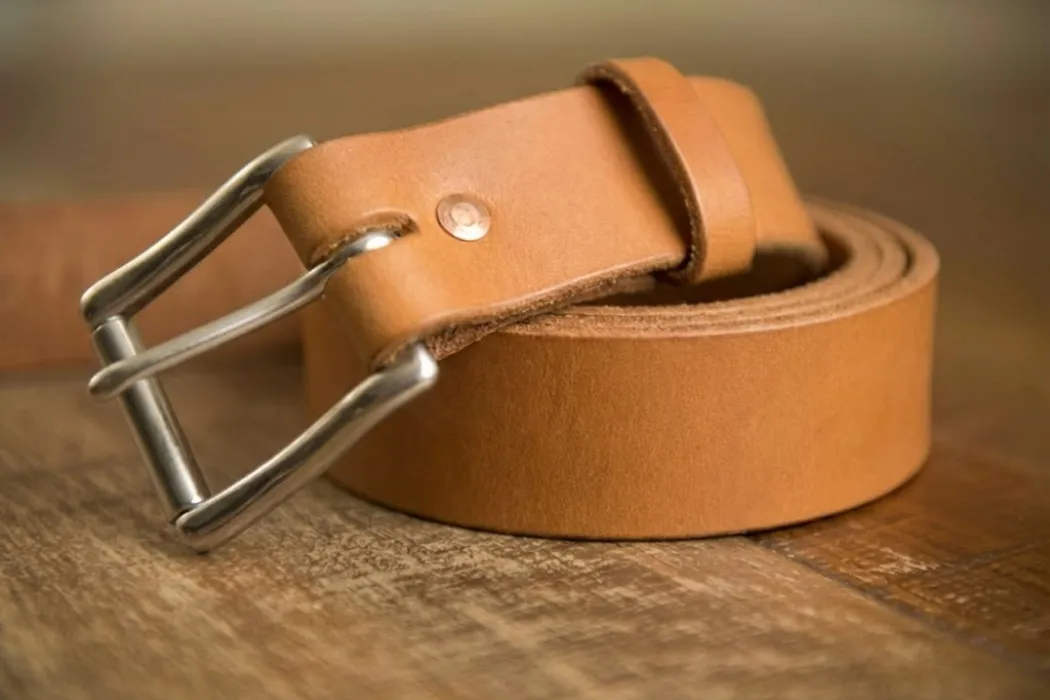
Tensile Strength and Resistance to Stretching
Tensile strength refers to the maximum stress a material can withstand while being stretched before breaking. Vegetable-tanned leather is famous for its high tensile strength because its fibers are tightly packed with large tannin molecules.
- Fiber Compression: The high density of organic tannins prevents the collagen bundles from sliding past each other easily.
- Thickness Maintenance: A belt with a 4.0mm thickness will maintain its gauge for many years. It will not thin out even with a heavy buckle.
- Dimensional Stability: Belts made this way are less likely to “curve” or sag after months of use. This is crucial for formal dress belts that must remain straight.
The result is a belt that feels solid and stiff initially but provides unmatched structural support for the wearer’s waist.
Pliability and Internal Fiber Lubrication
Chrome-tanned leather relies on “fat-liquoring” to maintain its durability. This process introduces oils into the fibers during the final stages of tanning. These oils act as internal lubricants that prevent the fibers from grinding against each other.
- Flexibility: Chrome belts can bend sharply without the risk of surface cracking. This is because the chemical bonds are more elastic than organic ones.
- Break-in Period: These belts are comfortable from the first day. They do not require a long period of use to become soft.
- Moisture Resistance: The mineral salts and synthetic oils used in chrome tanning often provide better resistance to water spots. They help the leather stay pliable even after getting wet.
While chrome leather may stretch by 5% to 10% over its lifetime, its high pliability ensures it remains comfortable for casual or fashion applications.
Aging Characteristics and Patina Development
Aging is where the two materials diverge most significantly. Vegetable-tanned leather is a “living” material. It reacts to sunlight, body oils, and friction to create a protective surface layer known as a patina.
- Surface Hardening: As a vegetable belt ages, the surface becomes smoother and tougher. This natural “self-healing” property masks small scratches.
- Lifespan Expectations: A well-maintained vegetable-tanned belt can last 20 to 30 years. It actually becomes more beautiful as the years pass.
- Chrome Stability: Chrome-tanned belts are designed for color stability. They will look the same in 5 years as they did on the day of purchase. However, once the top finish begins to wear away, the underlying fibers do not age as gracefully.
Expert engineers often recommend vegetable tanning for heritage products and chrome tanning for high-intensity color requirements.
How Do These Methods Compare in Environmental Sustainability?
Environmental impact is a critical metric for modern B2B buyers. The sustainability of a leather belt is determined by its chemical footprint, resource consumption, and end-of-life characteristics. Both tanning methods involve significant industrial processes that must be managed to meet global standards like LWG (Leather Working Group) certification.
Biodegradability and End-of-Life Realities
The organic nature of vegetable tanning gives it a technical advantage in terms of biodegradability. Because the tanning agents are derived from plants, the resulting leather remains closer to its natural state.
- Decomposition: Vegetable-tanned leather is more readily biodegradable than chrome-tanned leather. It can break down naturally over decades under the right composting conditions.
- Toxic Byproducts: During decomposition, vegetable leather releases mostly organic matter. This makes it an environmentally safer option for landfill disposal.
- Circular Economy: Brands aiming for a circular model often prefer vegetable tanning because it aligns with biological nutrient cycles.
In contrast, chrome-tanned leather contains mineral salts that significantly slow down the decomposition process, often requiring specialized waste management.
Water Consumption and Effluent Management
Water usage is a major concern in the tanning industry. Vegetable tanning is traditionally more water-intensive due to the long duration of the pit-soaking process.
- Efficiency Challenges: Vegetable tanning requires larger volumes of water over 40-60 days. Managing the high organic load in the effluent is a technical priority.
- Chrome Precision: Modern chrome tanning is highly optimized for water efficiency. Closed-loop systems can recycle up to 90% of the chromium used in the process.
- Wastewater Treatment: Both methods require robust effluent treatment plants (ETP). Chrome tanning must specifically address the removal of chromium ions to prevent environmental contamination.
Modern facilities using LWG standards have narrowed the gap between the two methods by implementing advanced filtration and recycling technologies.
Chemical Safety and Heavy Metal Regulations
Compliance with global safety standards like REACH (Europe) and CPSIA (USA) is non-negotiable for international trade. This is where the chemistry of tanning is most strictly monitored.
- Chromium VI Risk: While trivalent chromium (Chrome III) is safe, improper processing can lead to the formation of hexavalent chromium (Chrome VI), which is a known carcinogen. Strict pH control is required to prevent this.
- Organic Safety: Vegetable tanning is naturally free of heavy metals. This makes it inherently compliant with many restricted substance lists (RSL) without the need for extensive testing.
- Certification Roles: Certifications like OEKO-TEX and Sustainable Leather Foundation provide buyers with third-party verification that these chemical risks are controlled.
For brands targeting the children’s market or eco-conscious consumers, the heavy-metal-free nature of vegetable tanning is a major technical selling point.
| Environmental Metric | Vegetable Tanning | Chrome Tanning |
|---|---|---|
| Biodegradability | High (Organic) | Low (Mineralized) |
| Water Intensity | High (Long Cycles) | Moderate (Optimized) |
| Heavy Metal Use | None | Primary (Chromium) |
| Compliance Profile | Naturally REACH/CPSIA compliant | Requires strict process control |
| Effluent Profile | High Organic Load | Mineral/Metallic Load |
Which Tanning Method Best Suits Specific B2B Market Needs?
Choosing a tanning method is a strategic business decision. It balances production cost, lead times, and brand identity. B2B buyers must align their material choice with their target retail price point and consumer expectations.
Cost-Efficiency and High-Volume Retail
For large retailers and mass-market brands, chrome tanning is usually the logical choice due to its industrial efficiency.
- Unit Cost: The 24-48 hour cycle significantly lowers labor and inventory costs. Chrome leather is typically 20% to 40% cheaper than vegetable leather.
- Lead Times: Brands requiring fast turnaround for seasonal trends benefit from the rapid processing of chrome leather.
- Scalability: High-volume orders of 100,000+ units are easier to manage with the consistent output of modern chrome tanneries.
This method allows retailers to offer genuine leather belts at competitive price points while maintaining a consistent visual standard across thousands of stores.
Luxury Positioning and Heritage Branding
Luxury and artisanal brands often utilize vegetable tanning to justify premium pricing and emphasize craftsmanship.
- Marketing Value: Terms like “hand-finished” and “naturally tanned” resonate with high-end consumers who value the “slow fashion” movement.
- Product Uniqueness: Because vegetable leather develops a patina, every belt becomes unique over time. This increases the perceived value of the product.
- Heritage Appeal: For brands focusing on longevity and classic American or European styles, the 20+ year lifespan of a vegetable belt is a critical technical anchor.
In the luxury segment, the higher cost of the material is an investment in brand story and long-term customer satisfaction.
Customization and Color Versatility
The ability to achieve specific aesthetic goals often dictates the tanning method used.
- Color Range: Chrome tanning is superior for achieving vibrant, saturated colors (e.g., neon or bright white) that are difficult to produce with organic tannins.
- Surface Effects: Chrome leather is the preferred base for complex finishes like metallic foils, high-gloss patent leather, or delicate suede.
- Embossing Detail: Vegetable leather, being firmer, holds deep embossing (like crocodile or floral patterns) with greater clarity and sharp edges.
Brands specializing in fashion-forward accessories often mix both materials within a single collection to maximize their design options.
Can a Hybrid Approach Solve Performance Gaps?
To balance the benefits of both worlds, many global manufacturers utilize hybrid tanning or specialized finishing techniques.
Semi-Vegetable Tanning Technicals
Semi-vegetable tanning involves a “re-tanning” process. Typically, the hide is first chrome-tanned for stability and then re-tanned with vegetable tannins for character.
- Technical Balance: This method provides the suppleness of chrome leather with the firm “handle” and patina potential of vegetable leather.
- Cost Optimization: It is faster than pure vegetable tanning but offers a more premium feel than standard chrome leather.
Material Selection Strategy
| Market Segment | Recommended Method | Key Reason |
|---|---|---|
| Mass Retail / Fast Fashion | Chrome Tanned | Cost-efficiency and rapid lead times. |
| Luxury / Heritage Goods | Vegetable Tanned | Patina development and premium branding. |
| Workwear / Heavy Duty | Vegetable Tanned | Superior tensile strength and thickness. |
| Children’s Accessories | Vegetable / Chrome-Free | Metal-free safety and chemical compliance. |
| Premium Mid-Market | Semi-Vegetable | Balanced performance and aesthetic appeal. |
Ultimately, material selection must be driven by data. Understanding the engineering behind the leather ensures that the final belt meets both the budget and the performance requirements of the global market.
Frequently Asked Questions
Is vegetable-tanned leather better for the skin?
Vegetable-tanned leather is often considered safer for sensitive skin because it is free of heavy metals like chromium. It uses natural organic extracts, making it ideal for products with prolonged skin contact.
Does vegetable-tanned leather crack more easily?
Vegetable leather is naturally stiffer, so it can crack if it becomes extremely dry. Regular conditioning with leather balms keeps the organic fibers lubricated and prevents surface damage.
Why is vegetable-tanned leather more expensive?
The cost is higher due to the extremely long production cycle (40-60 days) and the high labor costs involved in pit-soaking. Natural tannin extracts are also more expensive than industrial mineral salts.
Can chrome-tanned leather develop a patina?
No, chrome-tanned leather usually maintains its original color and finish. It lacks the reactive organic compounds found in vegetable tannins that darken and change over time with exposure to oils and light.
Which leather is better for heavy-duty work belts?
Vegetable-tanned leather is technically superior for work belts. Its high fiber density provides the tensile strength needed to hold heavy tools without excessive stretching or sagging.
What is LWG certification?
The Leather Working Group (LWG) is an international auditing body. It rates tanneries based on their environmental performance, water usage, and chemical management. It is the gold standard for sustainable sourcing.
Conclusion
The choice between vegetable and chrome tanning depends on your brand’s specific goals for durability, cost, and aesthetics. While vegetable tanning offers unmatched longevity and artisanal appeal, chrome tanning provides the speed and color versatility required for modern retail. Achieving the right balance ensures that your collection meets international standards for quality and compliance. For brands seeking a partner that masters both technical processes across facilities in China and Cambodia, Hoplok Leather Goods provides the professional manufacturing solution. We deliver the precision, compliance, and vertical leather integration your project requires.