LWG Gold is a rating for a qualifying leather manufacturing facility. It can support a brand’s supplier assessment, but it does not certify an individual belt, guarantee chemical safety or provide automatic access to every market. Buyers need to connect the facility’s status to the actual material supply route.
This guide explains the rating, its limits and the records to review when sourcing belts. For the wider production context, see the responsible belt manufacturing guide. The practical goal is a documented sourcing decision, not a collection of certification logos.
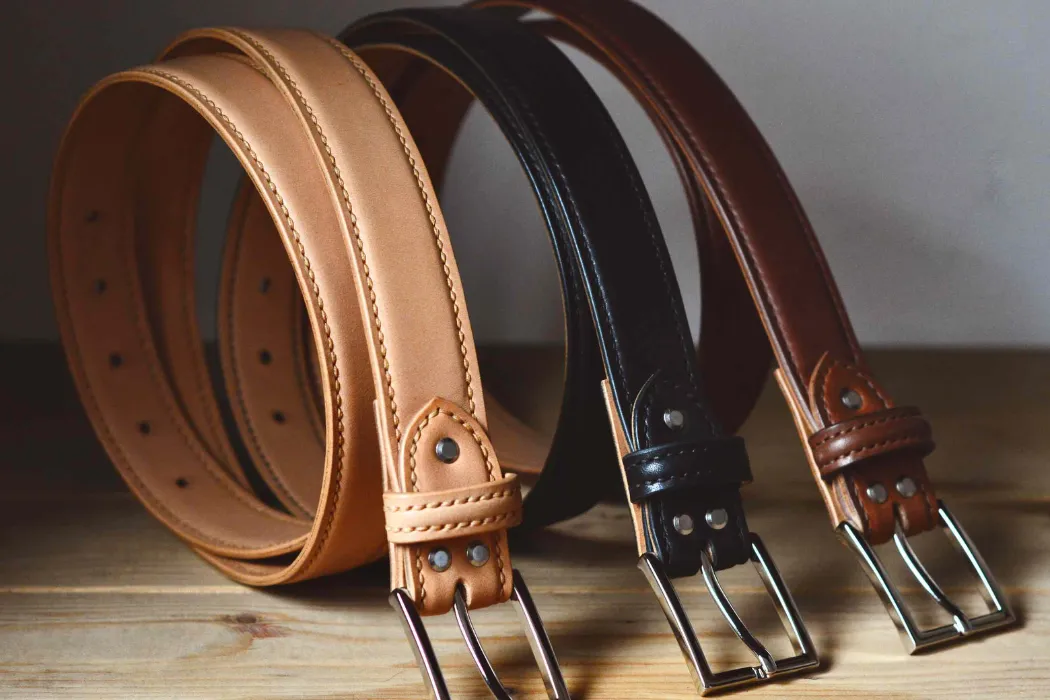
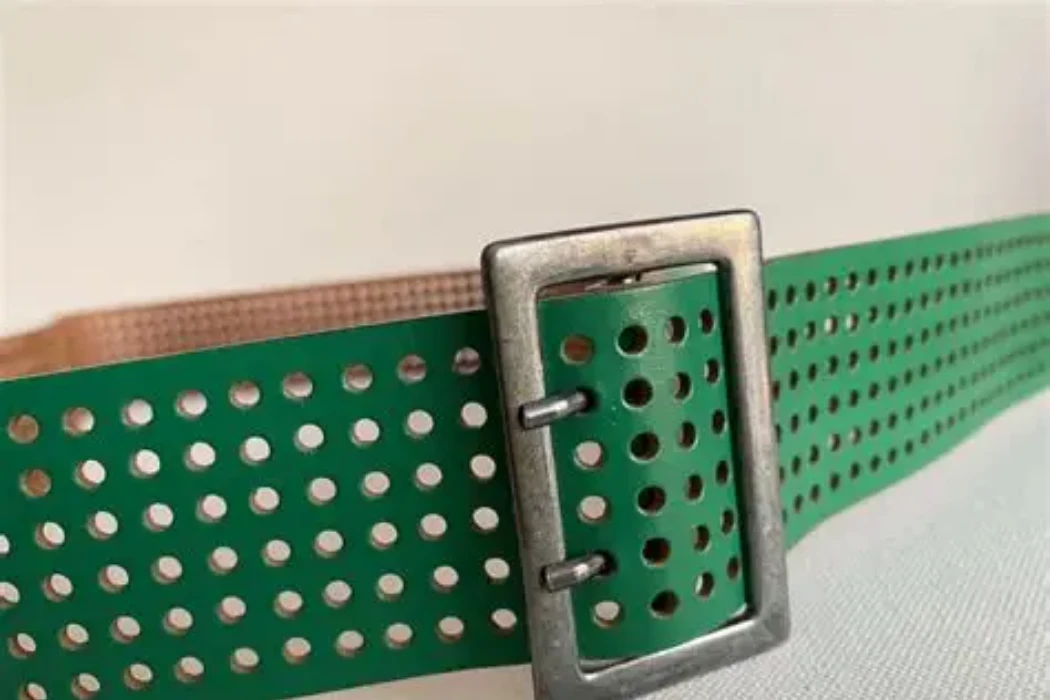
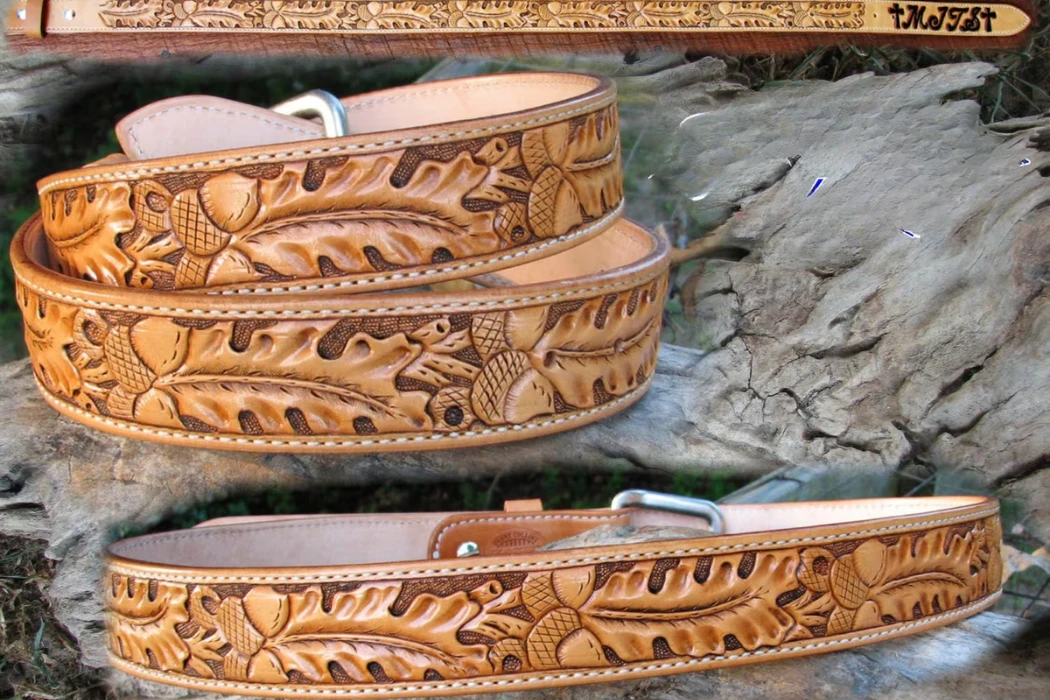
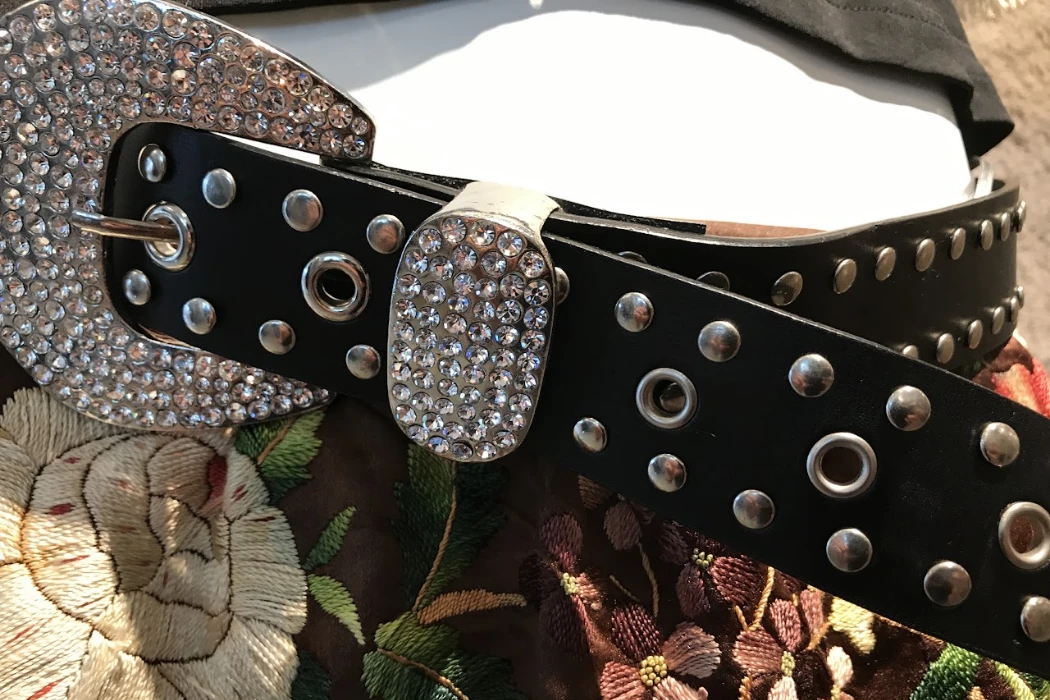
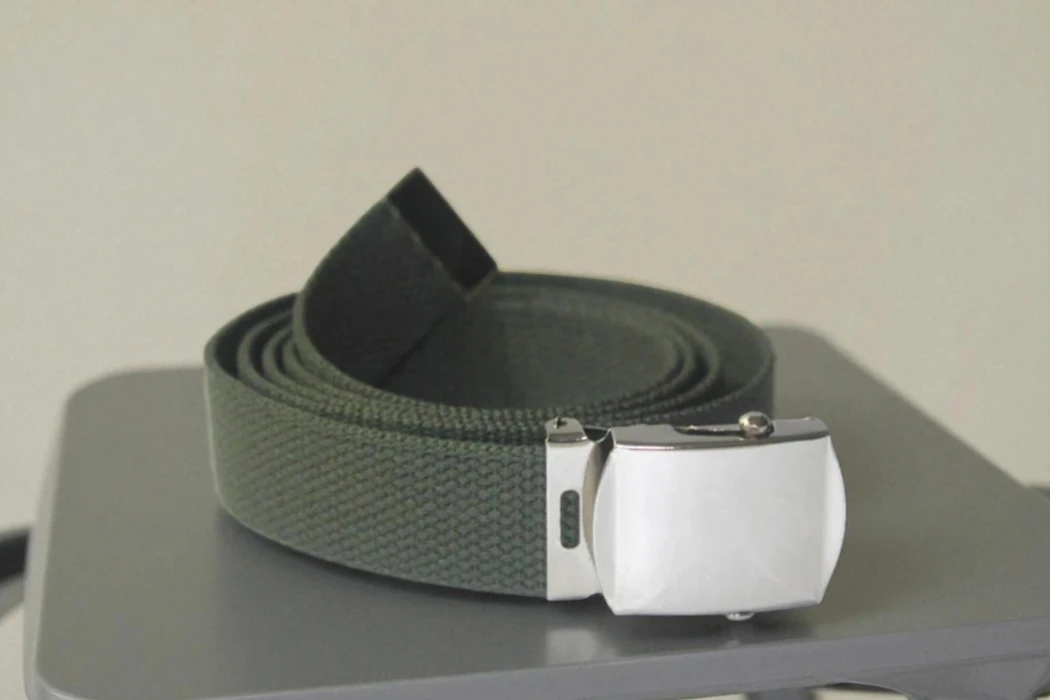
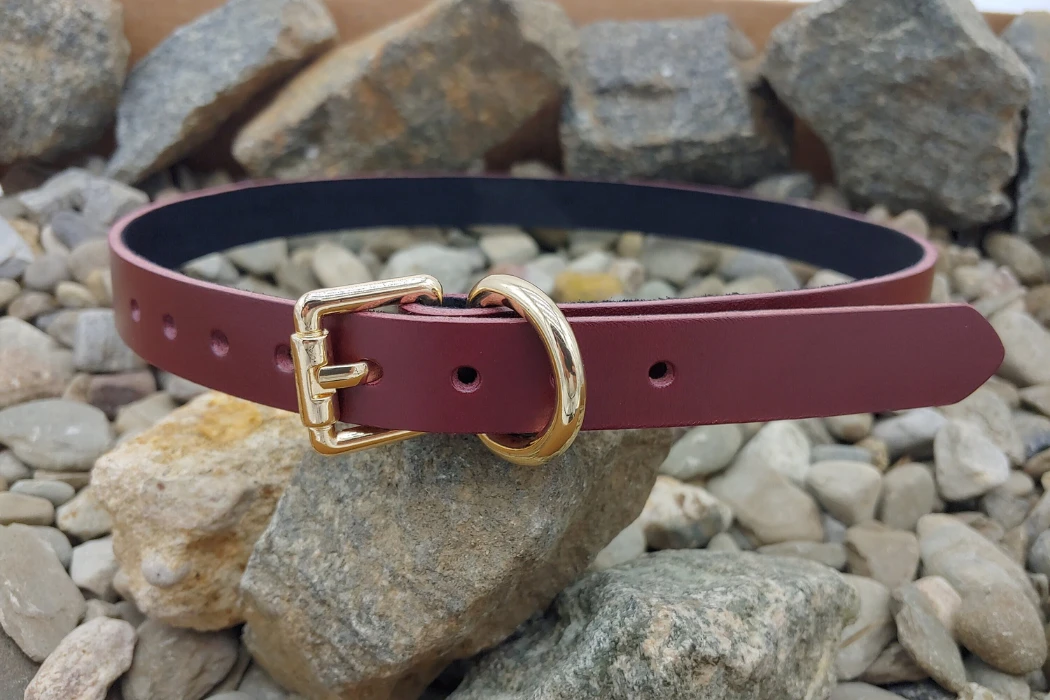
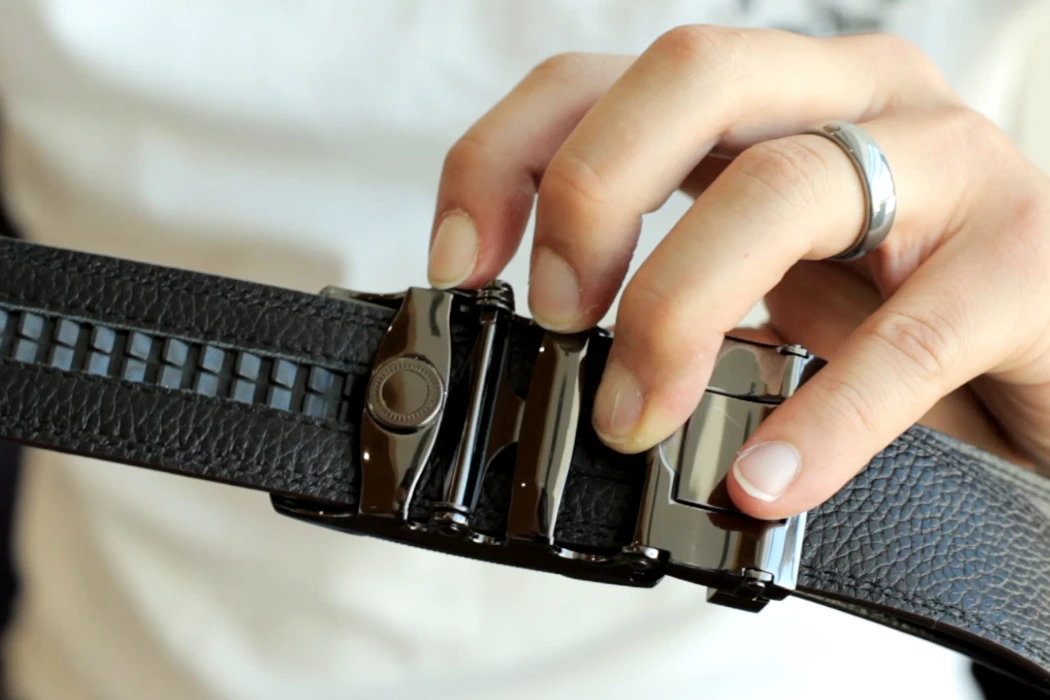
Illustrative belt products. Facility certification must be checked separately against the named production site and its current records.
What Exactly Is the Leather Working Group Audit?
The LWG Leather Manufacturer Standard assesses relevant leather-processing operations, including facilities working from crust or tanned input. A qualifying finishing operation need not be a raw-hide tannery. The certificate’s site and scope therefore matter as much as the rating.
The Scope of the Audit
The current P7 standard includes 17 sections covering operational, environmental, chemical, traceability and social-audit topics. Water, energy, waste, effluent and management systems are part of the assessment. The number of sections should not be confused with a claim that every section independently sets the medal.
For a sourcing review, ask the following questions:
- Which named site carries out the leather processing relevant to the order?
- Does the certificate match that site’s identity, location and activity?
- Is it current, and is its status still shown in the official supplier listing?
- Which material stages are supplied directly, subcontracted or purchased elsewhere?
- What records connect the material being offered to the assessed operation?
An audit gives evidence about an assessed operation. It is not continuous monitoring of every output, a promise of zero emissions or a guarantee that all upstream dependencies are controlled. Keep the certificate alongside material records rather than using it as a substitute for them.
How Is the LWG Gold Rating Calculated?
LWG’s certification guidance gives rating thresholds of 85% for Gold, 75% for Silver, 65% for Bronze and 50% for Audited. The applicable section and threshold rules determine the outcome; a strong overall average cannot simply offset a weak medal-determining section.
Understanding the Medal Thresholds
| Rating threshold | Percentage | Buyer interpretation |
|---|---|---|
| Gold | 85% | Check the achieved facility rating and applicable scope |
| Silver | 75% | Compare with the buyer’s actual sourcing policy |
| Bronze | 65% | Review the facility and improvement priorities |
| Audited | 50% | Certification without a medal where applicable |
These are facility audit ratings, not leather quality grades. A buyer may set a preferred rating in its sourcing policy, but it is inaccurate to claim that every major or luxury brand requires Gold. Record the actual customer’s requirement and verify it with the relevant programme owner.
Why a Simple “Fail One, Fail All” Claim Is Incomplete
Distinguish falling to a lower rating from failing the audit. The effect of a result depends on the relevant section, threshold and protocol requirements. Do not infer the outcome from an invented example containing only an average and one low score.
LWG’s traceability guidance specifically states that traceability is currently scored but is not a critical section directly affecting the medal. Gold therefore does not establish full traceability. Check the applicable version and the reported result instead of saying every one of the 17 sections must meet Gold.
For an order decision, use the published facility status and relevant evidence. If a record is unclear, ask the certificate holder or certification body to clarify its scope rather than attempting to reconstruct a rating from incomplete information.
Why Do Fashion Brands Request LWG-Rated Leather?
A brand may use the rating within an environmental sourcing policy, supplier qualification process or customer requirement. Its value depends on how the evidence is used. It does not transfer all legal or commercial responsibility away from the brand.
Supporting Chemical Risk Management
LWG explicitly says certification does not guarantee an absence of restricted-substance failures or replace legal compliance assessments. A belt can contain additional hardware, thread, adhesives and finishes that require their own evaluation.
Identify the destination, intended user and applicable product requirements. Obtain evidence for the actual materials and construction, and agree how changes will be controlled. A test on one leather colour or an unrelated buckle should not automatically cover a different order.
Keep factory assessment and shipment approval as separate decisions. The rating can be one input to supplier risk assessment; a product test and a traceable material record answer different questions. Investigate failures rather than assuming a facility rating makes them impossible.
Making Accurate Sourcing Claims
LWG’s claims guidance distinguishes membership claims from facility certification. Genuine facility certification marks include a unique reference number and expiry date. A brand should follow the relevant permissions and wording rules when communicating its relationship to LWG.
Describe the verified fact precisely: the relevant leather-processing facility holds a specified current rating. Do not turn that into “this belt is LWG Gold certified,” “zero-impact leather” or a guarantee of legal compliance. Where only some materials or suppliers are covered by a claim, make the scope clear.
Have sourcing and marketing teams use the same evidence record. Keep the approved wording, supplier identity, material references and date of verification together so future product pages and packaging do not expand the claim beyond its support.
Does LWG Certification Guarantee Chemical Safety and Traceability?
No. Those subjects need specific evidence in addition to the facility rating. The distinction matters when a finished-goods factory buys leather through another company or combines materials from several sources.
Process Audits and Product Testing
The material bill should identify leather, lining, coatings, adhesives, thread and hardware. Determine the test plan for the intended market and age group, then match reports to those components or the assembled product as appropriate.
Record the sample identity, method, result and date. Assess whether a change in finish, supplier or construction affects the evidence. A laboratory report also has limits: it describes the tested specimen and conditions, rather than guaranteeing every future batch.
Social responsibility is not wholly absent from P7: the manufacturer standard includes a social-audit section and recognises relevant third-party audits. Review the actual site report and corrective actions. SMETA, for example, is an audit methodology, not a certificate of product quality.
Traceability: Knowing the Material Route
LWG describes physical, documented, group and eligible regional traceability approaches. Its traceability information should be read separately from the medal. A slaughterhouse-level record is not the same as complete farm-level evidence or proof that all deforestation-related requirements have been met.
Use LWG’s supply-chain mapping guidance to structure questions about the route from upstream sources through tanning and finishing to the product. Identify missing links and who can provide the relevant data.
For the purchase order, connect the approved material code and supplier to delivery and production records. Define how substitution is authorised. A general certificate downloaded from a supplier’s website cannot by itself show that the order used material from that facility.
| Question | Relevant evidence | Do not infer from Gold alone |
|---|---|---|
| Facility status | Current listing, certificate and scope | Certification of every company site or product |
| Product chemical requirements | Applicable rules and matching material/product reports | No possible restricted-substance failure |
| Material origin | Traceability information and order-linked supply records | Complete farm-level or deforestation due diligence |
| Social conditions | Relevant site audit, scope and corrective actions | No labour issues throughout all subcontracting |
| Commercial delivery | Capacity, order terms and production milestones | Guaranteed price, stability or on-time shipment |
Will LWG-Rated Leather Increase Product Costs?
There is no universal price premium or saving attached to a medal. Leather type, selection, thickness, finish, quantity, availability and supplier terms all affect cost. Compare equivalent specifications before attributing a price difference to certification.
Evaluating the Complete Cost
Request an itemised quotation where useful, including material, development, testing, packaging and delivery terms. Consider whether the supplier can provide the evidence required by the customer without repeated delays or rework.
Efficient resource management can matter commercially, but Gold does not establish that a facility recycles a particular percentage of water, uses solar power or always charges less. Nor does it guarantee immunity from shutdowns or supply interruptions.
Choose a supplier whose material and documentation fit the programme. A rating can satisfy one sourcing criterion while price, capacity, product performance and customer requirements still need separate approval.
Frequently Asked Questions About LWG Certification
What is the difference between Gold and Silver?
They are different facility rating levels under the applicable audit rules. Compare the current achieved rating with the buyer’s policy, then review product and traceability evidence separately. A higher medal does not automatically mean a stronger or longer-lasting belt.
Is LWG leather genuine leather?
LWG’s leather supply-chain standards concern the relevant leather operations. The certificate is not a composition test for an individual item. Confirm the actual belt material and supplier record rather than relying on an LWG logo to authenticate it.
How long is an LWG certificate valid?
Manufacturer certification is generally issued for two years, with defined exceptions such as certain first audits based on a shorter data period. Other audit categories can differ. Check the actual expiry and current status rather than assuming every certificate has the same duration.
Does LWG certification cover vegan leather?
Do not use a leather facility’s Gold rating to certify a PU or other non-animal material. Confirm the material composition and any separate claim or standard that applies. A proposed future programme is not evidence of current certification.
Can a brand be LWG certified?
Brand membership and a facility’s audited certification are different. Membership does not give a brand or every finished product a Gold rating. Use the applicable membership or certification wording and mark correctly.
What is the minimum score for Bronze?
The published Bronze threshold is 65%, applied through the relevant audit rules. Meeting a numerical threshold alone is not a substitute for satisfying the protocol and holding a valid certification.
Using LWG Evidence in a Belt Order
Verify the facility, connect it to the material supply route, and assess the finished belt against the actual specification and market requirements. Keep sourcing claims limited to the evidence available for the order.
Hoplok‘s ProPelli operation in Cambodia receives crust leather for finishing and holds valid facility-level LWG Gold certification. It is not a tannery, and that rating does not certify every Hoplok product. For a custom leather belt programme, share the material specification, quantity, destination and required documentation so the team can confirm the proposed supply route and evidence.