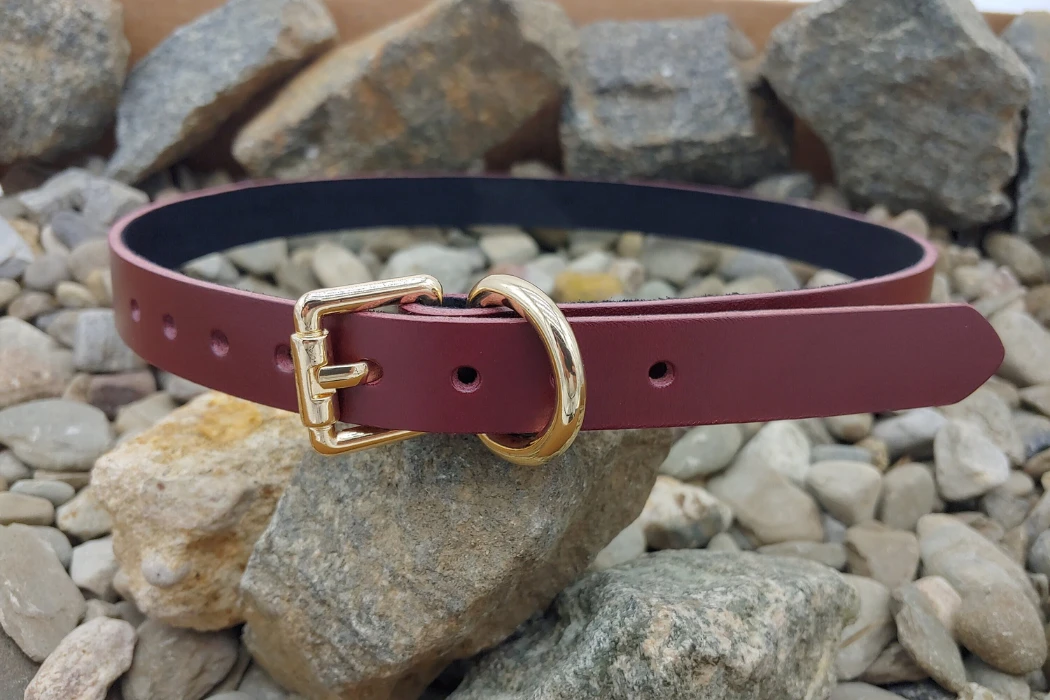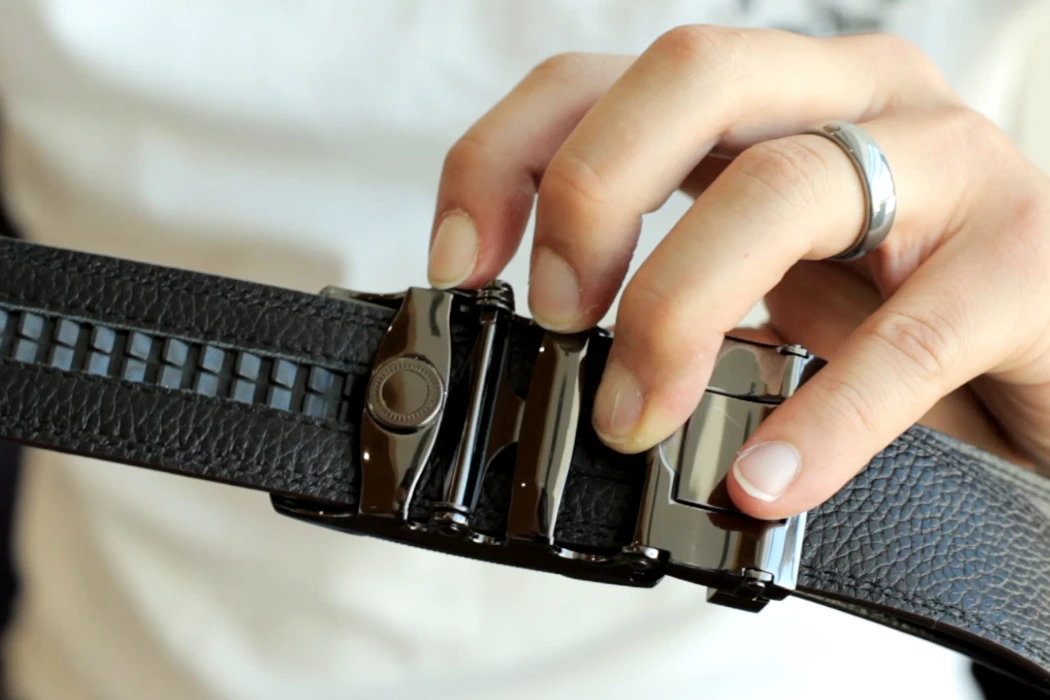
Leather patina is the developing appearance associated with use and exposure: changes in colour, sheen and surface character. For a brand, the useful question is whether those changes match the product promise. Patina is not a technical grade, a guaranteed improvement in value or an explanation for every damaged surface.

What changes when leather develops patina?
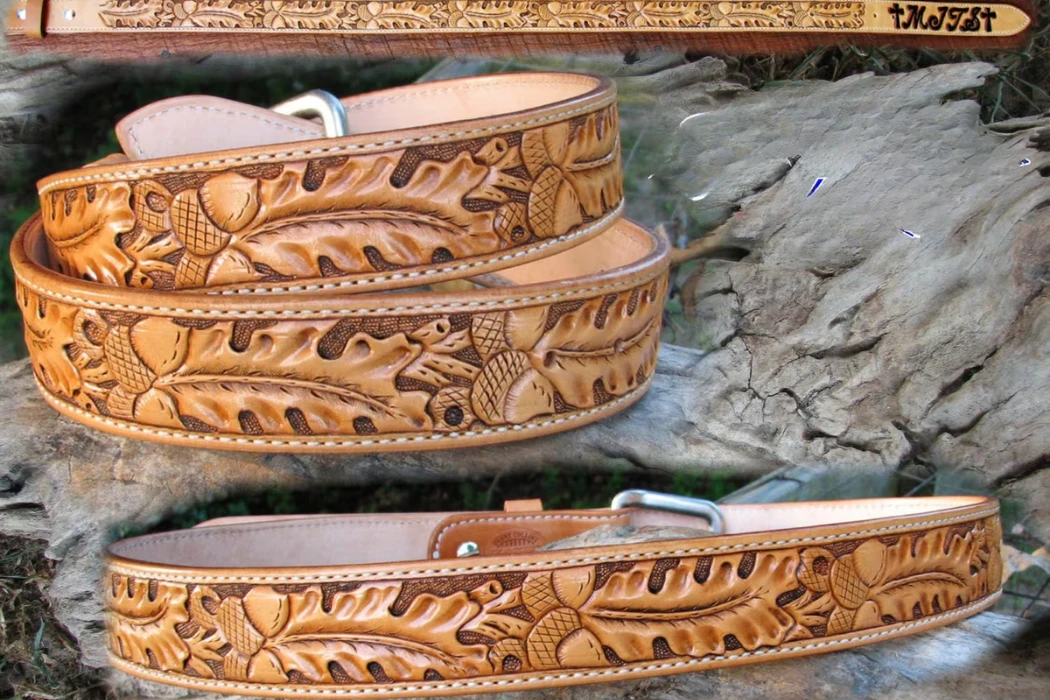
Handling, rubbing, light and the surrounding environment can affect leather’s appearance. The result depends on the material, finish and use. A lightly covered surface may show change differently from a strongly pigmented or coated one. A product can become darker in contact areas, develop a different sheen or show more contrast between frequently handled and protected areas.
Those observations do not establish a universal timetable. Two products made from the same article may age differently because their users, storage and care differ. Avoid promising that a bag or belt will reach a particular colour after a fixed number of months.
Separate patina from stains and material failure
| Observation | What to investigate | Brand decision |
|---|---|---|
| Gradual change in sheen or tone | Whether it matches the intended finish and use | Describe the expected variation clearly |
| A local dark mark or tide line | Contact with liquid, oil, dye or another substance | Assess it as a mark; do not automatically call it patina |
| Cracking, peeling or separation | Material, coating, construction and exposure history | Review the failure rather than presenting it as desirable ageing |
| Uneven colour on unused stock | Storage, packaging, production and approved variation | Compare with the agreed acceptance standard |
A photograph alone may not distinguish the causes. Inspect the product and its history before making a quality decision. Customer care wording should leave room to investigate a defect, even when the collection is designed to change with wear.
Which leather should an ageing-led collection use?
Start with the intended appearance and ask for suitable finished articles. Full-grain describes retention of the original grain; it does not guarantee a particular patina. Tannage and finish also matter, and “vegetable-tanned” should not be used as a substitute for a sample showing the desired result.
Ask the material supplier how the proposed article is expected to change and what evidence supports that description. Where worn examples exist, record their material identity and usage history. An attractive photograph of an unrelated old wallet is inspiration, not evidence for a new bag collection.
Approve variation before placing the order
Include both the new-product appearance and the expected range of change in the development brief. Purchasing, design and quality teams should agree whether surface marks, light scratches and colour variation are acceptable. Define separate requirements for presentation at delivery and appearance during use.
A practical evaluation can compare the approved sample with pieces exposed to relevant handling or contact conditions, using an agreed procedure. Label and retain the samples so the result can be traced to a particular leather and finish. This is a controlled comparison, not a promise that every customer will create the same result.
Consider the whole product and its contact points
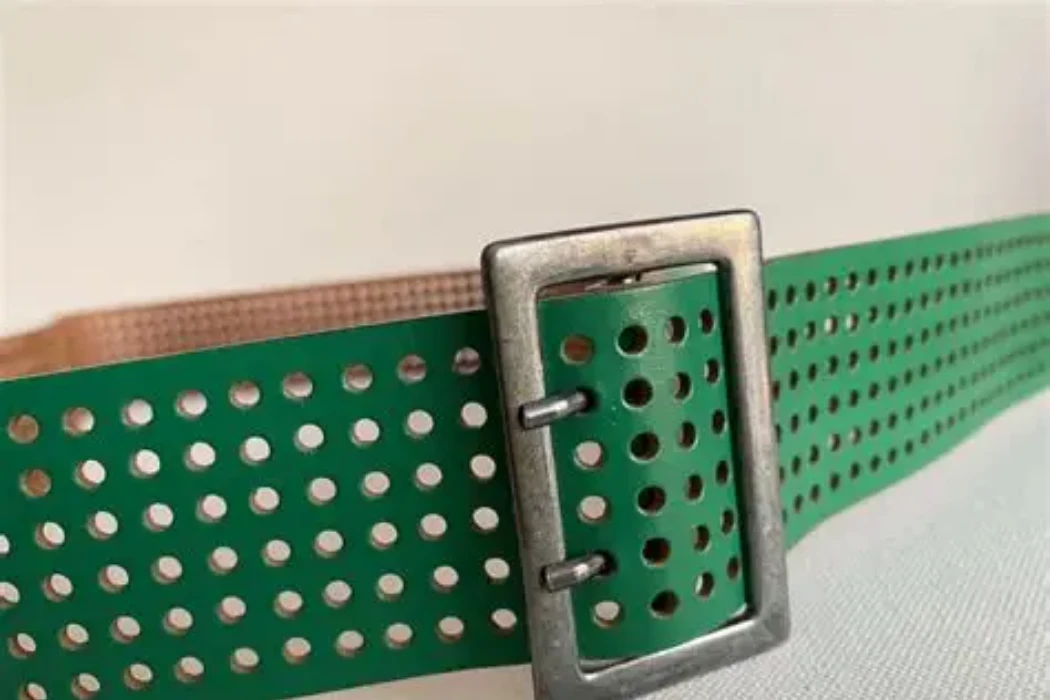
A bag’s handles and corners may receive different contact from its main panels. Belt folds, holes and edges experience different movement from the broad strap surface. Wallets interact with pockets, hands and stacked contents. Review those areas on assembled prototypes rather than extrapolating from one flat swatch.
Check contact with light textiles and packaging where relevant. A brand may welcome a darker handle but still need to prevent unacceptable colour transfer to clothing. Surface change and colourfastness are different questions; SATRA discusses this distinction in its colourfastness and wear guidance.
Write care guidance for the actual finish
Use the material supplier’s recommended cleaning and storage instructions, then trial them on the approved article. Do not recommend intentional soaking, strong heat, prolonged sun exposure or generic oils merely to accelerate ageing. Such treatment can change the appearance in an uncontrolled way and may damage the product.
Explain the expected changes in plain language and distinguish them from issues that should be reported for assessment. Avoid saying that all scratches disappear, that every stain adds value or that natural leather cannot crack. Those claims create an expectation the material name cannot support.
Develop a product with clear appearance expectations
For a Hoplok project, send the reference appearance, product drawing, intended use and any documented worn samples through design and development. Request a suitable material proposal and agree the surface, variation and care instructions during sampling.
The result should let a buyer explain how the product may change while retaining an objective quality standard. Patina can be a deliberate design choice when its limits are understood.